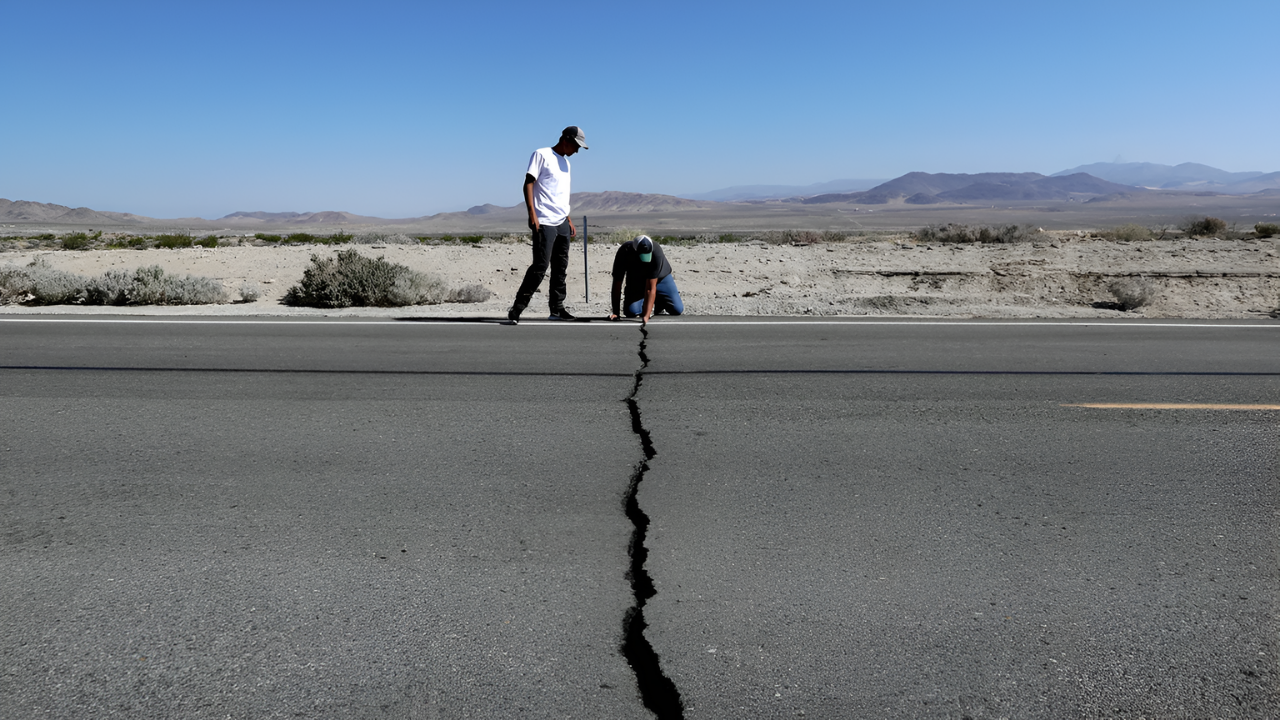
The earth trembles as a 75-kilometer tear begins to slice through the oceanic plate beneath Vancouver Island, sending seismic waves rippling through the Pacific Northwest. For the first time ever, scientists are witnessing a subduction zone break apart in real-time, with one section of the plate dropping 5 kilometers. This rare and dramatic event has been reshaping our understanding of tectonic forces and the seismic landscape of the region.
What caused this catastrophic shift, and what does it mean for those living above it?
Why Is the Plate Dying? Unraveling the Geological Forces
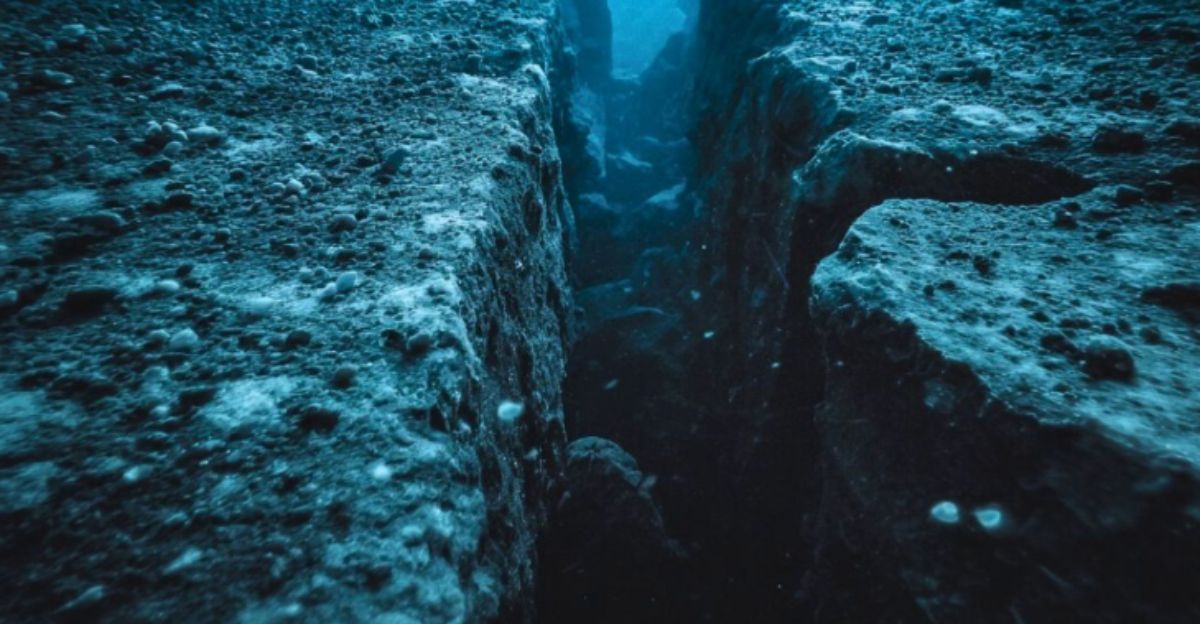
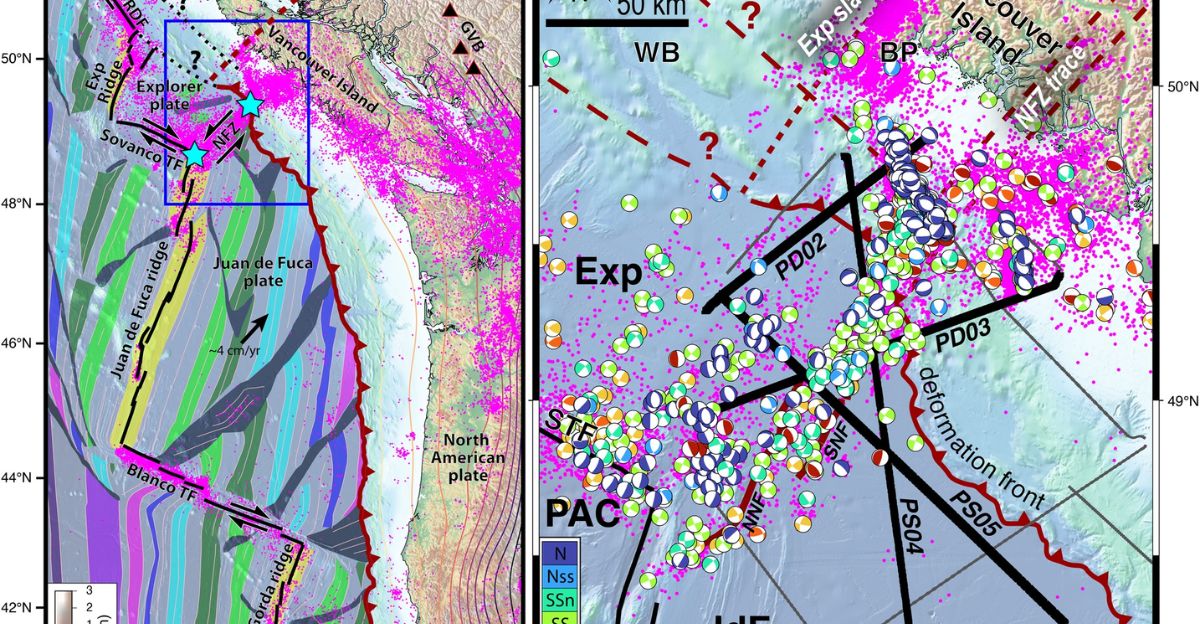
The plate’s fragmentation is happening at the Cascadia subduction zone, where the Juan de Fuca and Explorer plates meet the North American plate.
Seismic imaging shows the plate is tearing apart piece by piece, creating smaller microplates, rather than breaking in one catastrophic event. This ongoing geological process offers scientists a rare glimpse into Earth’s tectonic changes.
Consumer Impact: Safety and Insurance Concerns in Seismic Zones

Homeowners and renters in the Pacific Northwest face ongoing concerns about earthquake safety in a seismically active region.
Earthquake insurance and seismic risk considerations have long been important for Pacific Northwest residents, and updated seismic risk maps continue to inform decisions about insurance coverage and seismic retrofitting. Building codes have been designed with seismic safety in mind as residents contend with their proximity to the Cascadia subduction zone.
Business Response: Infrastructure and Corporate Risk Management
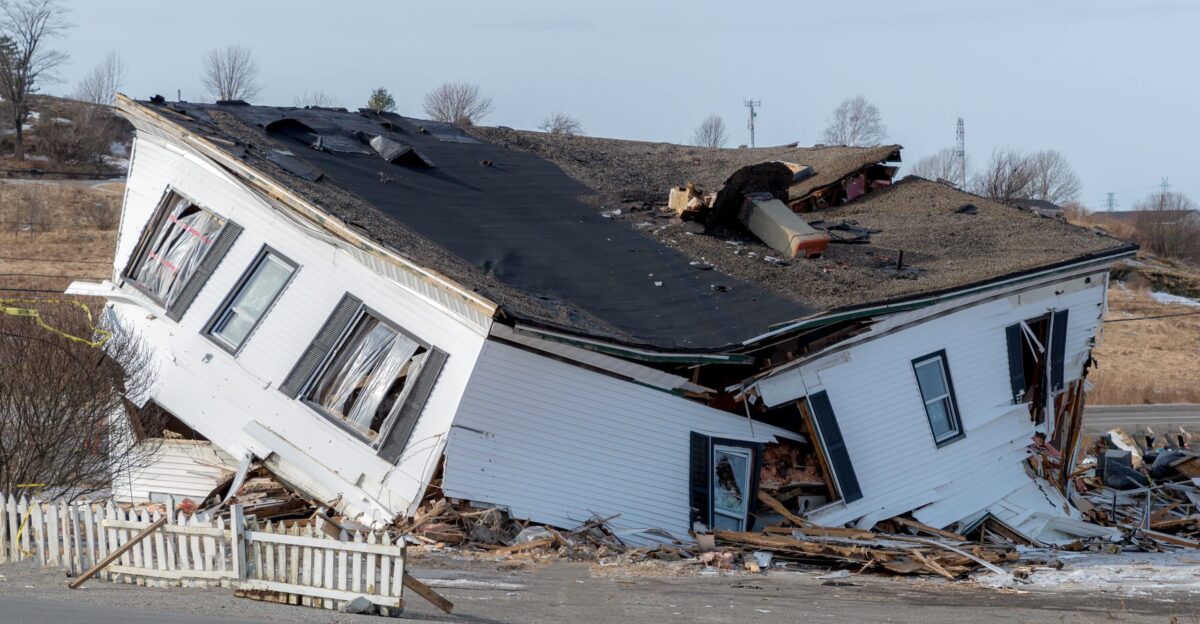
The business sector, particularly in utilities and tech, recognizes the seismic risks of the region by maintaining disaster recovery plans.
With hundreds of billions of dollars in infrastructure at risk, companies invest in resilient systems to minimize disruption from potential earthquakes. Geologists consult on infrastructure vulnerabilities across supply chains, especially those dependent on the region.
Adjacent Markets: Construction and Engineering Adapt
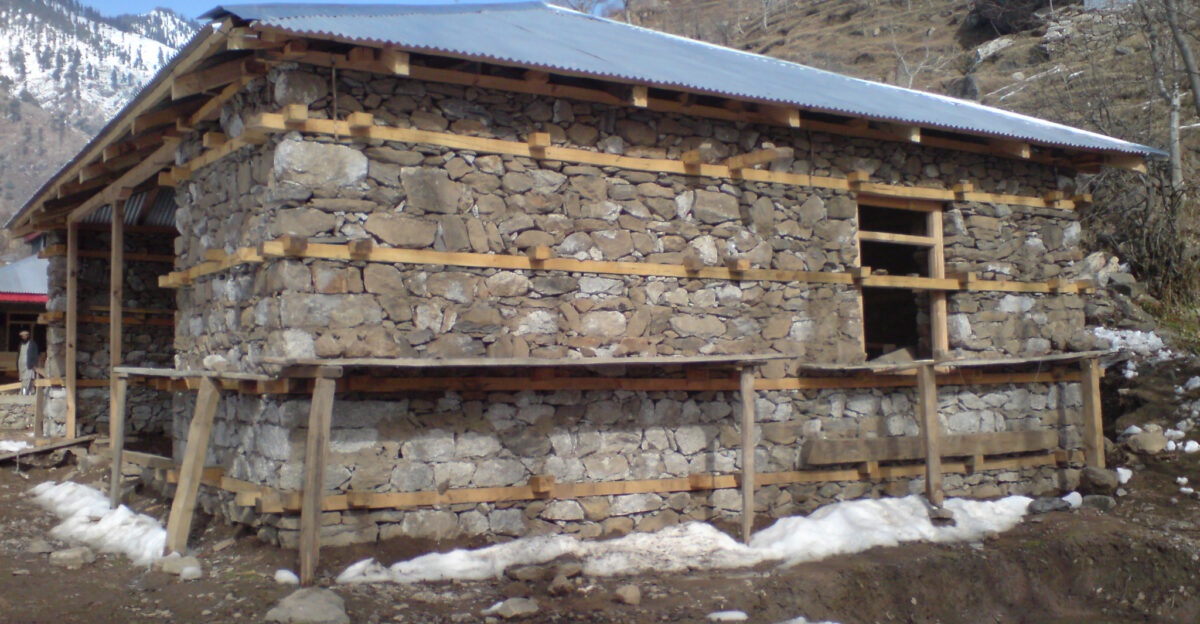
Earthquake-resistant construction materials and designs are an established part of the construction industry in seismically active regions.
Engineering firms specializing in seismic safety operate throughout the Pacific Northwest. Markets for emergency supplies, such as water filtration systems and generators, serve communities preparing for potential seismic events.
International Trade: Shipping Routes and Port Operations
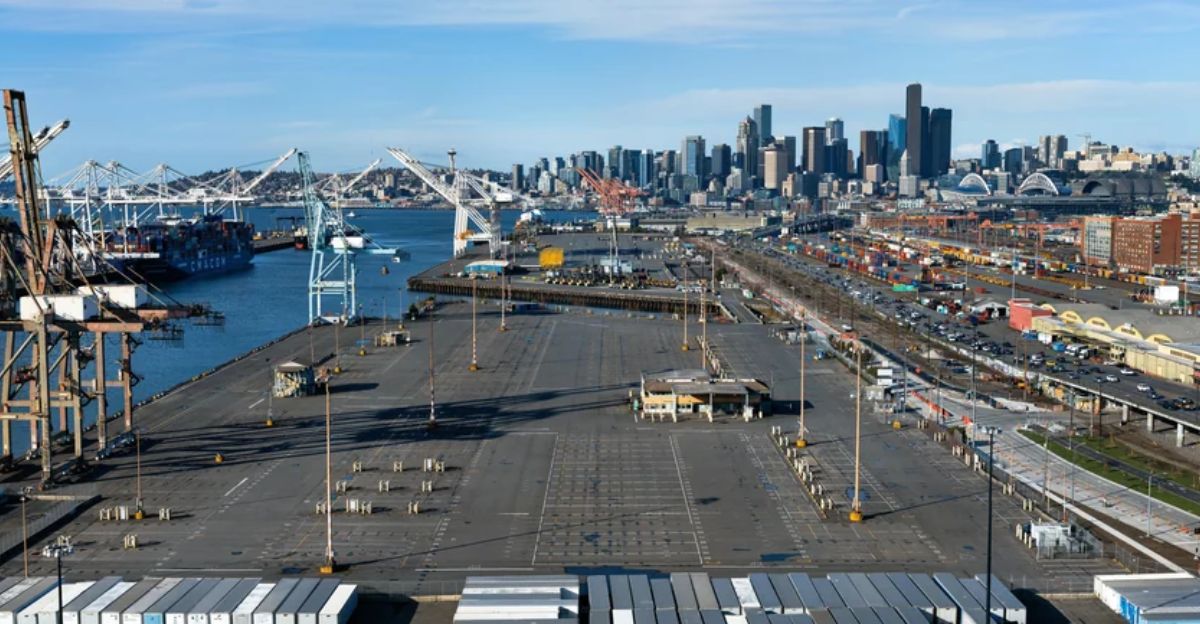
Ports in Seattle, Portland, and Vancouver maintain contingency plans for potential seismic disruptions to critical shipping infrastructure.
International trade monitors the region’s seismic risks, with awareness of possible implications for the region’s exports and imports. A major earthquake could bring significant delays in Pacific Northwest trade routes.
Human Story: Scientists and Local Residents React
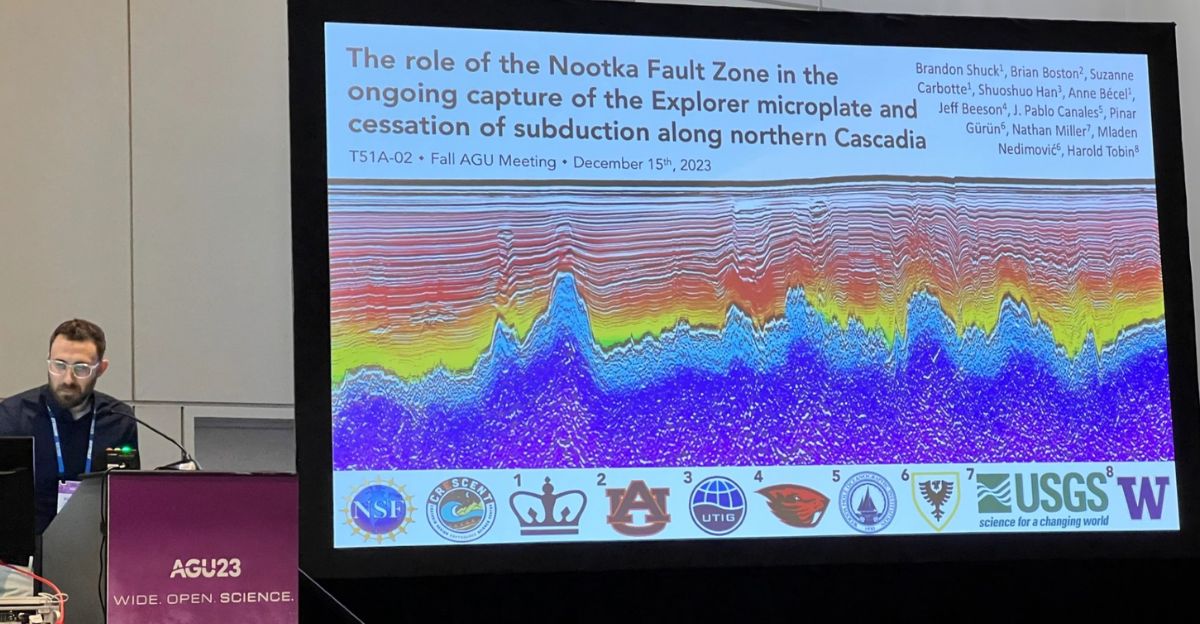
Brandon Shuck, lead researcher from Louisiana State University, describes the event as “caught in the act of dying.” Local residents express awareness of living above an active subduction zone.
Emergency managers coordinate community outreach to help residents understand the seismic risks and prepare for potential future earthquakes.
Political Ripple: Policy Makers and Preparedness
Government leaders in Washington, Oregon, and British Columbia maintain updated disaster response protocols to address seismic risks.
Public funding for seismic monitoring supports ongoing research, and disaster preparedness legislation addresses infrastructure resilience in anticipation of potential earthquake scenarios.
Economic Context: Infrastructure Resilience and Investment

As seismic risks are inherent to the Pacific Northwest region, infrastructure planning and investment decisions take earthquake preparedness into account.
Investment in companies specializing in seismic safety reflects the region’s long-term commitment to earthquake resilience. Local governments engage in planning to manage costs associated with seismic preparedness.
Retailer Strategies: Adapting to Seismic Awareness

Retailers in the Pacific Northwest offer emergency supplies, such as emergency kits, generators, and water filters, reflecting the region’s earthquake preparedness culture.
Marketing strategies emphasize disaster preparedness, and stores provide options for residents equipping themselves against potential seismic events.
Hospitality Shifts: Hotels and Restaurants Prepare

Hotels and restaurants in seismically active regions maintain safety protocols designed for earthquake response. Staff members receive training for earthquake procedures, and structural assessments ensure compliance with seismic building codes.
Tourism boards communicate earthquake safety information, and hospitality businesses maintain emergency resources for guests.
Supply Chain Considerations: Agriculture and Regional Industries

Agricultural sectors such as leather production, pet food, and fertilizer, which depend on Pacific Northwest supply chains, develop contingency plans to address potential earthquake disruptions.
These industries maintain sourcing strategies mindful of regional seismic risks and implement contingency plans for potential supply chain delays.
Global Awareness: International Perspective on Cascadia
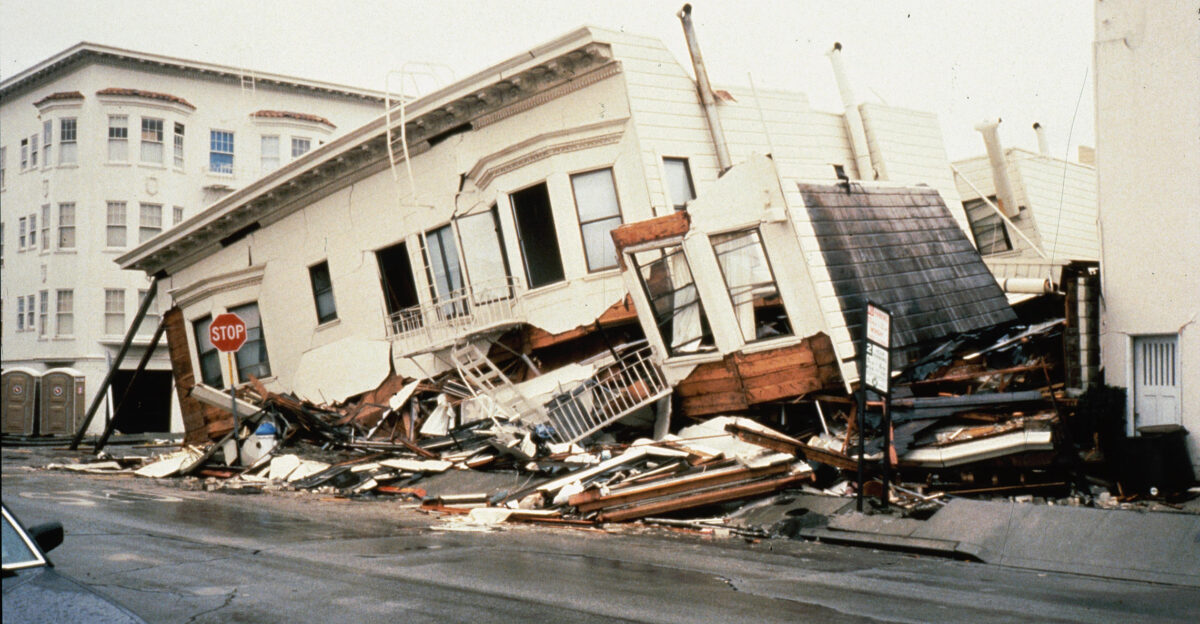
The ongoing understanding of the Cascadia subduction zone’s tectonic activity is generating continued global attention to seismic hazards in the Pacific Northwest.
International consumers and multinational companies maintain awareness of the region’s earthquake risks and their potential impact on supply chains.
Health and Lifestyle: Mental Health and Preparedness

Mental health professionals recognize that residents in seismically active regions may experience anxiety about earthquake risks.
Community organizations offer preparedness workshops, helping families develop and update emergency plans in response to living above an active subduction zone. Proactive safety measures are part of regional life.
Cultural and Environmental Debate: Sustainability in Focus

Environmental groups advocate for the integration of sustainable and disaster-resilient infrastructure in urban planning.
Cultural discussions focus on balancing economic growth with long-term safety, as communities consider urban development in light of persistent seismic risks.
Winners and Losers: Seismic Safety Industry and Regional Resilience
Seismic safety companies and engineers serve the ongoing demand for earthquake-resistant solutions in the Pacific Northwest.
Infrastructure operators and insurers work to manage risks in a seismically active region. Some rural areas, which are less exposed to seismic risk, may attract residents seeking safer living conditions.
Financial Markets: Seismic Safety and Real Estate Considerations
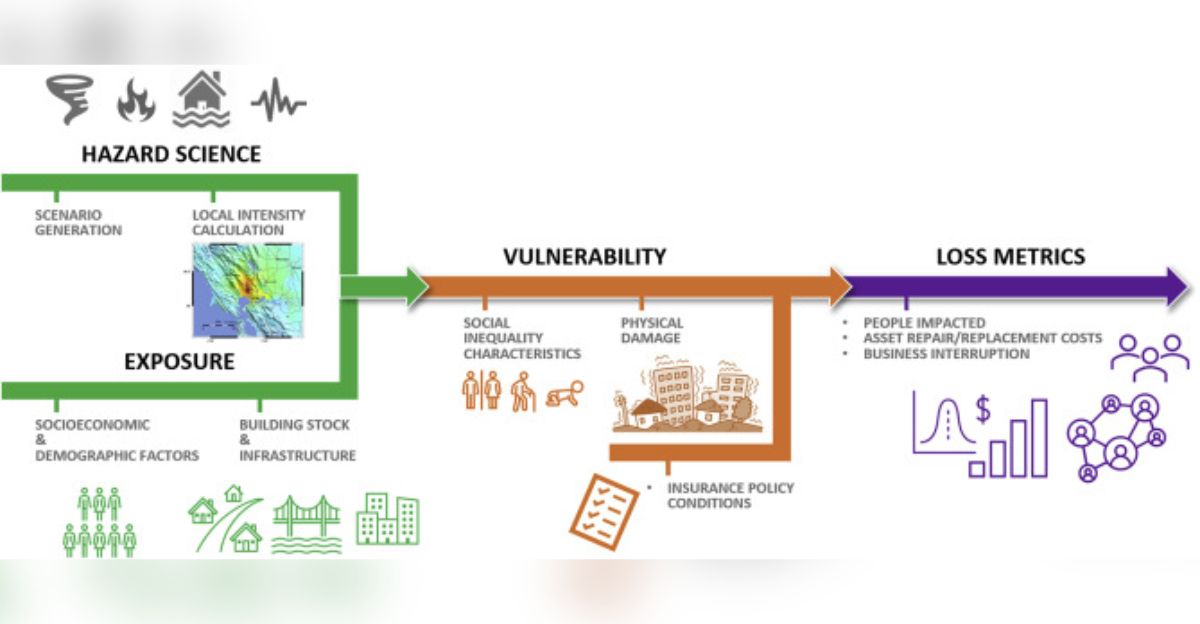
Companies specializing in earthquake-resistant technology serve markets addressing regional seismic concerns.
Real estate markets in the Pacific Northwest reflect the ongoing consideration of seismic safety in property decisions. Financial analysts monitor the region’s seismic risks and their long-term economic implications.
Consumer Advice: How to Prepare for Seismic Hazards

Experts advise Pacific Northwest residents to secure heavy furniture, assemble emergency kits, and review insurance policies.
Community participation in earthquake drills and staying informed through official seismic activity updates are important for preparedness. Earthquake preparedness is an ongoing commitment for the region.
Looking Ahead: Monitoring and Research Intensify
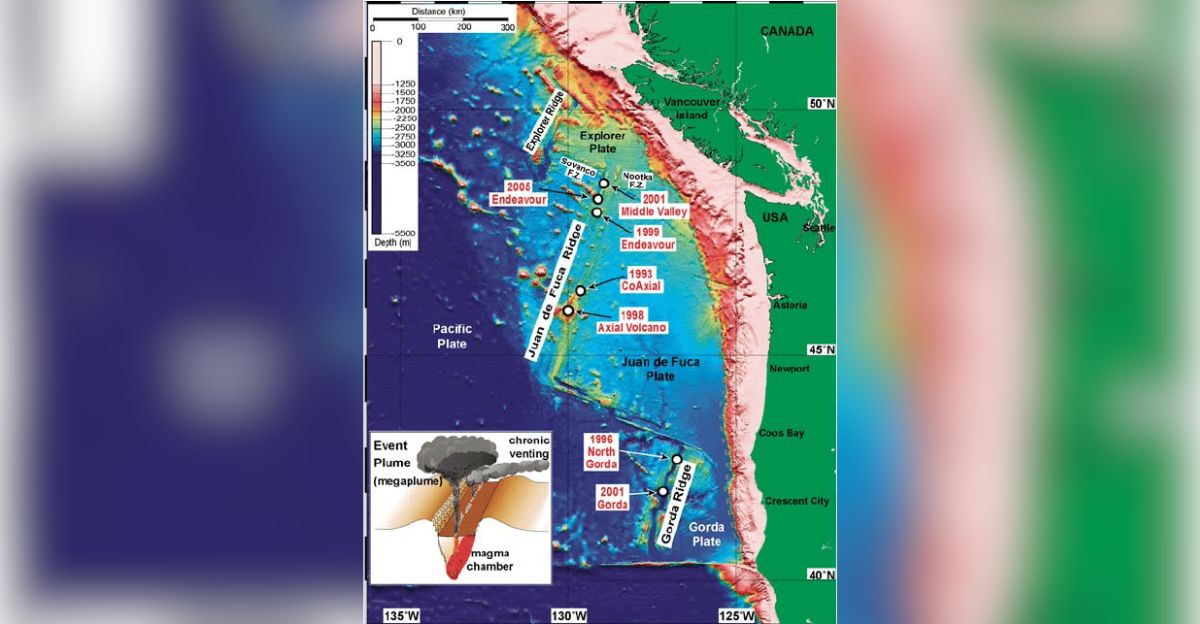
Continued monitoring of the Juan de Fuca-Explorer plate system is essential to understanding ongoing seismic risks.
Scientists are calling for greater investment in seismic imaging and sensor arrays to track activity and refine earthquake hazard models. This research will guide future preparedness efforts.
Final Reflection: A New Era in Seismic Understanding
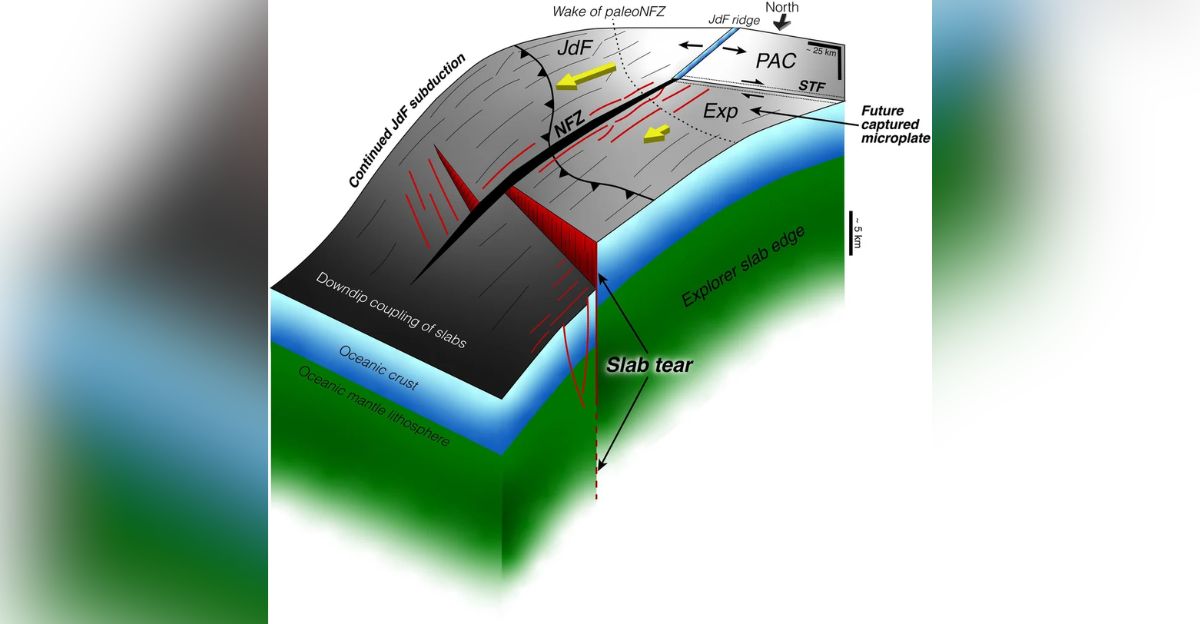
The direct observation of tectonic plate death marks a monumental discovery in seismic science. As this event informs our understanding of subduction zone processes, the Pacific Northwest faces a future defined by scientific insight, resilience, and proactive adaptation to the region’s seismic environment.
The implications of this discovery will continue to shape approaches to earthquake preparedness for generations.