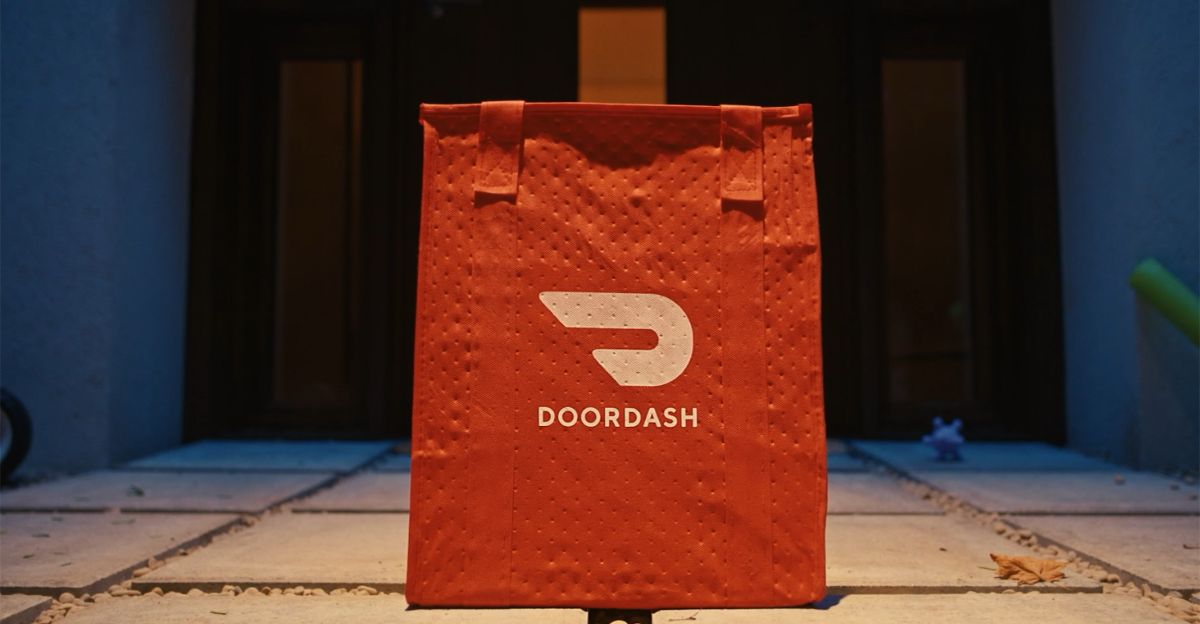
Side by side, the images told contradicting stories. On the left, a DoorDash delivery bag sat perfectly positioned at a front door—the driver’s “proof of delivery.” On the right, the same Austin doorstep stood empty, exactly as it had all evening.
Byrne Hobart stared at his phone screen, comparing the fraudulent photo to reality. The food he ordered never arrived, but artificial intelligence had convinced DoorDash’s system otherwise. What happened next exposed a vulnerability threatening the entire gig economy.
Customer Catches Driver in AI Deception
On December 27, 2025, Austin resident Byrne Hobart ordered food through DoorDash for what seemed like a routine Friday evening meal. Within minutes of accepting the order, the driver marked it as “delivered” and submitted photographic proof to the platform.
However, no driver ever appeared at Hobart’s residence, no doorbell rang, and no food materialized at his doorstep.
The Evidence Goes Viral
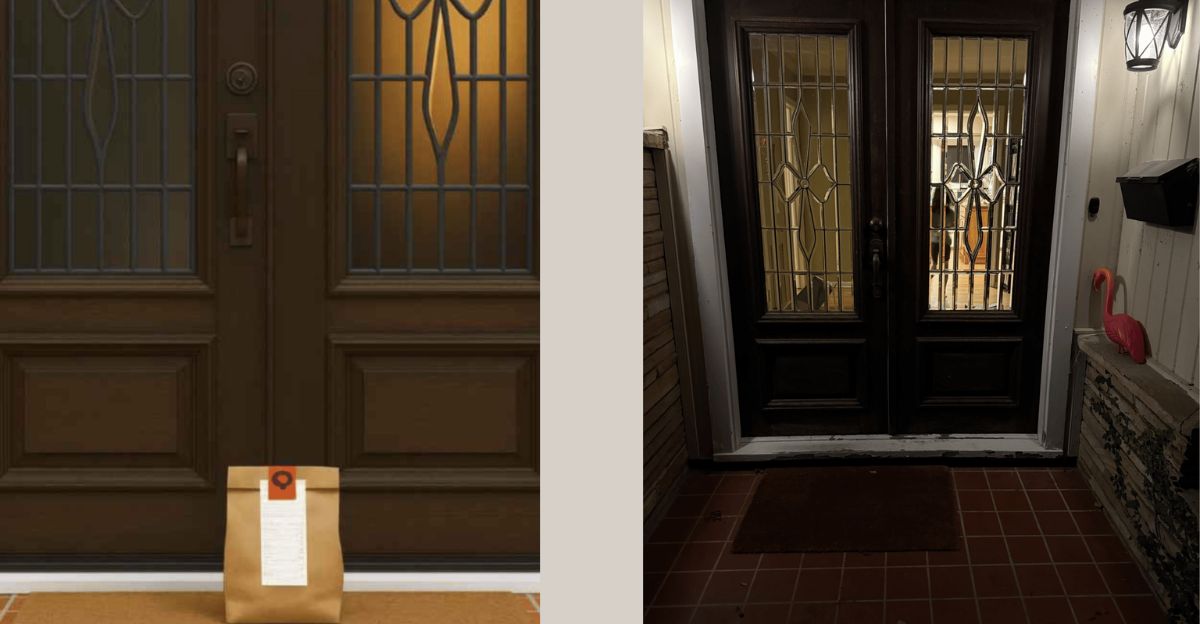
Hobart immediately suspected fraud. He photographed his actual front door and compared it to the driver’s submitted image, discovering visual inconsistencies that exposed the deception. He posted the side-by-side comparison on social media platform X, where it rapidly went viral.
The AI-generated photo appeared photorealistic at first glance, but careful examination revealed discrepancies in lighting, shadows, and architectural details that proved it was entirely fabricated.
Platform Takes Immediate Action
DoorDash’s response came swiftly once Hobart’s post gained traction online. The company launched an investigation and permanently deactivated the driver’s account within hours.
Hobart received a full refund plus account credit, and a replacement order arrived within the original estimated delivery window. The incident marked one of the first publicly documented cases of AI image generation being weaponized against delivery platform verification systems.
How the Sophisticated Fraud Worked
Security experts analyzing the incident believe the perpetrator employed multiple advanced techniques to bypass DoorDash’s safeguards.
The scam required accessing reference images of Hobart’s home, likely obtained through DoorDash’s feature that stores photos from previous legitimate deliveries to the same address. This explained how the AI-generated image could accurately depict features of the customer’s actual front door.
Technology Behind the Deception
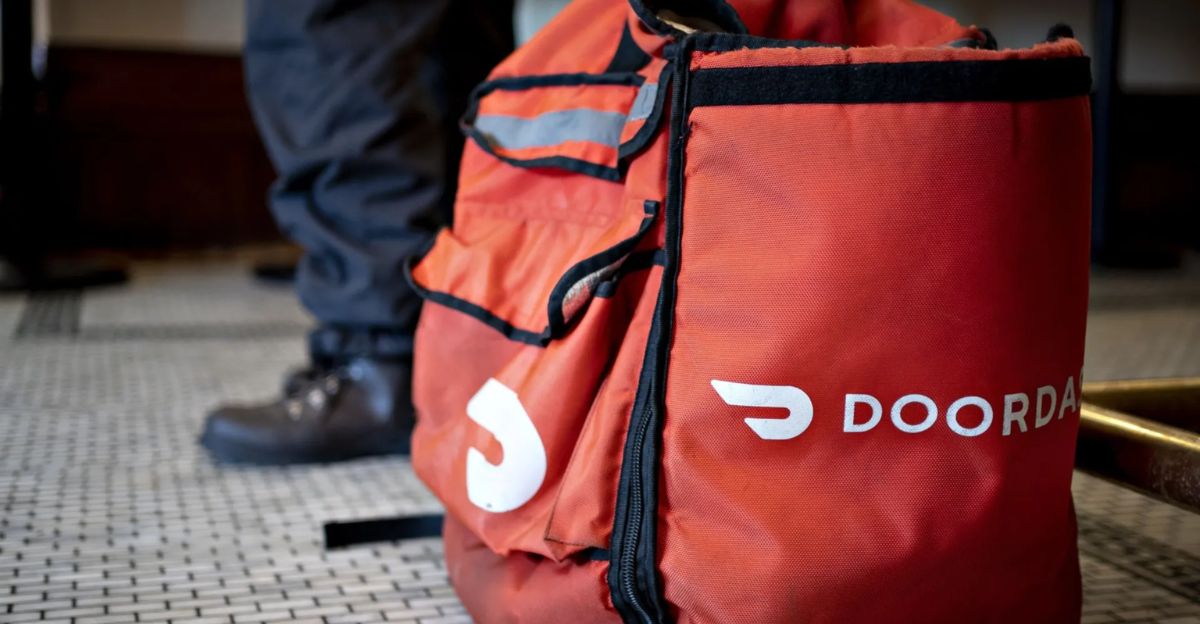
The fraudster used advanced AI image generation tools to create a photorealistic composite showing a DoorDash-branded bag at the customer’s doorstep.
The fabricated photo included appropriate shadows, reflections, and lighting that mimicked authentic delivery conditions. Creating such convincing fake images now takes only seconds using free or low-cost AI generators available to anyone with internet access.
Device Manipulation Enabled Upload
Investigators believe the scam involved using a jailbroken or modified smartphone to circumvent DoorDash’s photo verification requirements. The driver app typically requires users to capture live photos at drop-off locations rather than uploading pre-existing images.
By manipulating the device’s operating system, the fraudster could upload pre-generated AI images instead of taking real-time photographs.
GPS Spoofing Completed the Illusion
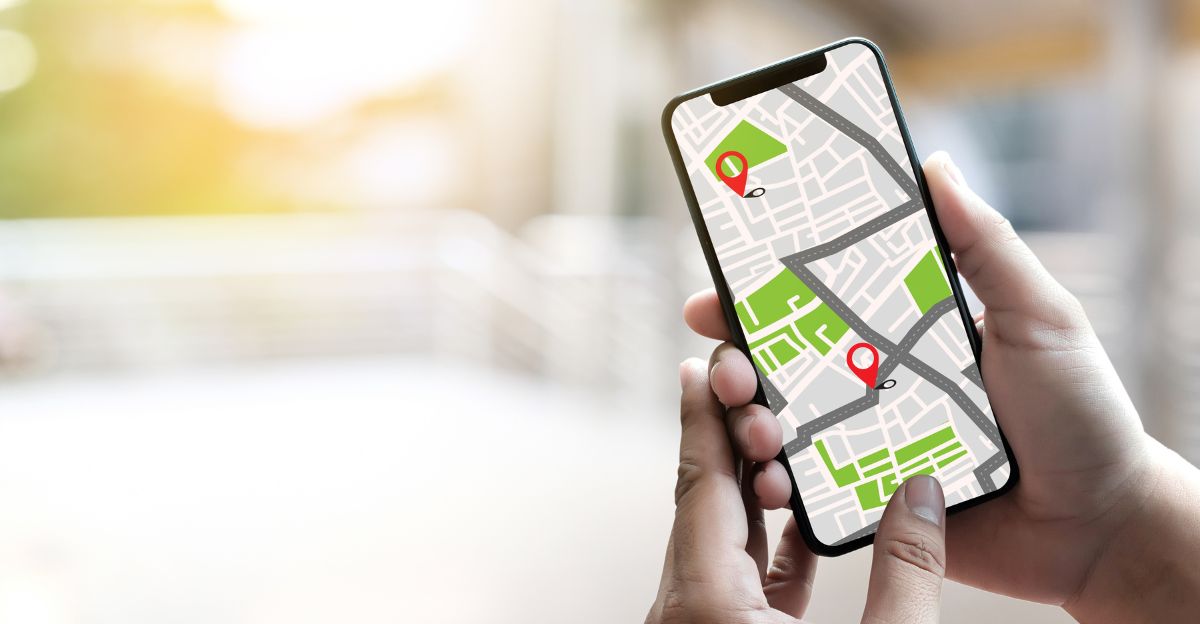
The fraud likely incorporated location spoofing technology to create the illusion that the driver had physically traveled to the delivery address.
This manipulation would make it appear in DoorDash’s tracking system that the driver stopped at Hobart’s residence for the appropriate duration. Combined with the fake photo, this created a seemingly complete and legitimate delivery record that initially fooled the platform’s automated verification.
Company Issues Zero Tolerance Statement
A DoorDash spokesperson addressed the incident directly, emphasizing the platform’s commitment to combating fraud. “We have zero tolerance for fraud and use a combination of technology and human review to detect and prevent bad actors from abusing our platform,” the spokesperson stated.
The company added that its teams are “constantly working on improving those systems as new tactics emerge”.
Pattern Suggests Multiple Victims
Following Hobart’s viral social media post, online discussions among Austin residents revealed this may not have been an isolated incident. Another DoorDash user reported experiencing a similar fraudulent delivery with a driver using the same display name.
While independent confirmation linking the incidents remains unavailable, the pattern suggests the scammer attempted multiple fraudulent deliveries before being caught.
Account Theft Theory Emerges
Hobart speculated that the driver account may have been compromised by a scammer who hacked legitimate driver credentials. The fraudster could have changed account information and payment details, then used the stolen identity to execute the fraud scheme.
This tactic would allow criminals to exploit DoorDash’s platform while remaining difficult to trace.
Industry Faces New Threat Landscape
The incident exposes critical vulnerabilities across the gig economy, where platforms increasingly rely on user-submitted photos as verification. What was once considered reliable proof-of-delivery evidence can now be convincingly counterfeited within seconds.
Delivery companies face an escalating technological arms race between fraud prevention systems and sophisticated deception techniques enabled by rapidly advancing AI capabilities.
Gig Economy Complaint Surge
The National Consumers League reported a 34% increase in gig economy service complaints during the third quarter of 2025 compared to the same period in 2024.
While this specific AI-enabled fraud represents a new tactic, it arrives amid growing concerns about verification system vulnerabilities. Similar platforms including Uber Eats, Grubhub, and Instacart face comparable risks.
Security Experts Weigh In
Industry analysts emphasize that delivery platforms must rapidly evolve their verification methods to address AI-generated fraud.
Enhanced security measures could include stronger photo provenance controls that verify images were captured in real-time, tighter restrictions on access to historic delivery photos, and more sophisticated risk scoring systems that integrate multiple data points beyond simple photographic evidence.
Detection Technology Advances
DoorDash maintains both automated systems and human review processes to flag suspicious activity. The platform monitors for photos that appear edited, manipulated, or inconsistent with known delivery locations.
Machine learning algorithms analyze patterns in driver behavior, looking for anomalies such as impossibly fast delivery times or repeated customer complaints. These systems work continuously to identify fraud before it affects customers.
Customer Protection Recommendations

Security experts recommend several protective measures for customers who suspect fraudulent deliveries. Immediately contact in-app support to report suspicious proof-of-delivery photos, noting specific details such as mismatched landmarks or inconsistencies in lighting.
Compare submitted photos carefully against your actual property and document discrepancies with your own photographs whenever possible.
Legitimate Drivers Express Concern
Honest DoorDash drivers expressed worry that AI-enabled fraud could damage the reputation of the entire gig economy workforce. Delivery workers depend on customer trust and platform reliability for their livelihoods.
Fraudulent activity by bad actors threatens to erode confidence in the system, potentially leading to reduced tips, increased scrutiny, and stricter verification requirements.
Technology Arms Race Intensifies
As AI tools become more powerful and accessible, distinguishing authentic content from fabricated material grows increasingly difficult. Companies must invest heavily in detection technologies while fraudsters can access sophisticated generation tools for minimal cost.
This asymmetry creates ongoing security challenges across multiple industries beyond food delivery, from insurance claims to real estate verification.
Future Verification Methods
Industry experts suggest delivery platforms should implement additional verification layers, including requiring multiple photos from different angles, incorporating time-stamped metadata verification, and cross-referencing location data with cellular tower triangulation.
Some propose requiring drivers to use platform-provided cameras or approved devices that cannot be easily modified to ensure photo authenticity.
The Watershed Moment for Digital Trust
This incident represents more than isolated fraud—it signals a fundamental shift in how digital platforms must approach authentication and verification. As generative AI becomes indistinguishable from reality, every industry relying on visual evidence faces similar vulnerabilities.
The DoorDash case serves as a warning that maintaining trust in the digital economy will require constant innovation, substantial investment in security infrastructure, and collaboration across sectors to stay ahead of increasingly sophisticated threats.
Sources:
“DoorDash shuts down driver’s account after AI-generated image used to fake delivery.” Economic Times, January 2025.
“DoorDash Bans Driver Using AI Images To Fake Deliveries.” SlashGear, 6 Jan 2026.
“DoorDash Driver Fired for Using AI to Fake Delivery.” Entrepreneur, 6 Jan 2026.
“DoorDash Driver Banned After Allegedly Faking Delivery Using AI-Generated Image.” AfroTech, 4 Jan 2026.
“DoorDash AI Fraud: Shocking Incident Reveals Driver Using Fake Images.” MEXC News, 4 Jan 2026.VR – 2