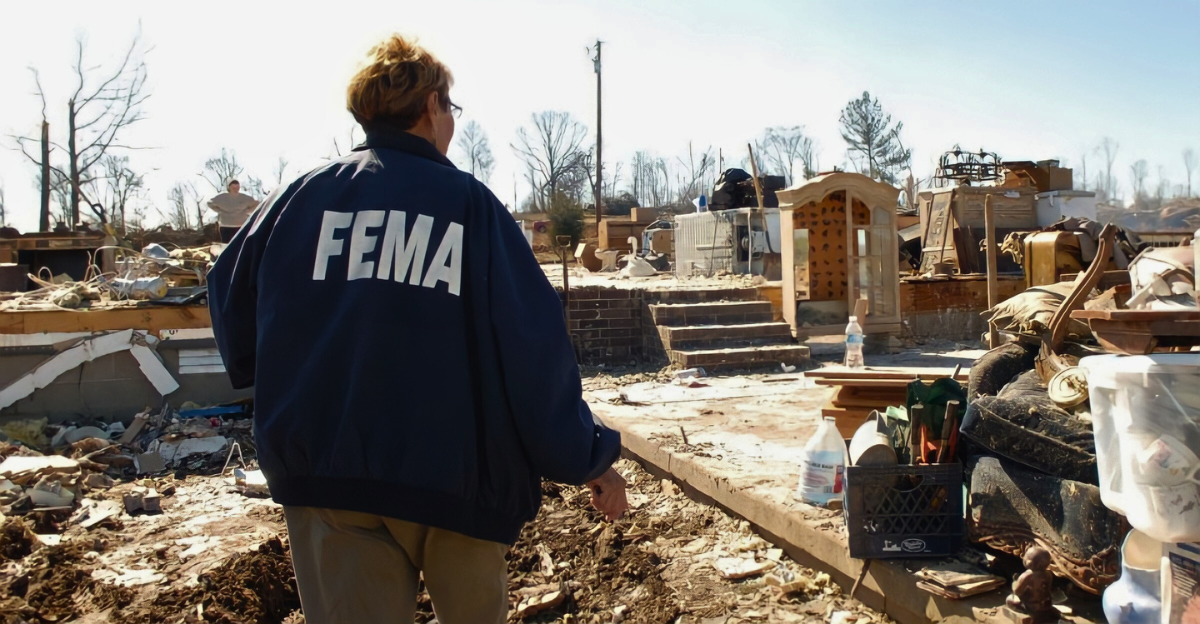
Agricultural disasters are hitting American farmers harder than ever, with 2024 marking one of the costliest years for crop losses in recent memory. The Farm Bureau reports over $20.3 billion in total crop and rangeland losses nationwide, representing 11.1% of NOAA’s total economic disaster impact. Kansas producers face particularly challenging conditions as extreme weather events become more frequent and severe.
Federal Emergency Declarations Surge in Great Plains Region
Federal disaster declarations have surged across the Great Plains, with Kansas alone recording four major disaster declarations in 2024 compared to historical averages of 3 per year, USA Facts data shows. The state’s agricultural sector, worth $4.69 billion in net farm income, faces mounting pressures from drought, severe storms, and infrastructure damage.
Kansas Disaster History Reveals Growing Vulnerability Pattern
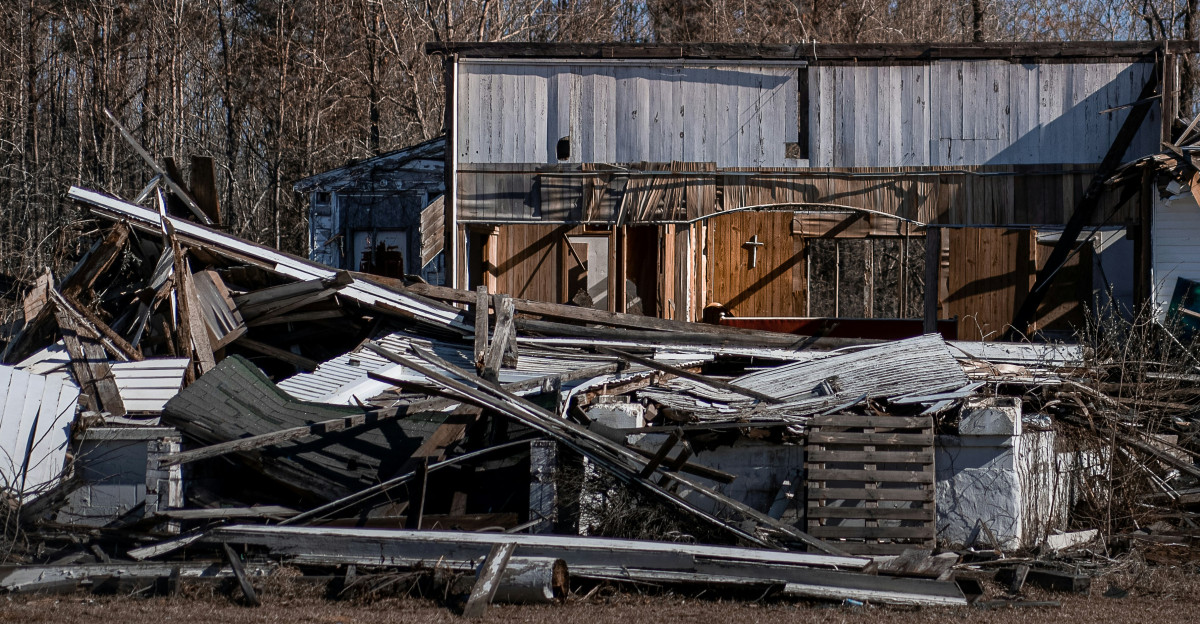
According to USA Facts, Kansas has weathered 91 federal disaster declarations since 1980, with severe storms accounting for 44 of those events. The state’s 105 counties form the backbone of America’s agricultural production, generating billions in crop receipts annually. However, the Kansas Health Institute found that 80 of 105 counties experienced population decline between 2010 and 2020.
Climate Volatility Intensifies Growing Season Challenges
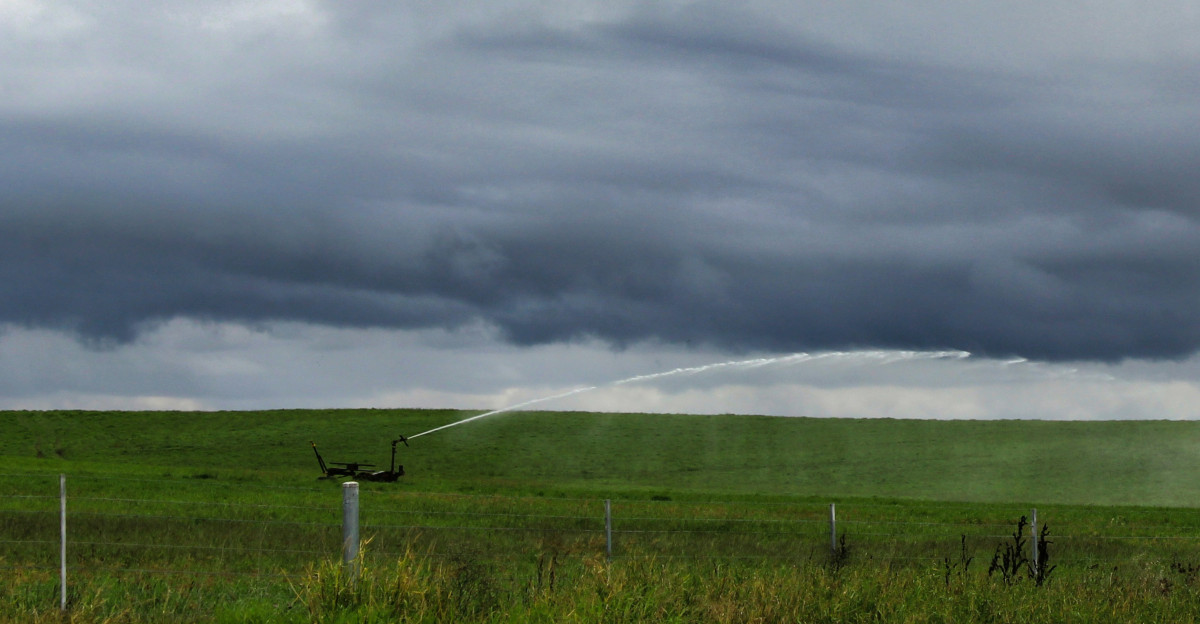
Climate volatility has intensified across the Great Plains, with 2024 bringing extreme weather events from June through October. The National Weather Service confirms that Kansas farmers reported significant losses from severe storms, straight-line winds, tornadoes, and flooding during the critical growing season. Emergency loan applications have become a lifeline for producers struggling to maintain operations.
Presidential Disaster Declaration Unlocks Emergency Agricultural Relief

Federal Register documents reveal that on September 24, 2024, former President Biden issued a major disaster declaration (FEMA-4824-DR) for Kansas, initially covering 14 counties for public assistance following severe storms from June 26 to July 7. The Farm Service Agency subsequently designated 28 Kansas counties as primary natural disaster areas, representing 26.7% of the state’s 105 counties.
Multi-State Weather System Triggers Regional Federal Response
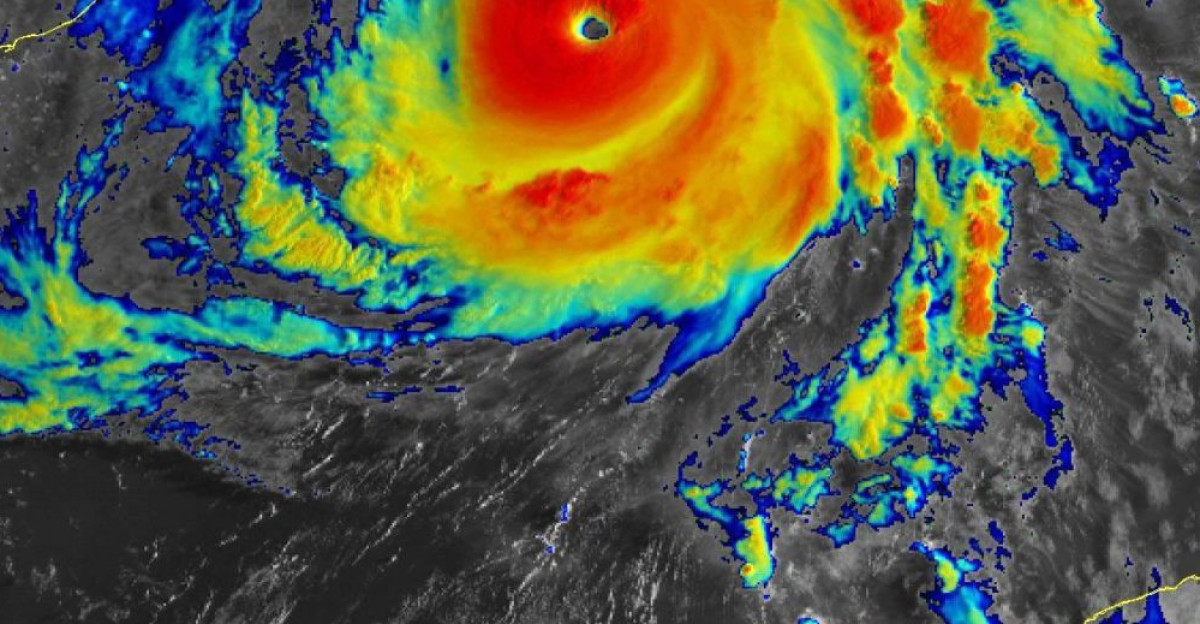
The disaster declaration extends beyond Kansas borders, affecting contiguous counties in Colorado (4), Nebraska (5), and Oklahoma (2). Meteorologists report that these areas experienced similar weather patterns during the June-July period, with wind gusts reaching nearly 100 mph in some locations. Western Kansas counties reported overturned campers, downed power lines, and extensive agricultural equipment damage.
Rural Communities Bear Economic Brunt of Agricultural Losses
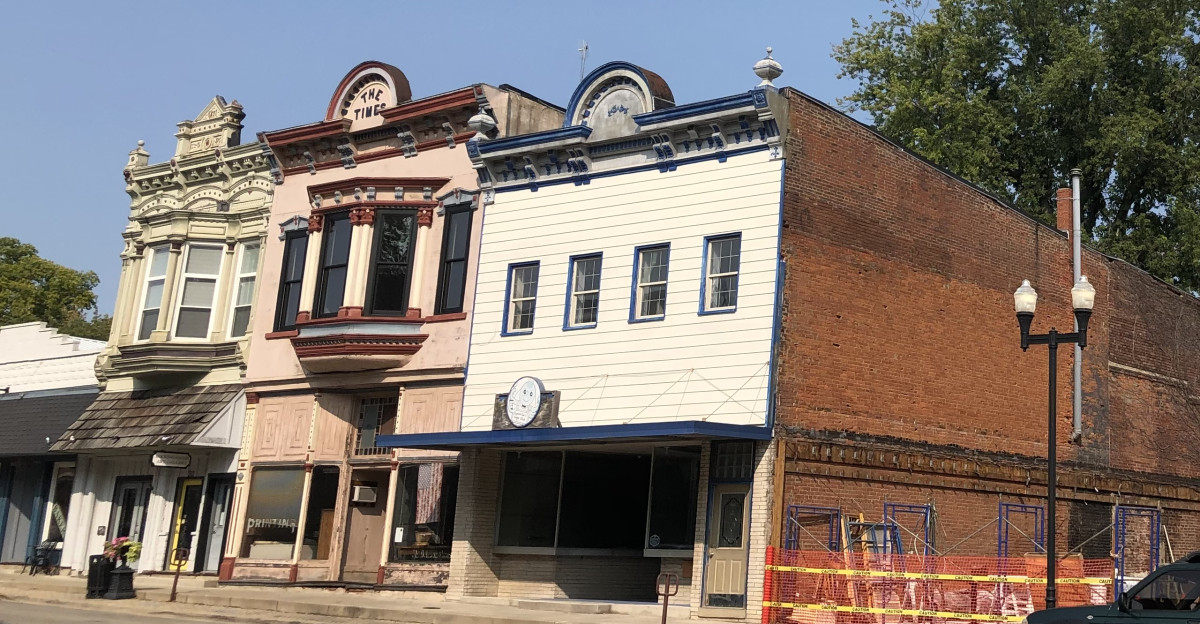
“We’re in uncharted territory,” agricultural officials report as farmers struggle to recover from equipment losses and crop damage. In Russell, Lincoln, and Ellis counties, producers face challenges replacing specialized farming equipment destroyed by straight-line winds exceeding 70 mph, Kansas Public Radio notes. Local restaurants report decreased business as agricultural income declines.
Emergency Loan Programs Expedite Recovery Assistance Process

The Farm Service Agency has streamlined its emergency loan application process, requiring producers to submit applications within eight months of the disaster declaration date. According to FSA guidelines, interest rates for emergency loans remain below conventional market rates, providing critical financial relief to affected operations. The agency also activated livestock disaster programs.
National Agricultural Disaster Costs Reveal Systematic Gaps
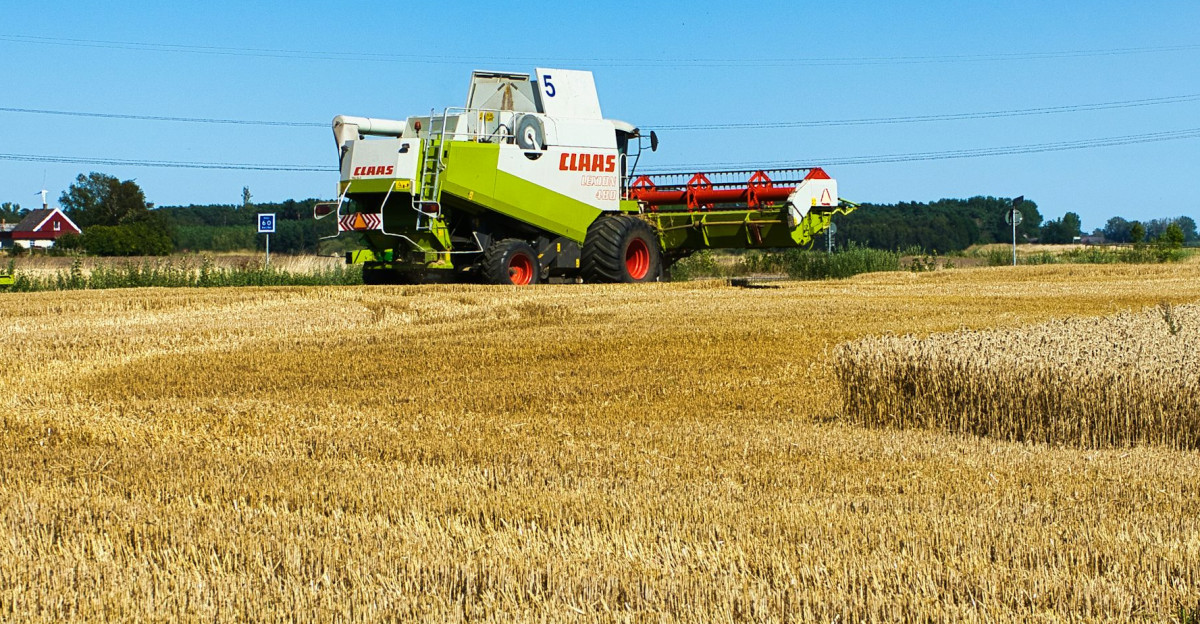
The Farm Bureau calculates that agricultural disasters across the United States have cost farmers over $29.7 billion in uncovered losses from 2022 to 2024, highlighting gaps in federal disaster relief. Kansas ranks among the top states for weather-related crop losses, with over $3.04 billion in damages primarily from drought and hailstorms in 2023 alone.
Reality Check Reveals Discrepancy in Disaster Coverage Claims

While headlines suggest that “67% of Kansas” faces disaster conditions, official records show that only 28 of 105 counties (26.7%) received primary disaster area designation, Farm Service Agency data confirms. The discrepancy between perception and reality highlights challenges in disaster communication and public understanding of federal assistance programs.
Producer Frustrations Mount Over Insurance Coverage Gaps
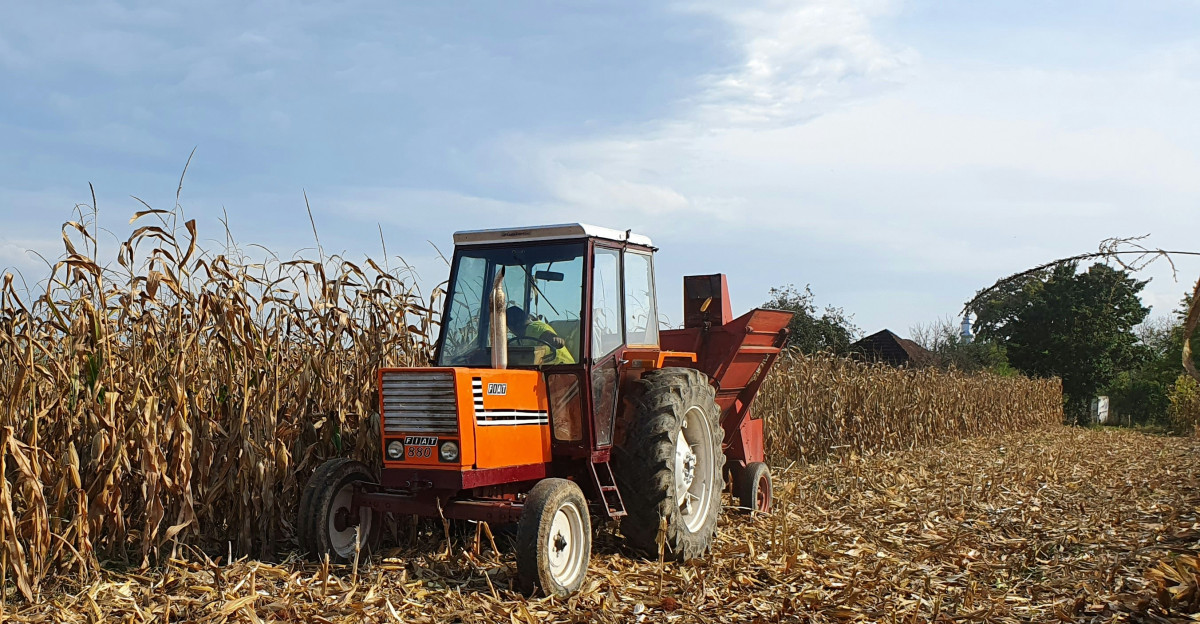
Agricultural producers express frustration over declining crop insurance coverage and rising deductibles that leave significant losses unprotected. K-State Research data suggests that the $1.66 billion reduction in crop insurance indemnities for 2024 has intensified financial pressure on Kansas farmers. Small Business Administration disaster loans exclude most agricultural producers.
State Leadership Advocates for Expanded Federal Assistance

Governor Laura Kelly has advocated for expanded federal disaster assistance and streamlined application processes for Kansas producers. According to Kansas TAG, state agricultural officials work closely with USDA representatives to ensure the timely processing of emergency loan applications. The Kansas Department of Agriculture has established regional service centers to assist farmers.
Adaptive Recovery Strategies Focus on Long-Term Resilience
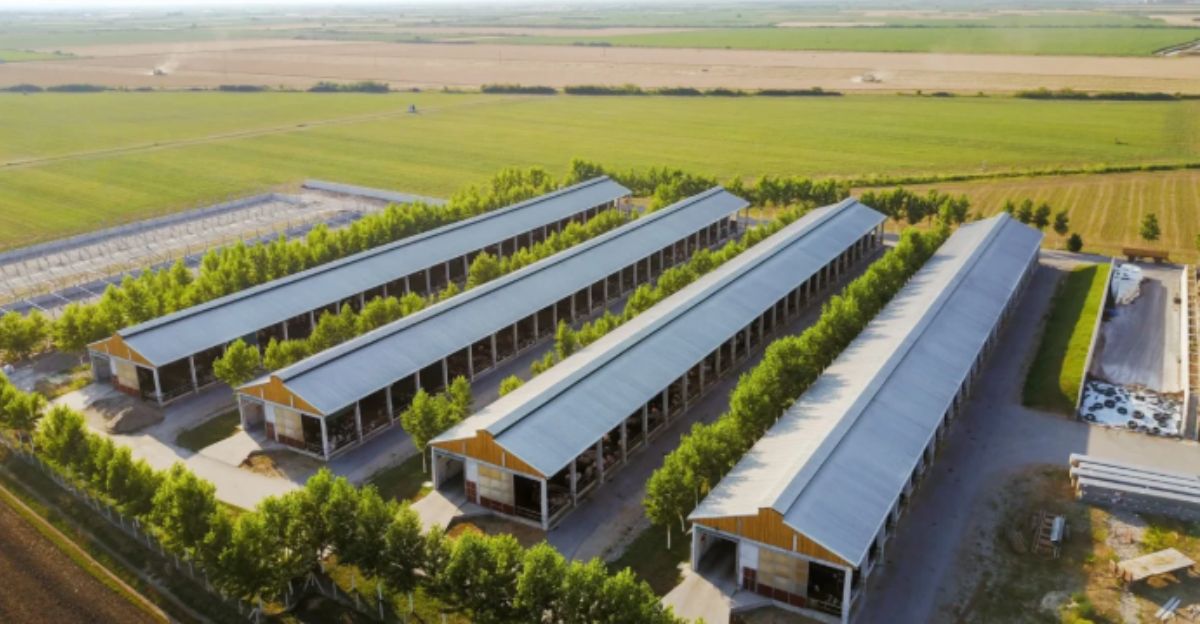
Kansas farmers are adapting operations through diversification, improved storage facilities, and enhanced weather monitoring systems. K-State Agricultural Extension confirms that the state’s agricultural extension service provides technical assistance for implementing climate-resilient farming practices. Emergency loan funds support immediate repairs and long-term operational improvements to withstand future weather events.
Economic Projections Signal Continued Agricultural Volatility
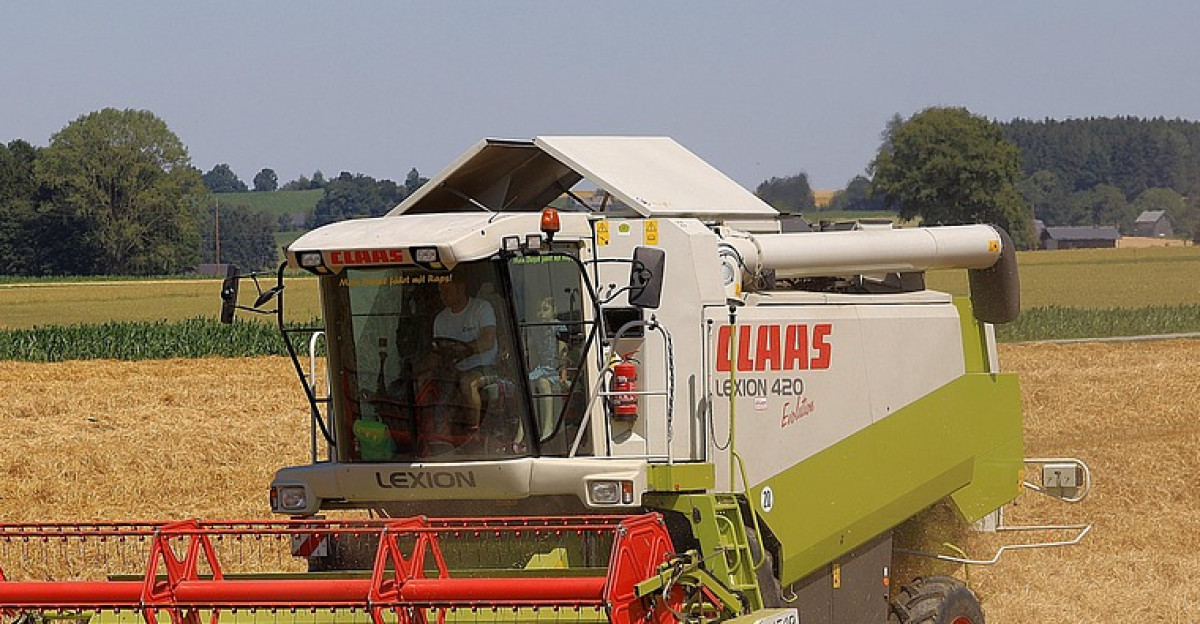
As K-State Research analysis indicates, agricultural economists project continued volatility in farm income. Kansas net farm income is expected to remain at historically elevated levels despite year-over-year declines. Climate scientists anticipate an increased frequency of severe weather events across the Great Plains throughout the decade.
Critical Application Deadlines Approach for Emergency Relief
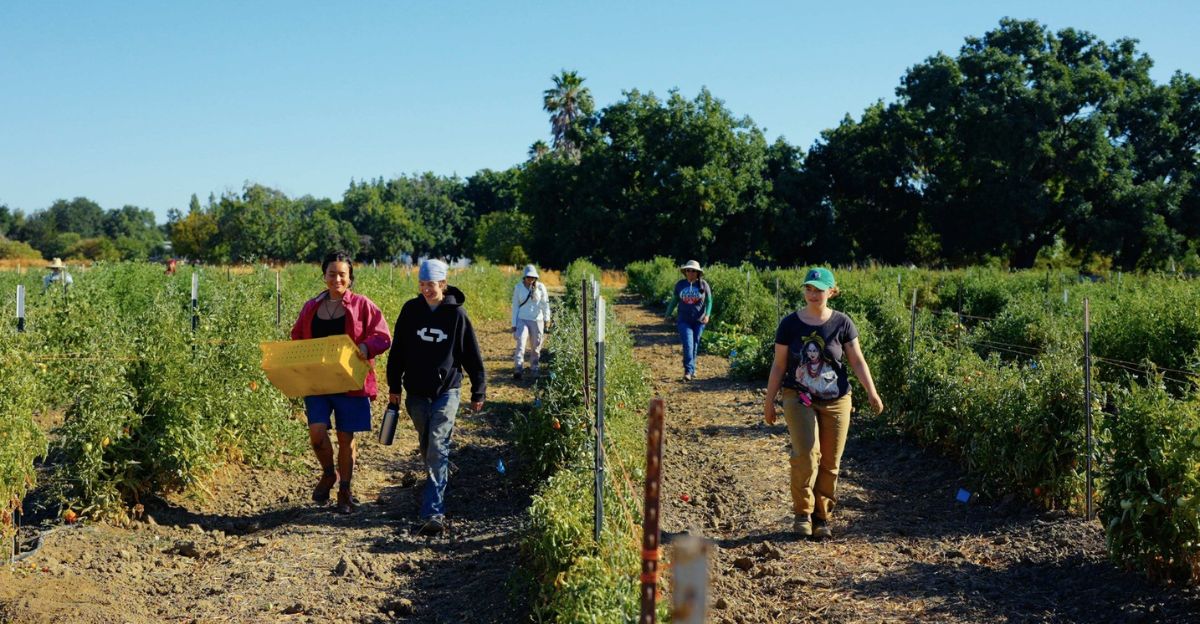
Federal disaster assistance programs face scrutiny as uncovered losses continue mounting despite expanded funding. Emergency loan application deadlines of January 21, 2026, create urgency for producers to document losses and submit applications, Farm Service Agency officials emphasize. The agricultural community awaits clarification on long-term disaster relief strategies and program reforms.
Congressional Agriculture Advocates Push for Permanent Relief Funding

Congressional representatives from agricultural states increasingly advocate for permanent disaster relief funding rather than reactive emergency appropriations. The $21 billion American Relief Act represents a significant federal investment in agrarian recovery. However, the Farm Bureau notes that distribution mechanisms remain undefined. Political debates center on balancing fiscal responsibility with agricultural sector stability.
Global Markets React to American Agricultural Production Concerns

Global commodity markets react to U.S. agricultural disaster reports, with wheat and corn futures reflecting supply concerns from major producing regions, market analysts observe. Critical to international food security, Kansas wheat production faces ongoing challenges from weather volatility. Trade relationships with agricultural-importing nations depend on consistent U.S. production capacity.
Legal Framework Guides Federal Agricultural Disaster Response

Federal Register documentation shows that the Robert T. Stafford Disaster Relief and Emergency Assistance Act provides the legal foundation for federal agricultural disaster assistance. Court decisions increasingly address disputes over disaster designation criteria and eligibility requirements. Legal challenges to USDA program implementations create uncertainty for producers seeking assistance.
Rural Kansas Communities Confront Demographic and Cultural Changes
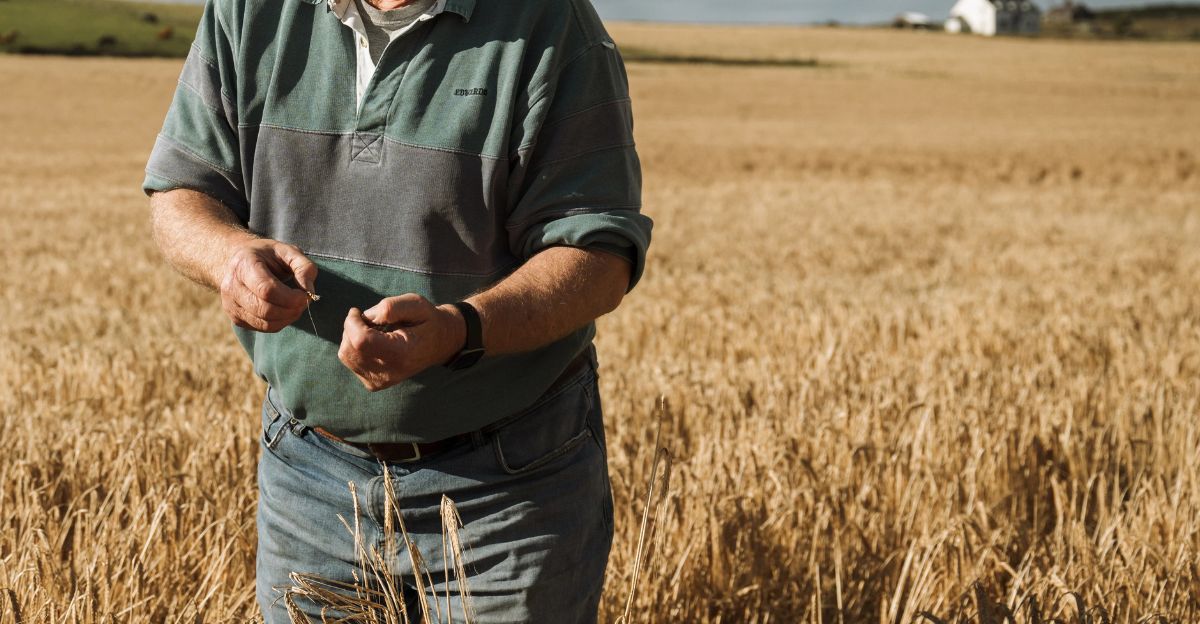
The Counter investigation reveals that rural Kansas communities confront changing demographics as younger generations migrate to urban areas for economic opportunities. Traditional farming families face succession challenges as agricultural operations require increasing capital investment and technical expertise. Community institutions, including schools, hospitals, and local businesses, struggle to maintain viability.
Agricultural Disaster Response Signals Fundamental Policy Evolution
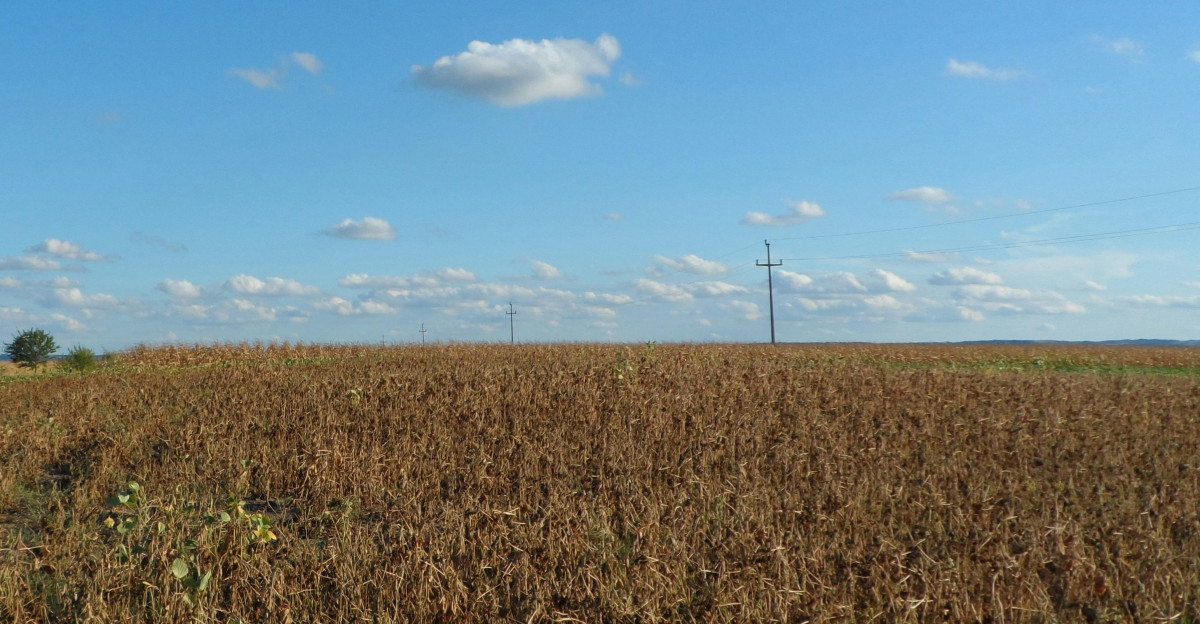
The Kansas disaster declaration represents more than emergency agricultural assistance; it signals a fundamental shift in how America addresses climate-related economic disruption. As extreme weather becomes normalized, federal disaster programs evolve from exceptional interventions to routine agricultural support mechanisms. America’s food security increasingly depends on adaptive policies that match climate-related agrarian risks.