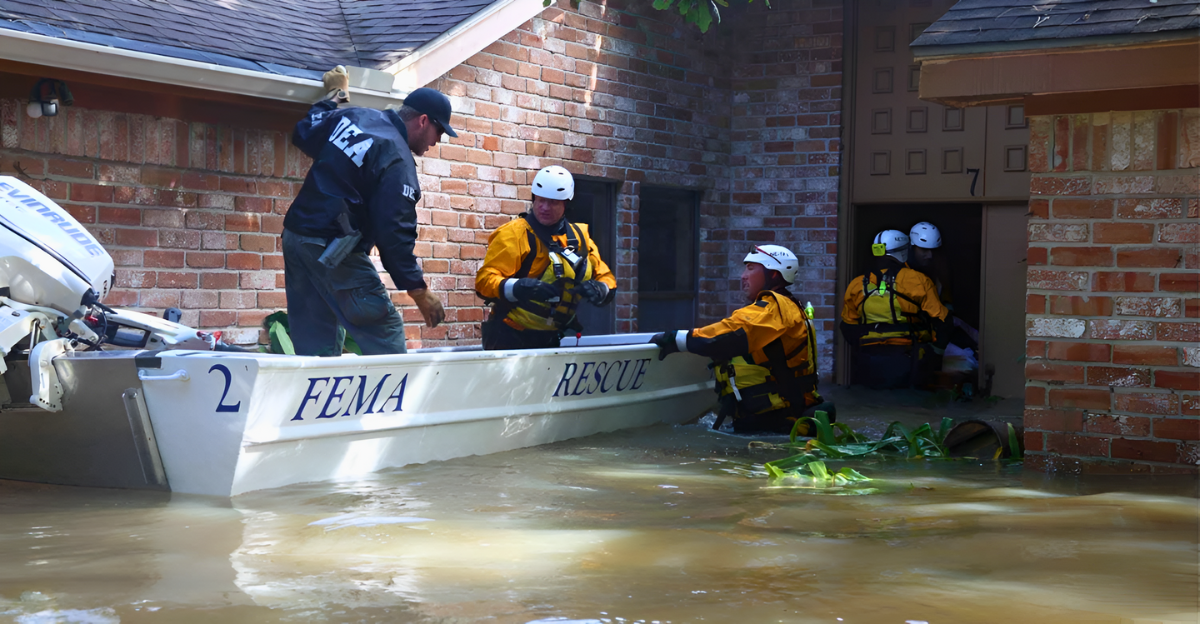
In just seven days, six major federal disaster declarations were announced, covering four states and two tribal nations. This was one of the fastest-moving waves of government disaster approvals seen in years, showing how destructive and unpredictable recent storms have become. Severe flooding, tornadoes, and hurricanes left behind damaged homes, ruined businesses, and displaced families, forcing state leaders into crisis-management mode.
Officials described sleepless nights spent getting aid moving to communities in need, while federal agencies scrambled to keep pace. All eyes turned to FEMA and DHS to see just how quickly they could deliver help on the ground.
Federal Teams Take Action
When the emergencies hit, FEMA immediately partnered with the Department of Homeland Security (DHS) to get aid flowing to the hardest-hit regions. DHS Secretary Kristi Noem praised the collaboration, telling reporters that federal responders moved “hand-in-hand with state, tribal, and local partners.” That kind of tight coordination unlocked everything from funds for rebuilding homes to supplies for devastated communities.
At the center of all of this was the presidential approval. Without the President’s signature, disaster declarations cannot move forward. In this case, the White House signed off quickly, delivering access to millions in aid and resources within days. What stood out most wasn’t just the size of the government response but how fast it came together. This kind of rapid teamwork provides a glimpse into how America might handle increasingly frequent disasters in the future.
A Brutal Week of Storms

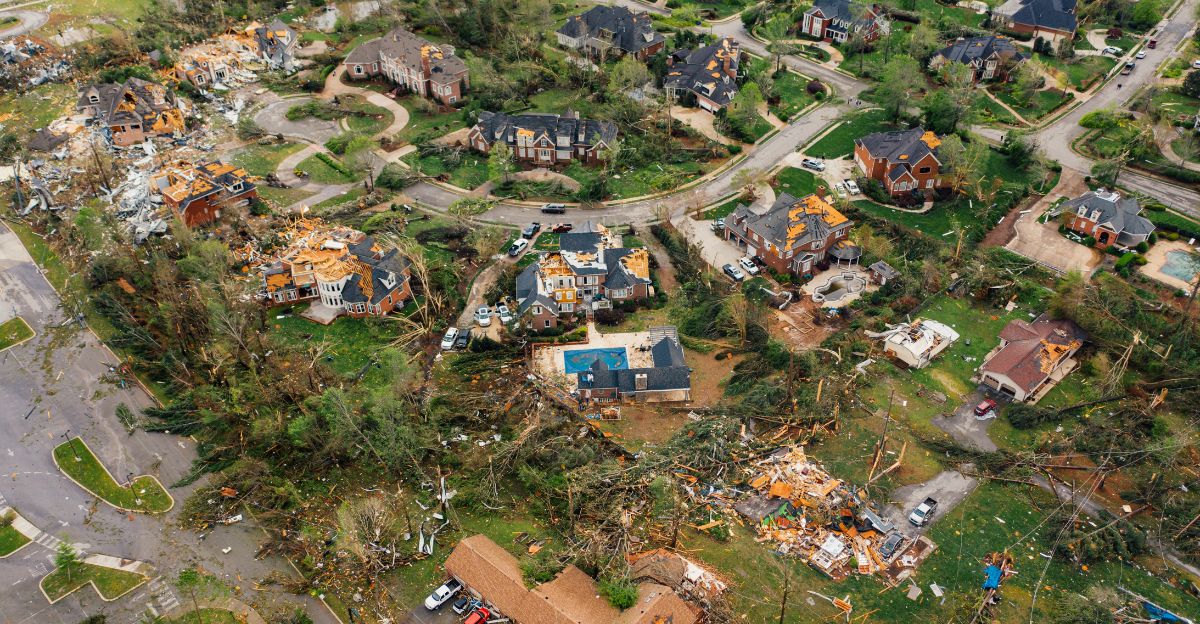
The week’s disasters piled up fast and hit hard. Heavy floods swamped entire towns across Wisconsin, driving families from their homes. In Kansas, tornadoes ripped the rooftops off houses and left scarred neighborhoods behind. North Carolina faced not one but two back-to-back weather systems that made recovery far more urgent. Meanwhile, in North Dakota, winds, rains, and severe storms tore apart infrastructure and farmland.
Even tribal lands faced overwhelming losses, forcing them into joint operations with state and federal responders. According to early state reports, more than 1,500 homes in Wisconsin alone were destroyed or severely damaged, creating an emergency housing shortage. As meteorologists caution, “This is not the disaster cycle of the past; what we’re entering now is a new normal.”
Emergency Teams Link Up

Instead of treating each disaster area as a separate case, they launched an unusually interconnected response. Six different regions, including tribal territories, were all supported at once, but with specialized approaches designed to meet unique needs. Federal response teams didn’t just send in supplies; they set up direct communication lines with rural officials, something not always available in past events.
Each emergency declaration gave green lights for very specific technical assistance programs like infrastructure assessments in rural counties, temporary shelters in storm-hit towns, and public safety support where local teams had been stretched thin. Leaders also warned that storm clusters will become more common, meaning this kind of joint disaster playbook may no longer be the exception.
The Big Announcement

On September 15, 2025, President Trump signed off on six major disaster declarations simultaneously, a rare move that sped aid to multiple states and tribal lands all at once. The declarations applied to the Crow Tribe of Montana, Kansas, North Carolina, North Dakota, the Sisseton-Wahpeton Oyate Tribe, and Wisconsin. This single action unleashed an extraordinary wave of federal resources that included housing grants, emergency shelter assistance, and new streams of funding to repair wrecked roads, bridges, and utilities.
According to DHS, that kind of tailored approach is uncommon but potentially transformative for future policy. “We are delivering support that is both fast and fair,” DHS noted in its September release. For communities that often wait weeks or months to see this kind of intervention, the move was game-changing.
Wisconsin’s Battle with Homes on the Line

Wisconsin faced a truly tough time as over 1,500 homes were badly damaged or totally destroyed during the recent storms and flooding. Families in Milwaukee, Washington, and Waukesha counties could apply for federal help through FEMA’s Individual Assistance program, which Governor Tony Evers worked hard to secure.
“Our work is not done,” said Gov. Evers, vowing to fight for every cent needed to help the people of Wisconsin. The total damage statewide is estimated at more than $70 million, with homes, businesses, schools, and communities struggling to recover.
Voices from the Front Lines
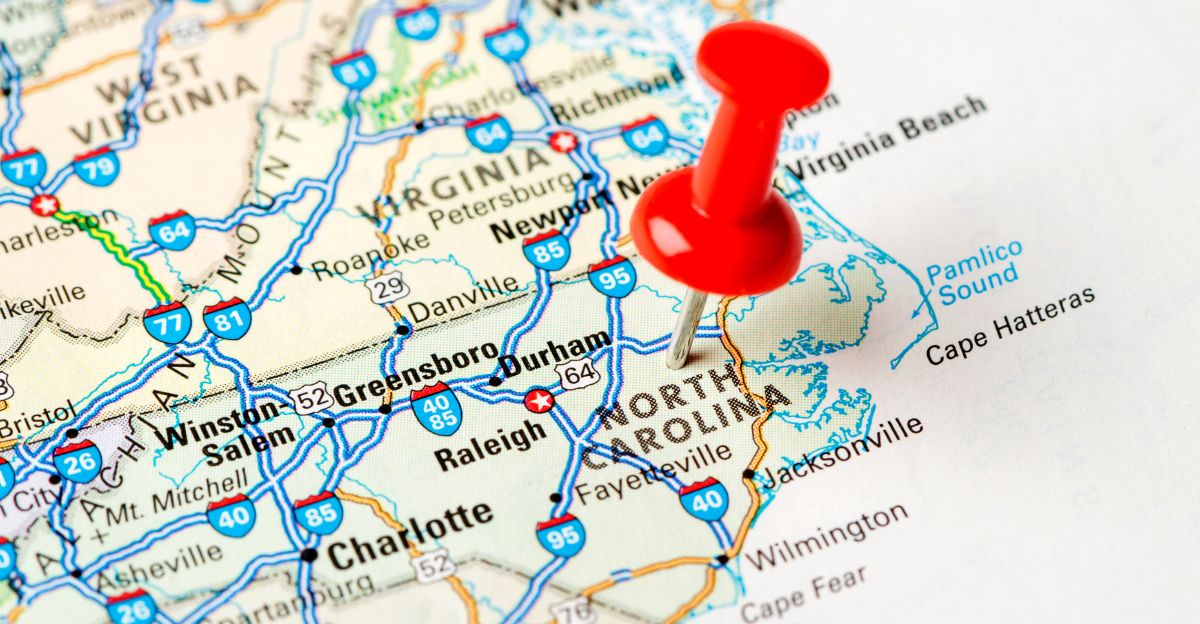
In North Carolina, families uprooted by severe storms like Chantal and Helene shared stories of lost homes, missing documents, and crowded relief centers. Support services filled up quickly, so people called for more help immediately. Workers moved fast to clear debris from roads and restore power, while disaster counselors reached out to support shaken residents.
Survivors everywhere said how grateful they were for the speed of federal help, but also made it clear recovery wouldn’t happen overnight. “We deeply appreciate FEMA’s fast response, but the road ahead is steep,” one tribal elder explained. The need for community compassion and ongoing federal support has never been greater.
Ripple Effects Far and Wide
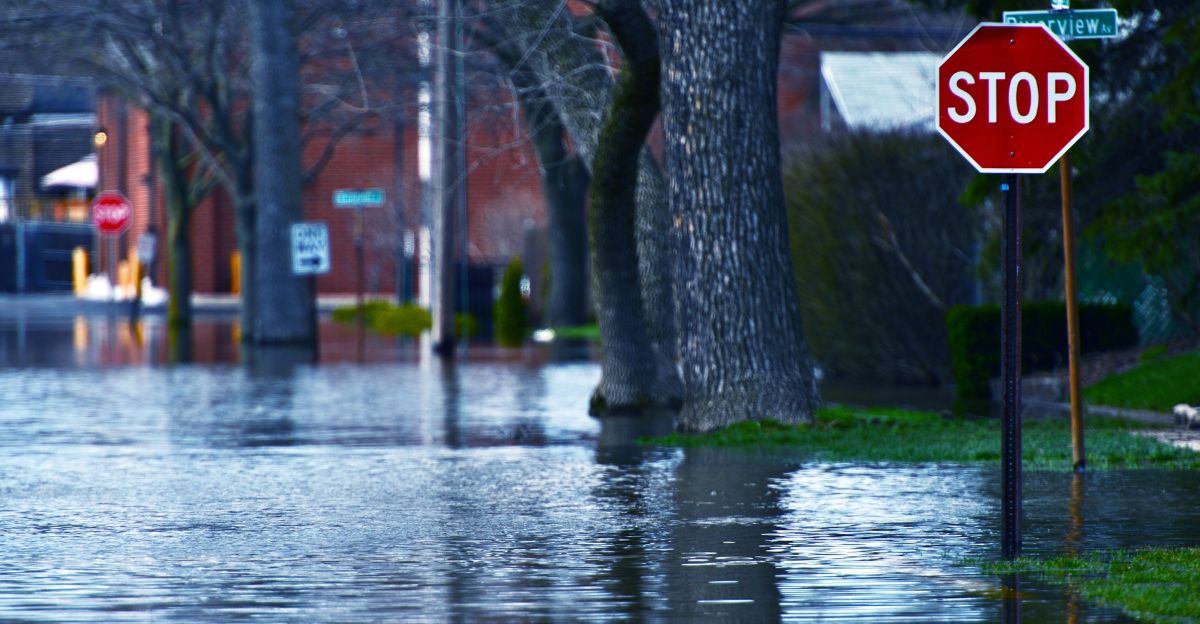
Seeing the scale of damage, states nearby started checking their own surge plans, updating emergency protocols, and gathering supplies in case storms hit them next. Insurance companies scrambled to handle a flood of new claims, sparking concern about rising premiums and whether people can even afford coverage after repeated storms. Shortages of building materials and emergency supplies appeared quickly, putting pressure on national supply chains.
“This disaster has shown communities everywhere the importance of acting now,” said an emergency manager, urging others to be ready before disaster strikes.
Experts Share Their Take
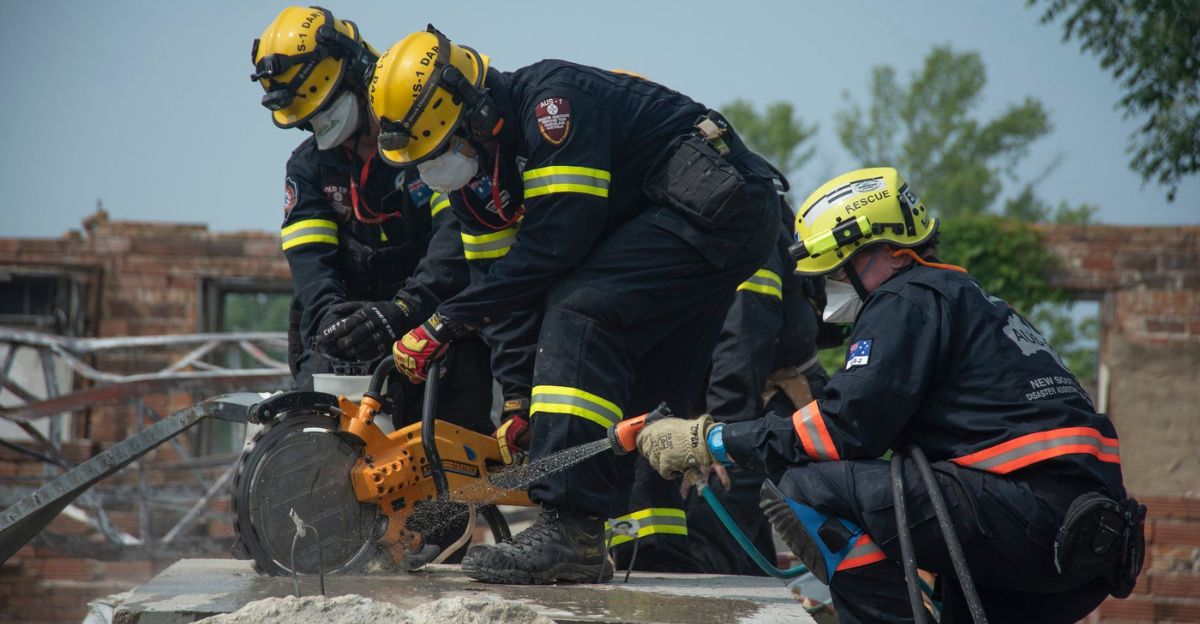
Disaster experts across the country noticed that having so many emergencies in just one week was a sign of growing stress on America’s emergency management system. Daniel Kaniewski, a former FEMA official, summed it up, “We’re seeing more disasters in shorter windows, but also greater collaboration.”
Congressional leaders have started asking tougher questions about FEMA’s long-term plans, especially whether it can handle national-scale events that hit several states at once. Calls for clearer reporting, improved outreach, and more funding are growing in Washington. “Our ability to respond will be defined by how well we learn from these events,” Kaniewski added.
Tribal Aid Breakthrough

One important part of this week’s federal response was how tribal communities were treated. The Crow Tribe of Montana and the Sisseton-Wahpeton Oyate Tribe got special federal disaster support tailored to their unique situations. In the past, tribal lands were often left out or given less attention, but now DHS and FEMA have focused efforts on providing direct help. Tribal leaders praised this new approach, saying it sets a better example for future responses and proves the government can work fairly for everyone.
“DHS is working hand-in-hand with state, tribal, and local partners to enable them to deliver vital resources and assistance to help survivors recover and rebuild stronger, more resilient communities,” said Secretary Kristi Noem.
The Start of Recovery

After the disasters, FEMA quickly opened mobile registration sites in affected regions so survivors could sign up for emergency help. Assistance included everything from temporary places to stay and help paying for lost medical care to support for families dealing with stress and trauma. Utility workers stayed out late, working through rain and wind to bring back water and electricity.
Community groups and churches organized drives to collect donated food, clothing, and personal supplies. As the rebuilding process got underway, authorities set clear deadlines for applying for federal help so that no one would miss out. “Rapid relief isn’t just about buildings,” said a FEMA coordinator. “It’s about helping people feel safe and cared for as they begin again.”
Struggles with Policy
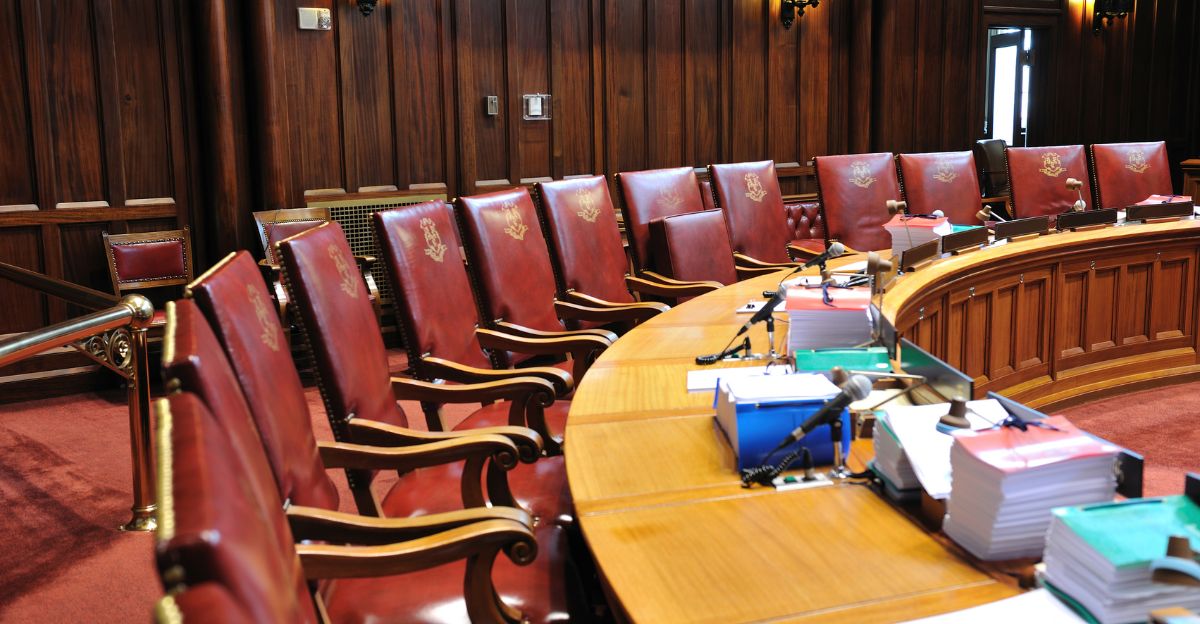
Local and state leaders pushed back against slow-moving federal funds, saying paperwork and approval delays can set back recovery and hurt families still in crisis. Wisconsin requested a special Hazard Mitigation Grant from FEMA, meant to reduce future flood damage, but federal review slowed the process. Politicians and community advocates raised concerns that these holdups could sap the energy local teams needed for rebuilding.
In response, DHS Secretary Kristi Noem said, “We’re working daily to unlock every available resource for our communities.” The frustration felt by states is about more than just money, it’s about making sure help arrives while it’s still needed.
Oversight Gets Tougher
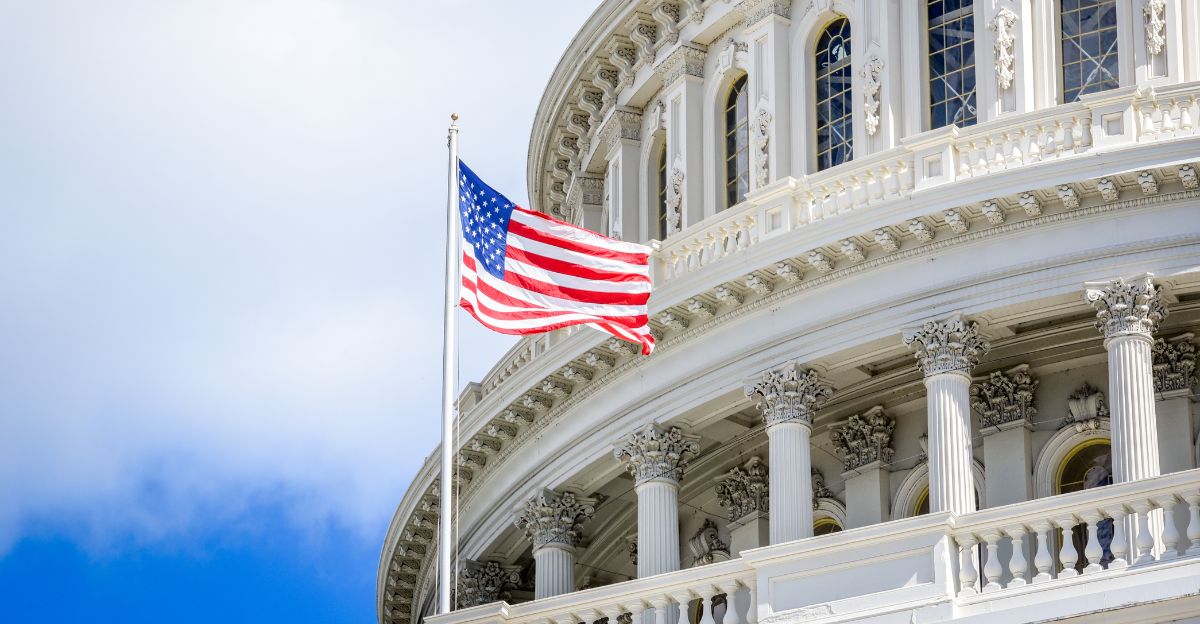
In Washington, Congress is closely watching how FEMA and DHS use disaster dollars. The House Transportation and Infrastructure Committee recently passed the Fixing Emergency Management for Americans Act, aiming to update how aid is managed and delivered. Lawmakers from both parties called for clearer rules, faster action, and better tracking, especially for at-risk and underserved communities.
“We can fix FEMA. We can reform it, we can save it,” said Representative Jared Moskowitz. Bipartisan agreement made it clear that disaster aid should be about effectiveness, not politics or complicated forms.
Communities Rebuild Together
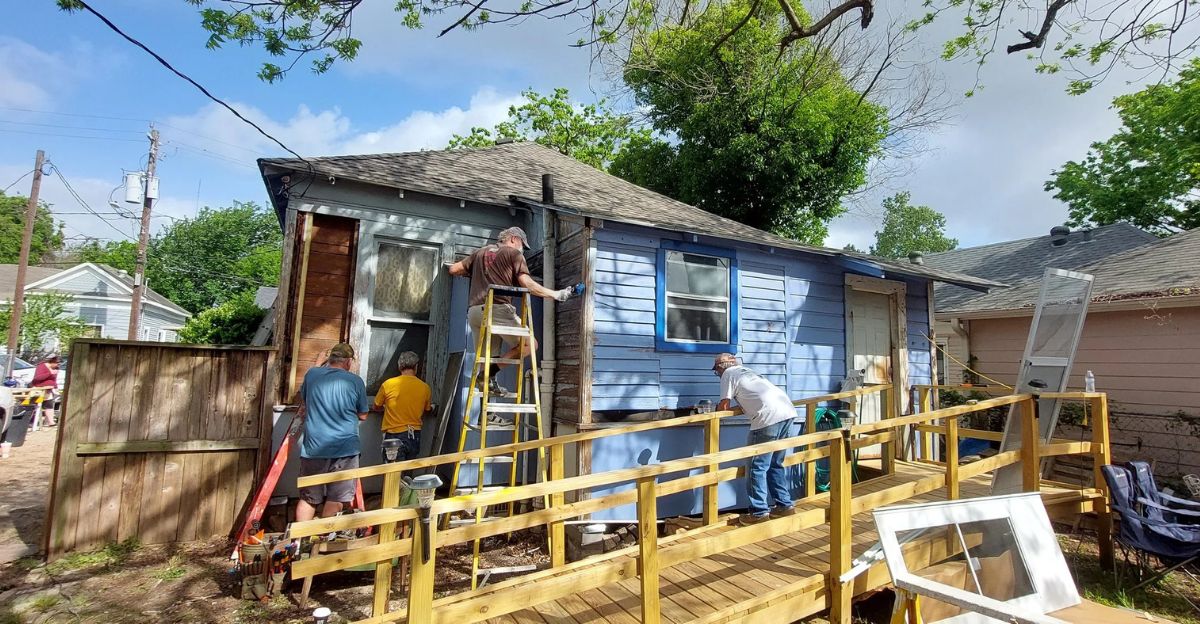
Every affected area is now planning new construction that can stand up to future floods and storms. Local officials hosted forums to collect feedback, making sure survivors’ voices are part of every big decision. Mental health services were set up for people coping with shock, grief, and loss, showing that healing means more than just new homes.
Emergency offices pledged to give regular updates, keeping residents informed and engaged. State agencies are focused on rapid but lasting change, upgrading roads, bridges, and public buildings to handle tomorrow’s disasters.
What’s Next for FEMA?
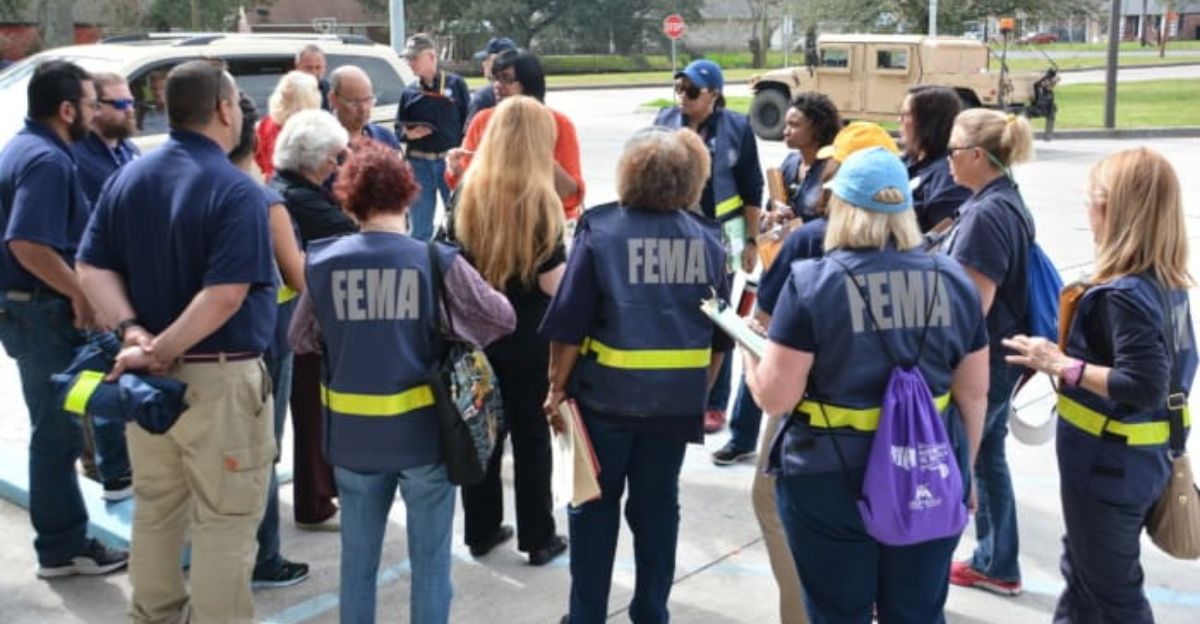
After the chaos and teamwork of the recent disaster week, questions are being asked about whether FEMA’s current way of working is ready for the challenges ahead. Legislators in Congress are debating new funding rules and emergency management frameworks to keep up, with some critics warning the system isn’t robust enough yet.
DHS officials point to the positive results from the six declarations, calling them proof that the country can respond decisively. But as the Congressional Hearing highlighted, “dismantling FEMA’s experienced workforce is reckless and dangerous.” Others underline that big changes are needed for long-term resilience and equity in disaster response.
Pushing for Change
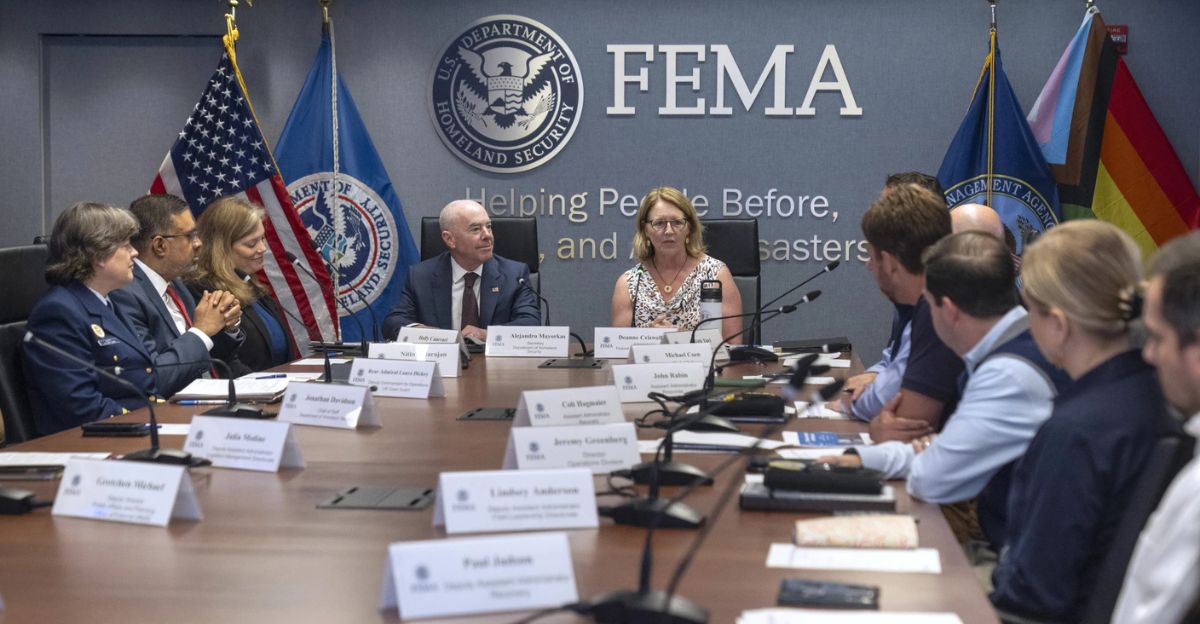
Congress responded to the disaster surge by launching formal hearings about reforming the way FEMA operates. Lawmakers are backing the Fixing Emergency Management for Americans Act, a bill aimed at making FEMA a cabinet-level agency with a direct line to the President. One main goal is to get money to survivors faster and cut down on fraud and red tape.
Another part of the bill would create public dashboards for everyone to track disaster spending in real time. Leaders from the National League of Cities say, “The Act introduces reforms that affect how quickly funding arrives, how rules are applied, and how residents access support.” The push for change is not just about speed, but fairness and community trust.
Industry Reactions
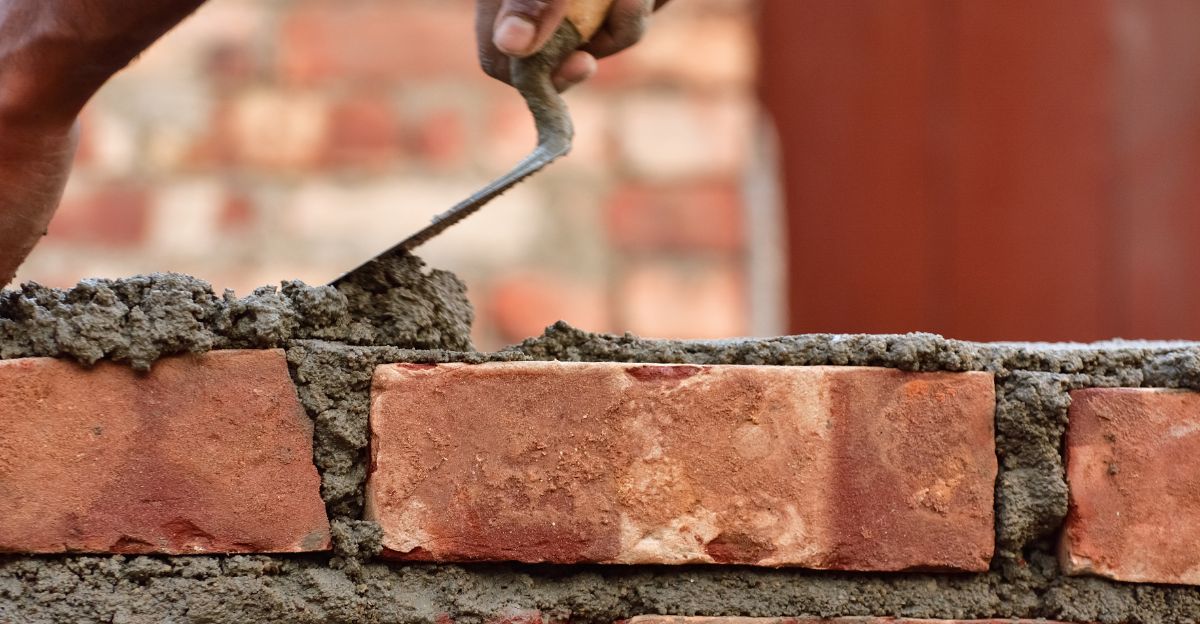
Rapid-fire disaster declarations sent shockwaves through industries like construction, healthcare, and insurance. Builders scrambled to find enough workers and materials to keep up with sudden surges in demand for repairs and new housing. Hospitals in rural areas braced for more patients, including people suffering from storm-related injuries and trauma.
Insurance companies raised premiums in high-risk zones, making coverage more expensive for many families. This new wave of disasters is changing the way businesses operate, forcing them to prepare better and work more closely with emergency management officials. “At this critical moment—with growing disaster frequency, increased financial strain and persistent recovery challenges—the FEMA Act offers counties a pathway to more timely, coordinated and effective disaster assistance,” said the National Association of Counties in a letter to Congress.
What People Said Online

When the federal government’s swift action became public, people shared reactions across social media. FEMA and state agencies responded with facts and updates to clear up rumors and confusion. “When states and communities are working to get folks back on their feet, they don’t have a lot of time to wade through endless permits or countless permissions for debris removal,” said Rep. Sam Graves.
Most of the public expressed relief and gratitude for the federal support, but also voiced skepticism about how well the aid would reach vulnerable people.
Avoiding Past Mistakes
Reports from FEMA and Congressional hearings point out better coordination and communication since past failures, but also warn about old problems that keep coming back. “Dismantling FEMA’s experienced workforce is reckless and dangerous,” was a message delivered at a recent hearing. New federal policies are now shaped by lessons learned, from making information easier to share with survivors to getting teams on the ground faster.
As disasters grow both in scale and complexity, old mistakes must not be repeated. Pressure is mounting for FEMA to make critical upgrades and not rely on outdated systems.
What Really Matters
Experts now say lasting recovery depends on making reforms stick, building tougher oversight, and doing everything possible to help communities bounce back stronger. For families who lost homes, jobs, or loved ones, the bottom line is clear: America’s disaster system is changing, and as reforms take hold, constant action and resilient planning will be crucial to protect everyone in the future.