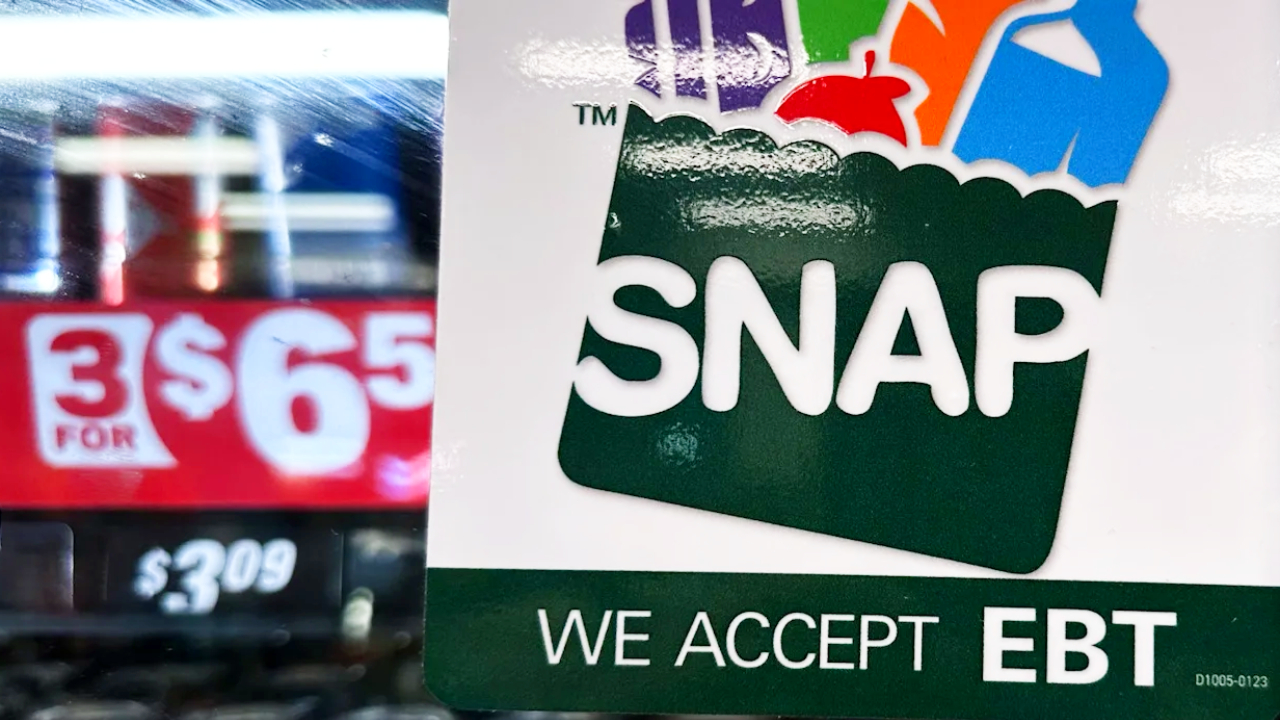
Agriculture Secretary Brooke Rollins abruptly suspended over $129 million in federal funding to Minnesota and Minneapolis on January 8, 2026, halting all active USDA awards and future aid without notice. The move targets programs aiding vulnerable residents amid allegations of widespread fraud in state social services.
The Scope of Allegations
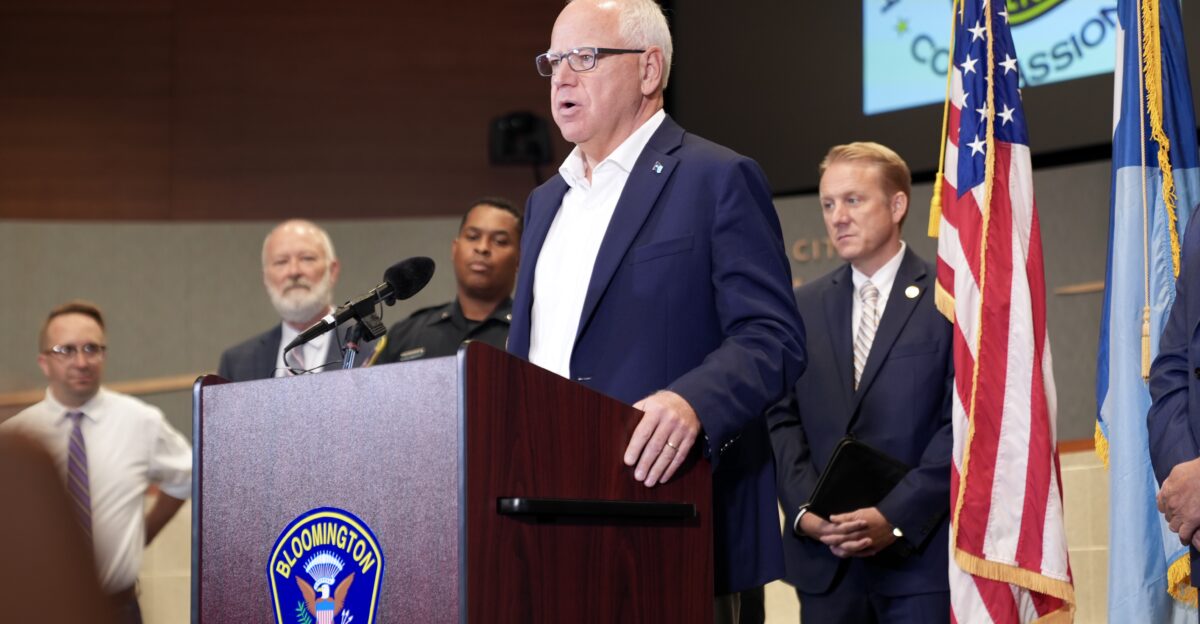
Federal prosecutors describe the issues as “a staggering, industrial-scale fraud” across multiple programs. Rollins addressed a letter to Governor Tim Walz and Mayor Jacob Frey, holding state leadership accountable and demanding full documentation of federal spending since January 20, 2025, within 30 days.
Minnesota has become a focal point for what the Trump administration calls a “hub of fraudulent money laundering activity.” Scandals involve pandemic meal programs, housing assistance, childcare subsidies, and small business loans, with losses reaching hundreds of millions. Authorities charged 78 individuals, convicting 57, but funds continue escaping to overseas accounts.
Nearly a Quarter Billion Dollars Vanished

The Feeding Our Future nonprofit stands at the center, accused of stealing nearly $250 million meant for children’s meals during COVID-19. It claimed 299 sites served 90 million meals in under two years—equating to 120,000 daily. FBI observations contradicted these claims: surveillance of Safari Restaurant, which reported serving approximately 3,500 meals daily, showed only about 40 visitors.
Conspirators used 97% of the funds for luxury vehicles, real estate, and extravagances, transferring millions to banks in Kenya and China. Of the $250 million, authorities recovered $75 million—less than one-third—with the rest lost to untraceable assets.
How the Scheme Operated Undetected

Feeding Our Future exploited the USDA’s Child and Adult Care Food Program and Summer Food Service Program, which eased rules during the pandemic for faster aid. As sponsor, it approved sites for reimbursements. At peak, its sites claimed more meals served in Minnesota than Texas and California combined.
Housing Stabilization Services, a Medicaid program for those with disabilities, mental illnesses, or substance-use disorders, faced similar abuse. Designed with low barriers and minimal records to aid access, it drew 13 charged individuals submitting false claims for undelivered services.
Fraud Tourism Exposes Systemic Weakness

Cases of “fraud tourism” emerged: people from Pennsylvania, unconnected to Minnesota, traveled to Minneapolis, recruited shelter residents and Section 8 tenants, and filed $3.5 million in bogus claims for 230 beneficiaries. This interstate operation signaled Minnesota’s programs as national soft targets.
State responses followed swiftly. Attorney General Keith Ellison vowed legal action, framing the freeze as overreach harming innocents. Minneapolis officials called it political targeting of a Democratic area, stressing their investigative cooperation. Walz, who announced his decision not to seek a third term three days earlier on January 5, had affirmed prosecutions regardless of background.
Federal Escalation
Treasury Secretary Scott Bessent visited Minnesota on January 8, launching anti-fraud measures including an IRS task force probing tax-exempt abuses and pandemic incentives. Banks in Hennepin and Ramsey counties must report overseas transfers over $3,000; four money services face Bank Secrecy Act probes.
Federal investigators are examining allegations that some fraud proceeds may have reached al-Shabab, a designated terrorist group, though no evidence of such links has been confirmed. Bessent cited Walz’s negligence in oversight. Attorney General Pam Bondi dispatched prosecutors to bolster cases, positioning Minnesota as a national testbed. A federal judge temporarily blocked a related $10 billion HHS childcare freeze across five Democratic states.
Nationwide losses average $24 million daily in undetected fraud and errors, per USDA estimates from 28 states—potentially $9 billion yearly. Protocols from Minnesota will guide reforms elsewhere, prompting other states to audit programs.
Minnesota confronts a 30-day documentation deadline amid court challenges, weighing cooperation against resident protection. The resolution will shape federal-state ties and fraud safeguards, balancing recovery of funds with aid for those uninvolved.
Sources:
“USDA Suspends Nearly $130 Million in Federal Funds to Minnesota Over Fraud Concerns.” CBS News, 2026.
“Trump Administration Freezes Food Stamps in Minnesota.” New York Times, 2026.
“Secretary Bessent Announces Initiatives to Combat Rampant Fraud in Minnesota.” U.S. Treasury Department Press Release, 2025.
“Federal Jury Finds Feeding Our Future Mastermind and Co-Defendant Guilty.” U.S. Department of Justice, 2025.