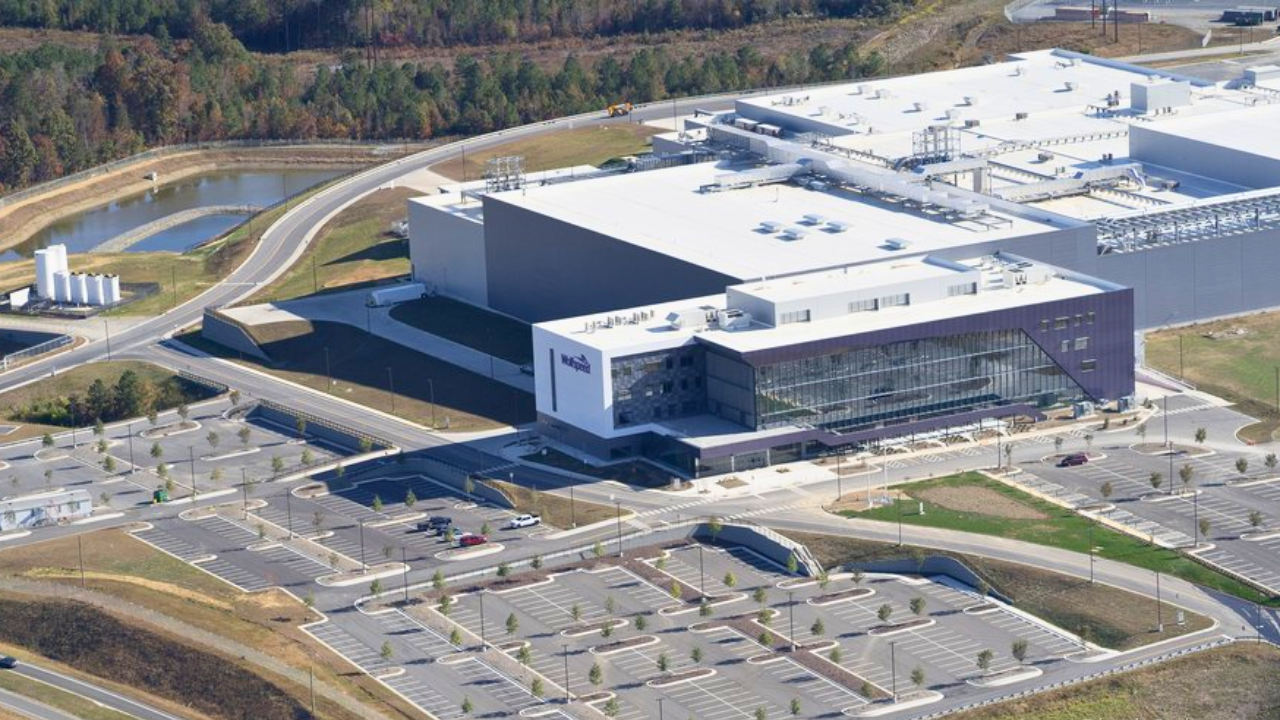
Photos taken in October 2025 showed Wolfspeed’s massive $5 billion chip factory in rural North Carolina nearly empty, with only a few cars in lots meant for 1,800 workers.
This John Palmour Manufacturing Center was supposed to bring a wave of advanced manufacturing to Chatham County using $1.75 billion in expected federal support—but instead it’s one of the state’s biggest disappointments, sitting idle after financial troubles and layoffs.
Historic Stakes
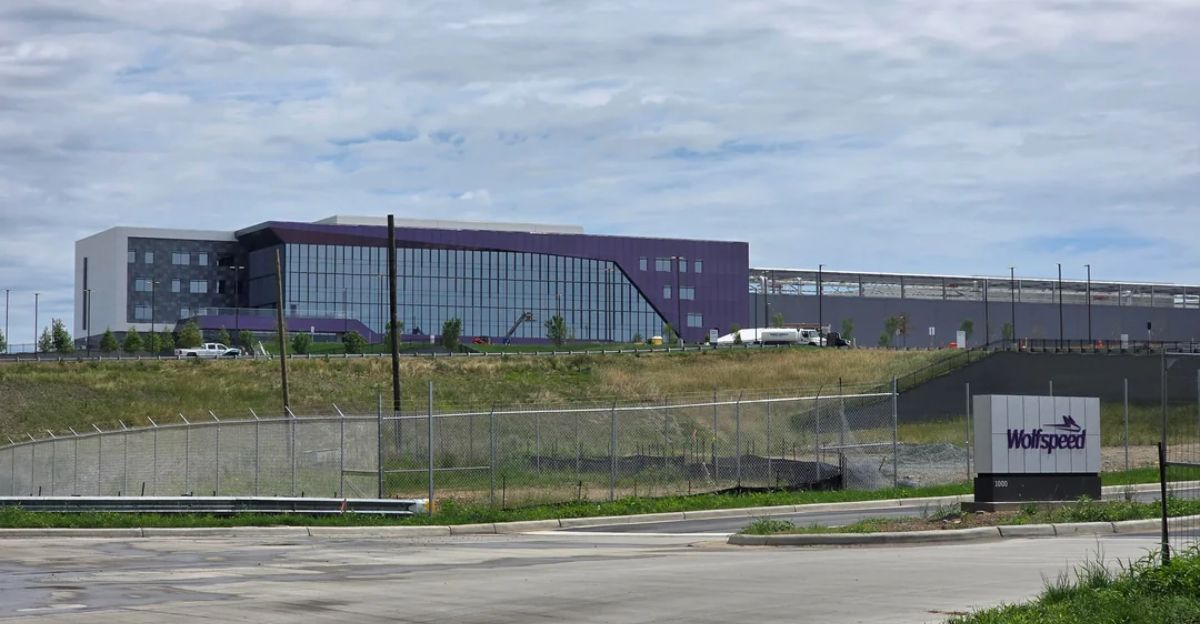
When announced in 2022, officials cheered the Siler City factory and Vietnamese carmaker VinFast’s new plant as signs of a local jobs boom.
Wolfspeed promised to pay employees significantly more than the average wage and to produce specialized silicon carbide chips for electric vehicles and solar panels.
Local leaders saw it as a once-in-a-lifetime economic opportunity for the region.
Silicon Carbide’s Promise

Silicon carbide chips use less energy than standard silicon, allowing electric cars to run longer and charge faster.
Wolfspeed controls the majority of the global market for these chips and supplies major car companies.
Major deals and a $2 billion supply deposit from Japanese firm Renesas in 2023 demonstrated that the world recognized Wolfspeed as a key player in the green tech revolution.
Federal Backing
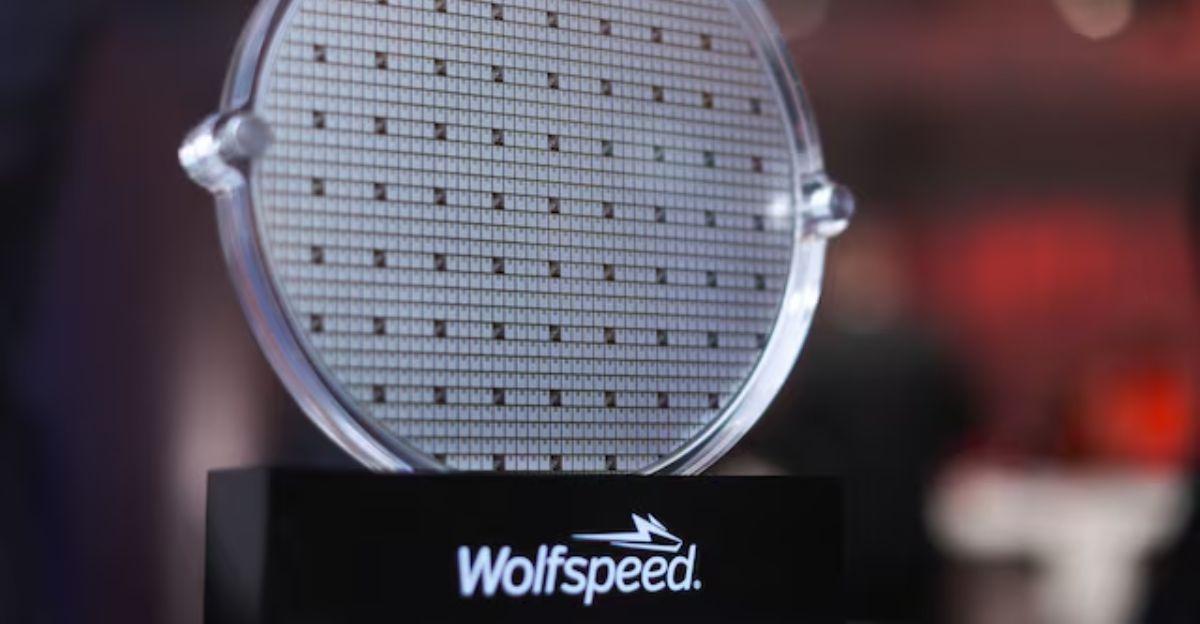
In late 2024, Wolfspeed signed a preliminary deal with the U.S. government for up to $1.75 billion in CHIPS Act funding and tax credits.
This money was supposed to support the Siler City site and an expansion in New York, promising thousands of jobs.
Investors put in $750 million more, betting Wolfspeed would lead the world in silicon carbide chips.
Bankruptcy Bombshell
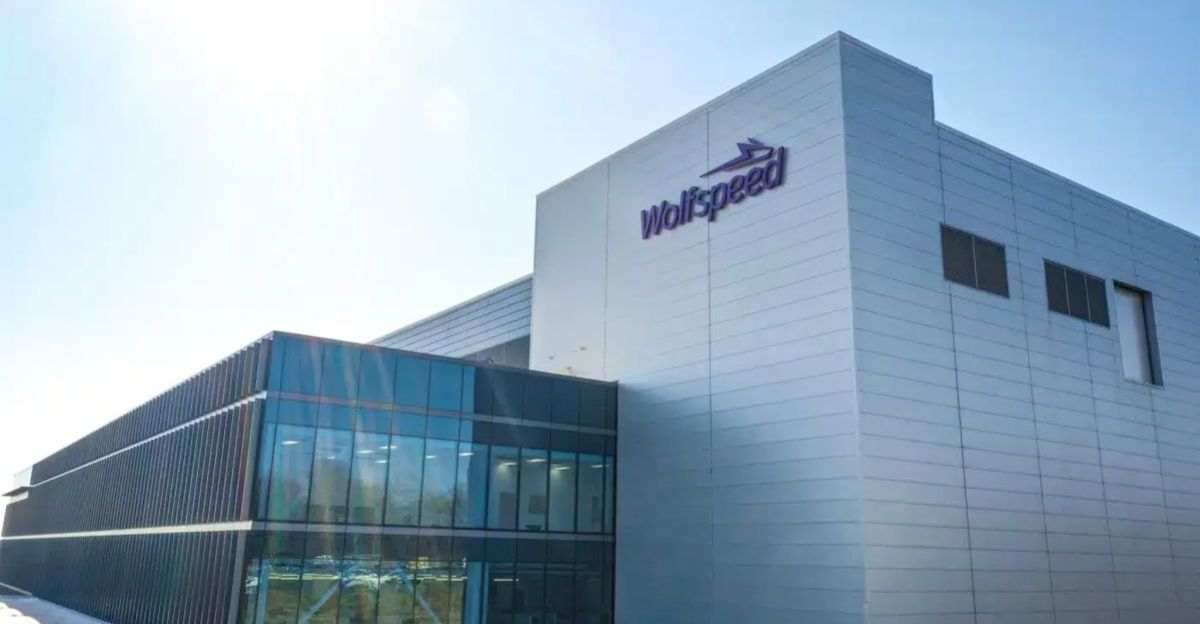
By June 2025, Wolfspeed filed for bankruptcy, shocking the industry.
The company owed $6.5 billion and lost $1.6 billion in a single year as sales and stock value collapsed. Despite the federal funding promise, the money never arrived before the company went bankrupt.
Wolfspeed became the first primary CHIPS Act recipient to file for bankruptcy while still awaiting U.S. support.
Workers Blindsided
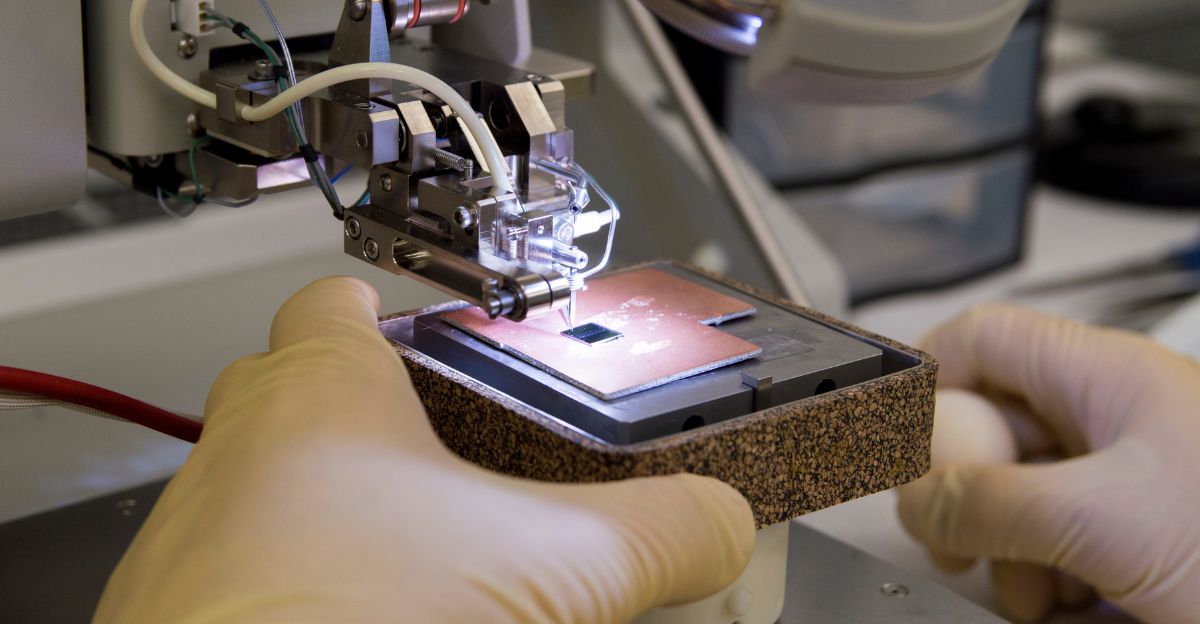
Wolfspeed laid off dozens at Siler City—about one-third of its staff—hurting workers who’d moved there hoping for good jobs.
At its peak, the plant only reached about 12% of the jobs promised.
Many had been specially trained for this factory and now find their skills useless locally, with no clear jobs in sight.
County’s Reckoning
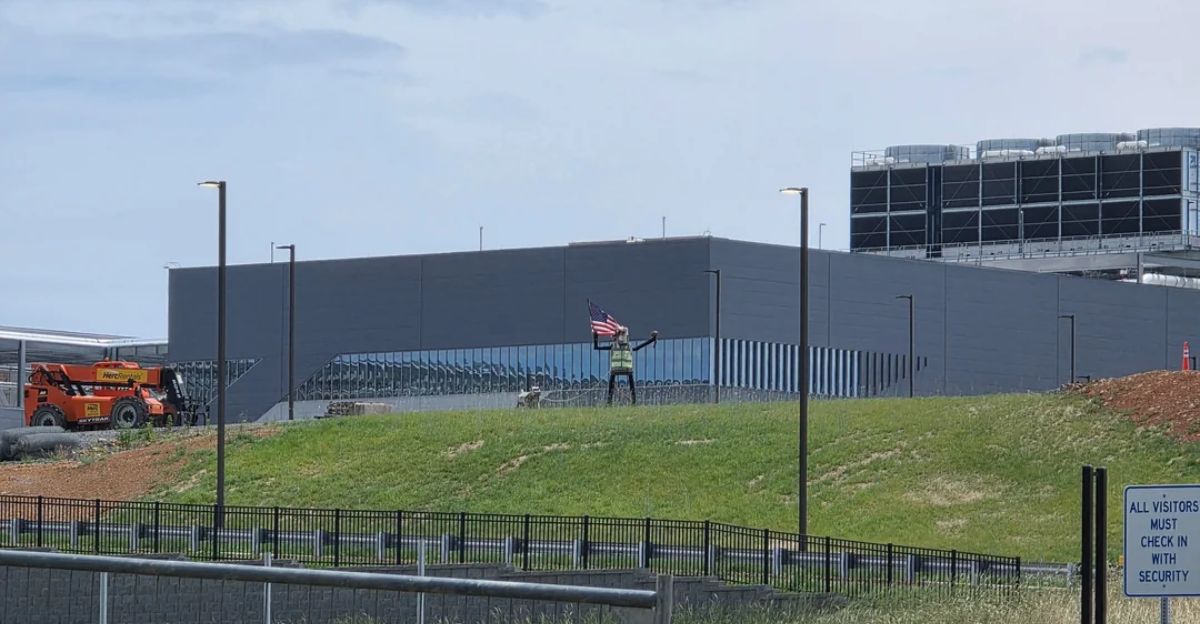
Local officials who’d invested in roads, utilities, and schools were left trying to explain the loss.
They’d built up the area for thousands of workers and new businesses, but ended up with empty parking lots and a wasted workforce pipeline.
The “halo effect” of additional jobs and spending never materialized as the plant stalled.
Market Collapse

Wolfspeed’s finances didn’t fall apart alone—slower electric vehicle sales and heavy price cuts from Chinese chipmakers led to a broader industry collapse.
Chinese companies sold silicon carbide chips at a far lower price than anyone else, often below cost.
Global demand dropped, and Wolfspeed was unable to compete, rendering its ambitious plans unfeasible.
Competitive Carnage

Where Wolfspeed and others charged $750 each for primary chip substrates, Chinese producers cut prices drastically with government help, making the business unprofitable for Western companies.
Customers delayed or canceled long-term orders due to price wars and trade uncertainty, resulting in Wolfspeed losing money rapidly—burning through millions each day.
Funding Frozen
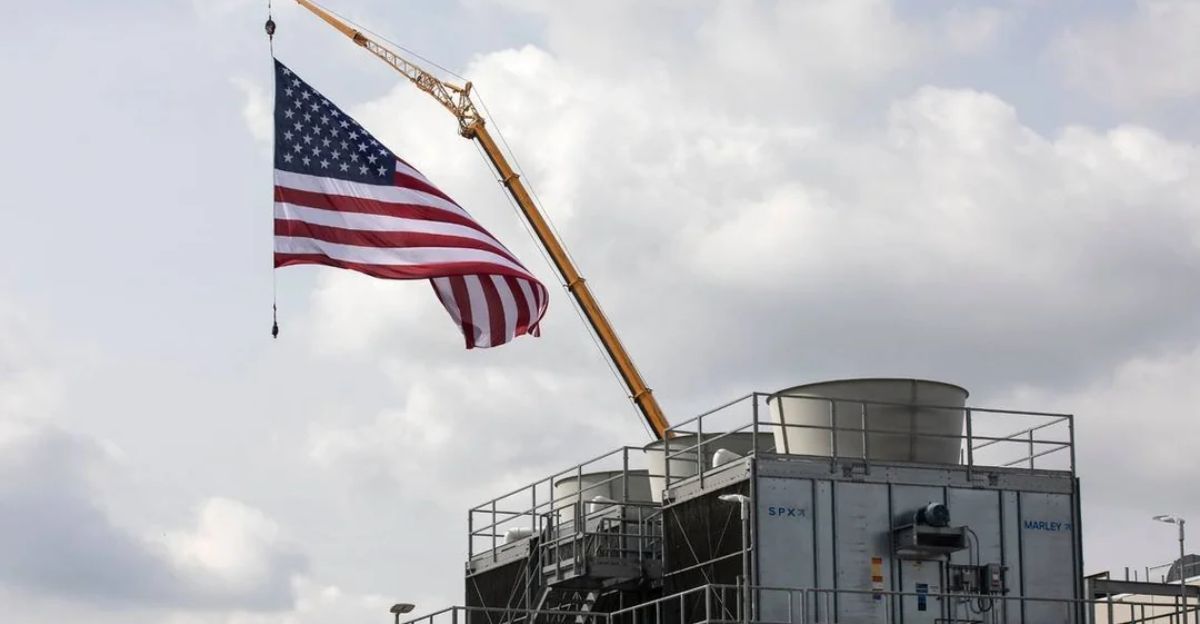
Despite the headlines, Wolfspeed never received its $1.75 billion in CHIPS Act support.
The money was locked behind financial requirements, such as refinancing debt—a step made impossible by bankruptcy.
Wolfspeed’s troubles broke the deal, so federal funding—usually released in stages—did not continue. The almost-finished plant sat empty, with support on hold.
Bankruptcy Restructuring
Wolfspeed cut its debts by 70% through a quick bankruptcy process, buying time to recover.
But the company’s own chief financial officer warned it might still be in danger of closing for good.
Leaving bankruptcy helped the balance sheet briefly, but did not solve the bigger problem: restarting and running the factory.
Leadership Turmoil
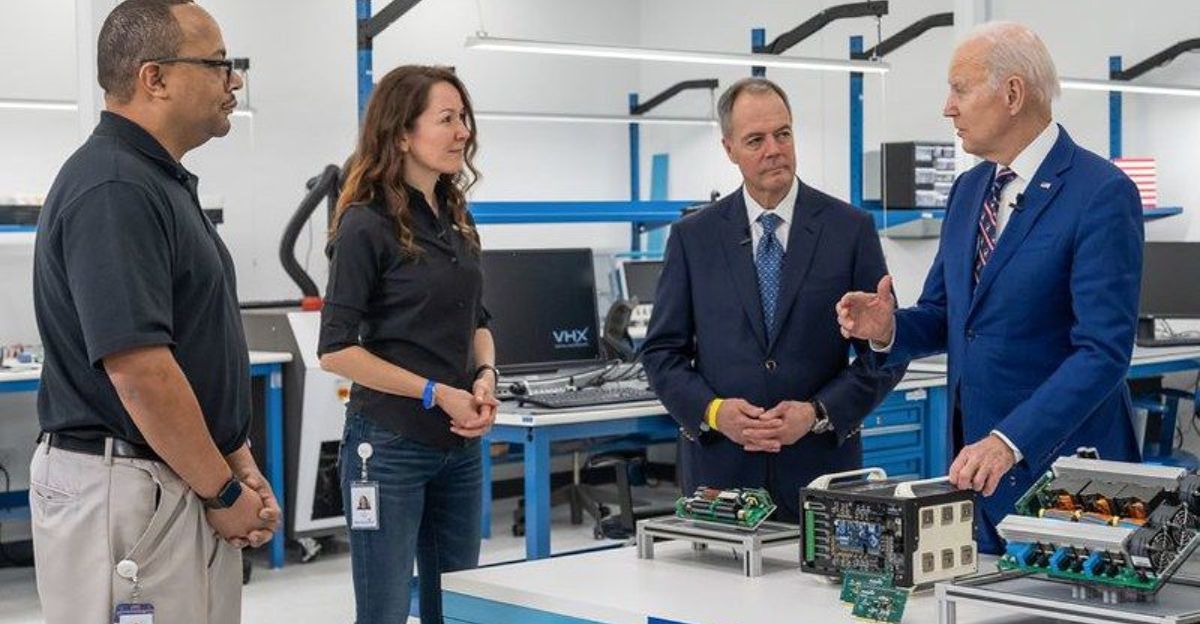
Months before bankruptcy, Wolfspeed’s board fired CEO Gregg Lowe, who had led massive (and risky) global expansion.
The board admitted the company needed steady leadership, not rapid growth, and replaced him with Executive Chairman Thomas Werner.
Critics, including activist investors, argued that Wolfspeed’s bets were too large for its finances.
Apollo’s Gambit

Private investors, led by Apollo Global Management, kept the company afloat with a $750 million loan, believing that silicon carbide chips could still become vital for the energy and automotive markets.
Apollo had previously lent Wolfspeed over $1 billion.
Their ongoing support shows some still bet on Wolfspeed’s eventual recovery despite all the losses.
Restructuring Realities

Following bankruptcy, Wolfspeed’s new results were still weak, marked by revenue misses, a $174 million restructuring bill, and a 20% reduction in its workforce.
Plans for further big factories, including a $3 billion site in Germany, were delayed indefinitely. The company must shrink to survive, meaning much slower job and production growth for years.
Political Uncertainty
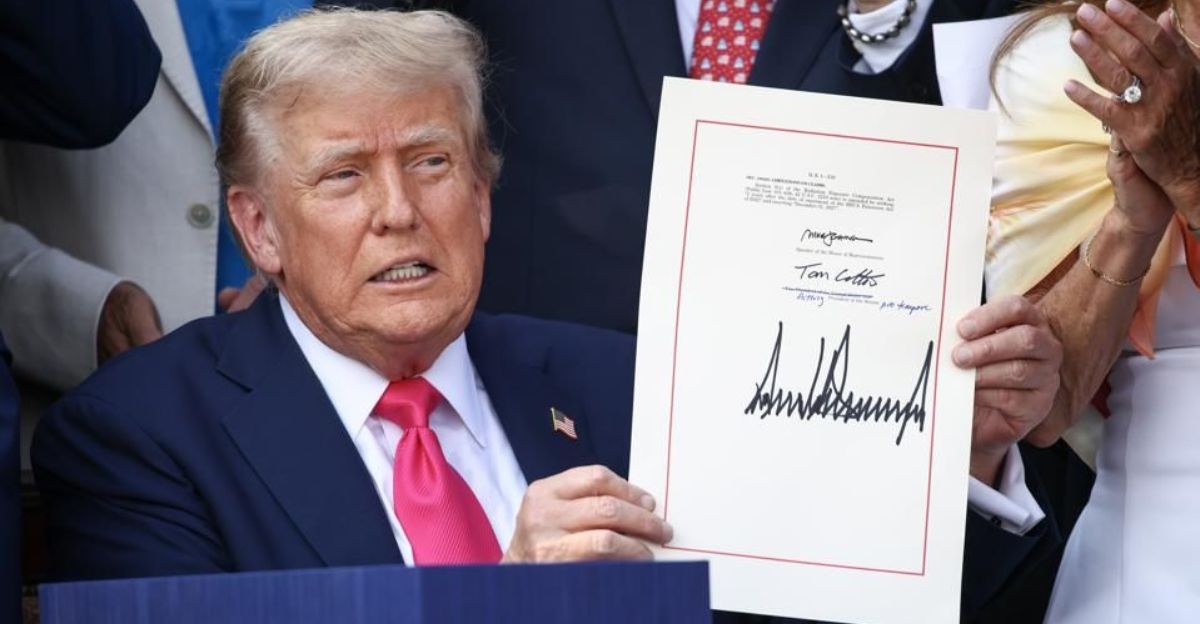
A new Trump administration created more problems: in March 2025, Trump called the CHIPS Act “horrible” and wanted it repealed.
The Commerce Secretary began reviewing all federal chip grants, raising the chance that Wolfspeed’s support could be cut or cancelled.
The uncertainty around the Siler City plant’s future increased.
Systemic Delays
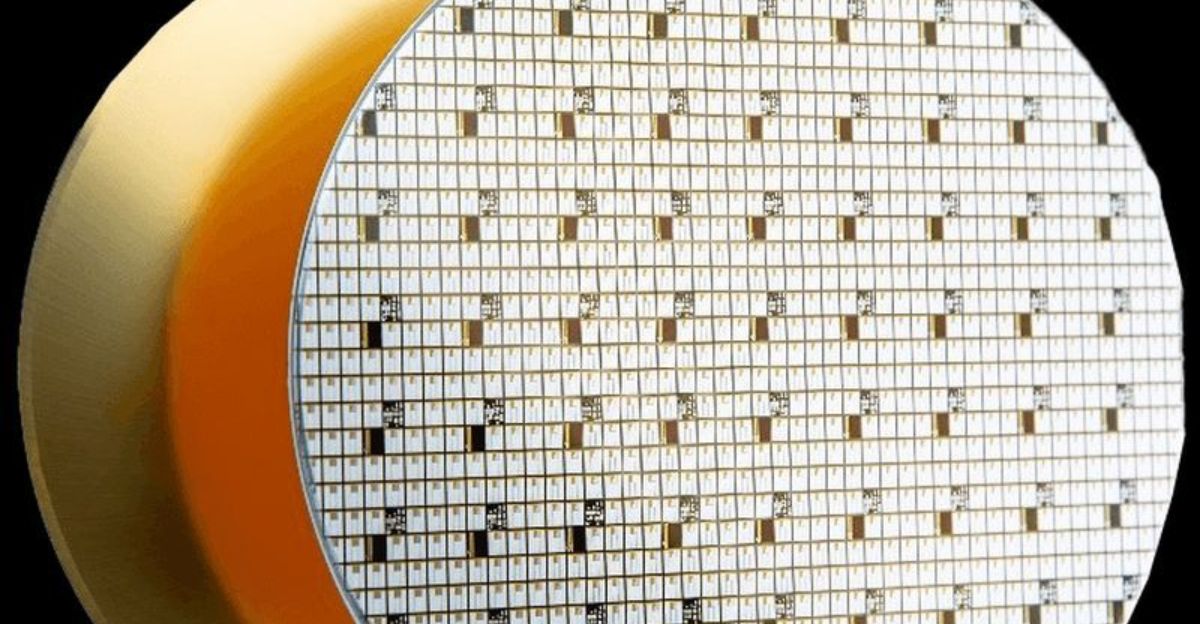
Wolfspeed’s problems highlight larger issues: federal CHIPS money is slow to distribute, with lengthy approval processes and stringent requirements.
Other major projects, like Intel’s, also face delays, with only a handful of companies having received funding so far.
Many billions in grants remain stuck in legal and regulatory reviews.
Supplier Ecosystem Impact

The collapse hurts not just Wolfspeed, but also dozens of suppliers and equipment makers that ramped up to support the new factory.
Many invested heavily in Wolfspeed’s business, and now face stranded equipment, lost bets, and the risk of job cuts themselves.
The hoped-for U.S. chip “ecosystem” stalled with this failure.
Public Skepticism

Online, people slammed the government for promising money to a company that quickly went broke.
Social media posts shared frustration about empty promises, broken government vetting, and the embarrassing sight of a nearly deserted mega-factory.
Critics argue that this demonstrates poor industrial policy and makes the United States appear weak in comparison to China’s advancing chip industry.
Historical Precedents
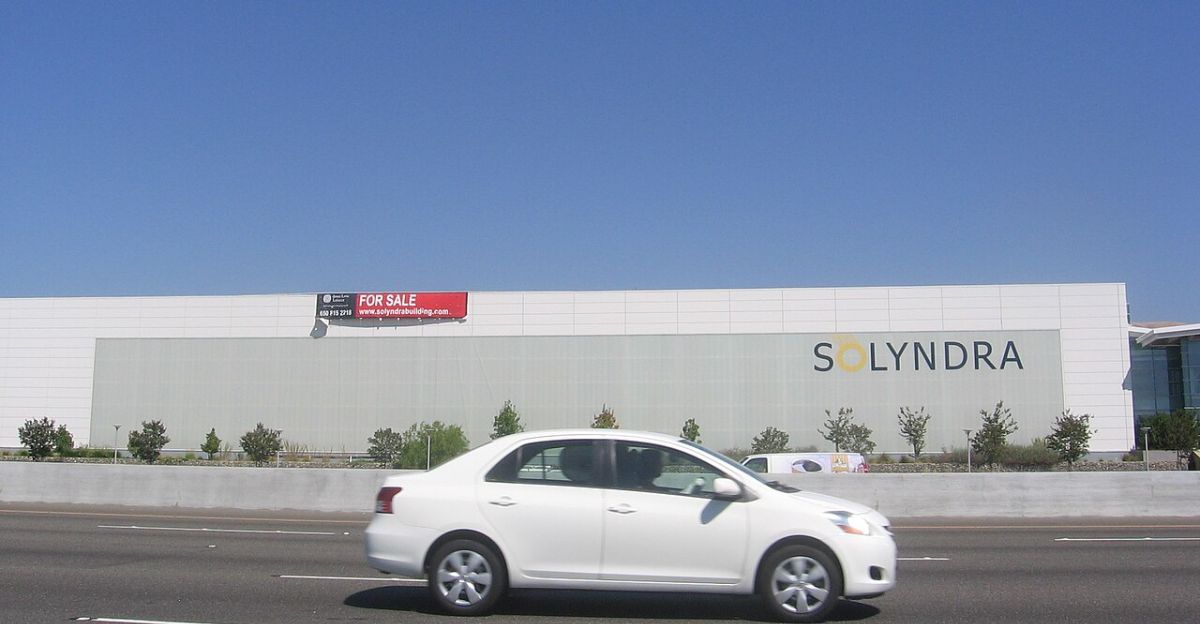
Wolfspeed’s crash bears a resemblance to other government-backed failures, such as solar panel maker Solyndra, which went bankrupt after receiving substantial federal support.
Even top projects, like Intel’s Ohio factory, have faced years-long delays.
The stories are similar: huge ambitions, poor timing, aggressive foreign rivals, and unpredictable markets lead to high-profile letdowns.
Uncertain Future
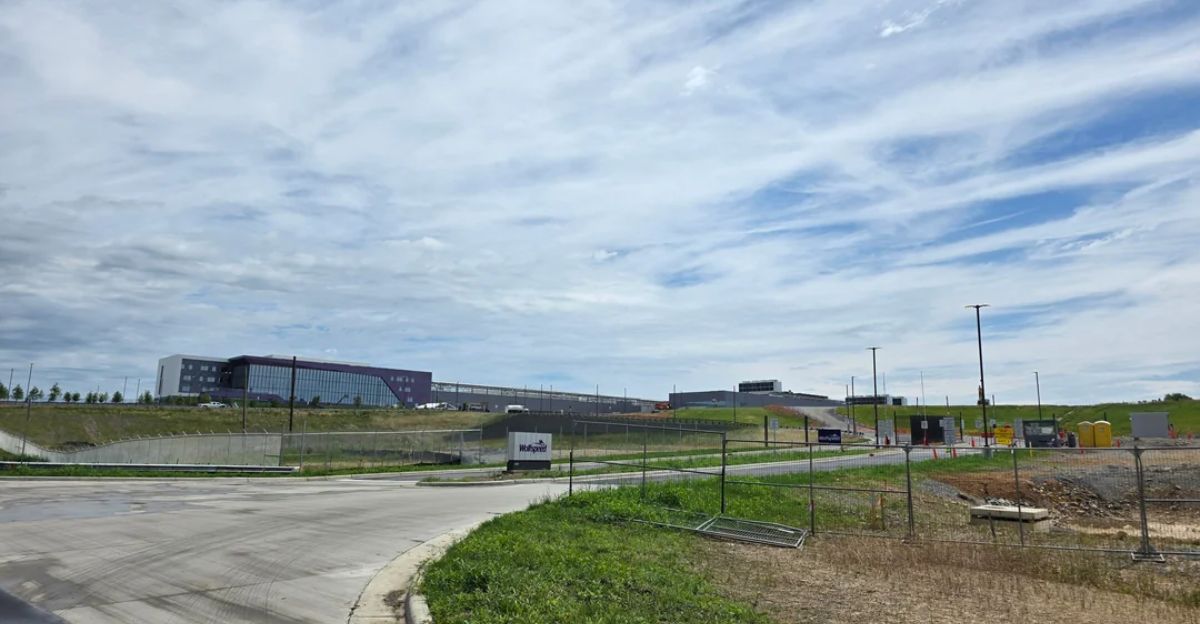
For now, Wolfspeed’s massive Siler City factory serves as a symbol of the gap between grand plans and reality.
Whether government funding will ever come, or whether the company can even survive, is unclear.
It’s an expensive lesson for the U.S. about how challenging it is to build a domestic chip industry in the face of global competition, mainly when rivals like China can sell at a lower price and with greater speed.