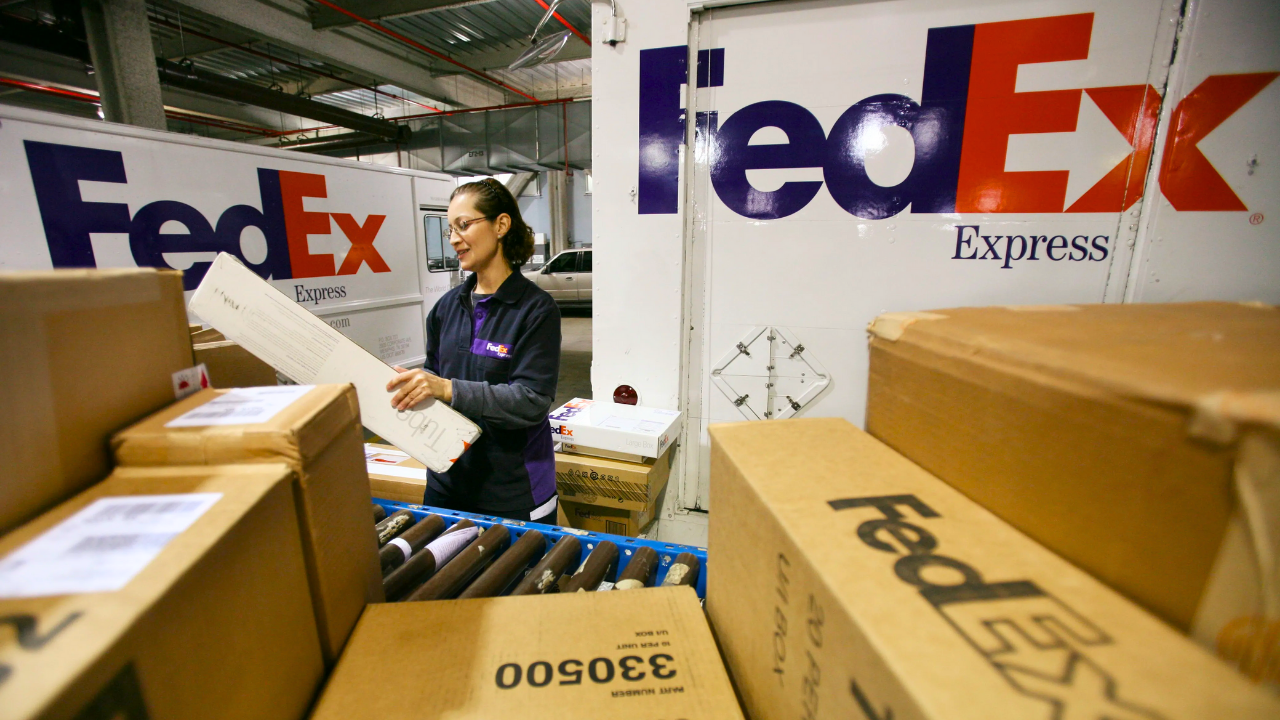
Picture this: you’ve built an entire warehouse around one customer, designed every process for their products, and hired teams trained to meet their specific needs. Then that customer decides to move their business to a different logistics company. Your facility becomes worthless overnight.
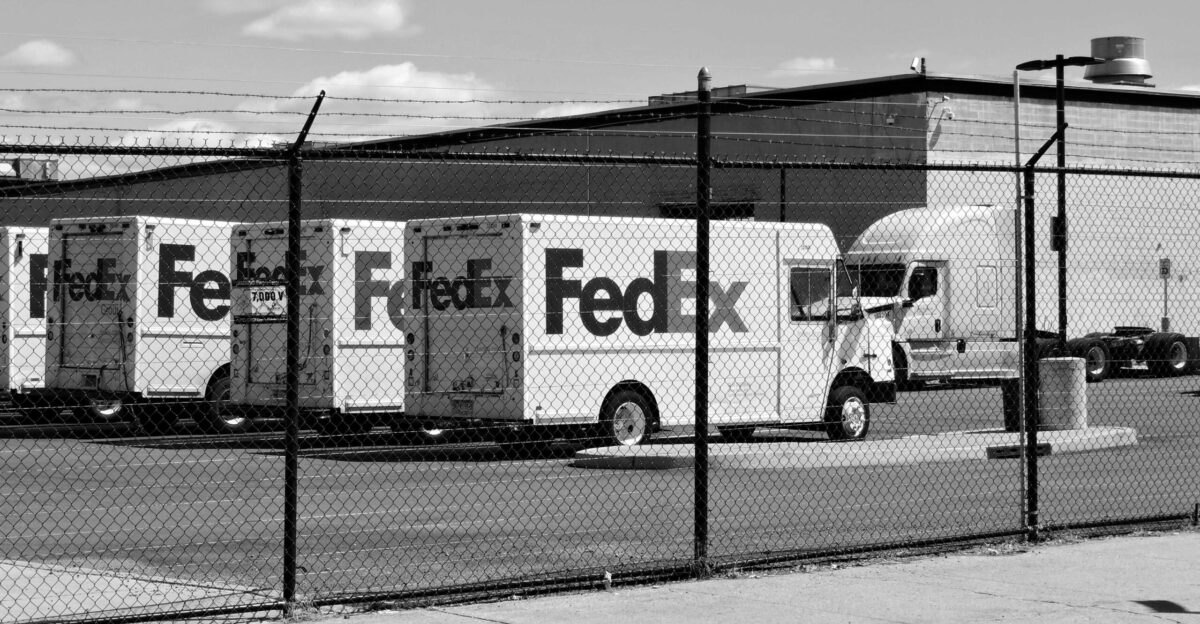
That’s FedEx Coppell. On November 21, the company filed a WARN notice confirming 856 layoffs. One customer decision. 856 disrupted lives.
When Does the Pain Actually Hit?

The collapse occurs in phases, which somehow exacerbates the situation. FedEx announced the closure, but layoffs will roll through April 2026. The first 62 workers get formal notice on January 16, knowing their paychecks will stop in exactly four weeks. Then additional waves follow as operations wind down.
Workers didn’t face a sudden shock—they received 60-day WARN notices to absorb the reality of being unemployed by spring. FedEx stated: “This action is necessitated solely by our customer’s decision.”
The Brutal Business Truth Nobody Wants to Say
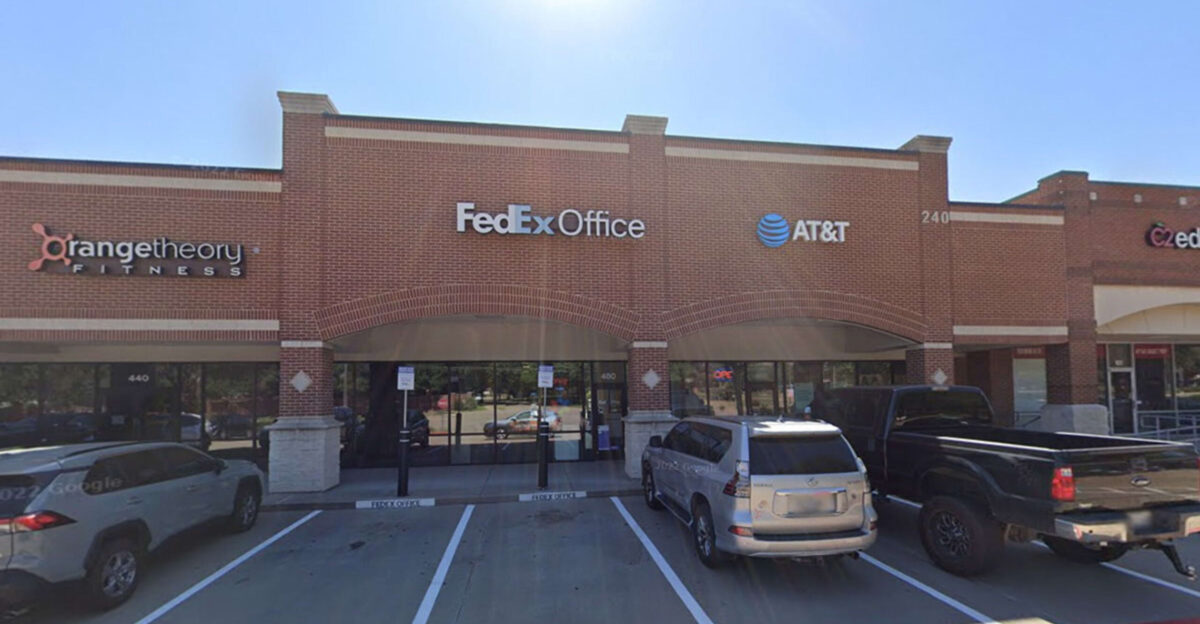
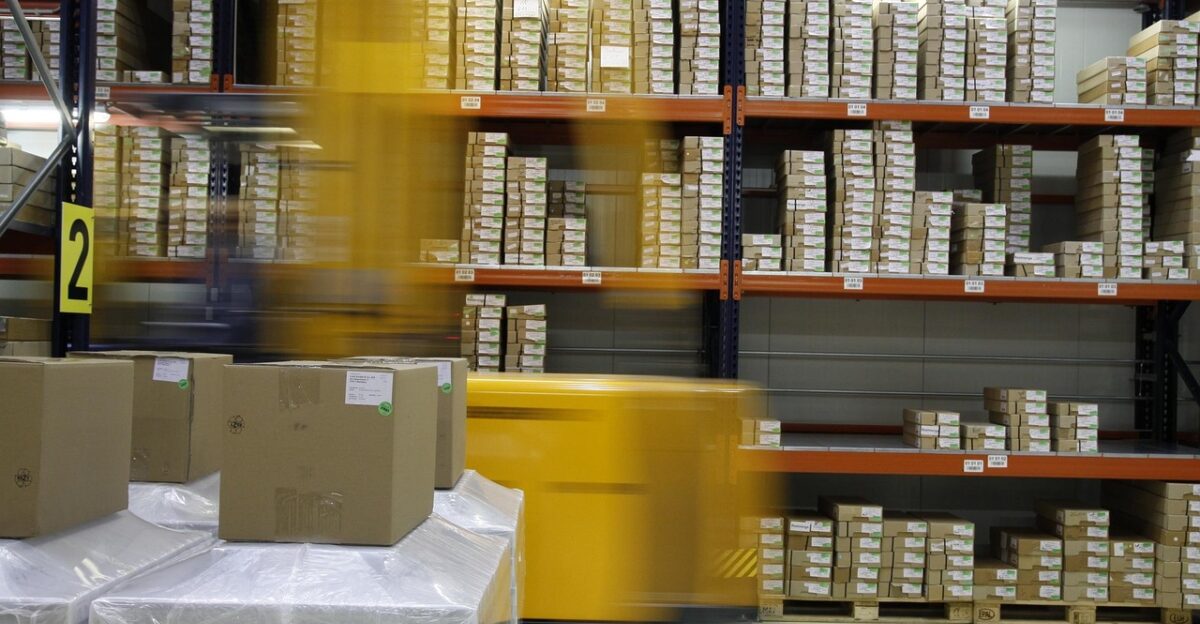
Building a warehouse around one major customer means betting everything that customer stays happy forever. FedEx Supply Chain designed this facility specifically for that unnamed customer’s warehousing and distribution needs—dedicated staff, custom layouts, specialized equipment. All worthless when they leave. And they did.
The customer switched to a different third-party logistics provider at a new location, resulting in a complete shift in volume. What seemed stable suddenly wasn’t.
This Already Happened in Fort Worth This Year

FedEx didn’t just lose Coppell. Earlier in 2025, another FedEx facility in Fort Worth announced layoffs of over 300 employees for nearly identical reasons: a major customer transitioning to a different third-party logistics (3PL) provider. Two facilities. Two different customers. One repeated lesson: when your site depends on one anchor account, any contract renegotiation becomes existential.
For logistics companies, this pattern is familiar. For workers, it’s a recurring nightmare impossible to prevent.
Why Half-Empty Means Shut Down
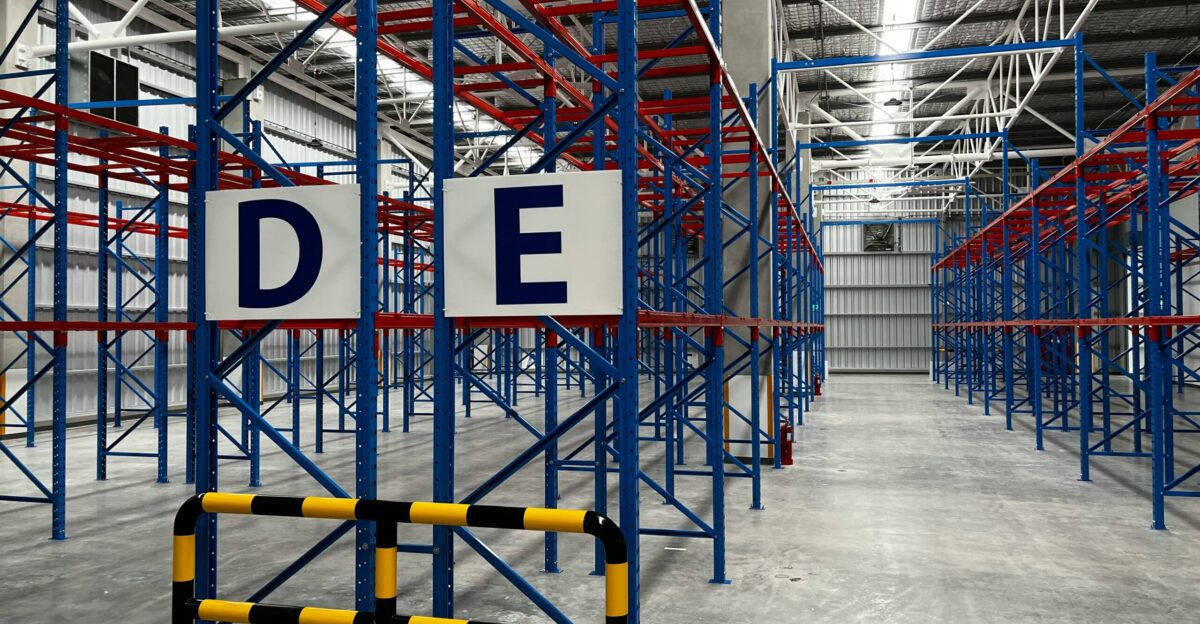
A full warehouse covers rent, utilities, equipment, and payroll. Half-empty? Fixed costs remain constant while revenue declines. Keeping the facility open costs FedEx more money than closing it entirely. There’s no business case for running half-capacity warehouses indefinitely.
Finding replacement customers of a similar size and profile isn’t quick. So FedEx takes the clean exit: close by April, absorb transition costs, redeploy resources elsewhere. Workers lose everything.
The Faces Nobody’s Talking About: 856 Real Lives

These aren’t abstract job losses. They’re people with mortgages, kids in school, healthcare tied to employment, and retirement calculated on stable income. The first 62 workers received formal notice and are now job hunting, with only four weeks remaining before their income stops in December. The remaining workers know that layoff dates are coming—just not precisely when.
FedEx offers placement assistance, relocation aid, and severance, with some eligibility for other Dallas-area FedEx roles. But transfers aren’t guaranteed.
FedEx’s Ruthless Efficiency Machine
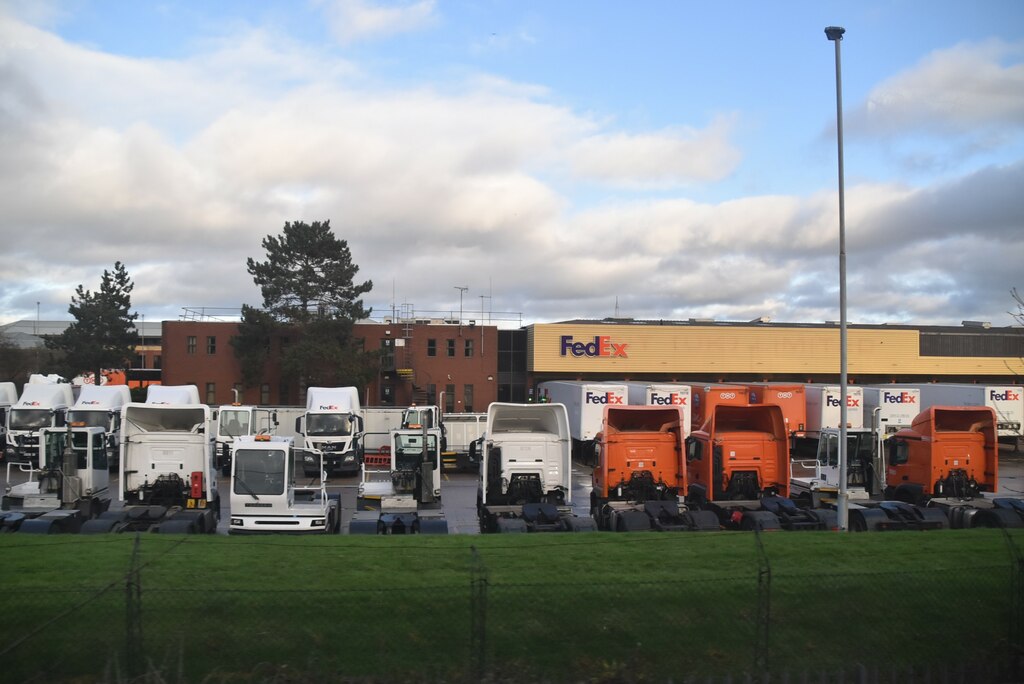
Coppell isn’t random. It’s part of FedEx’s massive “Network 2.0” restructuring, announced in June 2025, which will close 30 percent of the company’s U.S. package distribution facilities within two years. Merge Express and Ground into one streamlined operation. Save $2 billion by fiscal 2027.
By May 2025, 100 stations had closed, and 290 had been consolidated. Coppell is one domino in a far larger reshuffling. Individual workers caught in that path become collateral damage in corporate efficiency equations.
Why ‘Biggest’ Actually Matters
Through October 2025, 1.1 million Americans faced layoffs—a 65 percent increase over 2024. October alone saw 153,000 jobs disappear, the highest monthly total in 20+ years. Within that storm, Coppell stands out as the largest logistics-sector facility closure announced in one filing, one of the most significant regional employer shocks in North Texas this year.
Tech led with 141,159 cuts, but logistics bled too: 90,418 job cuts through October. For Dallas, it ripples through everything.
Why the Damage Spreads Far Beyond the Building
When a facility shuts, damage spreads outward. The 856 workers lose income and face forced career transitions in saturated markets. But disruption extends everywhere: coffee shops and restaurants lose regular customers, tax revenue drops for Dallas County and Coppell, and supply chains relying on this warehouse find alternate operators at short notice.
It’s an economic shock traveling outward in concentric circles, affecting people who never entered the building.
The Contract Structure Flaw

Industry analysts flagged Coppell as a textbook case of how not to build sustainable 3PL relationships. The problem: building entire sites so specialized around one customer that no other account could realistically use it without massive reconfiguration.
When a single customer accounts for 70-100 percent of a site’s volume, that represents “single-customer failure risk.” The contract should have required extended notice, gradual volume reduction, or responsibility for workforce transition. Instead, the customer just left.
A Systemic Industry Problem, Finally Exposed
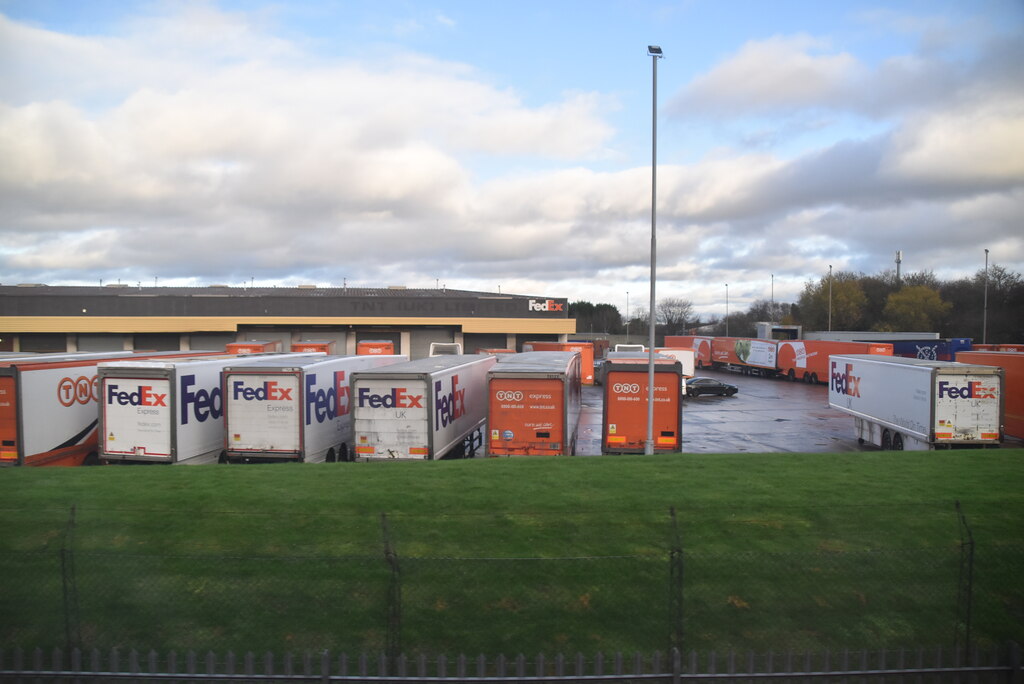
Coppell exposes structural weakness across the entire third-party logistics sector. Most 3PLs build the most extensive facilities around anchor customers, assuming that relationships are sticky because switching providers is a painful process. Today’s reality is different.
Shippers run competitive bids every few years, boards green-light network changes for meaningful savings, and aggressive competitors underbid incumbents for prime customers.
The National Jobs Crisis
December 2025 is not a calm time in the job market. Goldman Sachs warned that the year-end and early 2026 period will bring significant layoff acceleration, as companies announce cuts now. Still, separations will occur over a staggered period through winter and spring.
Unemployment data has not yet fully captured the shock, a typical lag between announcements and actual losses hitting the labor market. But they’re coming.
What FedEx Is Actually Offering
Here’s what FedEx offers: job placement assistance, relocation aid, severance pay, continued wages and benefits through the final day, and possible transfer to other Dallas FedEx facilities for select workers. On paper, it sounds like real support. In practice?
Placement helps, but there are insufficient comparable warehouse jobs available for 856 people simultaneously. Relocation matters, but doesn’t create jobs elsewhere. Some land on their feet. Others accept lower pay or change industries.
The Customer’s Silence

In WARN notices and all official statements, the customer who triggered this remains unnamed. FedEx says “major customer decided to move business to different third-party logistics provider.” That vagueness is strategic. Naming customer invites scrutiny about why they left—service failures? Contractual miscalculation?
By staying silent, FedEx keeps the narrative focused on “business decisions” rather than failure. For workers, silence is cruel: losing jobs because customers they’ll never know made decisions they’ll never fully understand.
Lessons for Everyone Watching
For FedEx, the next chapter is consolidation and redeployment toward $2 billion in fiscal 2027 savings. For the logistics industry, Coppell should prompt conversations about facility design, contract structure, and risk management.
For workers facing January and April layoff dates, the next chapter is immediate: update résumés, network aggressively, compete in a market where 153,000 other people announced layoffs this month. For Dallas, a reminder that employers vanish faster than communities expect