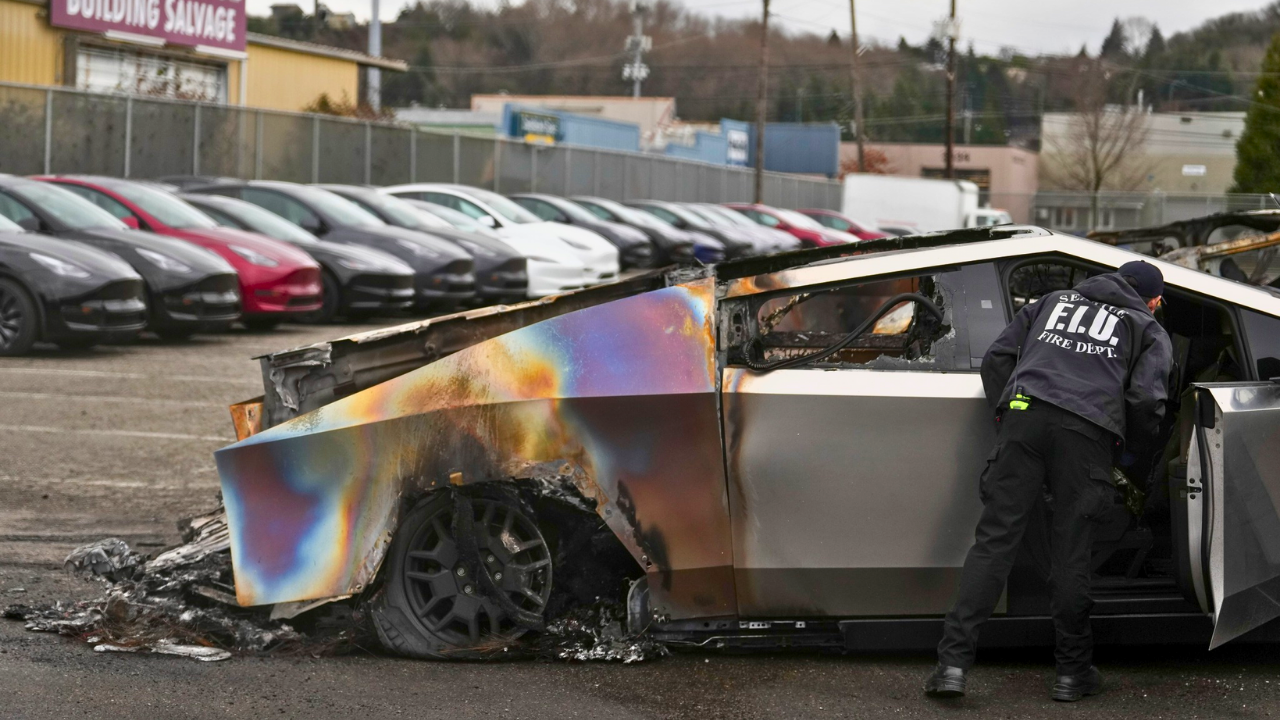
A series of tragic vehicle fires has thrust Tesla’s electronic door design into the center of a growing safety crisis. In November 2024, a Tesla Model S crashed in Wisconsin, killing five occupants who became trapped inside as the vehicle burned. Weeks later, a Tesla Cybertruck caught fire in California, killing three college students in a similar entrapment scenario. These incidents have triggered lawsuits, federal investigations, and international regulatory alarm over a design choice that departs fundamentally from a century of automotive safety standards.
The Design Problem at the Heart of the Crisis
Tesla’s shift to flush-mounted electronic door handles represents a radical departure from traditional mechanical systems. Unlike conventional handles that operate independently of electrical power, Tesla’s design relies entirely on battery power and multiple electrical components. The system includes a hidden manual release mechanism located beneath the carpet in the rear door pocket—a cable that requires passengers to lift a cover panel and locate it during an emergency.
This non-intuitive design has drawn criticism from safety experts and regulators alike. In emergency situations where seconds determine survival, passengers unfamiliar with the hidden mechanism face a critical disadvantage. The National Highway Traffic Safety Administration (NHTSA) has received more than 140 complaints regarding Tesla door handle failures since 2018, yet the design remained largely unchanged until recently.
Wisconsin Tragedy Sparks Legal Action
The November 2024 crash in Verona, Wisconsin, claimed the lives of Jeffrey and Michelle Bauer, Josh and Tammy Stahl, and Barry Sievers. The vehicle collided with a tree and ignited, trapping all five occupants inside. The Bauers’ children filed a lawsuit alleging that Tesla’s electronic door system prevented escape and that the company was aware of the risks but disregarded consumer safety.
The victims were prominent advocates for Type 1 diabetes research. Michelle Bauer had authored a book following her son’s death from the disease, while Josh and Tammy Stahl had dedicated years to fundraising efforts. Their deaths sent shockwaves through Wisconsin’s diabetes advocacy community and intensified scrutiny of Tesla’s safety practices.
California Incident Intensifies Concerns
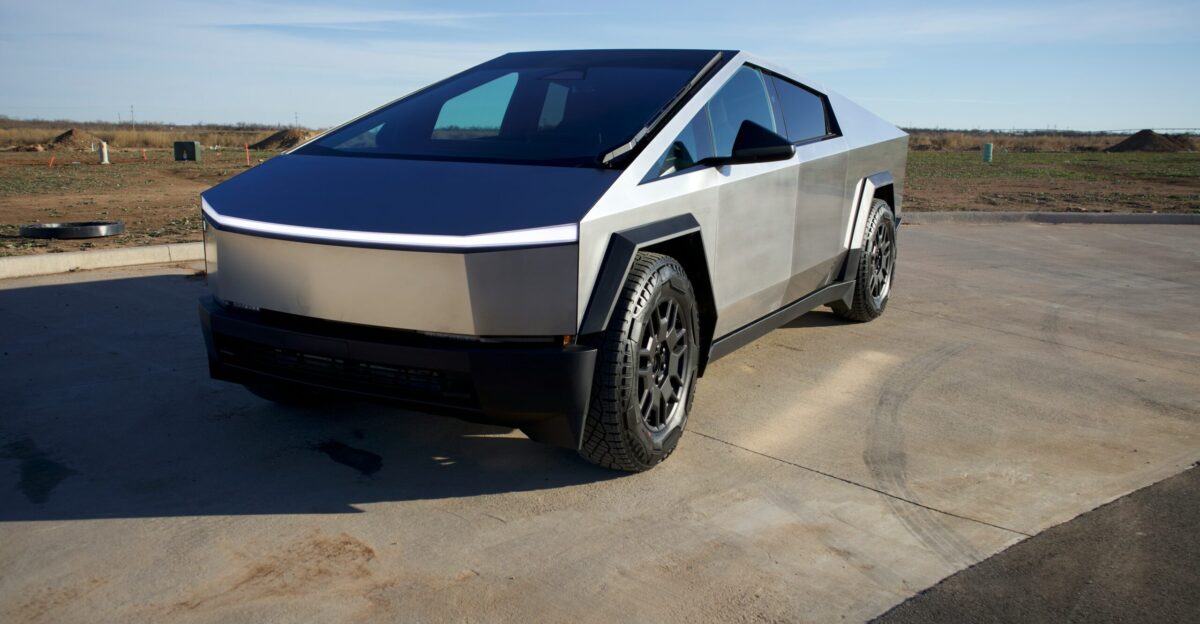
Three and a half weeks after the Wisconsin crash, a Tesla Cybertruck caught fire in Piedmont, California, killing three college students who could not escape the burning vehicle. One survivor was rescued only after a friend broke the window from outside. Families of the victims filed lawsuits alleging that Tesla’s failure to provide an accessible manual release mechanism directly contributed to the deaths.
These two incidents within weeks of each other transformed what might have been isolated tragedies into evidence of a systemic design flaw. The pattern prompted federal regulators to expand their investigation beyond the initial focus on the 2021 Model Y to include the Model 3 and other Tesla vehicles from 2017 to 2022.
Global Regulatory Response Accelerates
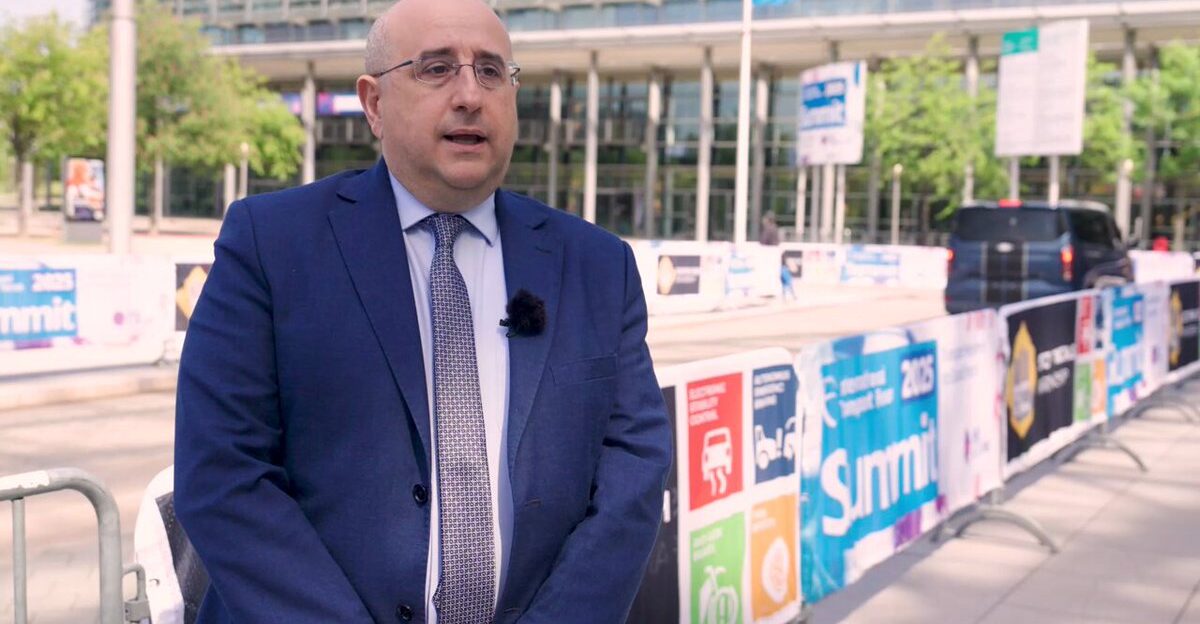
European regulators have moved aggressively in response to a fatal crash in Germany in September 2025, where a family became trapped inside a burning Tesla. Antonio Avenoso, Executive Director of the European Transport Safety Council, stated that people are dying because they cannot escape their vehicles when every second counts. European officials have called for immediate action to address gaps in vehicle safety regulations regarding door accessibility during emergencies.
South Korean regulators have raised concerns at United Nations vehicle standards meetings, while China is considering a ban on fully concealed door handles. The issue has become genuinely international, with lawsuits filed across multiple countries and regulatory bodies demanding stricter safety standards.
Tesla’s Response and Industry Implications
Tesla’s design chief, Franz von Holzhausen, acknowledged safety concerns in a September 2025 podcast interview, stating that the company is developing a new design combining electronic and manual releases into a single button. However, no clear timeline has been provided for implementation or deployment to existing vehicles.
Competitor Rivian has responded proactively by announcing a redesign of rear door handles on its upcoming R2 SUV, ensuring manual release mechanisms are more accessible and visible. This move underscores industry-wide pressure to prioritize emergency accessibility.
The Unique Challenge of EV Fires
Electric vehicle fires present distinct hazards that amplify the door entrapment problem. While gasoline fires typically burn out within 45 minutes to an hour, EV fires involving lithium-ion batteries can burn for several hours, requiring thousands of gallons of water to extinguish. This extended burn time makes rapid escape even more critical for occupant survival.
Financial and Legal Consequences Mount
Tesla faces substantial liability exposure. Wrongful death settlements in the automotive industry typically range from $500,000 to $3.5 million per case, but the Wisconsin lawsuit is seeking both compensatory and punitive damages. Multiple simultaneous lawsuits across jurisdictions could substantially increase Tesla’s total liability.
The company’s 2024 recall numbers—over 4.44 million vehicles—placed it among the top automakers for recalls, with one in four cars on U.S. roads under active recall. The door handle issue represents only one component of broader safety concerns.
Looking Forward
As lawsuits, investigations, and regulatory pressure intensify, Tesla stands at a critical juncture. The mounting evidence suggests that the company’s electronic door design creates genuine life-threatening risks during vehicle fires. Whether Tesla will proactively redesign its systems or wait for regulatory mandates remains unclear, but the international scope of concern and the pattern of fatal incidents suggest that significant changes to EV door safety standards may be inevitable.