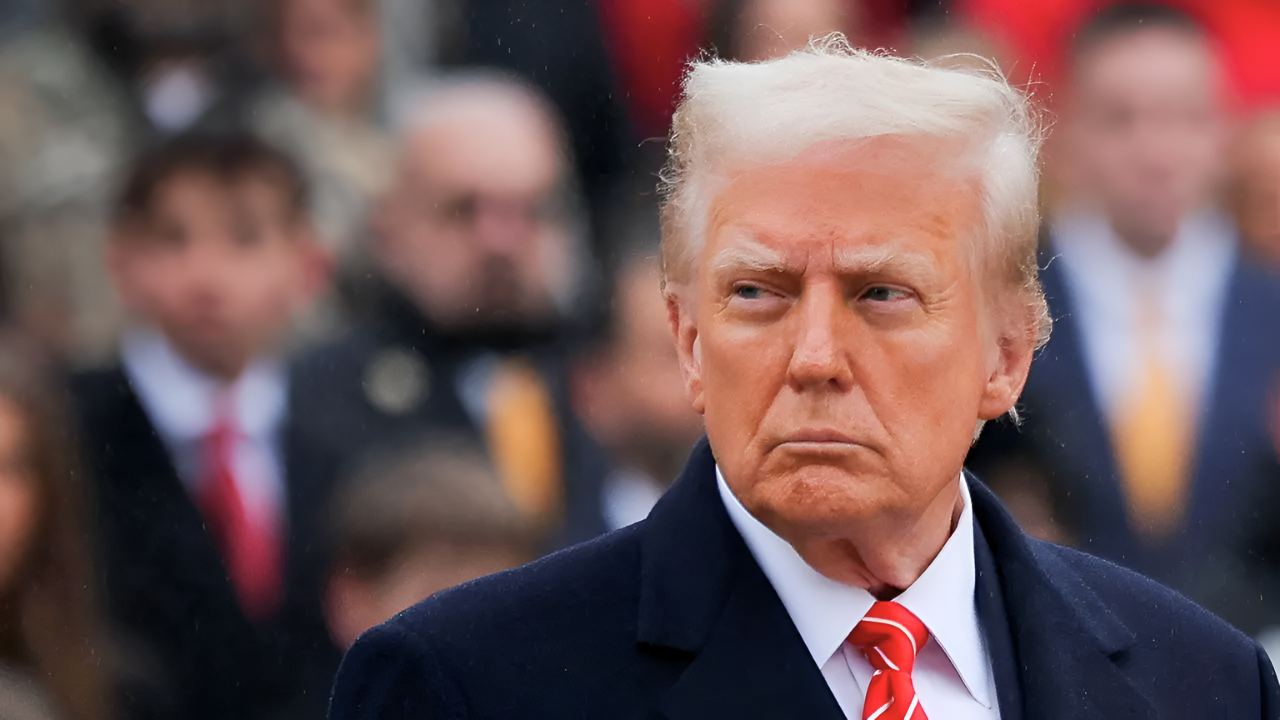
A federal judge temporarily stopped the deportation of more than 10,000 migrants from Central and South America. The ruling halted the Trump administration’s plan to shut down Family Reunification Parole programs just days before the change was supposed to begin.
On January 10, 2026, U.S. District Judge Indira Talwani issued a 14-day restraining order blocking the Department of Homeland Security (DHS) from ending the programs that help people from Colombia, Cuba, Ecuador, El Salvador, Guatemala, Haiti, and Honduras. These migrants had entered the United States legally, passed security and background checks, and received work permits while waiting for their green cards. Many were close to finishing that process when they suddenly received termination notices, which would have left them without legal status or jobs.
Judge Talwani found that DHS failed to give proper written notice before ending the programs. Some migrants only saw online updates weeks later or never got any notice at all. Her order temporarily keeps their legal status intact, allowing them to stay employed and maintain their families and homes until the court decides what happens next.
The Purpose of the Family Reunification Programs
The Family Reunification Parole programs began in 2022 and 2023 during the Biden administration. Their main goal was to help families stay together while waiting for their visa applications to be processed. Relatives of U.S. citizens and permanent residents could legally enter the country and work for up to three years instead of waiting abroad.
These programs built on earlier efforts that helped Cubans and Haitians reunite with their families. Participants went through the same background, health, and security checks required for most visas. They paid taxes, worked in key industries, and contributed to local communities.
However, the Trump administration argued that these programs went beyond what immigration law allows. Officials said the government’s parole authority should only apply in emergencies and on a case-by-case basis, not to thousands of people at once. They said ending the programs would tighten security and make the system more accountable.
Legal Fight Over the Termination

In court, DHS claimed that the large-scale approval of parole applications broke the law and skipped proper congressional oversight. But Judge Talwani disagreed. She said the beneficiaries already met the conditions set by Congress and that the government failed to follow the Administrative Procedure Act (APA). This law requires federal agencies to give the public advance notice and time to comment when making major rule changes. DHS had announced the program’s termination quickly and without those steps.
This isn’t the first case of its kind. In 2025, Judge Talwani blocked a similar effort by the Trump administration to end parole programs for migrants from Cuba, Haiti, Nicaragua, and Venezuela. That earlier ruling was later overturned by the U.S. Supreme Court, which allowed the administration to continue its immigration policy changes. Because of that reversal, many legal experts think the current case could also face challenges in higher courts.
For now, the temporary order gives affected families relief and buys time for a closer legal review. Communities across the U.S., especially in South Florida, where many beneficiaries live, are anxiously waiting for what happens next.
What’s at Stake for Families and Communities
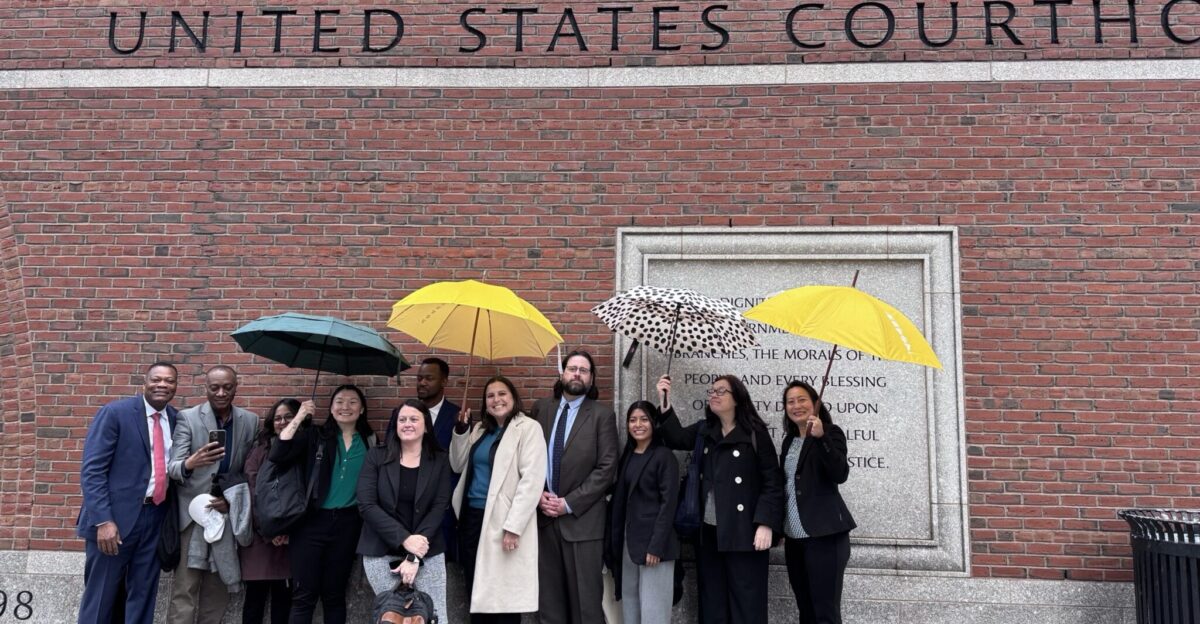
The pause will be felt most strongly in places like Miami-Dade and Broward counties in Florida, where large Cuban and Haitian communities depend on these programs. Across the country, at least nine states rely on these workers in industries such as construction, healthcare, agriculture, hospitality, and manufacturing. Employers have been told to keep their workers on staff for now while waiting for further court decisions.
Families involved in the lawsuit, Svitlana Doe v. Noem, say they have followed all the rules. Many invested savings, bought homes, and put down roots while waiting for their green cards. Advocacy groups like the Justice Action Center argue that the Trump administration’s decision punishes those who did everything legally.
There is a limited exception in the policy: anyone who filed for green card adjustment (Form I-485) by December 15, 2025, could stay under the old rules. However, this created a sense of unfairness, those with lawyers or the means to file quickly were protected, while others were left out.
Judge Talwani has ordered fast-moving court deadlines. The government must provide case records by January 13, submit their response by January 15, and the migrants’ lawyers must reply by January 20. The judge will decide by January 24 whether to extend the order or issue a longer injunction.
DHS, led by Secretary Kristi Noem, says it will revise notification rules and is defending the program’s end as part of broader border security measures. Meanwhile, advocates are calling for Congress to make family reunification programs permanent through law, though political divisions make that unlikely.
The court’s final decision will have major consequences. If the programs are upheld, thousands of families can stay together and continue contributing to the U.S. economy. If they are struck down, many could lose legal status and jobs, deepening labor shortages and separating loved ones once again.
Sources:
New York Times – “Judge Pauses Trump Policy Ending Family Reunification for Some Migrants” – January 10, 2026
Politico – “Judge blocks Trump administration from revoking immigration parole” – January 10, 2026
Reuters – “US judge to block Trump move to end thousands of Latin American migrants’ legal status” – January 10, 2026
VisaHQ – “Federal Judge Halts Trump Administration’s Plan to Cancel Family Reunification Parole Programs” – January 9, 2026