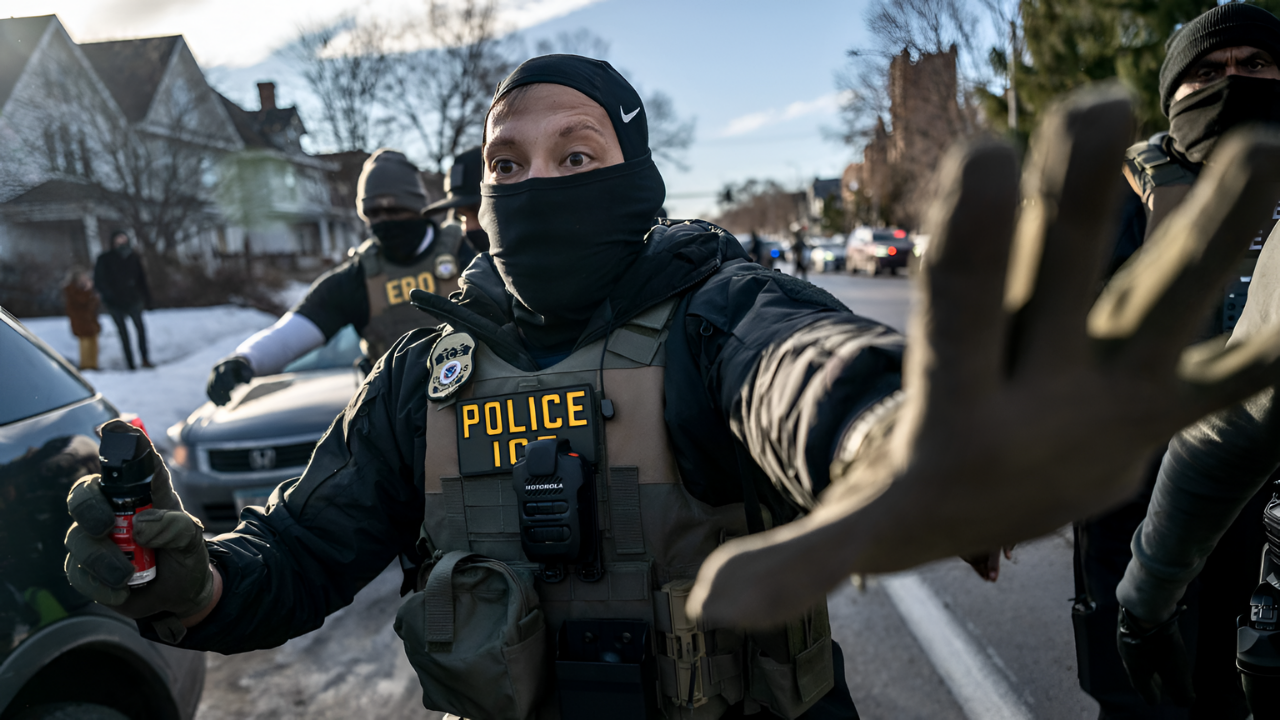
Within just one week, a small group of Minnesota activists came together through community networks to respond to immigration enforcement actions. They carefully recorded what was happening around them and shared their findings with lawyers and civil rights groups. The activists connected with the American Civil Liberties Union (ACLU) of Minnesota and three law firms, Ciresi Conlin, Forsgren Fisher, and Riach Law.
These legal teams gathered important evidence through detailed statements, eyewitness accounts, and video footage. This information formed the basis of a federal court order challenging the behavior of immigration agents. Each activist served as a plaintiff in court, testifying about what they had seen and experienced. Their stories, facts, and videos showed possible violations of constitutional rights, particularly around freedom and equal treatment.
Catherine Ahlin-Halverson of the ACLU of Minnesota stated that what federal agents did, using racial profiling and targeting Minnesotans based on appearance, goes against the basic rights guaranteed by the U.S. Constitution. The case quickly became more than just an individual lawsuit. It represented a broader debate about how far government agencies can go before they cross the line into violating civil liberties.
Uncertain Legal Future
Legal experts say the case now faces an uncertain future. The U.S. Court of Appeals for the Eighth Circuit, which will handle the government’s appeal, is often seen as more conservative. That means the judges there might view the issue differently from District Judge Menendez, who issued the original order. The federal government could also ask to temporarily pause the court order while the appeal moves forward, meaning the protections in place might not last long.
Several important legal questions are still unsettled. One is whether watching or recording police or immigration actions counts as an activity protected by the First Amendment, which covers free speech and press rights. Another question is what exactly counts as “obstruction”, when someone is getting in the way of law enforcement versus lawful observing, where no one is interfering.
So far, other cases around the country have had mixed outcomes. For example, in September 2025, the U.S. Supreme Court stopped a similar court order from Los Angeles, suggesting that it might not agree with broad protections for observers. Meanwhile, a court in Illinois ruled that certain immigration protests there did not amount to violent rebellion, indicating that peaceful protest still holds legal protection. Minnesota’s Assistant Attorney General Brian Carter commented that the “temperature needs to be lowered,” recognizing how tense and complex these legal battles have become.
A Test Case for Civil Liberties
At the heart of the Minnesota order is a simple question: Do regular people have the right to document government enforcement operations without fear of being arrested or harmed? The six individuals leading this case believe the answer is yes. Their names, Susan Tincher, John Biestman, Janet Lee, Lucia Webb, Abdikadir Abdi Noor, and Alan Crenshaw, have become symbols for a bigger national discussion about the limits of state power and citizens’ rights.
These activists argue that constitutional protections do not disappear during immigration raids or similar operations. If Judge Menendez’s ruling survives the appeals process, it could set a powerful precedent for the entire country. It would affirm that Americans have a legal right to watch and record immigration enforcement, as long as they do not interfere. But if the ruling is overturned, that could signal a major setback for activists and journalists seeking accountability in law enforcement actions.
A Growing Movement
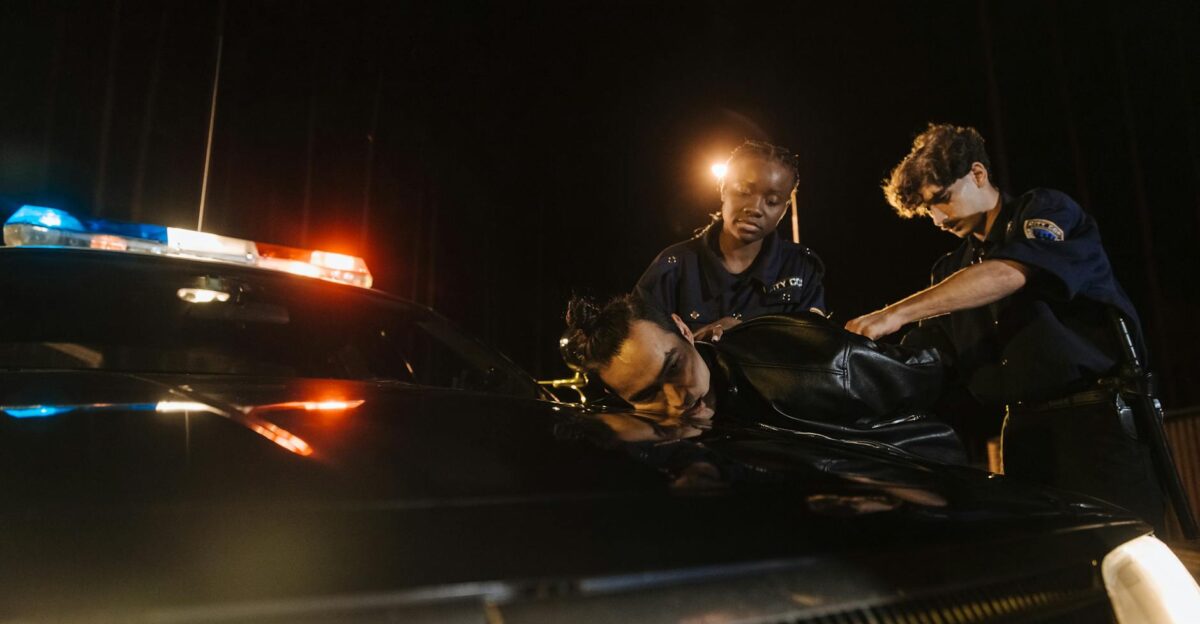
The implications of this case reach far beyond Minnesota. Thousands of citizens across the United States now monitor Immigration and Customs Enforcement (ICE) operations in their communities. They document actions, film incidents, and share information publicly, arguing that transparency helps prevent abuse of power.
Since December, a program called “Operation Metro Surge” has led to more than 2,500 arrests, showing how active federal enforcement remains. For the activists involved, this lawsuit isn’t just about one incident, it’s part of a larger movement to secure the right to observe and report on government activity without fear of intimidation.
The six plaintiffs’ actions have brought national attention to this issue, forcing a difficult legal and ethical conversation into federal court. Their efforts could reshape the balance between public oversight and federal authority. No matter how the courts decide, their push for accountability is likely to influence how immigration and policing are viewed for years to come.
Sources:
ACLU Minnesota, Tincher v. Noem Complaint, December 17, 2025
NBC News, Judge orders federal agents to stop pepper spraying and retaliating against peaceful protesters, January 16, 2026
Time Magazine, Judge Rules ICE Can’t Arrest Peaceful Protesters in Minneapolis, January 16, 2026
CNN, Reports show how ICE agent Jonathan Ross fatally shot Renee Good, January 17, 2026
Minneapolis government website, State of Minnesota Minneapolis and Saint Paul sue to halt immigration operation, January 11, 2026
Xinhua News, Judge bars U.S. immigration agents from using force against peaceful protesters, January 17, 2026