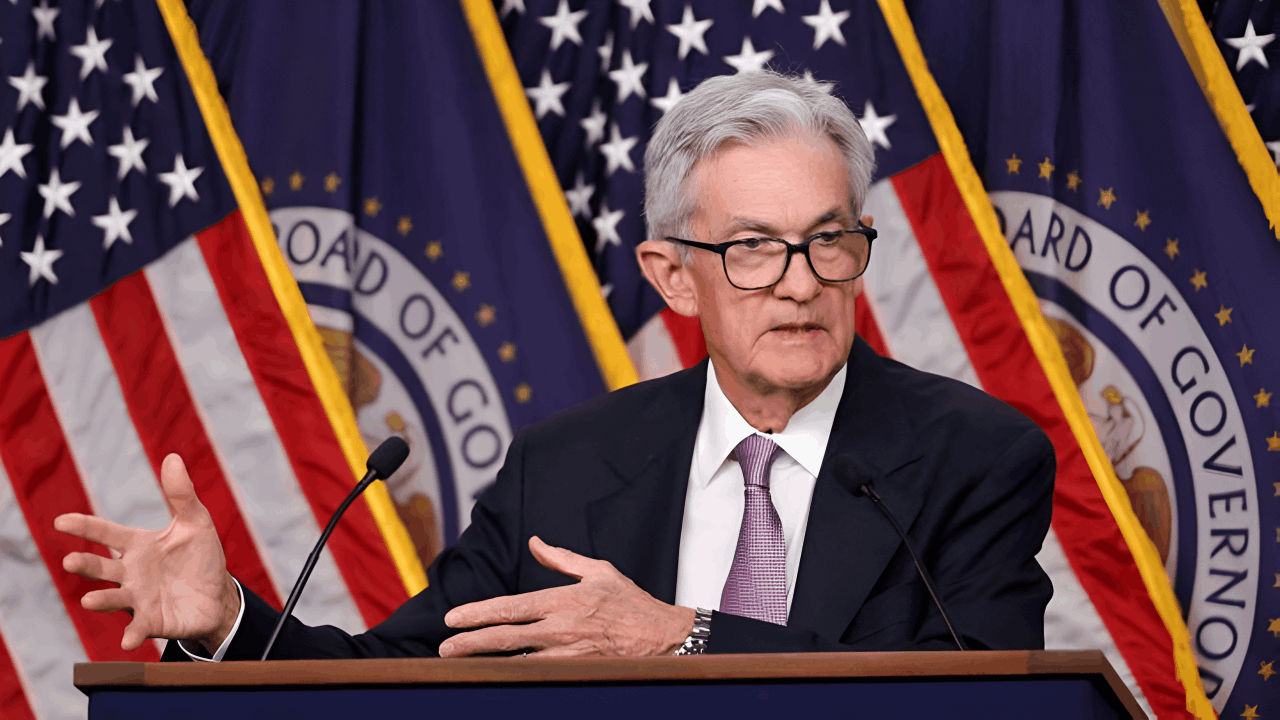
A quarter-point drop — the first rate cut of 2025 — hit the markets Wednesday afternoon.
Within minutes, traders refreshed screens, watching the federal funds range shift down to 4%–4.25% as unemployment edges up and inflation refuses to cool. This wasn’t a celebration moment. It felt like a warning — a move made while the ground is still shaking.
Why the Fed Decided to Cut Now
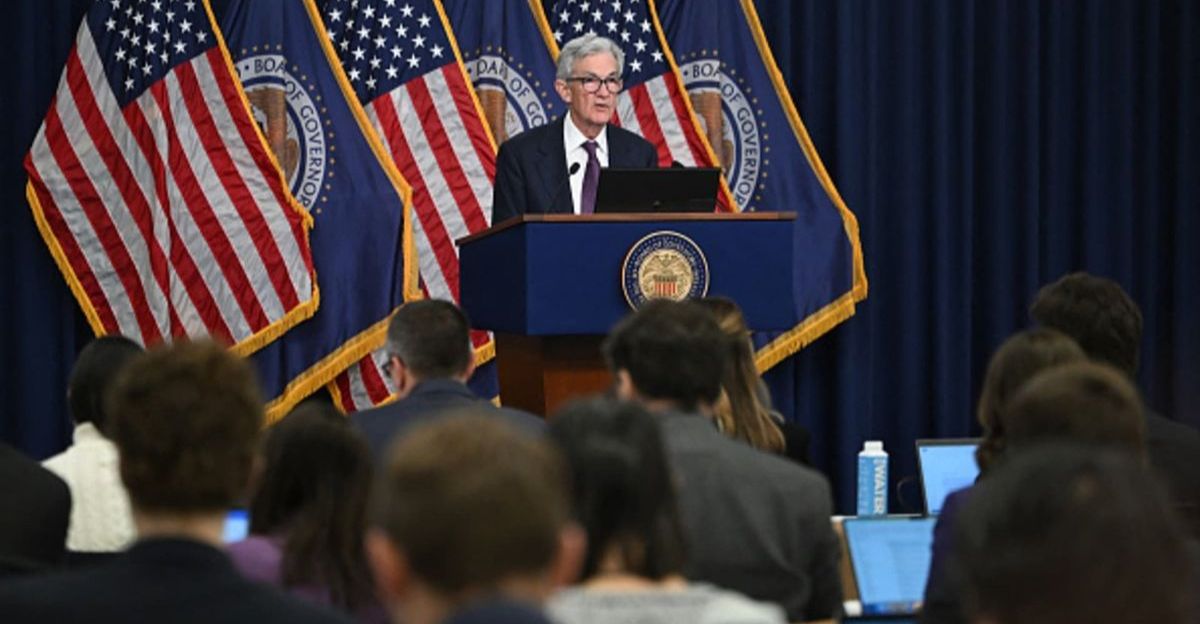
The Federal Open Market Committee justified the rate cut by pointing to mixed economic signals that required careful balancing. Job market softening and rising unemployment raised concerns about economic momentum, while inflation continued to move upward and remained elevated above target levels.
Jerome H. Powell, the Chair of the Federal Reserve Board of Governors, emphasized the cut was designed to manage risks rather than signal a dramatic policy shift, as the Fed sought to keep the economy from running either too hot or too cold.
Credit Card Holders Face a Long Wait for Relief

The average credit card interest rate stood at 20.12% in September 2025, and borrowers won’t see meaningful relief for months despite the Fed’s action.
Rate cuts typically take several billing cycles to filter through to credit card annual percentage rates, meaning consumers carrying balances from month to month—nearly half of American cardholders, according to Fed surveys—must remain patient. The modest quarter-point reduction translates to minimal immediate savings on existing debt.
Banks and Credit Card Companies Control the Timeline

Credit card issuers determine their own rates based on multiple factors beyond Fed policy, including individual creditworthiness, income levels, and state regulations governing lenders.
While variable-rate credit cards are directly tied to the federal funds rate, banks exercise discretion in how quickly they pass rate cuts to consumers. The lag between Fed action and consumer benefit creates frustration for Americans struggling with high-interest debt accumulated during years of rate increases.
Mortgage Seekers May Not Find the Relief They Expect

The Fed’s rate cut might actually hurt prospective homebuyers rather than help them, as 30-year mortgage rates are more closely tied to 10-year Treasury yields than the federal funds rate.
When markets anticipated higher future inflation in 2024, longer-term rates rose despite Fed cuts—a phenomenon occurring again in 2025. This disconnect means the housing affordability crisis may persist or worsen, as rate cuts could stimulate demand without addressing the fundamental supply shortage.
Auto Loan Borrowers See Gradual Changes

Car loan rates don’t move in lockstep with Fed cuts, but they typically decline when monetary policy loosens. Auto loan interest rates had climbed to multi-year highs following Fed rate increases that began in 2022, making vehicle financing increasingly burdensome for consumers.
The rate environment affects borrowers differently based on vehicle type, credit score, and time of year, with the quarter-point cut expected to provide modest relief over coming months.
Underwater Car Owners Struggle with Mounting Debt

A growing share of car owners found themselves underwater on auto loans by mid-2025, owing more than their vehicles were worth. According to Edmunds.com data released in July for Q2 2025, these underwater borrowers were increasingly rolling negative equity into their next vehicle purchase, compounding their debt burden.
Rising auto delinquencies demonstrated the urgent need for relief, though the Fed’s modest rate cut offers limited immediate assistance to those already trapped in high-interest loans.
The Fed Projects Limited Future Cuts Despite Political Pressure
Federal Reserve officials’ median projections indicated only two more rate cuts anticipated for the remainder of 2025, with just one additional cut expected in 2026. This conservative outlook fell far short of the multiple percentage points of cuts President Trump had been demanding, creating tension between monetary policy independence and political priorities.
The gradual approach reflected Fed concerns about persistent inflation and the need to avoid overstimulating the economy.
Rate Cuts Return Borrowing Costs to 2022 Levels

The September rate cut merely moved borrowing costs back to levels last seen in 2022, which at that time represented the highest rates in over a decade.
Amy Hubble, a certified financial planner at Radix Financial, noted that for the average American, such a small rate change would have little to no effect on day-to-day financial lives. The modest adjustment highlighted how far interest rates had climbed and how long the journey back to truly low rates might take.
Home Equity Lines Offer Strategic Opportunities

Home equity lines of credit (HELOCs) represent variable-rate debt with rapid resets, making them among the most directly affected by Fed rate cuts. As rates decline, homeowners gain opportunities to borrow against equity at more favorable terms and potentially consolidate higher-interest debt like credit cards.
Financial advisors suggested this strategy could become increasingly attractive as rates continue falling, though borrowers must carefully assess the risks of securing previously unsecured debt.
Refinancing Opportunities Emerge for High-Rate Mortgage Holders
An increasing number of homeowners were paying mortgage rates above 7% in 2025, creating substantial refinancing opportunities as rates declined. The traditional rule of thumb suggests refinancing when you can save one percentage point or more on your mortgage rate, a threshold that may take time to reach for many borrowers.
Those with rates significantly above current market levels should monitor conditions closely and prepare to act when savings justify refinancing costs.
Adjustable-Rate Mortgages Remain Uncommon After Financial Crisis
Adjustable-rate mortgages would benefit directly from Fed rate cuts, but their usage plummeted following the 2008 financial crisis and remained fairly uncommon in 2025.
The shift toward fixed-rate mortgages insulated most homeowners from both rate increases and decreases, creating a more stable but less responsive housing finance market. This structural change meant Fed rate cuts would have less immediate impact on existing homeowners’ monthly payments than in previous decades.
Savers Watch High-Yield Accounts Decline

The rate cut signaled the beginning of declining returns for savers who had enjoyed historically attractive yields on high-yield savings accounts and certificates of deposit.
Financial advisors recommended reviewing cash positions and ensuring funds beyond a six-month emergency cushion were generating competitive returns through CDs or other fixed-income investments. Locking in current rates before further cuts became a priority for investors seeking to preserve income streams.
Municipal Bonds Present Compelling Tax-Free Opportunities
Municipal bonds were trading at a historical discount in 2025, offering particularly attractive opportunities for investors in high-tax states to secure tax-free income at compelling rates.
As the interest rate environment shifted downward, the window for capturing elevated municipal bond yields was closing. Financial professionals emphasized the value of actively managing interest rate exposure to position portfolios advantageously for coming policy changes.
Inflation Concerns Complicate the Rate-Cut Picture

The Fed’s statement acknowledged that inflation had moved upward and remained somewhat elevated, complicating the rationale for rate cuts. This persistent price pressure created a delicate balancing act between supporting economic growth through lower rates and maintaining price stability.
The dual challenge explained the Fed’s cautious approach and modest quarter-point reduction rather than more aggressive easing that some market participants had hoped for.
Treasury Investors Emerge as Unexpected Winners

Investors who purchased Treasury securities before the rate cut locked in favorable yields that would become increasingly attractive as rates fell further. Those who acted strategically by buying Treasuries to secure current rates positioned themselves to benefit from both steady income and potential price appreciation.
The timing advantage favored those who anticipated the policy shift and positioned portfolios accordingly before the Fed’s announcement.
Markets Anticipate Further Monetary Policy Adjustments

Financial markets were already pricing in expectations for the Fed’s future rate path, with longer-term interest rates reflecting projected short-term rate movements, inflation forecasts, and market demand dynamics.
The yield curve’s shape indicated investor beliefs about economic trajectory and monetary policy evolution. Traders and institutional investors positioned portfolios based on these expectations, creating self-reinforcing dynamics that could influence the Fed’s future decisions.
Smart Money Moves for Consumers Right Now

Financial experts advised consumers to assess outstanding debt and identify refinancing opportunities, especially for mortgage rates above 7%. Paying down high-interest credit card balances remained the top priority, as even modest rate reductions wouldn’t eliminate the burden of 20%-plus APRs.
Savers should lock in competitive CD rates before further cuts erode returns, while those in high-tax states should explore municipal bond opportunities before the historical discount disappears.
The Housing Supply Crisis Demands More Than Rate Cuts

Lower interest rates alone cannot solve the affordable housing crisis without addressing the fundamental shortage of available homes. Increased housing supply, complemented by lower rates and reduced building costs, represents the only comprehensive solution to affordability challenges.
If mortgage rates drop without supply increases, heightened demand could drive prices higher and offset any savings from lower borrowing costs, potentially worsening rather than improving housing accessibility.
A Gradual Path Forward with Modest Expectations

The Fed’s quarter-point rate cut initiated a gradual monetary policy adjustment rather than a dramatic reversal of the past three years’ tightening. With limited additional cuts projected through 2026, Americans should temper expectations for rapid relief from elevated borrowing costs.
The ripple effects will unfold slowly across credit cards, mortgages, auto loans, and savings rates, requiring patience and strategic financial planning as the economic landscape continues evolving through persistent inflation and labor market uncertainties.