
Imagine opening your medicine cabinet and realizing the pills you trust to save your life might quietly be doing the opposite. That’s the unsettling reality facing thousands of Americans after Teva Pharmaceuticals recalled nearly 600,000 bottles of its blood pressure drug, Prazosin Hydrochloride.
Tests found traces of a cancer-linked chemical above safe limits—an invisible intruder in a medication millions rely on daily. It’s a story that’s shaking both patients and the pharmaceutical industry awake.
The Medication Millions Rely On

Prazosin has been a quiet lifesaver for years, helping Americans keep high blood pressure in check. But it’s more than a heart drug; it’s a source of relief for trauma survivors, particularly veterans.
Doctors discovered it could also calm the nightmares tied to post-traumatic stress disorder. That dual purpose means this recall isn’t just about contaminated capsules—it’s about the sudden uncertainty facing those who depended on them, night after night.
What Went Wrong Inside the Pill
Tests uncovered the presence of N-nitroso Prazosin Impurity C, a nitrosamine compound linked to cancer in high doses. Nitrosamines can show up in food and water at trace levels, but when they exceed FDA limits in medication, the concern becomes serious.
The FDA says small daily exposures for 70 years shouldn’t raise cancer risk, yet Teva’s samples went above those limits. It’s a chilling discovery in pills meant to save lives, not compromise them.
Three Strengths, One Problem
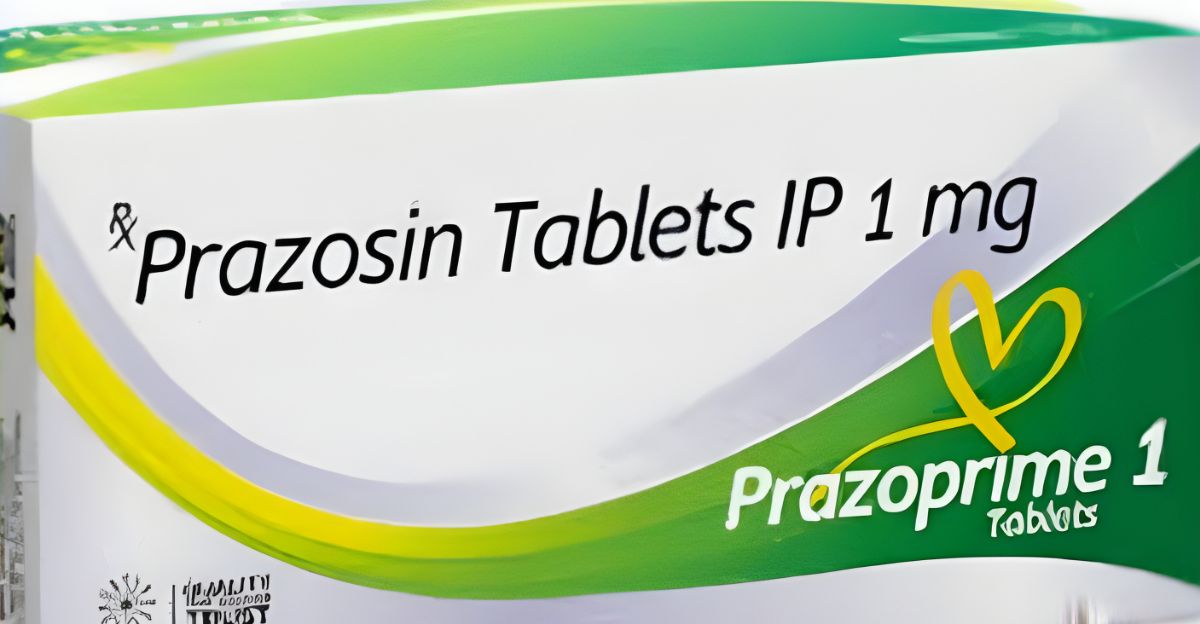
The contamination affects all three dosages—1 mg, 2 mg, and 5 mg—with expiration dates through February 2028. That timeline matters because many bottles are still in circulation and being dispensed.
Nearly 300,000 of the affected bottles are the 2 mg strength—the most commonly prescribed. For some, these pills are taken every morning without fail, meaning the ripple effect of this recall reaches deep into daily routines and lives.
A “Remote Risk,” but a Real One

The FDA labeled the situation a Class II recall, meaning the likelihood of serious health consequences is “remote.” But that phrase doesn’t erase the anxiety many feel when they hear “cancer-linked contaminant.”
The irony is striking: a drug designed to lower the risk of heart attacks may, at least theoretically, carry another kind of long-term risk. Still, regulators stress that stopping abruptly can be more dangerous than staying on until an alternative is found.
America’s Blood Pressure Problem Just Got More Complicated
Nearly half of U.S. adults, about 125 million people, live with hypertension. Only one in four have it under control. That makes medications like Prazosin essential in everyday care. For patients who’ve spent years stabilizing their blood pressure, a recall like this isn’t abstract; it’s personal.
Each phone call from a pharmacy or doctor warning of contamination can feel like the ground shifting under a carefully managed routine.
Veterans Caught in the Crossfire

The recall hits an especially sensitive population: U.S. veterans. Up to 20% of those treated through the VA use Prazosin to curb PTSD-related nightmares. That’s potentially 400,000 veterans now left wondering if their trusted medication is safe.
For many, this drug was a lifeline, allowing them to sleep through the night after years of reliving trauma. Now, that lifeline carries an unwelcome shadow of risk and confusion.
The Numbers Behind the Concern
When you multiply 580,844 bottles by the hundreds of capsules inside, you’re talking about millions of contaminated pills—possibly hundreds of millions. Half a million Americans could have been directly exposed if each bottle represents roughly a three-month supply.
It’s a staggering number that highlights how easily a small manufacturing lapse can become a nationwide event.
A Familiar Crisis Returns
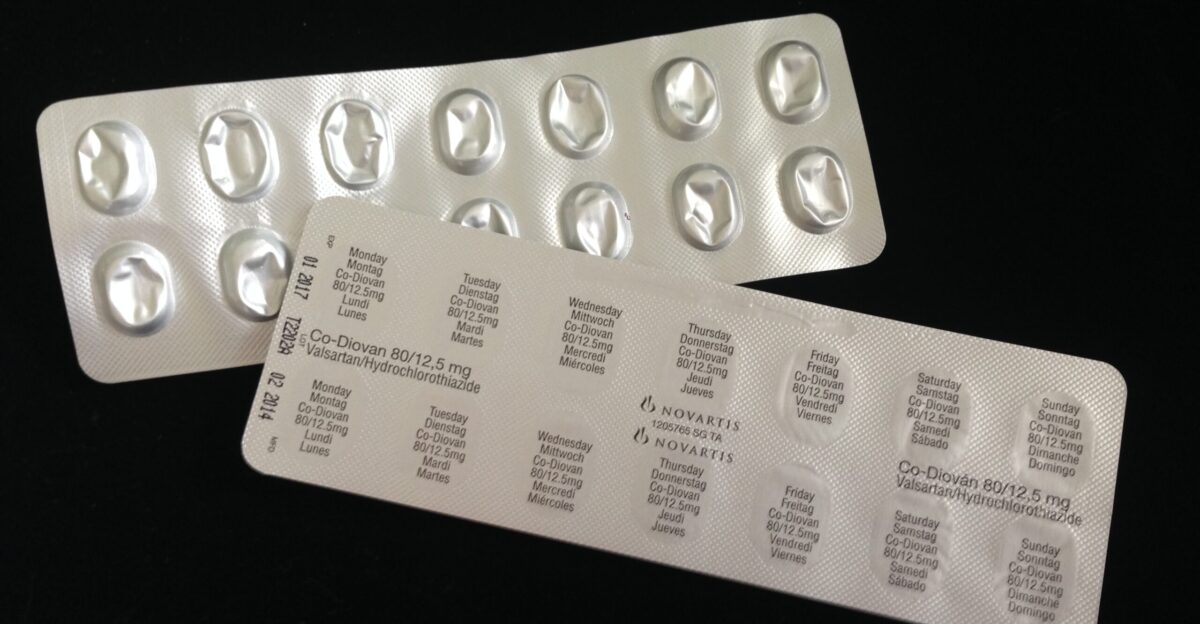
If this story sounds familiar, it’s because the pharmaceutical world has been here before. In 2018, nitrosamine impurities in Valsartan’s blood-pressure drug led to sweeping recalls and tighter oversight.
Since then, manufacturers have faced constant pressure to test for these compounds. Prazosin’s contamination marks another chapter in that ongoing struggle to keep invisible threats out of lifesaving medicine.
How Contamination Slips Through
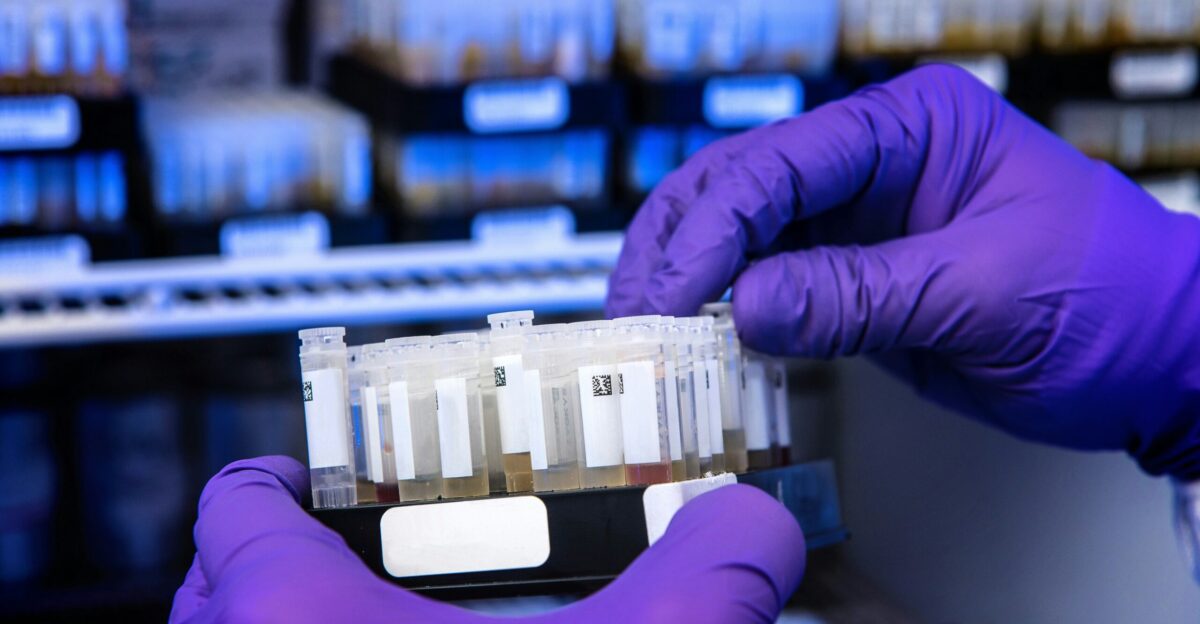
Nitrosamine impurities often sneak in through chemical reactions during production or through contaminated raw materials. They can even form under certain storage conditions. Despite strict testing, the sheer volume of pills manufactured each year means one batch slipping through is always possible.
The FDA continues to refine testing standards, but this case proves how fragile that safety net can be when millions depend on a single drug.
What Patients Should Do Right Now
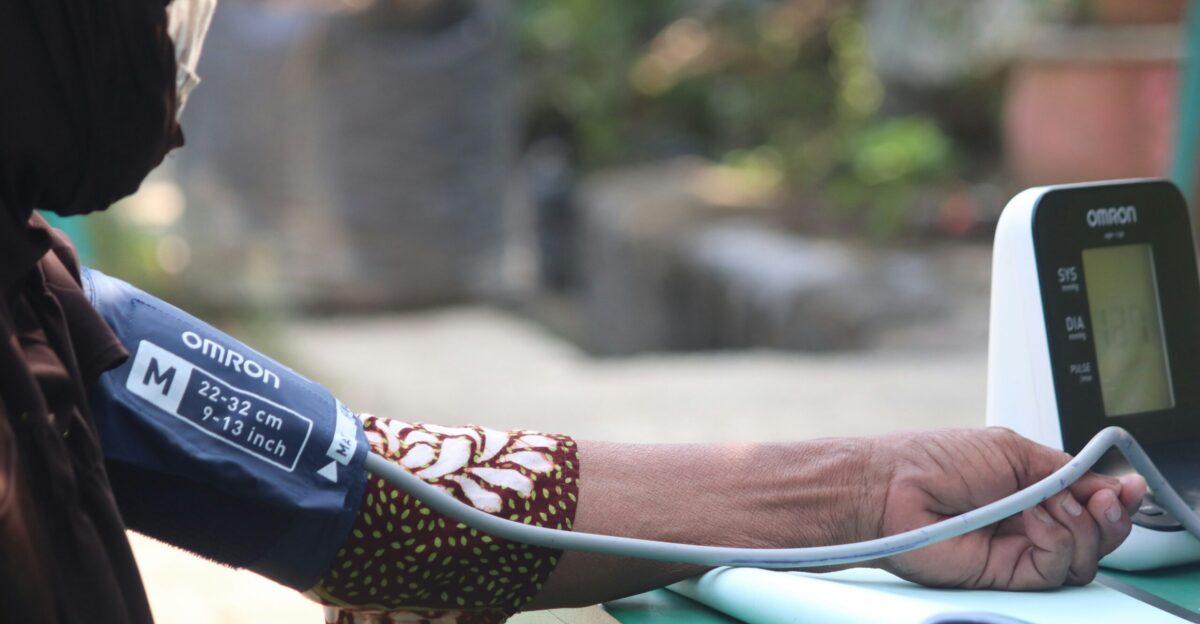
The FDA’s advice may feel counterintuitive, but don’t stop taking your medication cold turkey. Stopping suddenly can cause blood pressure to spike dangerously or PTSD symptoms to return. Instead, contact your pharmacy to check your bottle’s lot number and expiration date.
If it matches the recalled batches, your doctor can safely switch you to another medication. The risk of stopping is immediate; the contamination risk, the FDA says, is long-term and remote.
Pharmacies on the Front Lines

Across the country, pharmacists are fielding calls, double-checking inventory, and reassuring patients. Many have set up dedicated recall desks to verify prescriptions. Pharmacies are also coordinating with Teva to return affected stock and secure clean supplies.
In a system where every prescription counts, these professionals are the buffer between corporate error and patient harm—guiding people through fear with calm, informed care.
Finding Safe Alternatives
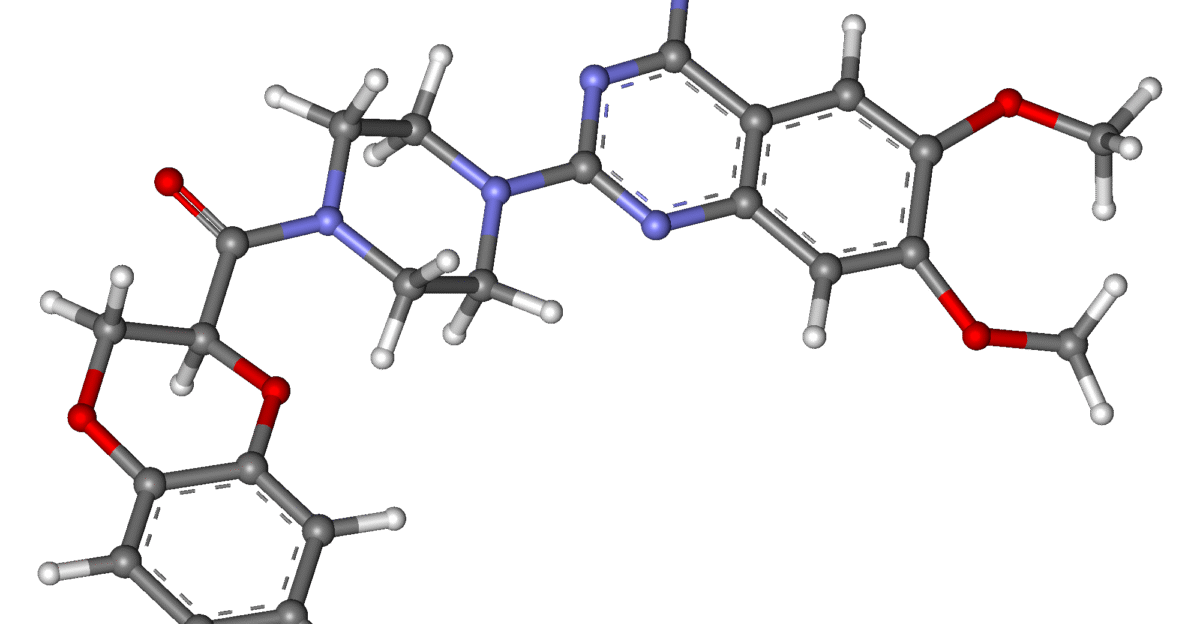
Doctors still have plenty of blood pressure options, like other alpha-blockers, such as doxazosin or terazosin, or entirely different classes, such as ACE inhibitors and ARBs. For veterans using Prazosin for PTSD, treatment plans are more complex since few drugs work quite the same way.
Providers weigh the risks carefully, trying to avoid medical setbacks and unnecessary panic. Each substitution is a balancing act between trust and safety.
Shortages and Delays Begin to Show
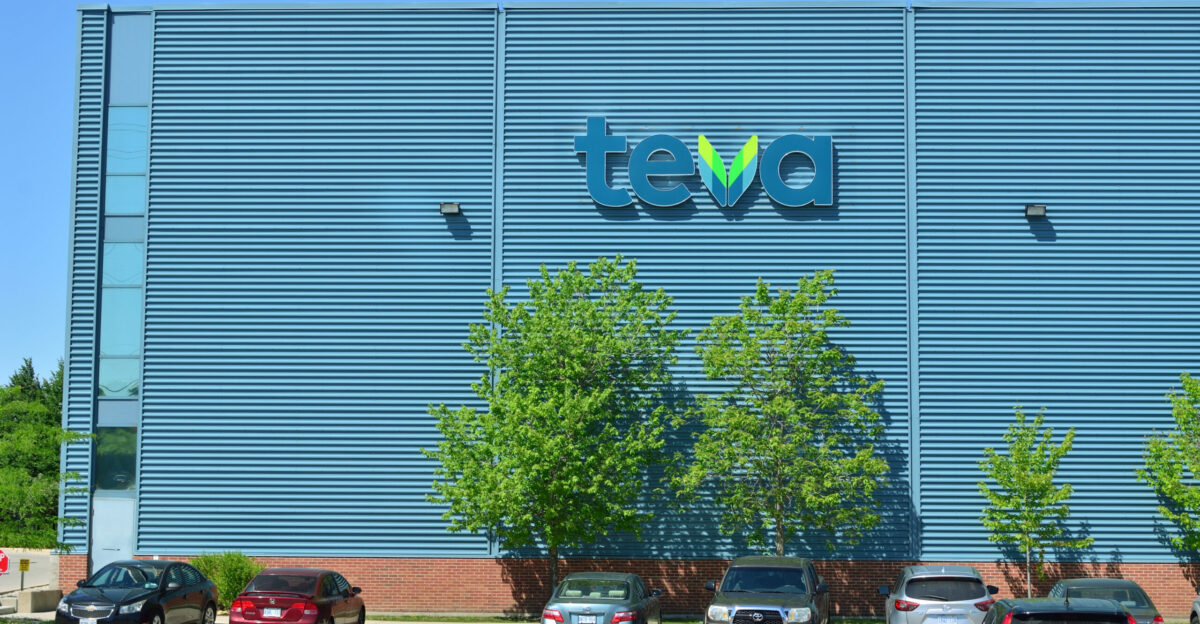
As Teva pulls affected stock and wholesalers scramble to restock, pharmacies are already warning of brief shortages. Some patients may see delays in refills or find their pharmacy temporarily out of supply. It’s a small glimpse into how fragile the pharmaceutical supply chain can be—one contaminated batch can ripple through every step, from factory to prescription bottle, in just weeks.
Communicating Through Fear and Confusion

Hearing that their daily pill contains a “carcinogen” is understandably frightening for patients. Healthcare providers are urged to explain the situation in plain language, why the risk is classified as remote, what “above acceptable limits” really means, and how to stay safe.
Honesty matters. A calm, informed conversation can prevent fear from doing more harm than the pills ever could.
Cost and Coverage: The Next Battle

Insurance providers are reviewing coverage to ensure substitutes remain affordable. Still, switching medications often comes with co-pay changes or temporary cost bumps. For patients on fixed incomes, those small differences add up.
Some manufacturers and pharmacies offer assistance programs to cushion the transition, but the bigger question remains: why are quality-control failures still costing patients peace of mind?
A Global Issue With Local Consequences

Regulators in Europe, Canada, and Australia are monitoring the U.S. recall closely. Nitrosamine contamination isn’t an American problem; it’s a global one that has forced pharmaceutical companies to reassess how they make and store medications.
While this recall is U.S.-specific, international agencies may soon test or pull similar products from their markets to be safe.
Watching What Happens Next
The FDA will continue investigating how the impurity formed, while doctors and pharmacists monitor patients for any signs of adverse effects. Consumers are encouraged to report concerns through the FDA’s MedWatch portal.
Long after this recall fades from the headlines, its data will shape how future drugs are tested and regulated—hopefully preventing another scare from reaching this scale.
Industry Lessons in Hard Numbers
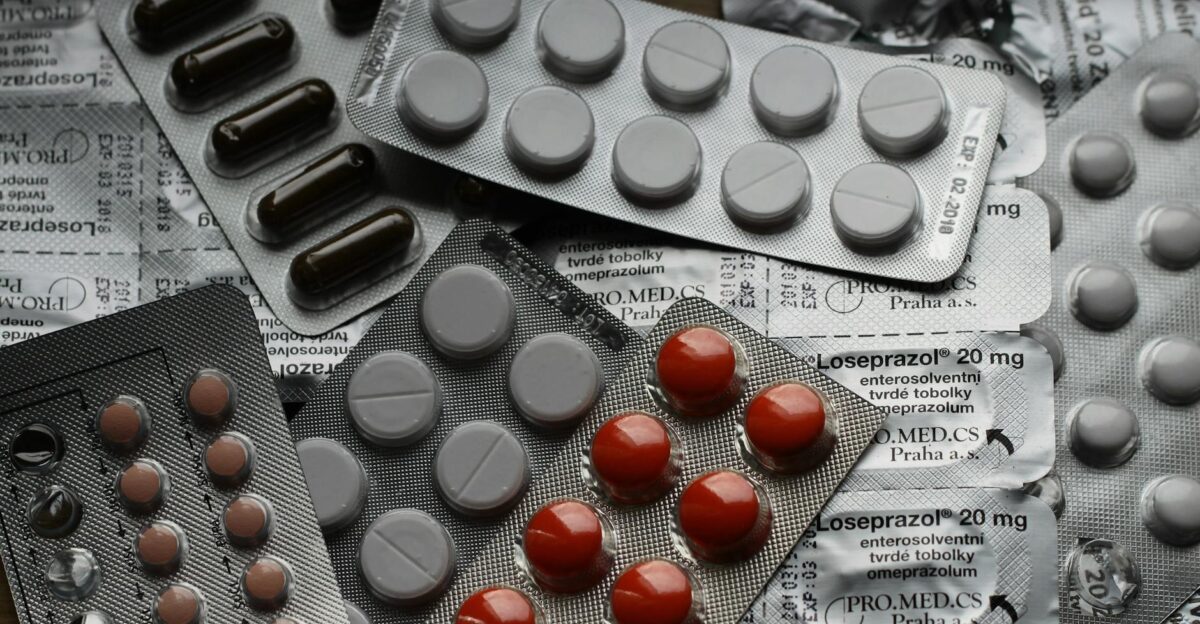
For drugmakers, this recall is a costly reminder that vigilance never ends. Teva’s reputation now hinges on transparency and remediation. Across the industry, companies are investing in advanced impurity-detection tools and tighter oversight.
It’s progress born from failure—a cycle regulators hope to break as technology evolves faster than contamination can hide.
Moving Forward With Caution and Care

At its heart, this recall is about trust: between patients and pills, doctors and companies, regulators and the public. Mistakes happen, but accountability matters.
As millions check their bottles and veterans wait for safe alternatives, the hope is that transparency and vigilance will rebuild confidence. Because medicine, after all, only works if we can trust what’s inside.