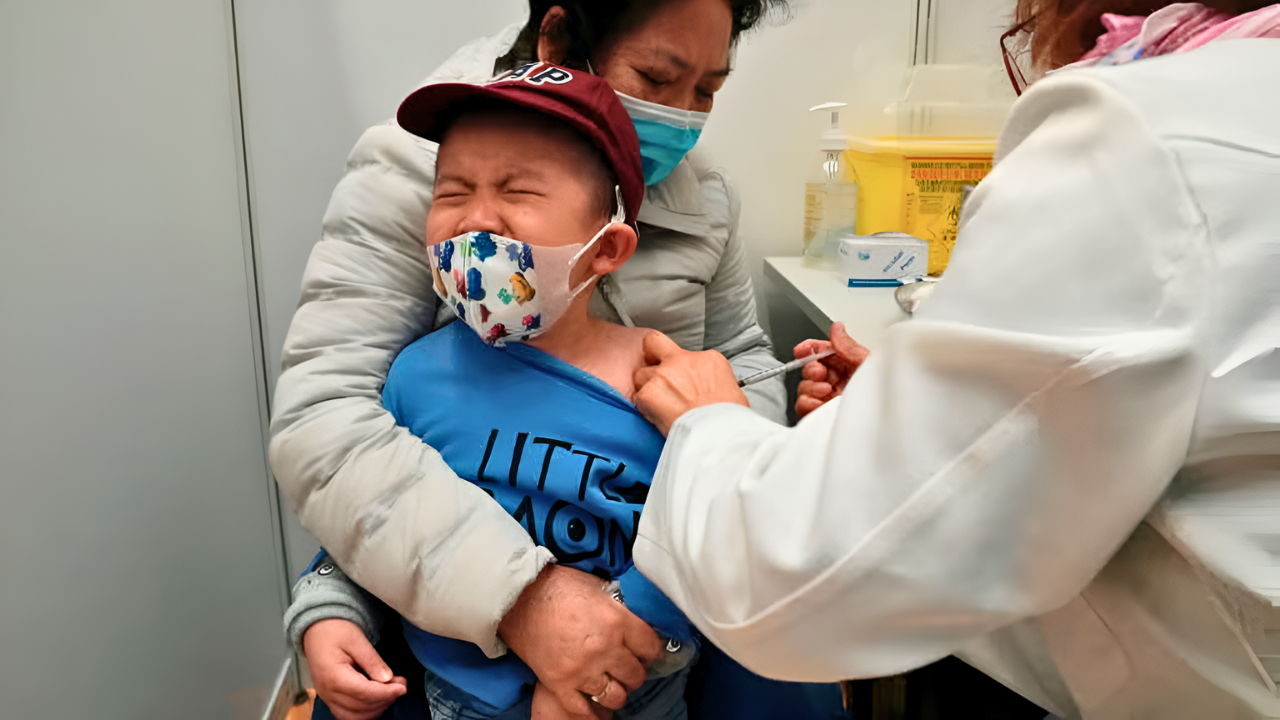
An internal FDA memo from Dr. Vinay Prasad, the agency’s top vaccine regulator, asserting that COVID-19 vaccines caused or were related to the deaths of at least ten children has triggered a firestorm of confusion among parents, pediatricians, and public health experts. According to reports from major news outlets, including the New York Times, STAT, and NBC News, Dr. Prasad sent an email to FDA staff on Friday claiming that a review of reports in the federal Vaccine Adverse Event Reporting System (VAERS) identified at least ten deaths in children that were “related” to Covid-19 vaccination. For millions of families who made vaccination decisions based on regulatory assurances, the announcement raised immediate questions: How solid is this claim? Where is the data?
What makes the memo unusual is not merely the assertion itself, but how it was presented. Rather than offering a definitive medical conclusion supported by published evidence, Dr. Prasad employed hedging language, describing the deaths as having a “likely/probable/possible attribution” made by agency staff. This ambiguous phrasing rarely appears in high-stakes public health communications. Without the clear-cut evidence typically required for such consequential warnings, the FDA has ignited intense debate over what these carefully chosen words mean for child safety.
The Missing Medical Details

The controversy deepens when examining what the memo did not include. Described as a lengthy email, it lacked supporting medical data entirely. There were no patient ages, autopsy results, detailed medical histories, or information about which vaccine manufacturers were involved, nor an explanation of the methods used to determine attribution. Outside experts told reporters the memo was essentially “bereft of any actual medical data” that could justify firmly linking deaths to vaccines, leaving them unable to verify the conclusions or assess the strength of the evidence.
This omission prompted comparisons to a practice generally criticized in scientific circles: advancing significant claims through internal memos and media coverage rather than transparent, peer-reviewed venues. Dr. Paul Offit, a vaccine expert at Children’s Hospital of Philadelphia, characterized the approach as a form of “science by press release,” stressing that such an “extraordinary claim…should be backed by extraordinary evidence.” By circumventing standard scientific review and withholding the underlying case-level data, the agency left pediatricians scrambling to explain a conclusion they had not seen evidence for, compounding confusion among their patients’ families.
The Timing and the Message
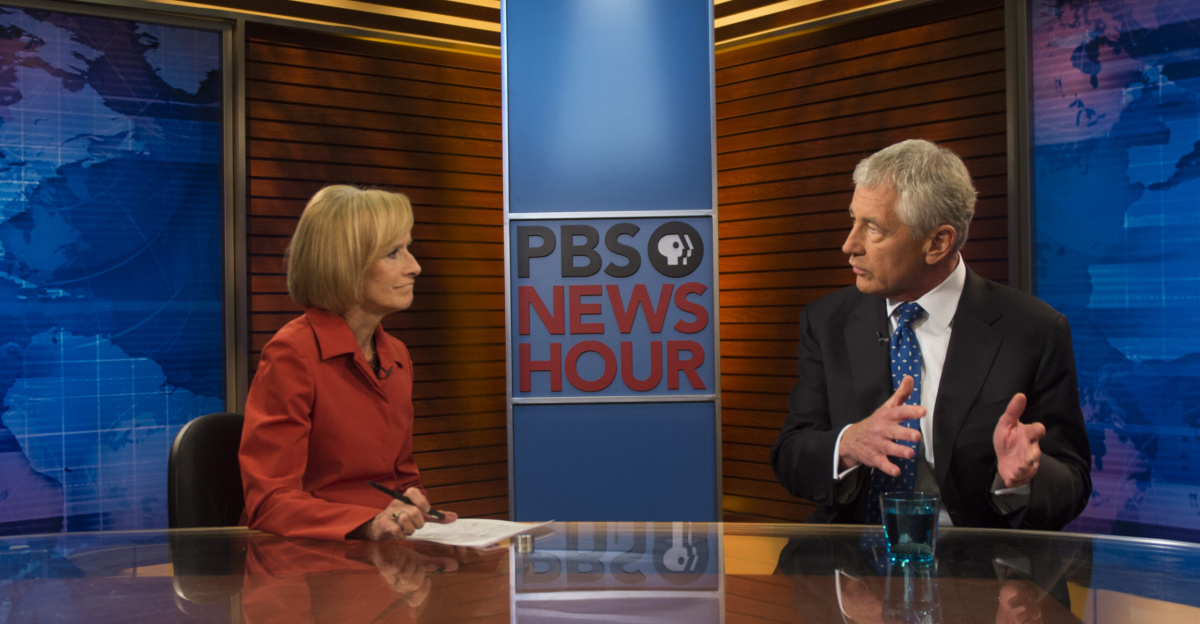
The memo emerged late Friday—widely seen as a classic timing strategy that can minimize immediate coverage—yet the story gained momentum throughout the weekend as outlets including PBS NewsHour, the Washington Post, STAT, and NBC News reported on it. Experts such as Dr. Michael Osterholm, a prominent infectious disease specialist, said the way the claim was rolled out, without detailed data and just before key vaccine policy discussions, appeared irresponsible for such a critical public health matter.
Notably, FDA Commissioner Marty Makary delivered what observers viewed as a split message when addressing the controversy in media interviews. He emphasized the vaccine’s benefits for older adults, calling the COVID shot “amazing for people at high risk,” while simultaneously defending heightened scrutiny of pediatric shots and warning that approving boosters for children without better data “makes a mockery of science.” This rare public distinction from an FDA leader between older and younger age groups underscored perceived internal divisions over how to communicate vaccine risks and benefits.
Political Tensions and Professional Pushback

Prasad’s memo also contained strongly worded criticisms of how previous officials had handled COVID-19 vaccine policy, using political language that many career staff viewed as unusual for an internal scientific communication. According to news reports, the memo faulted earlier federal leaders for downplaying myocarditis risks and supporting broad vaccine mandates, and described some prior public statements as misleading. Dr. Peter Marks, the former longtime head of the FDA’s vaccine division, pushed back in subsequent interviews, calling the memo’s tone “clearly political” and suggesting that Prasad’s attributions might prove “debatable once the facts are actually verified.”
Current and former FDA staff quoted in independent coverage said they were troubled both by the strength of the causal language and by the way it was presented. Some described the email as “misleading” and “politically charged,” and one said it appeared to pressure employees who disagreed with Prasad’s approach to consider leaving the center. For an agency historically known for technocratic, consensus‑driven culture, the episode highlighted a deeper clash over how aggressively to reinterpret COVID-era vaccine decisions.
Understanding the Scale and Context

To contextualize the claim, the numbers matter significantly. By early 2022, approximately 42 percent of children ages 5–11 and 75 percent of adolescents ages 12–17 in the United States had received at least one COVID-19 dose, according to federal data. If these ten deaths are genuinely linked to vaccination—a substantial and as‑yet‑unproven conditional—the rate would represent roughly one in several million pediatric doses administered. While every child’s death is tragic, independent analyses have found that COVID-19 itself was a leading cause of death for young people during the pandemic period, ranking around eighth among causes of death for those under 20 in at least one published study, context the memo largely omitted.
The memo and subsequent reporting suggest myocarditis, or heart inflammation, as a potential mechanism in some of the suspected cases. Experts acknowledge that vaccine-associated myocarditis can occur following mRNA COVID vaccination, particularly in adolescent and young adult males, but note that most such cases identified after vaccination have been mild and resolved with conservative treatment. They contrast this with myocarditis and other complications caused by the virus itself, which have in some cases been more severe and required intensive care. Without detailed case information—including pathology, competing infectious causes, timing, and underlying conditions—outside specialists say it is not possible to determine from the memo alone whether vaccination truly caused the deaths in question.
The Credibility Question
According to coverage in major outlets, the memo represents a dramatic shift in tone from typical FDA vaccine communications, mixing scientific claims with policy and political critiques in a way that has alarmed some veteran regulators and outside experts. For parents navigating headlines, however, the nuances of VAERS analysis, causal inference, and peer review matter less than the raw suggestion that “the FDA says vaccines killed children.” Legal and regulatory scholars such as Dr. Dorit Reiss, a law professor specializing in vaccine regulation at UC Law San Francisco, have warned that releasing such conclusions without transparent supporting data risks eroding public trust in vaccines at a time when preventable diseases like measles and whooping cough are resurging.
For now, the ball rests with the FDA. Commissioner Makary has publicly promised transparency, and Prasad has said he is open to debate over the agency’s vaccine policies. Yet days after the memo became public, the underlying VAERS case files, analytic methods, and full medical records that would allow independent experts to assess causality have not been released or submitted to a peer‑reviewed journal. Until that documentation emerges, the “ten deaths” claim will continue to fuel speculation in the absence of hard, publicly scrutinized evidence—leaving families and clinicians caught between the memo’s alarming language and experts’ insistence that, so far, they have seen no data sufficient to prove that COVID-19 vaccines killed those children.