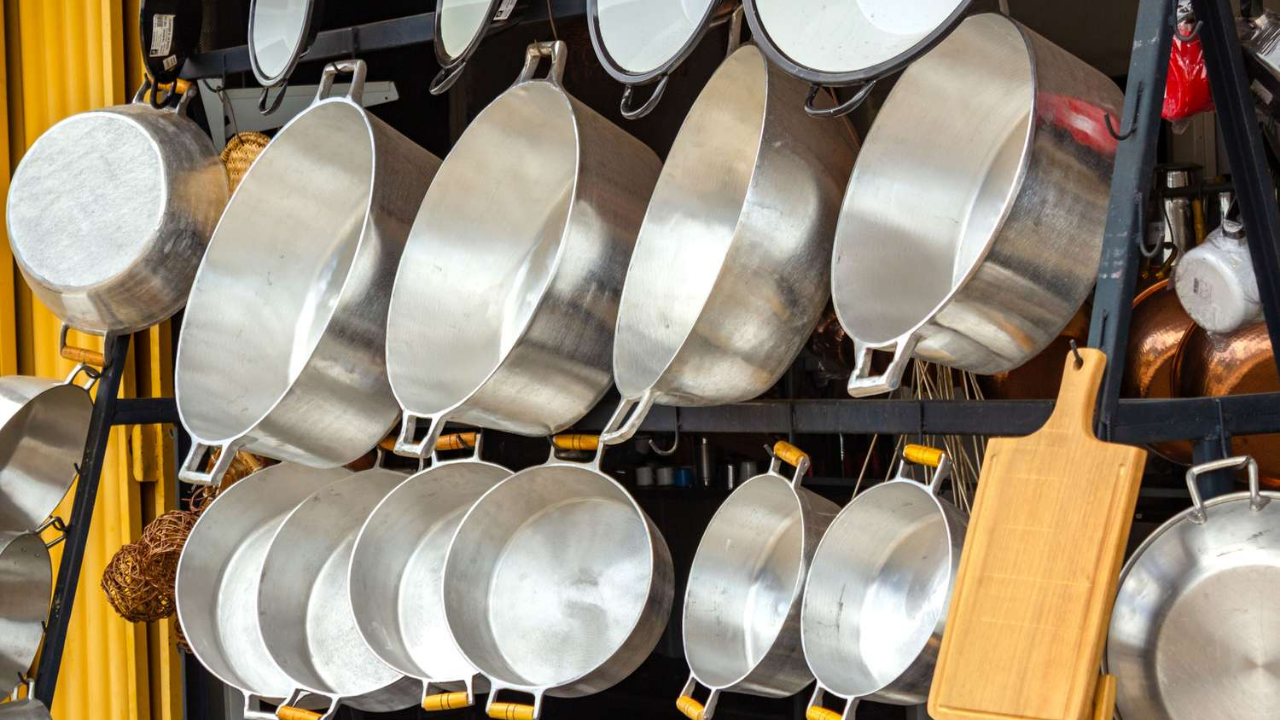
Every meal in your kitchen could carry a hidden hazard. The FDA just banned 19 cookware products—pots, pans, and kadais sold at South Asian grocery stores—over “significant” chemical risks with no known safe level. Lead leaching during everyday cooking threatens children, pregnant women, and entire families. Some items have been recalled; others linger on shelves unnoticed.
Let’s look at which products are dangerous and what steps you must take immediately.
1. Sonex Aluminum Pot
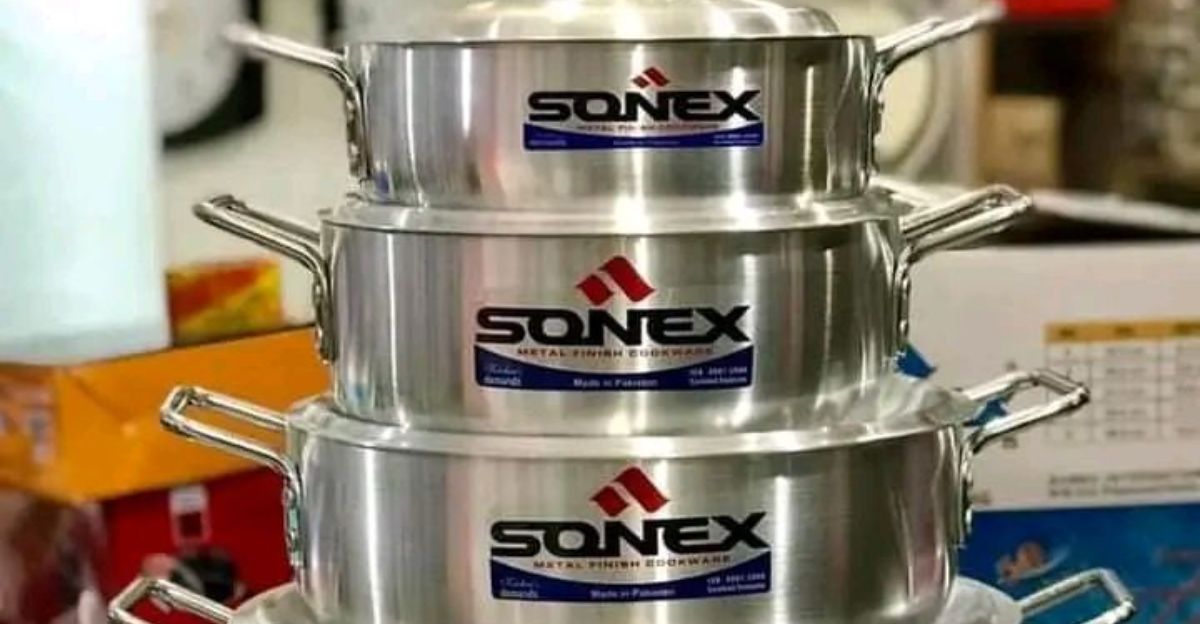
Sonex Cookware’s aluminum pot triggered early FDA alerts. Sold at Alanwar Food Corp in Brooklyn, New York, testing under typical cooking conditions revealed significant lead leaching. The manufacturer recalled the pot November 18, 2025. Weeks of exposure likely occurred for families buying before the notice.
This case highlights the risks of imported cookware reaching homes unchecked.
2. IKM Aluminum Saucepan (Size 2)
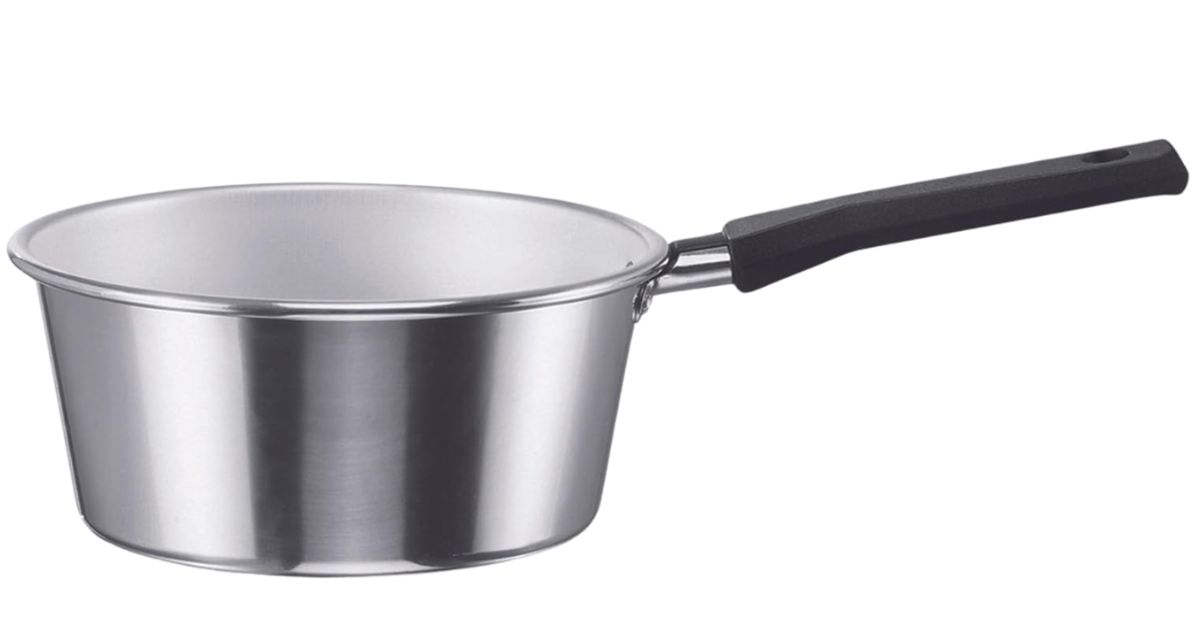
JSM Foods’ IKM aluminum saucepan, size 2, distributed by Lotus Mom Corp, was flagged November 24, 2025. Sold at India Metro Hypermarket, Fremont, California, FDA testing confirmed lead contamination. Despite recalls on November 19, supply delays left some in homes. Children face heightened neurodevelopmental risks.
California’s widespread distribution magnified potential exposure across households.
3. IKM 4-Quart Brass Pot
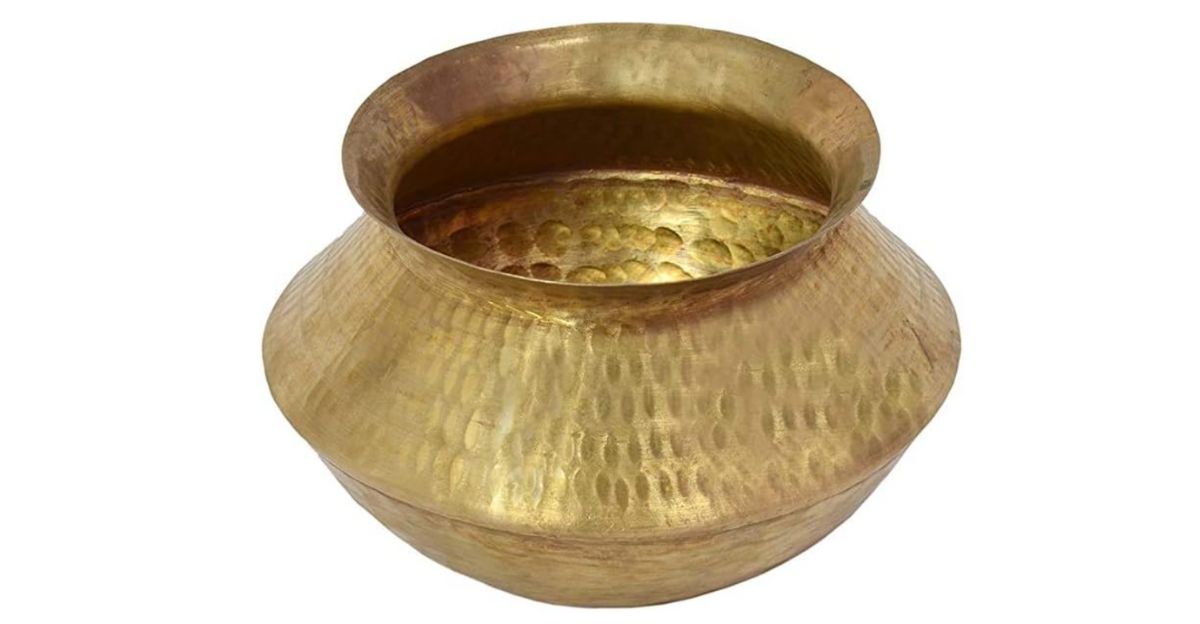
The IKM 4-quart brass pot, also from JSM Foods, was sold through India Cash and Carry, Fremont. FDA testing revealed identical lead-leaching risks to aluminum pots. Larger cooking vessels multiplied exposure per meal. Documents released November 24, emphasized the dangers for families relying on traditional brass cookware.
Heritage cooking materials masked their modern toxicity.
4. Kraftwares Brass Tope
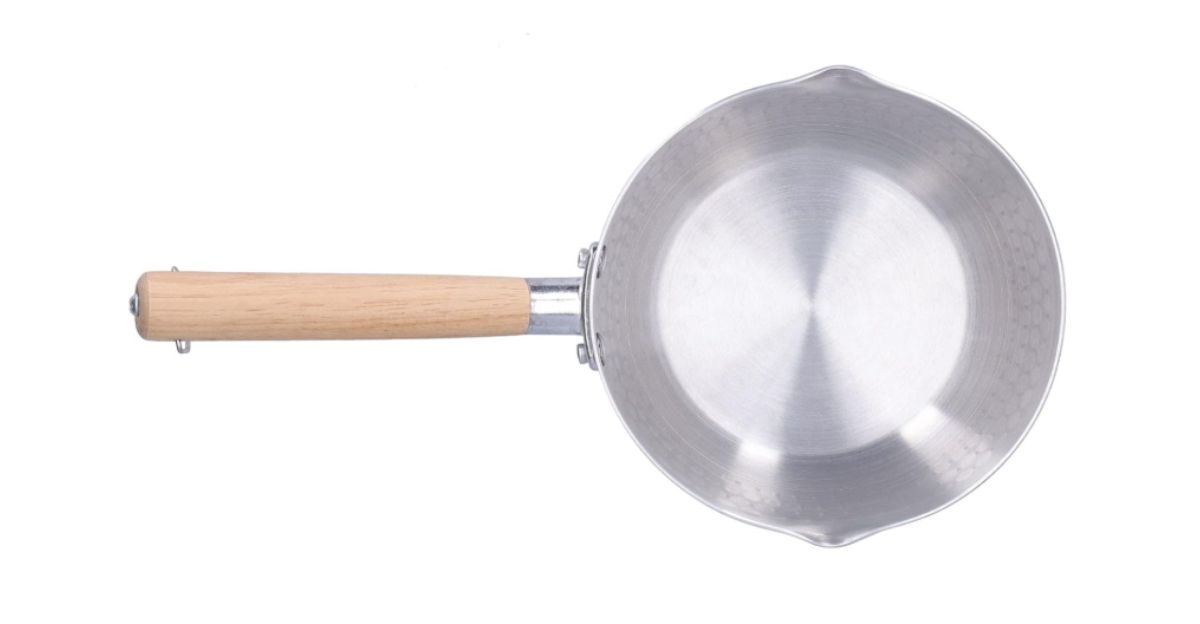
Kraftwares’ brass topes, sold at India Hypermarket, Fremont, California, were confirmed by FDA testing on October 15, to leach lead. “A tope is another type of pot used in South Asian cooking,” CBS News reported December 2. Families accumulated exposure silently, especially unborn children.
Traditional cookware became hidden vectors for lead poisoning.
5. Kraftwares Aluminum Kadai (Size 5)
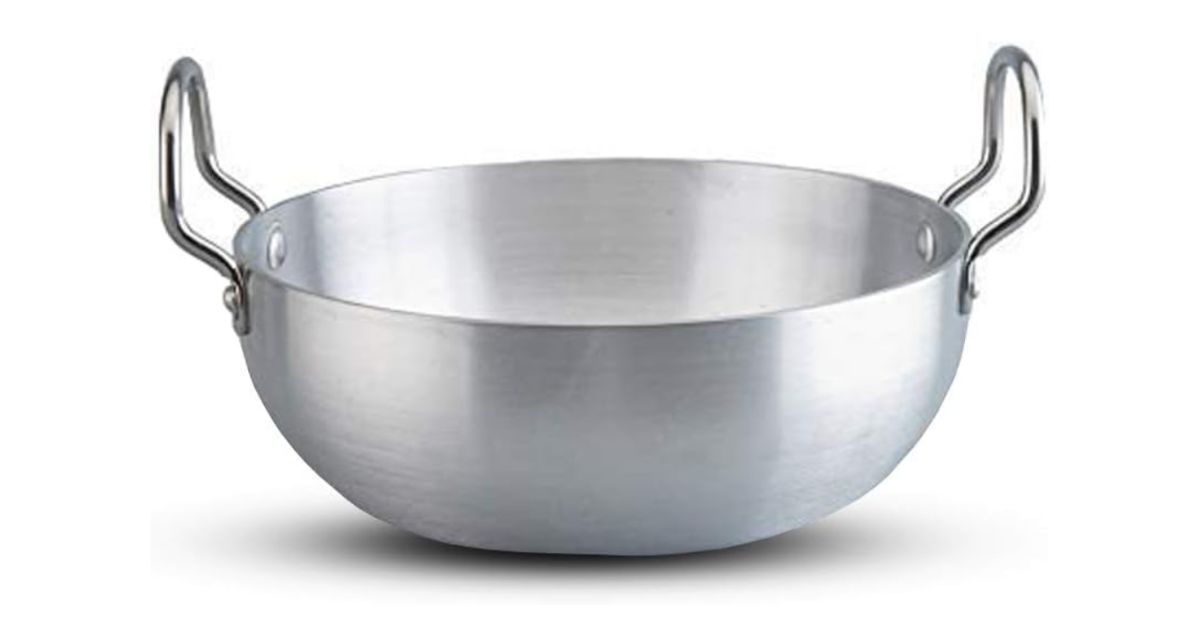
Kraftwares’ aluminum kadai size 5, flagged October 15, 2025, was also sold at India Hypermarket. Their large surface area increased lead exposure. CBS News noted December 2, 2025, that high-heat cooking enhanced leaching. Distributor Indian Cookware & Appliance recalled the products October 17.
Kadais’ central role in daily meals amplified contamination risk.
6. Tiger White Kadai/Karahi
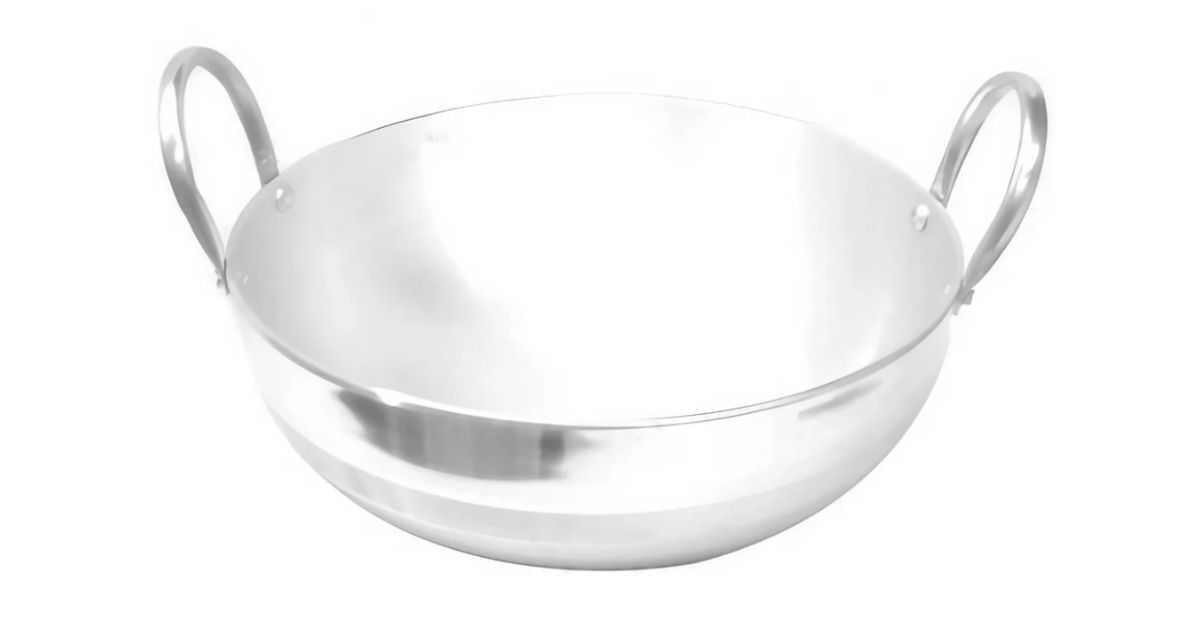
Saraswati Strips Pvt. Ltd.’s Tiger White kadais prompted FDA’s first August 13, alert. Sold at Mannan Supermarket, Jamaica, New York, the product confirmed lead leaching. USA Today reported December 2, “The FDA originally identified issues with products from one manufacturer, an Indian aluminum cookware company called Saraswati Strips Pvt. Ltd.”
One manufacturer triggered nationwide investigation of 18 more products.
7. Silver Horse Aluminum Caldero 28
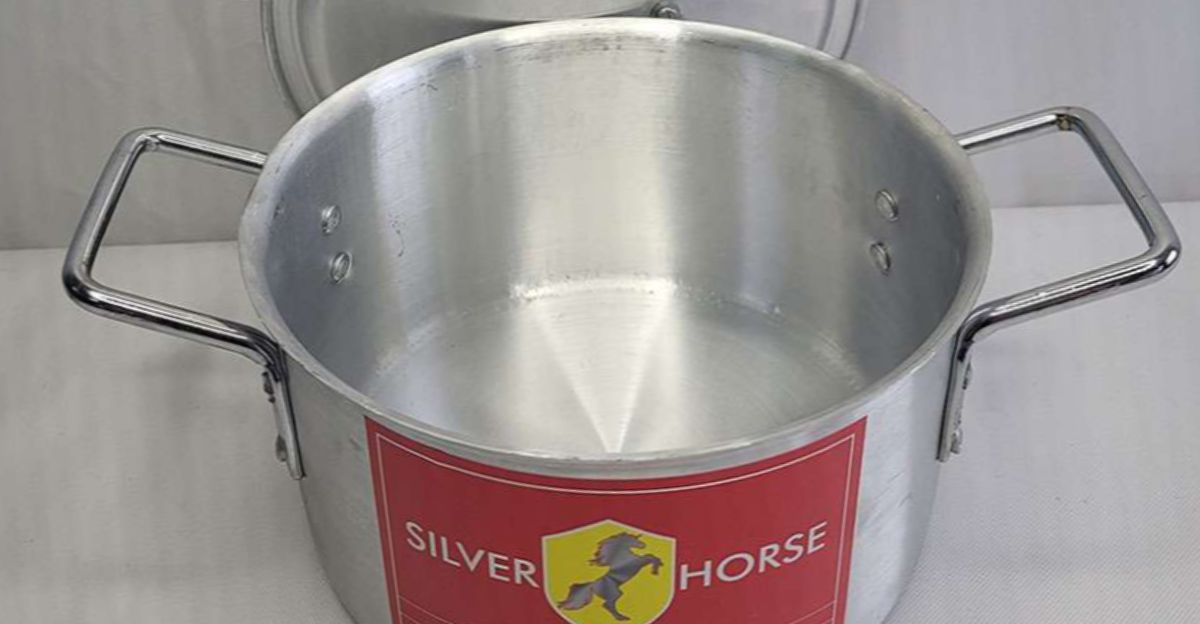
Silver Horse’s aluminum caldero size 28, sold at Punjab Supermarket, Rosedale, Maryland, joined the list November 24, 2025. FDA testing confirmed lead leaching. Retailers admitted, “We Never Saw It Coming.” Concentrated South Asian clientele faced heightened exposure.
Multiple flagged products revealed systemic supply-chain contamination.
8. Silver Horse Aluminum Degda 24
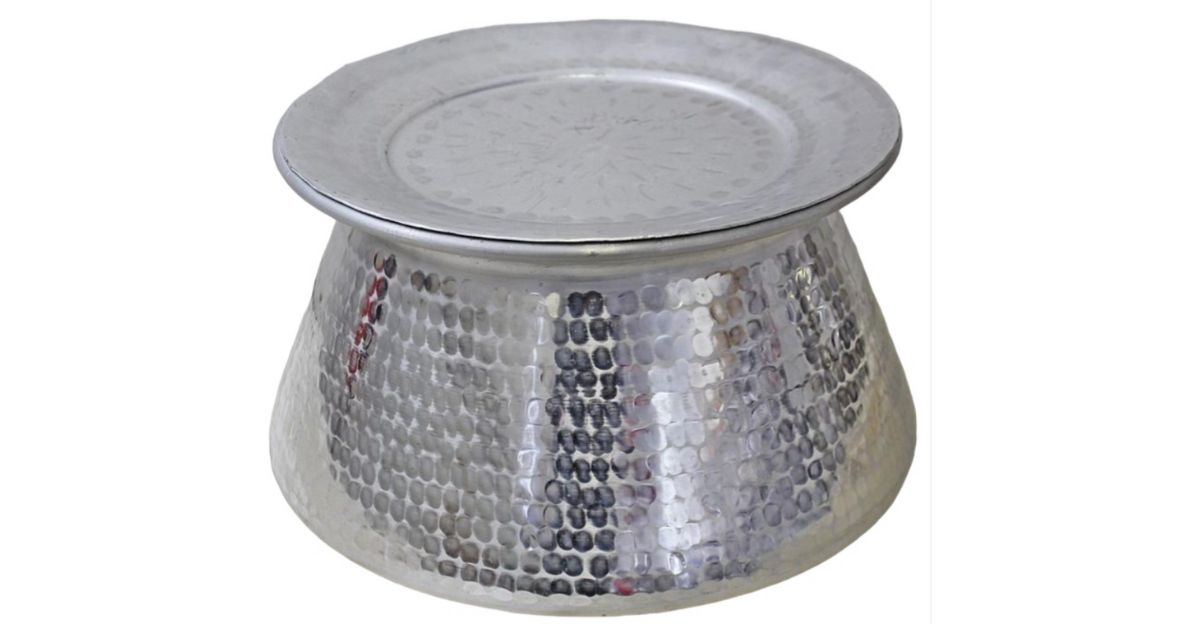
Silver Horse aluminum degda size 24, flagged November 24, 2025, is a rice-cooking staple. Maryland testing confirmed lead contamination. Women, children, and breastfeeding mothers were particularly vulnerable, according to Women’s Health Magazine December 2, 2025.
Daily rice preparation turned routine cooking into repeated lead exposure.
9. Silver Horse Aluminum Degda 20
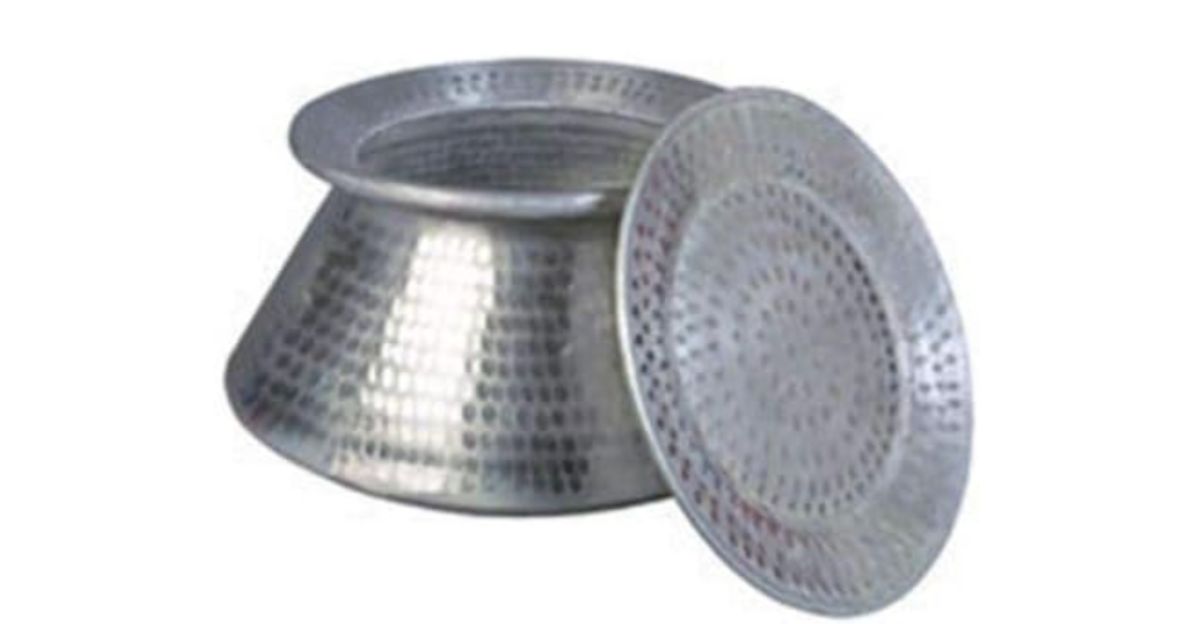
The degda size 20, flagged on November 24, came from the same manufacturer as the degda 24. Both were sold at Punjab Supermarket. Multiple variants in a household could compound exposure. FDA testing confirmed unsafe lead levels, demonstrating quality-control failures across product lines.
Multiple product versions amplified household contamination risks.
10. Silver Horse Kadai 26
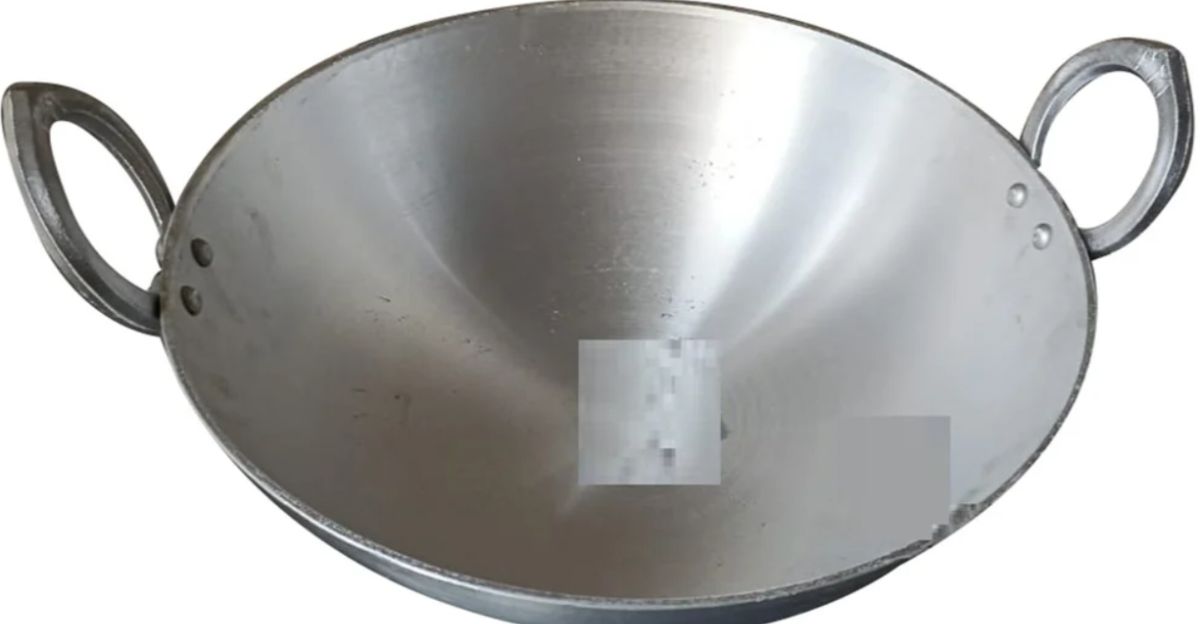
Silver Horse’s kadai size 26 was flagged November 24. High-heat, wide-pan cooking accelerated leaching. Dr. Kelly Johnson-Arbor stated December 3, “Heat associated with cooking processes will enhance the leaching of lead from the cookware into food.” This was Silver Horse’s fifth flagged product.
Repeated contamination suggested manufacturing negligence, not isolated incidents.
11. Silver Horse Aluminum Milk Pan 4
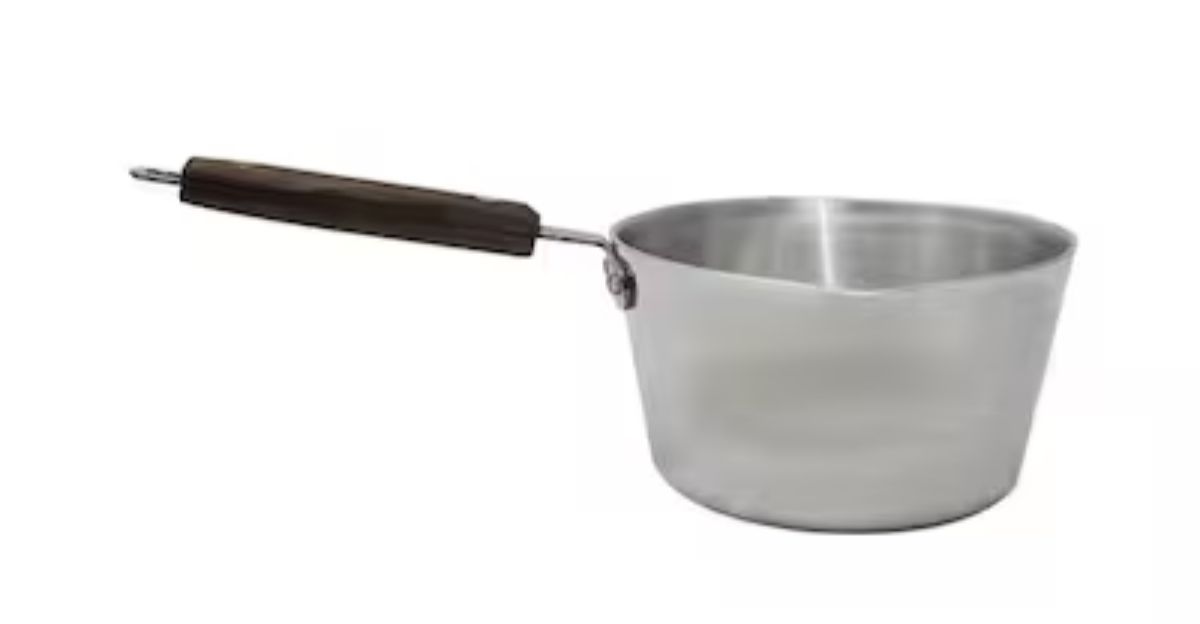
Silver Horse aluminum milk pan size 4, flagged on November 24, directly affected infant nutrition. FDA guidance December 2, warned women and breastfeeding mothers were at risk. Lead in milk accumulates in developing brains, causing permanent damage.
Milk pans represented some of the highest-risk flagged products.
12. Chef Milk Pan (24 Centimeters)
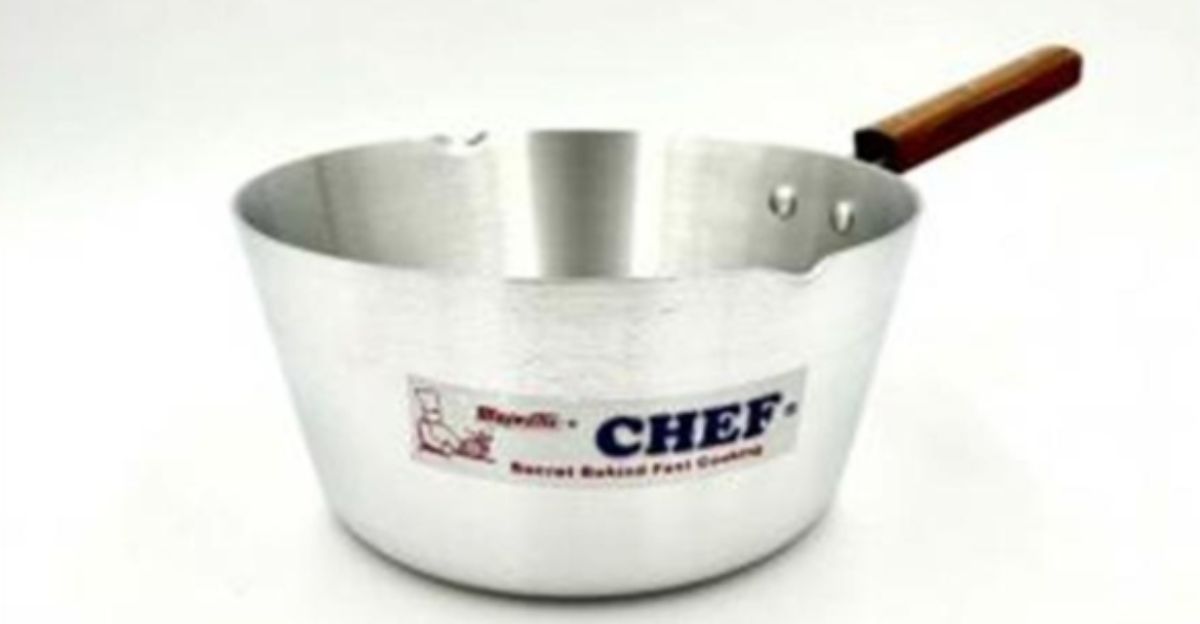
Chef brand milk pan, 24 centimeters, distributed by Shata Traders, was flagged November 24. Sold in Maryland and Brooklyn, FDA testing confirmed unsafe lead levels. Recalls were initiated November 19, but delays meant infants and families continued daily exposure.
Milk pans underscored the extreme risk to youngest consumers.
13. Aluminum Hammered Kadai (Size 7)
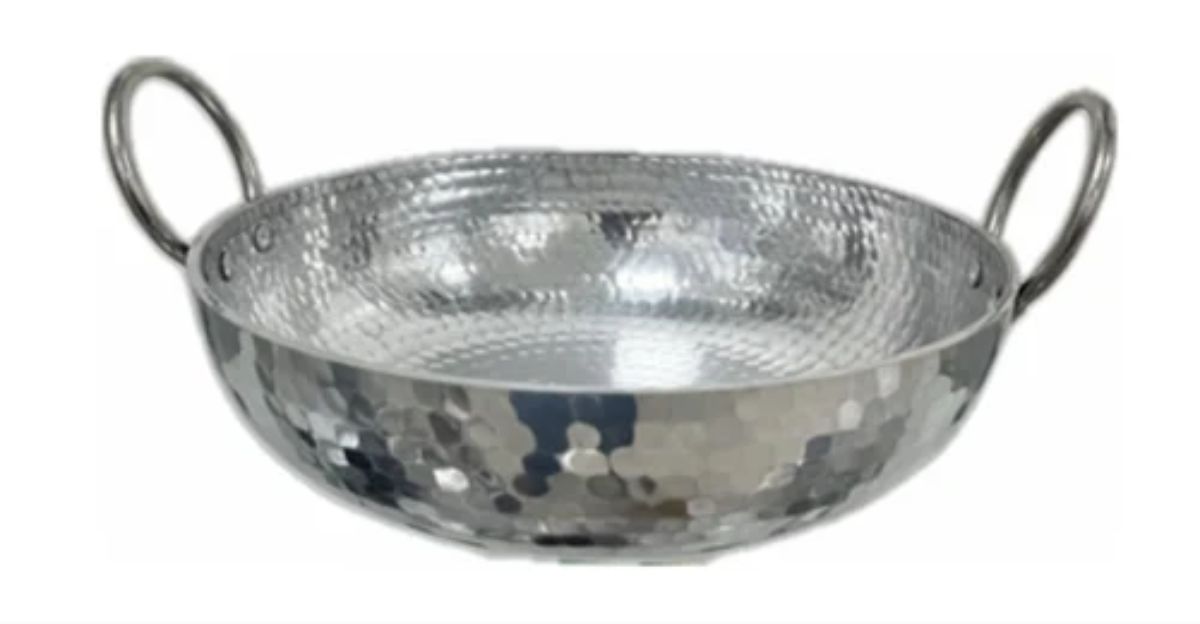
Aluminum hammered kadai size 7, distributed by Indian Cookware & Appliance, flagged October 15, disguised toxicity with artisanal hand-hammering. FDA confirmed hammering didn’t reduce lead exposure. Recalls began October 17, but Sacramento’s large South Asian population remained at risk.
Artisanal finishes offered no protection against lead contamination.
14. Handmade Brass Tope (No Brand)
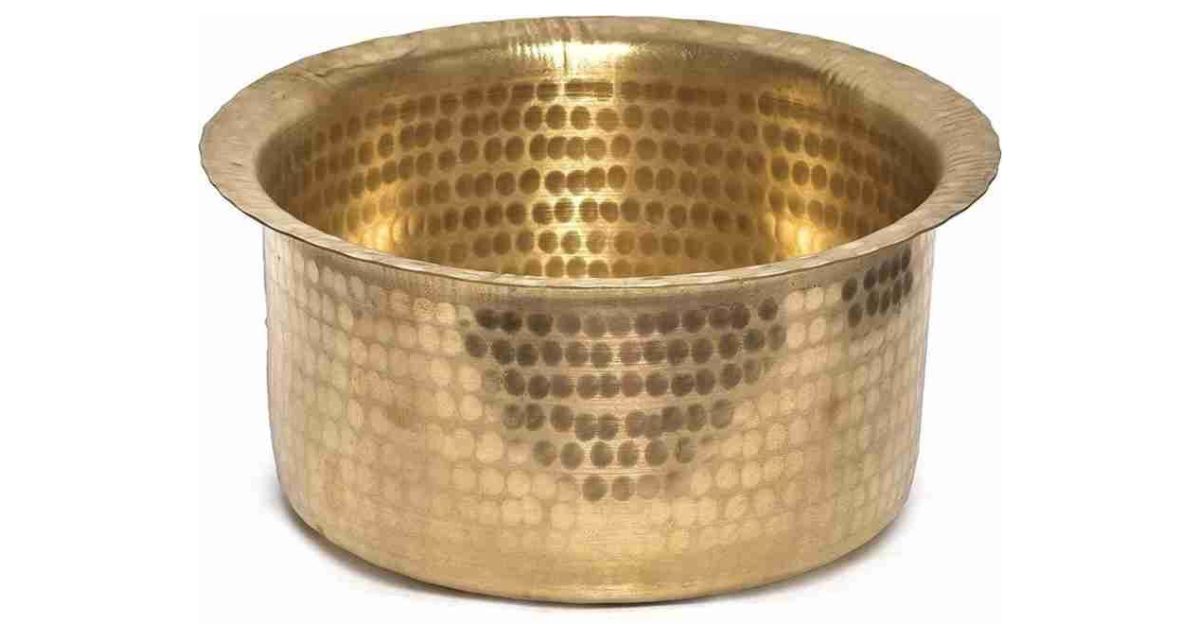
A handmade brass tope without branding was flagged December 3, sold at Santos Agency Inc. Lack of manufacturer information complicated recalls. FDA warned, “Do not donate or refurbish this cookware.” Lead-leaching matched branded brass products.
Anonymous products presented challenges for consumer safety and accountability.
15. Dolphin Aluminum Saucepan
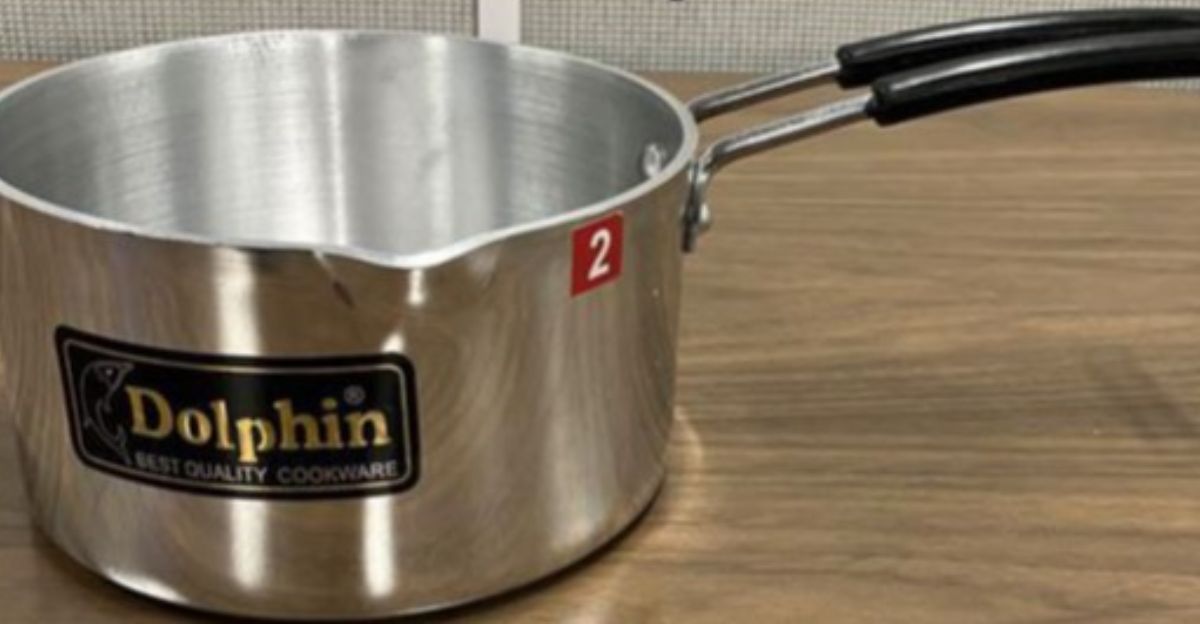
Dolphin brand aluminum saucepans, flagged October 15, sold at Al Monsoor Video Inc. in Chicago. Daily-use saucepans amplified lead exposure in immigrant families. Retailers discarded remaining stock after FDA notification, yet initial delays prolonged risk.
Daily cooking tools intensified contamination in concentrated communities.
16. 2-Quart Aluminum Saucepan
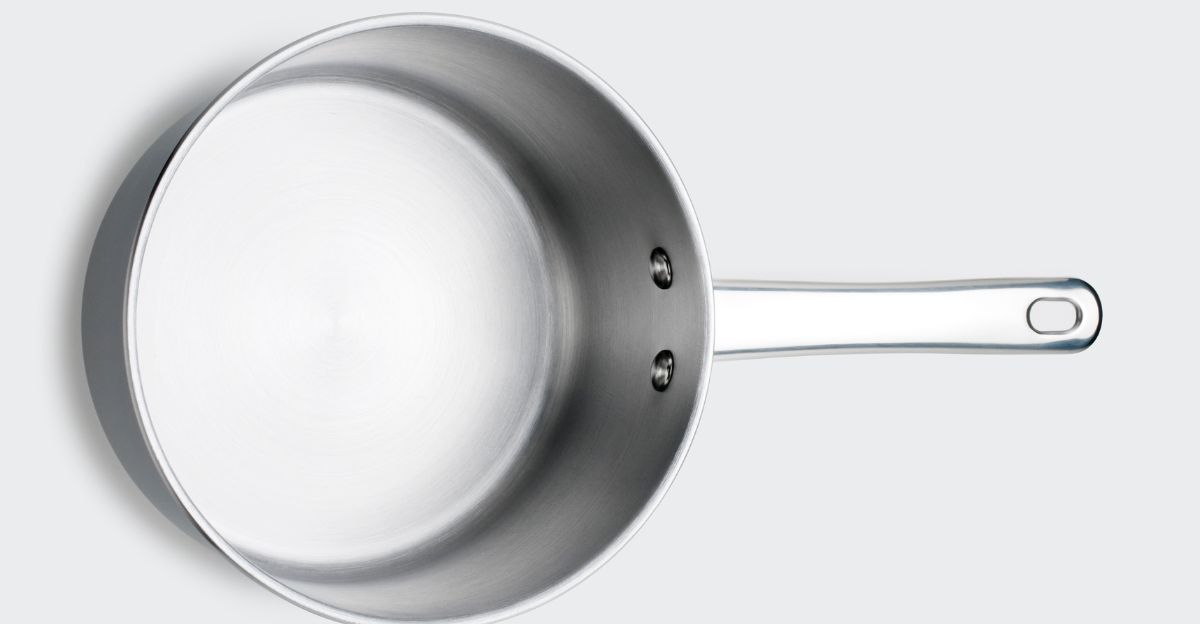
Town Food Service Equipment Co., Inc.’s 2-quart aluminum saucepan, flagged October 15, was sold at Best Kitchen Supply, Washington, D.C., via Win Chong Trading Corp., Brooklyn. FDA testing confirmed unsafe lead leaching under typical cooking conditions. Recalls began October 17, but delays allowed continued household use.
Frequent boiling and meal prep meant cumulative exposure, affecting thousands of kitchens.
17. 3-Quart Aluminum Saucepan
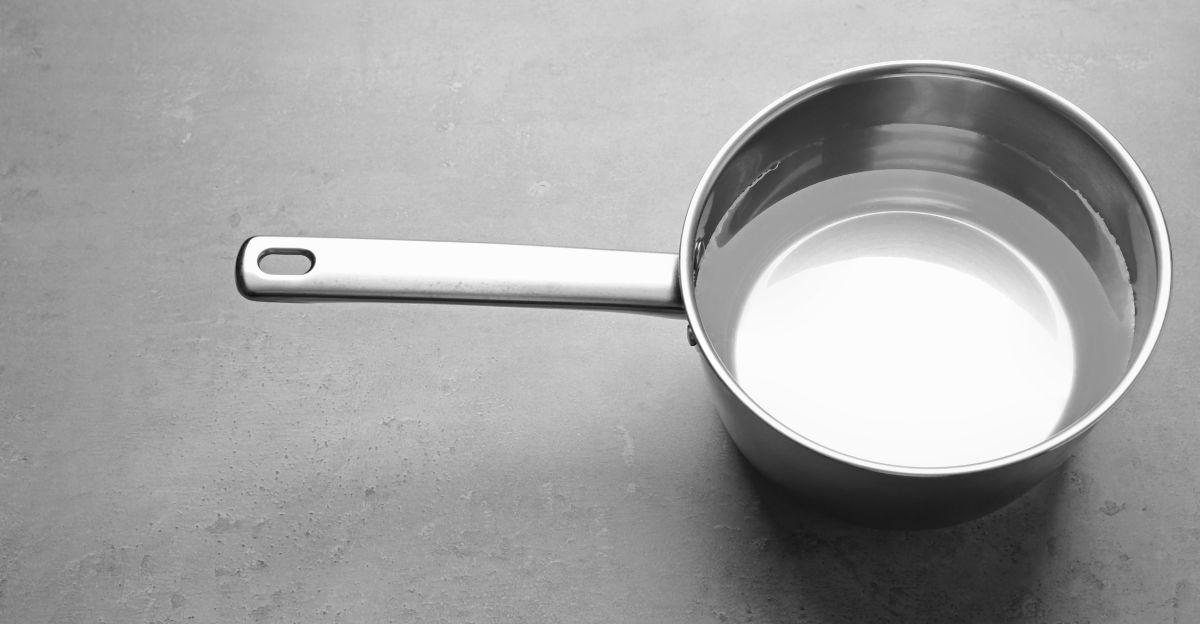
The 3-quart aluminum saucepan from Town Food Service, flagged same day as the 3-quart aluminum saucepan, was distributed identically and sold at Best Kitchen Supply. FDA testing confirmed lead leaching under real cooking conditions. Larger capacity exposed more food per use, increasing risk for families.
Multiple dangerous sizes from one manufacturer signaled widespread quality-control failures across the product line.
18. Royal Kitchen Cookware Milk Pan (Size 3)
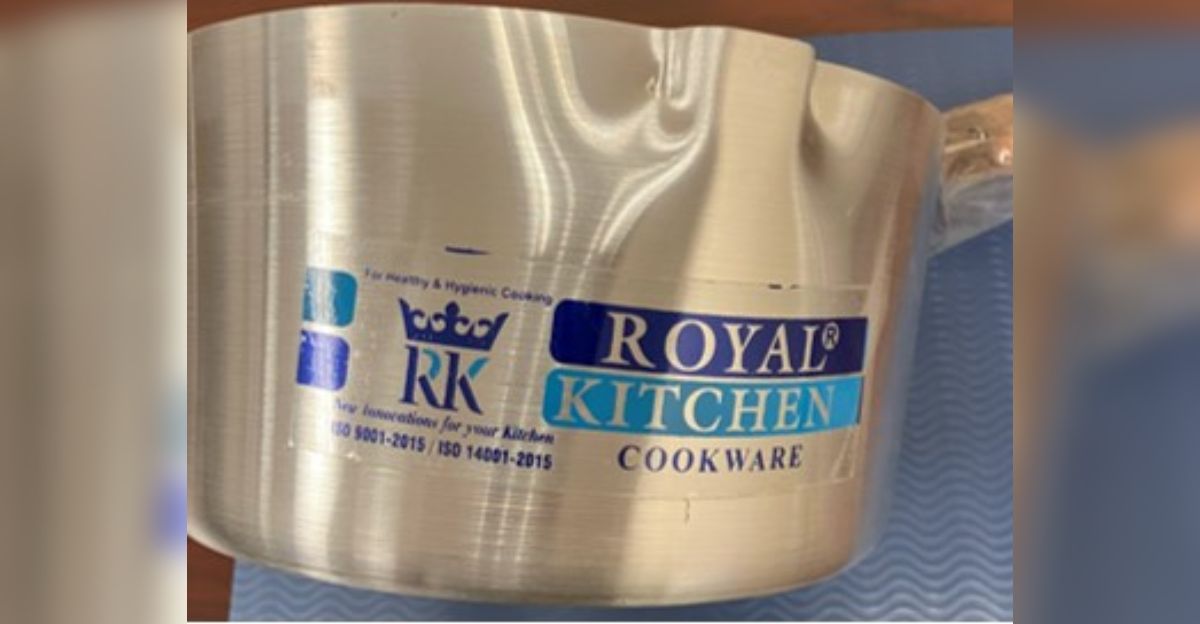
Royal Kitchen milk pan size 3, flagged on October 15, was sold at Subzi Bazaar, Rochelle Park, New Jersey. Lead in infant nutrition items threatened neurological development. FDA notifications arrived, yet recalls required additional weeks. Northern New Jersey’s immigrant communities faced collective exposure.
Milk pans consistently posed high risk to infants and families.
19. 3B Cookware
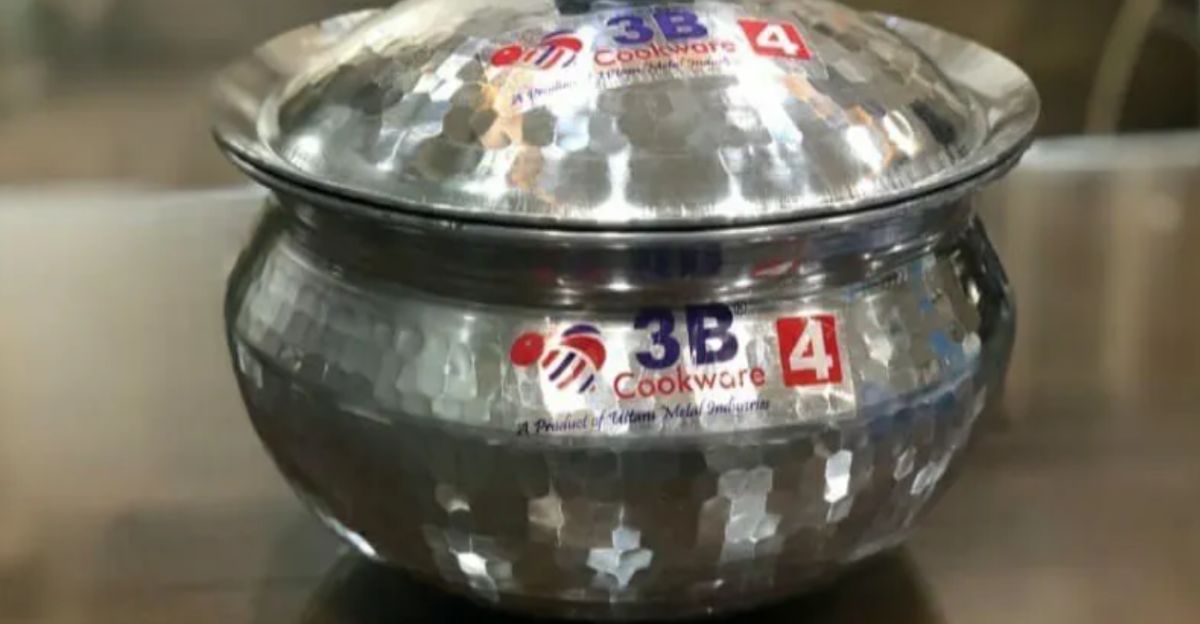
3B Cookware as listed among the 19 flagged products, but details remain undocumented as of writing . Exact product type, size, and distributor are unknown. The lack of FDA tracking demonstrates how some contaminated cookware reached consumers with minimal oversight.
Incomplete data complicates identification and recall efforts.
What You Must Do Now
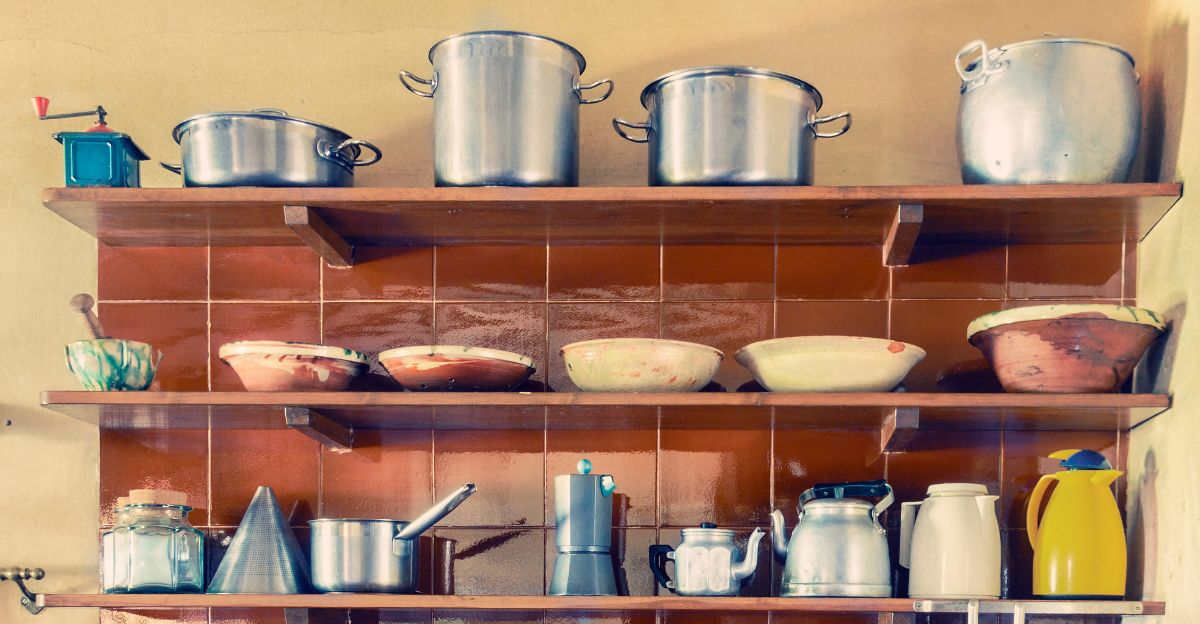
Check your kitchen cabinets for any cookware matching the 19 flagged products. Verify names, sizes, and distributors against the FDA’s updated list from December 3. If you find any, discard them immediately—do not donate, refurbish, sell, or use them. Never attempt repairs.
Contact your healthcare provider if these pans were used for more than two weeks. Request blood lead-level testing for children and pregnant women. Report any suspicious cookware to the FDA at premarkt@fda.hhs.gov and monitor updates at fda.gov, as more products may be added. Acting now protects your family’s neurological health.
Sources:
FDA warning on imported cookware that may leach lead (updated list of 19 products)
FDA constituent update and consumer guidance on lead in imported aluminum and brass cookware
FDA letter to retailers and distributors concerning lead in certain imported cookware
CDC guidance on health effects of lead exposure and statement that no safe blood lead level in children has been identified
U.S. Census Bureau population estimates for U.S. children under 18 and women ages 15–49