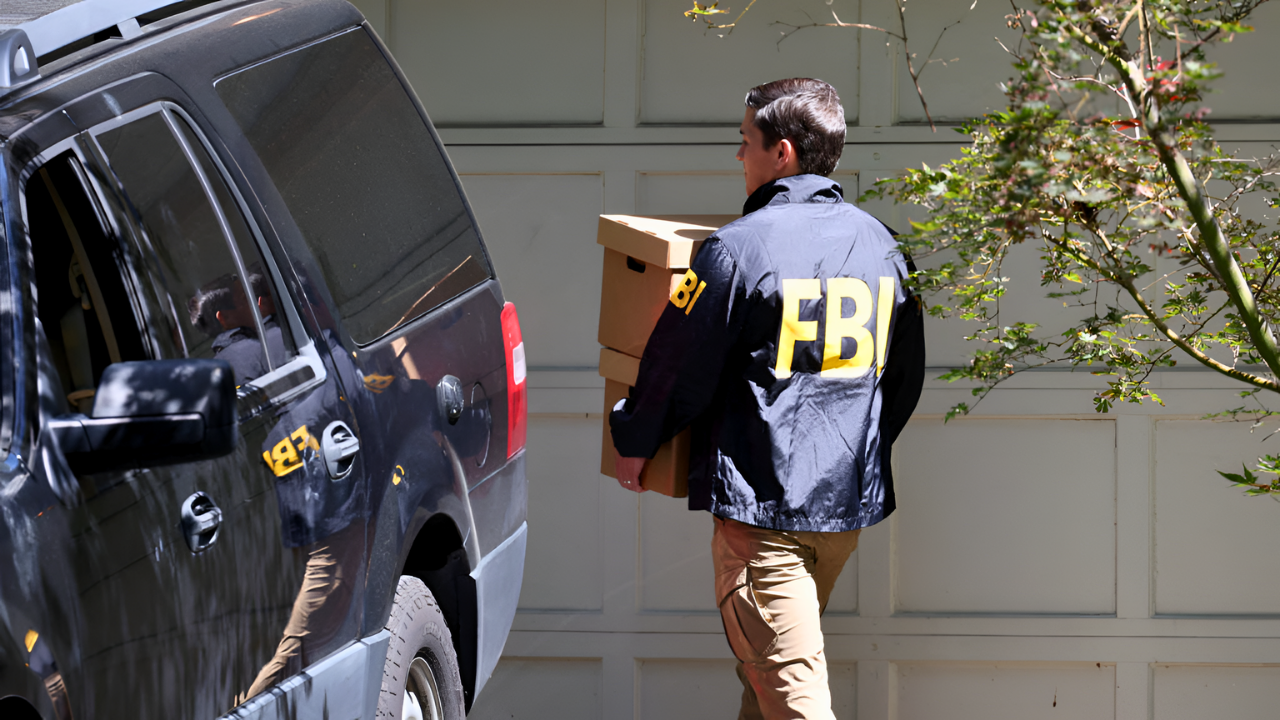
A Wednesday morning in Alexandria, Virginia. Hannah Natanson answers her door to find federal agents holding a search warrant. The 29-year-old Pulitzer Prize winner—known for exposing secrets the powerful want hidden—now finds herself on the other side of the investigation.
Within hours, her phone, two laptops, and a Garmin watch are gone. But here’s the twist: the FBI tells her she’s not the target. So who is? And what classified intelligence is so sensitive that it ends up in a lunchbox?
Buried Secrets in a Basement
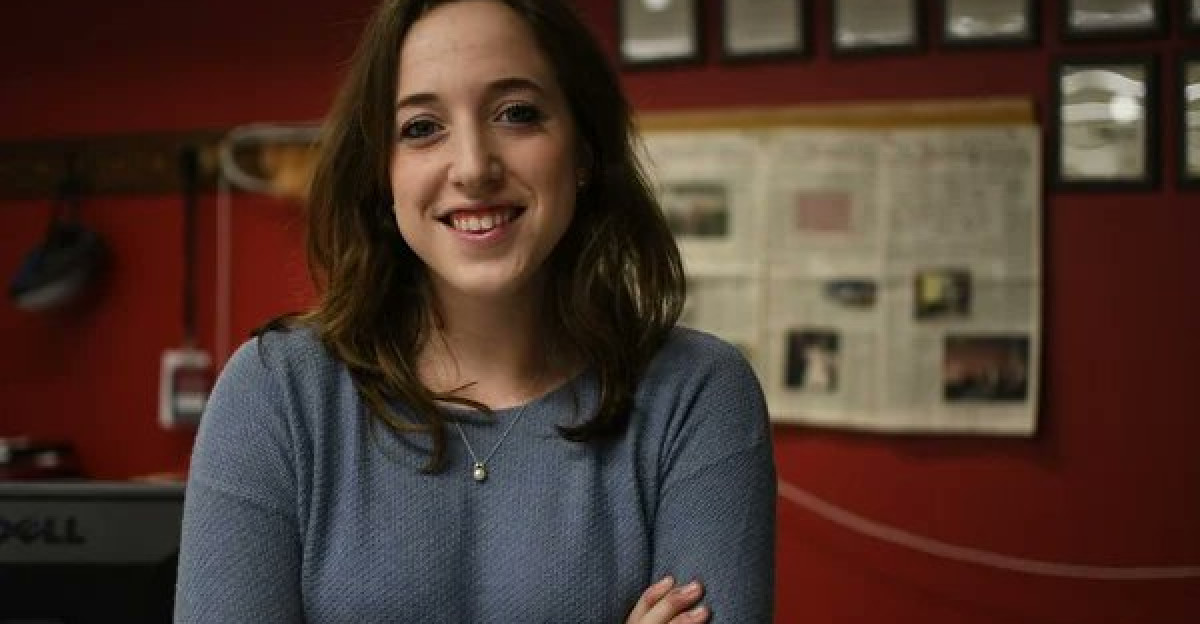
While Natanson watches federal agents leave her home, 20 miles away in Laurel, Maryland, the real prize sits in a basement. Aurelio Perez-Lugones, a 61-year-old Navy veteran with top secret clearance, has a problem. Inside his house, FBI agents discover classified documents marked “SECRET.”
The most stunning detail: the classified intelligence was hidden inside a lunchbox, sitting in his car. How does a government contractor with decades of security clearance end up smuggling classified secrets home in a lunchbox?
The Leak Pipeline Begins
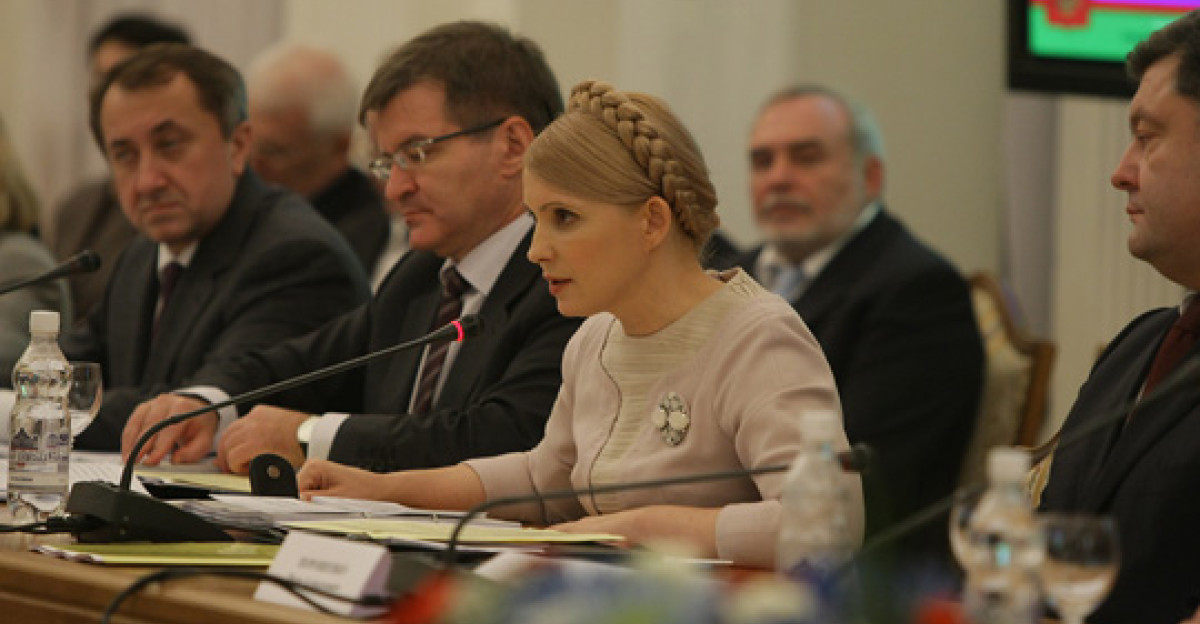
Starting in October 2025, Perez-Lugones begins accessing classified intelligence reports on an unidentified foreign country—information he had absolutely no authorization to view. By November, the activity escalates: screenshots, printed documents, handwritten notes on yellow legal pads.
Each week, he’s allegedly extracting secrets from secure facilities. Each week, the risk grows. Someone is feeding classified information to a Washington Post reporter.
1,169 Voices in a Signal Chat
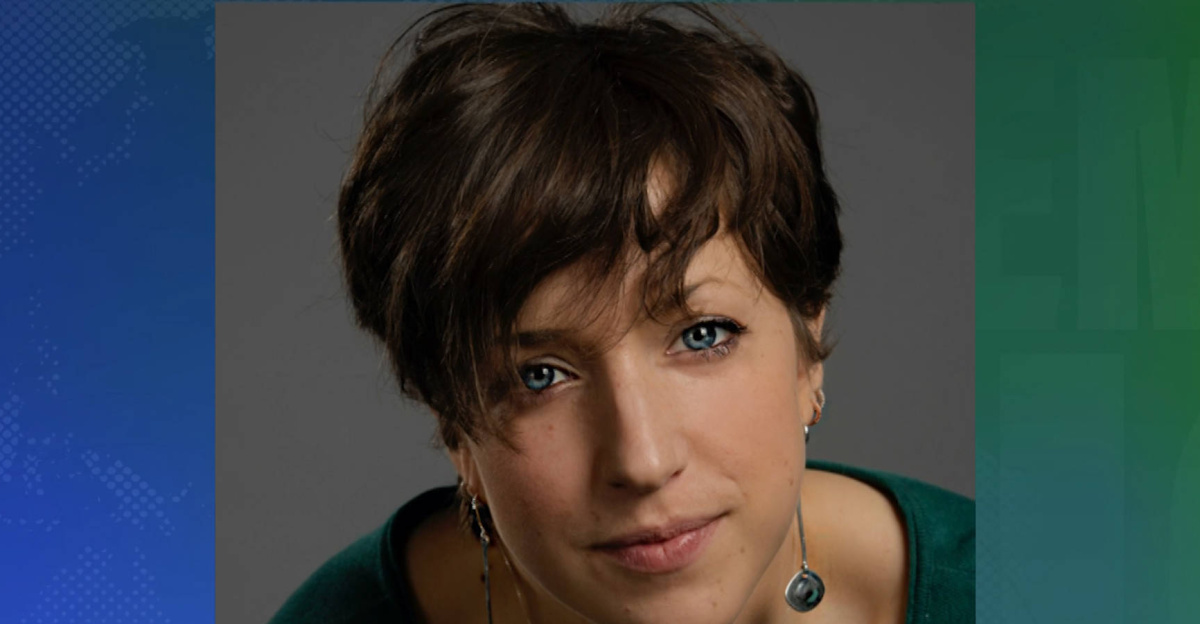
In December 2025, Hannah Natanson published a personal essay revealing something extraordinary: 1,169 federal employees had messaged her on Signal after she posted her contact information. Current staffers. Fired workers. Whistleblowers.
People terrified by the Trump administration’s reshaping of government. They trusted this 29-year-old reporter with their fears, their stories, their inside knowledge of a federal workforce in chaos.
The Pulitzer Prize-Winning Government Whisperer
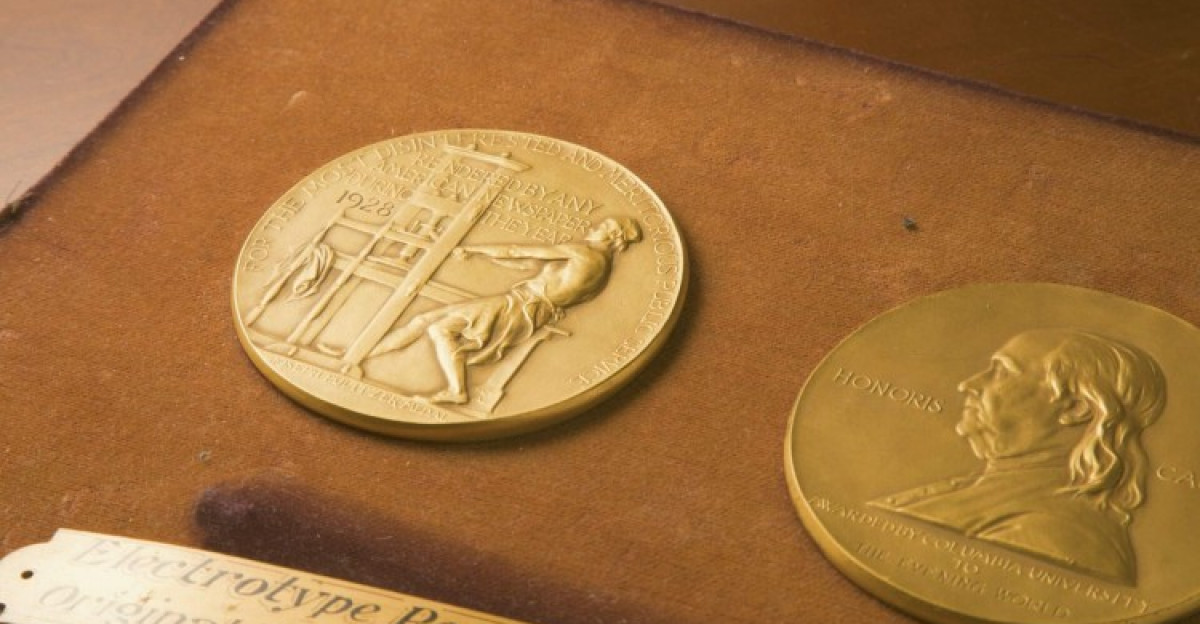
Who is Hannah Natanson? In 2022, she was part of the Washington Post team that won the Pulitzer Prize for Public Service, covering the January 6 Capitol riot. She joined the Post in 2019, a Harvard graduate ready to change how Americans understand power.
By 2025, she’d become something else entirely: the journalist federal employees run to when they see wrongdoing, fear retaliation, or witness what they believe is government abuse.
The Thursday Arrest
On January 10, FBI agents move. Aurelio Perez-Lugones is charged with one count of unlawfully retaining national defense information under the Espionage Act. He appears in federal court in Baltimore. Prosecutors argue he’s dangerous—a man with access to classified secrets, allegedly still in contact with Natanson as recently as the day before his arrest.
His defense team counters: 20-year Navy veteran, no criminal history, not even a traffic violation. But the government isn’t taking chances. They want him detained.
The Wednesday Morning Raid
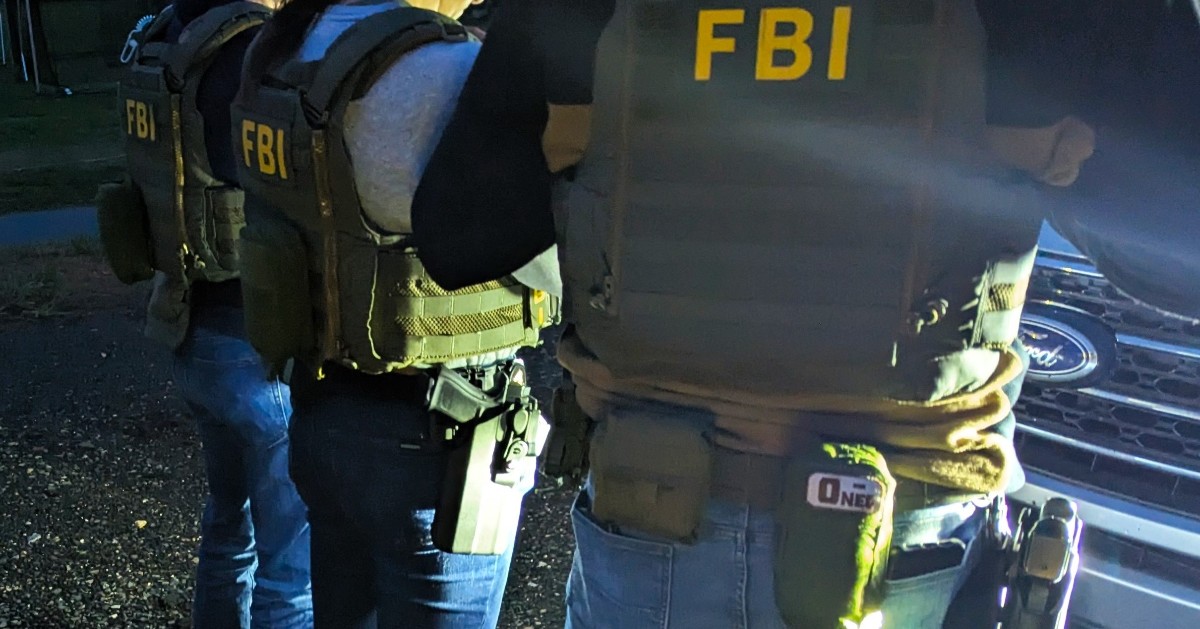
Three days later, on Wednesday, January 14, it’s Natanson’s turn. FBI agents arrive at her Alexandria home in the early morning. They execute a search warrant. They seize her devices. Matt Murray, the Washington Post’s executive editor, sends a message to staff describing the action as “extraordinary, aggressive”.
Washington Post leadership calls it “highly aggressive”. This is not standard procedure. This is something else entirely, and it triggers alarms across America’s newsrooms.
The Unprecedented Violation
Here’s what makes this moment historic: according to the Reporters Committee for Freedom of the Press, this is the first time ever the Justice Department has executed a search warrant at a reporter’s home in a national security leak case.
The Privacy Protection Act of 1980 was designed specifically to prevent this—to shield journalists from exactly this kind of government intrusion.
Kash Patel’s Social Media Declaration
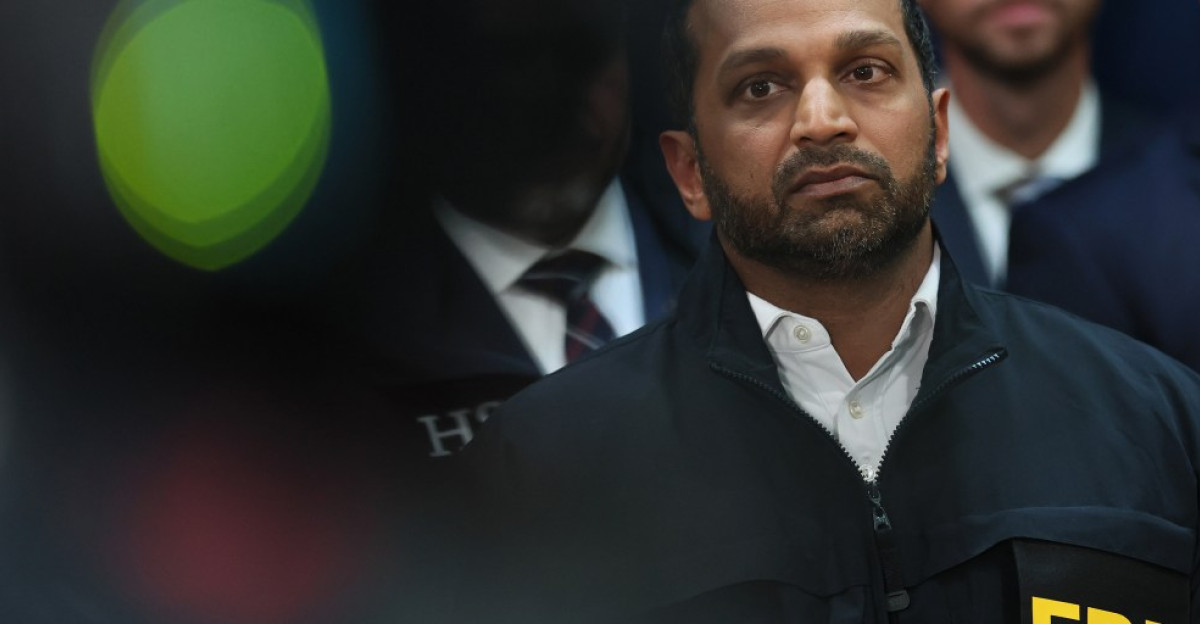
FBI Director Kash Patel announces the move publicly, posting that agents had searched “an individual at the Washington Post” for “obtaining and reporting classified, sensitive military information from a government contractor”. He claims the operation was “endangering our warfighters.” He declares that the alleged leaker is “in custody.”
Trump adds his own message: a “very bad leaker” on Venezuela is “in jail right now” and will stay there “for a long time”. The administration is turning a law enforcement action into a political statement.
The April Reversal Nobody Remembers
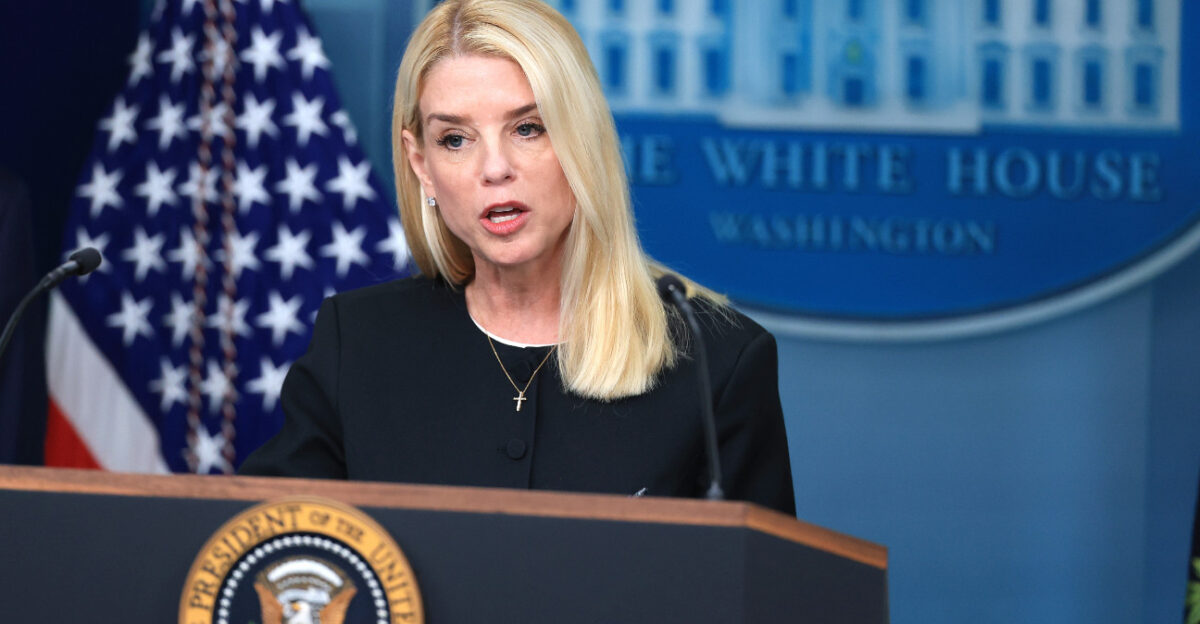
Nine months earlier, in April 2025, Attorney General Pam Bondi had rescinded protections established by Merrick Garland that shielded reporters from having their records seized. Bondi’s memo was clear: the news media “must answer subpoenas”.
That policy shift—barely noticed outside legal circles—set the stage for what happens next. By removing safeguards designed to protect journalism, the Trump administration had cleared the path for exactly this kind of raid.
A Garden-Variety Leak or Something More?
The criminal complaint against Perez-Lugones doesn’t actually accuse him of leaking anything. It alleges he retained classified materials and took screenshots and notes. But it doesn’t say he shared them with Natanson or anyone else.
Yet Justice Department officials tell reporters that “in this chat” between Perez-Lugones and Natanson, “there was classified information”.
The Source Exposure Nightmare
For journalists, the raid represents something more terrifying than legal jeopardy: source exposure. Natanson’s devices contain the digital fingerprints of 1,169 federal employees who trusted her. Signal messages. Contact lists. Interview notes.
Now the government has access to all of it. Those 1,169 people who reached out in the darkness, hoping to tell the truth anonymously, have been exposed.
The First Amendment Erupts
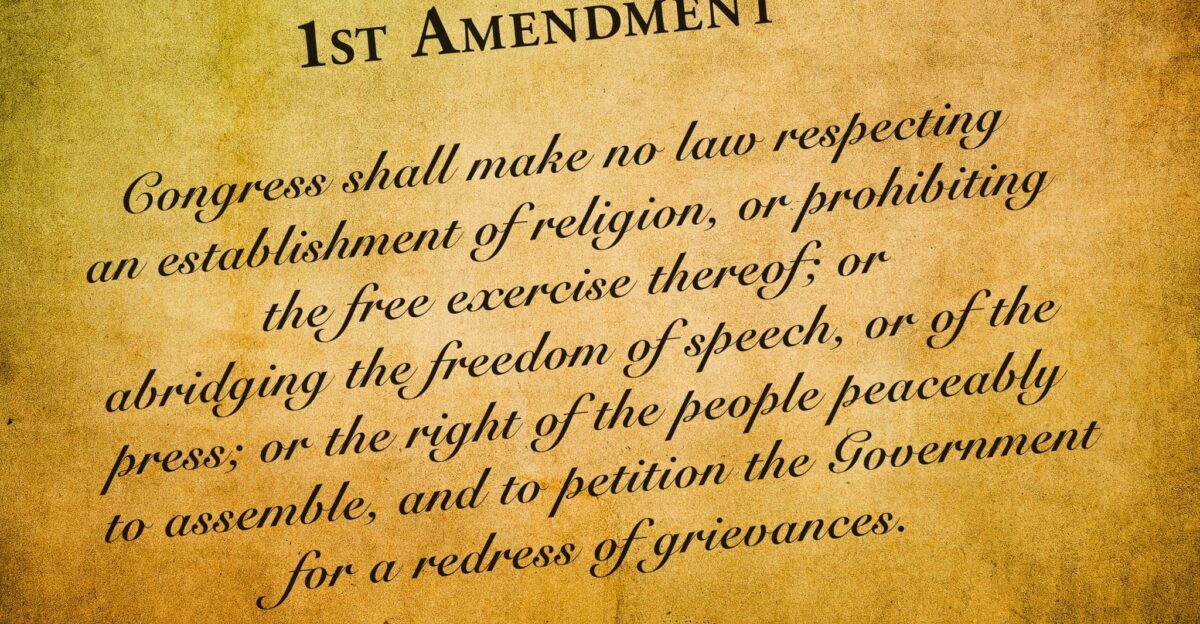
Within hours, press freedom organizations mobilize. PEN America calls the raid “a direct assault on the First Amendment”. The Knight First Amendment Institute warns of “a chilling effect on legitimate journalistic activity”.
The Washington Post Guild calls it an attack that “should shock and dismay everyone who cares about a free and independent press”.
The Executive Editor’s Defiant Message

Matt Murray tells Post staff: “The entire institution stands by those freedoms”. He calls the search a violation of constitutional protections and pledges to “continue to vigorously exercise those freedoms as we do every day”.
It’s a defiant moment, a major American newsroom refusing to back down. But it’s also a moment of fear. Journalists understand what the raid signals: no reporter is immune.
The Legal Question Nobody Can Answer
Theodore Boutrous, a First Amendment lawyer, asks the devastating question: if Natanson is not the target, why search her home?. Under the Privacy Protection Act, searching a journalist’s home requires showing that the reporter is suspected of committing a crime.
The government hasn’t charged Natanson with anything. So, on what legal theory does the search stand?
The Contractor’s Detention Hearing
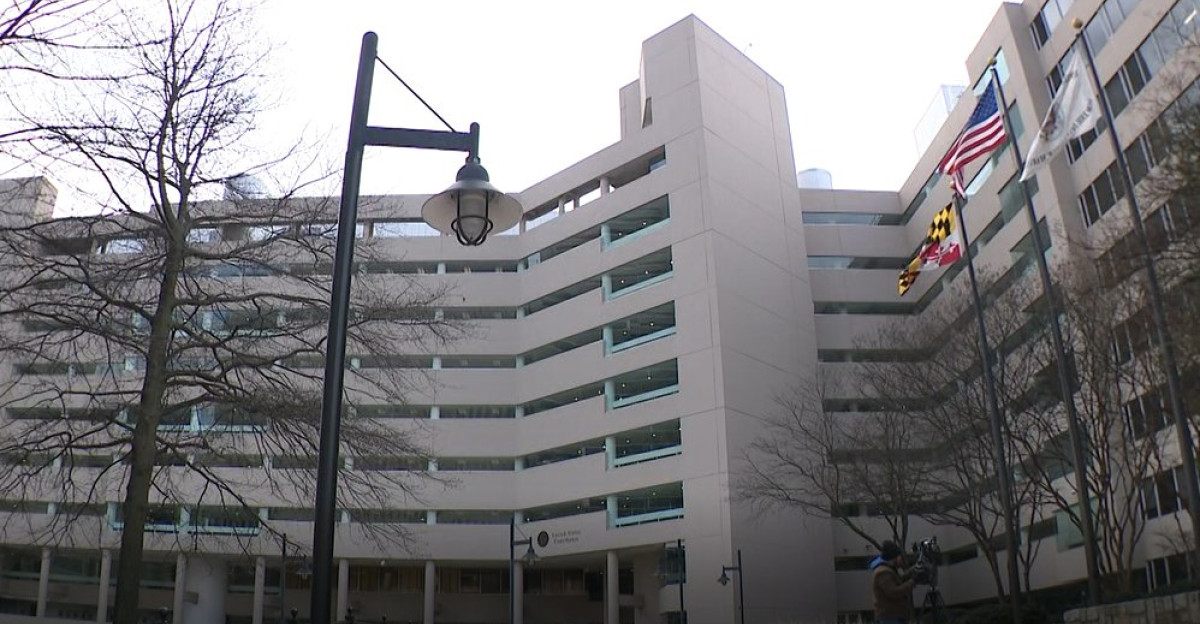
Back in Baltimore, Perez-Lugones sits in federal custody waiting for his detention hearing. His defense team enters the courtroom unprepared, telling the judge they’re “not prepared to move forward with today’s hearing”.
They consent to his continued detention. Prosecutors don’t object to the delay. The government is patient. For now, it has what it wants: Perez-Lugones locked up and Natanson’s devices in FBI hands.
Bondi’s Justification
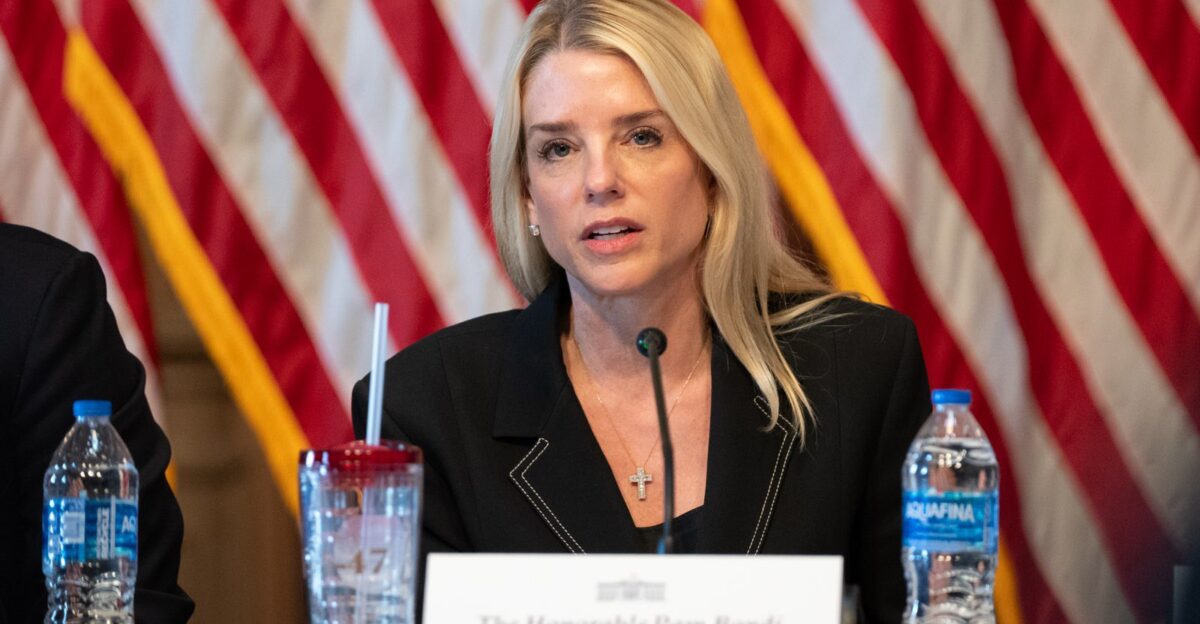
Attorney General Pam Bondi attempts to justify the raid on social media, claiming Natanson “was obtaining and reporting classified and illegally leaked information from a Pentagon contractor”. Bondi adds that the Trump administration “will not tolerate illegal leaks of classified information that, when reported, pose a grave risk to our Nation’s national security”.
The statement is careful—it doesn’t accuse Natanson of a crime, but it frames her reporting as a national security threat.
The Unsealing Request That Asks Too Much
The Reporters Committee files its emergency request asking the court to unseal records related to the search warrant. The organization writes: “The government cannot justify wholesale secrecy here, where the public’s ability to understand a search with serious consequences for a free press is at stake.”
What they’re really asking is this: on what grounds did the government believe it was legal to raid a journalist’s home after rescinding its own protections just nine months earlier?.
The Chilling Message
Every journalist in America is watching and learning a lesson: cover powerful government, and your devices can be seized. Your sources can be exposed. Your First Amendment protections may not be worth the paper they’re printed on.
Federal employees who might have contacted Natanson are now terrified. The 1,169 voices on Signal go silent. The leak investigation becomes a source-burning investigation.
The Journey Continues
Hannah Natanson hasn’t been charged with any crime. Aurelio Perez-Lugones awaits trial. The court records remain sealed. But the story is already written: in January 2026, the Trump administration used federal law enforcement to raid a Pulitzer Prize-winning reporter’s home in an alleged leak investigation—the first time ever that this has happened.
Whether it marks a new era of press intimidation or a temporary escalation remains unclear. But one thing is certain: American journalism just entered a new and more dangerous chapter.
Sources:
FBI Criminal Complaint Against Aurelio Perez-Lugones, U.S. District Court for the District of Maryland
Matt Murray Statement to Washington Post Staff, Washington Post, January 14, 2026
Kash Patel Social Media Post, X (formerly Twitter), January 13, 2026
Hannah Natanson Personal Essay: “The Year Trump Broke the Federal Government,” Washington Post, December 24, 2025
Reporters Committee for Freedom of the Press Emergency Motion to Unseal Records, U.S. District Court, January 14, 2026
Attorney General Pam Bondi Memo Rescinding Reporter Protections, U.S. Department of Justice, April 25, 2025