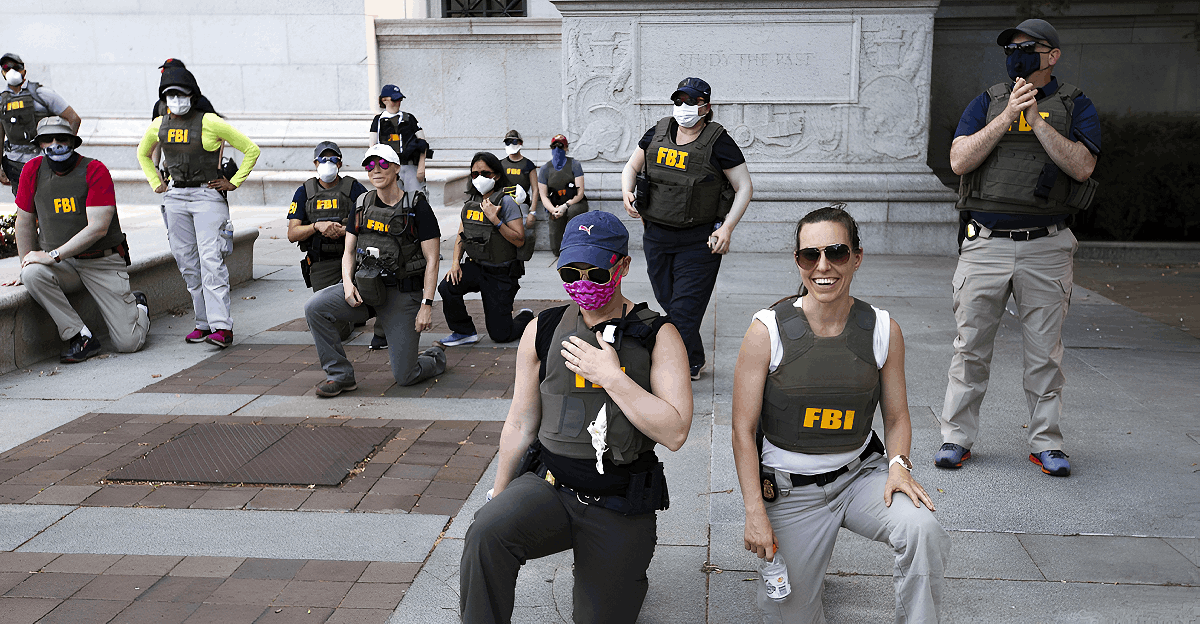
The FBI was jolted this week as about 20 agents were dismissed for kneeling during the 2020 racial justice protests after George Floyd’s death, according to reports from the Associated Press and The Washington Post. The agents were photographed kneeling in Washington, D.C., alongside demonstrators—an image that quickly went viral at the time.
What some inside the Bureau once described as a gesture to calm tension is now being judged by new leadership as a professional misstep. The photograph, etched into public memory, showed armed agents lowering themselves in a moment that felt symbolic for many watching.
Some within law enforcement framed it then as an attempt to de-escalate during a volatile protest, not a political statement. However, under Director Kash Patel, appointed by President Donald Trump to steer the FBI in a new direction, the same act has been recast as grounds for termination.
From Symbol to Sanction
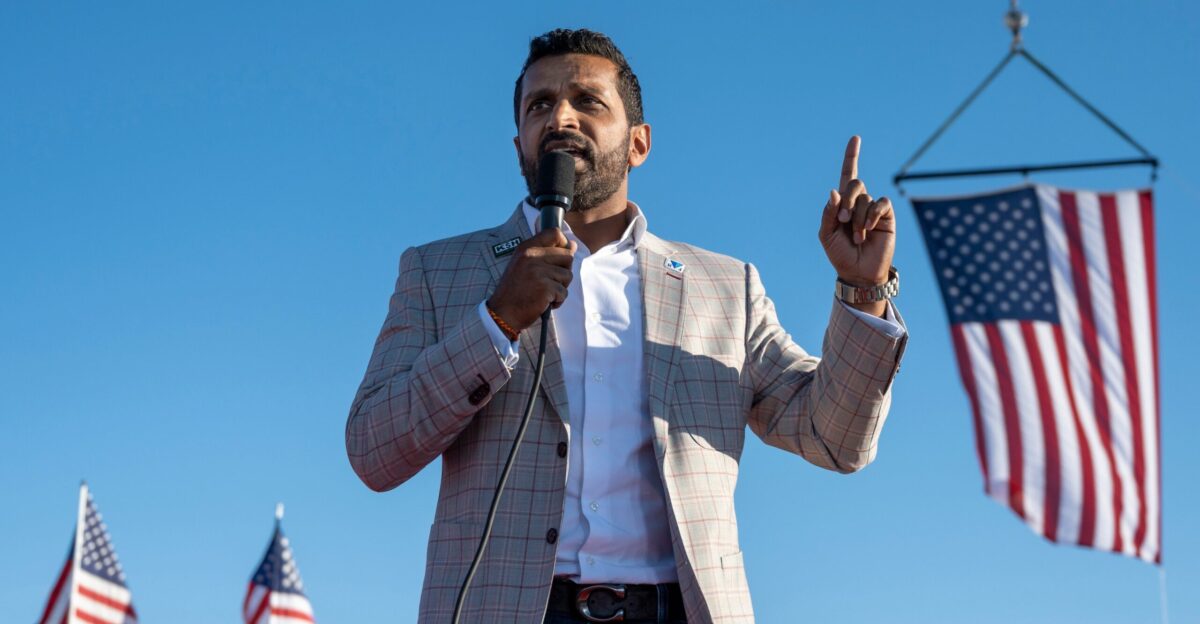
According to The Washington Post, initial internal reviews found no basis for disciplinary action. Still, some agents were later reassigned to administrative duties. Patel’s leadership changed the calculus: termination letters cited “lack of judgment” to justify dismissals.
The FBI Agents Association condemned the move, calling it “unlawful” and warning that it violated the agents’ legal and constitutional rights, the Associated Press reported. The organization urged Congress to investigate, arguing that punishing split-second decisions made in the field could set a “dangerous precedent.” Several of the dismissed agents are veterans, and at least some are now considering legal challenges, ABC News noted.
Patel has defended the firings. He has repeatedly emphasized impartiality within the Bureau and argued that agents must adhere strictly to professional standards. While critics have described the action as a purge of voices viewed as sympathetic to protesters, Patel has denied acting at the White House’s direction, according to The Washington Post.
The fallout has exposed a deep divide within the FBI: whether gestures made in tense moments should be seen as humanity or as lapses in professionalism. Supporters of the dismissed agents argue they acted in the interest of public safety, trying to keep demonstrations from boiling over.
Leadership, however, has signaled that even well-intentioned choices can carry consequences if they blur the line of neutrality. Congress may soon weigh in, as lawmakers face calls to review whether civil service protections were ignored.
In the meantime, the firings have left many inside and outside the Bureau asking a larger question: In moments of national strife, should restraint be seen as solidarity—or as disloyalty to the badge?