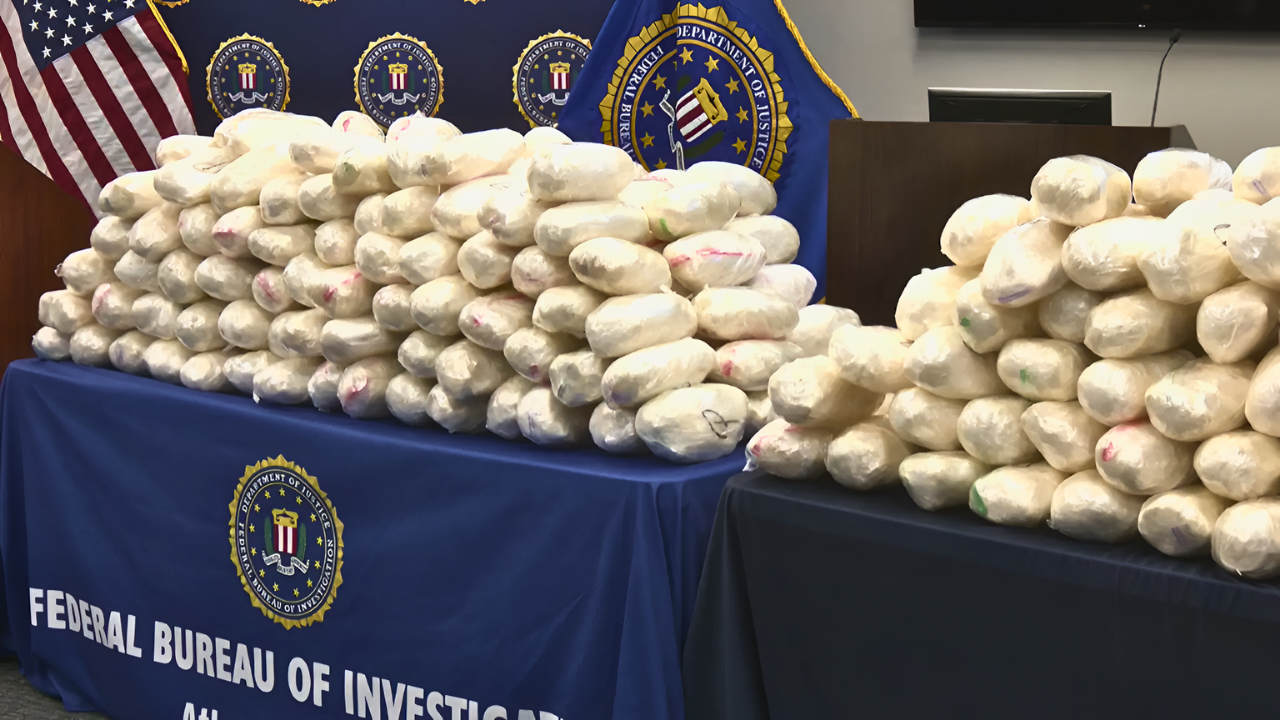
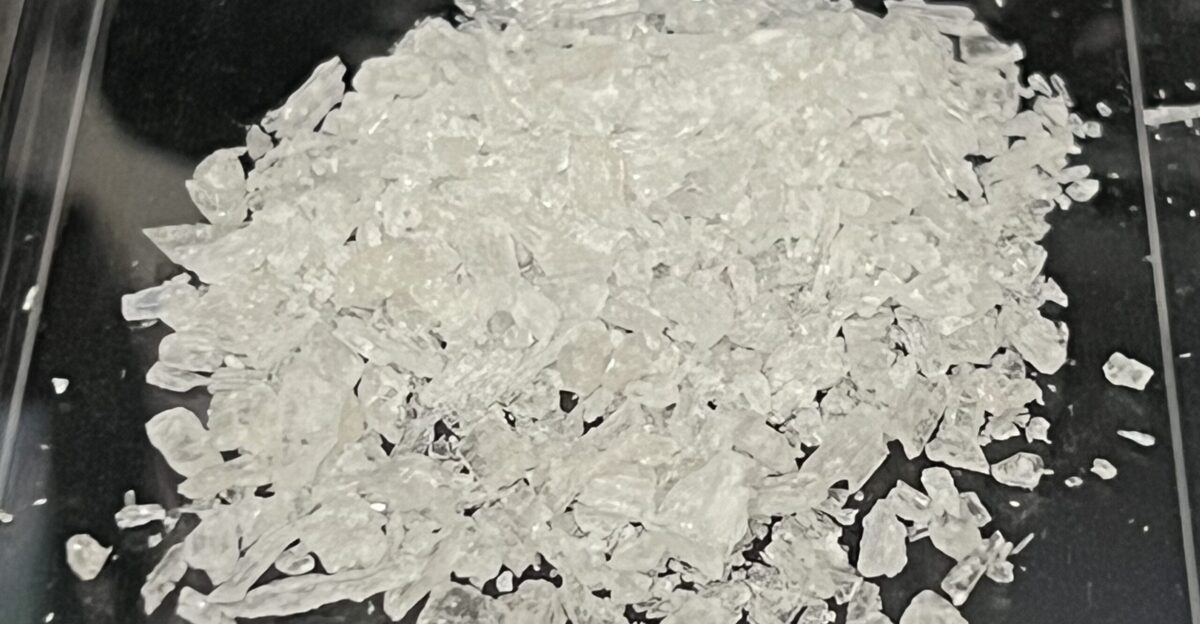
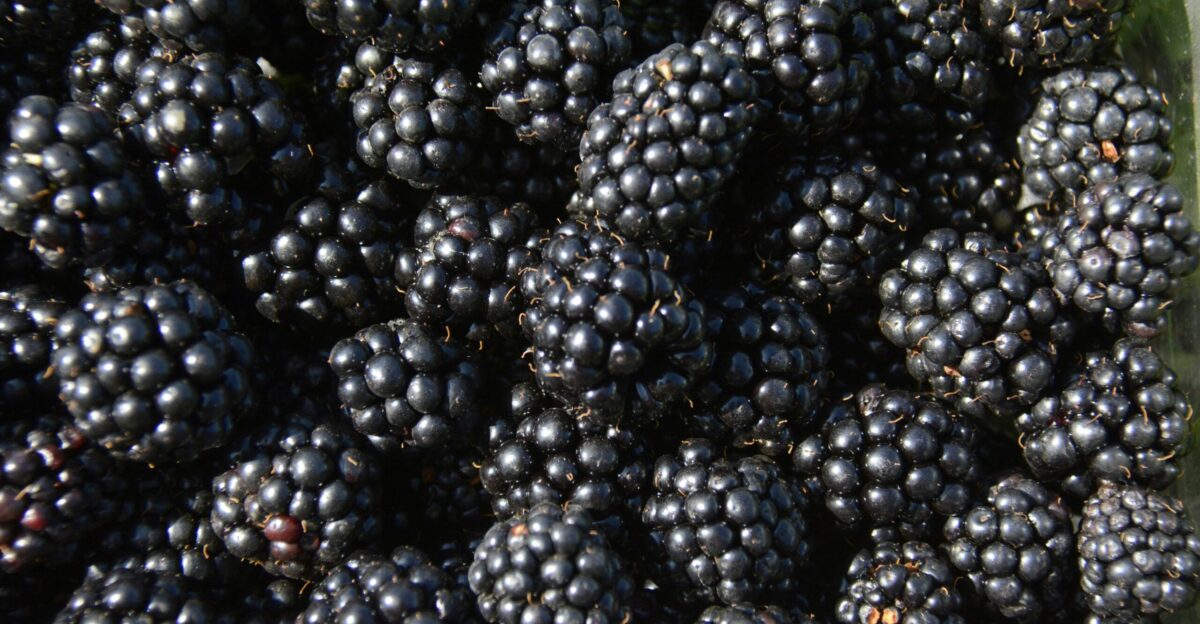
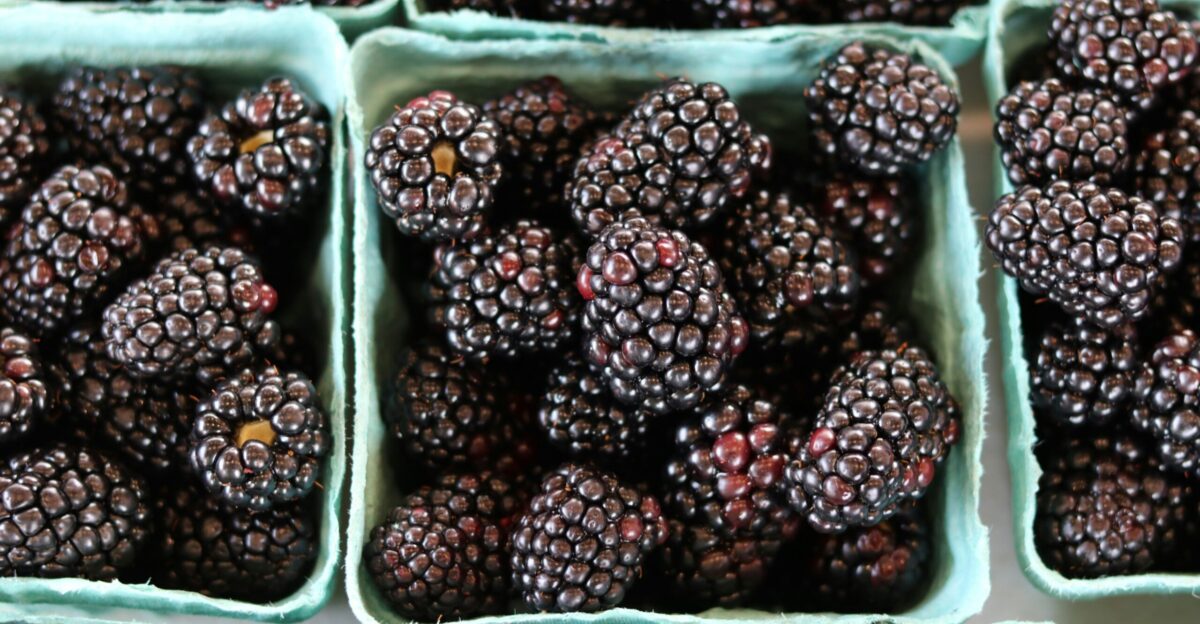
Federal agents and Hall County investigators unwrapped a staggering discovery last November—1,585 pounds of crystalline methamphetamine concealed inside refrigerated blackberry shipments destined for North Georgia. Authorities described it as the largest methamphetamine seizure in Hall County’s nearly four-decade history.
Today, this case remains emblematic of ongoing cartel tactics that federal prosecutors continue to combat under Operation Take Back America. The seizure exemplifies the evolving cold-chain smuggling methods that have defined the enforcement landscape in 2025.
Moving Two Trucks, Leaving One Behind
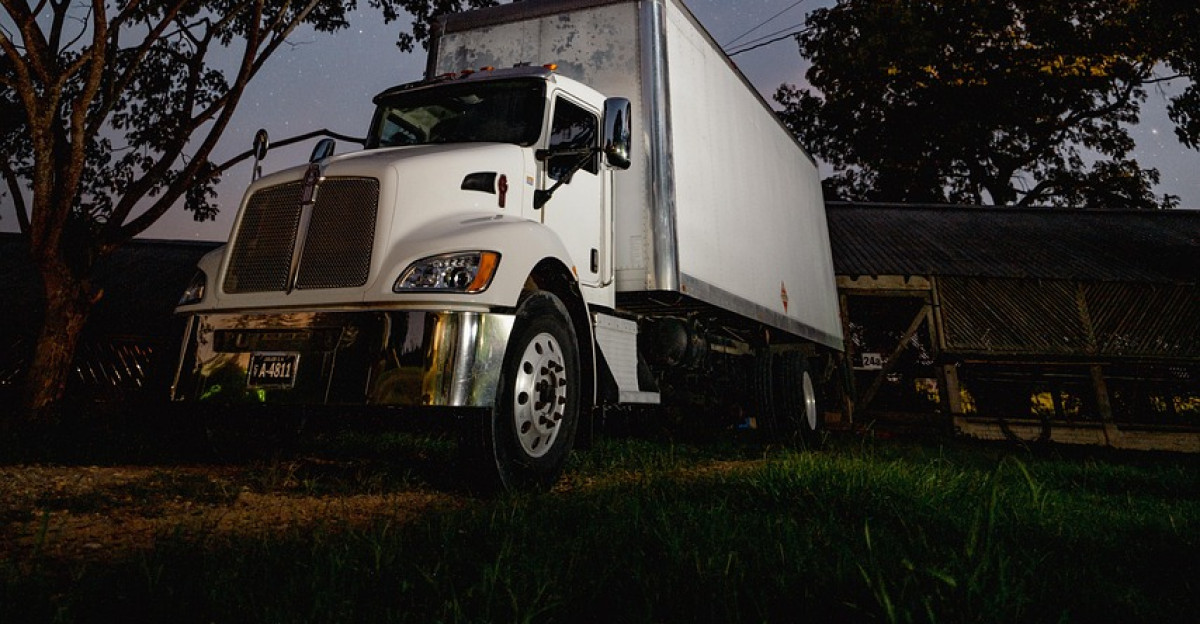
Law enforcement followed two of the three trucks to separate destinations—one northeast to a southeast Atlanta residence, another southward to a Gainesville gas station. The third vehicle was later found empty.
These weren’t random routes; they were part of a meticulously planned distribution scheme that traffickers believed would evade detection.
A Living Room Drug Warehouse
One refrigerated box truck, trailed by Nelson Sorto driving a separate SUV, arrived at a residence on Custer Avenue in southeast Atlanta. Sorto opened the rear cargo door and inspected the contents—thousands of dollars worth of federal crimes stacked inside blackberry pallets.
When agents searched the truck parked outside the home, Georgia Bureau of Investigation personnel and FBI agents recovered approximately 924 pounds of methamphetamine, tightly wrapped and buried in the fruit shipments.
The Pickup That Went Wrong
The second truck traveled to a Gainesville gas station, where Gerardo Solorio-Alvarado, 44, arrived to collect the driver. He picked up the operator and abandoned the truck—a critical operational blunder. A narcotics K-9 unit alerted to the odor of drugs, triggering an immediate search.
Inside, investigators found approximately 661 pounds of methamphetamine concealed within blackberry pallets. That evening, Solorio-Alvarado was arrested at his Gainesville residence after deputies said he attempted to flee out the back door.
No Second Chances From Feds

Gerardo Solorio-Alvarado carries a weight of history. The 44-year-old Mexican national previously served 17 years in federal prison for drug trafficking and possessing a firearm in furtherance of trafficking—and he remains an illegal resident of the United States.
Nelson Enrique Sorto, 36, from Atlanta, is currently on probation after a 2024 felony methamphetamine conviction in Hall County. On December 2, Solorio-Alvarado was indicted on charges of conspiracy and PWID methamphetamine. Sorto was charged on December 1 with possession with intent to distribute.
Minimum Sentencing
U.S. Attorney Theodore Hertzberg’s office will seek to prevent both men from being released on bail, arguing that their criminal histories and the severity of the offense warrant detention pending trial. Solorio-Alvarado faces a minimum of 15 years in prison due to his prior federal conviction; Sorto faces a minimum of 10 years.
The U.S. Attorney’s Office for the Northern District of Georgia is prosecuting the case with coordinated support from the FBI’s Atlanta field office, the Georgia Bureau of Investigation, the Hall County Sheriff’s Office, and the Georgia State Patrol.
Across The Border Into Your Backyard
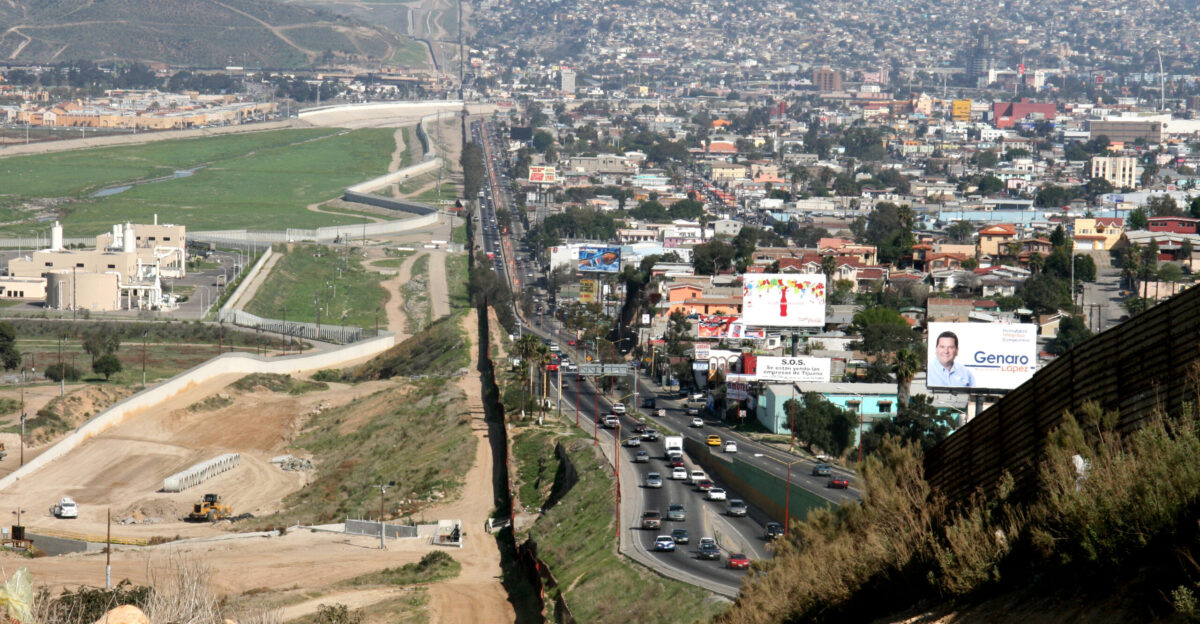
Investigators believe both blackberry shipments originated in Mexico, crossed the southern border within the U.S. supply chain, and were routed east into Georgia as distribution hubs for wider North Georgia and metro Atlanta markets.
The operation represents a segment of Mexican cartel logistics that exploits the interconnected, time-sensitive nature of cold-chain food distribution.
$22.5 Million Street Value
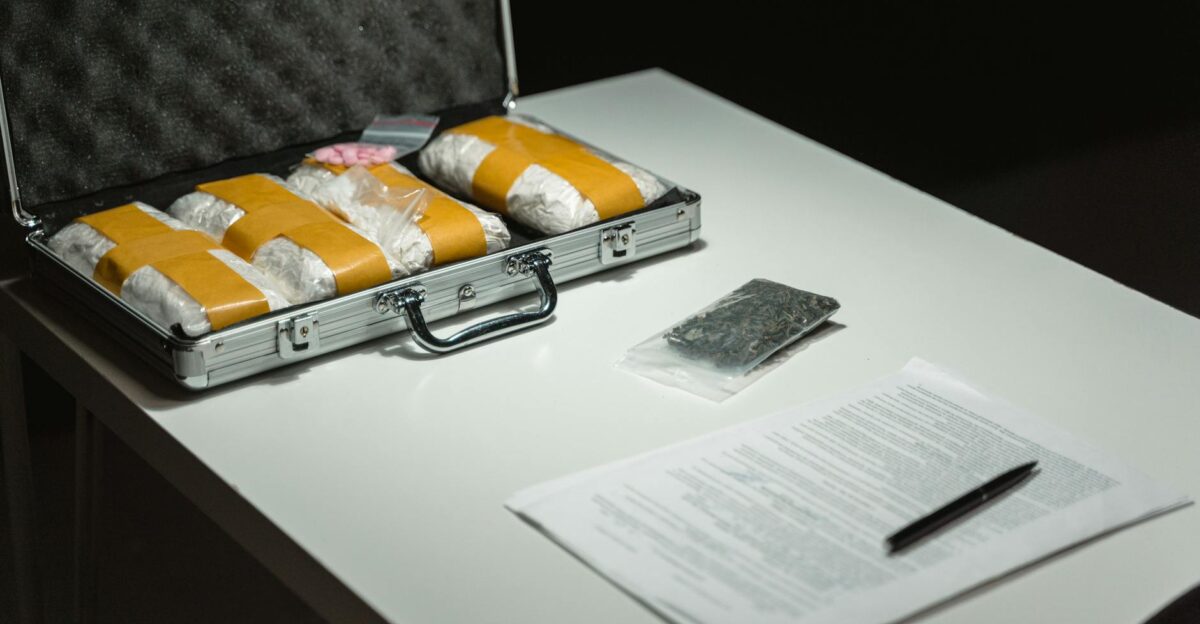
The combined street value of the meth reached approximately $22.5 million, according to law enforcement statements. That represents not just a financial blow to trafficking networks but tens of thousands to over 100,000 potential doses intercepted before distribution to vulnerable populations in metro Atlanta and North Georgia.
Federal prosecutors emphasized the timing: drugs seized before reaching retailers, distributors, or users.
Hall County’s Largest Meth Bust In 39 Years

Hall County Sheriff Gerald Couch stood before cameras with visible emotion as he addressed the scope of what investigators had uncovered. “I’ve been in with Hall County for 39 years, and this is the largest seizure we have ever had of meth,” Couch said.
The seizure represents the largest methamphetamine bust in Hall County Sheriff’s Office history—an agency with roots stretching back over 40 years of law enforcement operations in the region.
Berries Join Cucumbers, Celery, Jalapeños
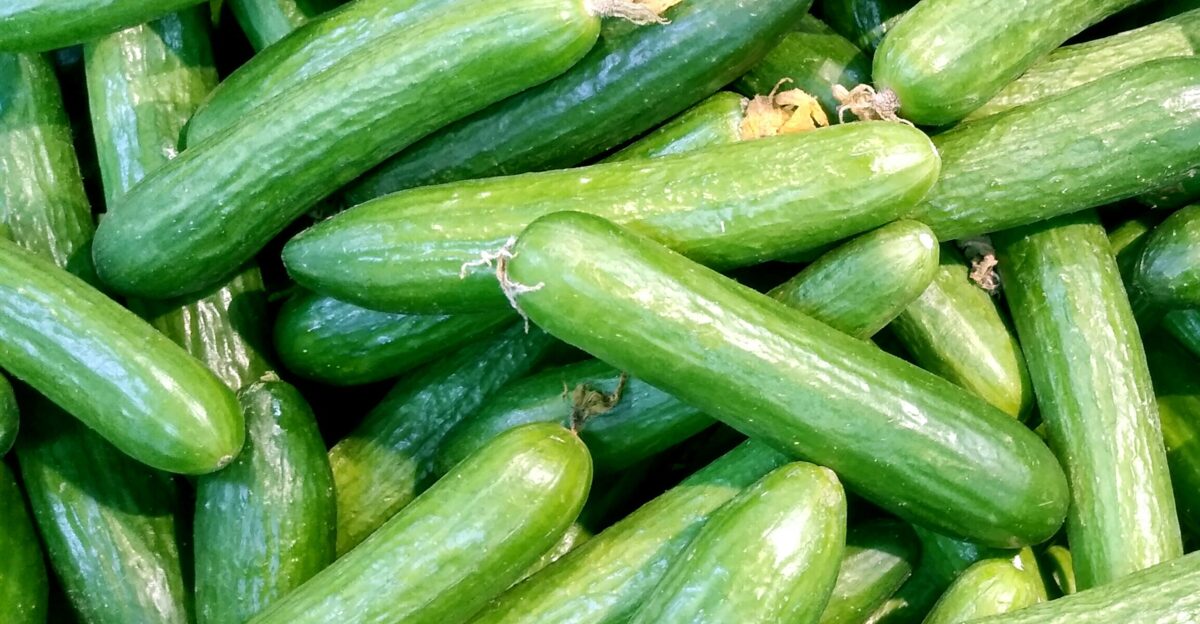
This is not the first time cartels have exploited refrigerated produce shipments. In July 2025, the same federal attorneys’ office prosecuted a case involving 700 pounds of methamphetamine hidden in cucumber shipments in Gainesville, the same region.
U.S. Attorney Hertzberg noted this pattern directly: “Just in North Georgia, and just within the last few months, we have seen massive methamphetamine seizures of drugs smuggled in with cucumbers, or with celery, or with jalapeño peppers, and now, as you will hear, blackberries.”
Speed Over Scrutiny
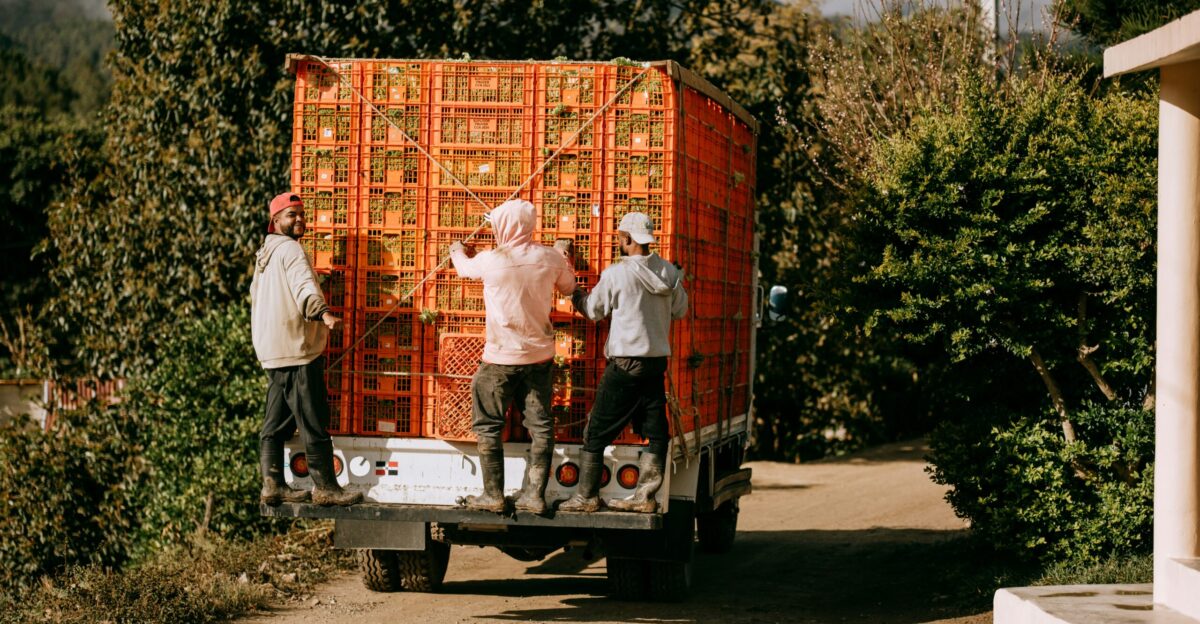
Experts and law enforcement observers have identified why cartels favor produce: the perishable nature of the produce forces rapid handling and inspection, and the volume of shipments makes comprehensive screening costly and time-consuming.
Fresh berries, in particular, must be moved quickly from cold storage to retail shelves, creating a narrow inspection window. Additionally, the low cost of produce relative to the massive profits from meth makes it an economical smuggling vehicle.
Drugs Were Carefully Wrapped
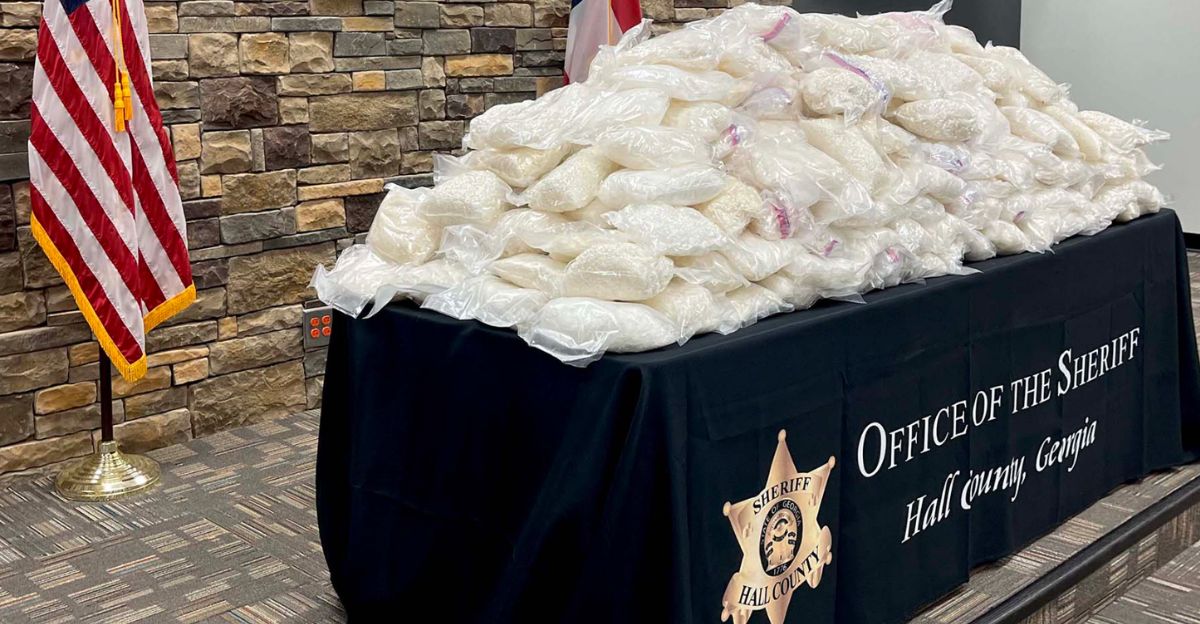
A critical detail eased consumer concerns: the methamphetamine was tightly wrapped and isolated from the actual blackberries. No chemical contamination or adulteration of food occurred.
This distinction—that cartels preserved the legitimate appearance of shipments—reveals operational sophistication and also provides temporary relief to grocery chains and consumers who feared their produce had been compromised.
No Drugs in Georgia
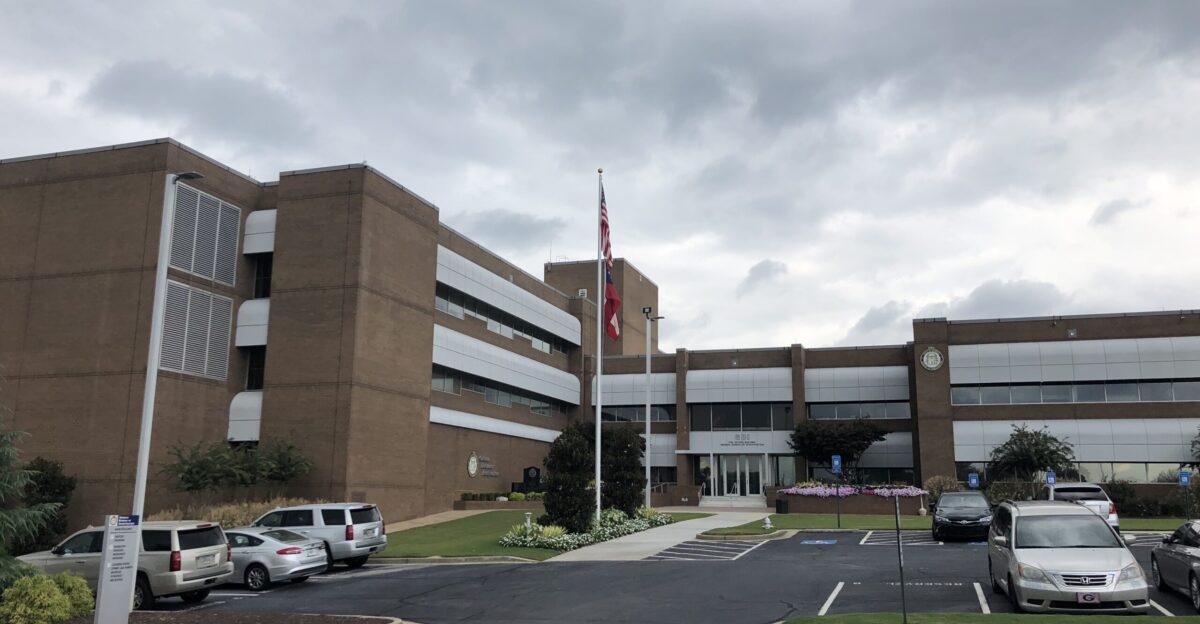
Georgia Bureau of Investigation Director Chris Hosey delivered a sobering counterfactual during the press conference. “This investigation, indictment, and prosecution serve as a clear message that drug trafficking has no place in the state of Georgia. Stop and realize this for a moment, this did not make it. But what if it had? That’s what I call a hero moment.”
The statement crystallized the narrow margin between success and catastrophe. Had surveillance lapsed by a single day, or had agents not followed the trucks, the meth would have entered distribution channels feeding addiction and overdose across the region.
Three Trucks, One Emptied
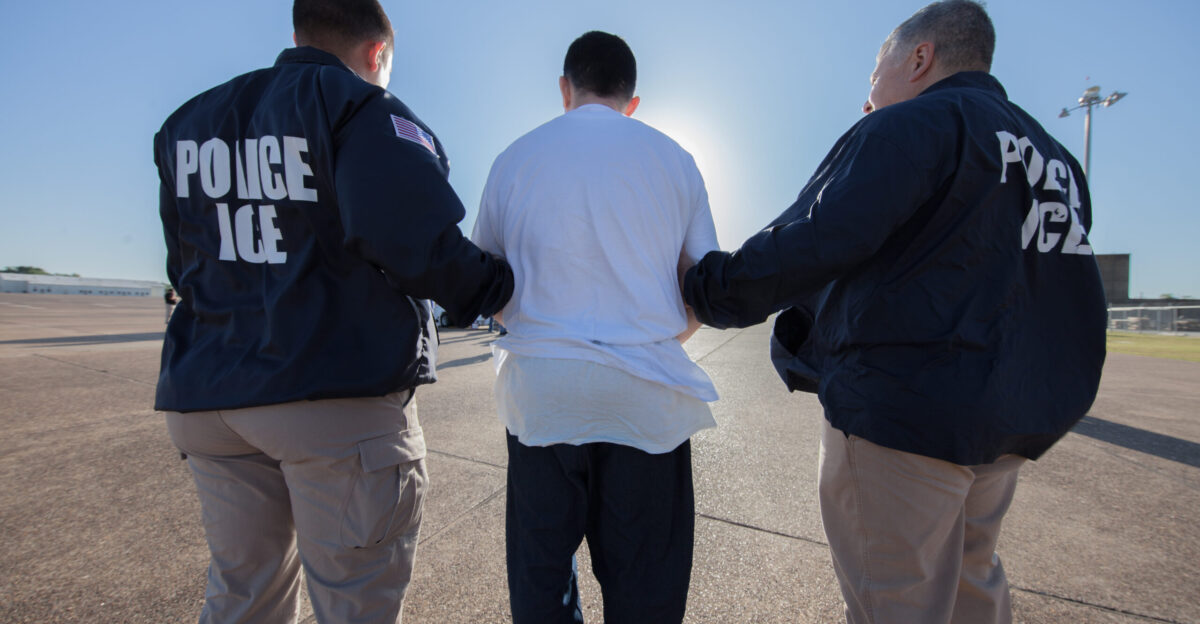
Investigators located three refrigerated trucks outside the Fulton County cold-storage facility on November 20; however, the third truck was already empty when it was discovered. The driver of that truck—identified as a Mexican national without legal status—was turned over to immigration authorities, not immediately charged with federal crimes.
This detail raises investigative questions: Who unloaded that first vehicle? Was there advance warning? Are warehouse employees cooperating, or are they unknowingly used as logistics cover?
Investigation Far From Over
FBI Special Agent in Charge Paul Brown emphasized that this seizure, while historic for the region, fits a broader pattern of trafficking ingenuity. “We’ve encountered just about anything you can imagine,” Brown stated.
He also noted that the investigation remains active and ongoing, with agents pursuing numerous leads connected to the cold-storage warehouse, driver networks, financial records, and upstream cartel connections.
Federal Enforcement Ramps Up

The blackberry bust occurs within the context of the Trump administration’s intensified efforts to combat cartel enforcement. The prosecutions fall under Operation Take Back America, a nationwide Department of Justice initiative targeting cartels and transnational criminal organizations.
Additionally, the case is being conducted under the Homeland Security Task Force (HSTF) initiative, established by President Trump’s January 20, 2025, executive order, “Protecting the American People Against Invasion.”
Supply Still Exceeds Seizures
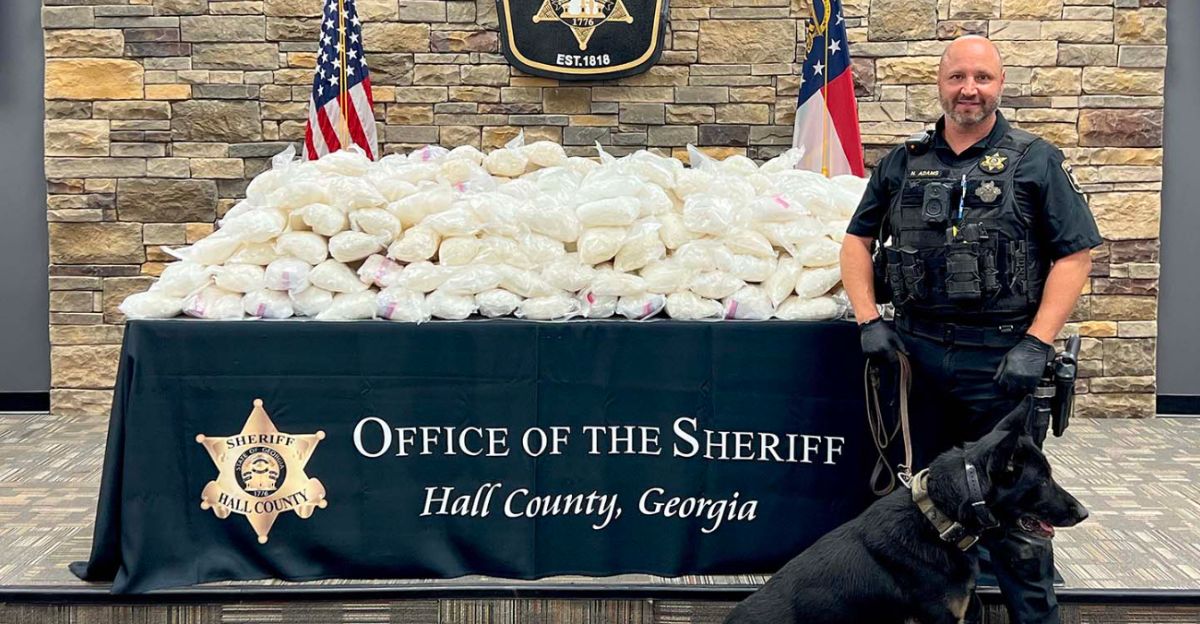
Despite the scale of the bust, law enforcement acknowledges a harsh reality: one massive seizure, even $22.5 million worth, represents a temporary disruption in cartel logistics, not a permanent reduction in supply. Traffickers, once they absorb the financial loss, typically fragment loads, experiment with new commodities, and redirect shipments through alternative routes or entry points.
Experts warn that cartels are industrializing their operations, adopting sophisticated supply-chain management and logistics innovations.
The Next Blackberry Shipment: When Will It Arrive?
Grocery chains and logistics companies are installing additional tracking and verification measures; however, experts caution that determined traffickers will likely adapt to any new detection technology.
For now, every refrigerated truck moving fresh produce feels like a potential cartel container. That tension—between commerce efficiency and security necessity—defines the post-blackberry-bust produce supply chain.
Sources:
FBI Crushes $22.5M Cartel Meth Ring Hidden In Blackberries—Largest Bust In 40 Years
Fox News, December 3, 2025
CBS Atlanta News, December 3, 2025
FOX 5 Atlanta, December 3, 2025
U.S. Attorney’s Office for the Northern District of Georgia Press Release, December 2025
Georgia Bureau of Investigation Official Statement, December 2025