Youhuang Xiang, a 38-year-old Chinese postdoctoral researcher at Indiana University, faces federal charges for allegedly smuggling E. coli bacteria into the United States. The charges—conspiracy, smuggling goods, and making false statements—stem from a March 2024 package labeled as women’s underwear but containing plasmid DNA derived from E. coli.
Xiang admitted deliberately mislabeling the shipment from China to avoid detection by U.S. Customs and Border Protection, despite knowing he needed an import permit.
The Discovery and Arrest
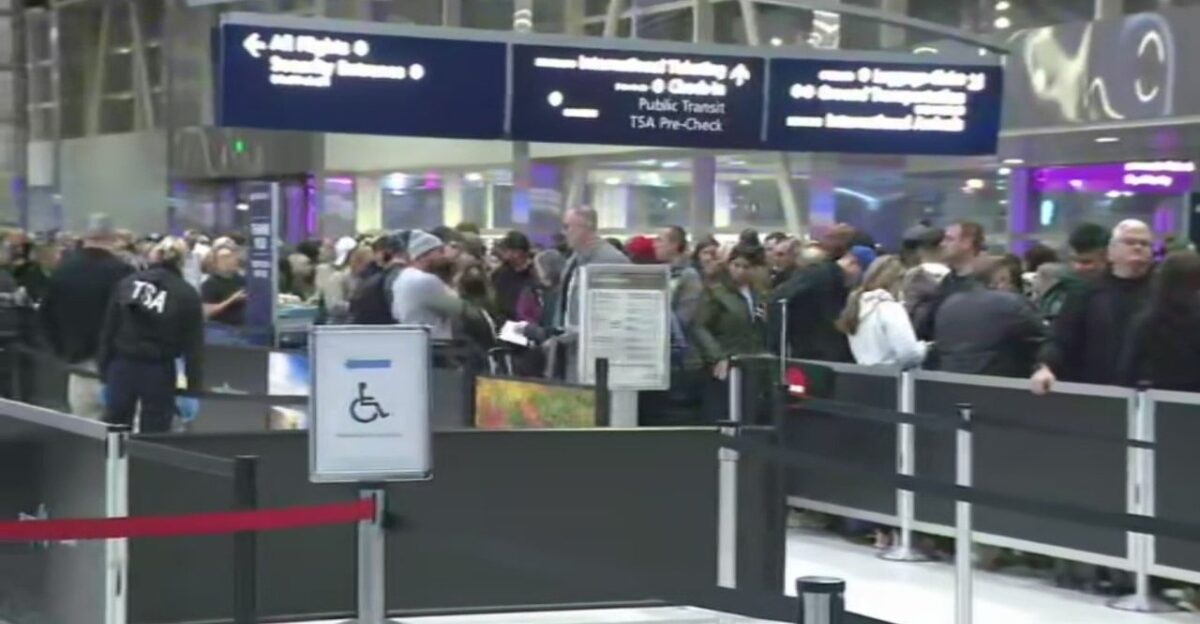
Federal authorities first suspected Xiang in April 2025 when customs officials stopped him at Detroit Metropolitan Airport returning from China. However, the investigation intensified after the FBI received tips about E. coli shipments being sent to IU researchers.
When Xiang returned from a London exchange program on November 23, 2025, CBP detained him at Chicago O’Hare International Airport. During questioning, he admitted receiving the concealed bacteria from the Chinese Academy of Sciences and knowing permit requirements existed.
The Researcher’s Background
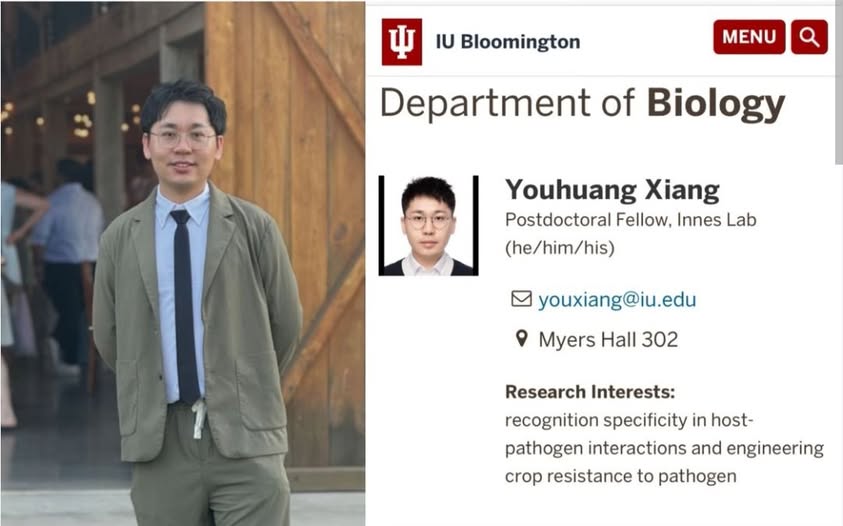
Xiang earned his Ph.D. in plant science from the Chinese Academy of Sciences, specializing in genome editing and plant-microbe interactions. He joined Indiana University’s Department of Biology in June 2023 on a J-1 exchange visitor visa as a postdoctoral research associate.
His research focused on developing disease-resistant wheat through genome editing, addressing global food security challenges. He had previously won second place in a poster competition at the National Fusarium Head Blight Forum for his work.
Understanding the Legal Framework
Importing biological materials into the United States requires permits from either the CDC or USDA, depending on the organism. CDC permits (42 CFR 71.54) cover infectious agents and human disease vectors. USDA APHIS permits (9 CFR 122.2) govern plant and animal pathogens.
The permit process takes weeks to months, and permits are issued to individuals, making the recipient legally responsible. Violations carry serious penalties: conspiracy and smuggling charges can result in up to 20 years imprisonment.
Similar Cases at University of Michigan
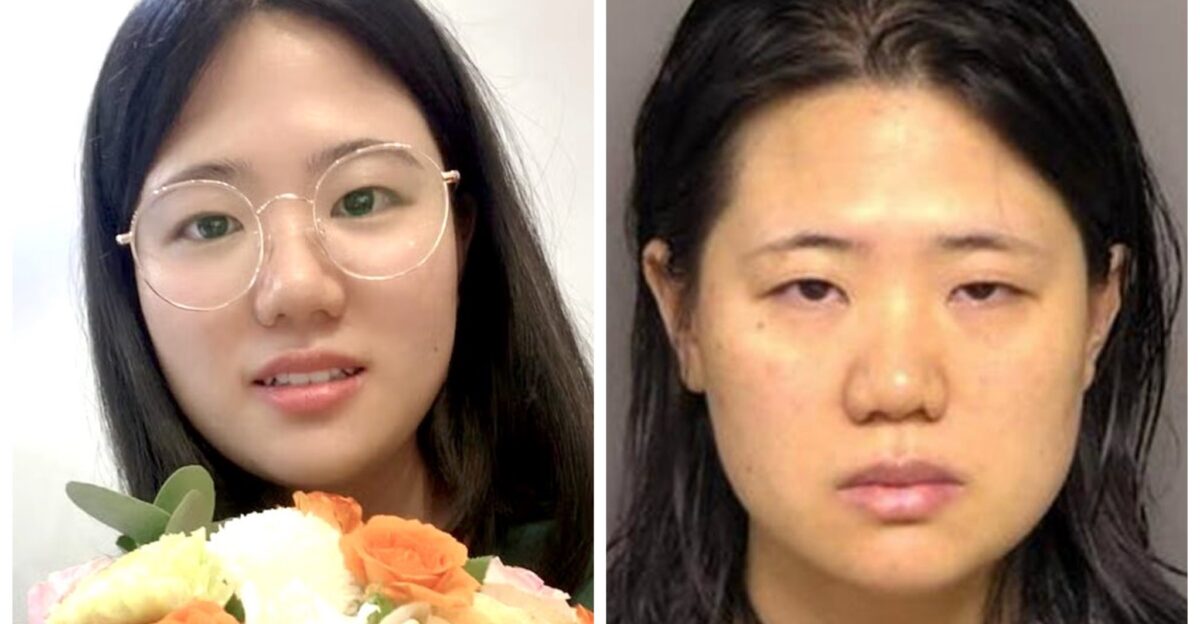
In June 2025, federal prosecutors charged two other Chinese researchers with smuggling Fusarium graminearum, a crop fungus causing head blight in wheat and corn. Yunqing Jian, 33, was a postdoctoral fellow at the University of Michigan; her boyfriend Zunyong Liu, 34, worked at a Chinese university.
Court documents showed they coordinated smuggling samples hidden in tissues and textbooks. In November 2025, Jian pleaded guilty and received time served, then deportation.
The Fusarium Graminearum Context
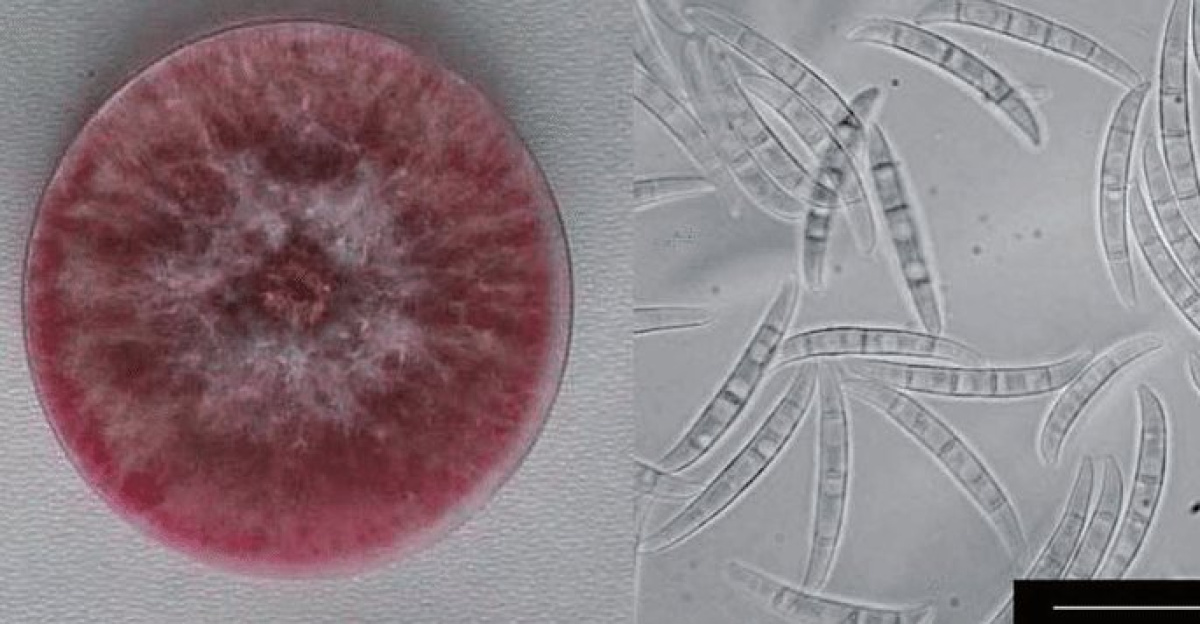
Fusarium graminearum causes head blight in wheat, barley, corn, and rice, resulting in billions of dollars in annual economic losses globally. The fungus produces mycotoxins causing liver damage and reproductive defects in humans and livestock.
However, plant pathology experts noted the fungus has been present in the United States for over 125 years and naturally occurs in dozens of wheat and barley-producing states. It does not appear on the USDA’s official list of potential agroterrorism threats.
What Experts Say About the Threats

Plant pathologists from major universities emphasized that while Fusarium is economically damaging, existing management tools effectively control it. Dr. Caitlyn Allen of the University of Wisconsin noted researchers sometimes take shortcuts to maintain research momentum rather than malicious intent.
However, security experts countered that researchers’ intentions are irrelevant—any accidental release could cause devastating consequences. The actual risk depends heavily on the strain, quantity, and laboratory containment measures.
Understanding E. coli and the Bacteria
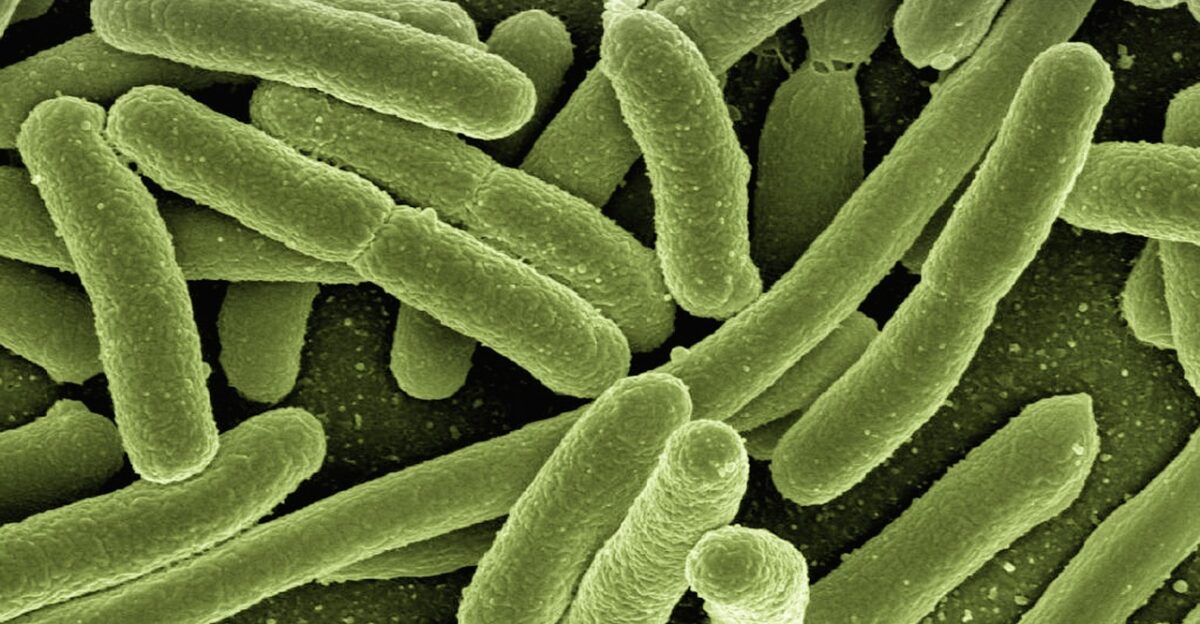
Escherichia coli is commonly found in human and animal intestines, with most strains being harmless or beneficial. However, certain pathogenic strains cause serious illnesses including diarrhea, urinary tract infections, and pneumonia.
In research contexts, E. coli is widely used for molecular biology work, particularly for cloning genes through plasmid DNA manipulation. The plasmid DNA Xiang received was laboratory-modified genetic material rather than dangerous pathogenic strains.
FBI Director Kash Patel’s Response
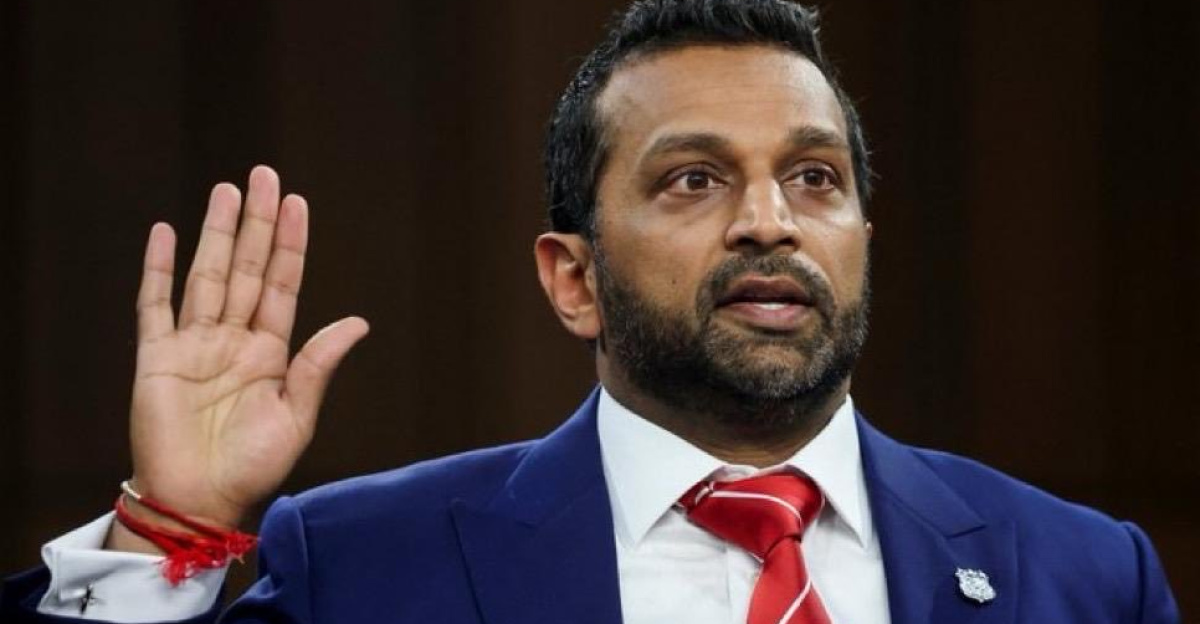
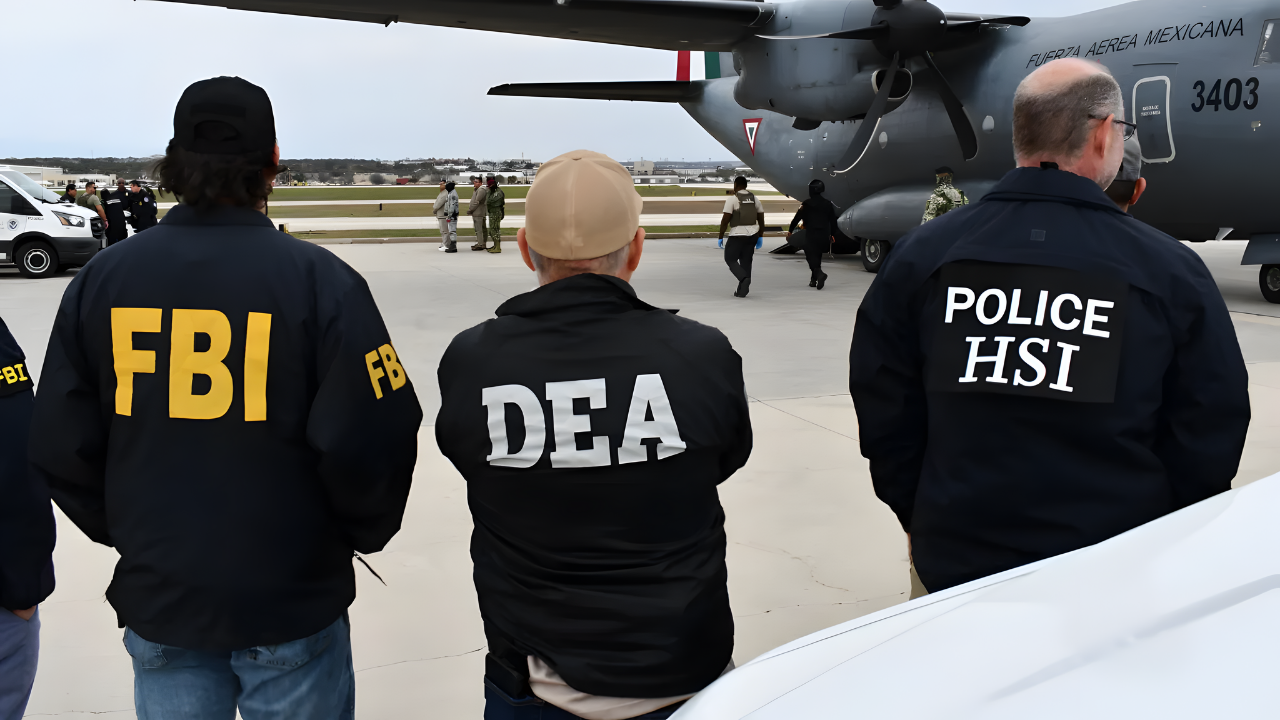
FBI Director Kash Patel announced the charges against Xiang, framing the case as “yet another example of a researcher from China” who chose to circumvent U.S. laws. Patel warned universities to ensure researchers understand the “correct and legal way” to obtain licenses for importing biological materials, stating it “must be followed without exception.”
He emphasized that E. coli and other biological materials, if improperly controlled, could inflict devastating disease on U.S. crops causing significant financial losses.
Who is Kash Patel?
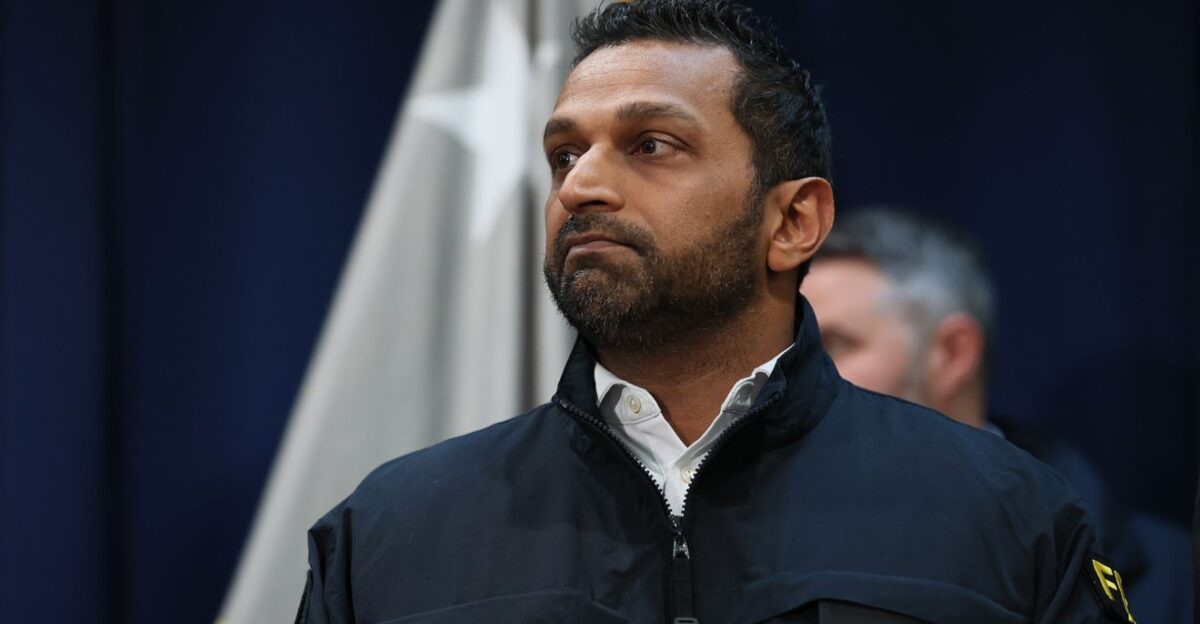
Kash Patel became FBI Director in February 2025, becoming the first person of South Asian descent to lead the bureau. A former Trump administration official who served as chief of staff at the Department of Defense, Patel’s nomination proved controversial. Critics cited concerns about his qualifications and potential partisan use of the position.
As director, he has advocated for reducing the FBI’s budget and reorganizing internal oversight structures.
The China Initiative and Its Legacy
The Department of Justice launched the “China Initiative” in 2018 to prosecute trade secret theft and economic espionage linked to China, focusing heavily on academia. The initiative investigated numerous researchers for minor paperwork violations, often without proving theft or illegal activity.
After widespread criticism, the DOJ terminated it in 2022, but effects persist—research collaborations between U.S. and Chinese scientists have declined significantly. Congressional committees continue targeting U.S.-China scientific collaboration.
Trump Administration Immigration Context
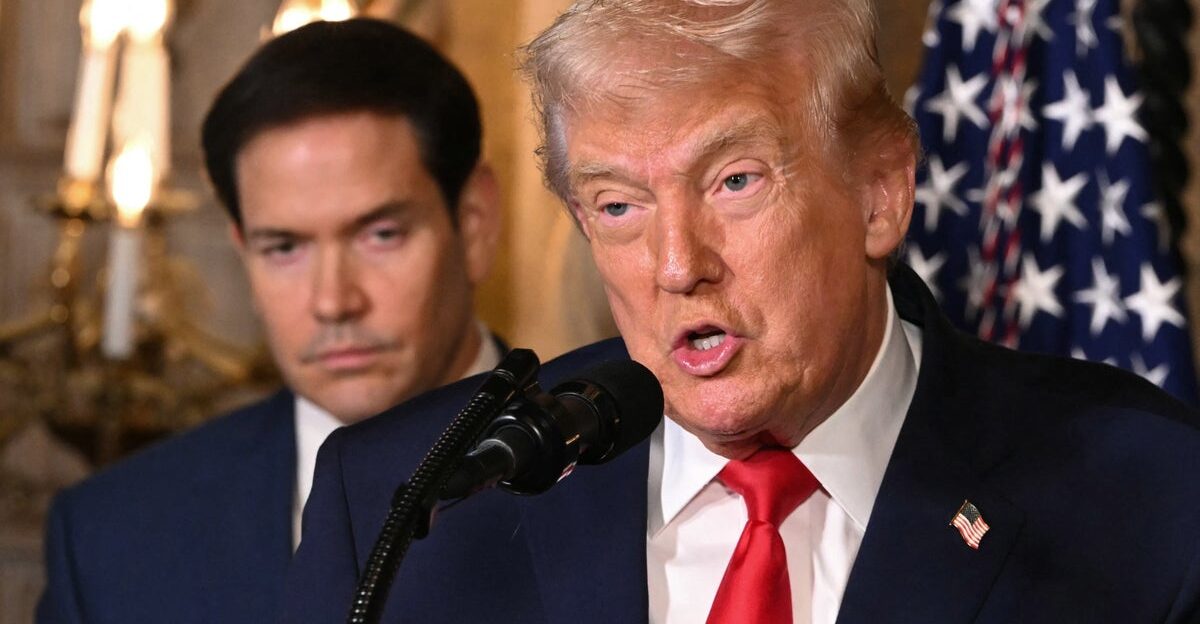
The Trump administration revoked over 8,000 student visas in 2025, more than double the previous year, with heightened scrutiny of Chinese nationals. More than 1.6 million immigrants lost legal status during the first eleven months of 2025.
Secretary of State Marco Rubio has scrutinized Chinese students with alleged ties to the Chinese Communist Party. This environment of aggressive enforcement shapes how cases like Xiang’s are prosecuted and perceived.
National Security Concerns and Arguments
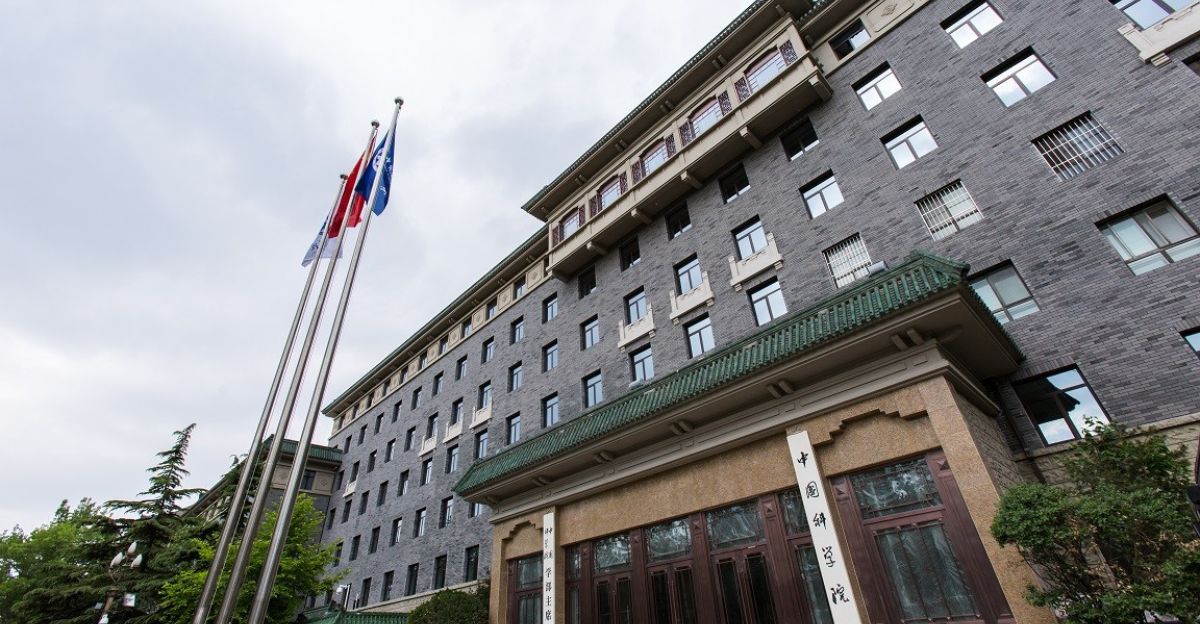
Proponents of aggressive enforcement note that China’s comprehensive national security framework transforms universities into venues for ideological control, with researchers required to advance Communist Party ideology. China’s Academy of Sciences updated codes requiring research comply with Party ideology, and some researchers have shown CCP membership and government funding.
Intelligence agencies have documented cases where Chinese scholars contributed to defense-related projects. These factors justify heightened scrutiny of researchers.
Defense Arguments and Academic Perspectives
Defense attorneys characterize prosecutions as “political hysteria” and bias against Chinese students, arguing researchers seek bureaucratic shortcuts rather than engaging in espionage. Scientific organizations emphasize Chinese students comprise 16 percent of STEM graduate students at U.S. universities and contribute significantly to American research.
Tuition revenue from Chinese students has enabled program expansion benefiting American students. Universities argue international collaboration historically strengthens American institutions and competitiveness.
The Role of Chinese Students in American Universities

Between 2005 and 2019, Chinese student enrollment in the U.S. grew from approximately 62,000 to over 317,000. Research shows each additional Chinese master’s student correlates with 0.26 more domestic students as tuition revenue subsidizes American education.
Chinese students accounted for roughly 15 percent of growth in U.S. master’s programs since 2005. At the graduate level, Chinese students comprise 16 percent of all STEM students, a significant presence strengthening research capacity.
Biosecurity Governance Challenges
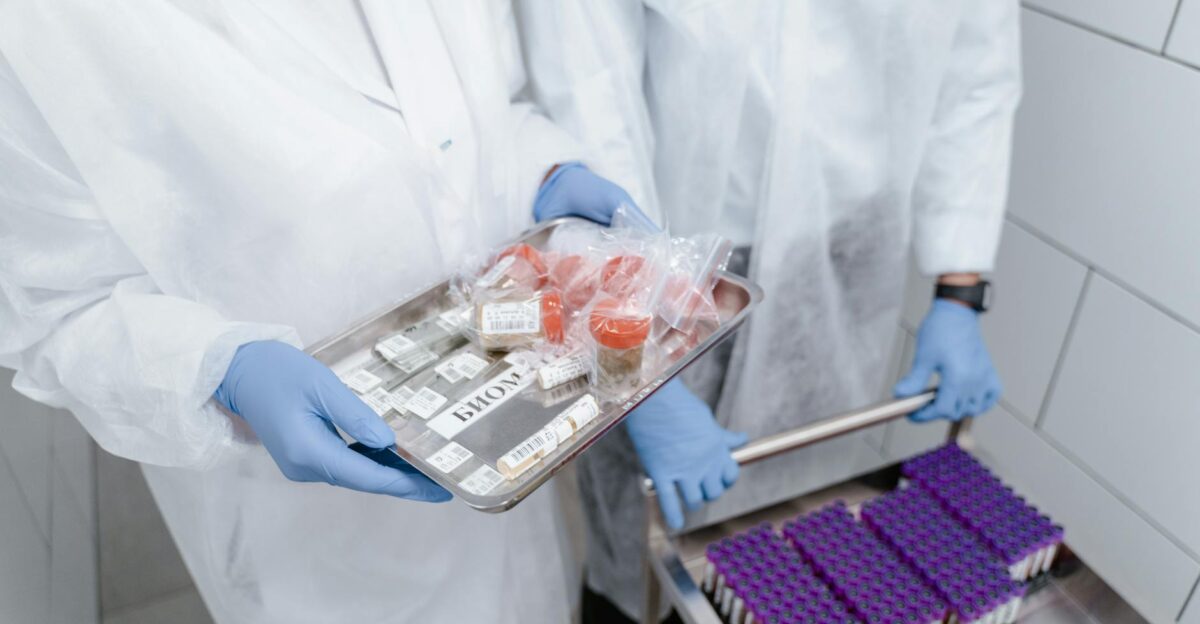
The U.S. biosafety oversight system is fragmented across multiple agencies—CDC, USDA, Fish and Wildlife Service—with different authorities and standards. Universities manage their own programs through Institutional Biosafety Committees with variable standards across institutions.
Customs and Border Protection focuses on inspections at ports of entry but depends on detecting concealed materials. Experts propose creating a National Biosafety and Biosecurity Agency to coordinate oversight and provide proactive guidance.
Agricultural Biosecurity Priorities
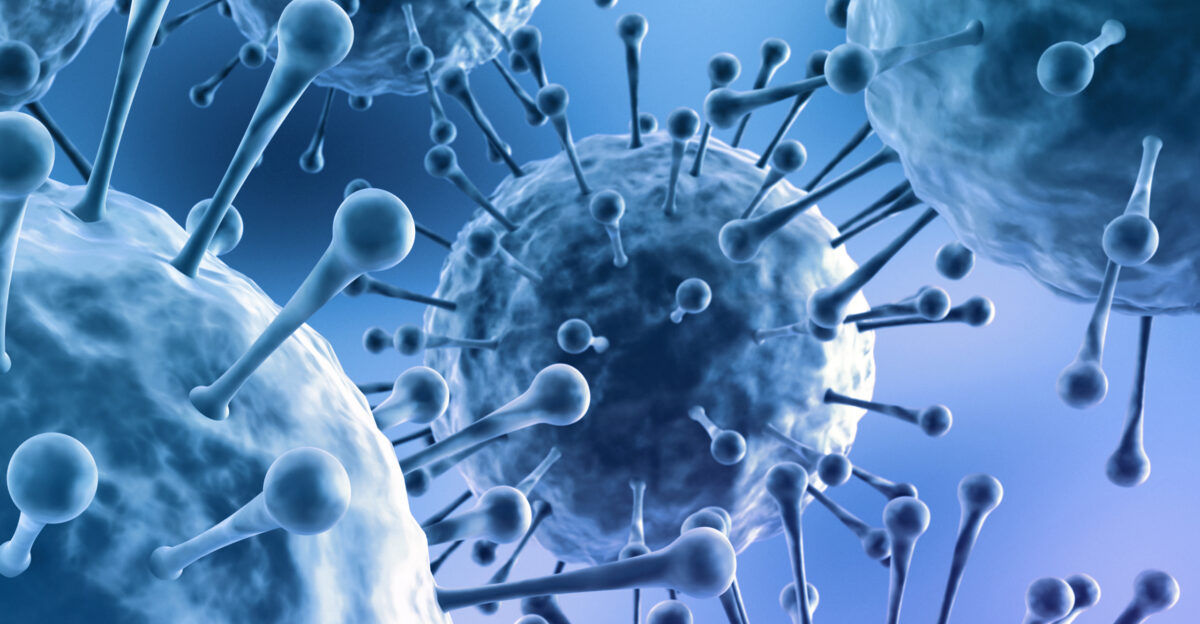
A December 2025 report identifies the “Mean Sixteen” biosecurity threats to U.S. agriculture, including avian influenza, screwworm, wheat rust, and soybean diseases. Notably, neither E. coli nor Fusarium graminearum appears on this highest-priority threat list despite recent prosecutions.
Public funding for agricultural research and development has declined in real dollars over two decades, even as biosecurity threats grow. Agricultural R&D returns $20 in economic benefits per $1 invested.
University Responses and Institutional Challenges
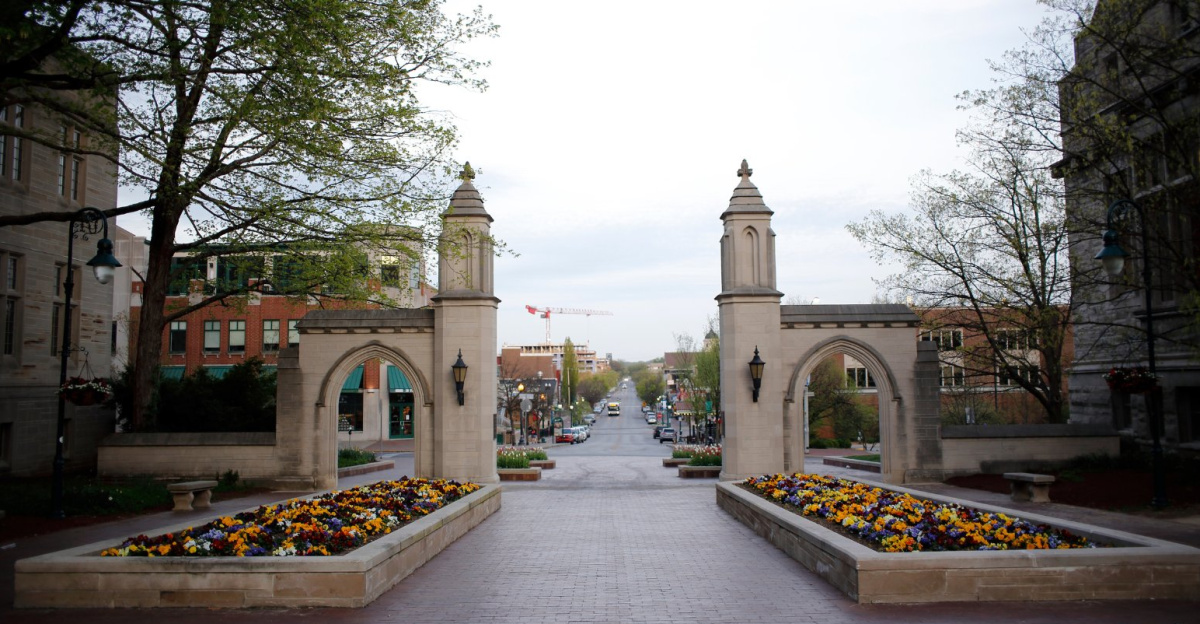
Indiana University removed Xiang’s profile from its biology department website and stated it has “no tolerance for conduct violating IU policy or state and federal law.” The University of Michigan emphasized it received no Chinese government funding for the accused researchers’ work.
Universities face challenges balancing their missions of advancing knowledge with security requirements while protecting researchers from discrimination. Clear frameworks distinguishing genuine threats from bureaucratic violations remain lacking.
International Science and Geopolitical Tensions
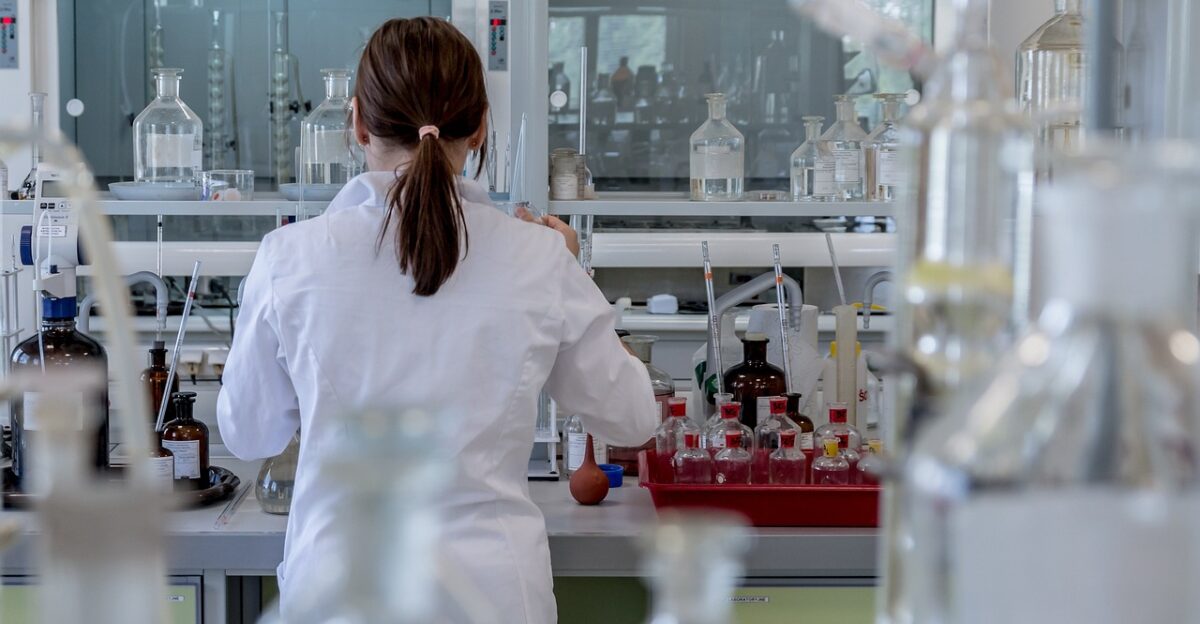
The Xiang case reflects broader tensions between U.S. openness to international talent and growing geopolitical competition with China. American universities have historically attracted top global talent, driving innovation and maintaining research leadership.
However, heightened concerns about Chinese government influence on research and intellectual property theft have created a more restrictive environment. These competing interests place institutions in difficult positions balancing security with their educational missions.
Looking Ahead: Balancing Security and Collaboration
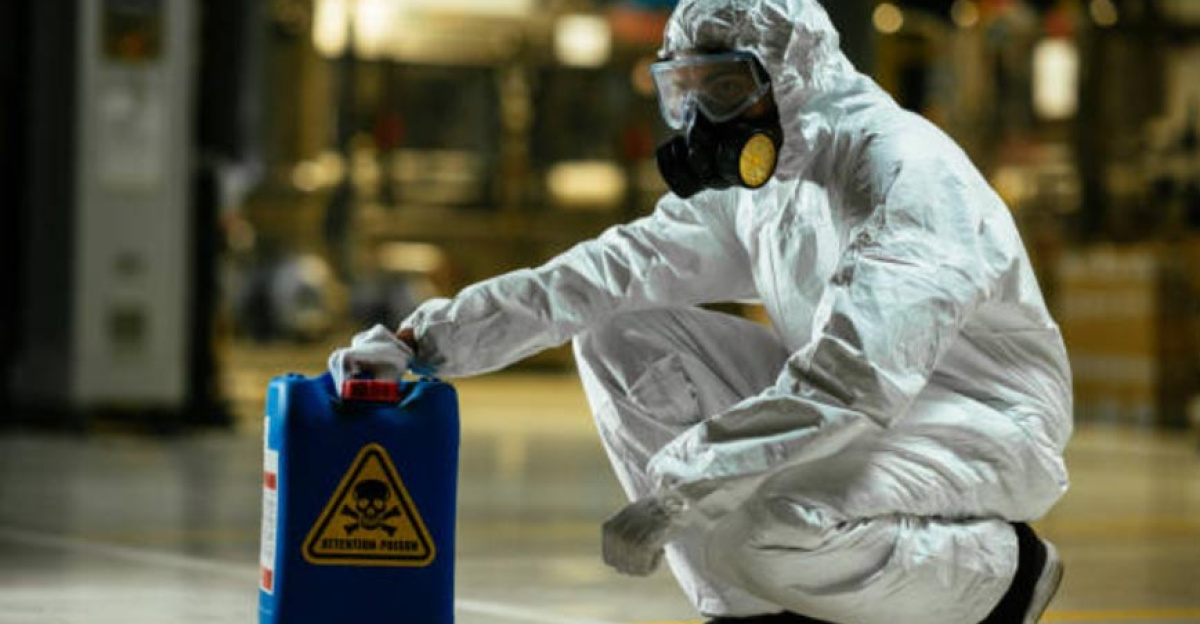
The Xiang case represents a critical test of whether the U.S. has found proper balance between biosecurity and international scientific collaboration. If evidence emerges of military connections or intent to harm American agriculture, severe charges may be warranted.
However, if the case resembles the Michigan prosecution with lenient sentences and inability to prove malicious intent, it suggests prosecutorial rhetoric exceeds actual threats. Building robust biosecurity while preserving innovation-generating collaboration remains the ultimate challenge.
Sources:
“FBI Charges IU Researcher For E. Coli Smuggling.” IUSTV, December 21, 2025.
“Chinese Researcher on US Visa Charged with Smuggling E. Coli Into America.” Yahoo News, December 19, 2025.
“IU Researcher Arrested, Charged with Smuggling E. Coli Into U.S.” Indiana Daily Student, December 20, 2025.
“Chinese Nationals Charged with Conspiracy and Smuggling Dangerous Biological Pathogen into the US.” U.S. Department of Justice, Eastern District of Michigan press release, June 3, 2025.
“What is Fusarium graminearum, the Fungus 2 Chinese Researchers Allegedly Smuggled into the US?” CNN, June 4, 2025.
“CDC Requirements for the Import of Biological Substances.” Centers for Disease Control and Prevention Title 42 CFR 71.54.
“USDA APHIS Animal and Plant Health Inspection Service Permits.” U.S. Department of Agriculture Title 9 CFR 122.2.
“Immigrants Now Have Fewer Legal Options to Stay in the U.S.” NPR, December 23, 2025.
“The Mean Sixteen: Report Urges Action on Agricultural Biosecurity.” Farm Journal Foundation, December 18, 2025.
“Estimating the Number of Chinese STEM Students in the United States.” Center for Security and Emerging Technology (CSET), Georgetown University, June 2023.