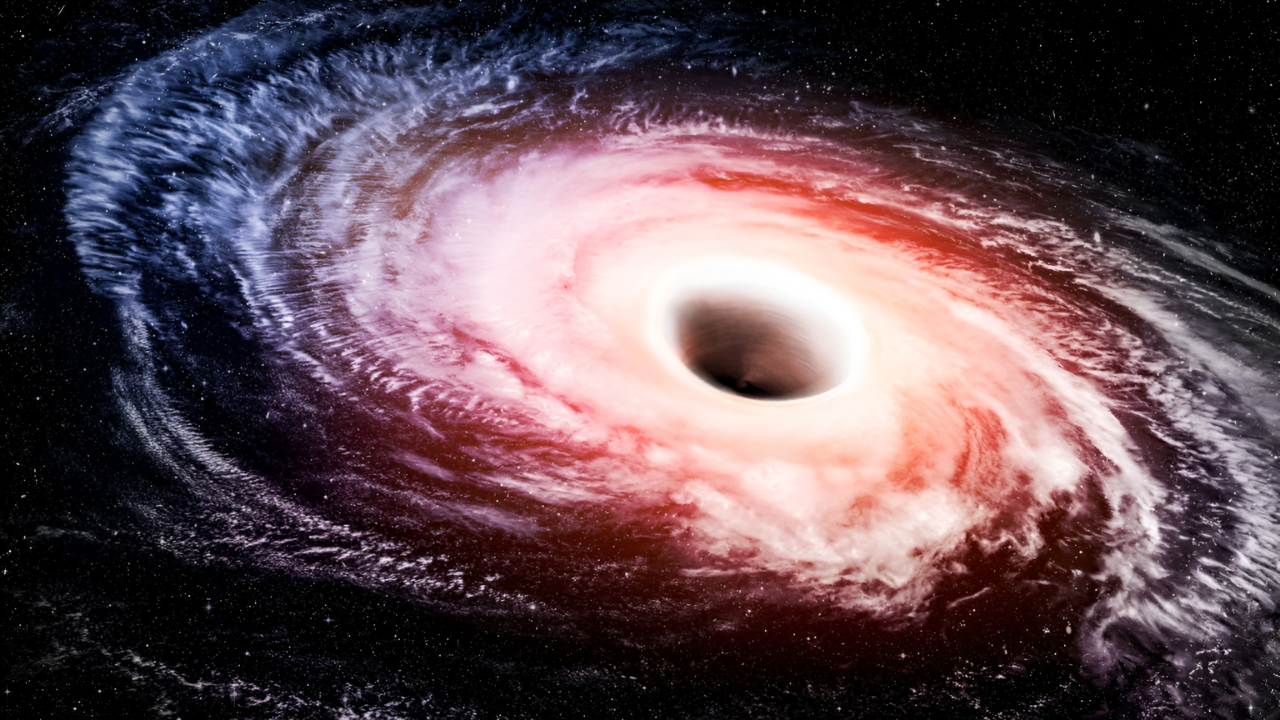
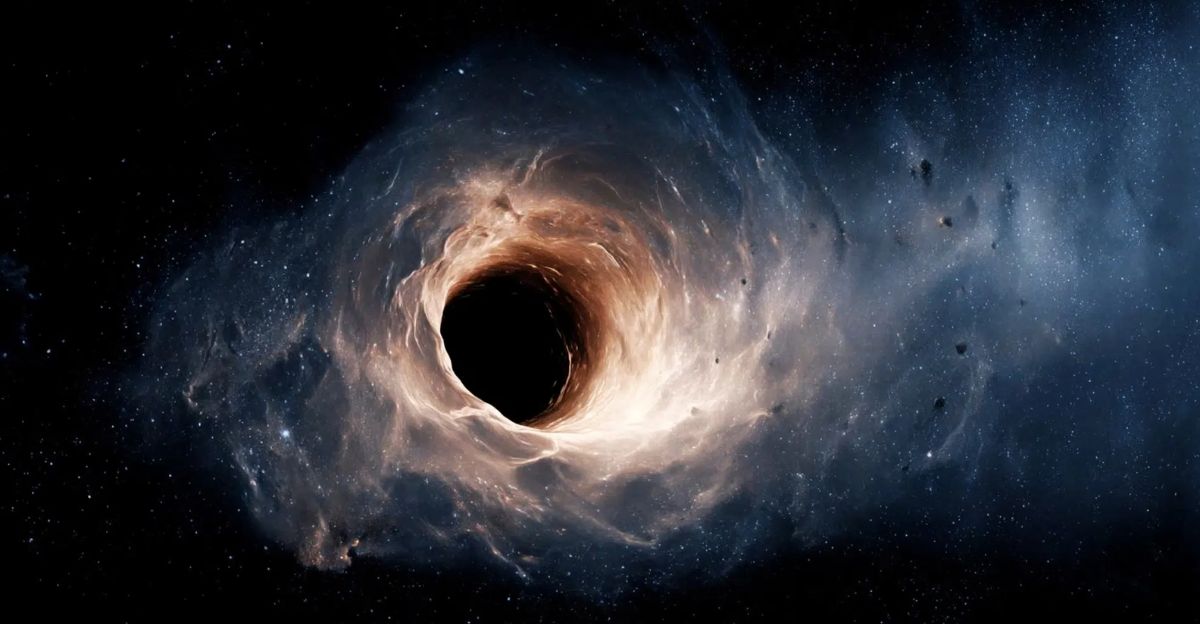
Just 570 million years after the Big Bang, the James Webb Space Telescope (JWST) detected a supermassive black hole in the galaxy CANUCS-LRD-z8.6.
This discovery is challenging our understanding of early black hole formation, as the black hole’s growth rate is far faster than anything scientists expected for such a young galaxy.
How could a black hole of this size form and grow so quickly in a galaxy still in its infancy?
Rapid Growth That Defies Expectations
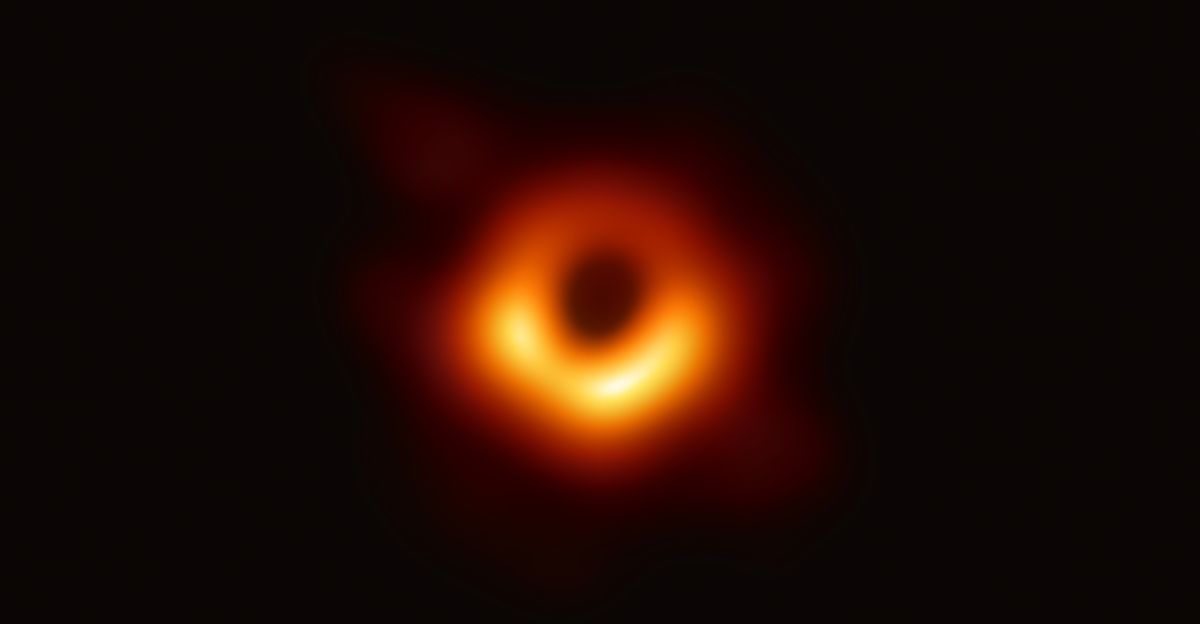
The black hole in CANUCS-LRD-z8.6 is growing far faster than anticipated for a galaxy of its age and size. Typically, black holes and galaxies grow at similar rates, but this one is much larger compared to its host galaxy’s stellar mass.
What could cause such a dramatic discrepancy? This revelation raises important questions about how black holes form and grow in the early universe. How does this challenge existing models of cosmic evolution?
A Closer Look at the “Little Red Dots”
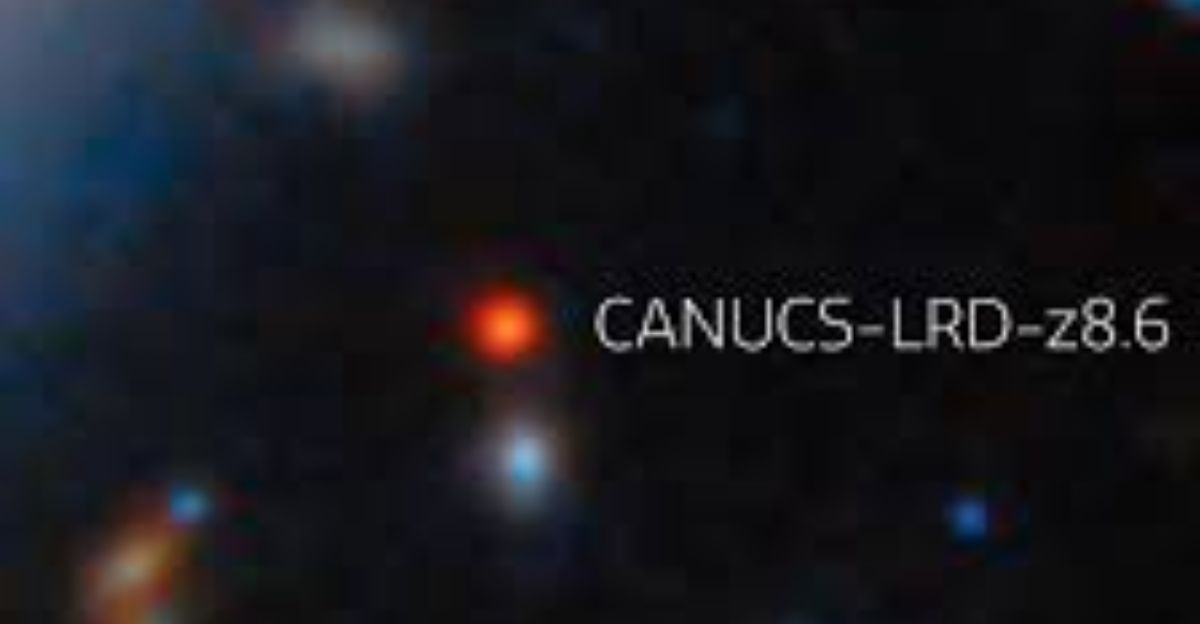
The galaxy housing this supermassive black hole, CANUCS-LRD-z8.6, belongs to the “Little Red Dots” class, characterized as faint, distant, and small galaxies.
These types of galaxies usually don’t host such massive black holes, making this discovery even more intriguing. How did this tiny galaxy manage to support such a massive object?
The black hole’s presence in such a galaxy defies conventional cosmic formation theories, suggesting there may be factors at play that we don’t yet fully understand.
A Compact Galaxy with an Overmassive Black Hole
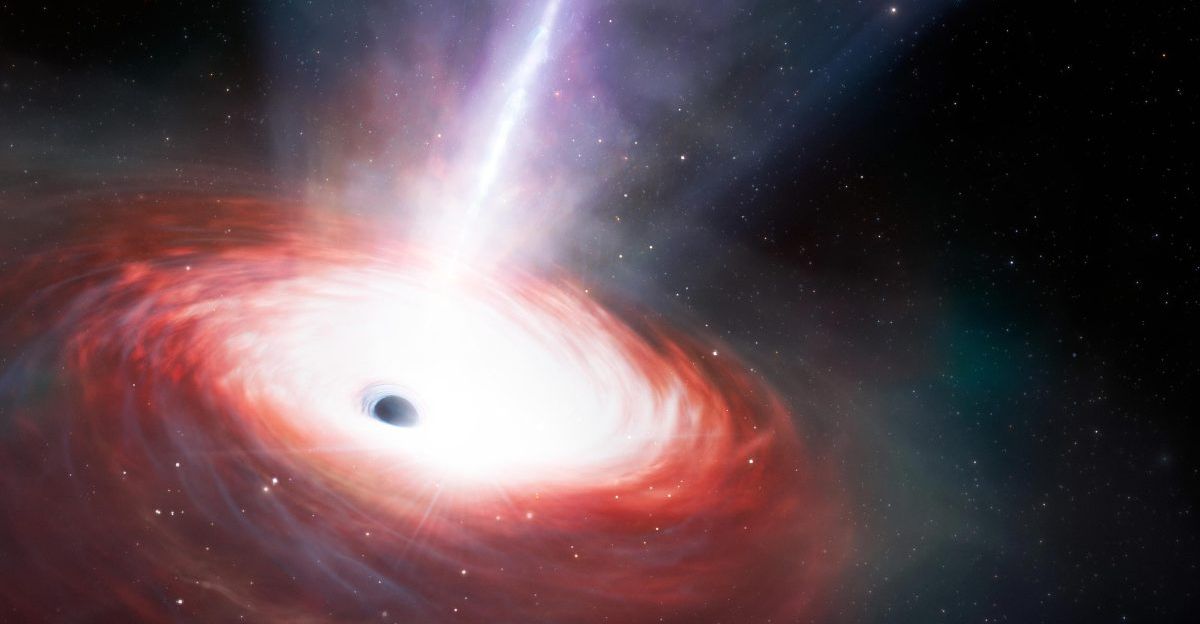
The galaxy is compact and still lacks many heavy elements, typical of early-stage galaxies. The discovery of a rapidly growing black hole in such a galaxy challenges the existing theories about black hole formation and growth timelines.
How did this galaxy manage to form such a large black hole so quickly? This finding contradicts the assumption that black holes grow at a pace similar to that of their host galaxies, suggesting existing models may need refinement.
JWST’s Groundbreaking Discovery
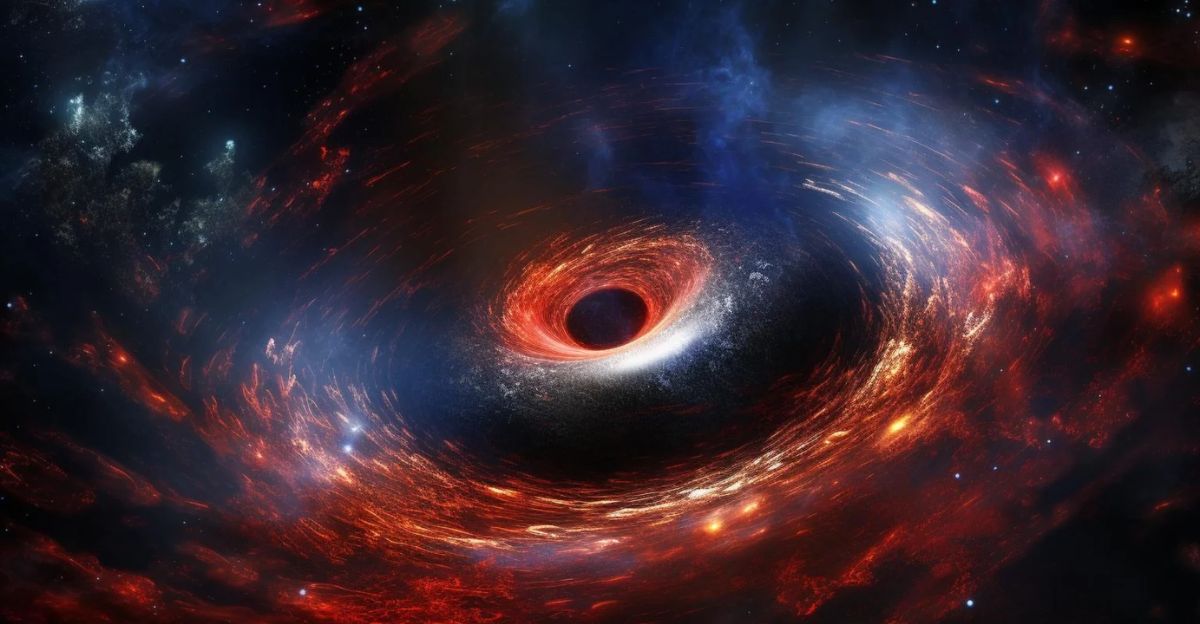
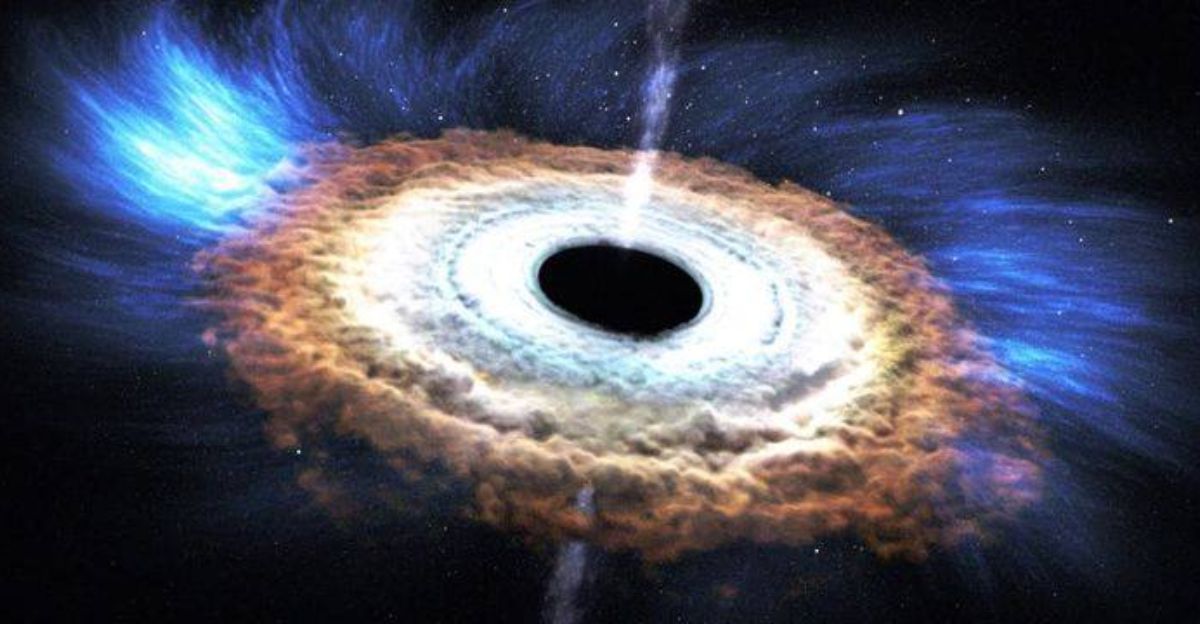
The JWST detected highly ionized gas around the black hole, revealing that it is feeding at an extraordinary rate.
This accretion process suggests that the black hole is growing significantly faster than expected, contradicting our understanding of black hole growth.
This discovery challenges conventional models of cosmic growth and offers a glimpse into the universe’s infancy, when black holes were likely growing at unprecedented rates. What implications does this discovery have for future astronomical observations?
The Surprising Speed of Growth
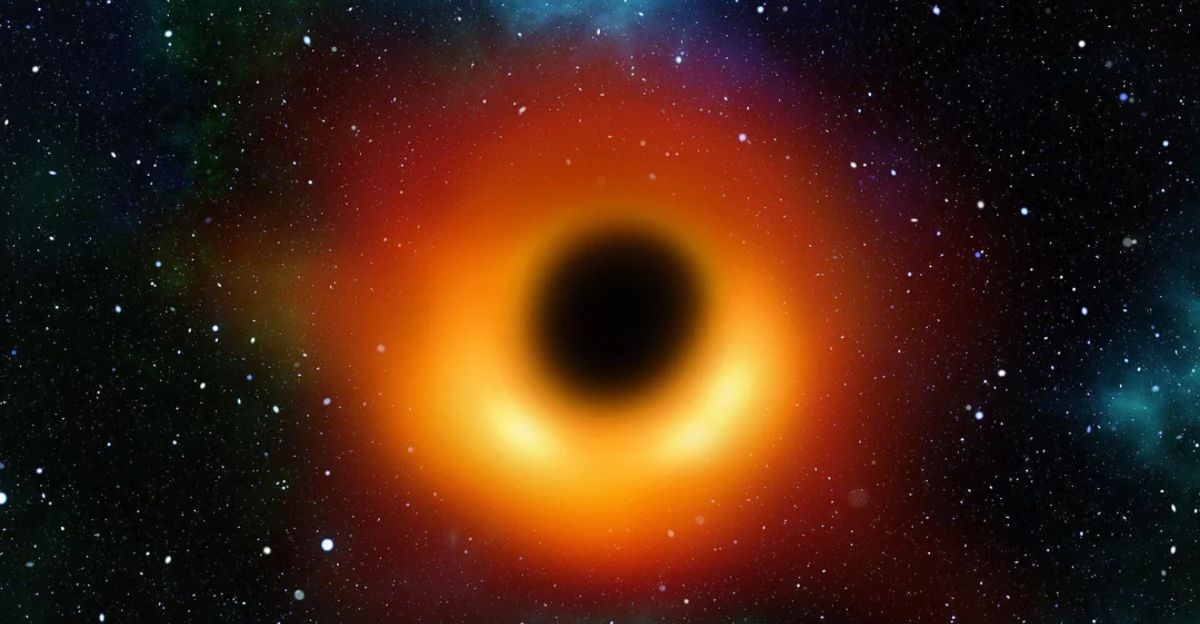
The black hole’s growth rate is significantly faster than anything researchers expected for a galaxy of this size and age. It suggests that black holes in the early universe could have grown much more quickly than their surrounding galaxies.
What drives this accelerated growth, and what other cosmic mysteries might this uncover? The rapid accretion of matter suggests a much more chaotic and violent early universe than previously imagined. How did conditions allow for such rapid growth?
Significantly Faster Growth
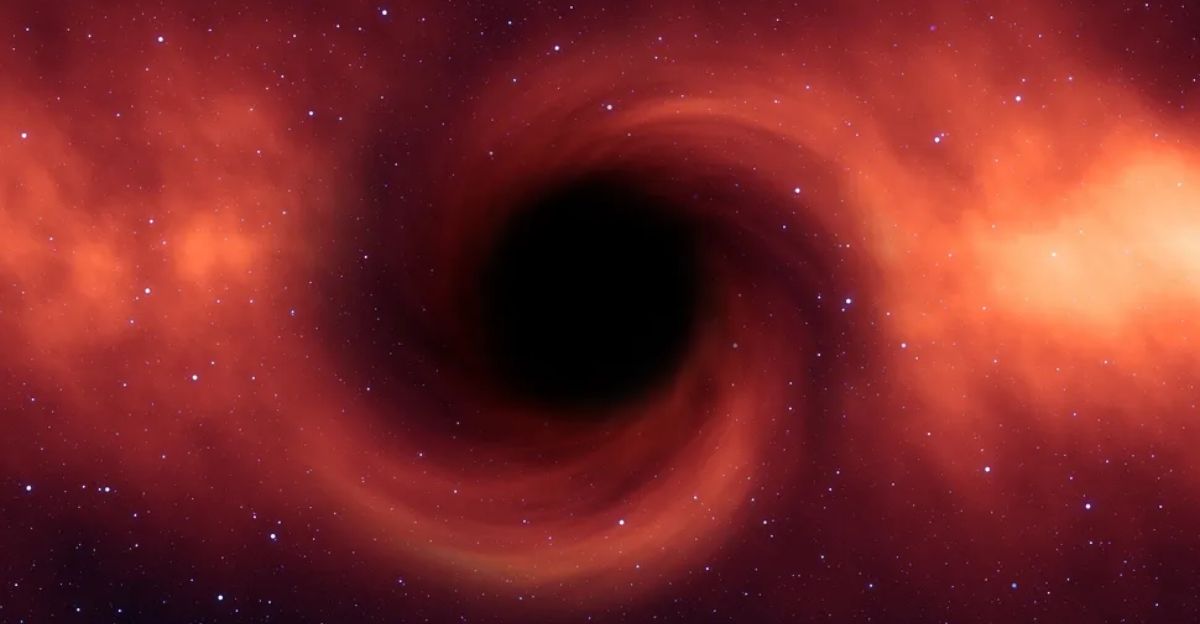
The black hole’s accretion rate appears significantly faster than the rate of star formation in its host galaxy. This suggests that black holes in the early universe may have grown independently and at a much quicker pace than previously believed.
Could this revelation change our models of cosmic evolution? This black hole appears to be growing faster than its host galaxy, suggesting a more complex relationship between black holes and their host galaxies than previously modeled.
A New Theory of Cosmic Growth
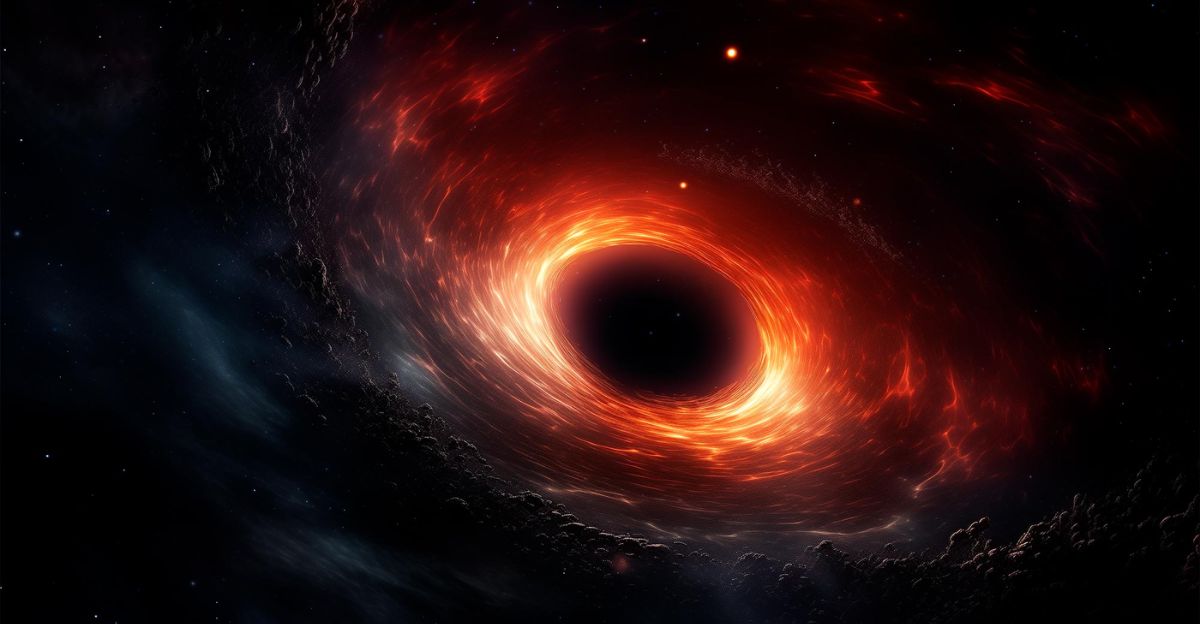
This discovery challenges the prevailing idea that galaxies and their central black holes grow at similar rates. The finding that this black hole is far more massive than expected, relative to its galaxy, suggests that black holes may have had a more independent growth path in the early universe.
This shifts our understanding of how galaxies and black holes evolve together. What does this mean for the future of astrophysical theories and models of cosmic evolution?
What Makes This Growth Rate Unique?
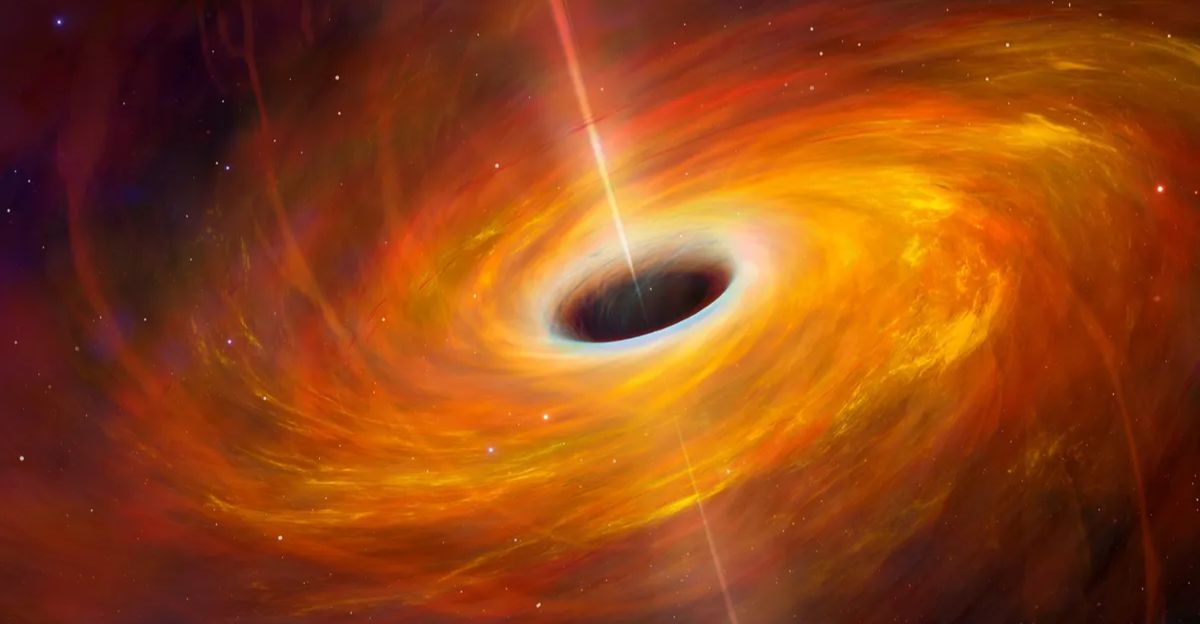
What made this particular black hole grow so much faster than its host galaxy? The discovery suggests that early-universe black holes may have followed a different developmental path than previously imagined, potentially due to unknown factors.
Could there be other galaxies out there with similar anomalies, waiting to be discovered? If so, how many of these galaxies are hiding in the early universe, and how will they reshape our theories of cosmic growth?
Little Red Dots: More Hidden Galaxies?
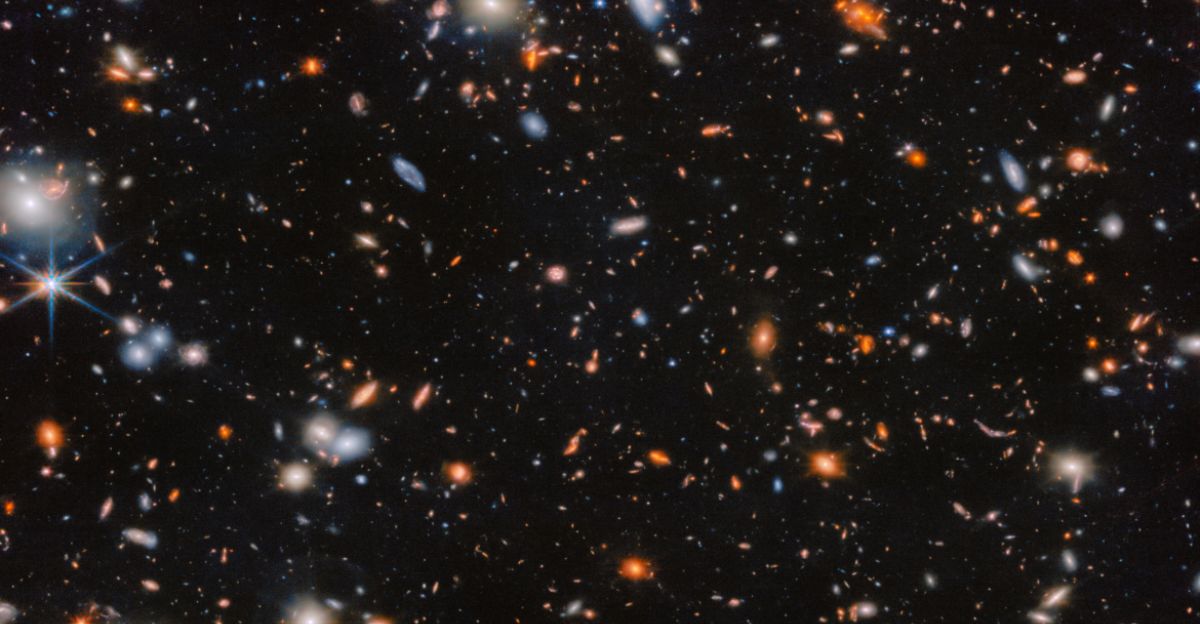
Astronomers are searching for more similar galaxies to determine if this is an isolated anomaly or part of a broader pattern, with black holes growing faster than expected, which may still be undiscovered.
Could these galaxies, with their overmassive black holes, rewrite our understanding of cosmic evolution even further?
The team’s goal is to find more galaxies like CANUCS-LRD-z8.6, suggesting that this discovery may be part of a much larger trend.
The Human Element Behind the Discovery

This discovery marks a significant advancement in our understanding of the early universe. For researchers like Roberta Tripodi, who led the study, it’s a chance to shift the paradigm of black hole and galaxy growth.
Their work opens the door to new questions, fueling more cosmic exploration. Could this new knowledge spark a revolution in astrophysics, leading to new theories and further discoveries that redefine our understanding of the universe?
Racing to Find More Like It
This groundbreaking discovery is just the beginning. Astronomers are now racing to find other galaxies similar to CANUCS-LRD-z8.6.
These galaxies could hold the key to a new understanding of the universe’s formation, forcing us to rethink everything we know about cosmic evolution.
What new revelations could emerge if these galaxies hold the same properties, and how might they change the trajectory of cosmic research?
Cosmic Growth: A New Era of Exploration
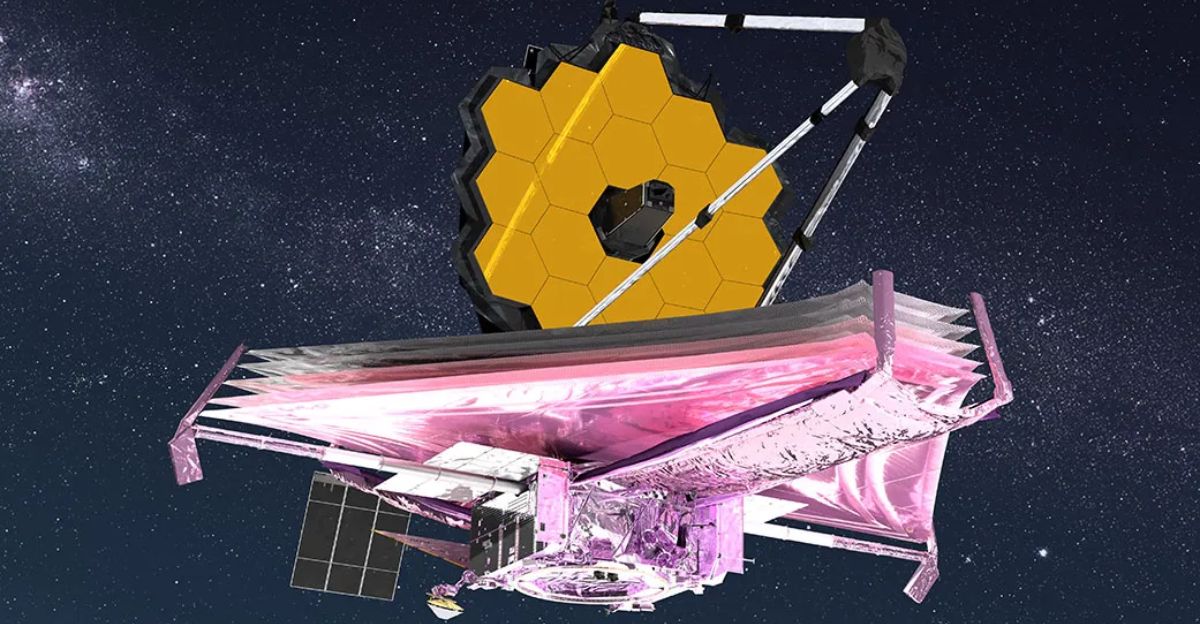
With JWST continuing to scan the universe, more surprises are expected. The discovery of this black hole could mark the beginning of a new era in cosmic exploration, revealing previously hidden aspects of the universe that have remained out of reach for decades.
How will this new knowledge impact the future of space exploration, and what breakthroughs await as we continue to push the boundaries of our understanding?
New Models for Early Universe Formation

Scientists are beginning to question previous models of early universe formation. The rapid growth of black holes in galaxies like CANUCS-LRD-z8.6 suggests that these processes might have unfolded much differently than anticipated.
Could the universe’s early years have been more chaotic than we imagined? If black holes could grow so independently, what else about the early universe is yet to be uncovered?
What This Discovery Means for Black Hole Research

The discovery of this overmassive black hole opens up a new chapter in black hole research. Scientists now face the challenge of understanding how black holes grew so rapidly in the universe’s infancy. Will future observations confirm this anomaly across more galaxies?
The implications of this discovery could change the very foundations of black hole research and cosmic history.
What This Means for Galactic Evolution Theories
This discovery has profound implications for our understanding of galactic evolution. If black holes can grow independently of their host galaxies, then our current models of galaxy formation and growth require a major revision.
Could this alter our perspective on the entire cosmic timeline? The study forces astrophysicists to rethink everything from star formation to galaxy interactions with black holes.
International Reactions to the Discovery

International astronomers and physicists are excited by the implications of this discovery. The team behind the study, including Roberta Tripodi and collaborators from the University of Ljubljana, has sparked new debates in the scientific community.
How will this discovery influence the direction of future astronomical studies? The global reaction shows the excitement and potential for future research in this field.
The Challenge Ahead
The discovery of this overmassive black hole raises as many questions as it answers. How did black holes grow so rapidly in the early universe? What physical mechanisms allowed them to accumulate mass faster than their host galaxies?
These questions are now driving a new wave of observational and theoretical work, as scientists race to explain one of the cosmos’s most puzzling phenomena.”
Cultural Shift in How We View the Universe
This discovery could lead to a shift in how we culturally perceive our place in the universe. As we learn more about the mysteries of black holes, it may spark a renewed sense of awe and curiosity about the cosmos, influencing both science and the public’s interest in space exploration. How might this discovery inspire the next generation of astronomers and scientists?
The Future of Cosmic Discovery: What’s Next?
The discovery of the black hole in CANUCS-LRD-z8.6 may be just the beginning of a new era in cosmic exploration.
As researchers continue to push the boundaries of what we know about the early universe, we may soon uncover even more profound truths about how the cosmos began. What other surprises await as we dive deeper into the mysteries of space?
Sources:
Nature Communications, November 2025 — “Extreme properties of a compact and massive accreting supermassive black hole at z=8.6”
ESA Webb Official News Release (WEIC2522), November 18, 2025
NASA Science Portal — Black Hole Existed 570 Million Years After Big Bang
Universe Today, November 18, 2025 — “The JWST Makes Some Headway Understanding Little Red Dots”
Space.com, November 20, 2025 — “James Webb Space Telescope spots rapidly feeding supermassive black hole in the infancy of the universe”
NASA Spaceflight.com, November 22, 2025 — “Webb discovers rapidly growing black hole in the very early universe”