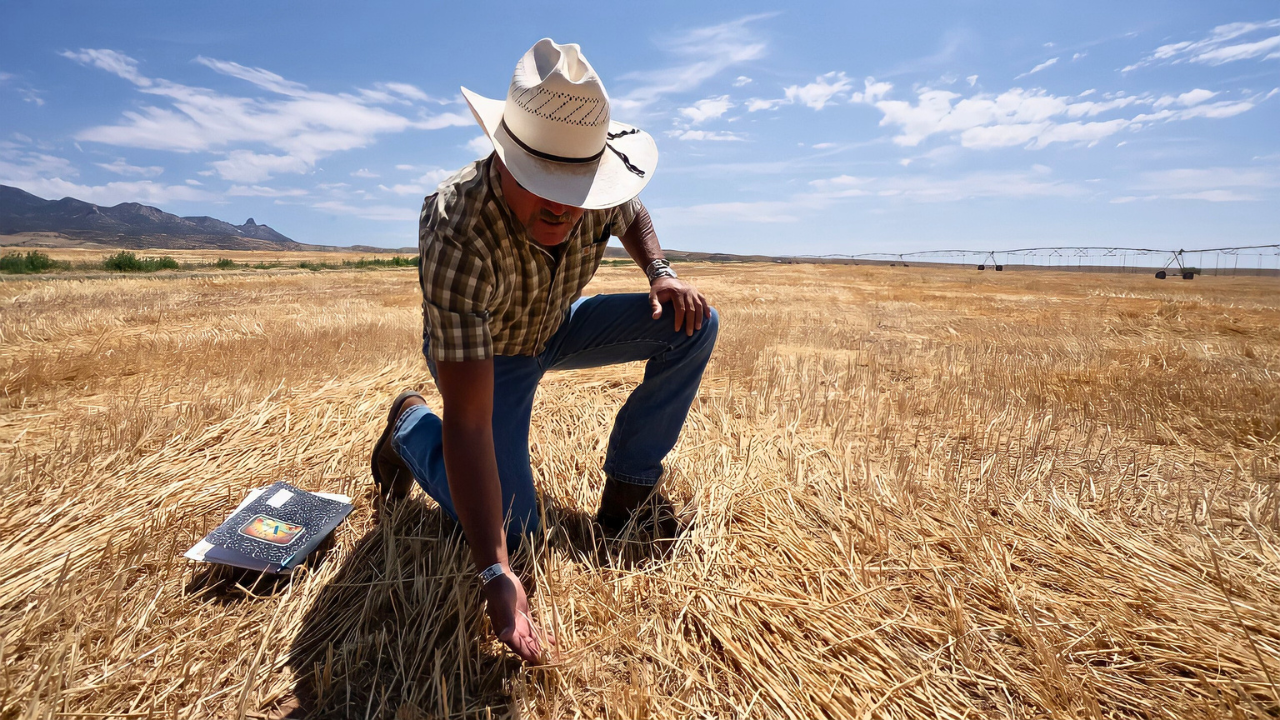
2025 has set a harsh precedent in Fauquier County, Virginia, where important crops have been severely impacted by unprecedented weather chaos. Fruit orchards and field crops have been devastated by an early March bloom, a damaging April cold snap, and then ongoing heavy summer rains and high humidity. Peach yields have decreased by 50%, while apple yields have decreased by about 70%. In certain situations, soybeans needed to be replanted two or three times.
Production was greatly impacted by this unusual weather pattern, which produced favorable conditions for fungal diseases. If these trends continue, these losses could push produce prices higher throughout the Mid-Atlantic region and jeopardize the livelihoods of local farmers. It was “one of the worst years” that growers like Tim Owhiler have ever witnessed.
Agriculture in the Historical Context of Climate
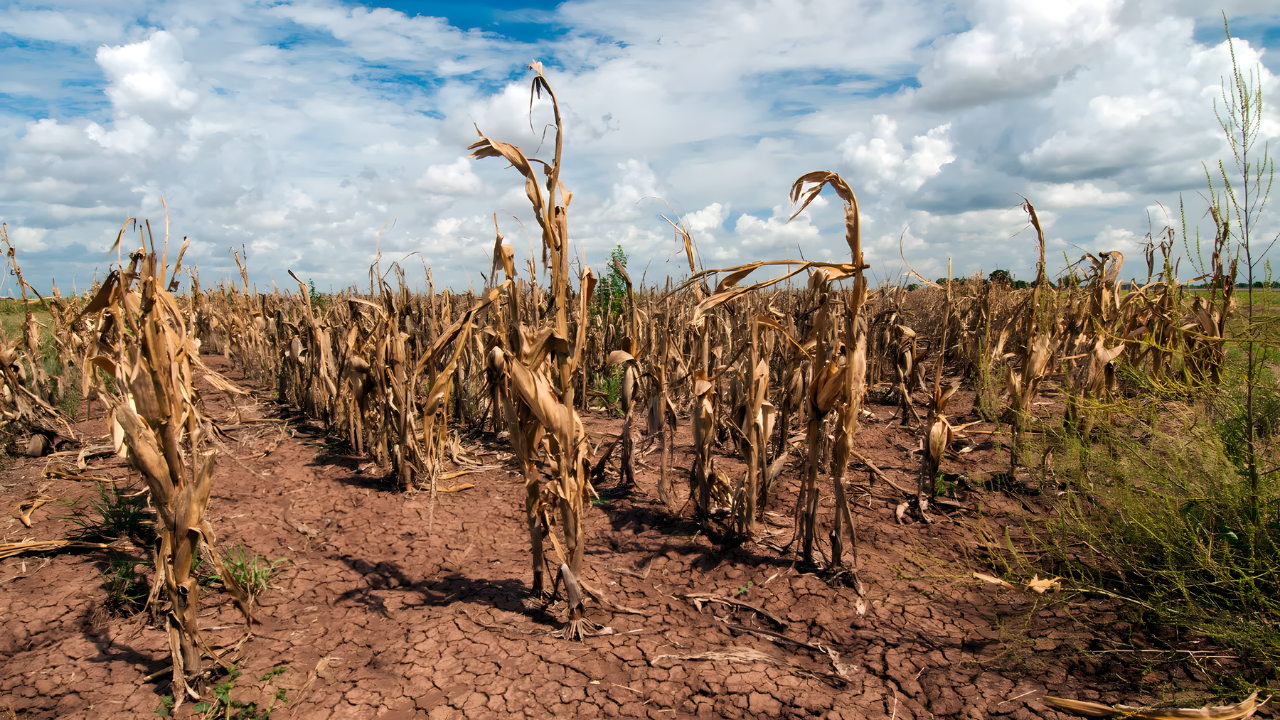
Extreme weather events like droughts, frosts, floods, and heatwaves have historically hindered agricultural productivity, resulting in crop failures and financial burdens. Similar severe disruptions in the past have led to changes in land use, migration, and food insecurity. However, a new and growing threat to farm stability is the swift escalation of weather extremes brought on by climate change.
The 2025 disruptions in Fauquier County, in contrast to isolated historic events, show a pattern of overlapping adverse events within a single growing season that increases risks beyond what many farmers have encountered in the past.
Weather Trends That Will Devastate Yields in 2025
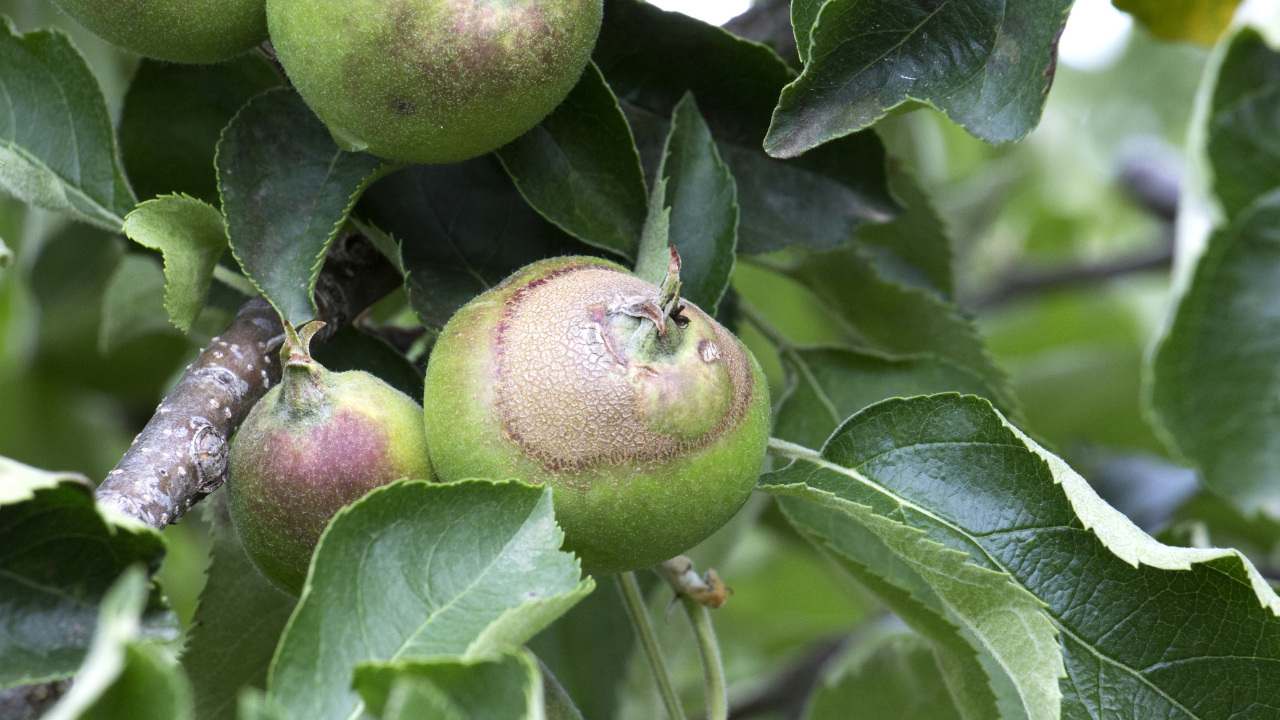
Apples, peaches, and other fruit crops suffered direct frost damage as a result of the early bloom in March, which left delicate fruit buds open to a late April freeze. Apple scab and peach leaf curl were among the fungal diseases that thrived due to the high humidity and subsequent heavy summer rainfall.
Due to these circumstances, soybeans and other row crops had to be replanted on a regular basis, which increased expenses and labor requirements. The threat to sustainability was exacerbated by the recurring wet stress, which also led to problems with soil fertility and nitrogen leaching.
Statistics and Impacts Particular to Crops
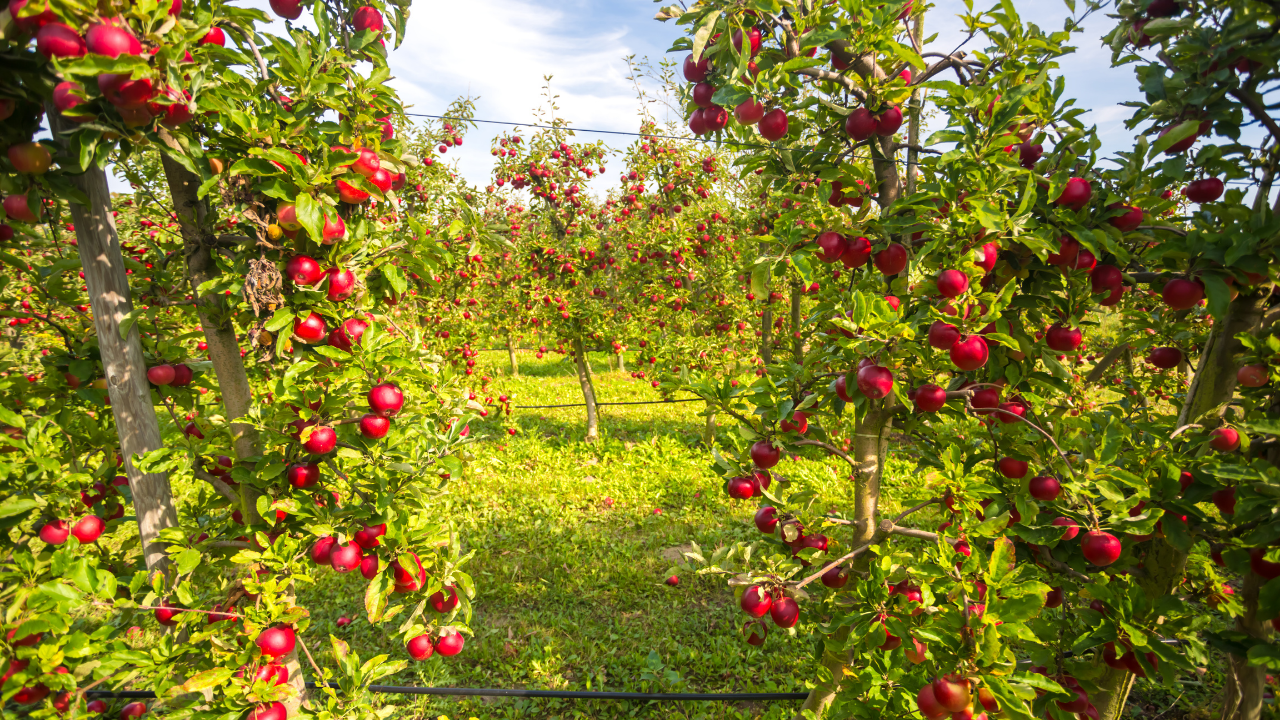
A devastating blow, considering the economic significance of apple orchards in Virginia and the larger Mid-Atlantic region, was the roughly 70% decrease in yields. Peaches did a little better, losing about half of their value. Multiple replantings were necessary for soybean fields, indicating instability and uncertainty for farmers who depended on a single growing season.
There was a systemic disruption across a variety of agricultural products, as evidenced by the decline in other crops such as apricots, corn, cherries, and pumpkins. The magnitude of the 2025 production crisis is clearly shown by these numbers.
Fungal Illness Weather-related Exploitation
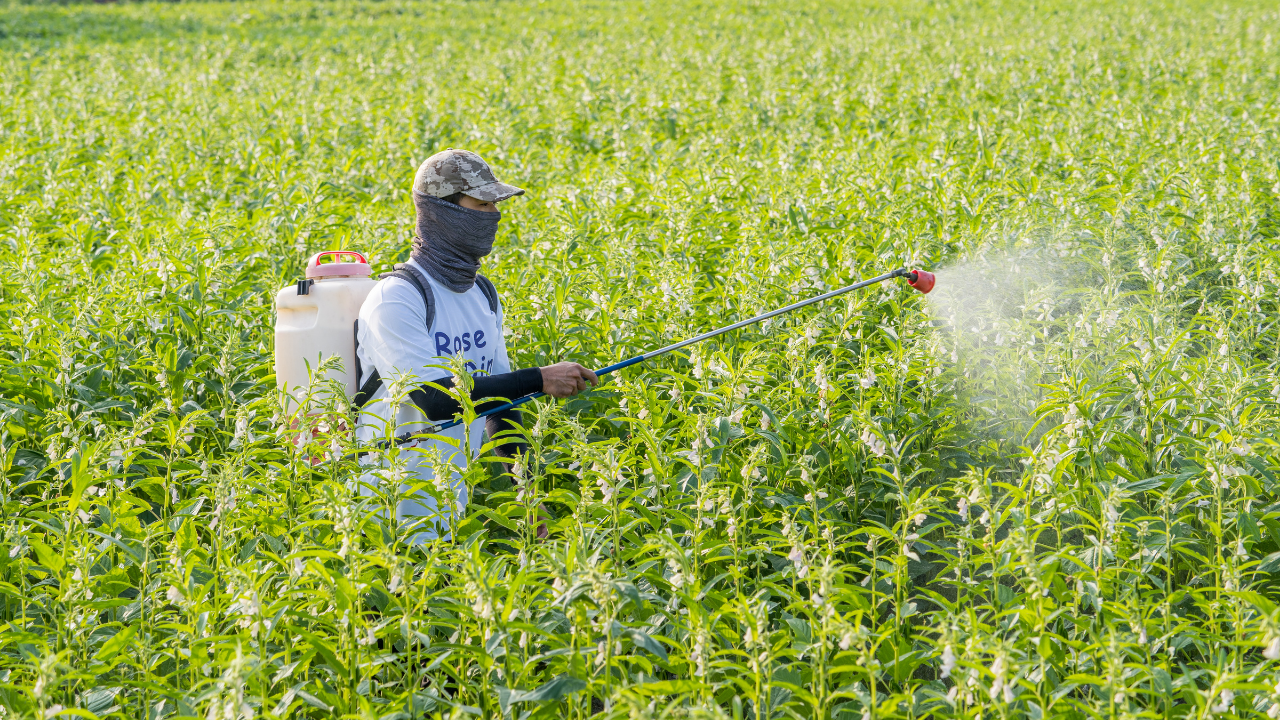
Three things must come together for fungal pathogens to flourish: a vulnerable host, the pathogen itself, and ideal environmental conditions, mainly moisture and humidity. The prolonged leaf-wetness period caused by the persistently rainy weather aided in the quick germination of fungal spores and the spread of disease.
Delays in fungicide applications and excessive infection pressure led to the spread of diseases like powdery mildew, apple scab, and others. This dynamic emphasized the need for novel disease forecasting and management models and revealed weaknesses in conventional crop protection techniques.
Financial and Economic Consequences
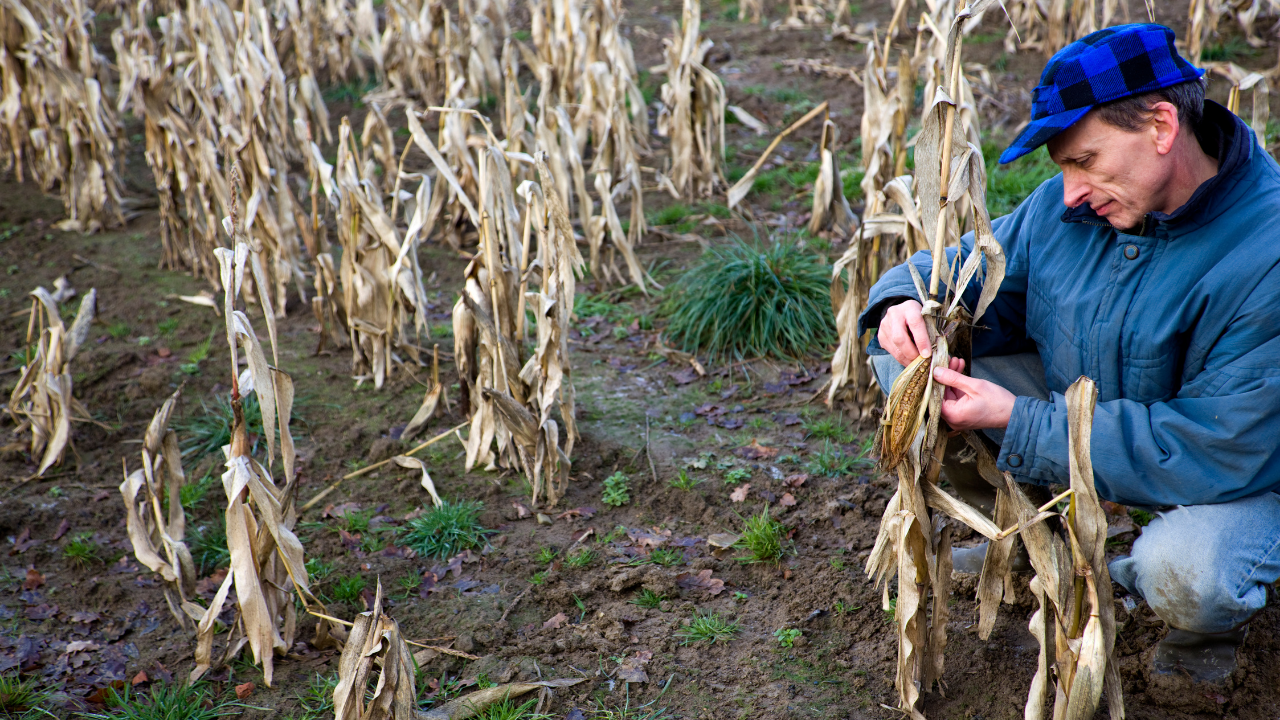
Farmers lose a lot of money as a result of crop failures brought on by bad weather. Repeated replanting raises input costs for labor, seeds, and agrochemicals, but yields are unpredictable. Reduced farm employment and lower tax revenues are two repercussions for local economies that rely on agriculture.
Due to supply constraints, consumer prices for produce, particularly apples and peaches, are expected to increase regionally, putting pressure on retail markets and household budgets. Affected farms and communities run the risk of experiencing long-term financial instability as a result of these disruptions.
Wider National and Mid-Atlantic Consequences
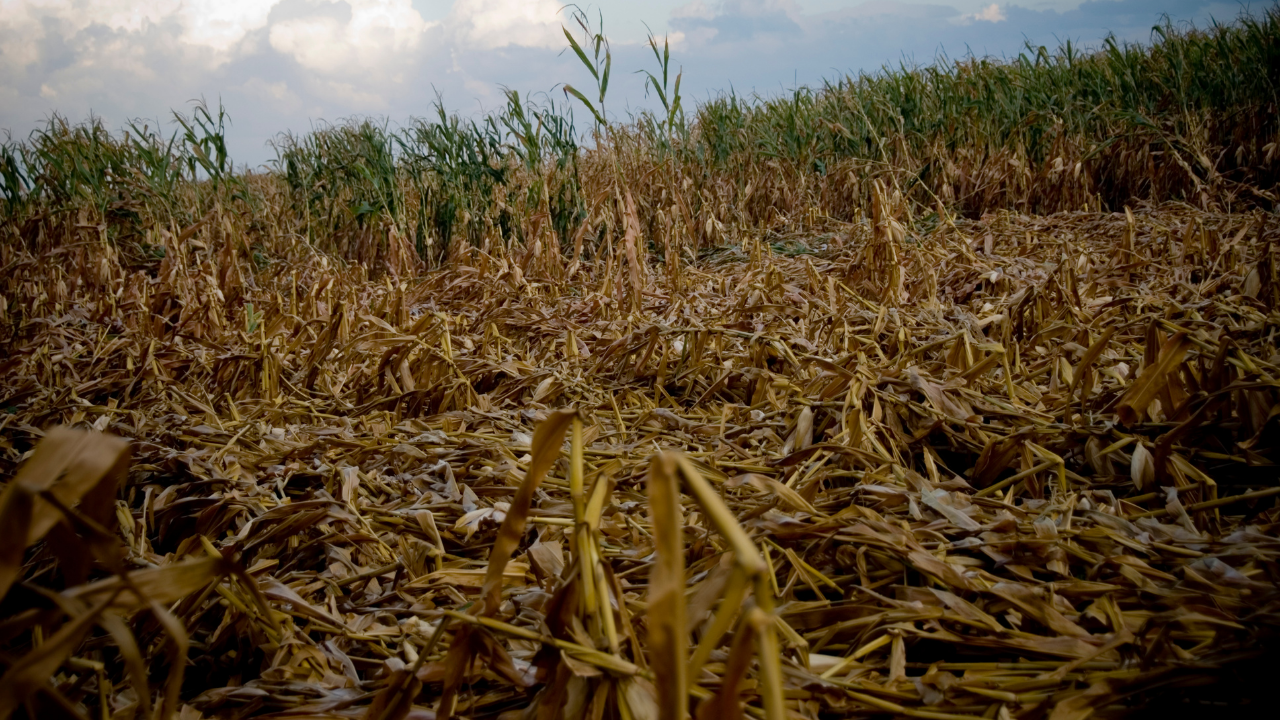
Beyond Fauquier County, the weather patterns destroy crops; reports of this have been made in North Carolina, West Virginia, and other Mid-Atlantic states. Due to wet, cold, and fluctuating weather, the USDA reports difficulties with corn, wheat, and other crops nationwide.
Although certain crops, such as potatoes and blackberries, have fared better, the general trend makes people more vulnerable and raises questions about national food security. The interdependence of climate stressors on agriculture and the necessity of coordinated adaptive responses are highlighted by these regional and national trends.
Discussions on Adaptation
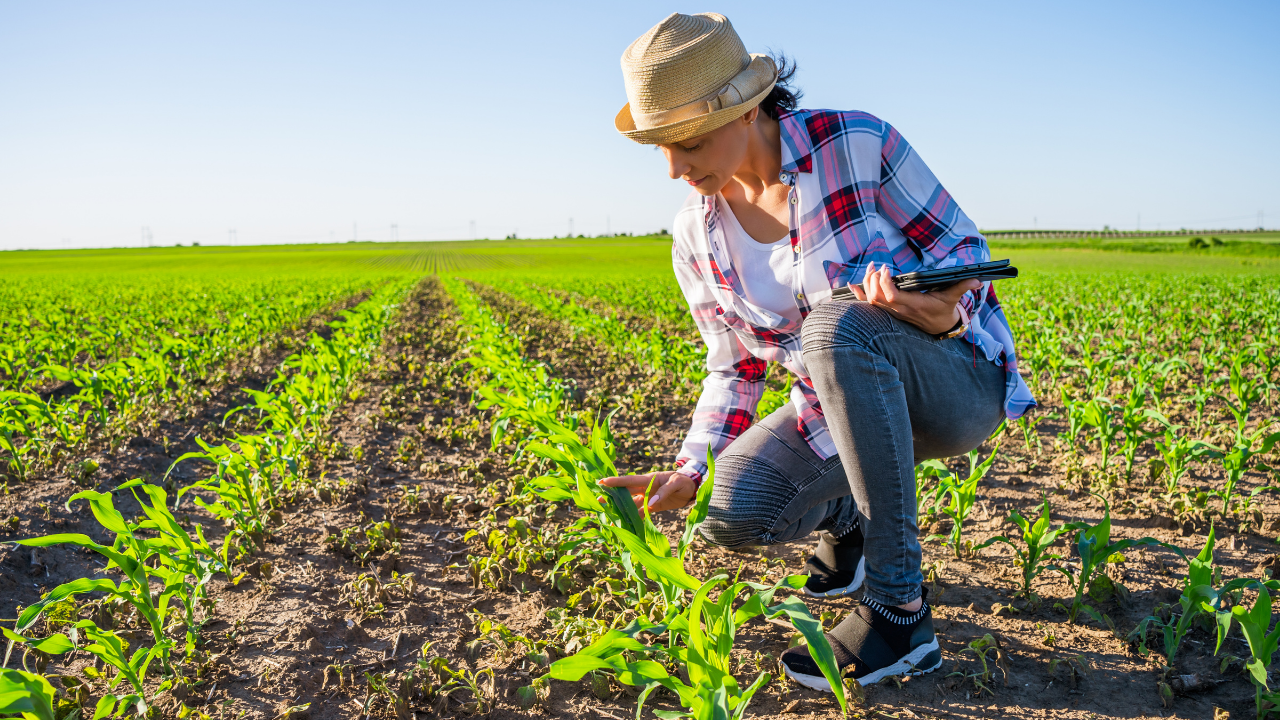
Current weather extremes, according to some experts, are destructive, but they are only short-term variations rather than a long-term change in agricultural viability. Others argue that it is no longer feasible to rely solely on conventional crop varieties and farming calendars without taking climate volatility into consideration. Debate over investments in precision agriculture technology, resilient seed strains, and crop diversification is fueled by this divide.
Some farmers support regenerative practices and other systemic changes, but they encounter knowledge and financial obstacles. These discussions and sectoral changes might be accelerated by the ongoing weather crises.
Possible Effects at the Second and Third Orders
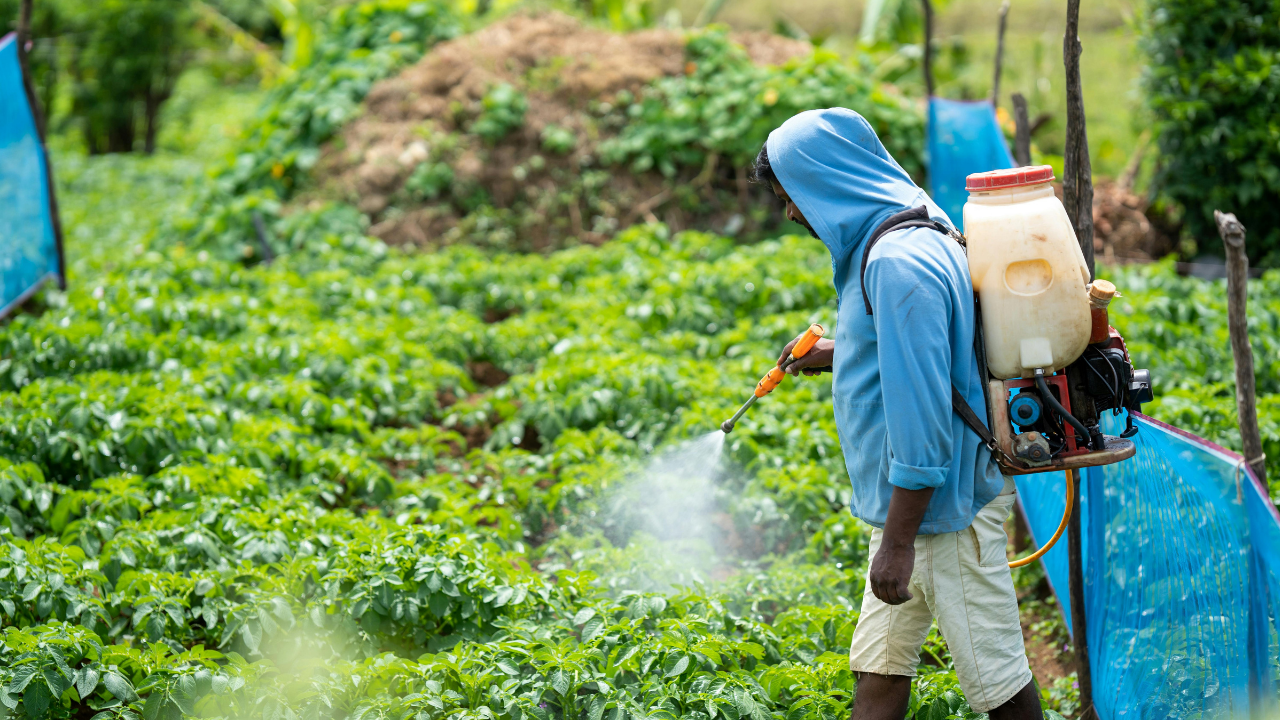
In addition to causing immediate crop losses, the ongoing weather chaos may have a domino effect on supply chain dependability, rural demographic shifts, and agricultural labor markets. Increased unpredictability may result in higher insurance premiums and lower farm lending. Increased import dependency or dietary changes brought about by rising produce costs could have an effect on biodiversity and regional food systems.
Agrochemical use may become more widespread as a result of an increase in fungal outbreaks, which could have negative effects on the environment and human health. Multidisciplinary approaches combining climatology, economics, and social policy are necessary to address these intricate feedback loops.
A Case Study of the Experience of Tim Owhiler
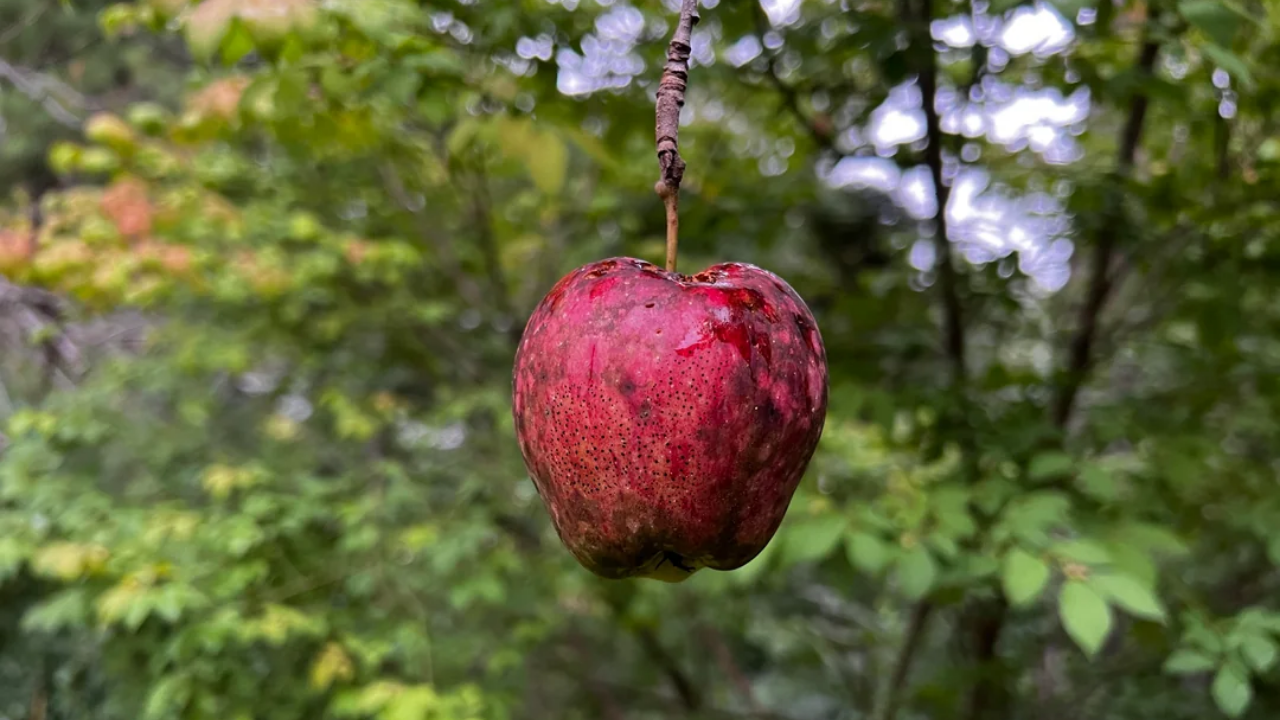
Fauquier County horticulture extension agent Tim Owhiler describes 2025 as one of the worst farming years ever. His reports include firsthand accounts of labor-intensive crisis management, severe fungal infections in orchards, and numerous soybean replantings.
His observations offer a detailed look at the psychological, financial, and physical costs farmers face when dealing with erratic and severe weather shocks. Case studies like Owhiler’s highlight the human side of statistics and highlight how urgent it is to give agriculture new support and innovation.
Historical Similarity to the Dust Bowl of the 1930s
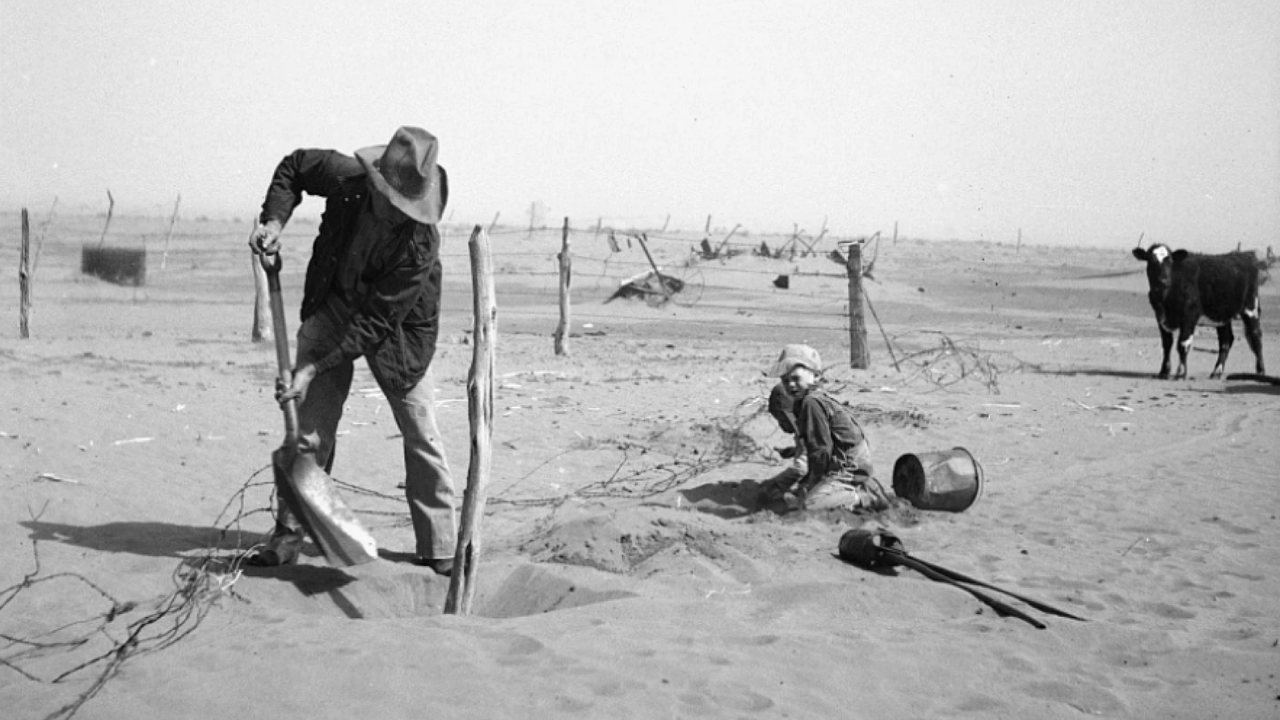
Even though the Dust Bowl was mostly caused by wind and drought, its lessons are still relevant today because it was a catastrophic climate shock that resulted in mass migration and widespread agricultural collapse.
Today’s growers deal with environmental extremes that disrupt livelihoods and the fabric of communities, much like farmers did in the 1930s. In contrast to the Dust Bowl era, modern farmers must adjust to the rapidly changing climate and international markets. In order to avert a contemporary agricultural crisis, this historical account emphasizes the significance of scientific progress, policy support, and resilience.
Creative Reactions in Agriculture

Precision irrigation, crop varieties resistant to disease and drought, and sophisticated weather forecasting technologies are some of the new tactics being used to combat this type of weather-driven damage.
Using real-time disease forecasting models, digital agriculture tools can optimize the timing of fungicide applications. Initiatives to improve soil health concentrate on microbial diversity and organic matter as a buffer against the effects of weather. Agroforestry and crop diversification are two promising approaches to boosting ecological resilience. For these strategies to scale successfully in areas like Fauquier County, funding, training, and legislative incentives are needed.
Impact on the Mind and the Community
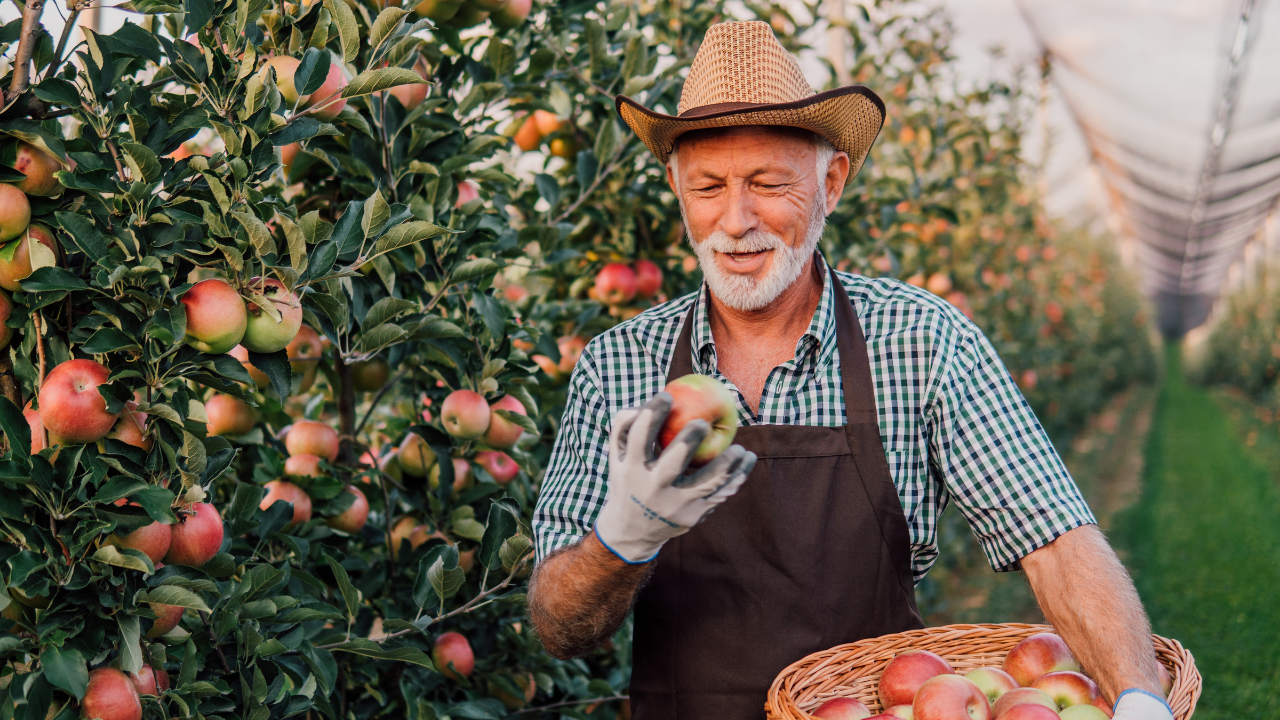
Farmers’ mental health is greatly impacted by the constant stress of erratic weather and financial instability, which increases anxiety, depression, and burnout. Social cohesion is put to the test in farming-dependent rural communities as families struggle financially.
Peer support networks and mental health awareness are becoming more and more important to agricultural NGOs and extension services. In order to sustain farming communities through these difficulties, psychological resilience is increasingly becoming just as important as agronomic resilience.
More General Market and Environmental Trends
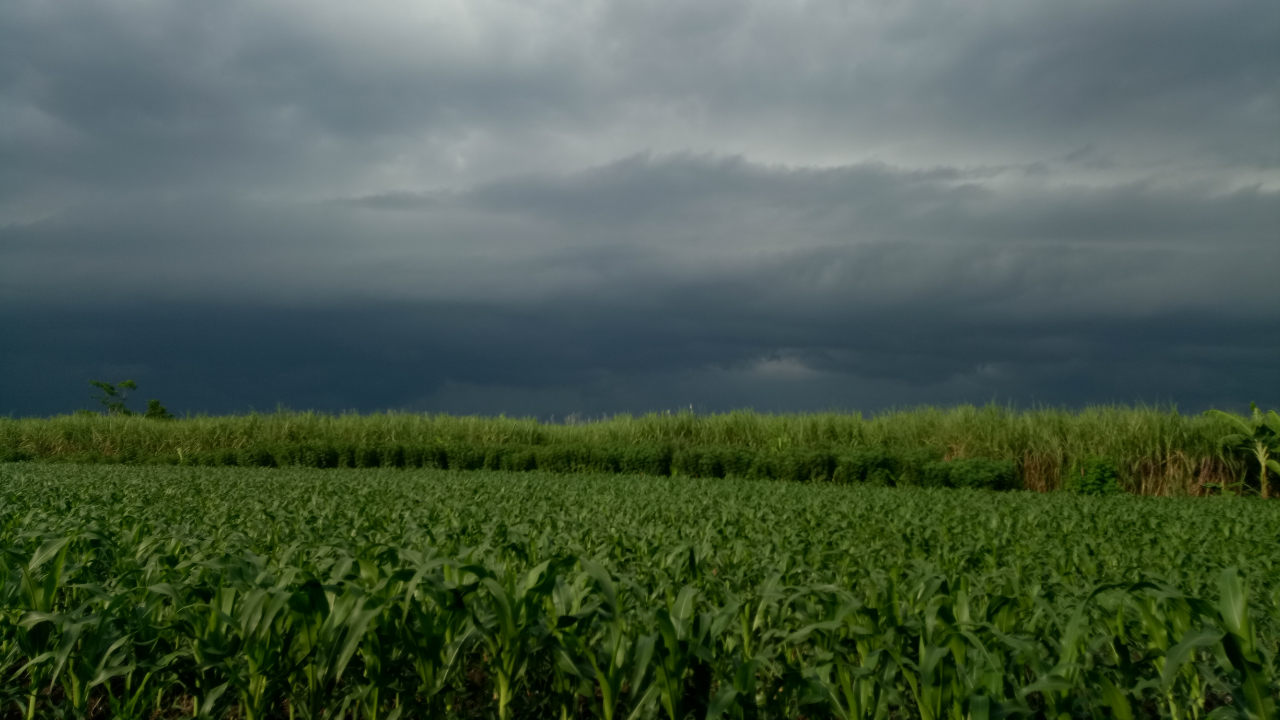
Weather extremes brought on by climate change increase the strain on the world’s food systems, making vulnerabilities and injustices worse. International trade and food aid systems may be strained by simultaneous disruptions in several regions. Immediate shortages may clash with consumer demand for sustainably grown produce, necessitating careful market and policy responses.
Environmental deterioration is a risk associated with the increased use of agrochemicals to control fungal outbreaks. These patterns highlight the pressing need to combine sustainable farming methods with climate adaptation.
In Conclusion
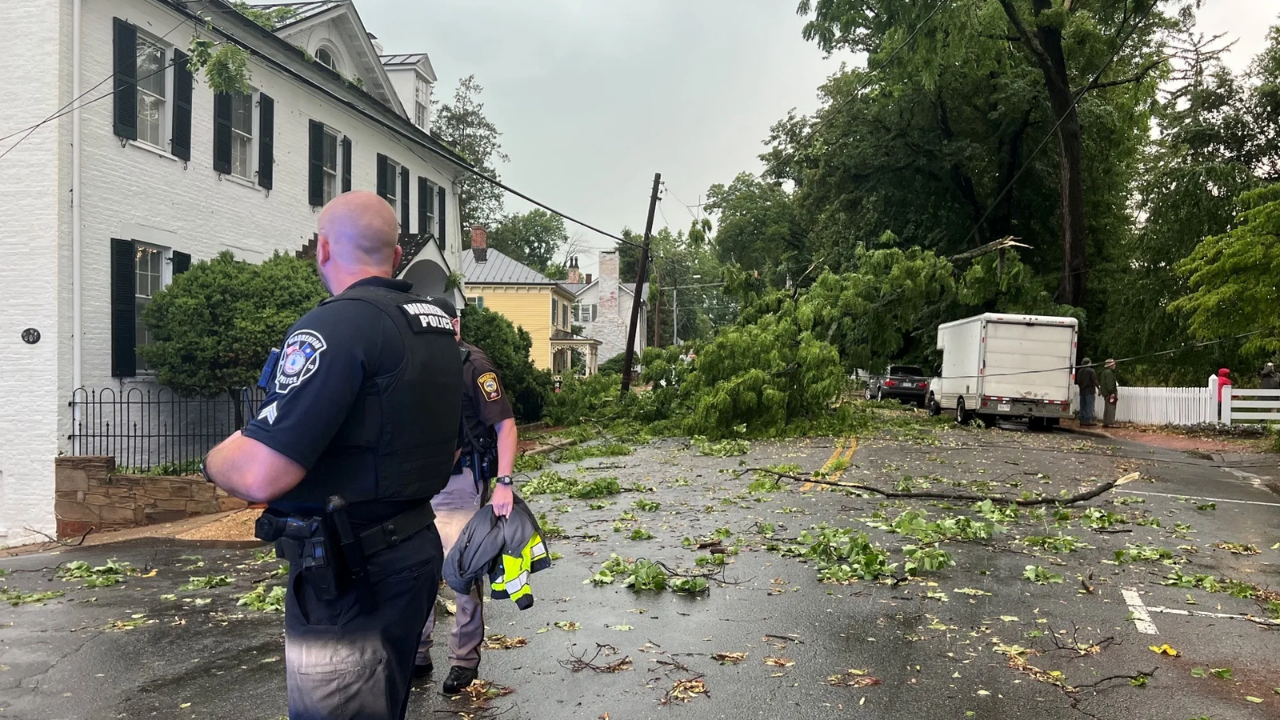
Fauquier County’s weather chaos in 2025 is a prime example of a growing global trend in which unpredictable and extreme weather threatens food security, farmer livelihoods, and crop yields. Devastating effects exacerbated by fungal diseases were produced by the combination of early bloom vulnerability, late frosts, and extended wet conditions.
These difficulties portend ongoing volatility, necessitating community resilience, financial assistance, and agricultural system innovation. Inaction will have repercussions that go beyond farms to rural communities and regional food markets, highlighting the urgent need for strategic adaptation to a changing agricultural climate.