
The explosion that killed Colombian fisherman Alejandro Andres Carranza Medina in Caribbean waters on 15 September 2025 has grown into a high-stakes regional dispute over the use of lethal force at sea. His widow and four children have now taken the unusual step of filing a murder complaint against U.S. Defense Secretary Pete Hegseth before the Inter-American Commission on Human Rights, turning a single boat strike into a broader challenge to U.S. conduct in anti-drug operations.
Why a Boat Strike Is Branded an Extrajudicial Killing
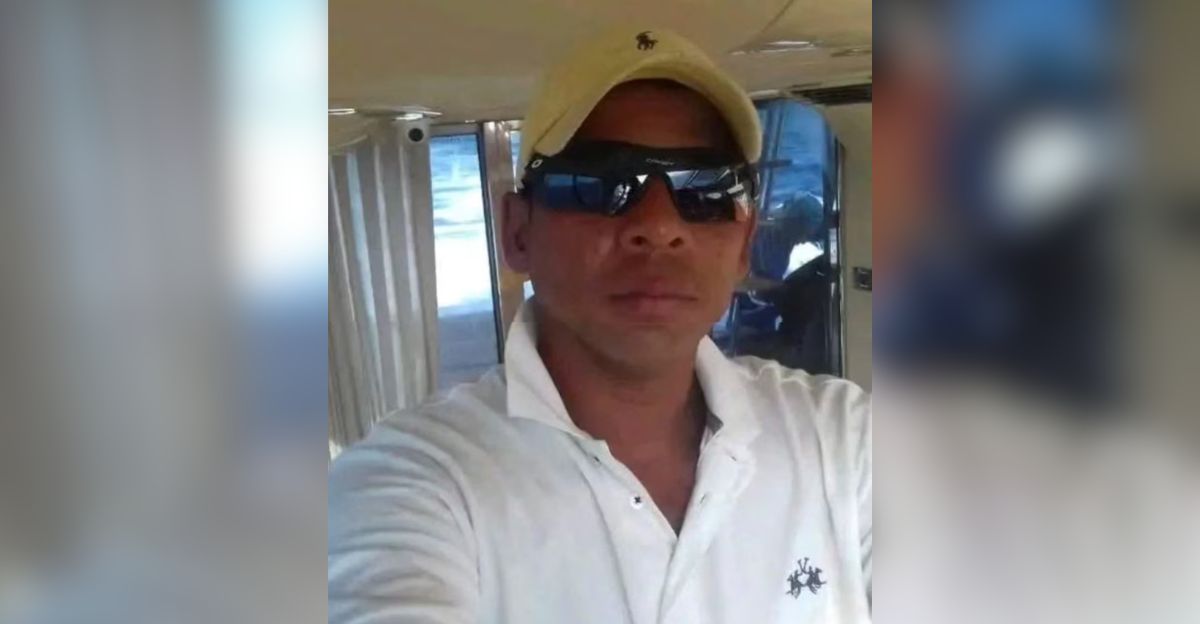
On 3 December 2025, Carranza’s family submitted a petition to the Inter-American Commission on Human Rights (IACHR) alleging that the strike that destroyed his fishing boat amounted to an extrajudicial killing. The complaint argues that Hegseth ordered “kinetic interdiction” attacks against vessels like Carranza’s without first confirming that those on board were narcotraffickers or otherwise legitimate military targets.
According to the filing, Carranza was operating an unarmed civilian fishing boat when U.S. forces launched a second blast that destroyed the vessel and killed him. The petition states that this use of force against an unarmed, non-combatant target violates international human-rights protections. It also alleges that President Donald Trump ratified Hegseth’s actions, placing the strike within a chain of decisions made at the highest levels of the U.S. government.
The Family’s Loss and Local Fallout
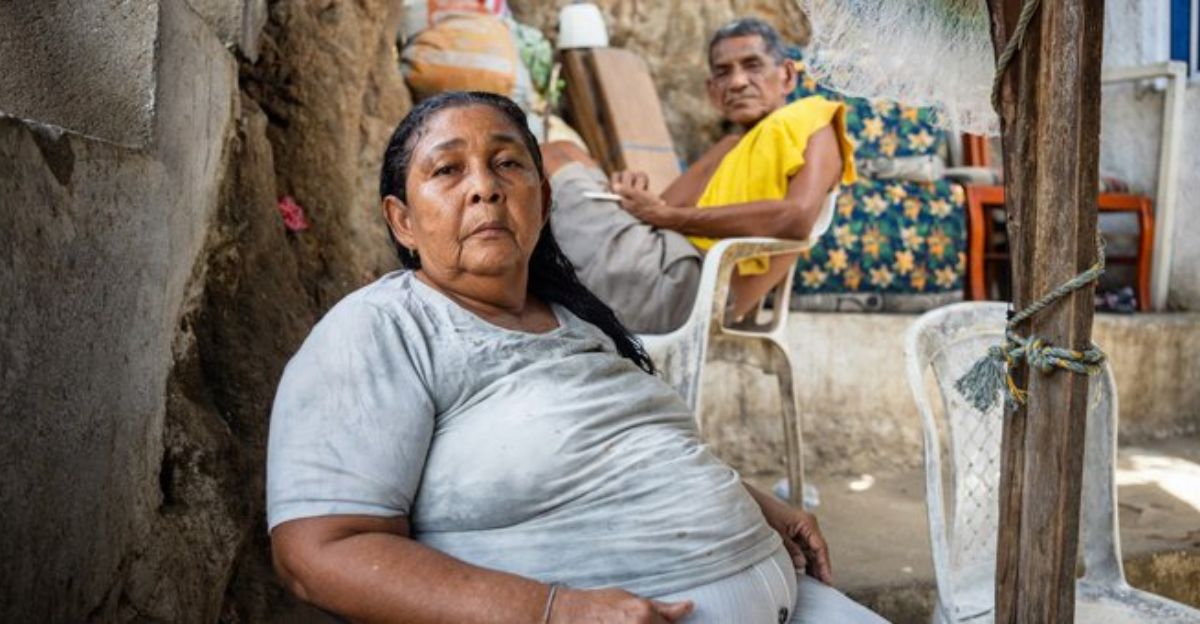
Carranza, 42, was the main provider for his coastal household in Colombia. His death has left his widow and four children facing severe financial hardship along with intense emotional trauma. Their lawyer says the children’s lives have been “turned upside down,” and relatives report receiving threats since they began speaking publicly about the incident.
Beyond the immediate family, the destruction of Carranza’s boat has shaken other small-scale fishers who work the same waters. Many depend on daily catches of marlin, tuna, and other species for survival. The complaint contends that when interdiction missions rely on weak intelligence and fast-strike protocols, civilian crews working near trafficking routes may be wrongly targeted. Local anxiety has reportedly increased, with some fishermen now wary of going into productive but heavily patrolled areas.
A Wider Campaign Under Scrutiny
The 15 September blast that killed Carranza was part of a broader U.S. maritime crackdown in the Caribbean, described in the complaint as a “kinetic interdiction” campaign. The family’s filing says Hegseth, who became defense secretary on 25 January 2025, oversaw and authorized these operations as part of a push to increase U.S. military “lethality.”
Their case also highlights an earlier incident on 2 September 2025, when a U.S. strike hit another vessel in the region. Two people reportedly survived the initial explosion but were later killed after what the complaint describes as a verbal order attributed to Hegseth. The petition presents this episode as evidence of a pattern of conduct rather than an isolated error, alleging that key operational decisions were given without written records, raising concerns about oversight and command responsibility.
The controversy intensified when President Trump initially announced that those killed in the September 15 strike were Venezuelan nationals. Colombian officials quickly corrected the record, confirming that the dead were Colombian citizens, including Carranza. For his family, that misstatement is further proof that U.S. authorities lacked accurate information on who was aboard the targeted boat when lethal force was used.
Legal Limits, Diplomatic Pressure
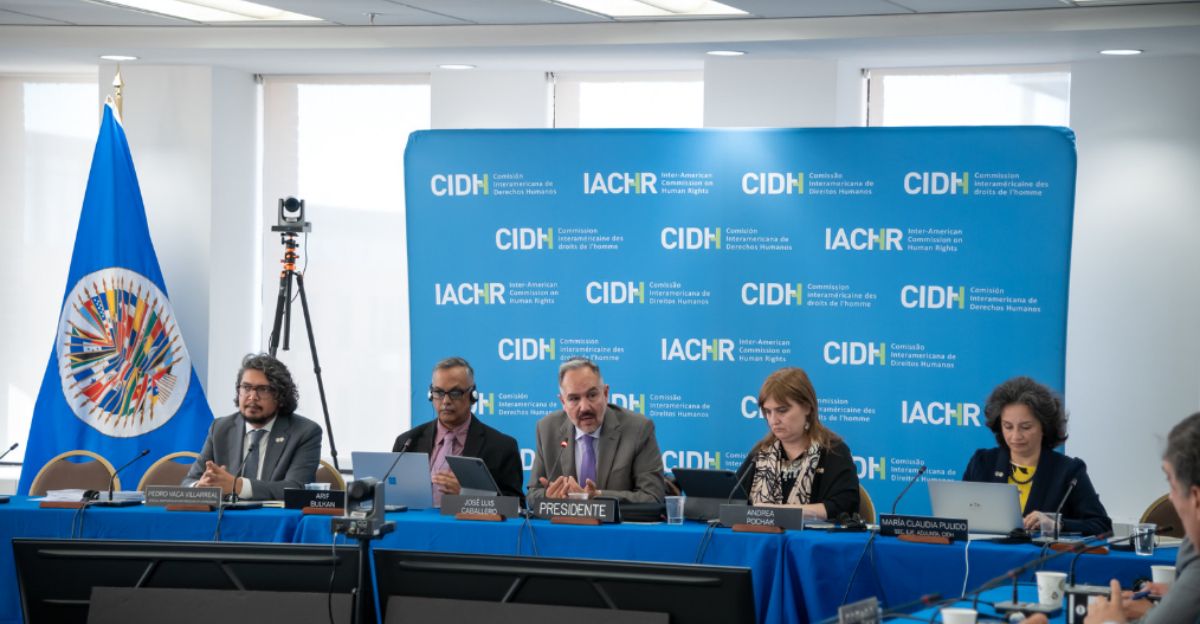
The IACHR now must decide whether to formally admit the complaint and open an investigation. The regional rights body can gather testimony, assess evidence, and issue findings and recommendations, including calls for reparations or policy changes. But its decisions are not legally binding on member states, and it has no power to compel the United States to participate or comply.
Even so, the petition accuses Washington of breaching prohibitions on extrajudicial killings and failing to meet international human-rights and humanitarian law standards that require states to distinguish civilians from combatants. Rights advocates say the case echoes long-running concerns about targeted killings outside conventional war zones, where operations often rely on fragmented intelligence and broad executive authority.
If the Commission pursues the case, it is expected to examine how the Pentagon applied rules of engagement during the September 2025 interdiction missions, including what intelligence was used to classify vessels as trafficking targets and what steps were taken to avoid civilian casualties. Any critical findings would not dictate U.S. policy, but they could increase diplomatic pressure and strengthen calls within the United States for clearer verification procedures and more rigorous documentation of lethal operations.
Potential Ripple Effects Across the Caribbean
The stakes extend beyond one family and one government. Many Caribbean and Latin American countries depend on cooperation with U.S. agencies for maritime patrols and counter-narcotics missions. Allegations that U.S. forces killed Colombian civilians and misidentified their nationality could complicate those partnerships, especially if domestic audiences in the region come to see joint operations as dangerous for local crews.
Economic consequences may also follow. Reports of civilian fishing boats destroyed in military actions can prompt insurers to reassess risk in affected waters. Higher premiums or tighter coverage for small commercial and fishing vessels would hit coastal communities that are already economically fragile. Some fishermen may choose to avoid areas where traffickers and patrols intersect, sacrificing more lucrative grounds for safety and placing further stress on family incomes and local markets.
For Colombia, the case touches on citizen protection, economic security, and the terms of its security relationship with Washington. For the United States, it raises political questions for both President Trump and Secretary Hegseth, who are accused respectively of ratifying and ordering lethal actions without adequate identification of those targeted.
As the IACHR weighs whether and how to move forward, Carranza’s death is poised to become a test of how far regional institutions can go in scrutinizing the conduct of a major military power. Whatever the ultimate legal outcome, the complaint has already focused attention on the risks faced by civilians in maritime interdiction zones and may influence how future operations across the Caribbean weigh rapid action against the duty to safeguard non-combatants.
Sources:
Colombian family files first known formal complaint over (CNN, Dec 2, 2025)
Family of Colombian man killed in U.S. strike in the (NBC News, Dec 3, 2025)
Family of Colombian man killed in U.S. boat strikes files (The Washington Post, Dec 3, 2025)
Family of Colombian killed in boat strike takes US to rights (TRT World, Dec 2, 2025)
Family of Colombian Man Killed in Boat Strike Files (Truthout, Dec 2, 2025)