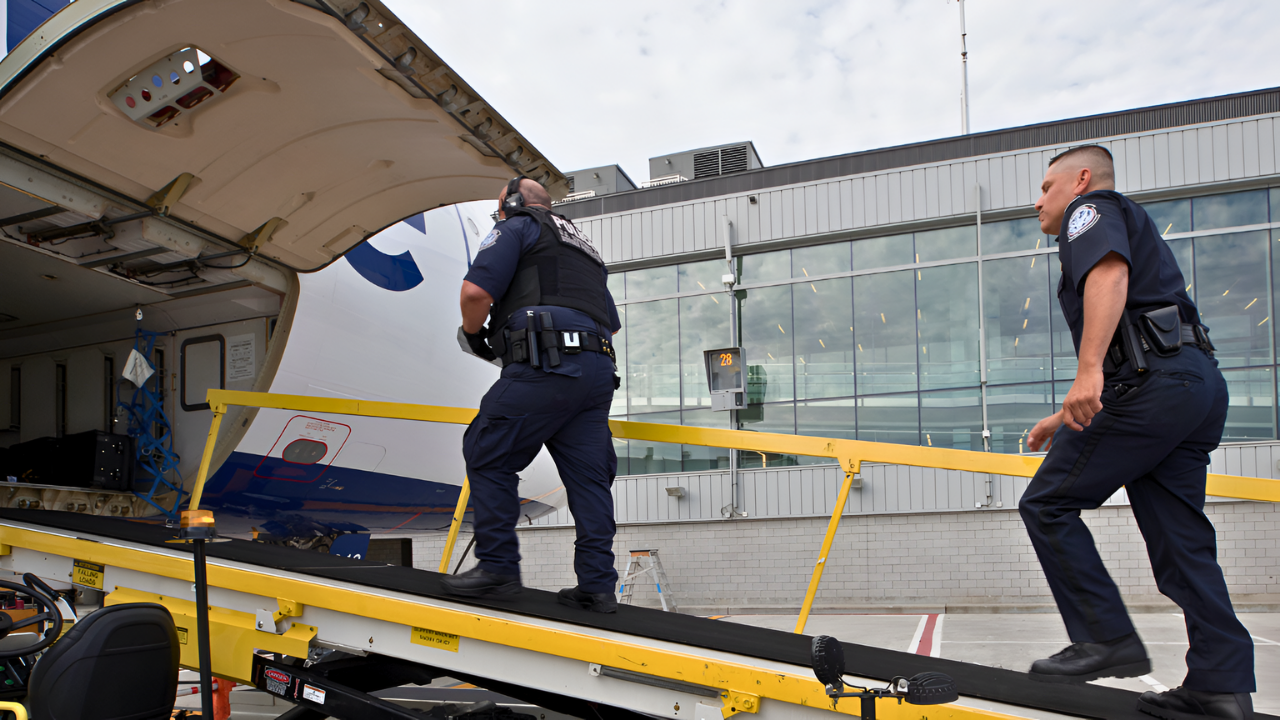
Rewritten Article: Russian ‘Gig-Worker’ Saboteurs Target US-Bound Flights
On July 20, 2024, a container of parcels erupted in flames at Leipzig Airport, right before it was set to be loaded onto a cargo plane.
This was no accident; it was part of a planned sabotage aimed at disrupting global logistics. The next day, a similar fire ignited near Warsaw, followed by another on July 22 in Birmingham. What was behind these fiery explosions, and how are they connected?
Shadow War Origins
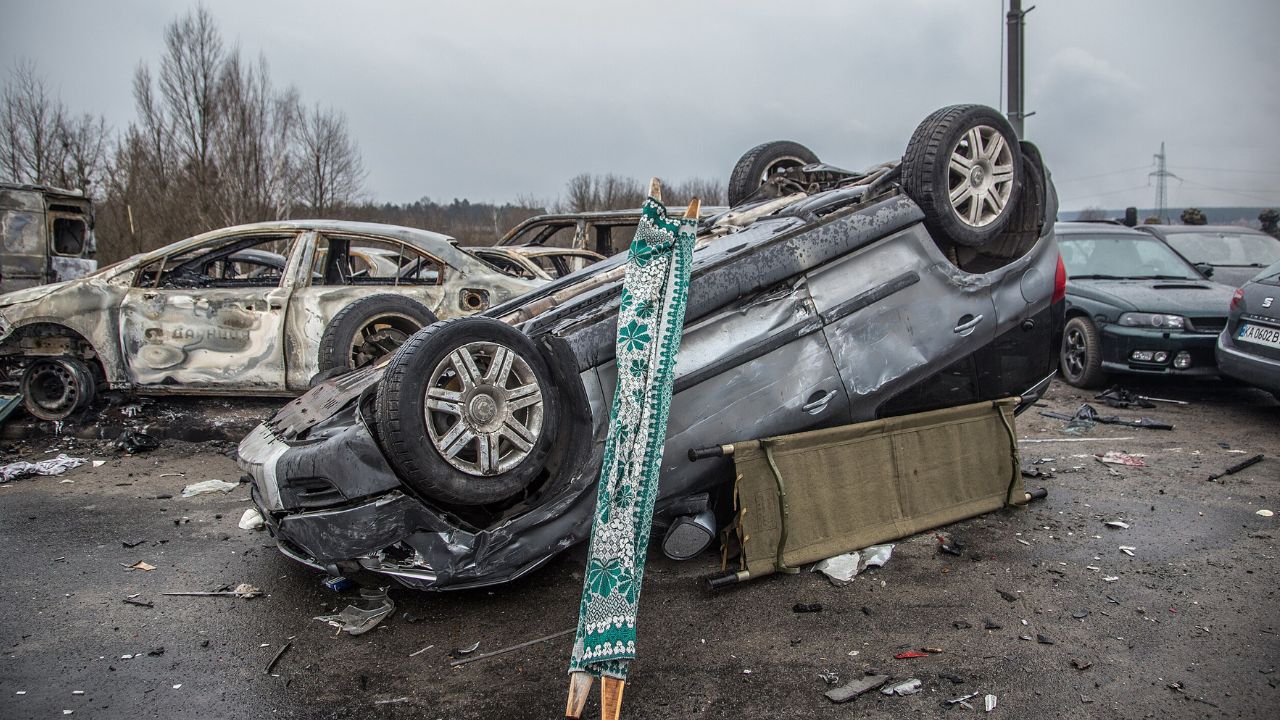
The surge in Russian sabotage activities started in the aftermath of the 2022 Ukraine invasion, with attacks increasing from 2022 to 2023. Intelligence sources point to Russia’s GRU as the orchestrator.
Although these attacks are low-tech, they are calculated to leave no trace to the Russian government, enabling Moscow to deny involvement. This campaign is seen as one of the most significant threats to Europe since the Cold War.
Escalating Tactics
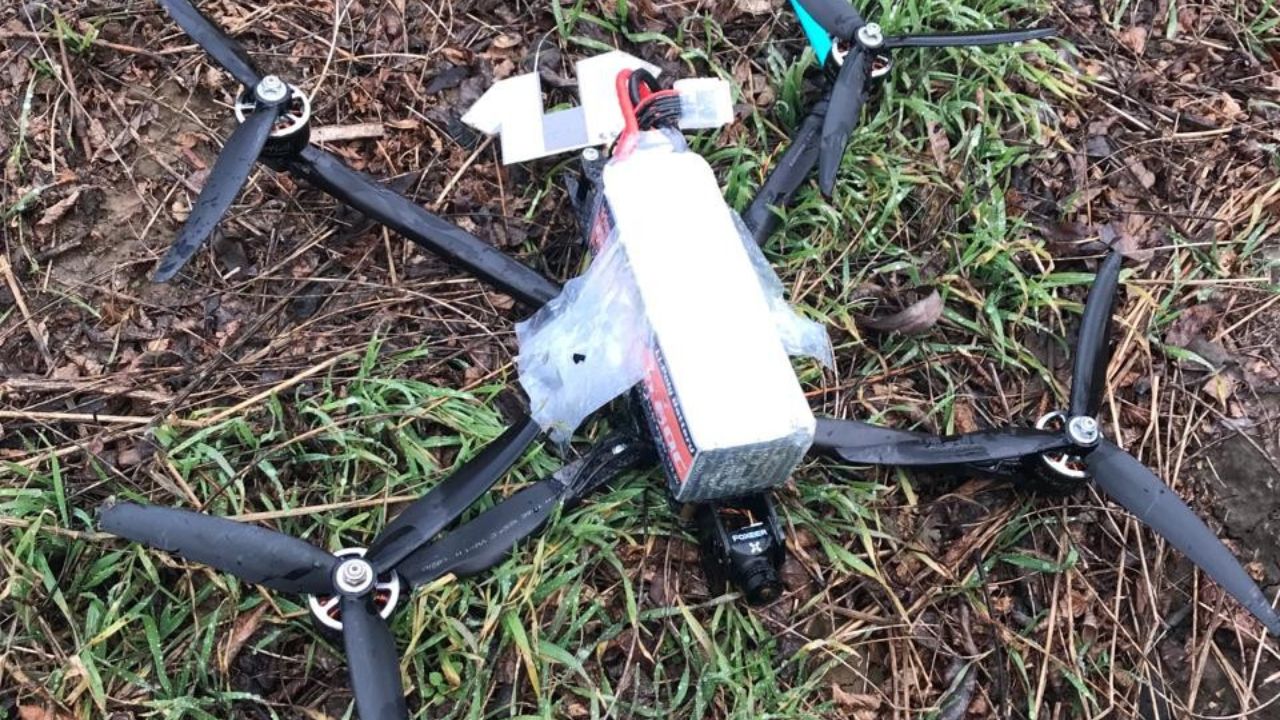
Russia’s sabotage strategy has evolved from covert strikes to direct attacks on NATO’s critical infrastructure. Undersea cables in the Baltic, Polish railways, and Finnish water treatment plants have been targeted.
Multiple drone incidents have entered Polish airspace as part of the escalation. These are designed to disrupt logistics, sow chaos, and destabilize NATO defenses, raising major concerns about Europe’s long-term security.
Cargo Bomb Plot

A series of targeted fires in Europe’s logistics hubs—Leipzig, Warsaw, and Birmingham—revealed a dangerous sabotage plot. These incendiary devices were set to target cargo flights bound for the U.S. and Canada.
Intelligence officials warned that the attack could have been catastrophic. The aviation world now faces a new type of threat—low-tech sabotage designed to disrupt global shipping and aviation security.
Aviation Fallout
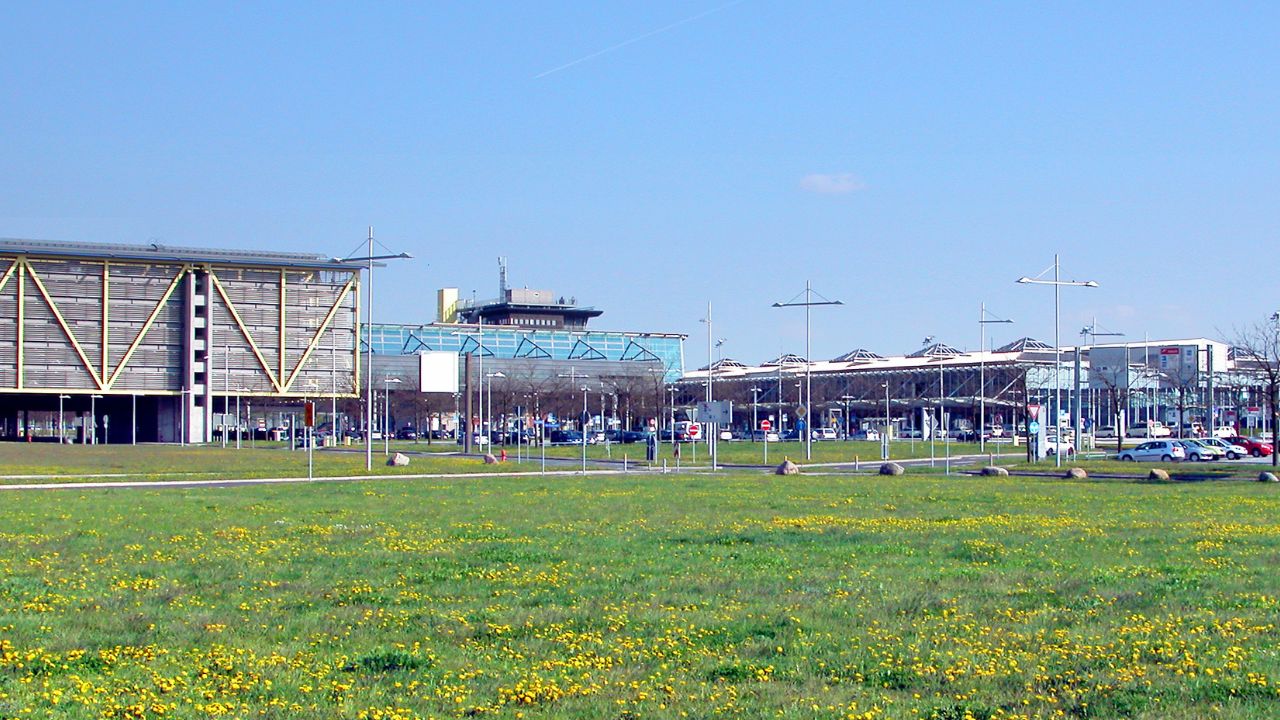
The fires at DHL facilities, crucial for cargo shipments, severely disrupted air travel. Leipzig’s operations were hit hard, risking massive delays.
NATO and EU authorities ramped up surveillance in response, but the scale of the attacks left many wondering if this was just the beginning of a new pattern of threats to aviation. How will global aviation adapt to these evolving dangers?
Young Recruits and Sabotage

The sabotage effort has also seen the rise of recruited saboteurs, many paid for quick cash. Young and adult operatives have been recruited via Telegram and other platforms for Russian intelligence operations.
More than 30 operatives—including nationals from Poland, Russia, Ukraine, Belarus, and other countries—have been caught or faced charges in Europe, including four arrested specifically for the cargo plot, with two others still being searched for internationally. But how many others are still at large?
Experts Sound the Alarm
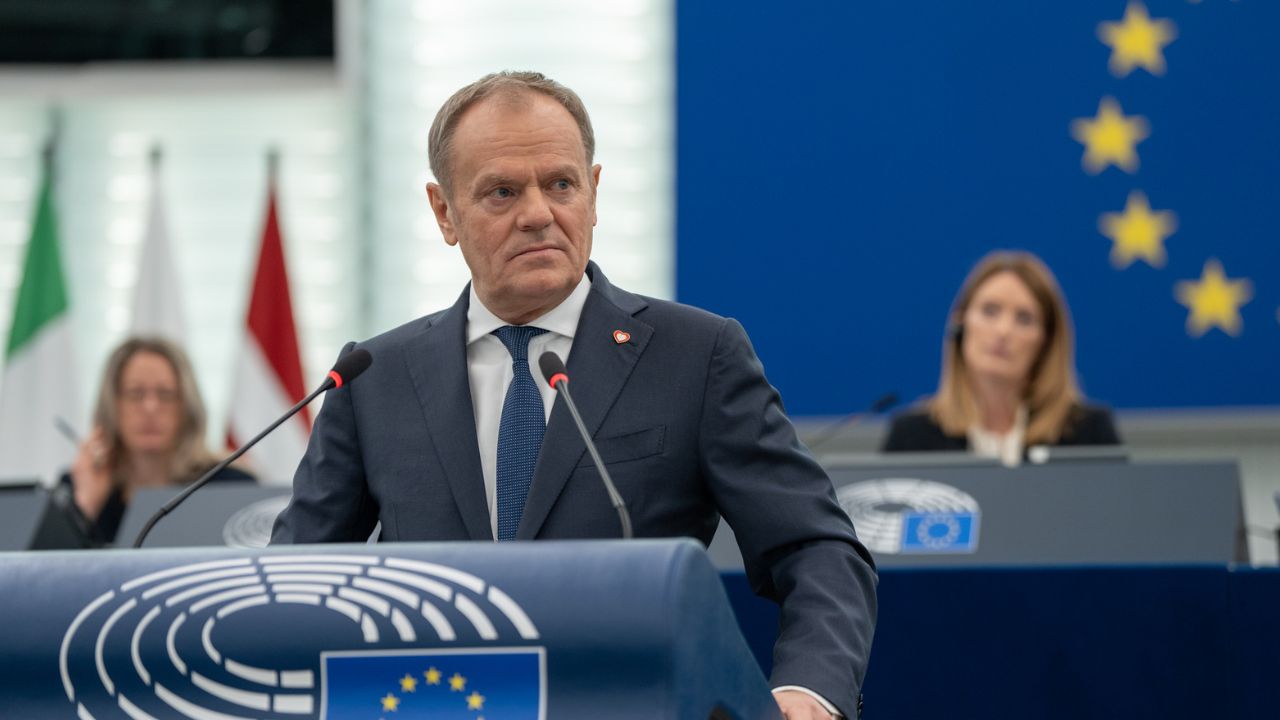
Security experts have expressed grave concerns about Russia’s sabotage activities. British intelligence agencies, Western security officials, and various European leaders have called these actions reckless and dangerous.
Polish Prime Minister Donald Tusk described recent acts of sabotage as unprecedented. As the sabotage campaign intensifies, Europe faces an increasingly alarming situation with no clear resolution in sight.
NATO’s Baltic Sentry Response

In January 2025, NATO launched the Baltic Sentry operation to address the escalating sabotage threats targeting critical infrastructure. The operation primarily focuses on monitoring undersea cables and critical infrastructure vulnerable to deliberate damage.
However, despite these efforts, sabotage attacks continue, and NATO has had to ramp up defenses and cyber operations. Will this be enough to stop Russia’s growing campaign?
The Triple Threat
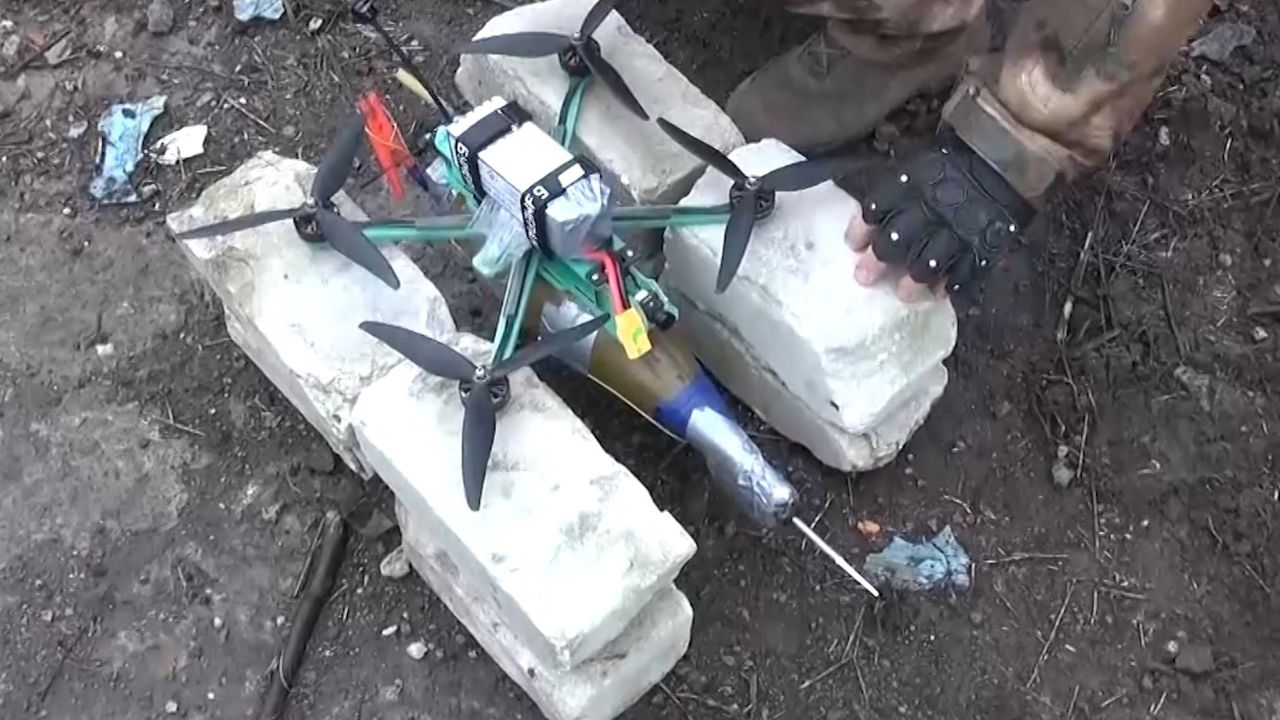
Russian sabotage incidents escalated significantly in 2024 compared to the previous year. From 12 documented attacks in 2023, the total reached 34 in 2024.
The attacks, which have targeted government and transport infrastructure, use simple methods to avoid detection. As the frequency and scale of these attacks grow, is this the new normal for hybrid warfare in Europe?
Water Treatment Scare
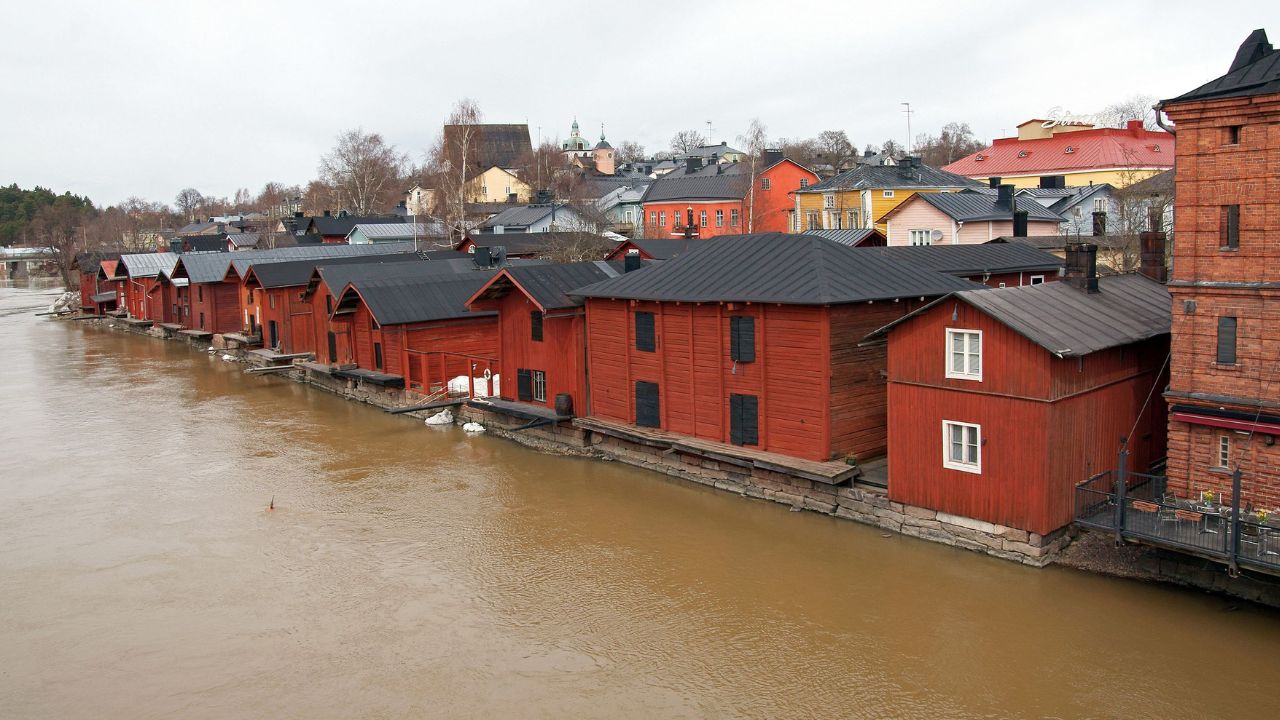
One of the most concerning sabotage efforts occurred in Finland, where water treatment facilities were broken into, raising fears of contamination. While the Russian connection is still being investigated, the attack mirrors previous infrastructure-targeted plots.
If Russia is behind these efforts, its reach is broader than initially thought, extending to vital infrastructure like water treatment plants. How much damage is still lurking beneath the surface?
The Morality of Gig-Worker Saboteurs

Many of the operatives recruited for sabotage are driven by money rather than ideology. This has led to tensions within Russia’s covert network. Some operatives are speaking out against their exploitation.
Recent cases highlight the moral conflict faced by many recruits, who find themselves trapped in a network they didn’t fully understand. Despite this, the threat remains potent, and more saboteurs may be lurking.
Outsourcing and Denial
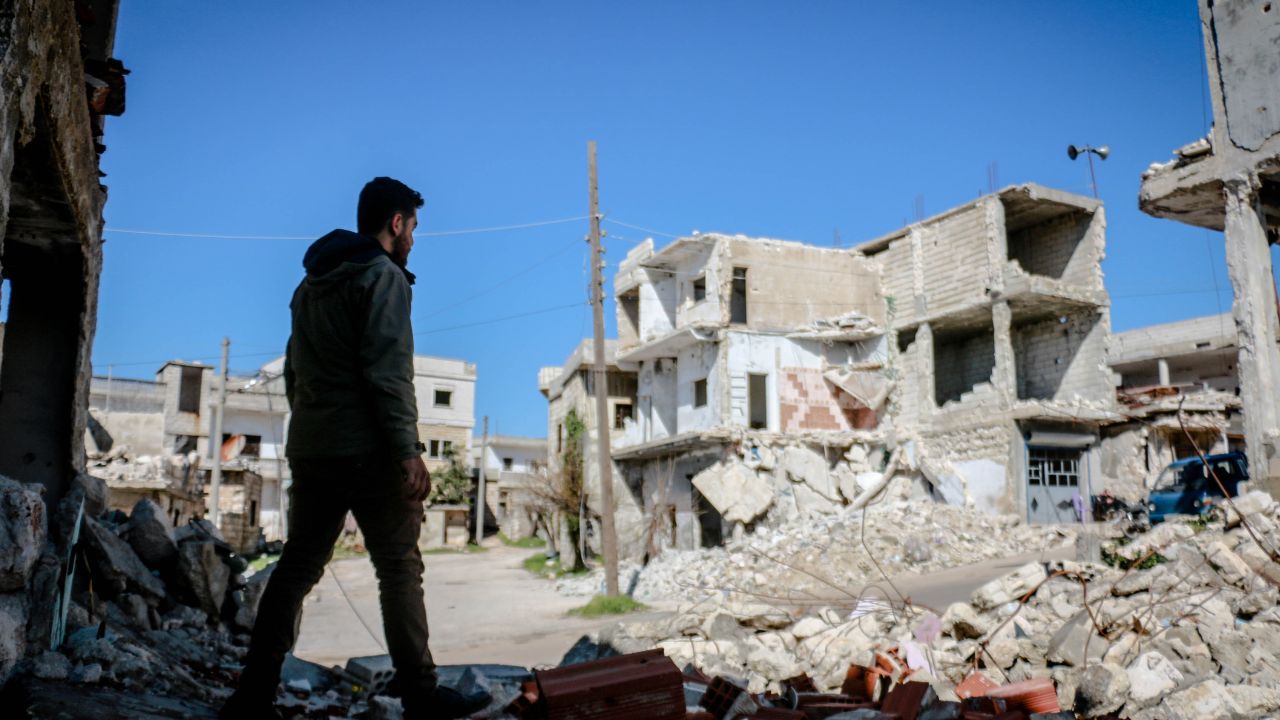
Russian intelligence has adapted by outsourcing sabotage operations to third-party networks, including those in Bulgaria, to maintain plausible deniability.
Despite mounting evidence, Moscow continues to deny any involvement, complicating the attribution of these operations. As these operations grow more complex, will Europe be able to pinpoint the true culprits before the next major attack?
NATO’s Preemptive Plans
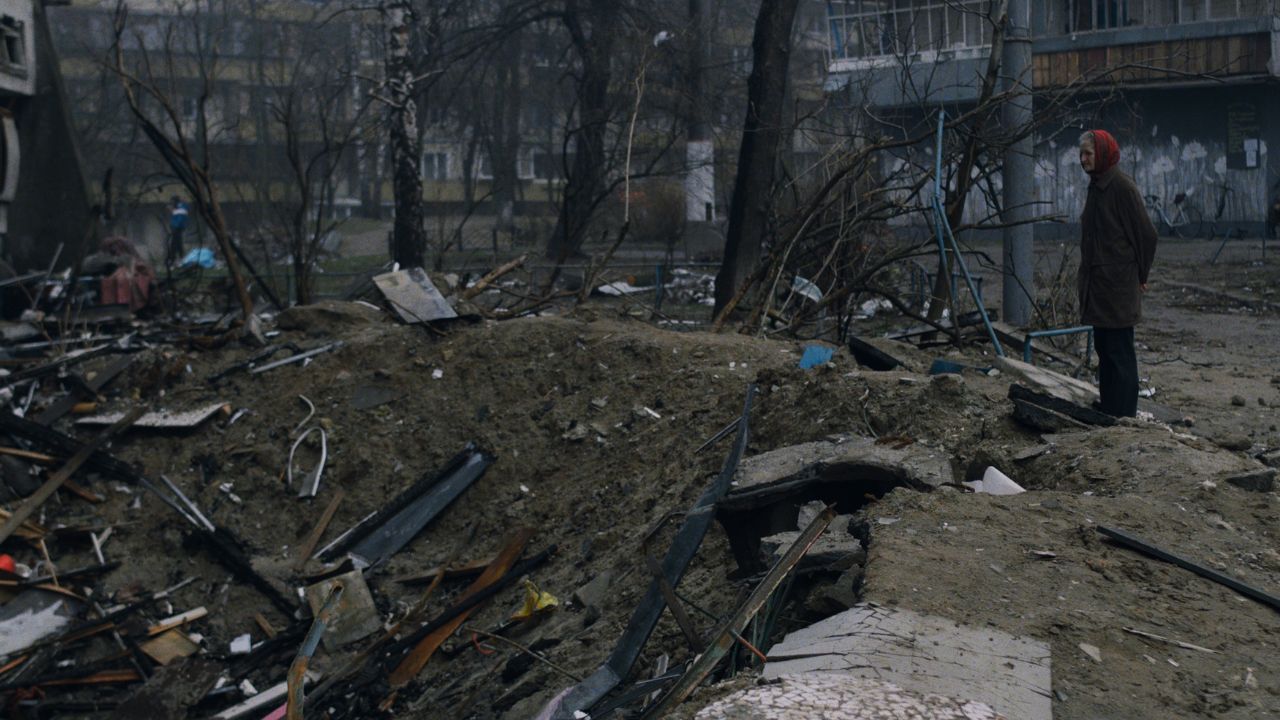
In response to Russia’s increasing sabotage efforts, NATO is considering offensive cyber operations while the EU strengthens infrastructure resilience.
The situation has forced NATO and the EU to collaborate more closely, increasing intelligence sharing and boosting cyber defenses. But as Russia’s network of gig-workers grows, can these defenses keep up with the evolving threat?
The Hidden Scale
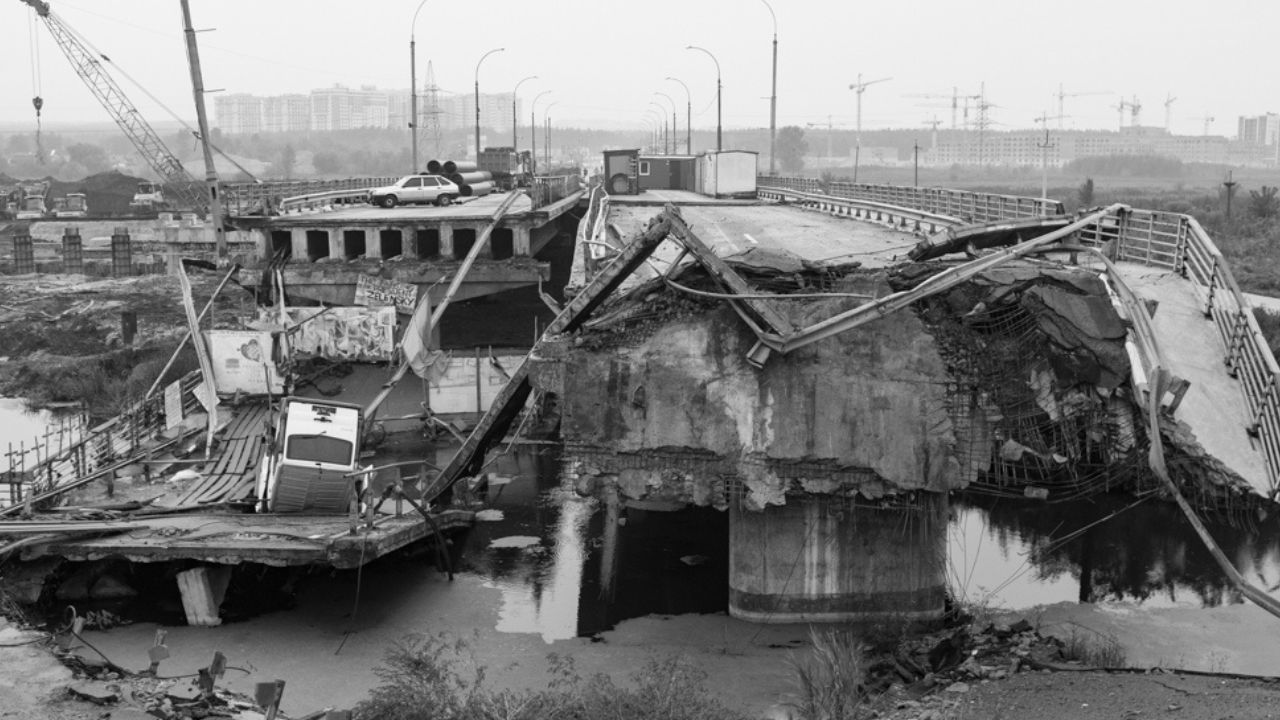
Experts are still grappling with the full scale of Russia’s covert sabotage campaign. While incidents are being tracked, many are not fully attributed to Russia.
The real extent of the threat may remain elusive for some time. With more than 50 documented incidents since 2022, how much longer can Europe avoid confronting the full scale of this shadow war?
Hybrid Warfare Horizon
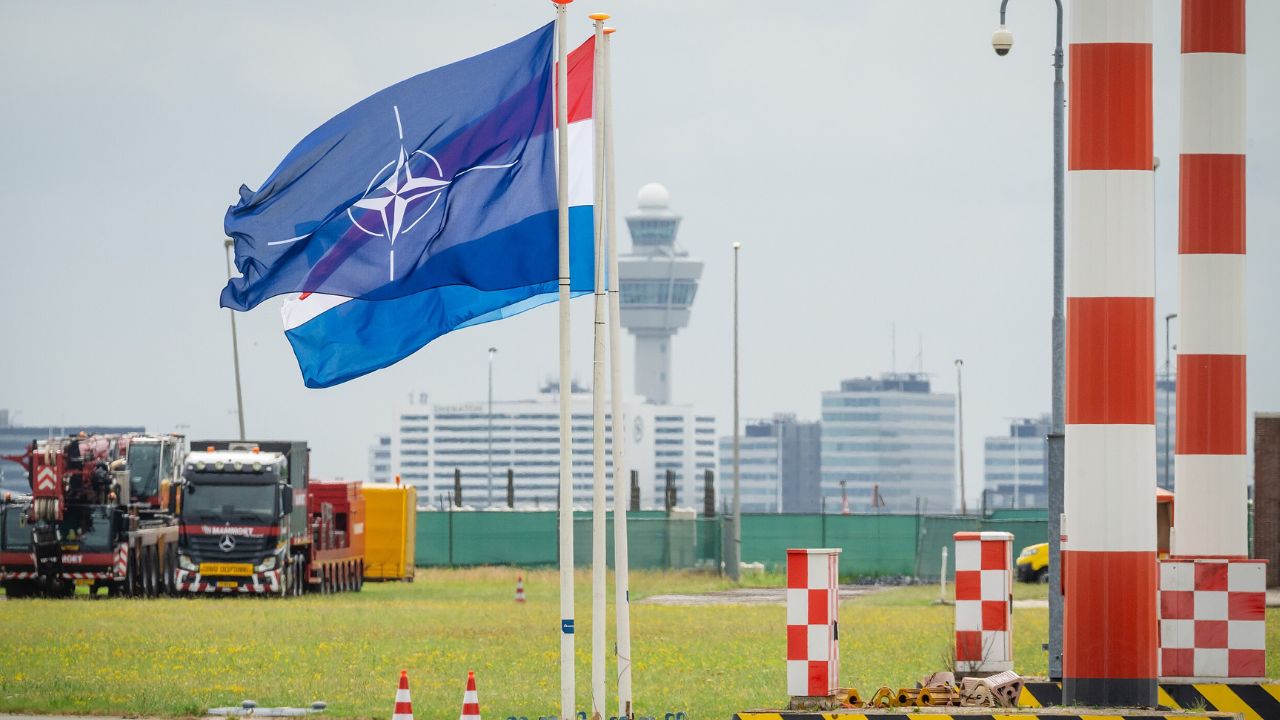
As NATO prepares for its upcoming summits, European officials are bracing for further sabotage. The frequency and sophistication of these attacks are escalating, and there is a real concern that these covert actions could escalate into full-scale hybrid warfare.
How will Europe defend against this growing shadow war, and what will the future hold as these covert attacks continue to unfold?
Sources:
“Mystery parcel fires were ‘test runs’ to target cargo flights to US.” BBC News, 5 Nov 2024.
“2024 parcel blasts in Europe organised by Russians with intelligence ties.” Reuters, 17 Sept 2025.
“Russia trying to overwhelm Europe with its sabotage campaign, Western officials say.” Associated Press / ABC News, 17 Dec 2025.
“Russia’s hybrid warfare puts Europe to the test.” Financial Times, 9 Dec 2025.