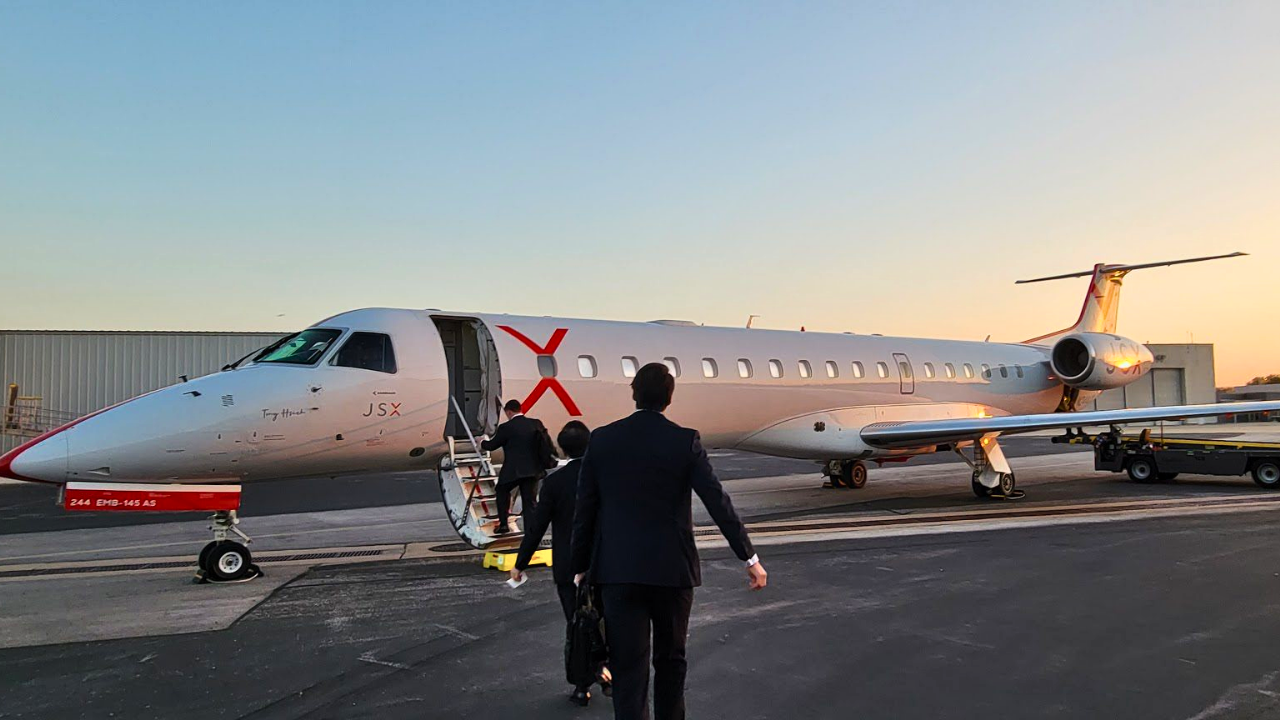
Billionaires just lost their privilege. At midnight early Monday morning, November 10, the FAA slammed shut the doors on private jets at America’s twelve busiest airports—but what’s really happening behind the scenes is far more terrifying. Air traffic controllers are collapsing from unpaid labor. The system is hemorrhaging veteran professionals at quadruple rates. And 43 days of government paralysis have pushed America’s aviation infrastructure to a breaking point nobody talks about.
By Sunday, November 9 alone, over 2,800 flights were removed from the schedule, and an additional 10,000 were caught in chaos. This isn’t just an inconvenience for the wealthy—this is a warning that the entire system could snap.
One Controller. One Airport. The System’s Strain.
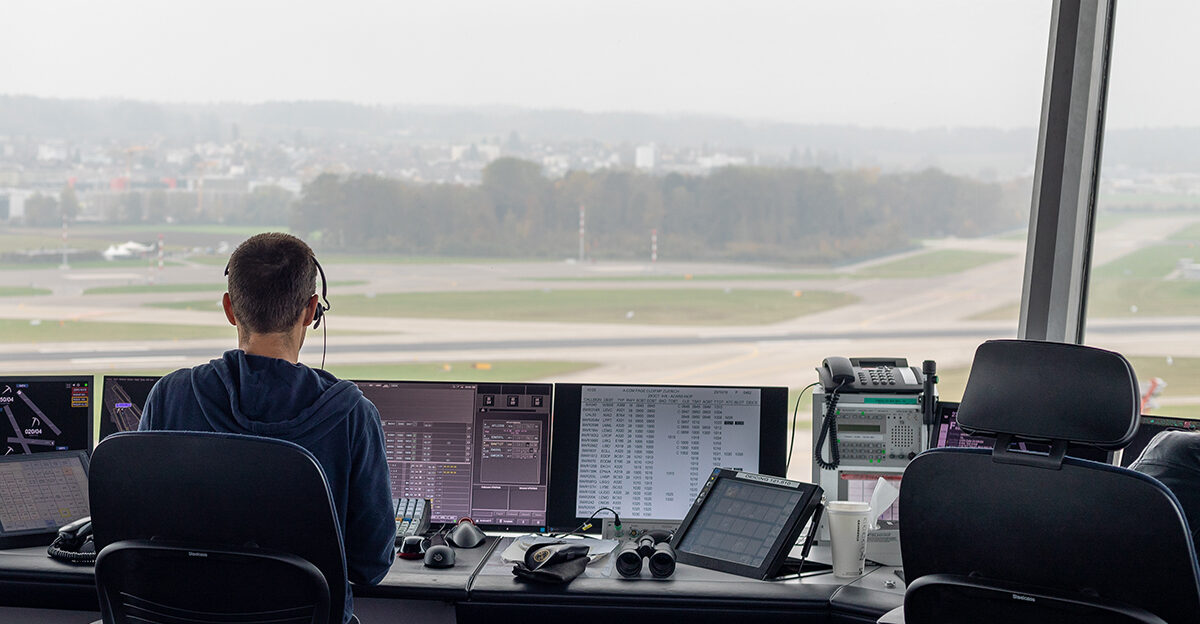
Air traffic controllers across America are collapsing under impossible workloads. Ten-hour shifts, six days a week, without a paycheck for six weeks. They’re managing split-second decisions that determine whether 150 people land safely or get redirected to backup airports. Staffing is so critical that controllers are legally trapped—deemed “essential” by the government, they can’t strike, can’t walk out, can’t even call in sick.
They’re not heroes—they’re hostages to a shutdown that has lasted 43 days, the longest in U.S. history. And the system is fracturing faster than anyone predicted.
Hundreds of Veterans Disappearing Every Week.
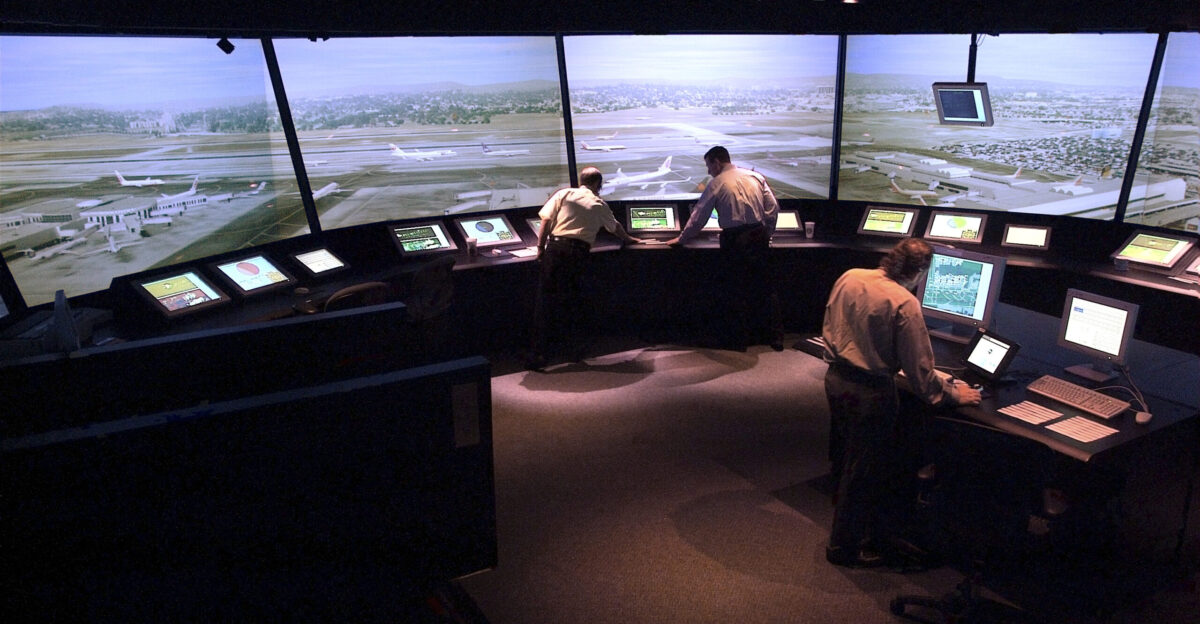
Between 15 and 20 air traffic controllers are retiring every single day. That’s quadruple the normal four-per-day rate before the shutdown started. Based on this rate over the 43-day shutdown, an estimated 645 to 860 controllers may have already abandoned their posts since October 1, when the shutdown began.
The FAA has already started this shutdown, 3,000 controllers short of what’s needed. Now the hemorrhaging is accelerating toward systemic collapse, with retirements happening faster than replacements can be trained.
2,800 Flights Erased in 24 Hours
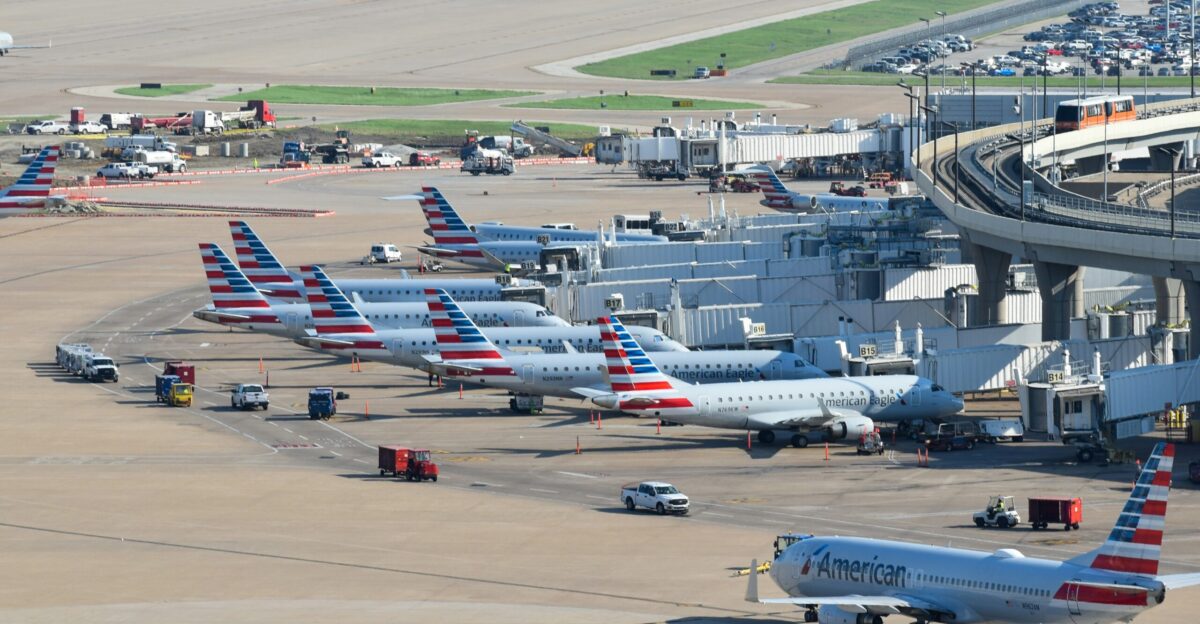
November 9 was the worst day for American aviation since the shutdown began. More than 2,800 flights vanished from the schedule—canceled outright, gone forever for that day. Another 10,200 flights got stuck in a holding pattern of delays, some lasting hours longer than scheduled. Delta Air Lines alone canceled or delayed 52 percent of its flights on that single day.
Hundreds of thousands of travelers watched their Thanksgiving dreams evaporate in real time as airlines issued cancellation after cancellation throughout the morning and afternoon. The domino effect rippled across the entire nation’s airspace.
Subtle Start. Then Came the Hammer.
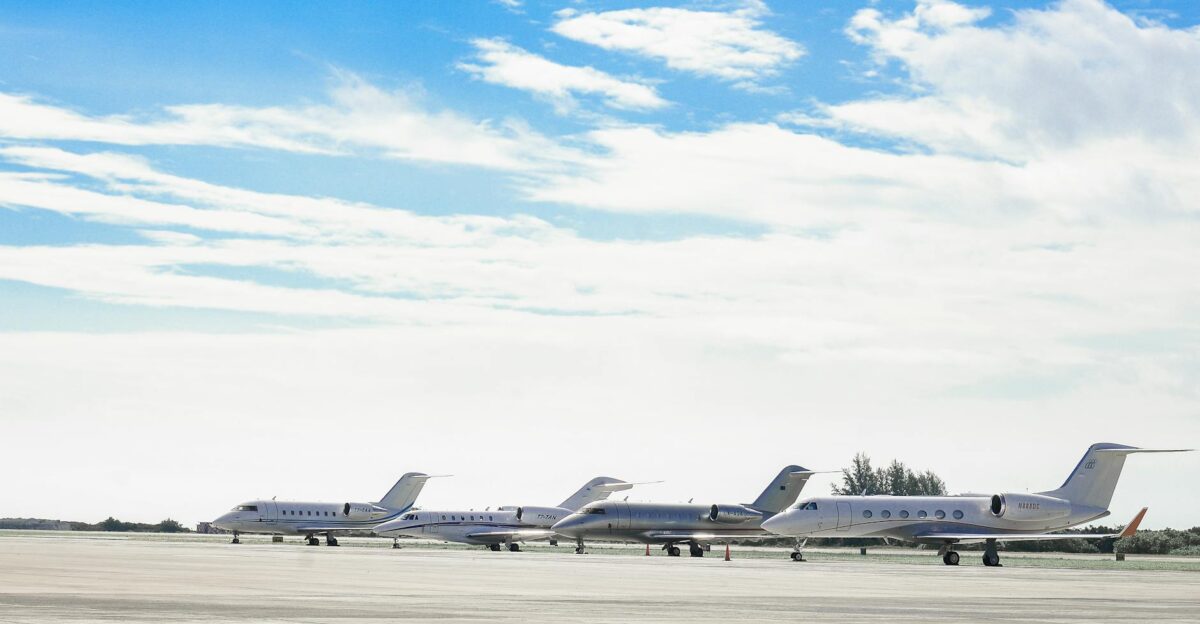
First, the FAA cut 4 percent of flights at 40 major airports on November 7. Then escalated to 6 percent by November 11. Then, it threatened to hit 10 percent by November 14. However, late Sunday night, November 9, was different: at midnight (12:00 AM Monday, November 10), a total ban on private jets at 12 cities took effect, with commercial flights barely limping forward on reduced schedules.
The message was unmistakable—the system is fracturing, and somebody has to get grounded. Industry leaders got angry. Controllers stayed miserable. Passengers got stranded.
The Thanksgiving Bomb Nobody Wants to Admit.

Transportation Secretary Sean Duffy appeared on CNN on November 9 and stated bluntly, “Air travel will be reduced to a ‘trickle’ in the weeks before Thanksgiving, meaning a substantial number of Americans would likely be unable to travel to be with their families.”
Thanksgiving is November 27—less than two weeks away. Millions of Americans book flights months in advance for that holiday, already holding reservations and expecting to fly home. Duffy’s warning was essentially telling the nation: forget it. You’re not going home.
A $340 Billion Industry Under Siege
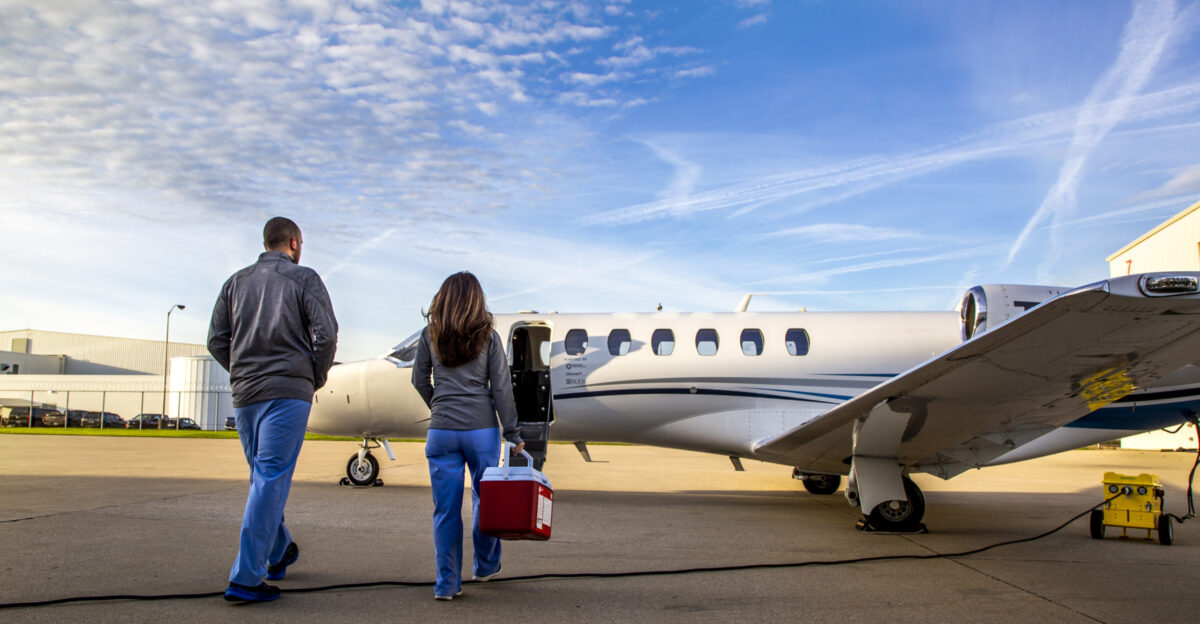
When the FAA banned private jets at twelve airports, the business aviation industry exploded—not because billionaires lost luxury, but because $340 billion in annual economic activity just got strangled. General aviation employs over 1 million workers and supports a range of activities, including emergency medical flights, organ transplant transport, and humanitarian relief missions.
NBAA CEO Ed Bolen called it “disproportionate,” highlighting how the blanket ban also hurt legitimate, life-saving operations. But nobody was listening to industry complaints. The ban stood firm.
3,000 Controllers Working for Nothing
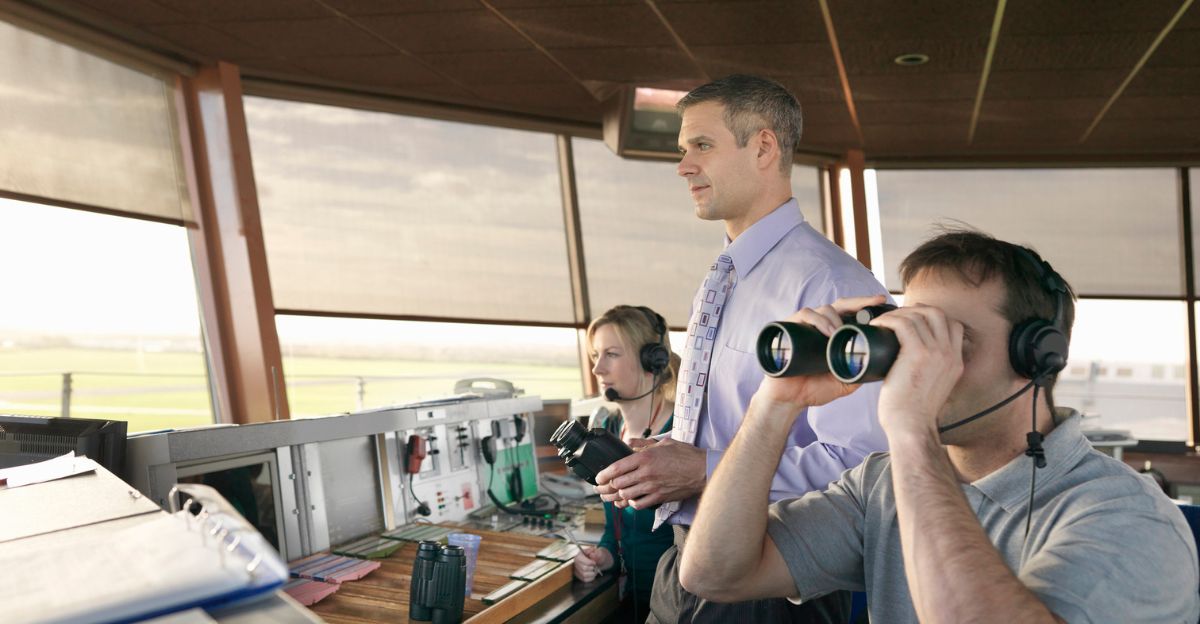
At least 13,000 air traffic controllers have shown up to work every single day since October 1—working without paychecks, month after month. Some took on second jobs, driving for Uber or DoorDash, to pay rent and put food on the table. The psychological toll isn’t just stress—it’s betrayal.
The government deemed them “essential,” which means they can’t strike, can’t walk out, can’t even call in sick without being accused of endangering lives. They’re legally trapped in a system designed to exploit their sense of duty.
The Fatigue Is Real. The Mistakes Are Piling Up
Pilots have filed more than 500 safety incident reports since the shutdown began—errors directly traced to controller fatigue and exhaustion. These aren’t minor mistakes or procedural mix-ups. Aircraft are getting too close to each other. Miscommunications requiring mid-flight corrections. Near-misses that could have ended in tragedy with hundreds of lives lost.
One controller confided to a reporter: “We’re not just tired; we’re broken.” Senator Ted Cruz was briefed on this crisis personally and ensured that America was aware of the actual severity of the safety situation.
The Vanishing Workforce: How 43 Days Destabilized Everything
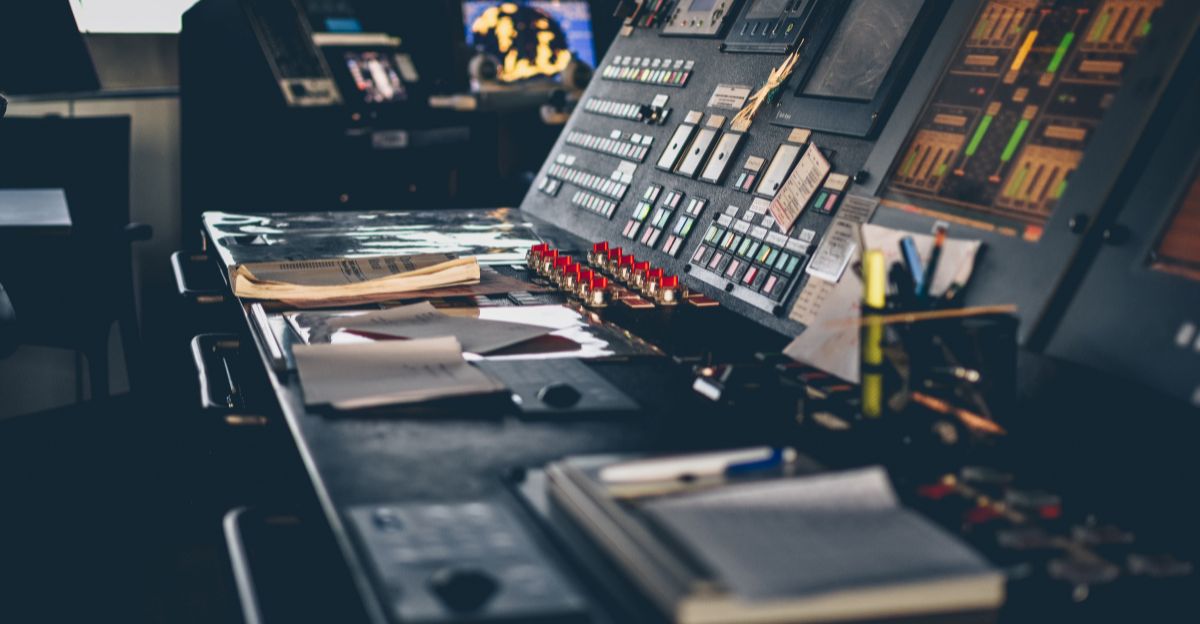
The FAA was already struggling with a 3,500-controller shortfall before the shutdown started eating into staffing. Now that training programs are halted, equipment maintenance is suspended, and routine inspections are frozen, the pipeline is completely shut down.
New controllers take 18 months to four years to train—far too long to fill holes created by the mass exodus happening right now. The 2019 shutdown set the system back years. This one is accelerating that damage exponentially, creating a backlog that won’t clear for years.
Private Jets Banned While Billionaires Stay Rich
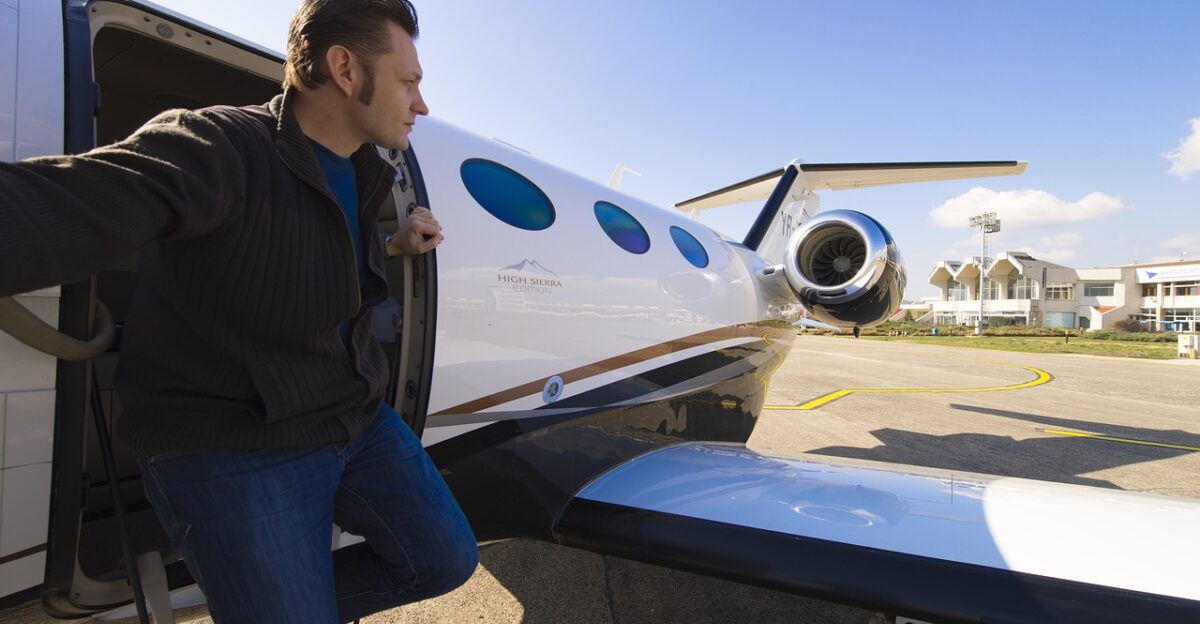
The irony cut deep: commercial aviation—carrying millions of everyday Americans—faced reductions of 4 to 10 percent, but private jets were banned altogether at twelve airports. Democratic lawmakers, such as Senator Jeff Merkley and California gubernatorial candidate Katie Porter, had called for exactly this outcome: grounding the billionaires’ planes to prioritize the masses and demonstrate equity.
However, instead of solving the problem, it only exacerbated the system’s issues and left everyone worse off, including the very people the policy was intended to help.
These 12 Airports Became Runways to Nowhere
Chicago O’Hare. Dallas Fort Worth. Denver. Boston Logan. Houston Bush. Atlanta Hartsfield-Jackson. New York JFK. Los Angeles. Newark. Phoenix Sky Harbor. Reagan Washington National. Seattle-Tacoma. These twelve Class B hubs—America’s busiest—now form a dead zone for business aviation.
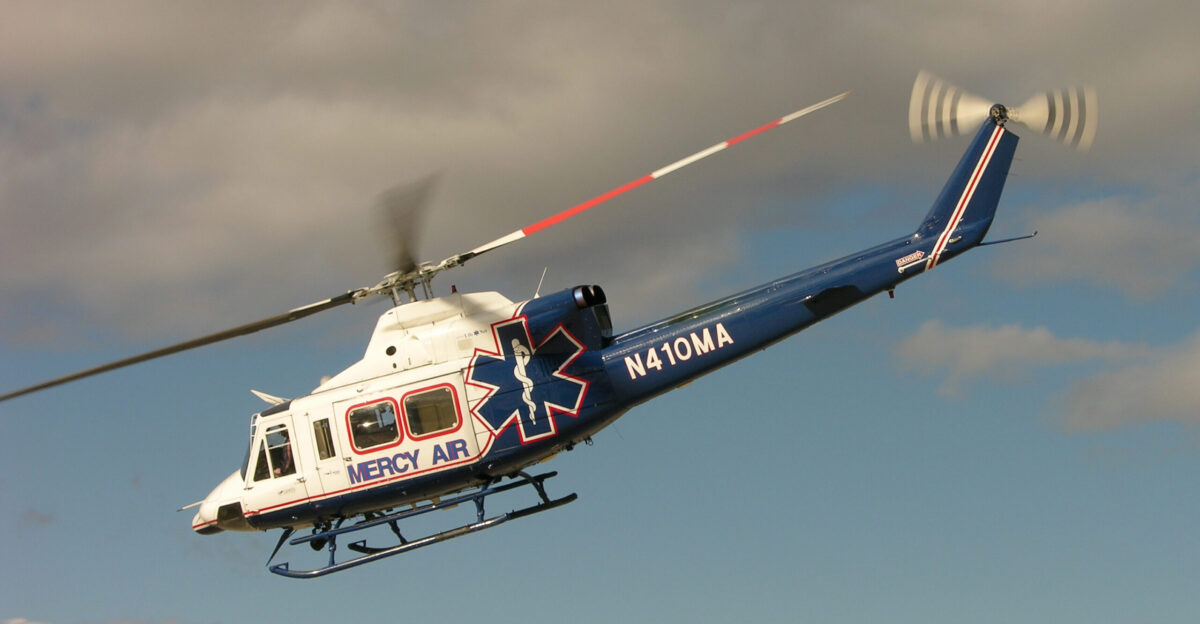
Charter companies couldn’t operate. Corporate operations ground to a halt. Emergency medical flights got rerouted to smaller airports. It’s not just an inconvenience. It’s a disruption to the economy’s circulatory system, affecting everything from real estate deals to organ transplants.
The Recovery Lie
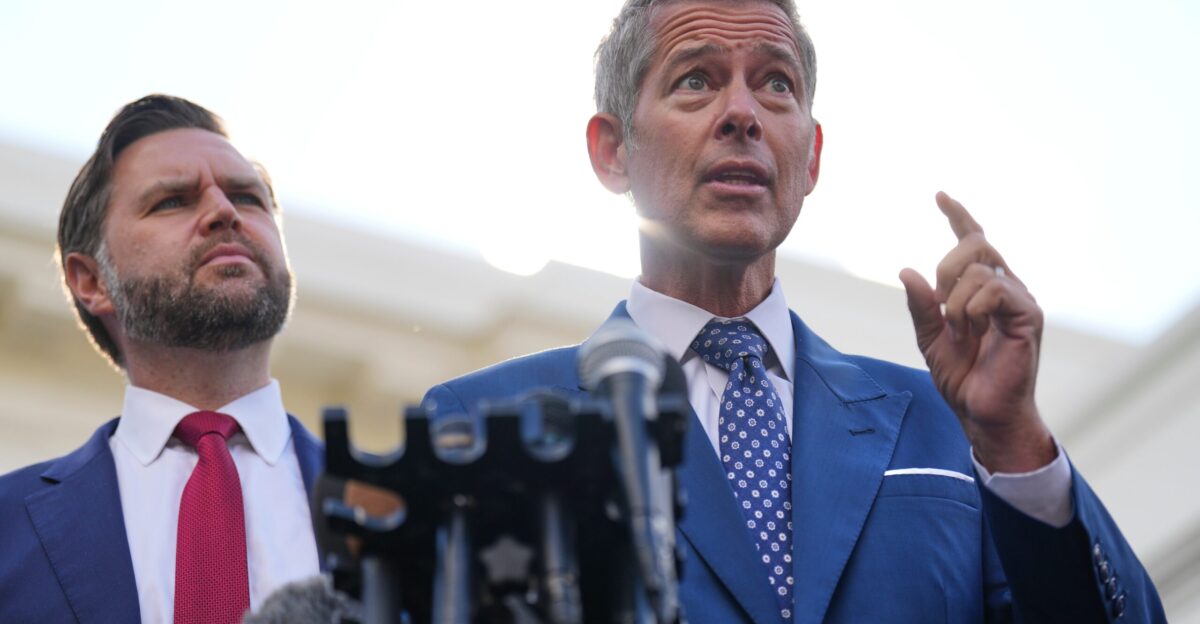
Even after the government reopened on November 12, Transportation Secretary Duffy warned that normal operations won’t snap back like a light switch flipping on. Controllers who’ve gone weeks without paychecks need processing time for back pay and benefits to resume.
Airlines have canceled flights seven days in advance, meaning the damage compounds long after funding restarts and creates a cascading backlog. One aviation consultant warned that Thanksgiving recovery was borderline impossible—the damage cut too deep and the timeline too short.
Congress Finally Acts—But the Damage Is Done
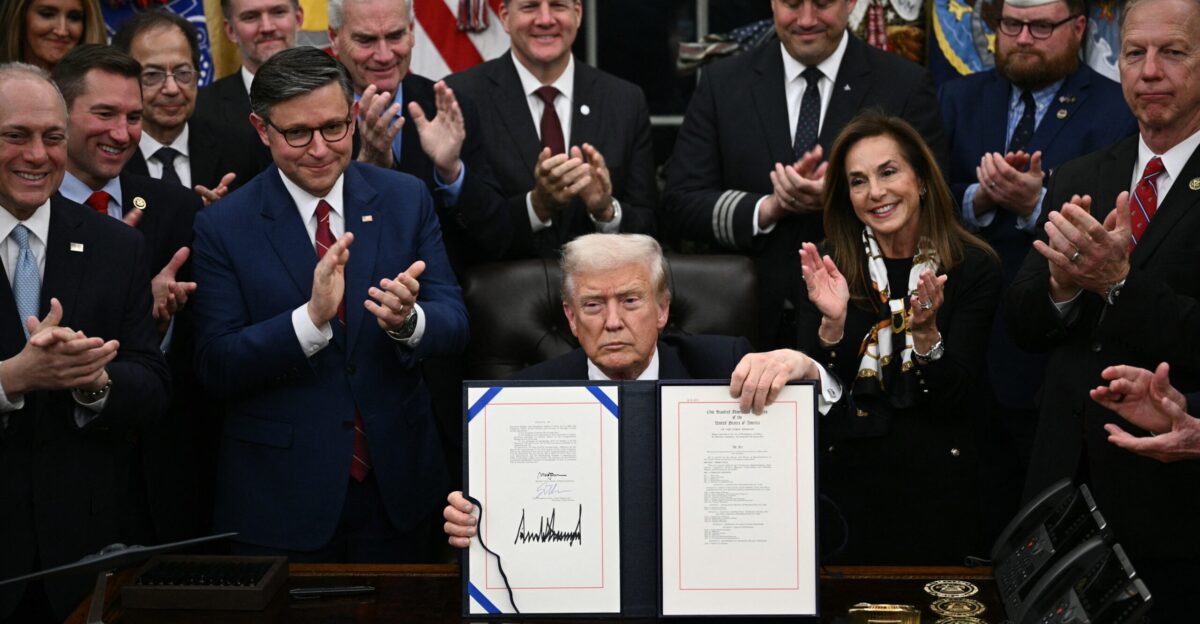
The Senate voted 60-40 on November 9 to advance the bill ending the shutdown, signaling relief might be coming. However, the process moved slowly through Congress, like molasses. The House didn’t vote until November 12.
Trump didn’t sign the bill until later that same day, officially ending 43 days of paralysis and lost paychecks. By then, hundreds of controllers had quit, thousands of flights had been canceled, and the aviation system bore scars that would not heal quickly.
The System Was Already Broken. Now It’s Shattered
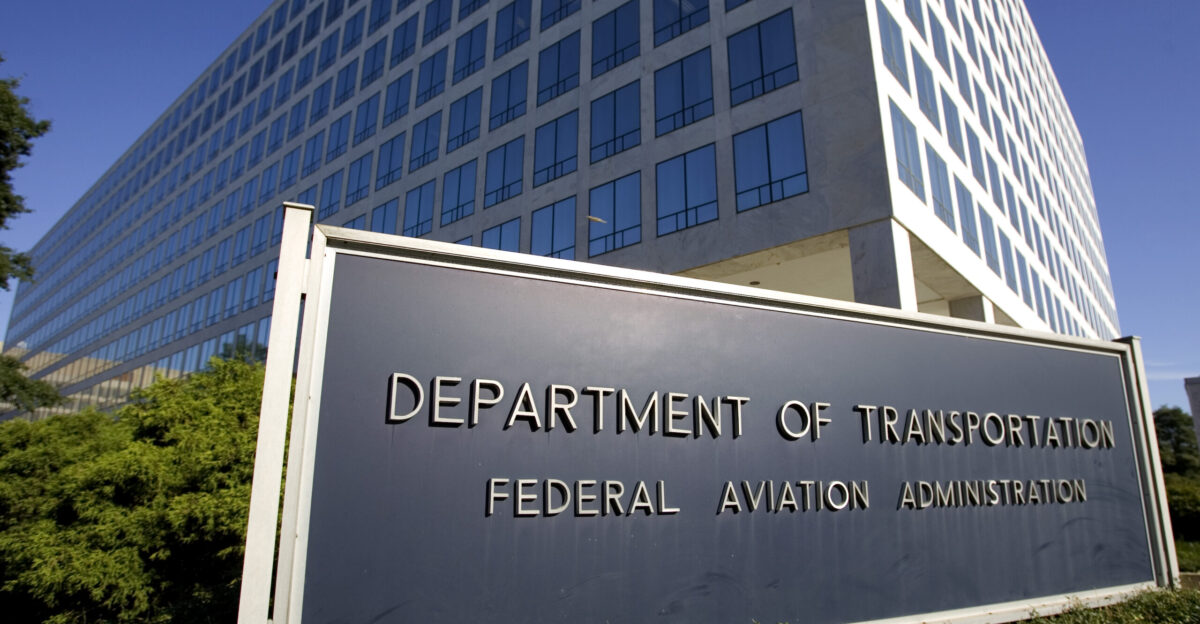
Before this shutdown, the FAA had roughly 11,000 certified controllers—3,000 short of what they actually need to manage America’s airspace safely. Years of budget cuts, the 2019 shutdown fallout, and COVID-19 disruptions had already depleted the pipeline of new talent.
The training academy needs 18 months to four years to build a single certified controller to competency. Losing over 600 experienced controllers in a matter of weeks is catastrophic to a system that is barely holding together.
The Paradox That Broke Everything.
General aviation took the entire blow while commercial airlines—carrying far more passengers—just took cuts and adjusted. It exposed something uncomfortable: government policy can be arbitrary, punitive, and ineffective all at once.
Grounding billionaires’ private jets didn’t fix the controller shortage. It didn’t restore paychecks. It didn’t save Thanksgiving. It just made everything worse and stranded more people.
Thanksgiving 2025: Will You Make It Home?

Thanksgiving falls on November 27, and the clock was ticking fast. The Senate’s plan would have left controllers unpaid through that entire holiday period if negotiations had stalled another week. Secretary Duffy said plainly: a “trickle” of flights, a “substantial number” of Americans unable to see family.
The message landed hard across the country. If the shutdown had lasted just two more weeks, Thanksgiving 2025 would have been a complete travel catastrophe.
Limping Forward on a Broken System
Full recovery could take weeks—even months as the system gradually stabilizes. Controllers need to trust that paychecks will continue to arrive. Airlines need to rebuild their schedules, which cancellation requirements have shredded. Airports need to rehire and retrain staff who left during the chaos.
The Department of Transportation froze flight reductions at 6 percent as of November 12, but even that interim freeze signals that the system won’t return to normal overnight. The real toll will be measured in missed connections, stranded families, and a workforce that’s lost faith.