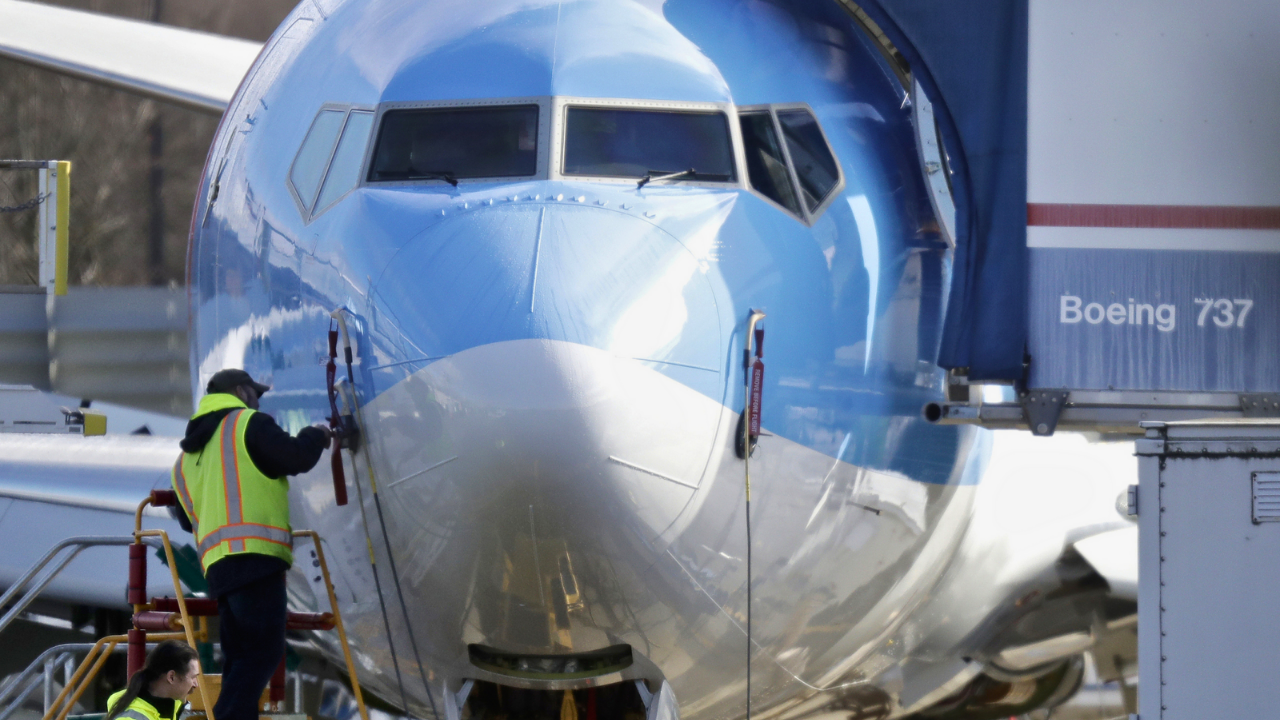
A routine cargo flight turned catastrophic on November 4, when UPS Flight 2976 crashed shortly after takeoff from Louisville Muhammad Ali International Airport. The tri-engine McDonnell Douglas MD-11 freighter, engulfed in flames, lost its left engine and pylon mid-ascent, plummeting into an industrial area and scattering debris across half a mile.
The crash claimed 14 lives, including all three crew members and 11 people on the ground. Kentucky officials described the aftermath as harrowing, with extensive fire and structural damage complicating recovery and identification efforts.
Aging Aircraft and Troubling Maintenance History
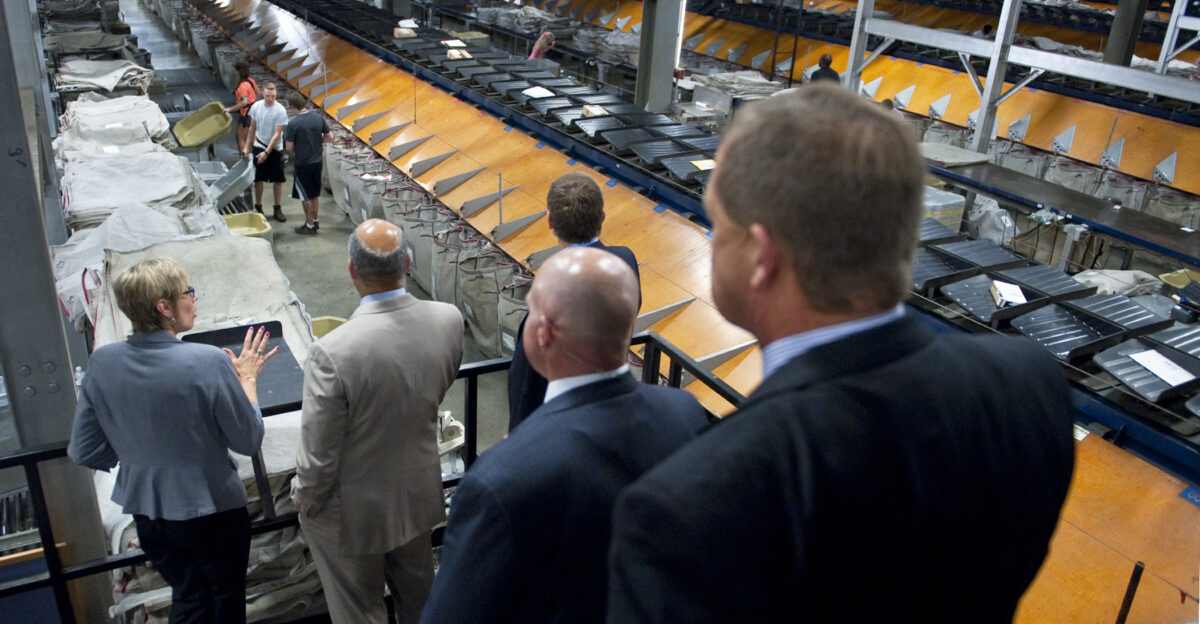
The ill-fated aircraft, registered as N259UP, had been in service since 1991, making it 34 years old at the time of the crash. Maintenance records show the plane underwent significant repairs in San Antonio, Texas, just six weeks prior. Inspections revealed structural cracks, corrosion in the main fuselage beams, and damage inside the center wing fuel tank.
Despite these findings, the aircraft was cleared for flight and completed 28 trips before the accident. Investigators are now scrutinizing whether unresolved maintenance issues contributed to the catastrophic engine separation that triggered the crash.
Industry-Wide Fallout: Grounding the MD-11 Fleet

The disaster sent shockwaves through the global cargo industry. Within days, UPS grounded its entire MD-11 fleet—approximately 26 aircraft, or 9 percent of its total fleet. FedEx quickly followed, sidelining 28 MD-11s, roughly 4 percent of its fleet. The Federal Aviation Administration escalated the response, issuing an emergency directive that grounded all Boeing MD-11 and MD-11F aircraft worldwide.
This unprecedented move affected the only three major operators—UPS, FedEx, and Western Global Airlines—removing approximately 65 to 70 active MD-11s from service and effectively erasing up to 4,200 tons of daily cargo capacity overnight.
Ripple Effects on Shipping and Supply Chains
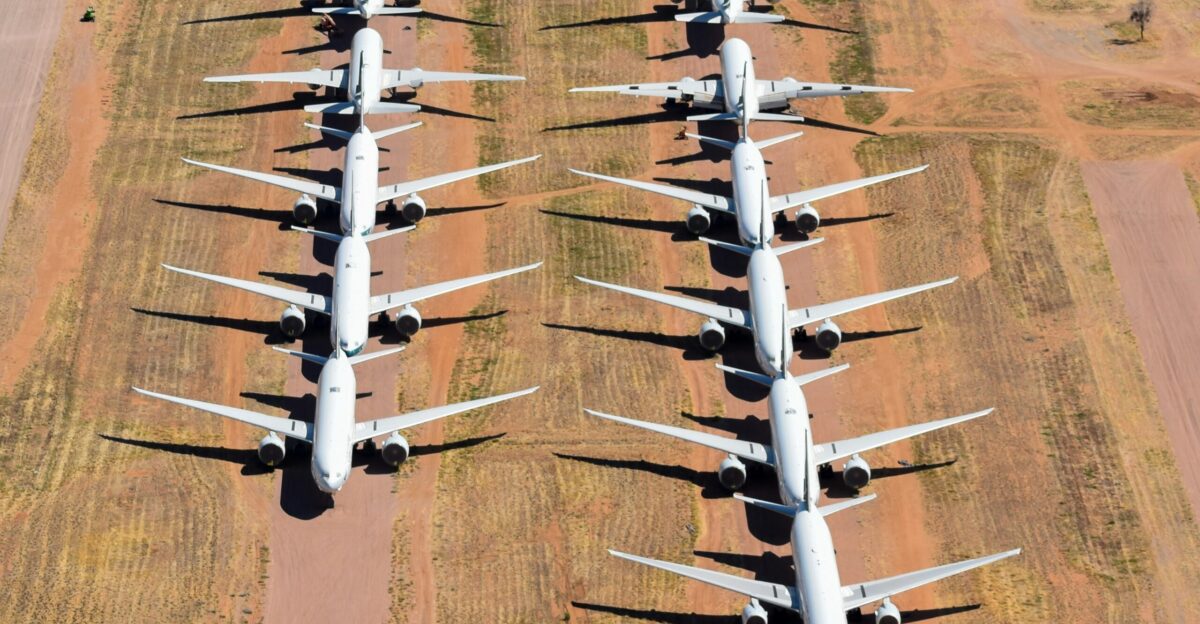
The sudden loss of the MD-11 fleet forced operators to reroute freight to other aircraft, trains, and trucks—an expensive and logistically complex shift, especially with the holiday shipping surge looming. Industry analysts estimated daily revenue losses at $3.5 million across the three main operators.
UPS’s Worldport hub in Louisville, a critical node in global package distribution, temporarily halted operations, disrupting supply chains for over 150 major customers, including Amazon, Walmart, and pharmaceutical firms. Both UPS and FedEx acknowledged that contingency plans could not fully compensate for the grounded freighters, warning of likely delays in air and international deliveries.
Investigation and the Future of Aging Cargo Jets

The National Transportation Safety Board recovered both the cockpit voice and flight data recorders, which captured the cockpit warning bell that sounded 37 seconds after takeoff and continued until impact. The investigation quickly expanded to examine the aircraft’s recent maintenance, focusing on whether structural cracks and corrosion were addressed correctly.
ST Engineering, the maintenance contractor, pledged full cooperation. Aviation experts and legal analysts are questioning whether the fuselage issues signaled deeper problems in the wing structure, possibly leading to the engine pylon’s failure.
The crash has accelerated the retirement timeline for the aging MD-11 fleet, which averages over 30 years in service. FedEx had already planned to phase out its MD-11s by the end of the decade, but the grounding may force a swifter exit. The FAA’s emergency directive leaves the future of these aircraft uncertain, pending the outcome of the investigation.
As the probe continues, the tragedy highlights the risks of operating aging freighters and the far-reaching consequences that result when safety margins are breached. For Louisville and the broader aviation community, the disaster serves as a stark reminder that the impact of such events extends far beyond technical failures, affecting families, workers, and global commerce.