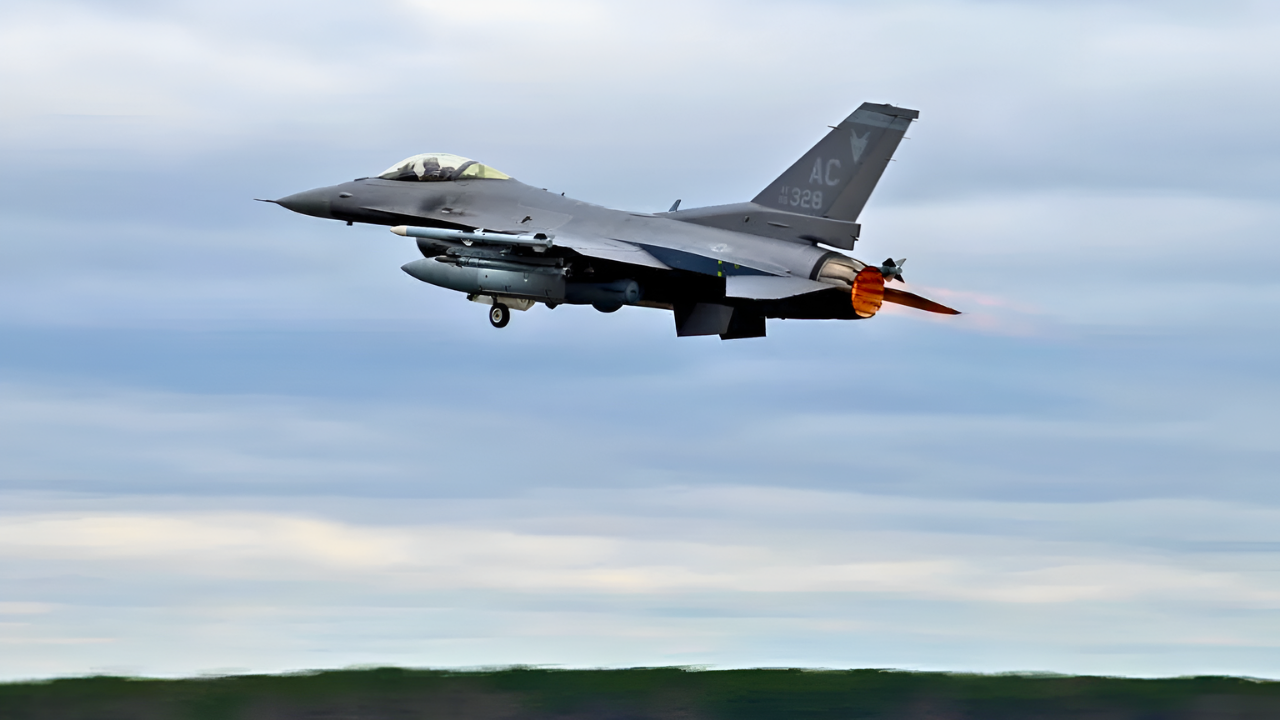
In Palm Beach, Florida, an unusual surge in airspace violations unfolds in the skies as presidential airspace restrictions are violated at an alarming rate. Since January 2025, NORAD has tracked over 40 incursions into the Temporary Flight Restriction (TFR) zone around Mar-a-Lago, where former President Trump resides. This uptick in violations has intensified pressure on air defense protocols, sparking concerns about aviation safety near the nation’s most high-profile locations.
The question arises: What’s fueling this surge in airspace violations?
Escalating Enforcement
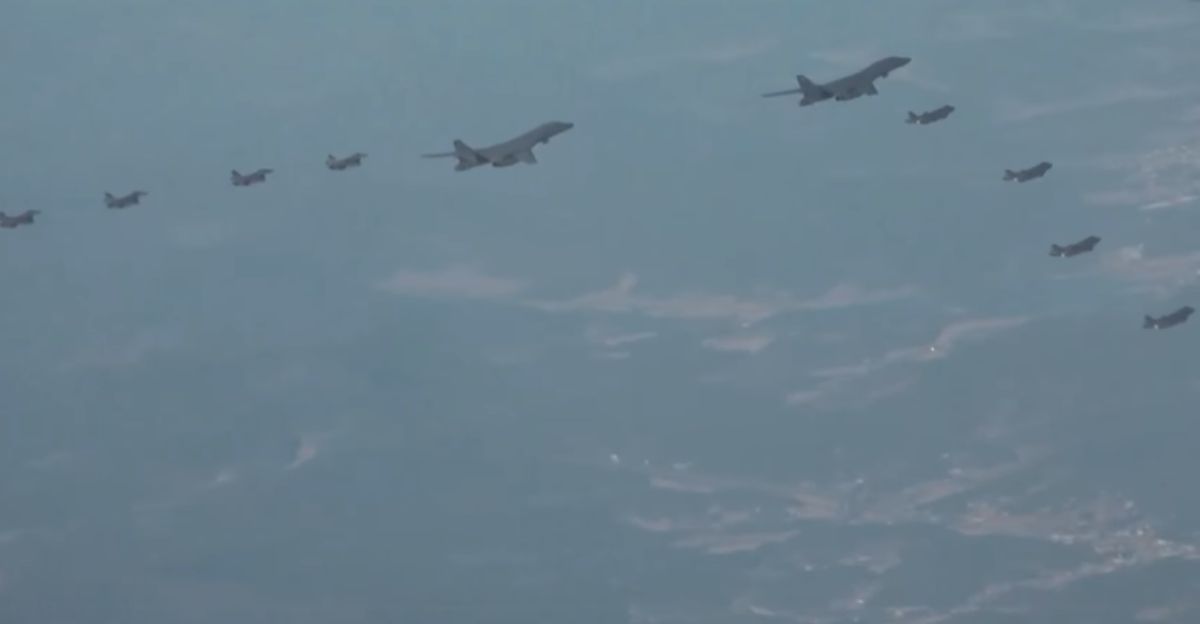
In response to the growing violations, military enforcement has intensified. NORAD has scrambled F-16 fighter jets on multiple occasions to intercept aircraft breaching the restricted zone. Each violation triggers an immediate military response, emphasizing the importance of safeguarding presidential airspace.
The frequency of these intercepts marks a dramatic increase compared to previous years, showing a clear shift in the level of urgency.
History of Presidential TFRs
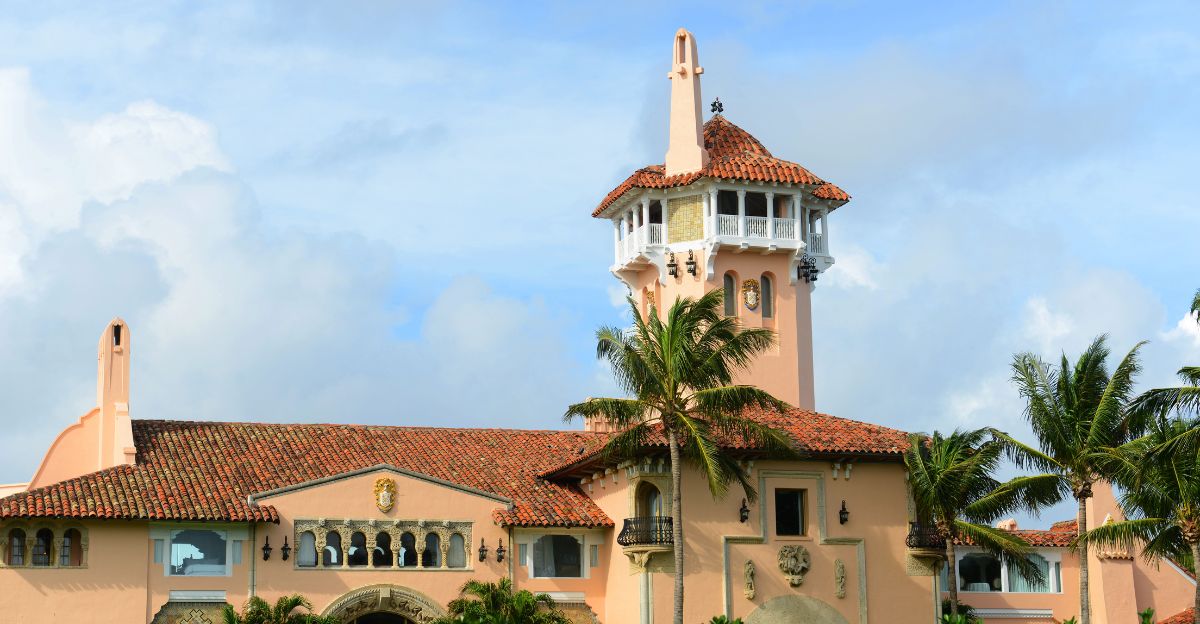
Temporary Flight Restrictions (TFRs) around presidential residences are long-standing measures, designed to ensure the safety of national leaders. Enforced by the FAA, these restrictions date back decades and are implemented whenever a sitting or former president is present.
Mar-a-Lago, located in Palm Beach, is no exception, with airspace around the estate continuously monitored for security breaches.
Mounting Pressure on Pilots
General aviation pilots are feeling the pressure as airspace regulations become increasingly complex, especially near high-security zones like Palm Beach. The Palm Beach TFR, particularly associated with Trump’s presence at Mar-a-Lago, has become a key point of enforcement.
Pilots are now more frequently required to check Notices to Airmen (NOTAMs) before every flight to avoid violating the airspace restrictions.
Jets Intercept Civilian Plane
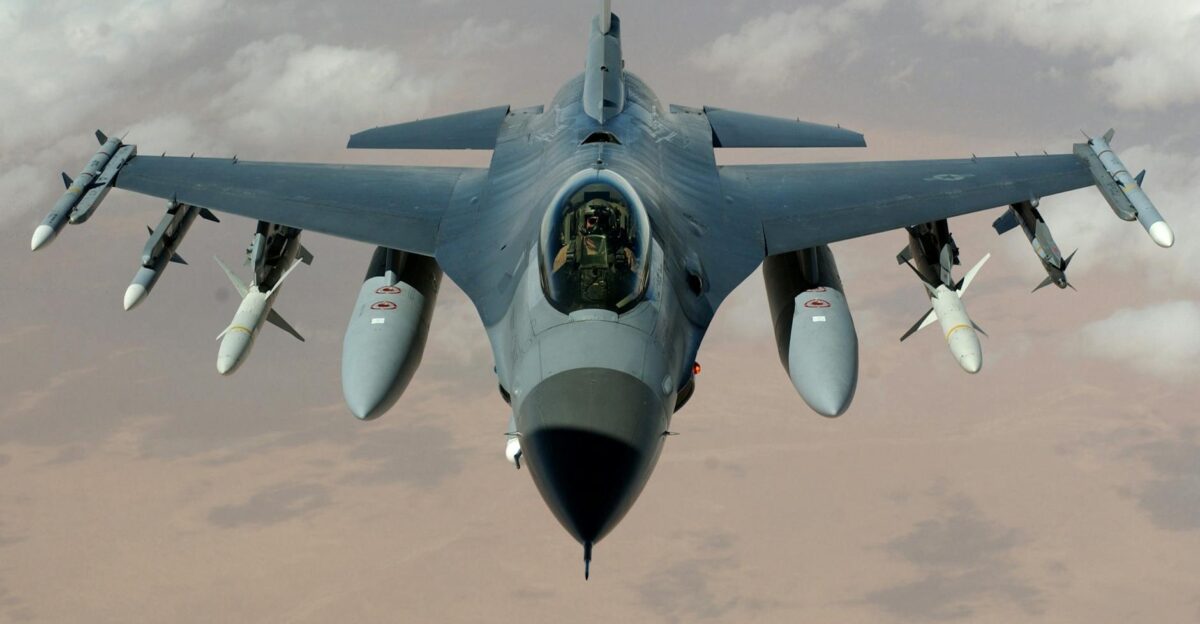
On the afternoon of November 29, 2025, NORAD scrambled F-16 fighter jets to intercept a civilian aircraft that entered restricted airspace over Palm Beach while Trump was at Mar-a-Lago. The military response, which occurred at 4:20 p.m. EST, was swift, ensuring that the aircraft was escorted out of the restricted zone without further incident.
The use of military jets reflects the seriousness of such violations.
Regional Impact
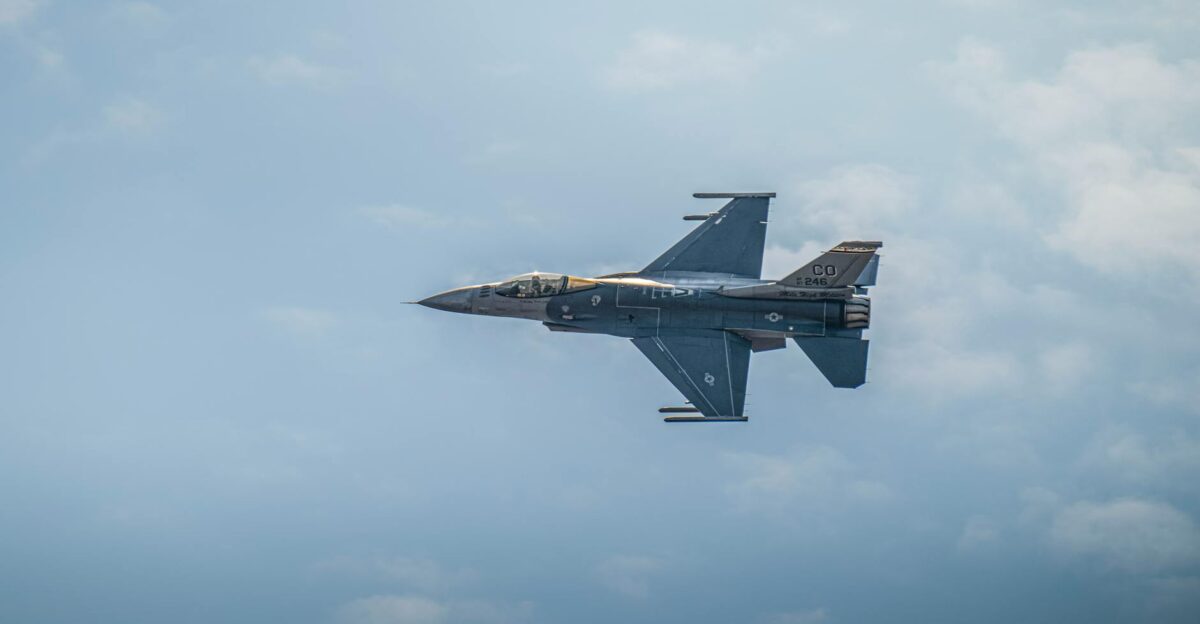
The airspace violations have had significant impacts across Palm Beach County. The area has experienced increased military activity, with F-16 intercepts contributing to heightened airspace operations. This increased presence serves as a reminder of the delicate balance between maintaining security around high-profile locations and preserving the freedoms of general aviation.
This added tension demonstrates the difficulties authorities face in securing airspace while minimizing disruption to regular air traffic.
The Consequences
For general aviation pilots, the consequences of violating a TFR can be severe, including fines, suspension of flying privileges, or even a full license review. As the Palm Beach TFR becomes a focal point for enforcement, pilots are urged to meticulously review NOTAMs to ensure they remain in compliance with the restrictions.
Ignorance of the rules is not accepted as a valid defense in these situations.
Regulatory Response
In response to the rising number of violations, the FAA and NORAD have issued repeated warnings to pilots. Both agencies stress the importance of regularly checking NOTAMs before every flight to avoid inadvertently entering restricted airspace.
The FAA has further emphasized that compliance with airspace regulations is not optional, and pilots must remain vigilant.
Macro Trend
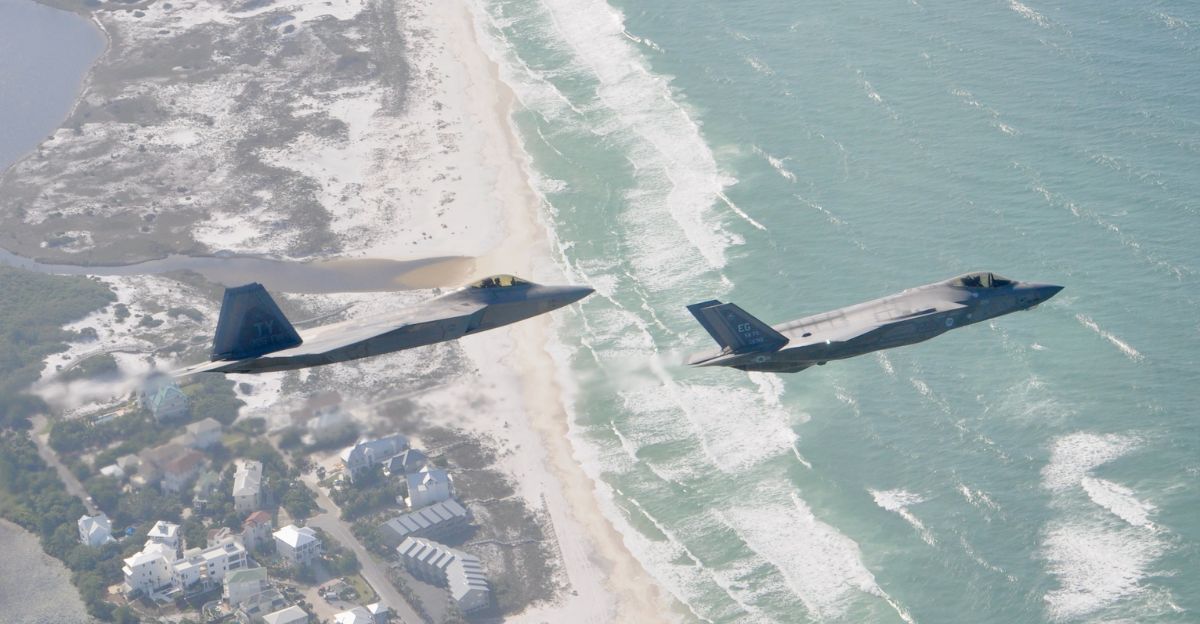
Presidential TFRs are not a new development but have been part of airspace security for decades. However, the spike in violations near Mar-a-Lago signals a shift in the enforcement landscape. The heightened focus on protecting high-profile figures means that TFRs will remain a fixture in airspace security protocols for the foreseeable future.
The ongoing challenges highlight the need for continued awareness and enforcement of these critical safety measures.
Flares Deployed
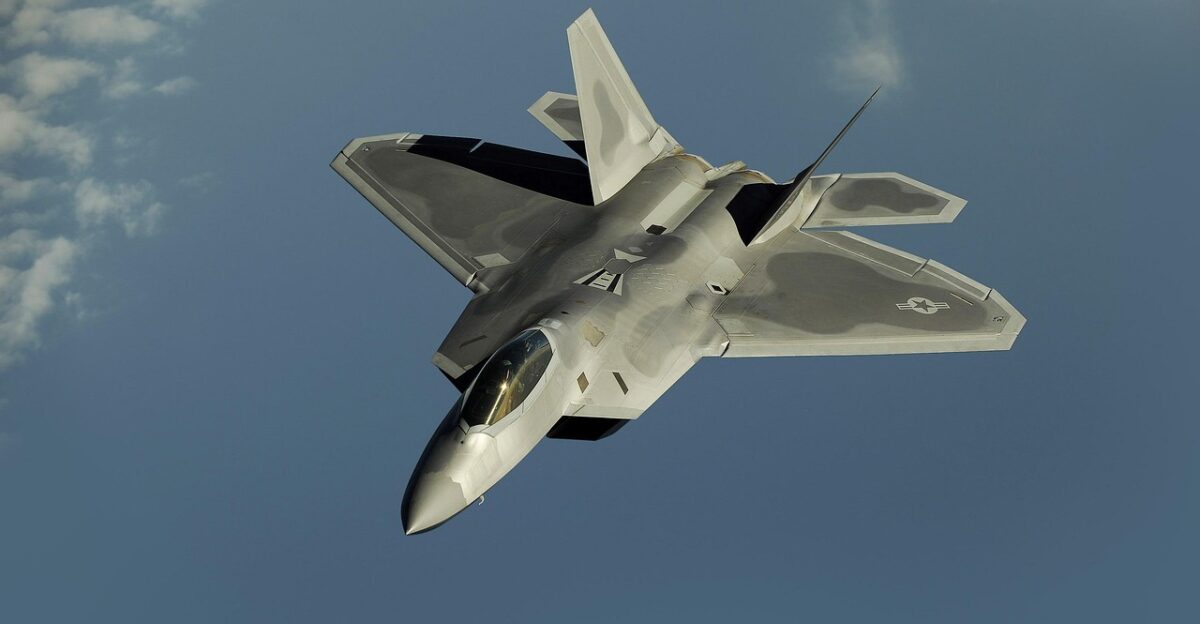
In the November 29 interception, F-16 fighter jets deployed flares as a visual signal to the violating aircraft. These flares, which burn out quickly and pose no risk to people on the ground, are a standard method of alerting pilots to the presence of military aircraft.
This precautionary measure is part of a broader strategy to de-escalate situations and avoid conflict.
Stakeholder Response
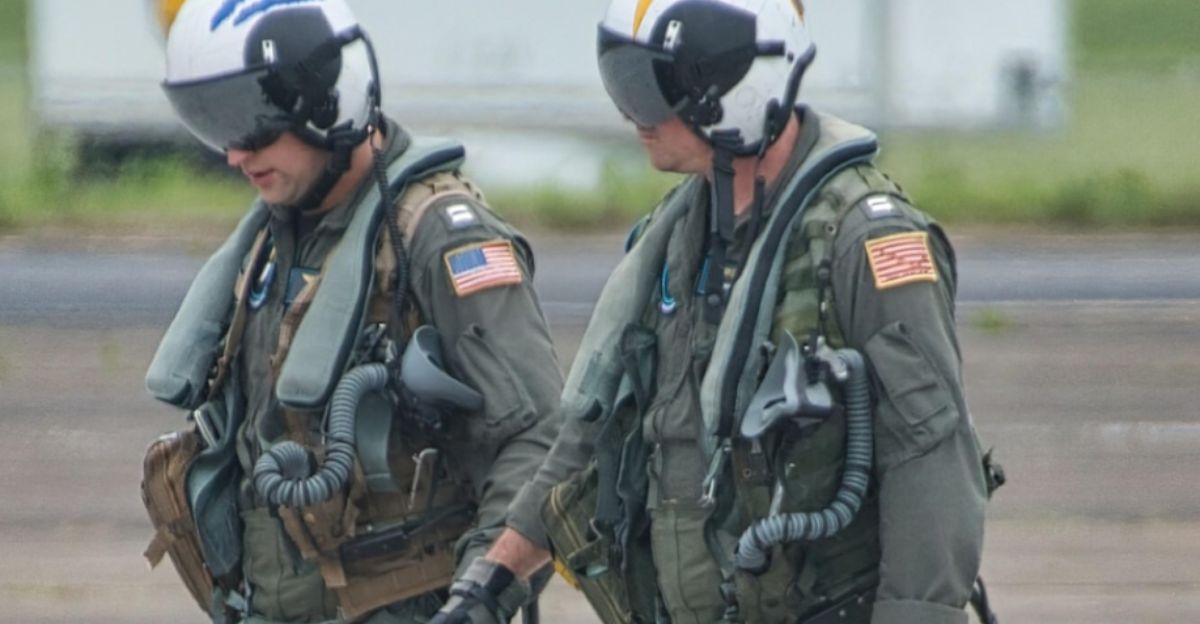
The incidents have sparked a strong response from both aviation authorities and local residents. Pilots are encouraged to regularly consult the FAA’s TFR website and to be prepared to communicate on emergency frequencies (121.5 or 243.0 MHz) if intercepted.
This growing vigilance is a direct result of the increasing number of airspace violations near presidential locations.
Leadership Response
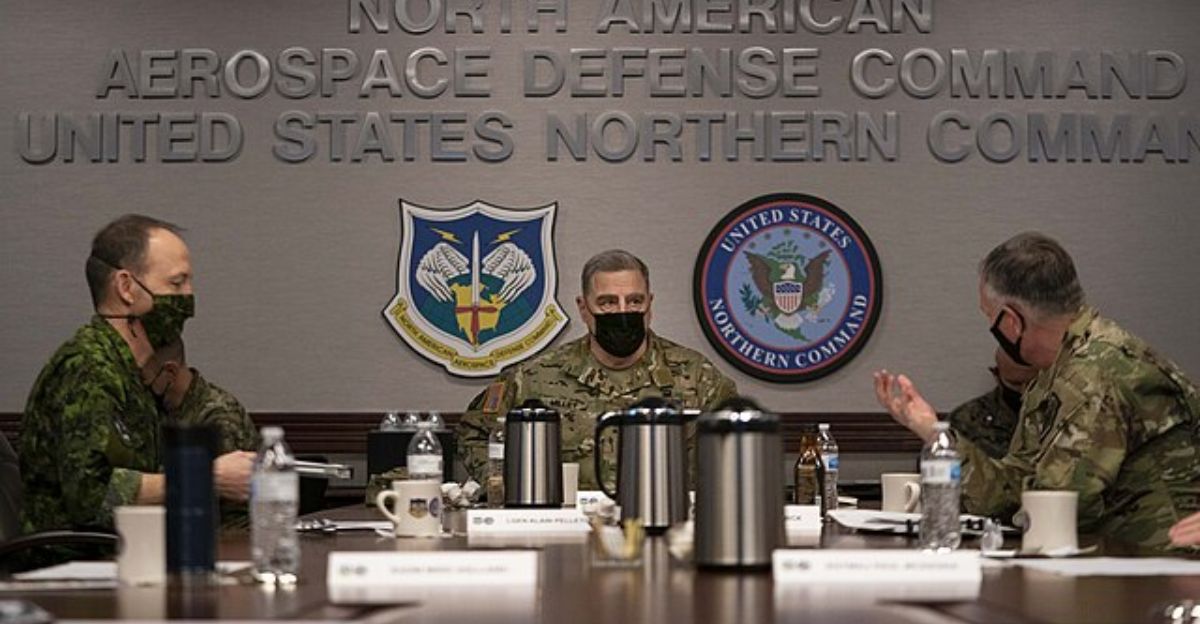
NORAD has made it clear that any aircraft violating the TFRs will face immediate military intervention. The command has emphasized the serious nature of these breaches and reinforced its commitment to safeguarding airspace around presidential estates.
F-16s will continue to be deployed to intercept and neutralize potential threats.
Pilot Resources
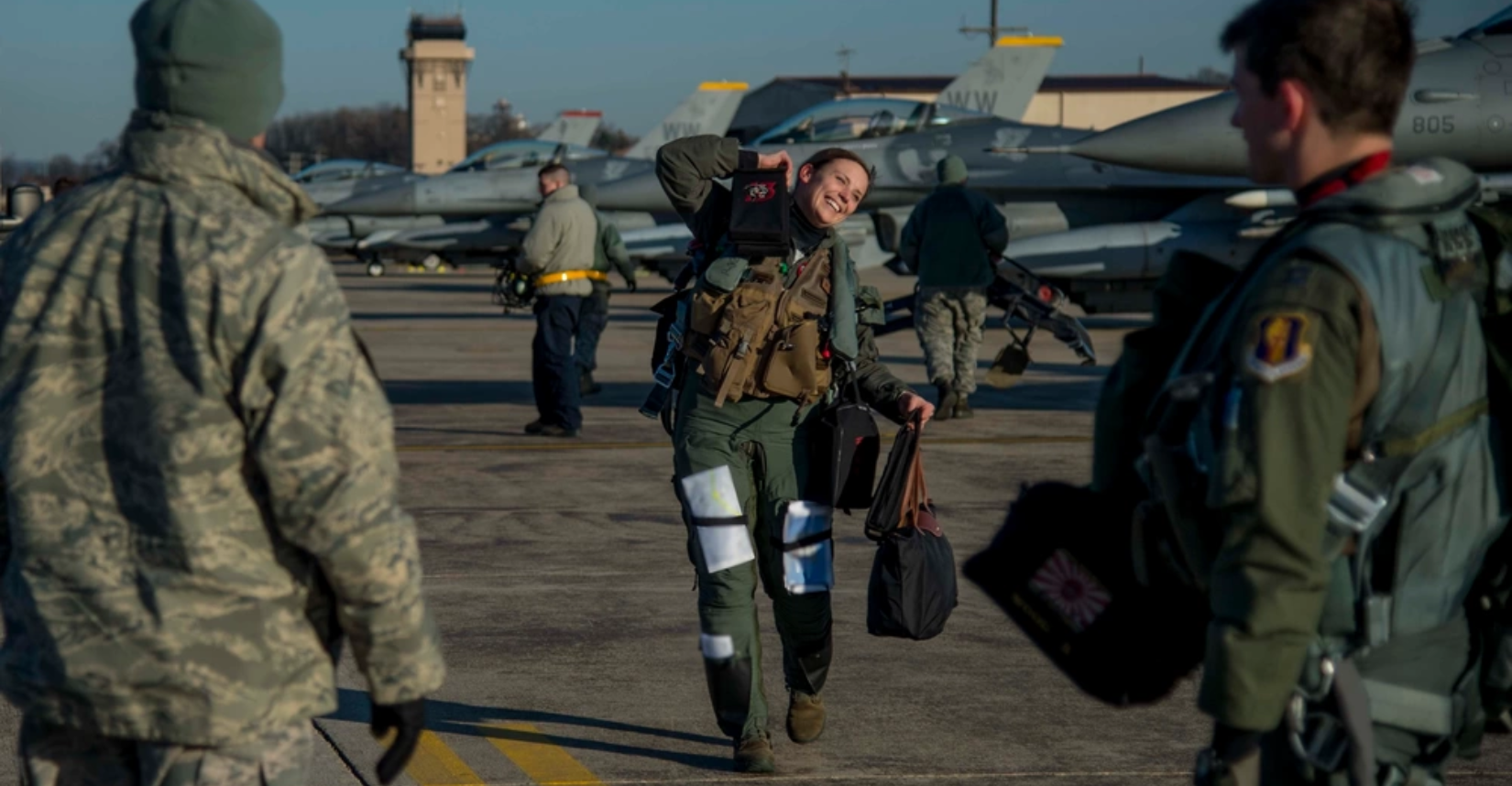
Pilots have access to a variety of resources to stay informed about airspace restrictions. The FAA’s online system provides up-to-date TFR information, and checking the NOTAMs before each flight is a required part of the FAA’s safety protocol.
Pilots must remain diligent in ensuring they are aware of all current restrictions.
Pattern of Violations
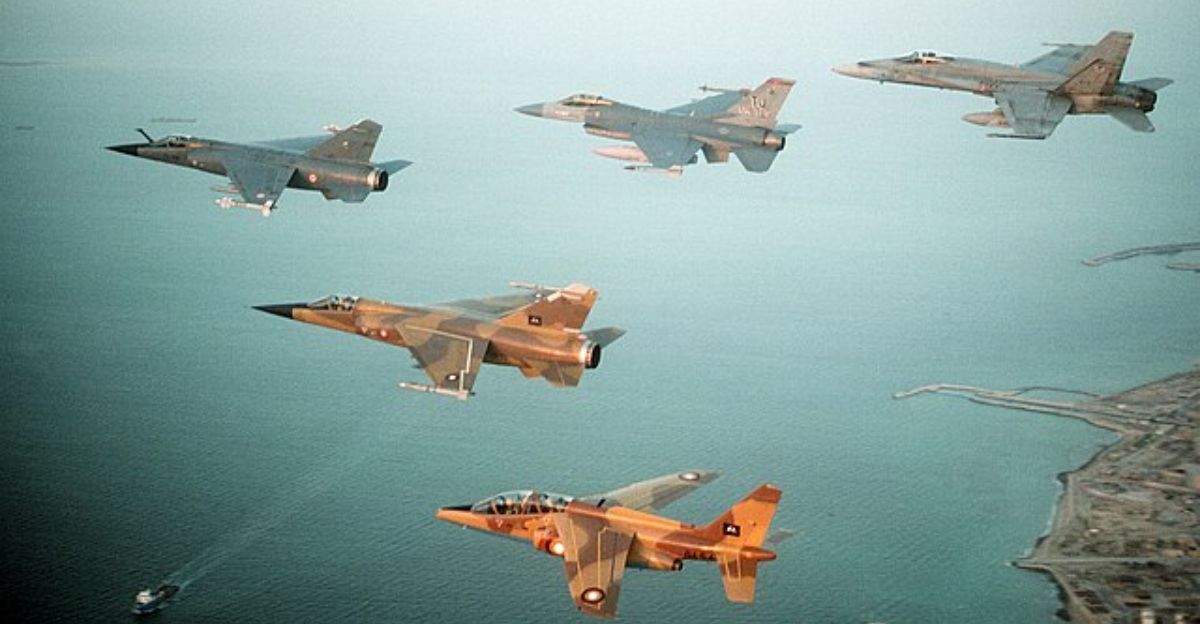
The November 29 incident follows a troubling pattern of airspace violations. Multiple general aviation aircraft had already breached the Palm Beach TFR earlier in the same week, highlighting an ongoing challenge in enforcing compliance in the high-profile Palm Beach area.
These repeated violations reflect an ongoing challenge in enforcing compliance in the high-profile Palm Beach area.
Forward-Looking
As security concerns around presidential figures continue to grow, the need for robust airspace protection remains paramount. NORAD’s strategy includes a combination of radar surveillance, satellite monitoring, and fighter aircraft deployments to safeguard airspace around sensitive locations.
This layered defense system will remain in place as part of broader efforts to secure U.S. airspace.
Legal Framework
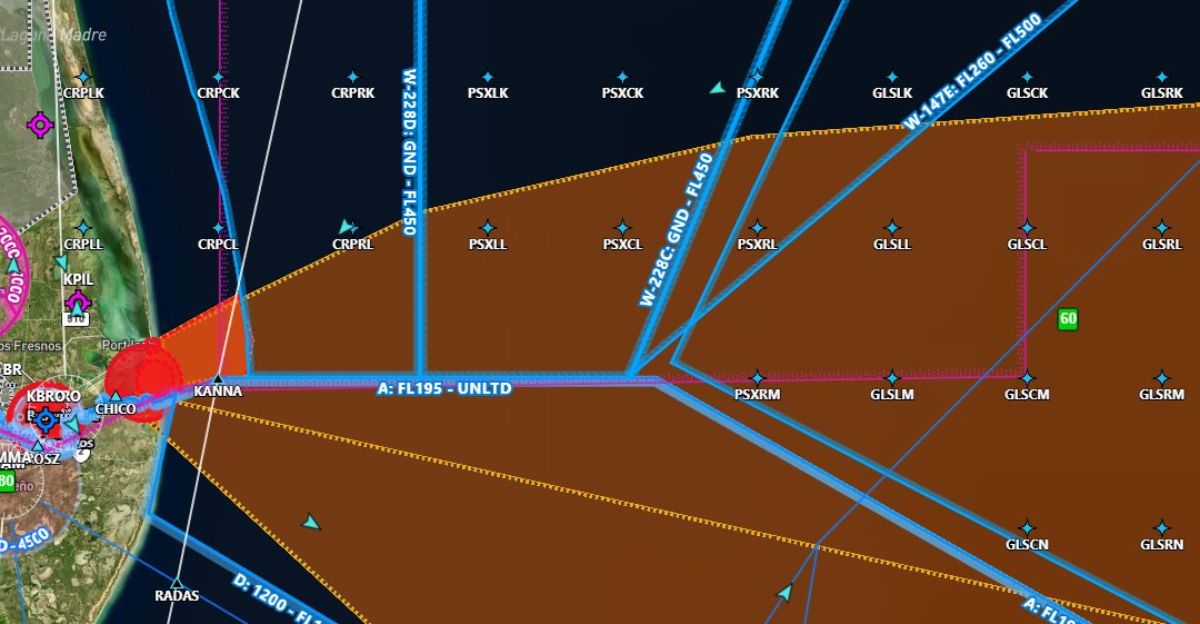
Violating a presidential TFR is a federal offense with serious legal repercussions. Pilots who breach these restrictions face potential fines and even criminal charges, depending on the severity of the violation.
The legal framework around TFR enforcement is well-established, but continued education and awareness for pilots are essential in reducing incidents.
Security Measures
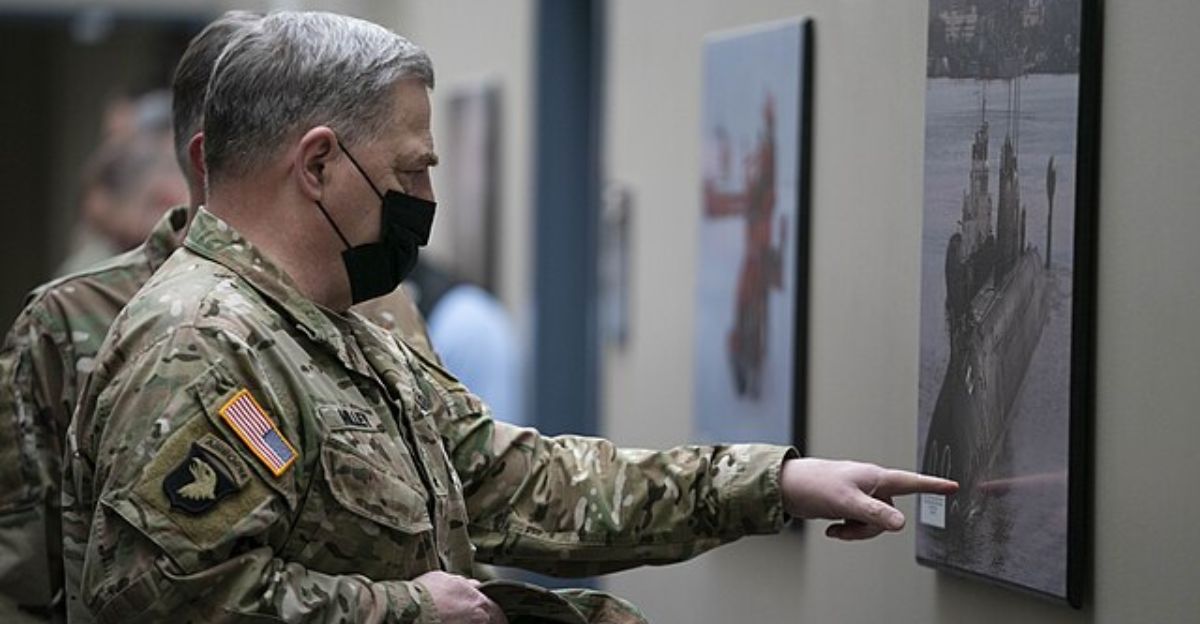
NORAD employs a variety of aerospace warning systems to monitor and intercept civilian aircraft in restricted airspace. These systems are designed to protect U.S. airspace from potential threats, and the recent violations near Mar-a-Lago demonstrate the effectiveness of these measures in securing national leadership and high-profile locations.
The robust security framework ensures swift responses to violations in order to maintain airspace integrity.
Early 2025 Statistics
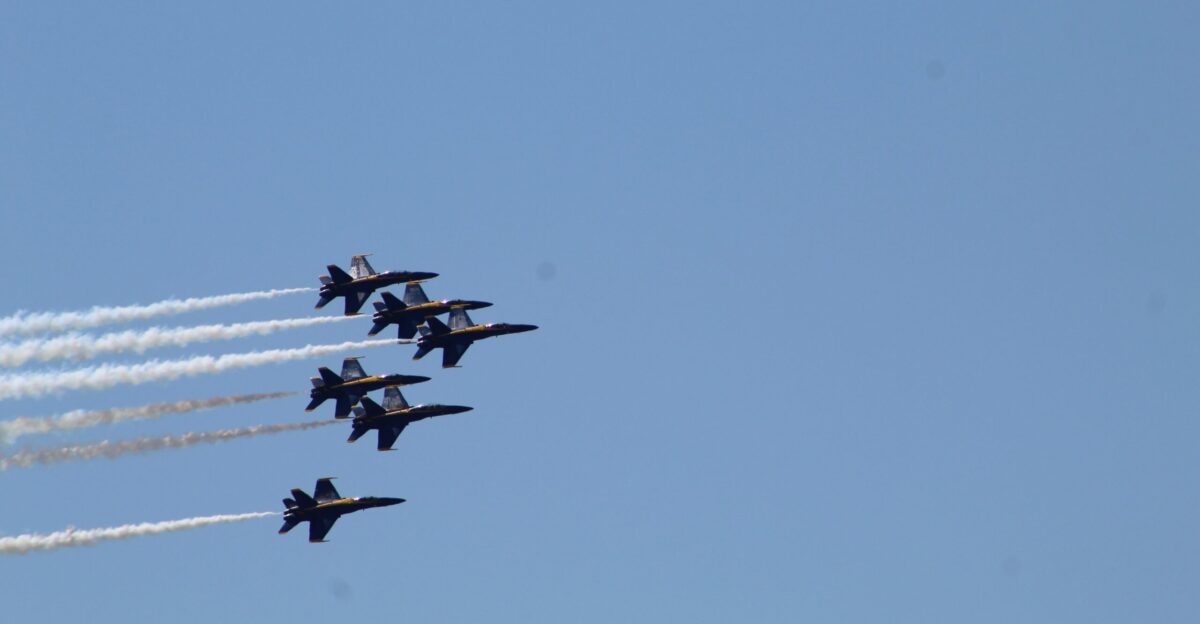
As of early March 2025, military jets had already intercepted 20 aircraft violating the Palm Beach TFR, with violations continuing throughout the year. By November 2025, the total had risen to over 40 violations.
This rapid escalation highlights the growing challenge of enforcing airspace security in the region.
Broader Context
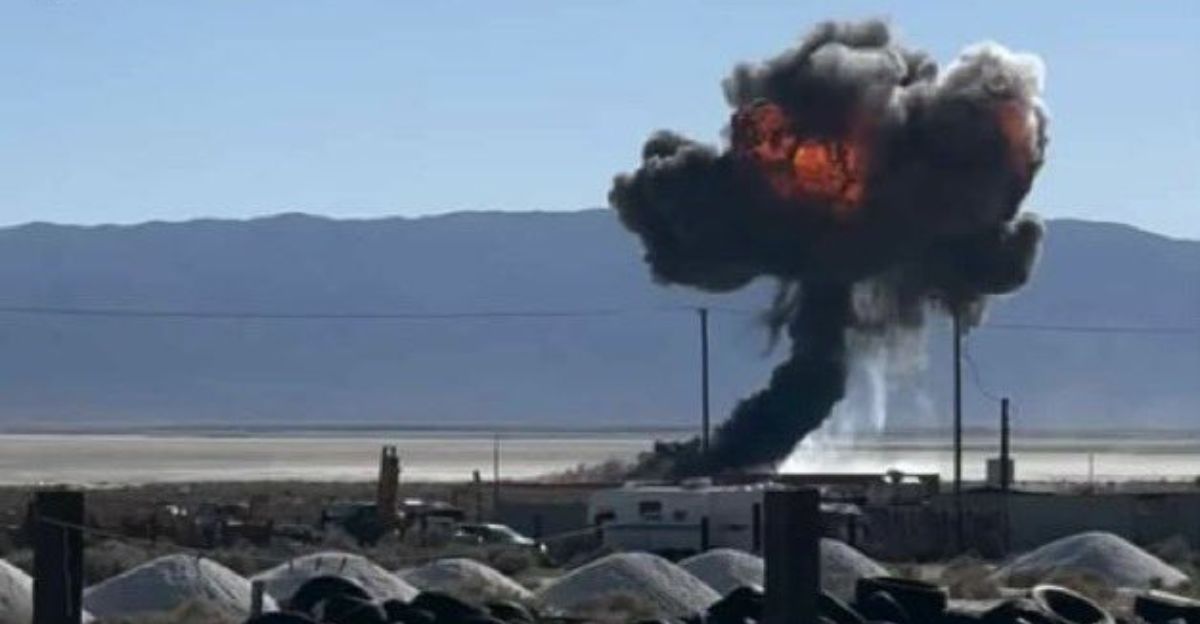
The incidents near Mar-a-Lago are not isolated but reflect broader security challenges faced by high-profile figures. As public attention continues to increase on leaders, the need for robust airspace management and effective enforcement of restricted zones will become even more crucial in ensuring the safety of those in power.
These challenges require constant adaptation and vigilance from authorities.
Ongoing Challenge

The situation in Palm Beach reflects a complex balance between airspace security and general aviation access. As long as high-profile figures like President Trump continue to reside at Mar-a-Lago, NORAD and other authorities will remain vigilant in ensuring that the airspace remains secure.
The challenge of maintaining both safety and accessibility will persist in the years to come.
Sources:
NORAD/DVIDS Official Release (November 29, 2025)
CBS News – “F-16s scrambled, flares deployed to intercept plane near Mar-a-Lago” (December 1, 2025)
Military.com – “Aviation Expert Calls Uptick of Recent Aircraft Intercepts Near Mar-a-Lago Unusual” (March 9-10, 2025)
FAA Official Guidance – “Temporary Flight Restrictions (TFRs)” (March 9, 2025)
Aviation Law Documentation – “FAA TFR Violation Punishments” (November 12, 2025)