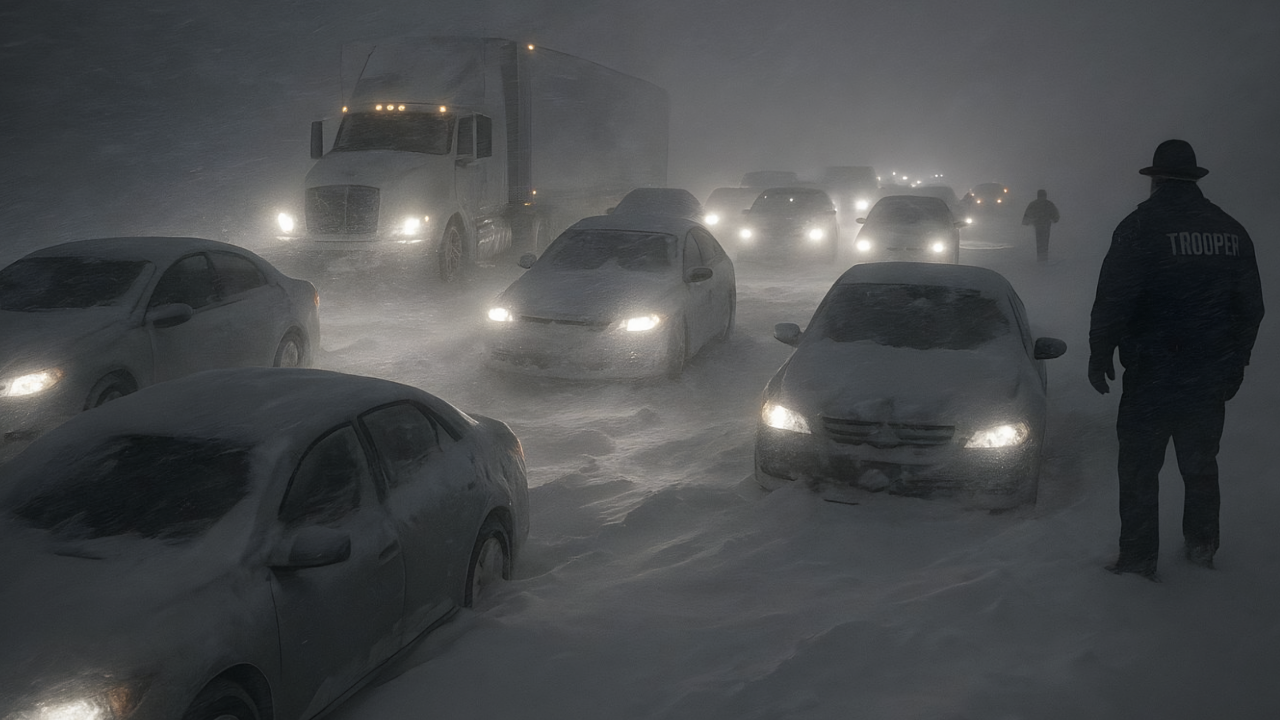
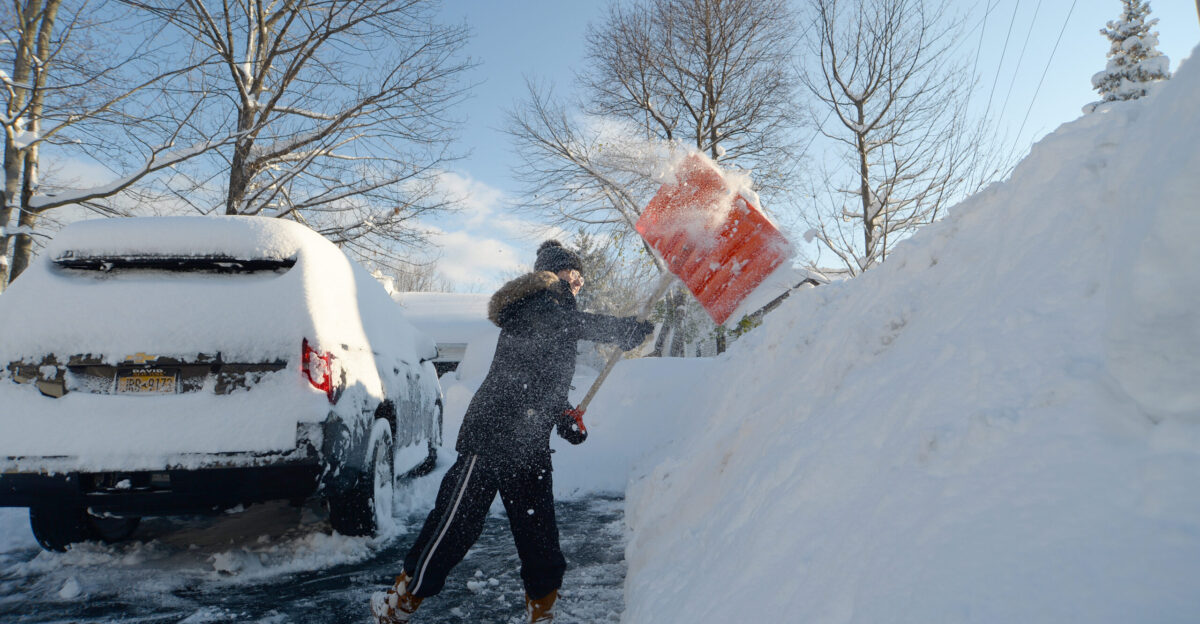
A massive winter storm swept across the Northwest, Rockies, and Plains, blanketing these regions in snow and creating perilous travel conditions. By December 16, 2025, winds reaching 80 mph were reported across mountain peaks, leaving snowdrifts that buried entire vehicles.
The National Weather Service (NWS) issued a winter storm warning for 18 states, including Colorado, Oregon, Washington, Montana, Idaho, New Arizona, North Dakota, South Dakota, Kansas, Texas, Iowa, and Minnesota, with nearly 60 million people in the storm’s path. Roads became impassable, with zero visibility, and the NWS warned that anyone caught in the storm could be stranded for days. But this was only the beginning—what else lies ahead?
Arctic Air Mass Unleashes Destructive Winter Storm
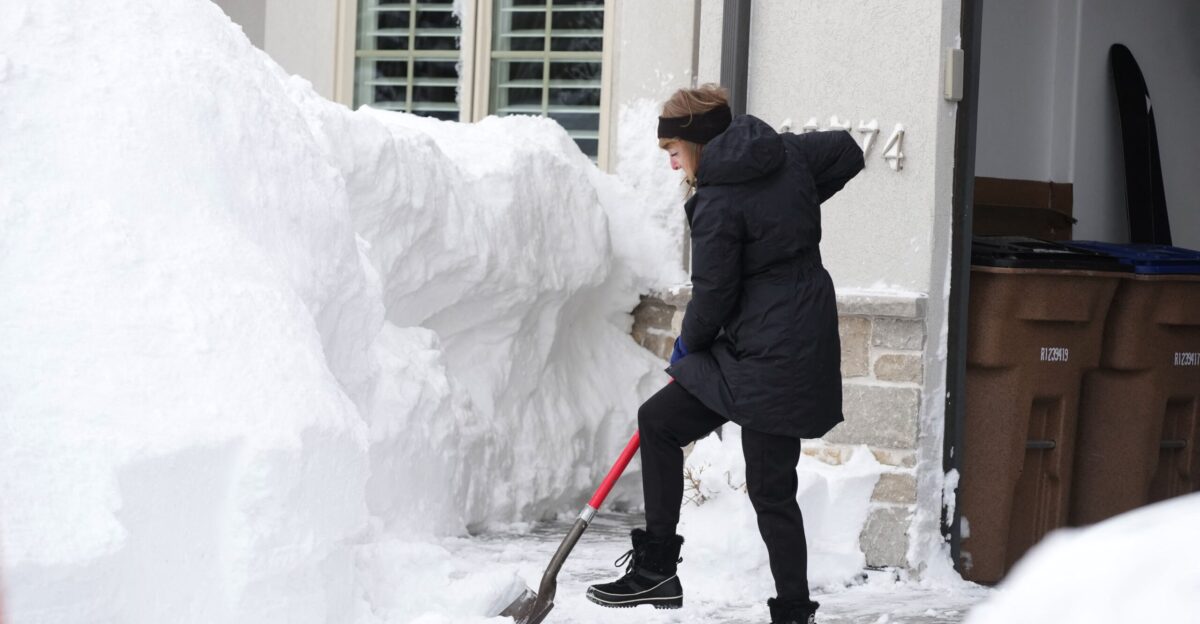
A powerful Arctic outbreak is sweeping across North America, driven by a weakened polar vortex allowing frigid air to plunge southward from the Arctic.
La Niña climate conditions are amplifying this pattern, creating an unusually active winter storm track. Warm ocean temperatures contrast sharply with the invading Arctic air mass, generating explosive storm development.
Unrelenting Power of the Arctic Outbreak
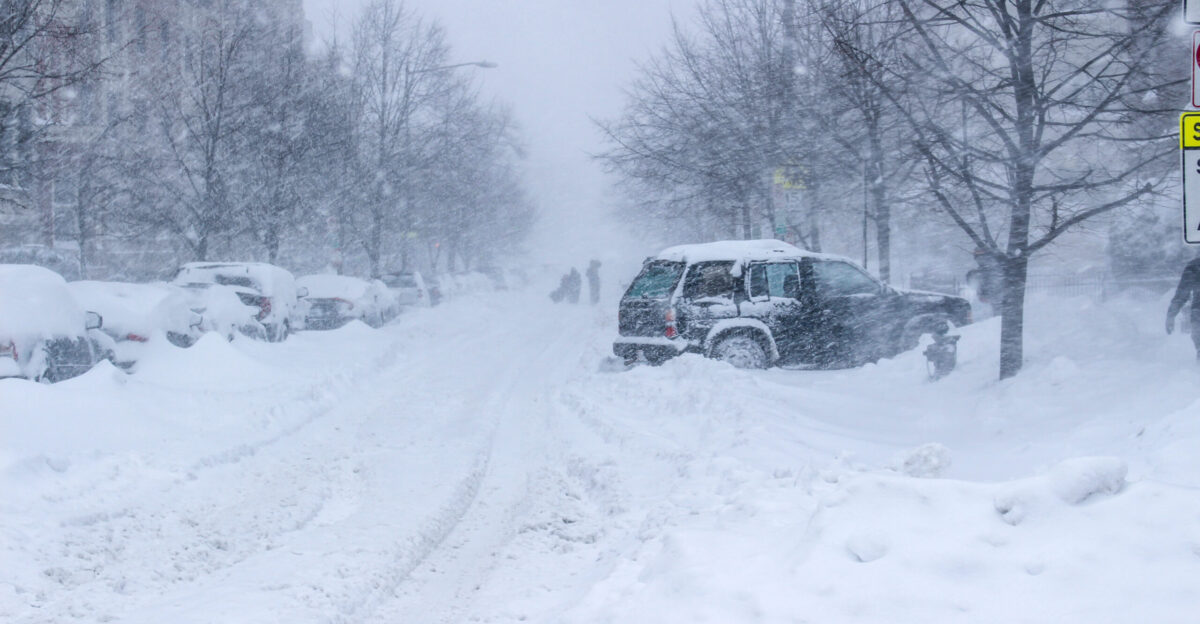
This storm is one of the most expansive early-winter events in recent memory, with heavy snow bands and fierce winds ranging from 50 to 70 mph across vast regions.
The Cascades and Northern Rockies could see up to 36 inches (3 feet) of snow. These extreme conditions, including blizzard-like whiteouts, pose significant risks to both travelers and infrastructure, especially in remote areas.
Dangerous Travel for Millions
The NWS has issued warnings about whiteout conditions that could reduce visibility to zero, making travel extremely hazardous along major highways such as I-90, I-80, and I-70.
Hundreds of thousands of households in Colorado, Wyoming, and the Dakotas are at risk of power outages. Families are urged to prepare for emergency situations as snow and high winds worsen, making non-essential trips highly discouraged.
Airlines and Transport Brace for Impact
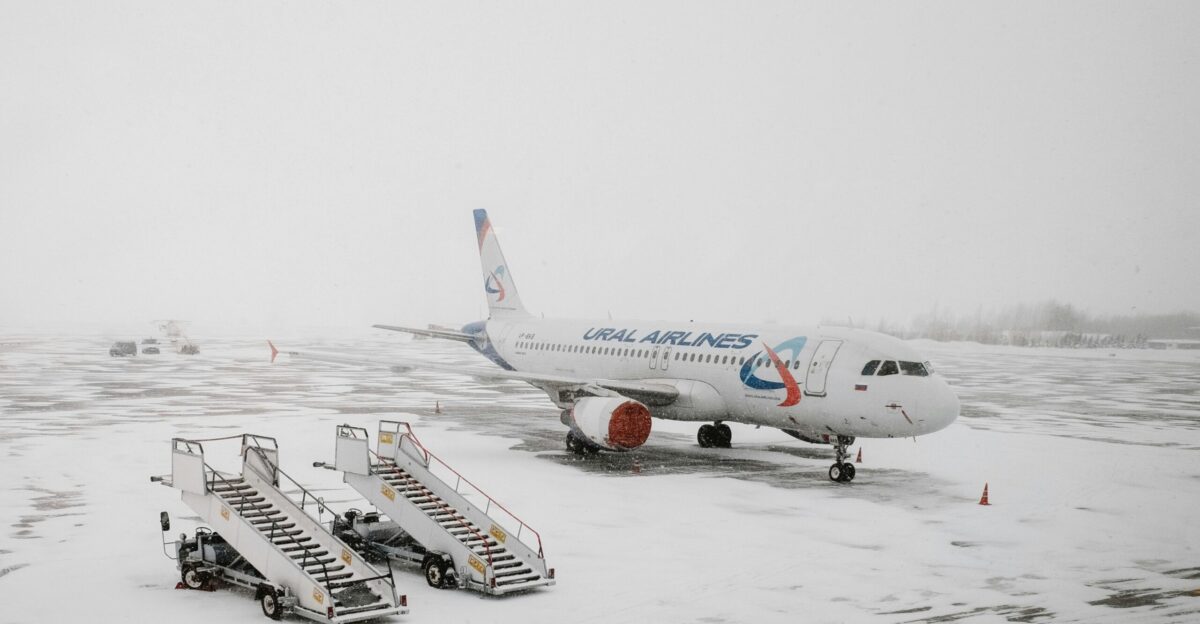
Airlines operating in key cities like Denver, Minneapolis, and Seattle are reporting significant delays as snow and crosswinds affect flight operations.
Trucking companies along the affected interstates face closures, while rail services are considering speed restrictions to prevent accidents in drifting snow. The storm’s impact is leading to widespread disruptions to logistics and supply chains.
Supply Chain Strain in Blizzard Zones
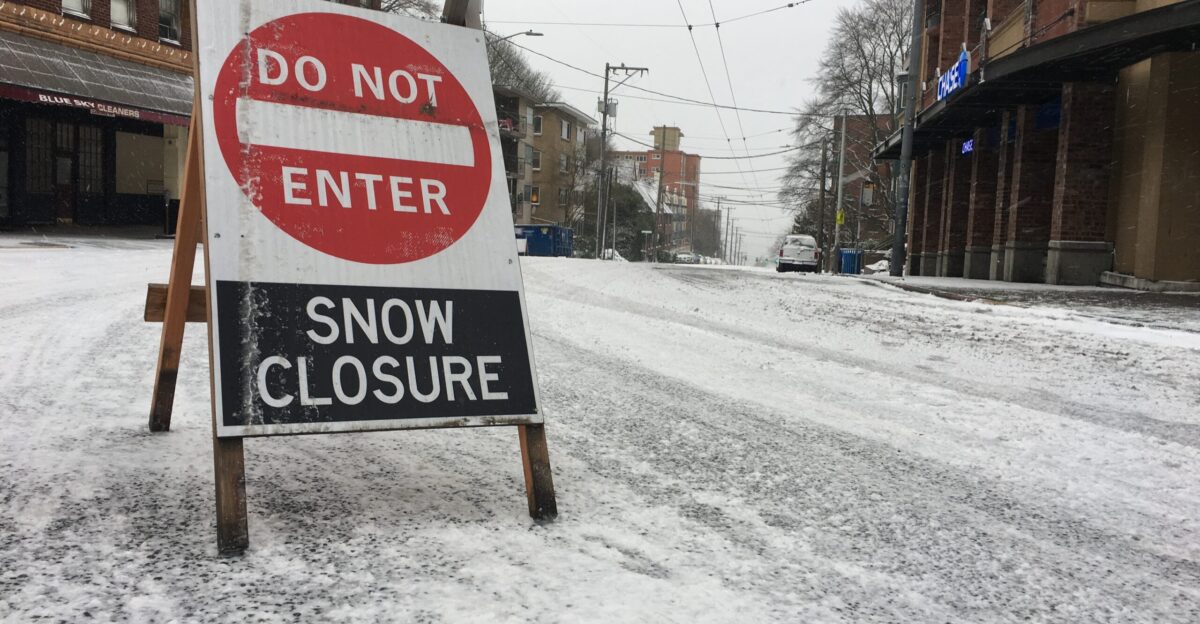
In anticipation of road closures, major distribution and retail operations across affected regions are accelerating shipments of essential goods.
Retailers in unaffected areas are stocking up on emergency supplies, expecting high demand as stores in the blizzard zone experience increased customer activity. Some companies are rerouting freight to avoid the worst of the storm’s path.
Impact on Trade and Shipping
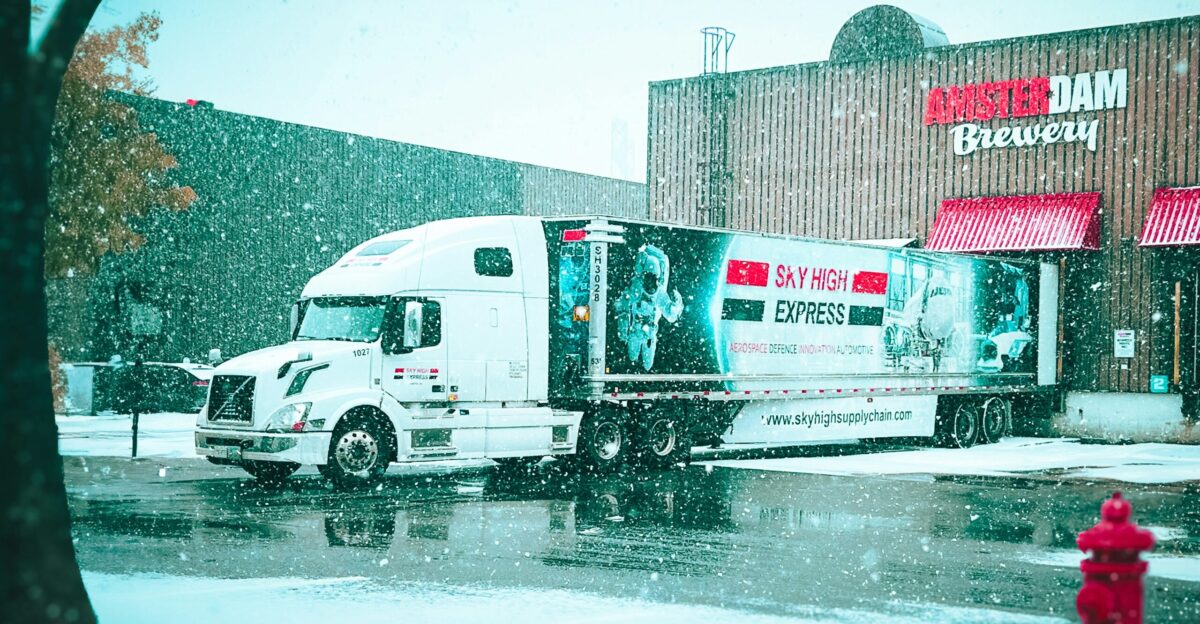
Storm-related disruptions across rail networks in the Northern Plains and Pacific Northwest could cause delays in the movement of key goods such as grain and energy products.
This could affect shipping schedules as transportation networks experience temporary disruptions.
Rural Communities Face Increased Risk
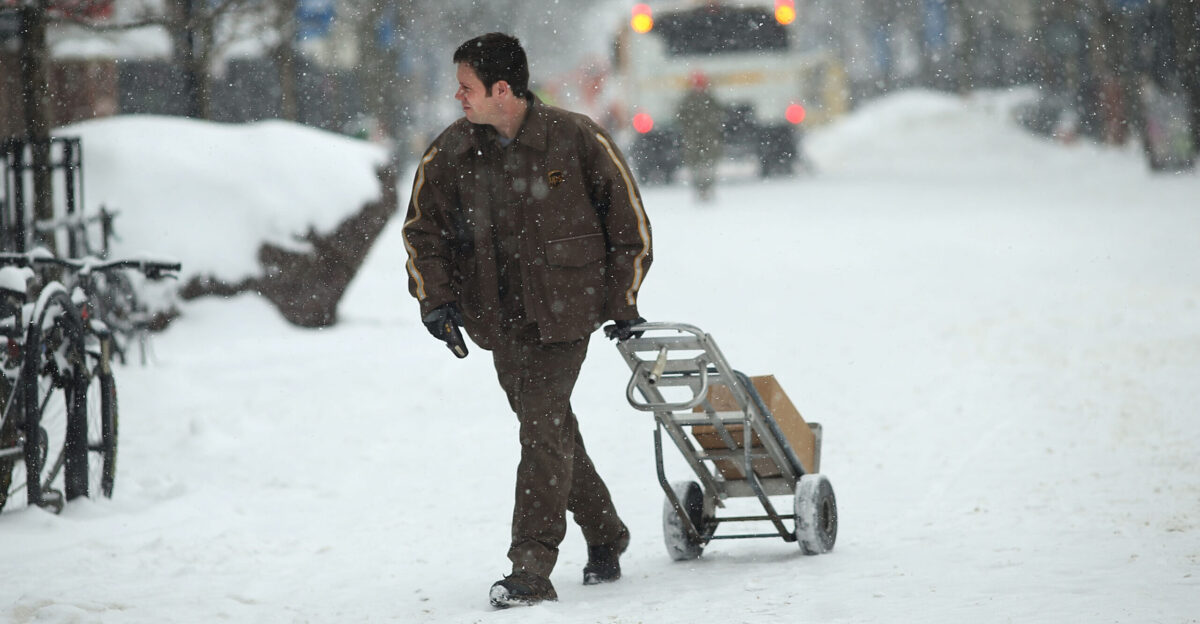
Rural areas, especially in Wyoming, Nebraska, and South Dakota, face higher risks from the storm’s fierce winds and snow.
Zero-visibility squalls may trap drivers, while ranchers scramble to protect livestock from 70 mph gusts and deep snow drifts. Power line crews are on high alert to repair outages, and emergency services warn that small towns could be isolated for days.
Emergency Measures from Governors and State Officials
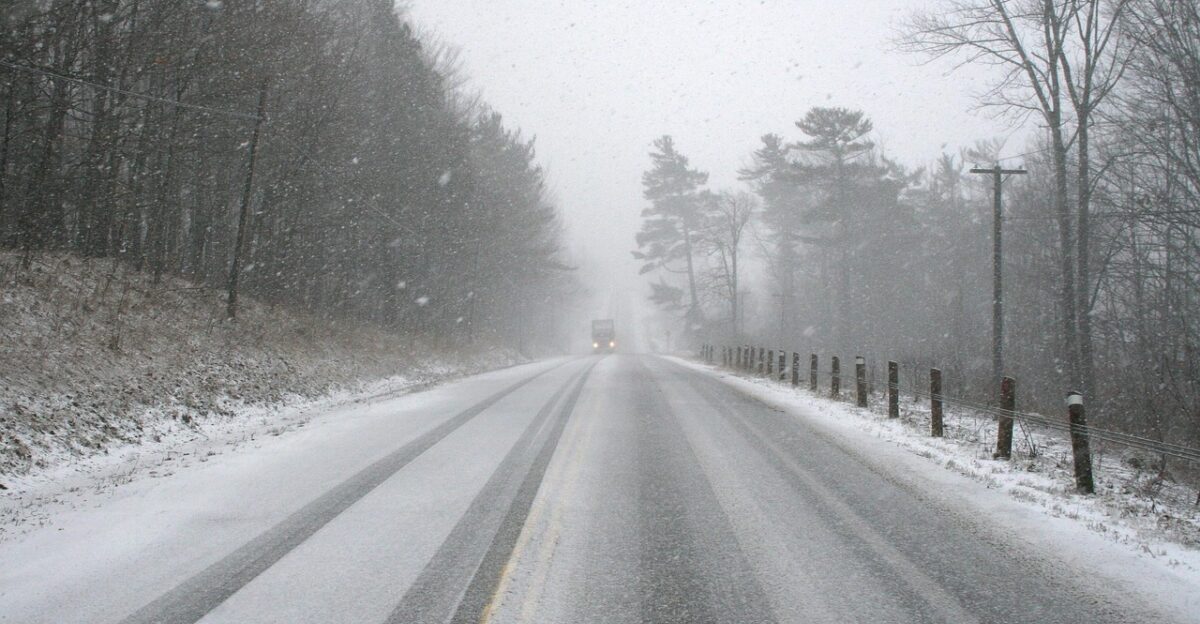
State governors and transportation officials across Colorado, Washington, and North Dakota are taking steps to limit travel and prepare for widespread outages.
Emergency responders are reviewing shelter plans as outages are expected, and local governments are preparing for disruptions in schools and city operations. Measures to protect residents from the storm’s worst effects are in place, though resources remain stretched.
Energy Demand Surge and Price Volatility
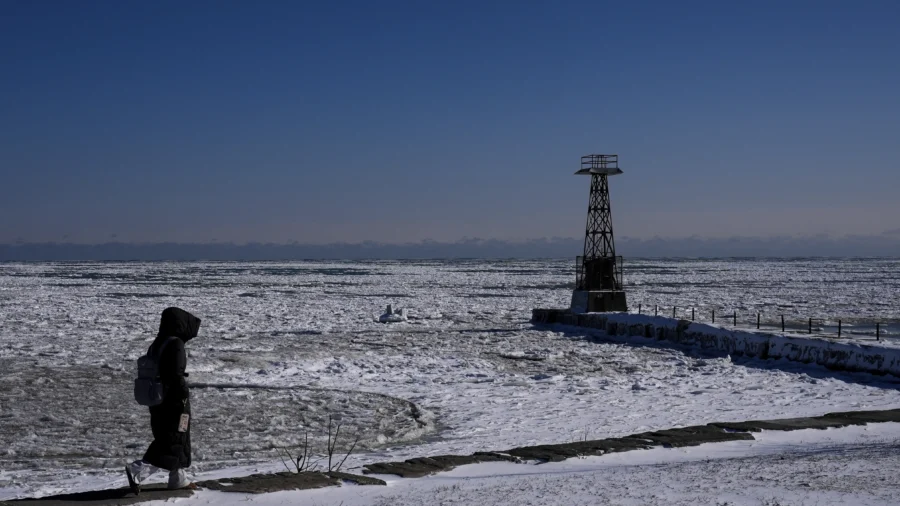
As the Arctic blast drives temperatures below freezing, energy demand will spike across the affected regions.
This surge in demand, coupled with possible outages, could lead to short-term price volatility in energy markets, further straining regional economies.
Health Risks and Medical Readiness

Hospitals in the affected regions are preparing for an uptick in cold-related injuries, including hypothermia and frostbite. Emergency rooms are also on standby for crash victims and fall injuries as icy roads and sidewalks pose dangers.
With seasonal illnesses also in play, health professionals are bracing for a busy period as the storm escalates.
Climate Change and Infrastructure Concerns
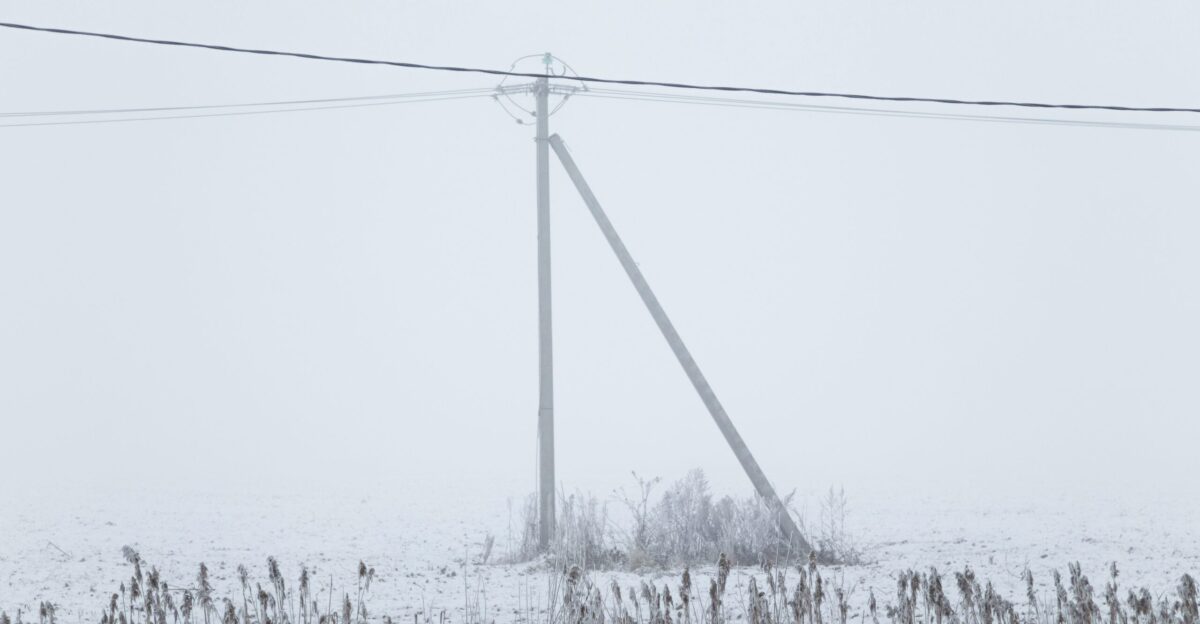
While no single storm can conclusively link to climate change, the intensity and breadth of this event raise questions about the increasing severity of such weather patterns. Meteorologists are investigating whether warming oceans and shifting atmospheric conditions could be amplifying storms like this.
Meanwhile, discussions about building more resilient infrastructure are gaining momentum, as cities and towns prepare for more frequent and extreme winter events.
Changing Habits in a Storm-Prone America
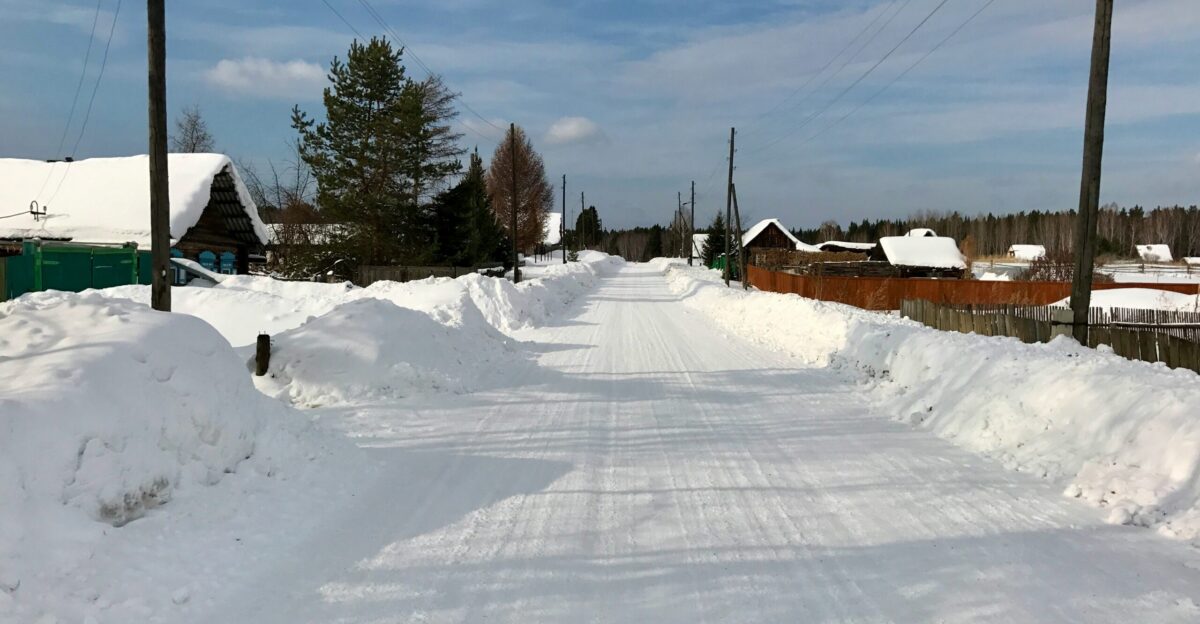
As major winter storms increase in frequency, people across affected and surrounding regions are increasingly adapting by working from home, accessing telehealth services, and using online schooling to stay safe.
Businesses are adjusting by expanding delivery services and rethinking outdoor recreation plans.
Insurance Costs and Consumer Preparedness

Insurance companies are preparing for an influx of claims related to property damage caused by 80 mph winds, snow accumulation, and fallen trees.
Consumers in affected areas are urged to prepare for power outages by assembling emergency kits, charging devices, and checking their backup generators to reduce the risk of carbon monoxide poisoning.
A Wake-Up Call for Winter Resilience
This massive winter storm serves as a wake-up call for better preparedness across 18 states. As winter weather events continue to grow more intense, atmospheric patterns like La Niña could lead to even more extreme storms in the future.
This event emphasizes the need for improved resilience planning for both individuals and communities across the U.S.
Sources:
“Winter Storm Warning Affecting 18 States Predicts Dangerous Winds and Snowfall.” Yahoo News / Men’s Journal, December 17, 2025.
“Winds hit 124 MPH at Colorado Ski Resort – Same Speed Category 3 Hurricane.” Denver Gazette, December 18, 2025.
“Hundreds of Thousands are Without Power as Damaging Winter Storm Strikes.” The Washington Post, December 17, 2025.
“Storm Knocks Out Power for More Than 200,000 in Western U.S.” The New York Times, December 17, 2025.