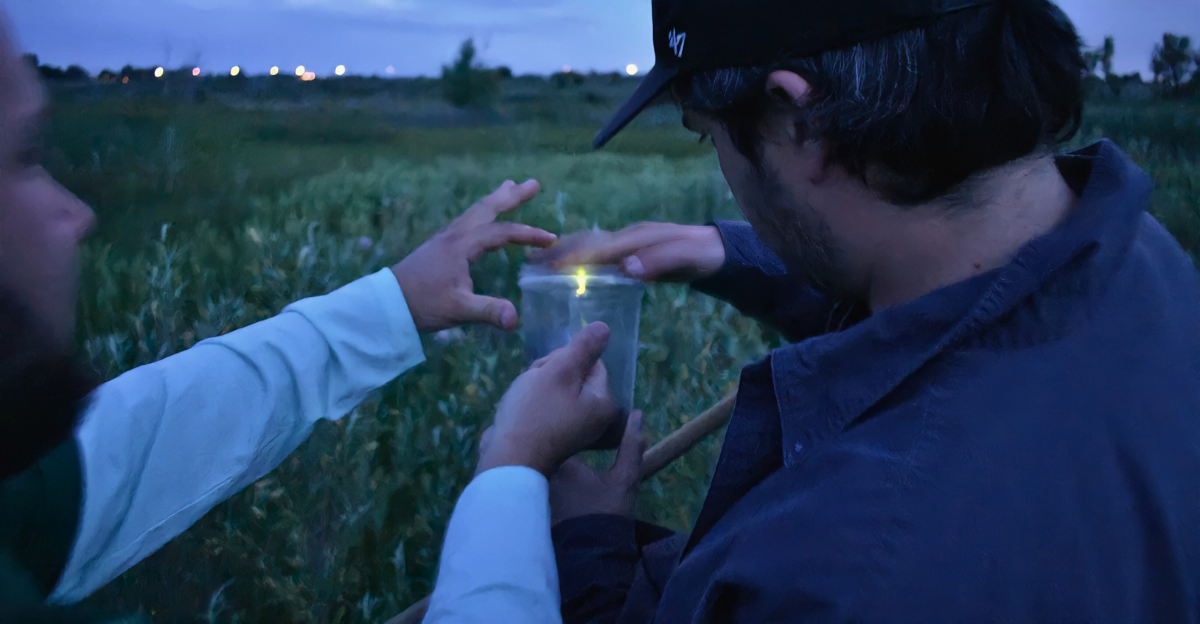
The recent rediscovery of the Gombak bent-winged firefly, thought extinct for 90 years, is igniting optimism among scientists and conservationists in Malaysia.
According to Bernama, this tiny insect vanished after its last record in 1921, presumed lost to habitat destruction and urban growth.
“Every rediscovered firefly species is evidence that extinction can still be prevented if we act,” said Dr. Wan Faridah Akmal Jusoh, Malaysia’s leading firefly researcher.
Biodiversity Under Threat
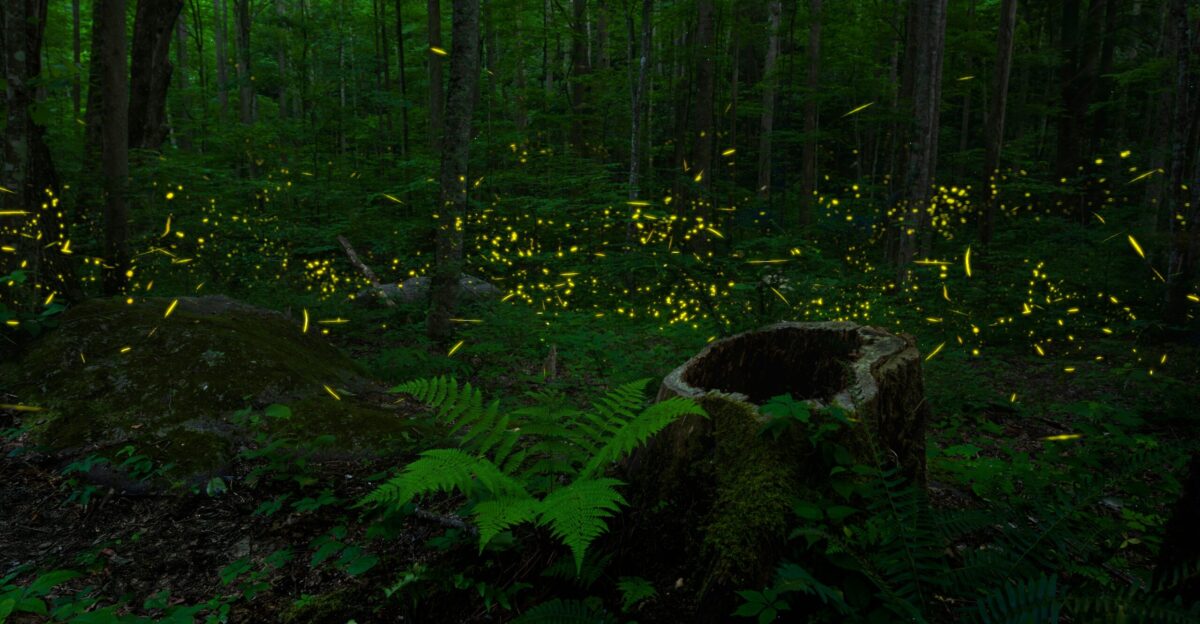
Malaysia’s rainforests support diverse firefly populations, but human development has brought unprecedented losses.
According to Malay Mail, over eight native firefly species in Bukit Kiara have seen dramatic declines due to land conversion and pollution.
“We must adapt conservation strategies before more disappear,” Dr. Jusoh urged researchers and policymakers. Efforts now focus on monitoring and securing critical habitats.
Long-Lost Legacy
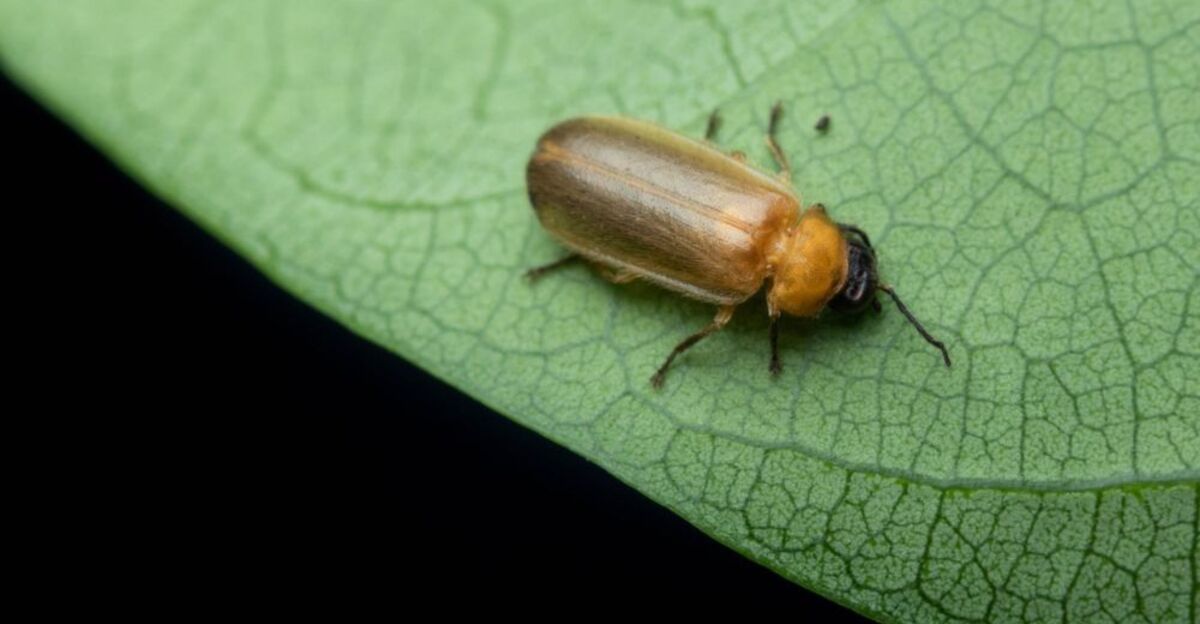
The Gombak bent-winged firefly, Pteroptyx gombakia, was last seen in the Gombak Valley during colonial surveys nearly a century ago. Archives cited by TheStar detail its original cataloguing in 1921 near Genting Sempah.
Urban sprawl erased much of its habitat, leaving scientists to wonder if any remained. “Its absence shaped conservation for decades,” notes TheStar.
Crisis Intensifies
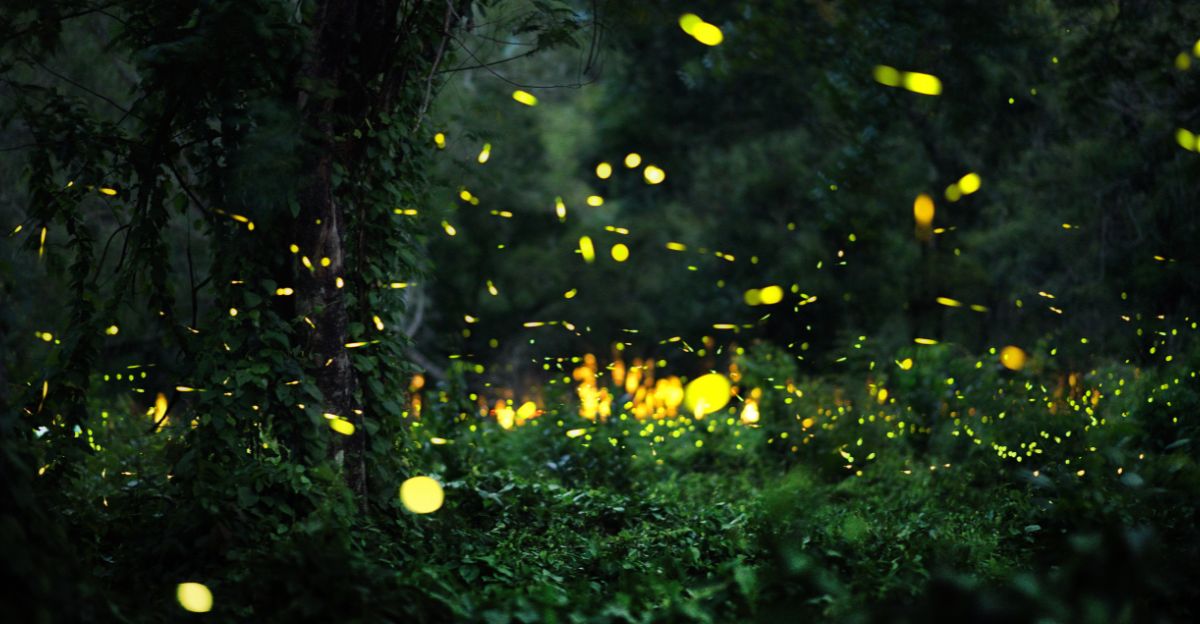
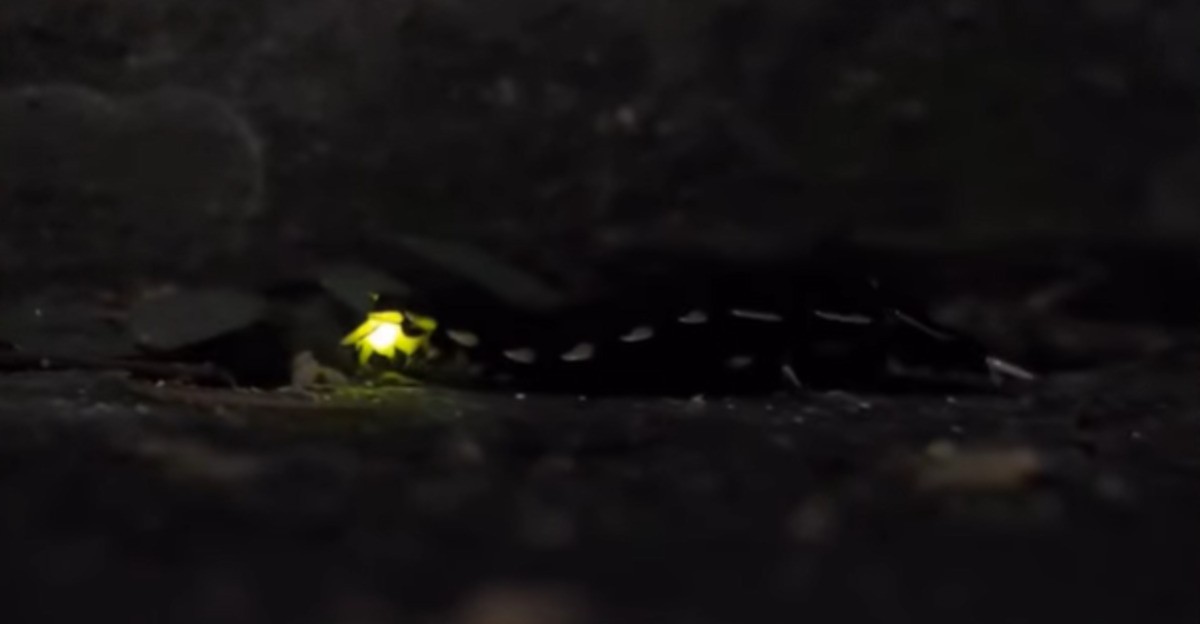
With firefly numbers nearly halved in the last fifty years, Malaysia faces a biodiversity crisis. Forest clearing, river modifications, and light pollution have decimated populations.
“Without urgent intervention, more fireflies will join the list of missing species,” warns the International Union for Conservation of Nature. Conservation priorities have shifted accordingly, raising the stakes for remaining populations.
Sensational Discovery
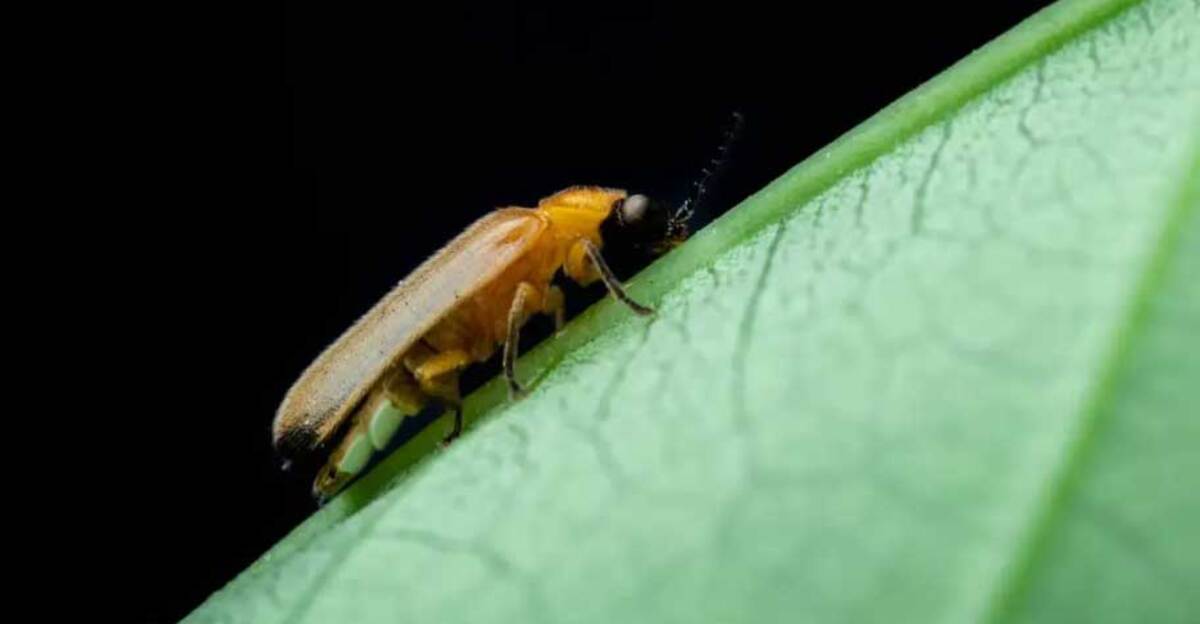
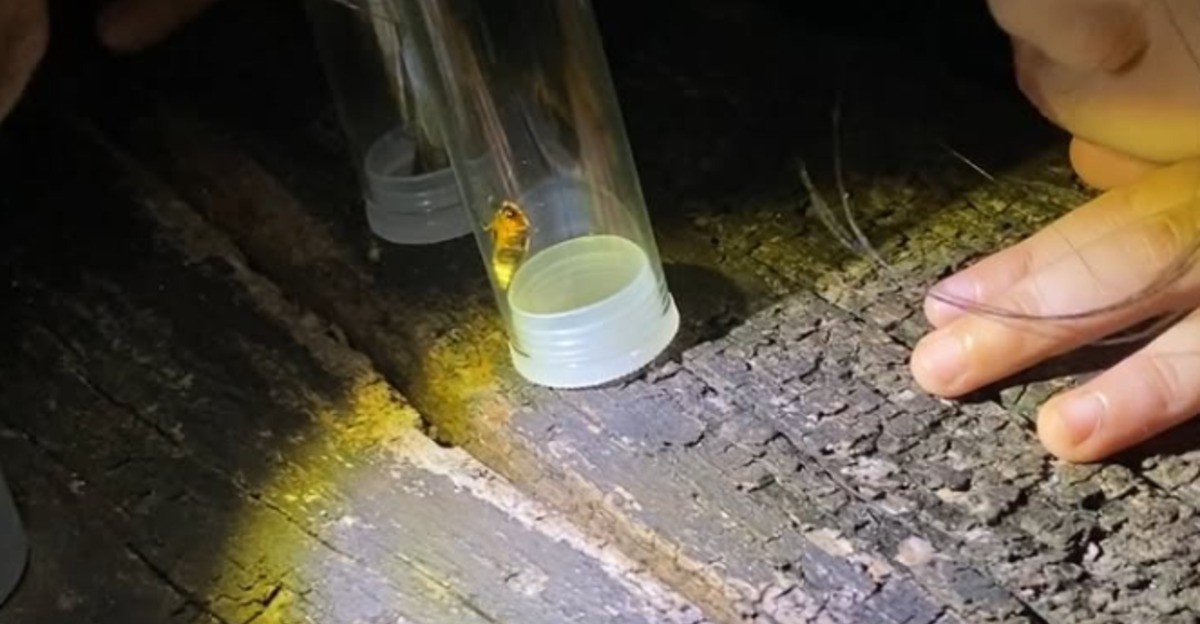
On October 23, 2024, Monash University student Tan Wei Jack caught the first living Gombak bent-winged firefly in Bukit Kiara. Reuters reports this marks only the third specimen ever found, setting a world record for the species.
The event confirms that lost species can survive even under intense ecological pressure. Tan described the discovery as “life-changing.”
Immediate Impact
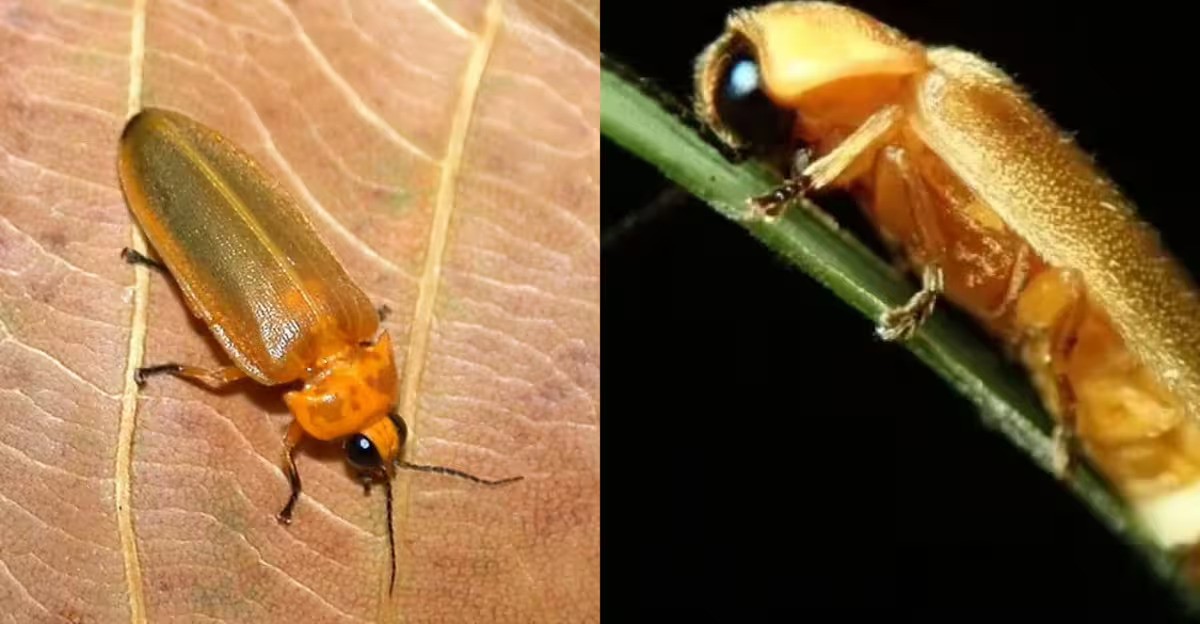
The rediscovery brings new urgency to protect Bukit Kiara, Malaysia’s first federal park. Environmental advocacy groups called the event “an ecological gold rush,” sparking escalated monitoring and habitat restoration.
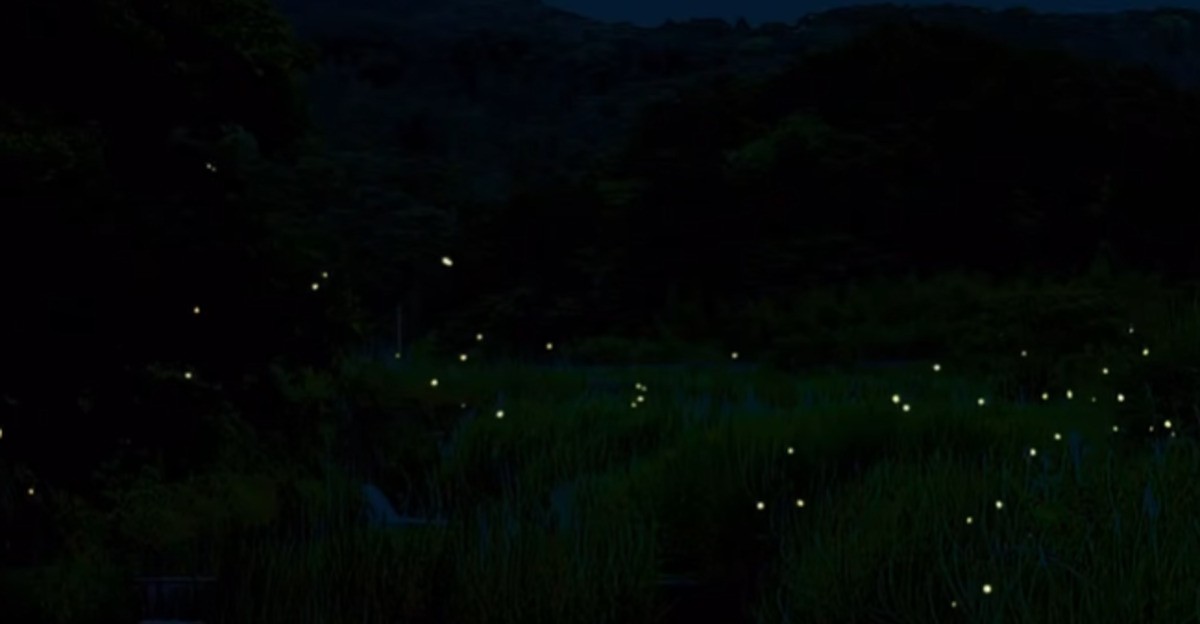
According to Friends of Bukit Kiara, nine distinct firefly species now thrive in the reserve—a victory highlighting the value of resilient urban parklands.
Behind the Scenes
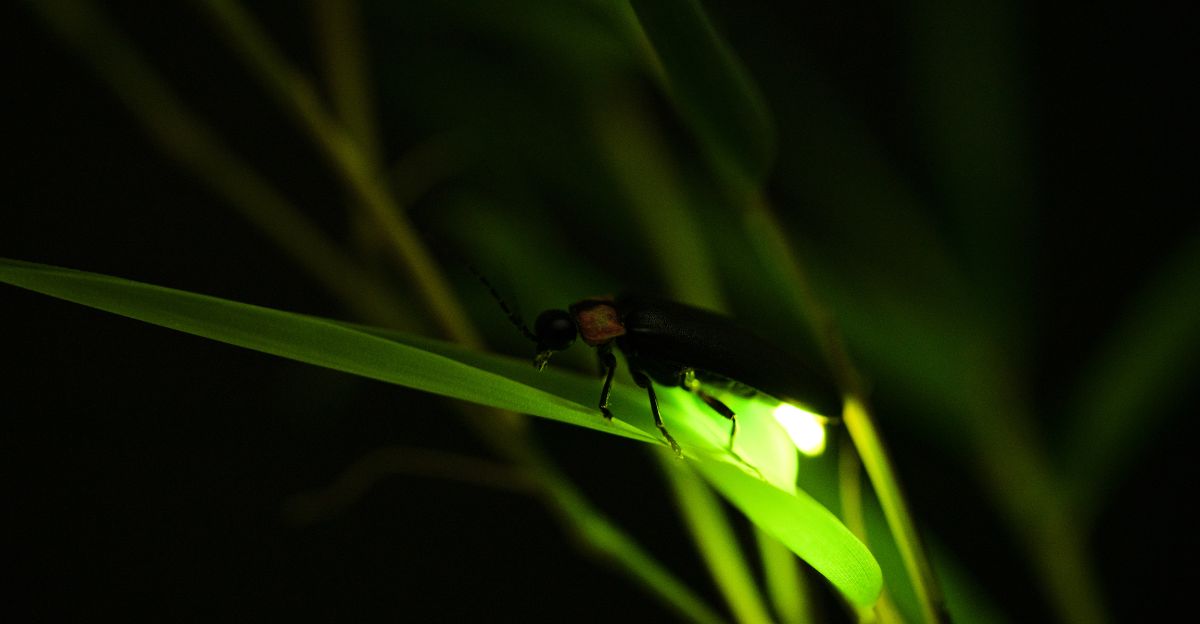
Tan Wei Jack explained, “I never imagined a routine survey would lead to finding a species not seen for 90 years.” The specimen was initially misidentified as Colophotia until closer analysis unraveled the truth.
“That was the moment I knew something was different,” Tan recounted. The find became the centerpiece for conservation events in Kuala Lumpur.
Conservation Action
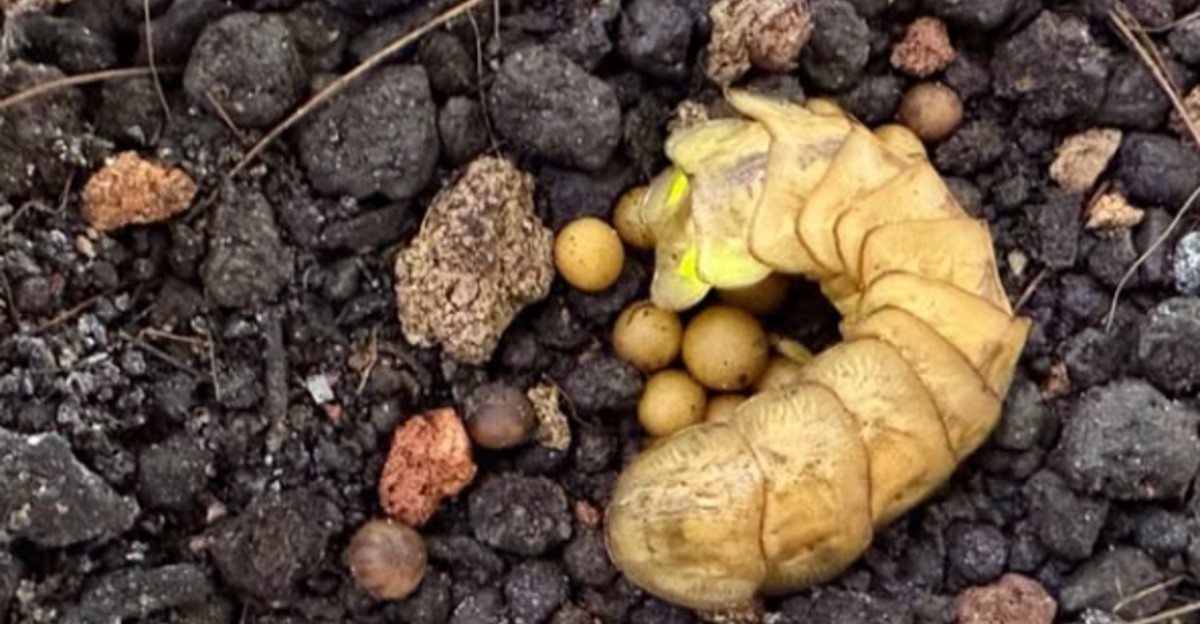
Soon after, Friends of Bukit Kiara increased their citizen science efforts, expanding biodiversity surveys and restoration projects. Academic collaborations led to improved inventory databases.
“We need proper species records and habitat management to safeguard fireflies,” advocated Dr. Jusoh. Upgrades to park facilities and public events drew local support.
Global Context
International conservation groups point to Malaysia’s firefly rediscovery as a beacon in the fight against insect decline.
BBC News notes that climate change, urban development, and pesticide use threaten similar species worldwide. The Malaysian case now informs broader debates on ecosystem health and sustainable urban planning.
Mistaken Identity Revealed

Tan’s specimen was initially classified as a member of the Colophotia genus, common in Bukit Kiara. Genetic tests disproved this, confirming its identity as Pteroptyx gombakia.
This highlights how rare species can thrive undetected, suggesting that other “lost” insects may yet persist in hidden corners of urban forests.
Advocacy Challenges
Stakeholders voiced growing frustration with slow government funding and research limitations. Rachel Carson once wrote, “Those who contemplate the beauty of the earth find reserves of strength,” a sentiment echoed in coverage by DailyGood. Public-private partnerships formed to accelerate ecological restoration and enhance firefly monitoring.
Research is Limited
Following the rediscovery, stewardship of Bukit Kiara shifted towards academic and community partnerships.
Collaboration between the National Landscape Department and researchers redefined land management policies.
Dr. Jusoh emphasized, “Research on fireflies is limited, making conservation efforts more difficult.” More resources are now being committed long-term.
Recovery Initiatives
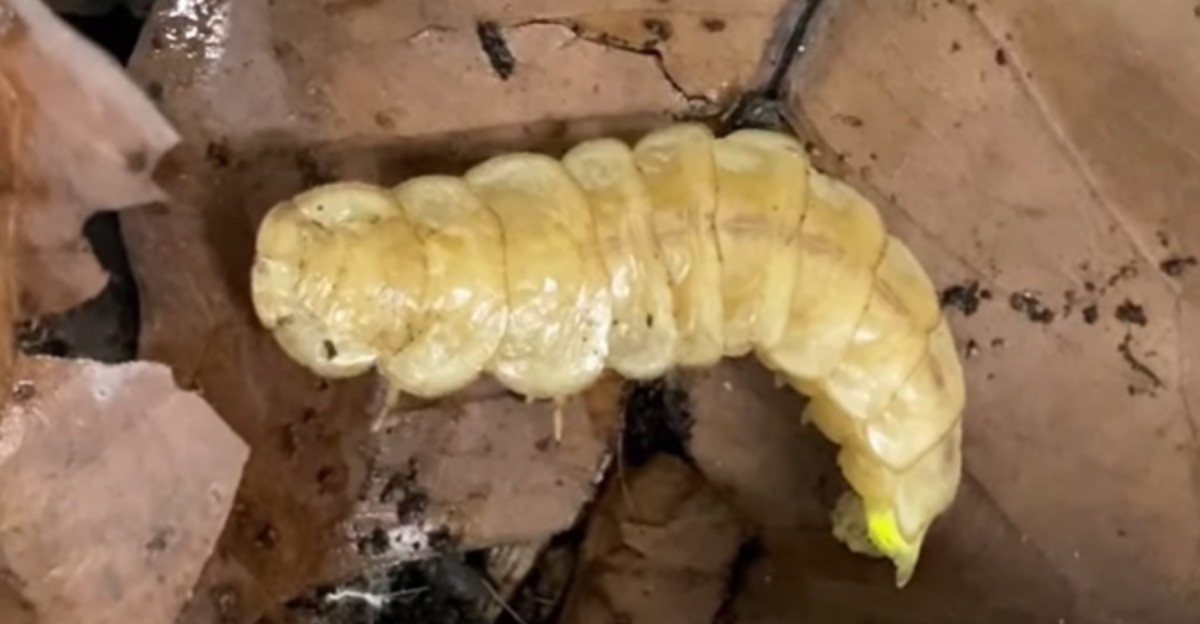
New strategies include increasing nocturnal insect monitoring, enhancing citizen science participation, and restoring riparian vegetation.
The Cooldown quotes Dr. Jusoh: “Fireflies are much more than pretty lights—they’re indicators of ecosystem health.” Nighttime tours and educational programs encourage public stewardship and greater awareness.
Expert Analysis
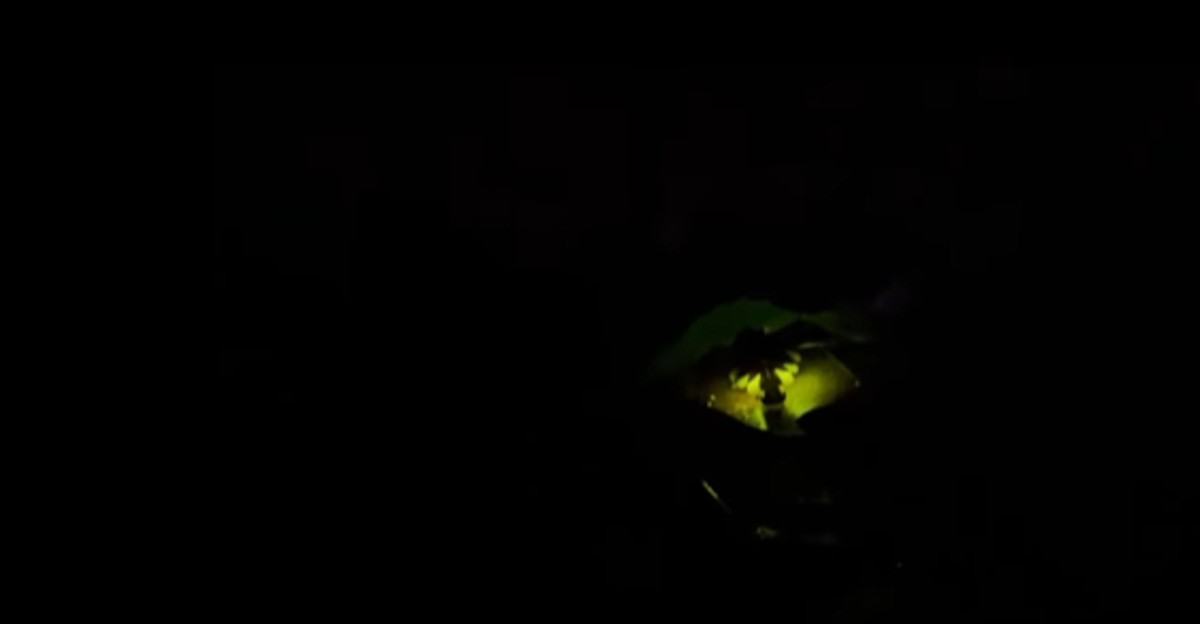
While the rediscovery is hailed as a major breakthrough, experts caution that single finds do not guarantee the species’ survival.
“Remaining threats—habitat loss, invasive species, urban expansion—could still jeopardize Pteroptyx gombakia’s future,” Dr. Jusoh told Bernama. The case underscores the need for ongoing vigilance and habitat protection.
Expanding Search Efforts
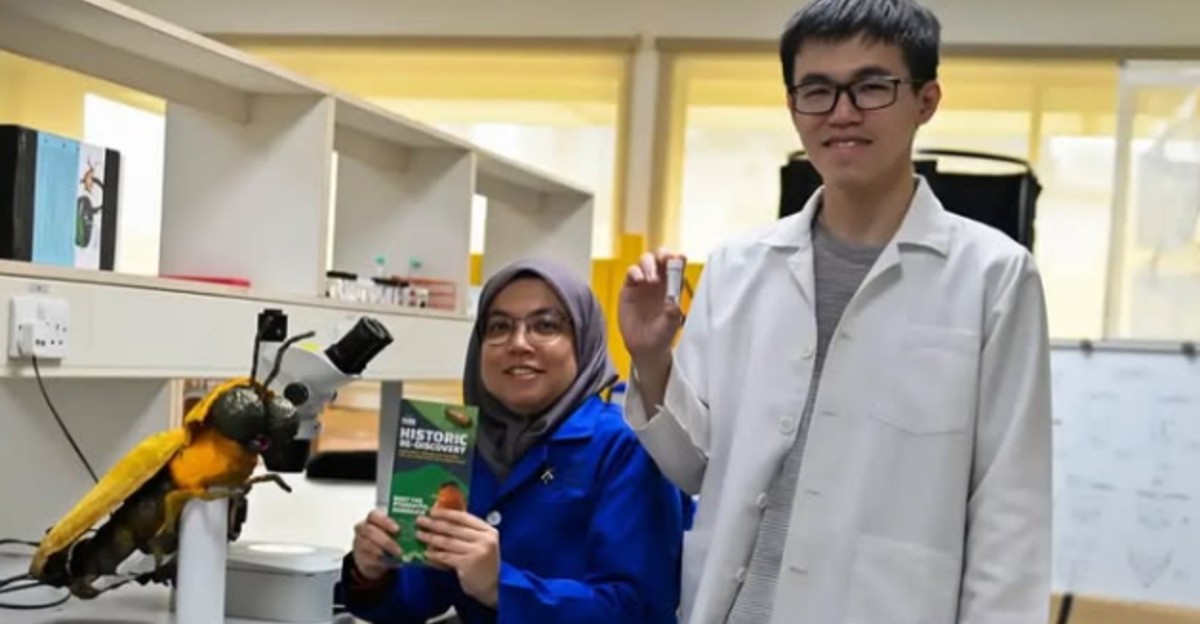
Conservationists now recommend expanding search efforts into other Malaysian forest enclaves to locate additional presumed extinct insects.
“Bukit Kiara’s rediscovery challenges us to reexamine extinction lists and reset conservation priorities,” writes BBC News. Ongoing studies will inform next steps in policy and community engagement.
Next Steps

The firefly’s return is influencing discussions on Malaysia’s urban land-use policy. Advocates call for stricter buffer zones around Bukit Kiara, referencing the species as “living proof” of hidden ecological treasures. Segambut MP Hannah Yeoh told TheStar, “The next step is to ensure our living fireflies don’t disappear.”
International Response
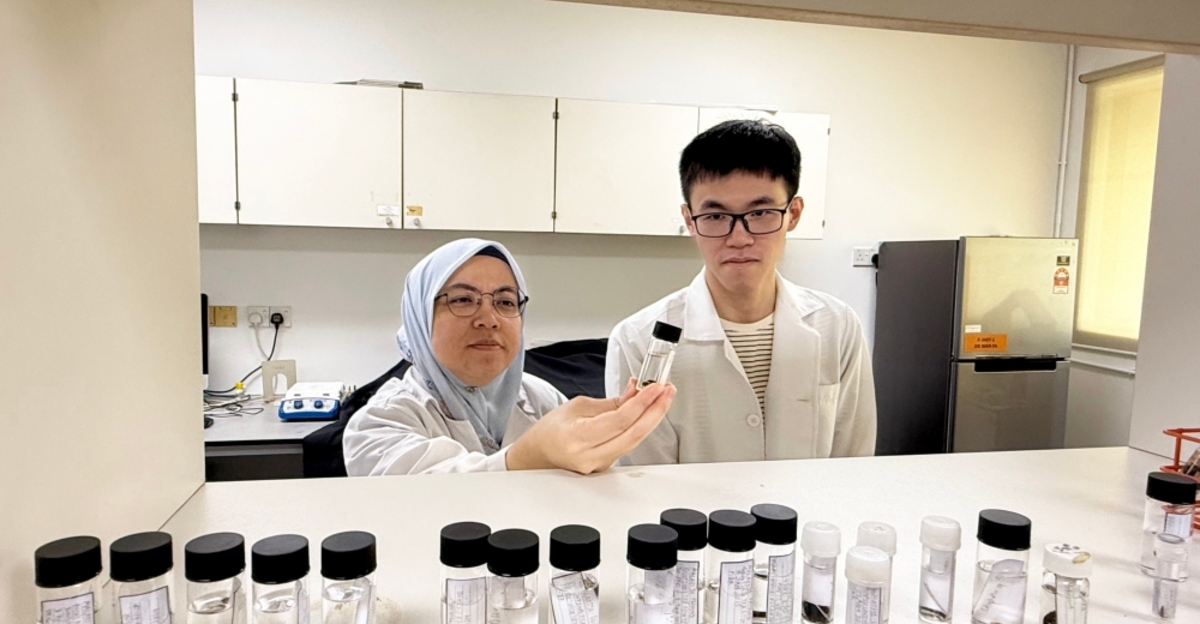
Researchers worldwide have responded, proposing new transboundary studies and conservation alliances. The case has drawn global attention to Malaysia’s unique biodiversity and pressing ecological challenges. Firefly rediscoveries are now seen as crucial in efforts to prevent planetary insect declines.
Ecological Perspective

Bukit Kiara’s urban forest is increasingly viewed as a biodiversity reservoir in Malaysia, especially for insects like the bent-winged firefly.
Studies highlight the need for reducing light pollution, planting native trees, and creating green corridors to improve habitat connectivity and support wildlife.
Local Interest

The rediscovery has reenergized local interest in Malaysian folklore and traditional firefly-viewing festivals. Media coverage shares personal stories of “light surviving in darkness,” inspiring young people to join conservation activities. Cultural emphasis now frames environmental stewardship as a community-wide endeavor.
Lasting Reflections
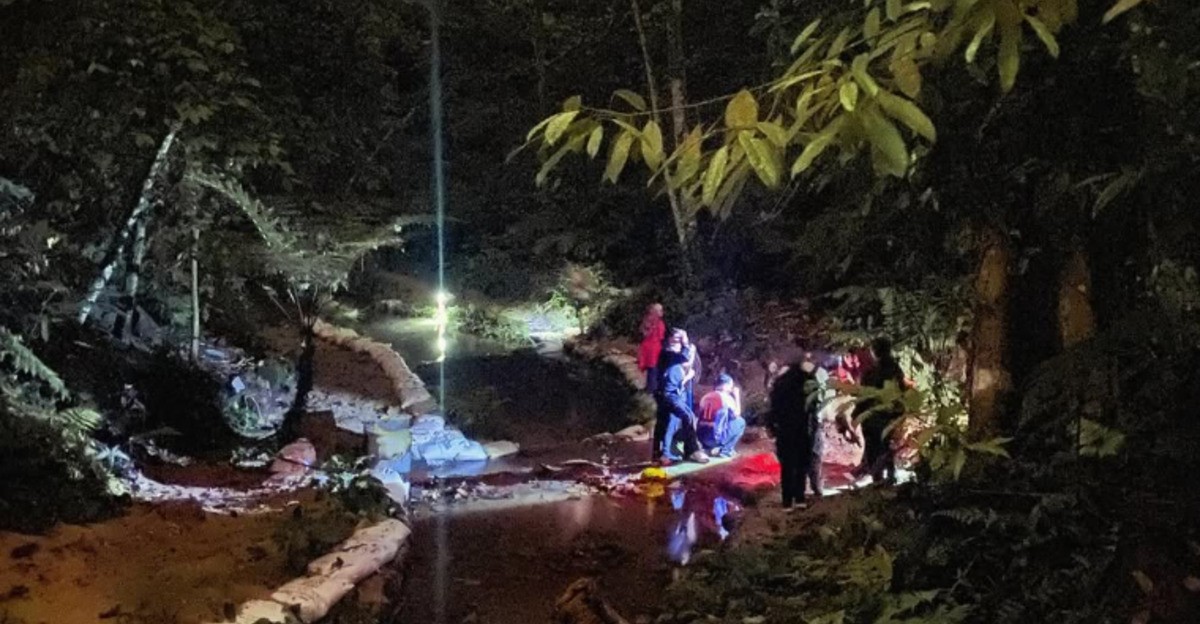
The Gombak bent-winged firefly’s survival defies predictions and reinforces nature’s resilience. “Even when things seem lost, they can still find their way back,” reflected Tan Wei Jack.
Malaysia’s landmark rediscovery is reshaping community values and policies to protect the nation’s extraordinary biodiversity for generations ahead.