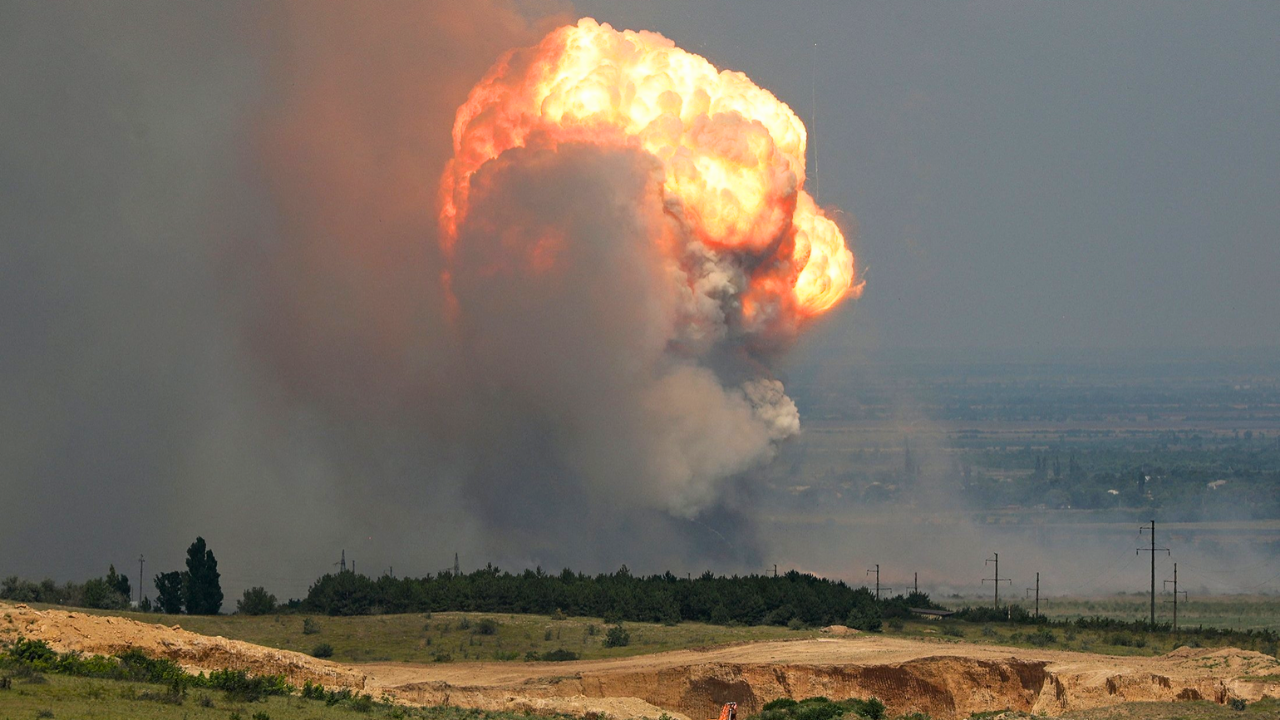
Flashes pierced the dark forest outside Neya, followed by a single blast that swelled into hours of relentless detonations. Residents described explosions ringing out all night from a massive Russian military depot, marking a dramatic escalation in the conflict on January 5-6, 2026.
Deeper Strikes
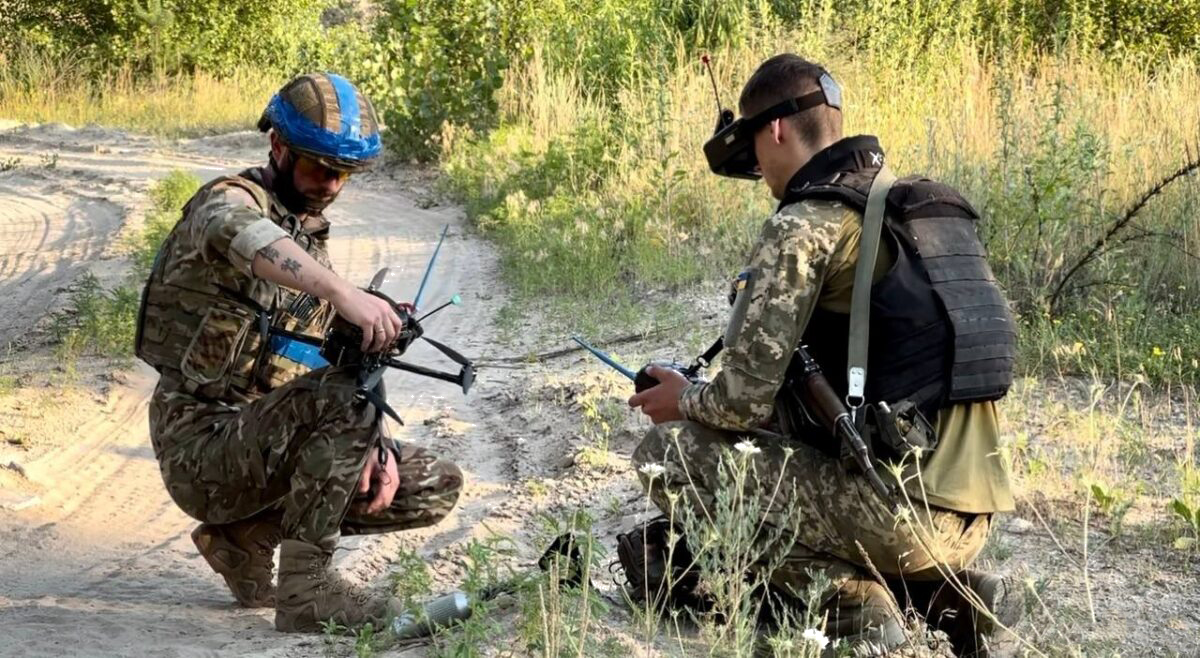
By early January 2026, Ukrainian long-range drones targeted Russian territory nearly daily, striking regions including areas near Moscow. This represented a shift from sporadic raids to consistent assaults on rear infrastructure, powered by Kyiv’s homegrown drones with ranges previously deemed out of reach. The Kostroma operation, nearly 900 kilometers from Ukraine, stood as one of Russia’s deepest rear arsenals to be hit, visibly blurring front-line boundaries.
Alpha Unit
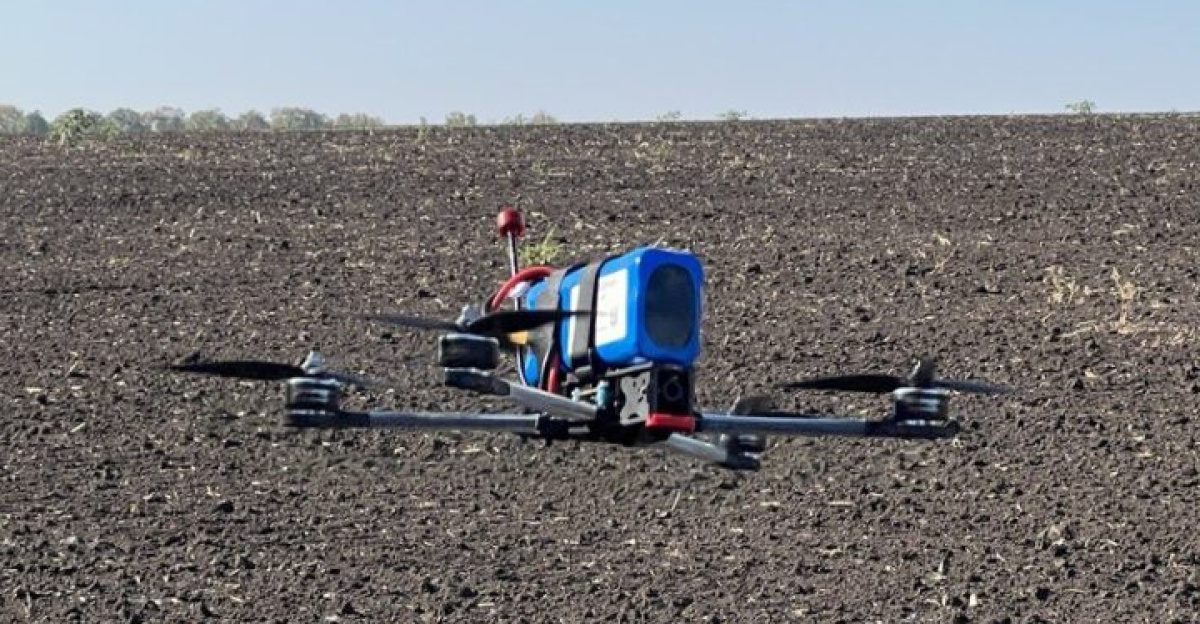
Ukrainian officials credited the strikes to the Alpha Special Operations Center of the Security Service of Ukraine (SBU), a elite unit tracing its lineage to the Soviet-era Alpha Group, established in Kyiv in 1990. Since Russia’s full-scale invasion, Alpha has grown swiftly, expanding from conventional special forces roles to include long-range drone missions.
The main target was Arsenal No. 100, a sprawling GRAU-controlled ammunition complex near Neya in Kostroma Oblast, northeast of Moscow. Spanning about two square kilometers, it could hold up to 150,000 tons of munitions and acted as a key hub for storage, maintenance, and distribution to Russia’s Ground Forces, Airborne Forces, and Air Force supporting western and central fronts. Satellite imagery revealed four impact sites, proving multiple drones evaded layered defenses over 900 kilometers from Ukrainian lines—the deepest successful hit on a GRAU depot since the war’s start.
Nightlong Detonations and Evacuations
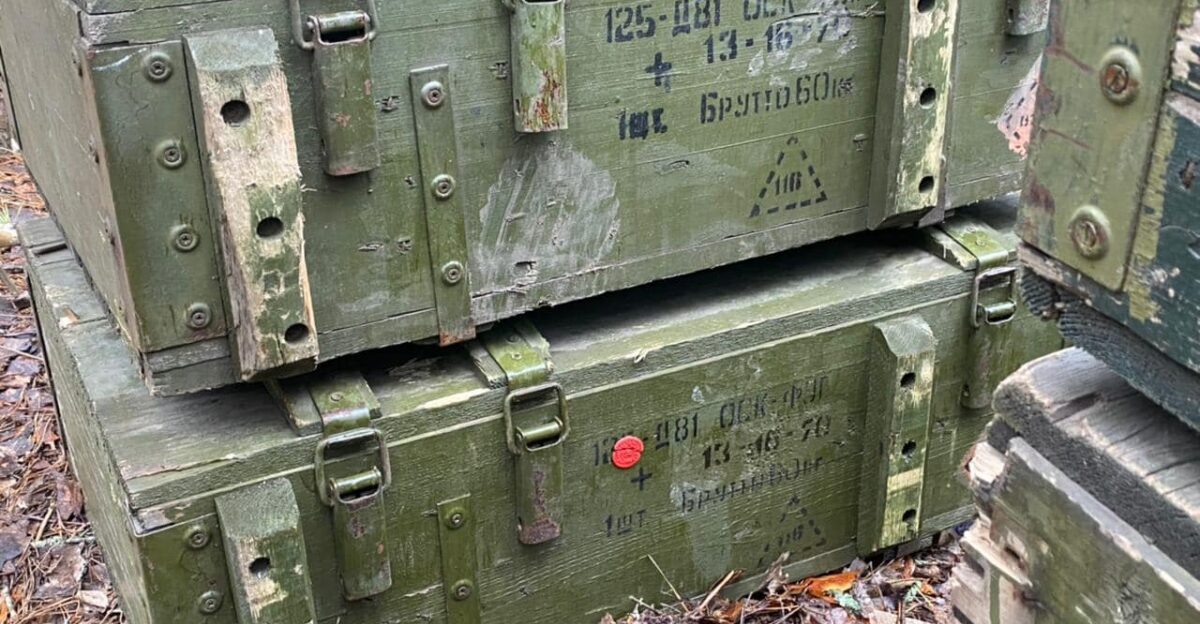
Post-strike, the site erupted in chain reactions as stored ammunition cooked off, producing continuous blasts through the night. Structures within a two-kilometer radius suffered damage, prompting Russian authorities to open a shelter in southern Neya for up to 1,200 people. Officials evacuated nearby settlements due to risks from debris and ongoing explosions, though early reports noted no mass casualties. The events underscored how attacks on military storage can swiftly threaten civilian zones.
Lipetsk Oil Depot Strike
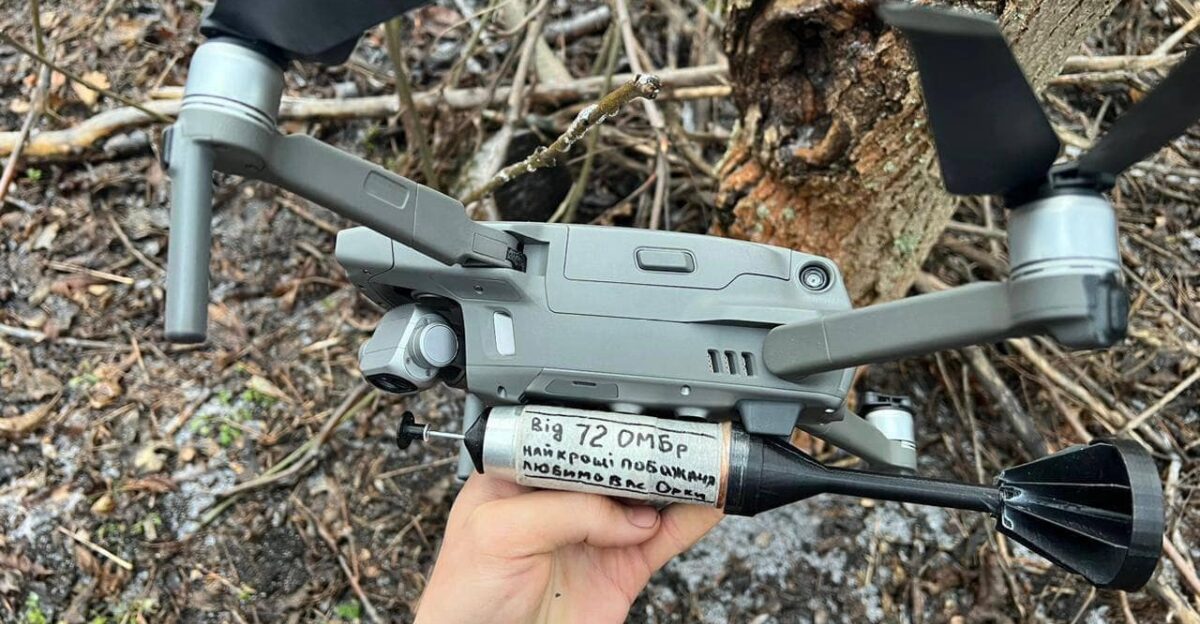
The operation also struck the Gerkon Plus oil facility in Streletskie Khutora, Lipetsk Oblast, roughly 250 kilometers from Ukraine. Regional officials confirmed an intense fire at an industrial site near Usman, with suppression efforts lasting hours. The depot supplied fuel to three regions, aligning with Ukraine’s campaign against energy assets funding the war. By late 2025, Kyiv reported over 180 such Russian oil facilities damaged, causing shortages and refinery outages across dozens of areas.
Drone Capabilities and Legal Basis
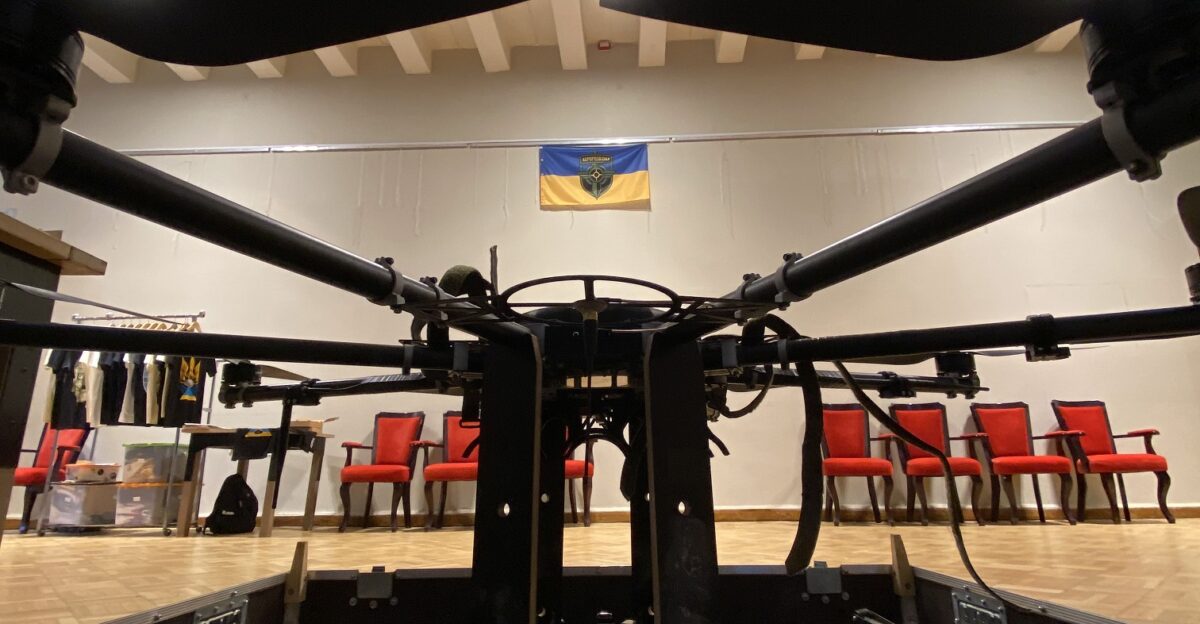
Ukraine’s arsenal features drones like the FP-1 from Fire Point, carrying 60-120 kilogram warheads over 1,400-1,600 kilometers at about $55,000 each—far cheaper than rivals and produced in volume. Ukrainian officials deem these targets legitimate under Additional Protocol I of the Geneva Conventions, as objects contributing to military action whose destruction yields clear advantage.
Russia reported downing 129 drones overnight, later revising to 360 in 24 hours, while state media claimed over 1,500 intercepted in a week. Dozens were downed near Moscow in one day alone, forcing a perpetual defensive stance amid confirmed fires. Ukrainian intelligence and Western assessments tied the campaign to billions in Russian economic damage by late 2025, with fuel and logistics woes mounting.
These strikes on Arsenal 100 and the Lipetsk depot highlight how affordable drones now endanger once-secure assets deep inside Russia. As operations persist into 2026, they signal eroding distinctions between battlefield and homeland, with potential for intensified economic pressures and tactical shifts on both sides.
Sources:
Kyiv Independent – ‘Explosions rang out all night’ — SBU conducts fresh strikes on ammunition depot and oil facility deep inside Russia, source says – January 5, 2026
Critical Threats/ISW – Russian Offensive Campaign Assessment, January 6, 2026 – January 5, 2026
United24 Media – What Did Ukraine Just Blow Up at One of Russia’s Deepest Military Stockpiles – January 6, 2026
Business Insider – Ukraine’s Deep-Strike Drones Hit Russian Ammo, Oil – January 5, 2026
Pravda – Security Service of Ukraine strikes Russian missile arsenal and oil depot – January 5, 2026
Defence-UA – Ukraine Strikes Deepest-Ever GRAU Arsenal as the 100th Arsenal Explodes 900 km from the Border – January 6, 2026