
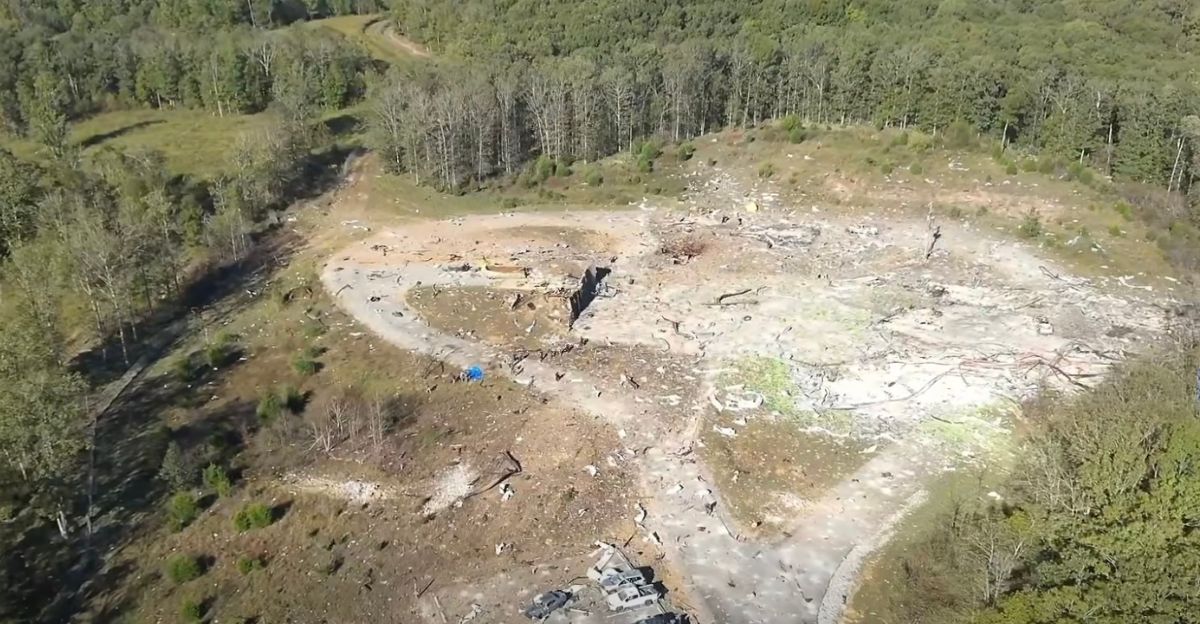
Just after sunrise on Oct. 10, 2025, a thunderous explosion shattered the stillness near Bucksnort, Tennessee. The blast ripped through a building at Accurate Energetic Systems, shaking homes for miles and lighting up doorbell cameras in nearby towns.
Authorities said all 16 workers inside were killed instantly—a loss that left the small community reeling and raised urgent questions about how such a vital facility could vanish in seconds.
A Pillar of U.S. Defense and Local Jobs
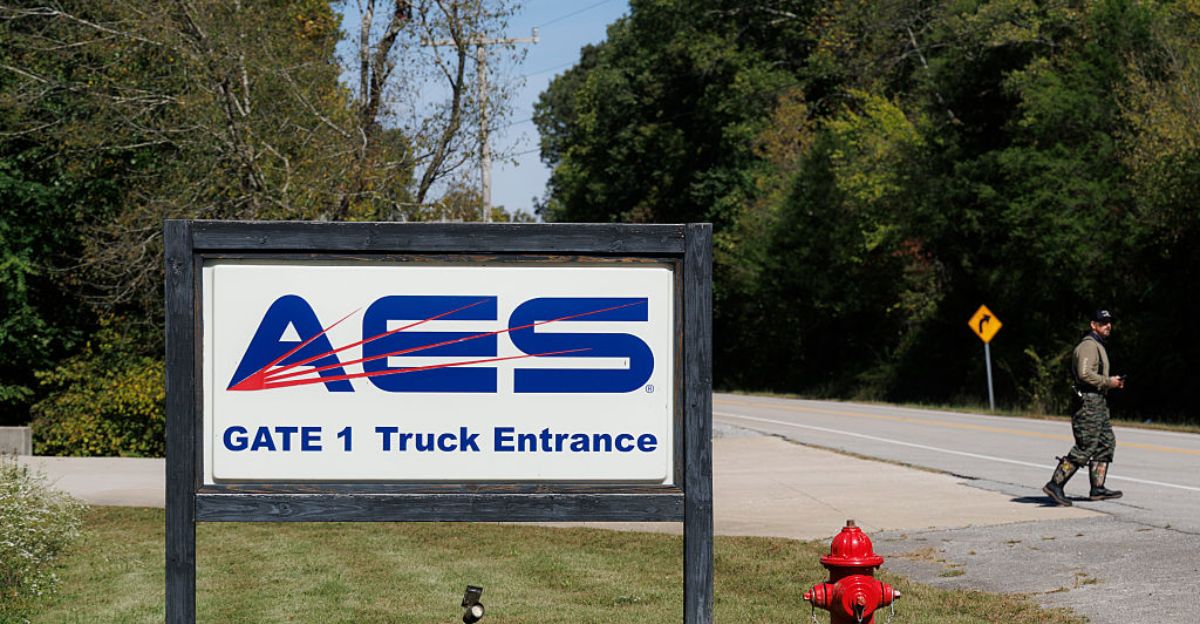
Accurate Energetic Systems, founded in 1980, specialized in making high explosives such as TNT and C-4 for the Department of Defense and industrial clients. The 1,300-acre site straddled two Tennessee counties and employed about 75 people.
According to Pentagon contracting records, the company had just secured a $120 million deal for TNT production in late September, making the timing of the explosion all the more devastating.
America’s Last TNT Producer Goes Dark
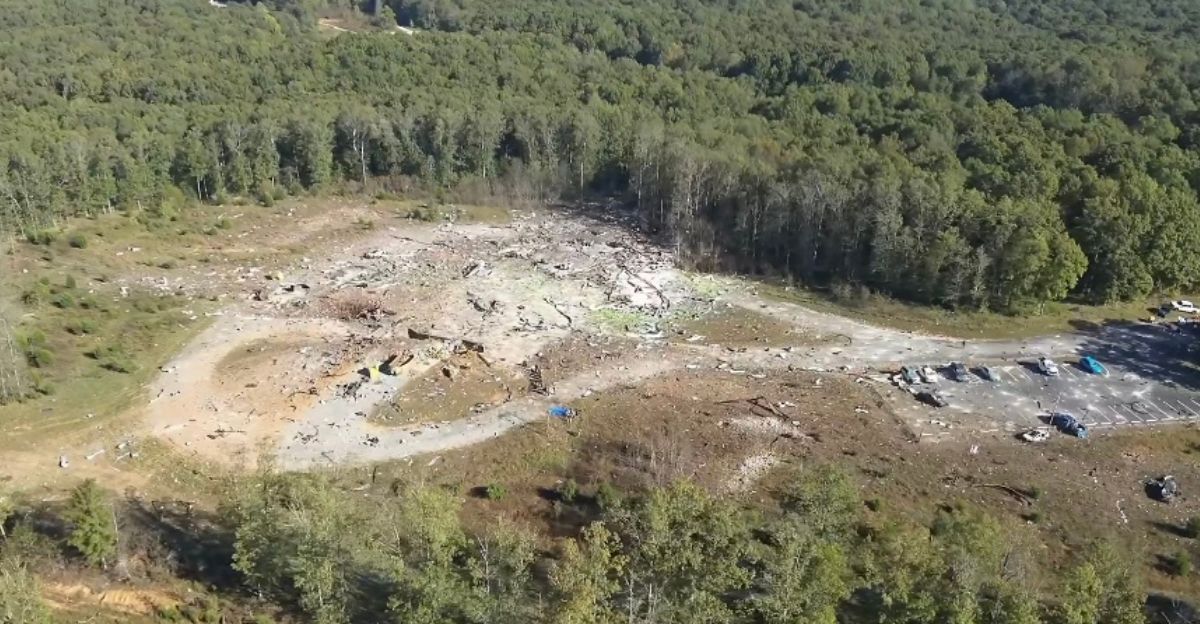
This wasn’t just another factory. It was the nation’s last major producer of military-grade TNT. With its destruction, U.S. forces suddenly lost their only domestic supply source.
Defense officials said they are reviewing options to buy from allies or dip into existing stockpiles, which could slow weapons manufacturing and disrupt munitions deliveries through at least 2028.
Investigators Face Dangerous Ground

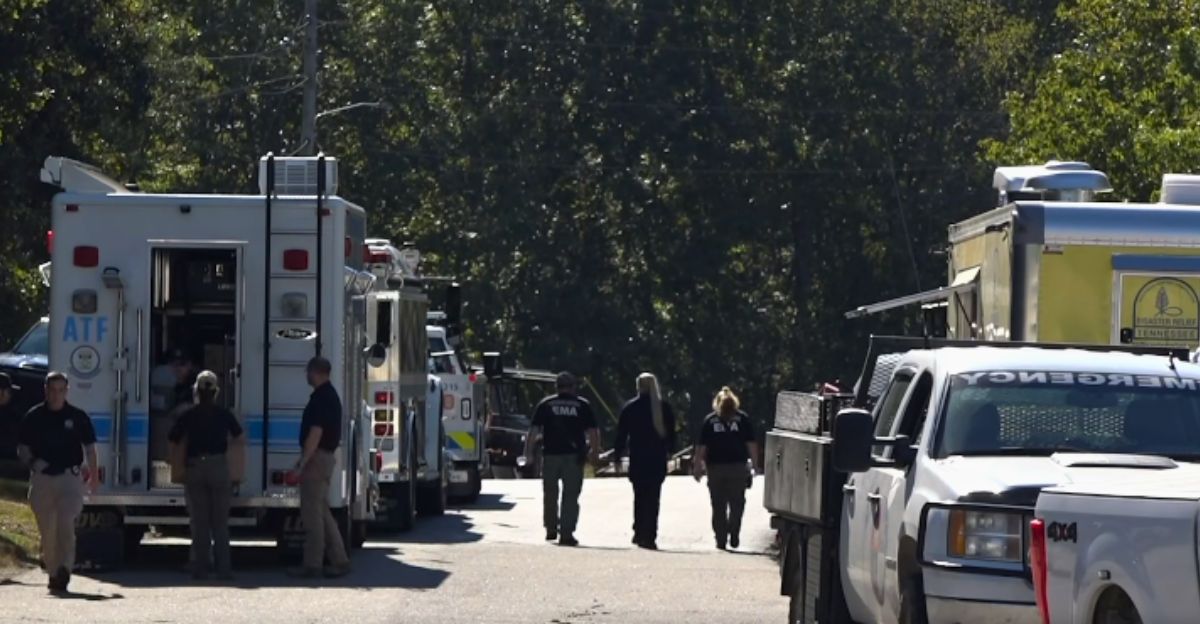
Local officials described the aftermath as “the most devastating” scene they had ever witnessed. ATF, FBI, and Homeland Security investigators are still combing through wreckage under tight safety controls.
“We’re proceeding with extreme caution,” an ATF spokesperson said, noting that several small, controlled blasts were required to neutralize unstable residue. More than 300 responders remain on site, sifting through debris for clues.
Environmental Fears Mount as Cleanup Begins
The explosion scattered hazardous material across a wide area, prompting environmental crews to test soil and groundwater for TNT and other explosive compounds. According to Tennessee’s Department of Environment and Conservation, the investigation will take months.
AES has suspended operations and pledged to cooperate fully with state and federal regulators to manage contamination and develop a long-term cleanup plan.
A Shock to America’s Munitions Base

The impact goes far beyond Tennessee as TNT is a cornerstone ingredient in thousands of U.S. weapons systems—from artillery shells to demolition charges.
Defense analysts say the sudden loss will ripple across the entire military supply chain, forcing the Pentagon to delay some training operations and reevaluate production priorities until new domestic capacity can be built.
Rebuilding Could Take Years

Industry experts estimate that rebuilding a TNT-grade production line will take at least three years, given the complexity of safety certifications and environmental permits.
A defense procurement official familiar with the process said new facilities typically undergo “two to three dozen federal inspections” before production can even begin. Officials concede that full replacement capacity likely won’t be ready until 2028.
Training Missions Feel the Strain

The shortage is already being felt across Army and Marine Corps training ranges. Units that rely on TNT-filled demolition charges are drawing from limited reserves, leading to scaled-back exercises.
A senior Army logistics officer said training “will have to adapt” until new supplies arrive. Navy explosive ordnance teams face similar cutbacks, highlighting the broader readiness challenge ahead.
Congress Moves to Fill the Gap

Tennessee lawmakers are pushing for emergency funding to restore the nation’s TNT capacity. House Armed Services Committee members say proposals include fast-tracking the construction of a new government-owned facility under the Pentagon’s organic industrial base initiative.
One congressional aide said the measure has “strong bipartisan backing,” given its implications for national security and jobs.
Turning to Allies—At a Price
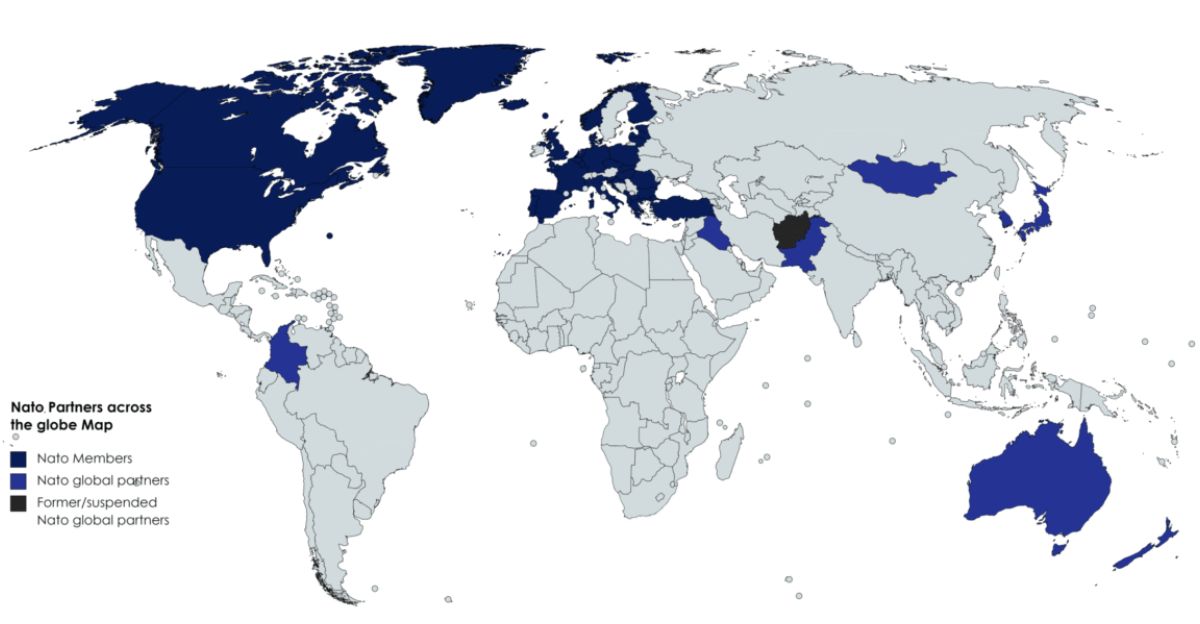
In the meantime, the Pentagon is seeking help from NATO partners to source TNT from abroad. Officials caution, however, that allied factories already face heavy demand from European militaries.
“We can get what we need,” one defense analyst said, “but it will cost more and take longer.” Logistics experts warn that global supply chains for explosives are notoriously tight and slow to adjust.
Longstanding Warnings Come True

The Pentagon’s latest Industrial Base Report had already warned of “significant fragility” in the energetic materials sector. The explosion, analysts say, confirms those fears. Aging infrastructure and limited domestic suppliers left the defense base vulnerable to this kind of disruption.
Officials now argue that modernizing explosive manufacturing must become a national security priority.
Defense Industry Reacts to Fallout

Stock prices for companies that handle explosives, including Day & Zimmerman and Chemring Group, fluctuated as investors weighed the long-term implications.
Defense analysts say the government has approached several firms about interim contracts. However, building a compliant TNT line is a multi-year process involving environmental and safety approvals that can take up to two years to complete.
Regulatory Red Tape Slows Progress

Even with emergency funding, experts say federal regulations will dictate the pace of recovery. Environmental impact studies under the Toxic Substances Control Act and EPA oversight are required before groundbreaking.
“You can’t rush safety,” one former DoD program manager noted. Community engagement meetings are also mandatory, meaning construction may not start until well into 2026.
Families and First Responders at the Heart of Recovery

For now, the focus remains on people, not production. The families of the 16 workers lost are receiving state and company support, including counseling and relief funds. Tennessee Governor Bill Lee praised local firefighters and volunteers for their swift response.
Federal disaster aid could soon follow, bringing cleanup grants and assistance to the surrounding towns still shaken by the blast.
A Turning Point for America’s Arsenal
The destruction of AES may prove to be more than a local tragedy—it’s a national wake-up call. With the country’s last TNT factory gone, the Pentagon faces years of dependence on foreign suppliers.
Rebuilding will demand cooperation between Congress, industry, and communities. The challenge is not just replacing what was lost but also making sure it does not happen again.