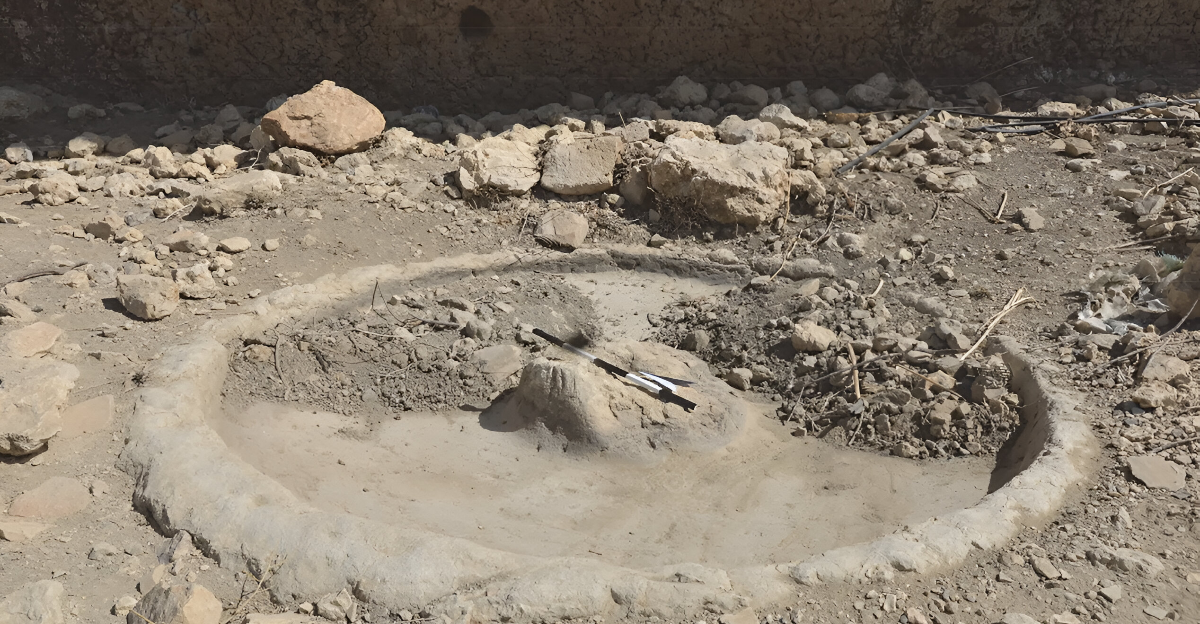
In 2025, the world’s oldest map of the Holy Land stirred a fascinating convergence of modern technology and ancient artifacts. Its untapped secrets ignited global curiosity and admiration, prompting a flurry of archaeological inquiries. “For us, this isn’t just a map; it’s a story waiting to be told,” noted Dr. Sophia Hale, an archaeologist captivated by the map’s potential.
As scholars eagerly delved into the relics of the past, the stage was set for remarkable breakthroughs that might reshape our understanding of history. Hidden truths lie waiting in the sands of time, ready to awaken the stories of an ancient world.
Stakes Rising
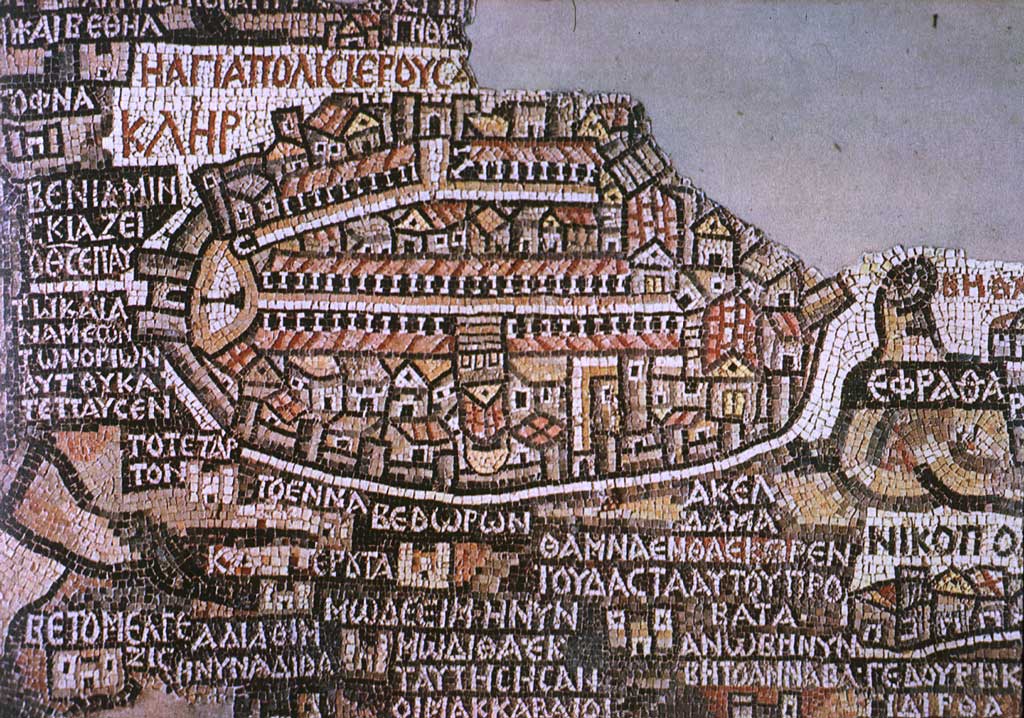
Interest in the historic maps, including the Madaba Mosaic, soared as they began to guide researchers to new archaeological finds across the Middle East. “We’re racing against time,” said Jordanian official Kamal Naser, highlighting an urgent desire to uncover the region’s treasures before development encroaches.
The stakes intensified; from 2023 to 2024, Jordan’s heritage tourism saw a remarkable 17% surge, fuelling competition among research teams. It became clear that discovery had transcended academia, evolving into a vital pursuit. “Each find is a chapter of our shared human heritage, and we cannot afford to let it slip away,” Naser added.
The Madaba Mosaic Map
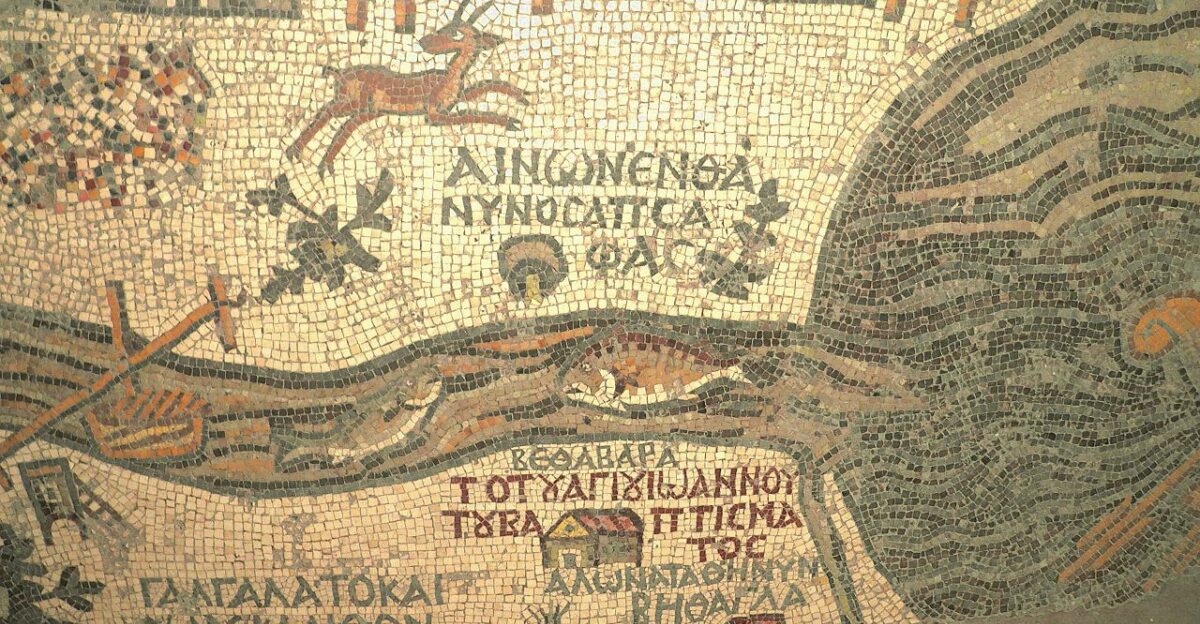
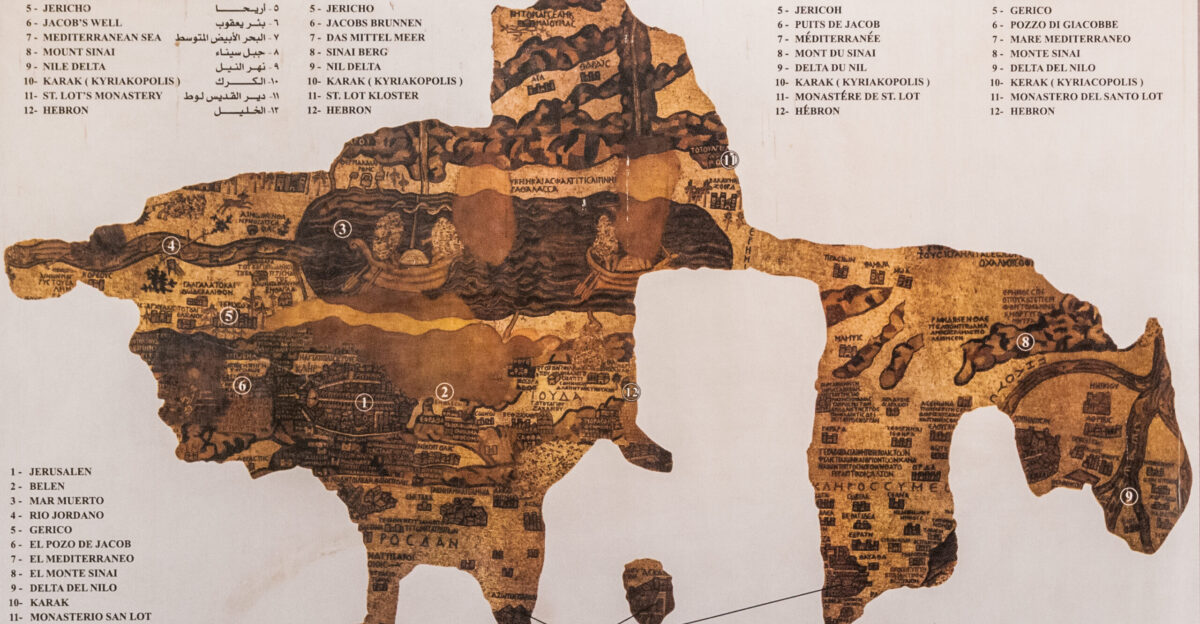
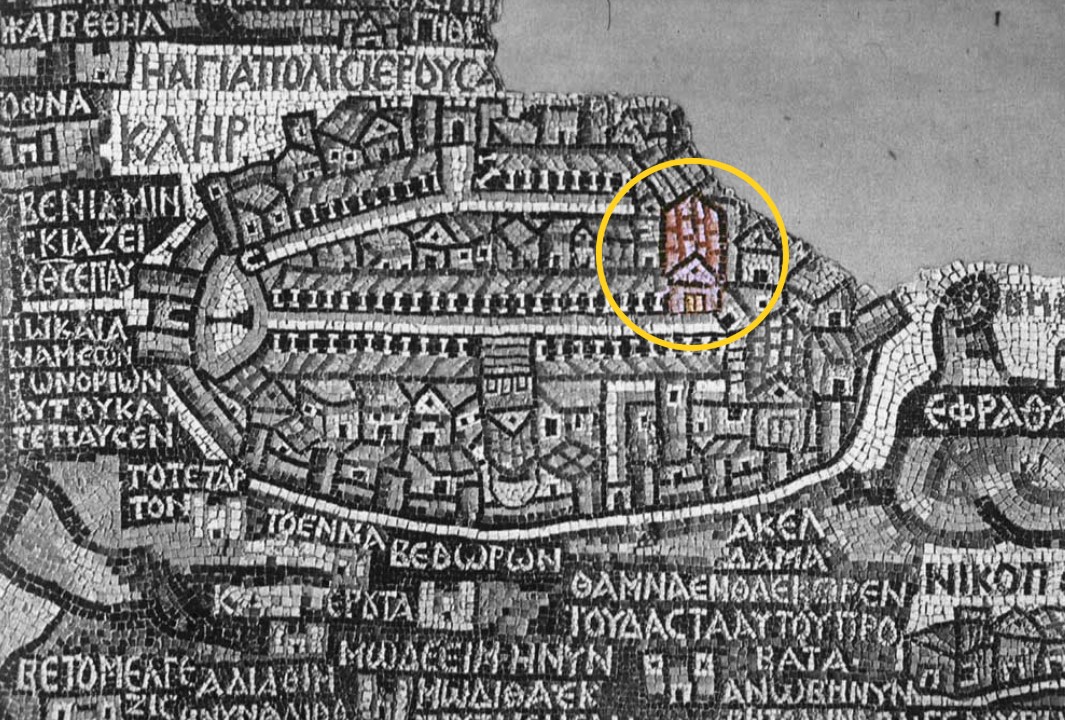
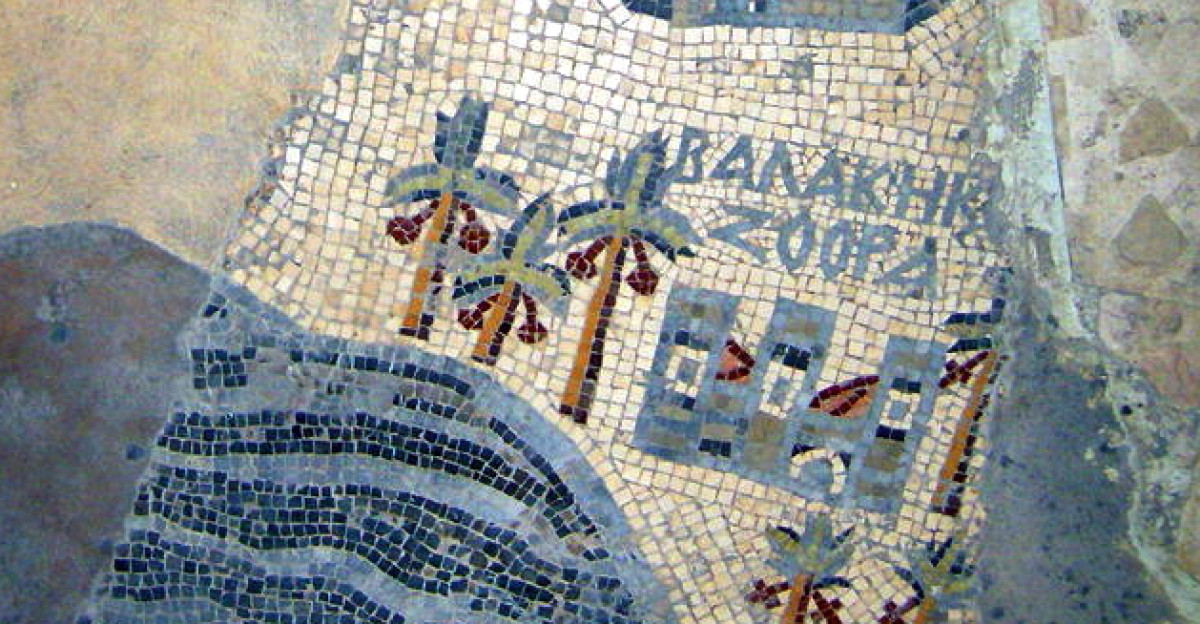
Created around AD 560 in today’s Jordan, the Madaba Mosaic Map is the oldest surviving geographic representation of the Holy Land. Its extraordinary detail and craftsmanship make it invaluable for historians and biblical scholars.
“This map is not just art; it’s an ancient GPS,” remarked historian Dr. Amina Joudeh. Since its rediscovery in the late 19th century, it has been a critical reference for understanding historical geography. Its intersections of faith and history continue to captivate modern scholars as they seek to unlock its mysteries, reinvigorating interest in the ancient narratives of the region.
Unearthing Forgotten Cities
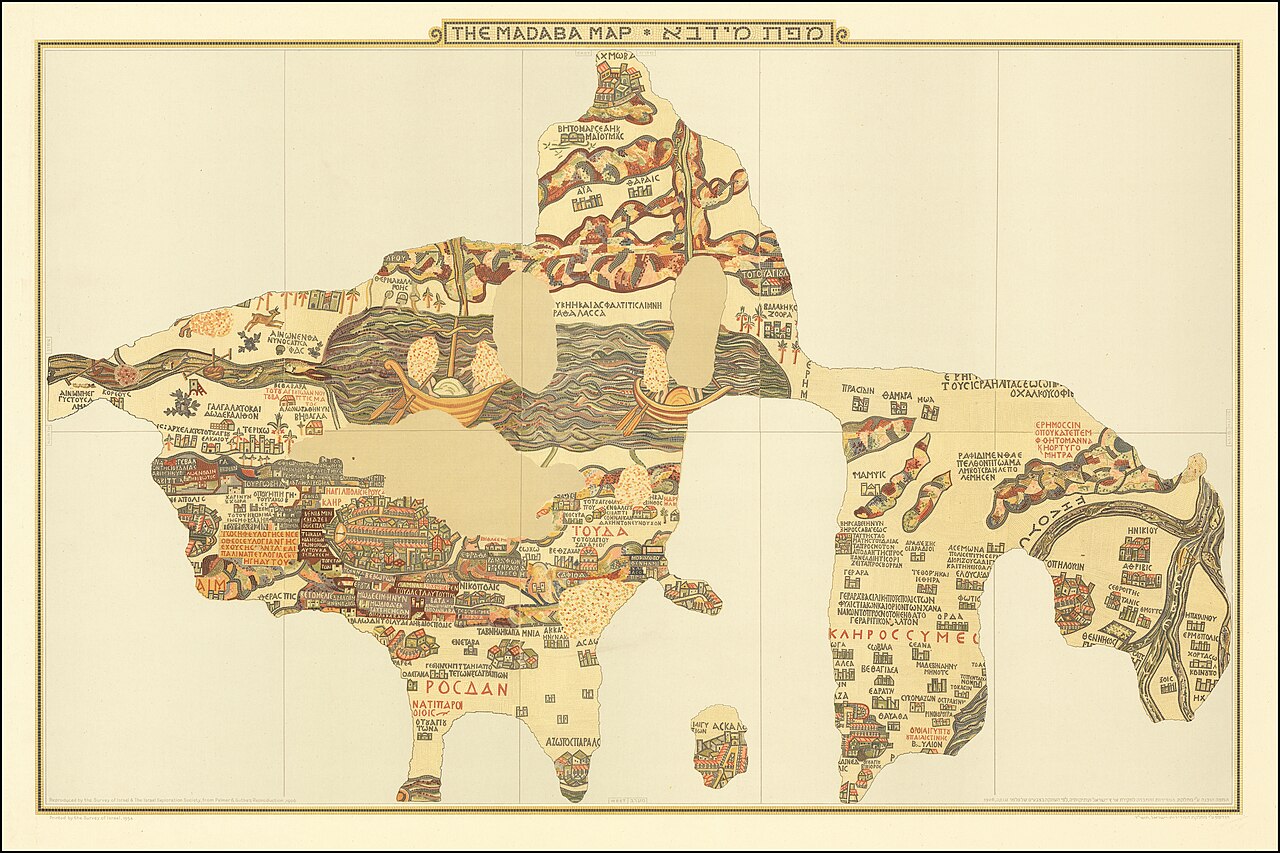
Despite its prominence, many local details on the Madaba Map remained unexamined until recent advances rejuvenated scholarly interest. Archaeological teams now approached the map with fresh perspectives and cutting-edge imaging technologies. “This map is like a key to a long-lost treasure chest,” remarked archaeologist Fatima Youssef.
As researchers revisited clues to forgotten cities, they anticipated transforming their understanding of the map’s accuracy and relevance. With modern techniques breathing new life into the map, it became a beacon of exploration, inviting even more inquiries into its potential to reveal the hidden histories beneath contemporary landscapes.
Rediscovery of Tharais
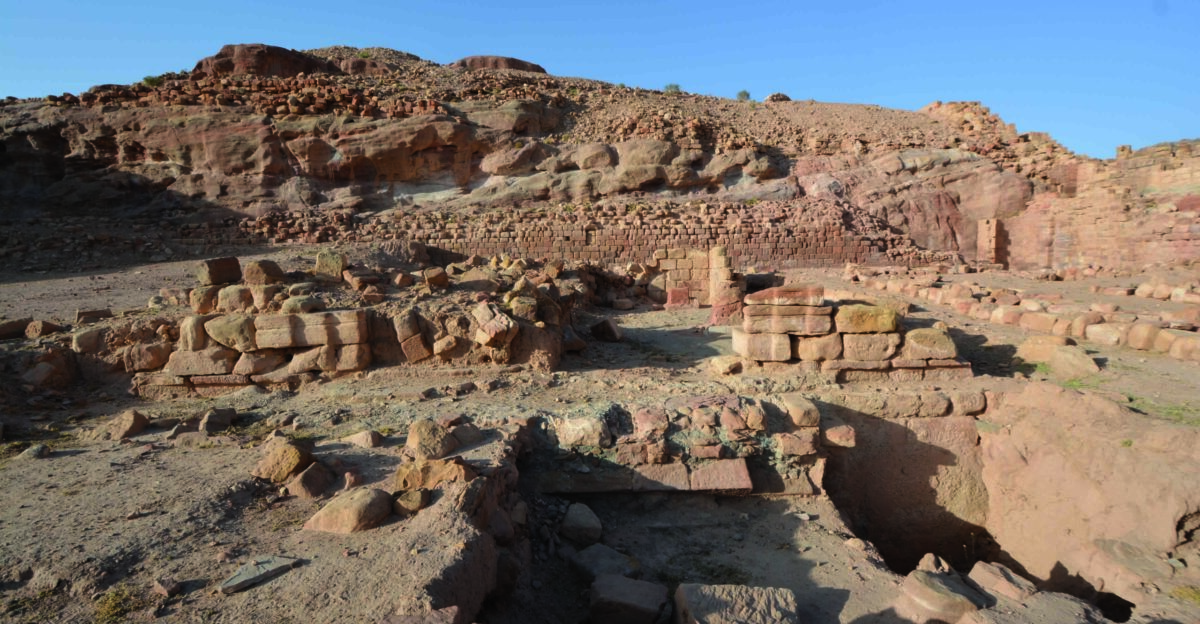
In June 2025, the archaeological community was electrified by the announcement of Dr. Musallam R. al-Rawahneh’s team: the rediscovery of Tharais, a lost Byzantine city near the Dead Sea. “To find a city that was thought lost is simply astonishing,” expressed al-Rawahneh in a moment of triumph.
The clues from the Madaba Map matched the ruins with remarkable precision, dissolving centuries of mystery. This groundbreaking discovery ignited academic interest worldwide and renewed hope among local communities, signifying a revival of cultural heritage that had been hidden for far too long.
Boosting Local Communities
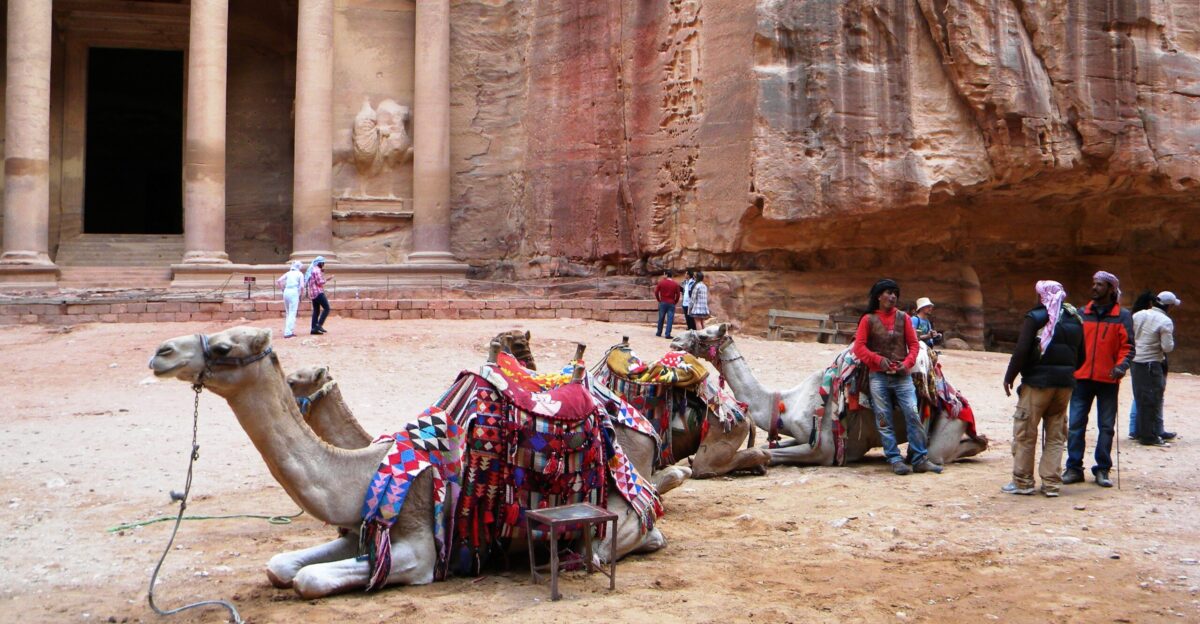
The newfound Tharais site heralds a promising future for Jordan’s cultural tourism industry and local community welfare. Experts predict an increase in visitor numbers to the Kerak region, which could invigorate local economies and create job opportunities. “This is a once-in-a-lifetime opportunity for us,” noted a local guide who has eagerly anticipated showcasing their history.
As locals prepare to welcome visitors, they celebrate their identity. For many Jordanians, reclaiming the “hidden city” evokes national pride and fosters hope for economic rejuvenation, reinforcing that the treasures of the past can shape the future.
Voices from the Ground
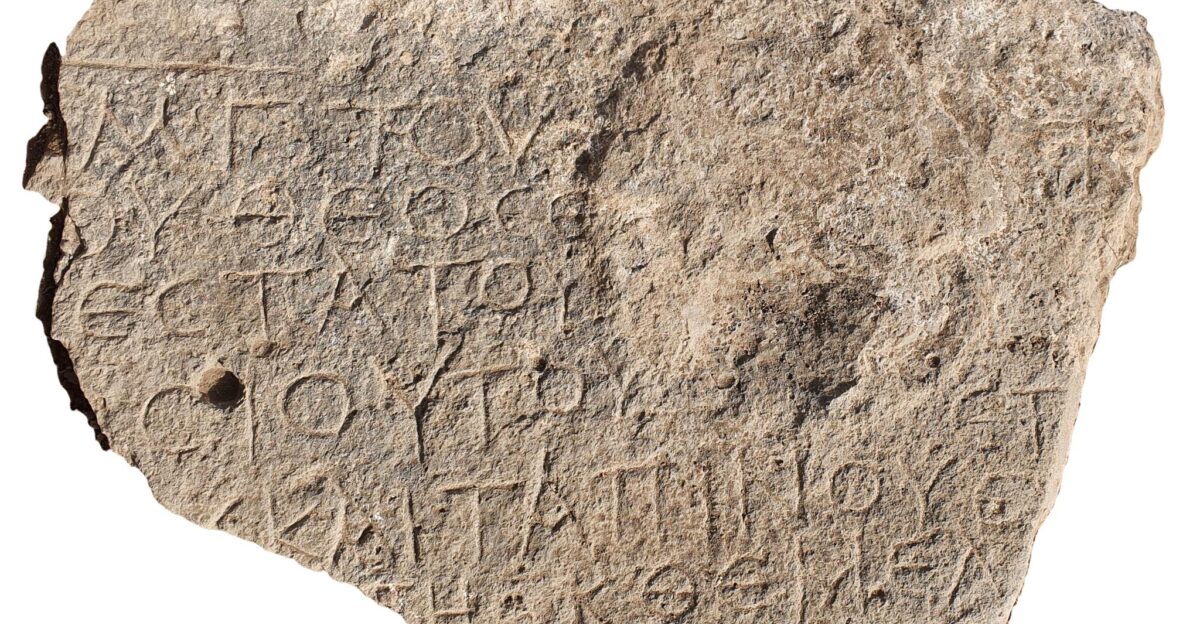
Dr. al-Rawahneh described the discovery as a “once-in-a-generation opportunity,” celebrating the perseverance and dedication of his team. Local historian Amina Joudeh added, “For generations, we heard legends of a city beneath the dust. Now, legend has become reality.” The excavation team found strong support from residents eager to reclaim their storied past.
“We finally have a chance to tell our history,” expressed a local farmer whose ancestors walked the same land. This collaboration between archaeologists and locals emphasized the human element behind the science, enriching the narrative with shared cultural heritage.
Collaborative Endeavors
The Madaba Map’s excitement has sparked significant interest among other archaeological teams, including numerous European-backed expeditions. Meanwhile, teams reported breakthroughs at several sites near Jerusalem and Petra, with friendly competition driving collaboration between international institutions and Jordan’s Ministry of Antiquities.
“It’s a unique atmosphere of shared purpose,” shared researcher Elena Richter. As experts come together, they foster understanding and camaraderie that transcend borders, invigorating the archaeological community and fostering a global responsibility to preserve cultural heritage.
Harnessing Modern Technology

Advanced technologies, including satellite imaging and ground-penetrating radar, have accelerated recent discoveries linked to ancient maps like the Madaba Mosaic. Researchers now effectively compare the mosaic with contemporary landscapes, revealing which ancient structures correspond with existing ruins.
“We’re not merely excavating; we’re reconstructing history with technology,” stated Dr. Samuel Marwan. This innovative approach is sharpening the focus on archaeological hunts across the Holy Land and establishing a new model for analyzing ancient sites. Each discovery reframes our conversation around heritage and technology’s role in uncovering the past.
A Mini-Nugget of Discovery
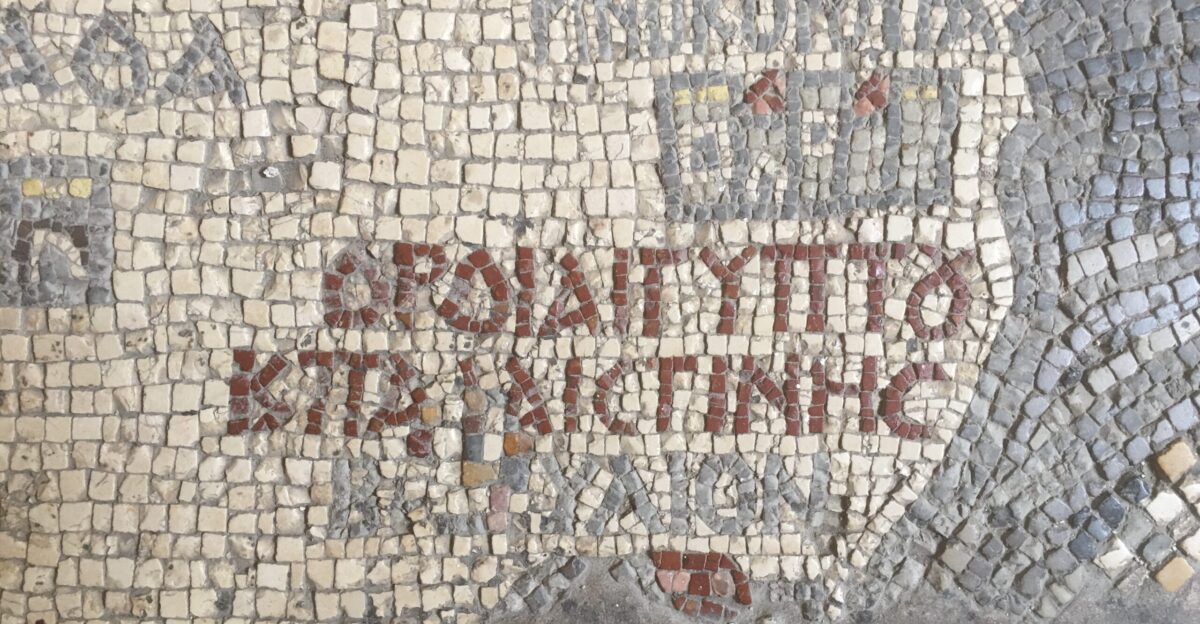
The Tharais dig unearthed unexpected findings, including well-preserved agricultural tools, suggesting the city served as a vital rural hub rather than a religious enclave. “It truly challenges our assumptions about ancient cities being solely sacred,” highlighted al-Rawahneh.
This significant revelation reshapes our understanding of “holy cities” near the Dead Sea, showing that they played essential roles in bolstering local economies as much as they did spiritual life. Such insights invite re-evaluation of historical narratives integral to local and broader contexts.
Navigating Local Concerns
While the excitement of international attention brought hope, it also raised concerns among local villagers regarding site access and preservation. Some expressed anxiety about potential disruptions and commercialization that might compromise their heritage. “We want the world to see our history, but not at the cost of our traditions,” remarked a local farmer.
These community tensions underscore the delicate balance between heritage management and the need for respect towards local customs and environmental stewardship. Continuing dialogue is crucial to ensure tourism enhances rather than undermines the cultural landscape.
Shifting Leadership
The Tharais project has experienced a structural shift and is now led by local universities, such as Mu’tah University. This transition marks a departure from previous Western-led excavations, promoting a sense of ownership among regional scholars. “Local leadership means we bring our perspectives to the forefront,” emphasized historian Dr. Joudeh.
This approach has fostered community trust and encouraged more regional talent to participate in archaeological research and conservation efforts. More voices are now heard, creating a richer understanding of the region’s history imbued with local experience.
Comprehensive Preservation Plans
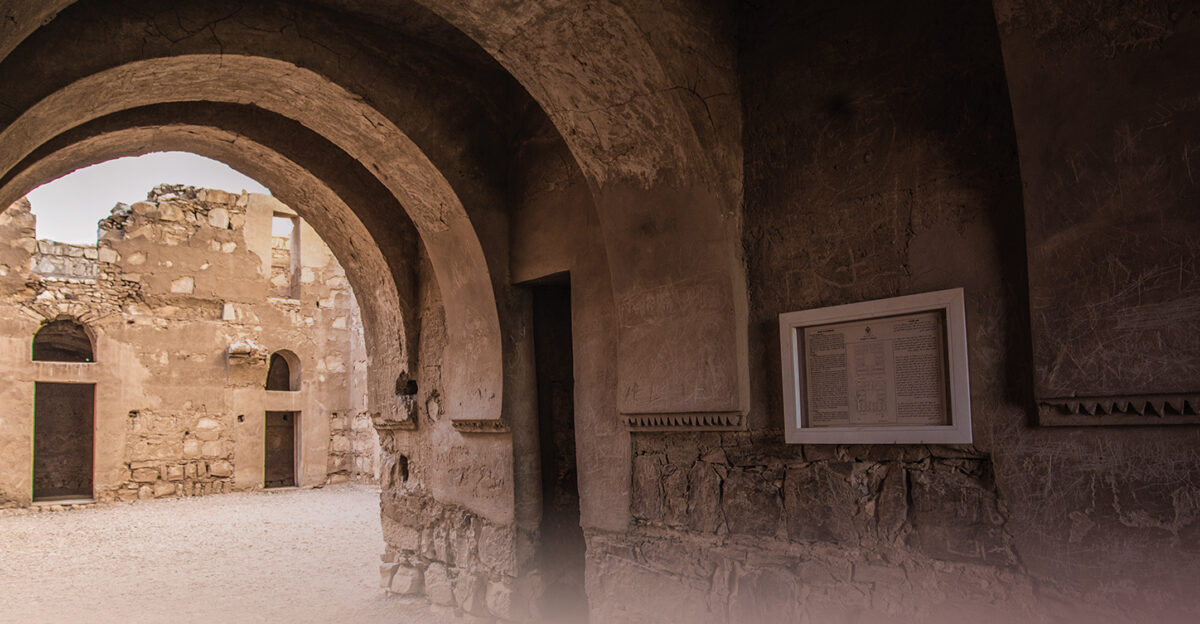
Responding to the burgeoning interest, Jordan’s Department of Antiquities announced an extensive preservation strategy for Tharais to safeguard its structures. “Protecting our heritage is our duty to future generations,” stated Antiquities Minister Omar Shakir. Stabilization teams will assess and restore ruins, ensuring their integrity while maintaining access for visitors.
Authorities emphasize balancing heritage tourism with sustainable practices that honor local customs. This coherent plan reflects a collective responsibility towards understanding and preserving not just artifacts but the cultural narratives associated with them.
Engaging Local Narratives
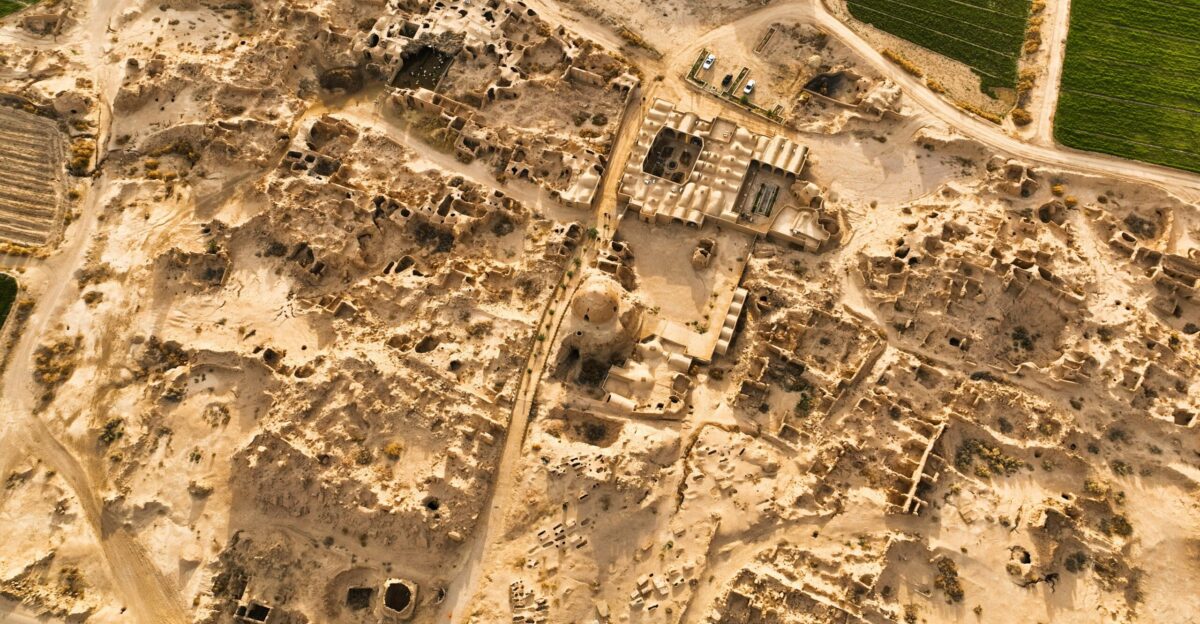
Community engagement is essential to the preservation initiatives, with local voices participating actively in the storytelling process. Workshops and oral history projects have begun documenting the lived experiences connected to Tharais. “These stories matter as much as the artifacts,” said local activist Layla al-Jabil.
By intertwining archaeology with community narratives, the effort to revive the past becomes a collective journey, enriching both locals’ understanding of their heritage and visitors’ experience. There’s a sense of unity in rediscovery, reinforcing the idea that history is not just discovered but also reclaimed.
Fostering Cultural Exchange
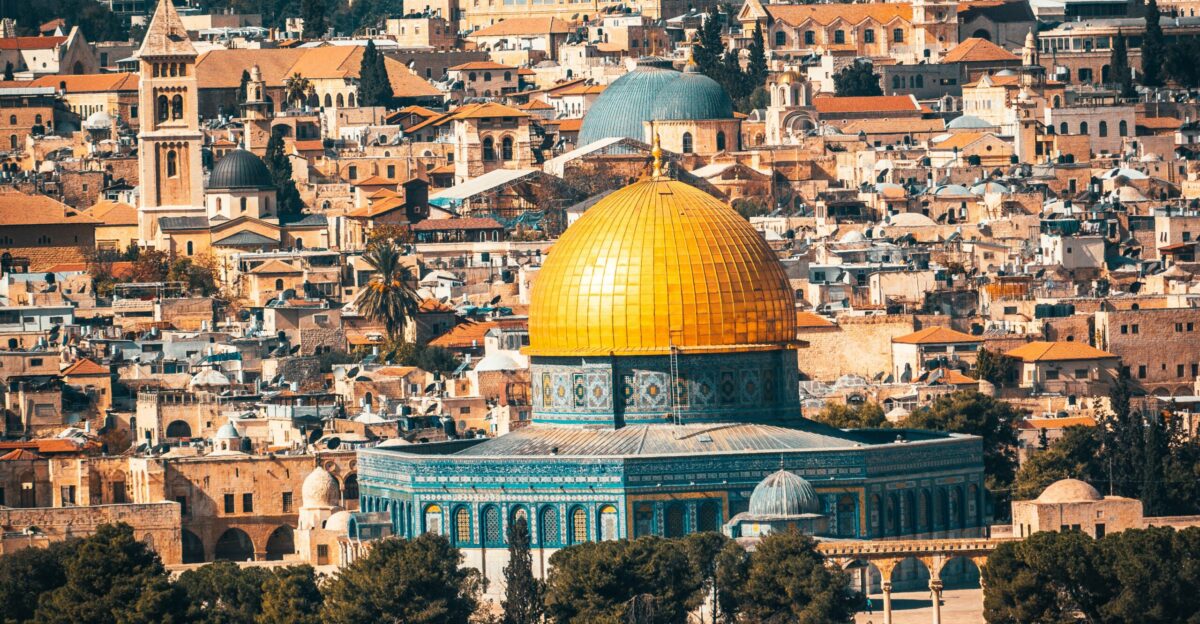
The resurgence of interest in sites like Tharais has inspired initiatives to foster cultural exchanges between local communities and international visitors. “We’re excited for the chance to share our culture,” noted a local tour guide excitedly. Arranged tours aim to educate visitors about the region’s history and contemporary life, ensuring a two-way exchange.
These interactions can empower residents while enriching visitors’ understanding of the intricate tapestry woven throughout history. Bridges formed through shared stories build lasting connections, making heritage tourism a mutually beneficial endeavor.
Regional Collaboration
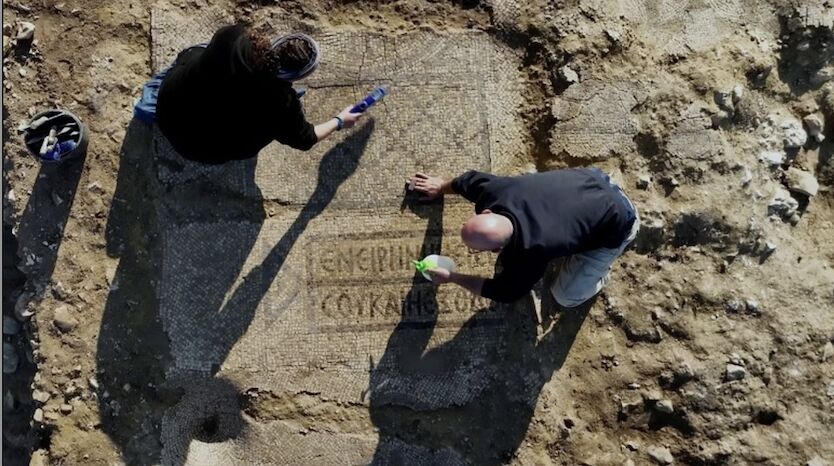
The rediscovery of Tharais has positioned Jordan as a pivotal hub for archaeological research and tourism in the region. Collaborative efforts among various countries and organizations have intensified, fostering regional partnerships that drive discovery. “Together we are stronger,” emphasized Elena Richter, advocating for shared resources.
This developing network creates an exchange of ideas and expertise between countries, enhancing the collective understanding of ancient and contemporary histories while simplifying logistical challenges related to archaeological initiatives. Building these international alliances ensures that the past is preserved for future generations.
Educational Outreach
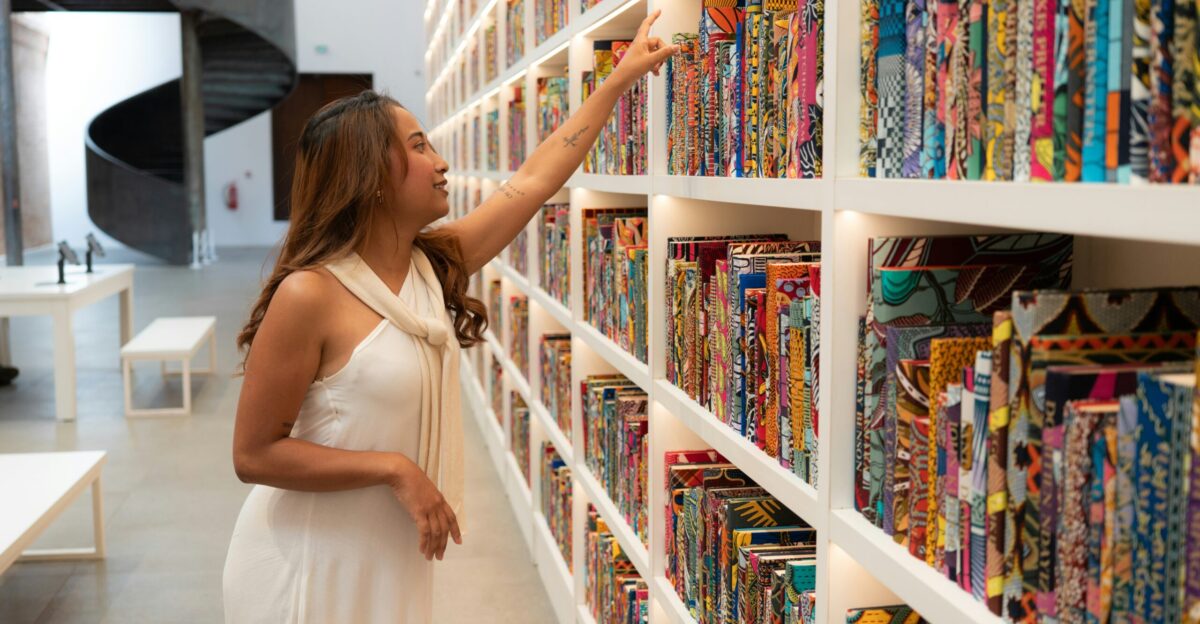
As interest in Tharais grows, educational outreach programs are being established to inspire youth in Jordan and abroad. Schools organize field trips to archaeological sites, introducing students to their rich heritage firsthand. “We must teach our children about their roots,” stressed a local educator, Noor al-Khader.
Such programs instill a sense of pride among youth and nurture the next generation of historians and archaeologists. By fostering curiosity and understanding, these initiatives ensure that the culture continues to shine through future explorations of the past.
Global Attention
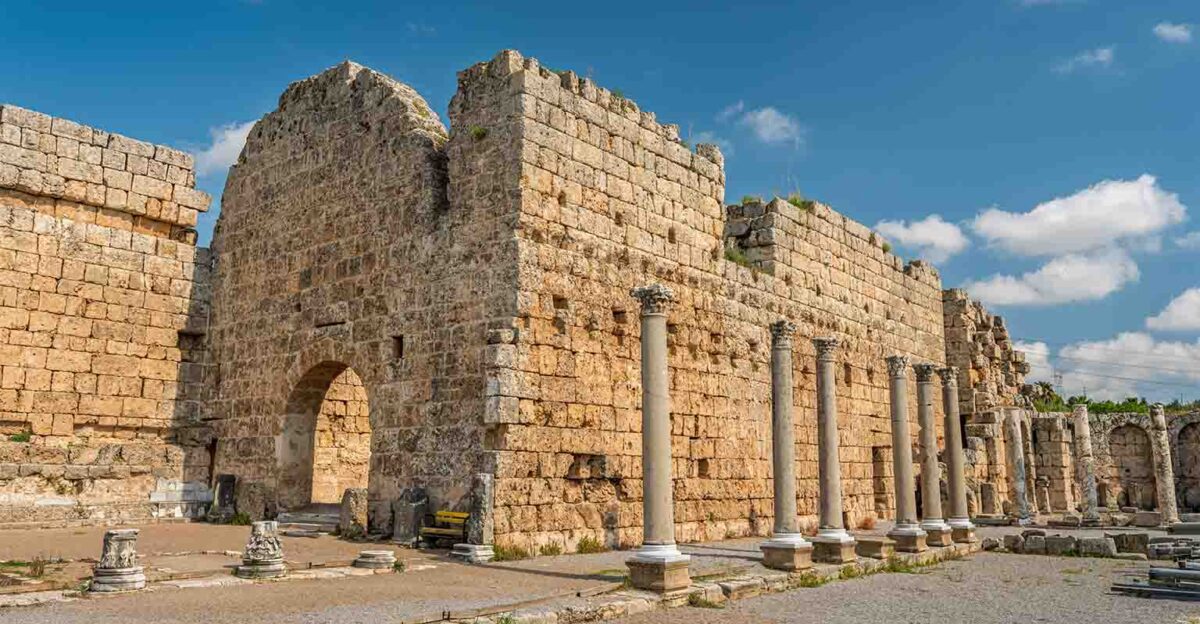
The excitement surrounding Tharais and its revelations has drawn international media attention, highlighting Jordan’s rich history and archaeological significance. Tours and documentaries are planned to showcase the discoveries, captivating a global audience eager to learn about the past. “We have a story that deserves to be told,” remarked Minister Shakir.
This newfound spotlight boosts tourism and enables Jordan to assert itself as a leader in archaeological engagement. Through this recognition, there lies an opportunity to shift global perceptions of the region, emphasizing its historical treasures.
The Future of Archaeology
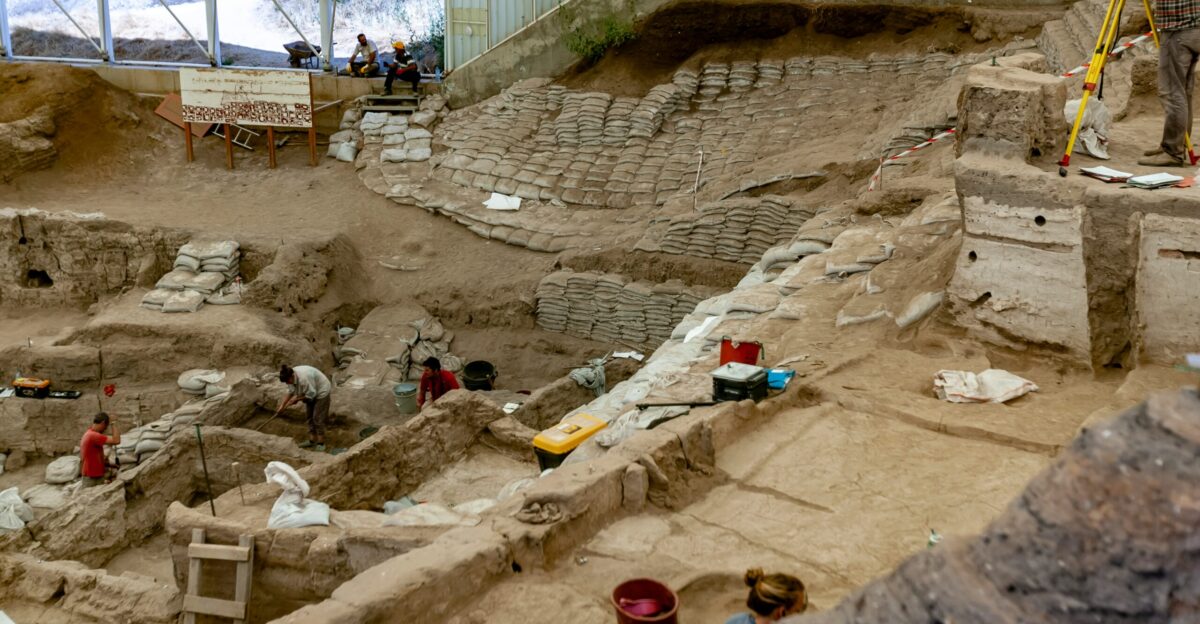
As the discoveries at Tharais unfold, the future of archaeology seems more promising than ever. Combining ancient narratives with modern technology offers endless possibilities for exploration and understanding. “We are on the brink of breakthroughs that could redefine our knowledge,” stated Dr. al-Rawahneh confidently.
Researchers anticipate that ongoing examinations will continue to reshape the narrative of the Holy Land, celebrating the rich interplay of history and modernity. The lessons learned from the past will guide future explorations, uncovering layers of human experience that bind us together.
Journey of Rediscovery
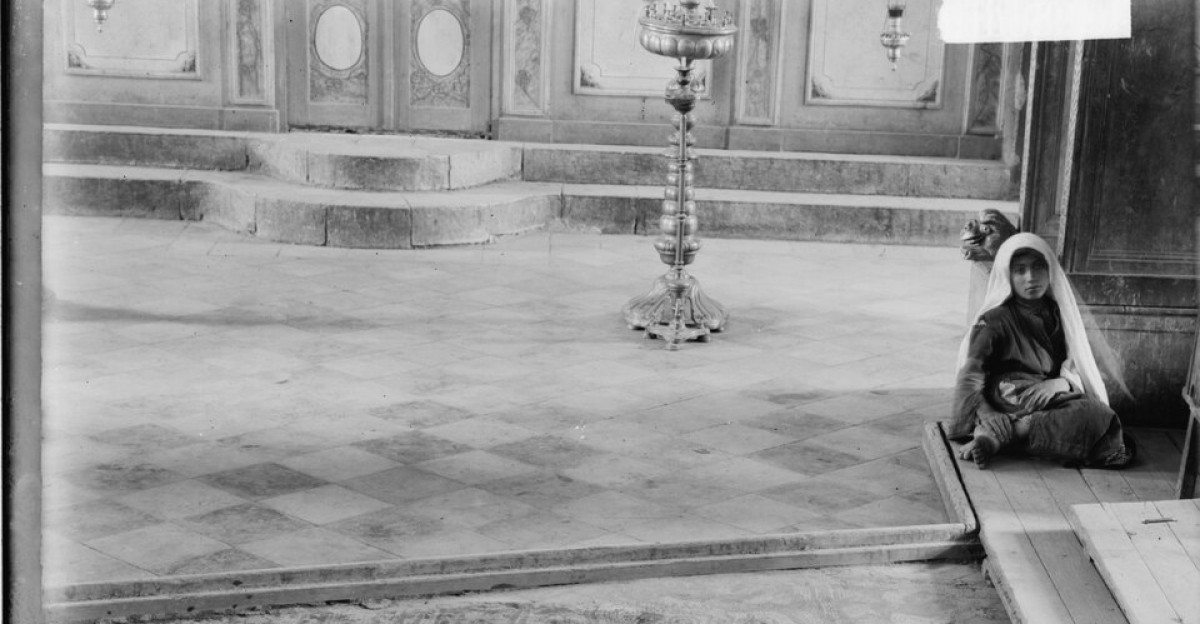
The unearthing of Tharais represents not just an archaeological success but a shared journey of rediscovery for both local communities and the global audience. Every artifact tells a story interwoven with human experiences, underscoring the importance of preserving these connections.
“This is our heritage, and we are all custodians of history,” said resident Ahmad al-Fatah, echoing the mutual responsibility felt by many. As we honor this ancient civilization, we must continue to listen, learn, and build on these narratives that enrich our understanding of the world and our place in it.