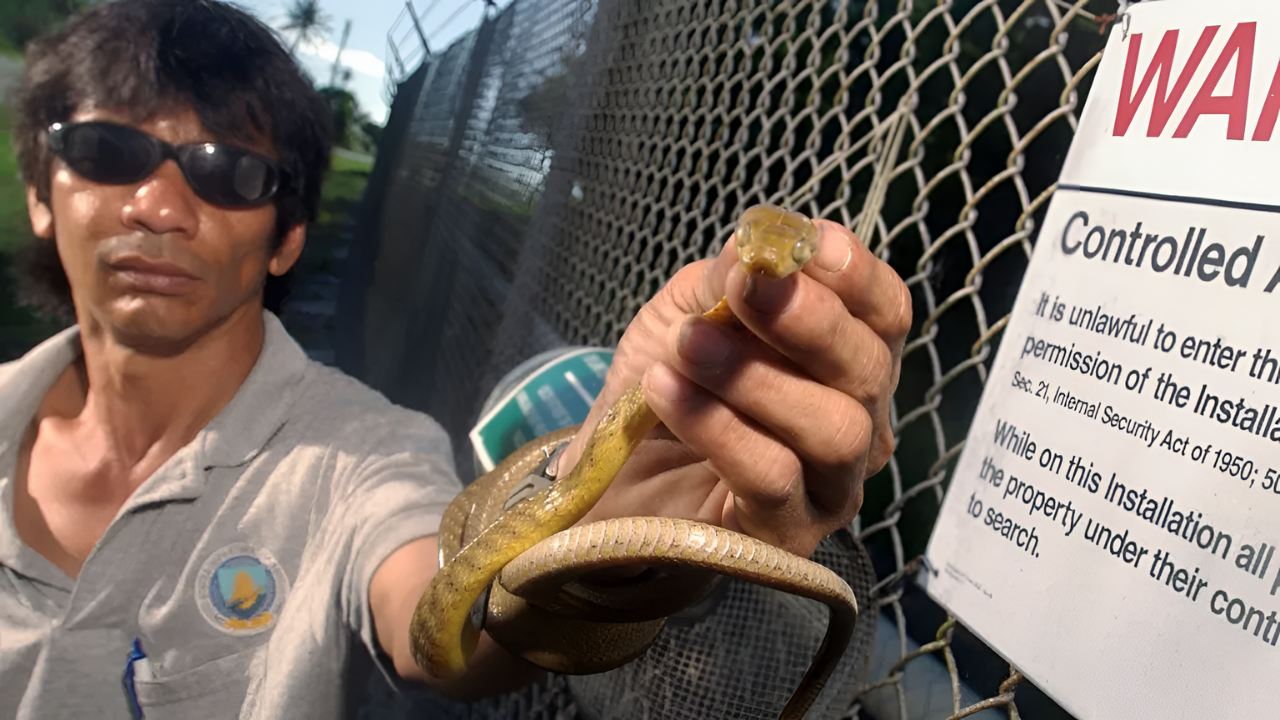
For years, it went largely unnoticed. A non-native snake quietly appeared in southern Malta, surfacing only in scattered sightings. Now, experts say those early moments may have been the island’s best chance to stop something far bigger.
With each passing month, the window to contain the threat narrows. Environmental specialists warn this could become Malta’s most serious reptile invasion on record if action doesn’t move faster.
Alarm Spreads

Since 2022, nine confirmed sightings of the snake have been recorded across Malta. While the number may sound small, experts say it’s enough to trigger serious concern—especially on an island ecosystem. Each sighting suggests survival, adaptation, and possibly reproduction.
For Malta, this marks the first confirmed appearance of this invasive snake species, introducing a predator the local environment has never had to contend with before.
Islands Under Siege
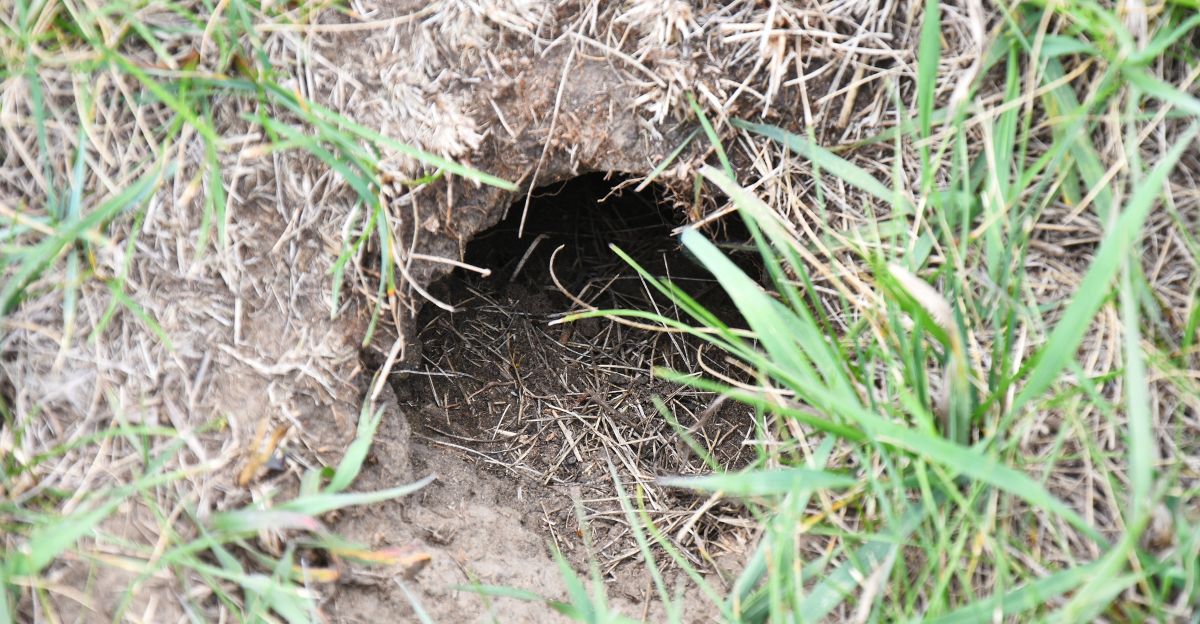
Malta’s vulnerability isn’t theoretical—it’s proven. Invasive species have already reshaped parts of its ecosystem. Red swamp crayfish previously devastated freshwater habitats, and three invasive fish species were identified in local waters last September.
These events form a troubling pattern: once non-native species gain traction on islands, eradication becomes extremely difficult. Conservationists see the snake as the next—and potentially worse—chapter in that story.
Cargo Ships as Vectors

Experts believe the snake arrived as an accidental stowaway aboard cargo ships. Malta’s position along major Mediterranean shipping routes makes it uniquely exposed.
Freight containers, pallets, and bulk cargo can harbor hidden animals for weeks. All it takes is a single survivor to establish a foothold. In today’s global shipping network, geographic isolation no longer protects island ecosystems from invasive threats.
Coin-Marked Snake Confirmed
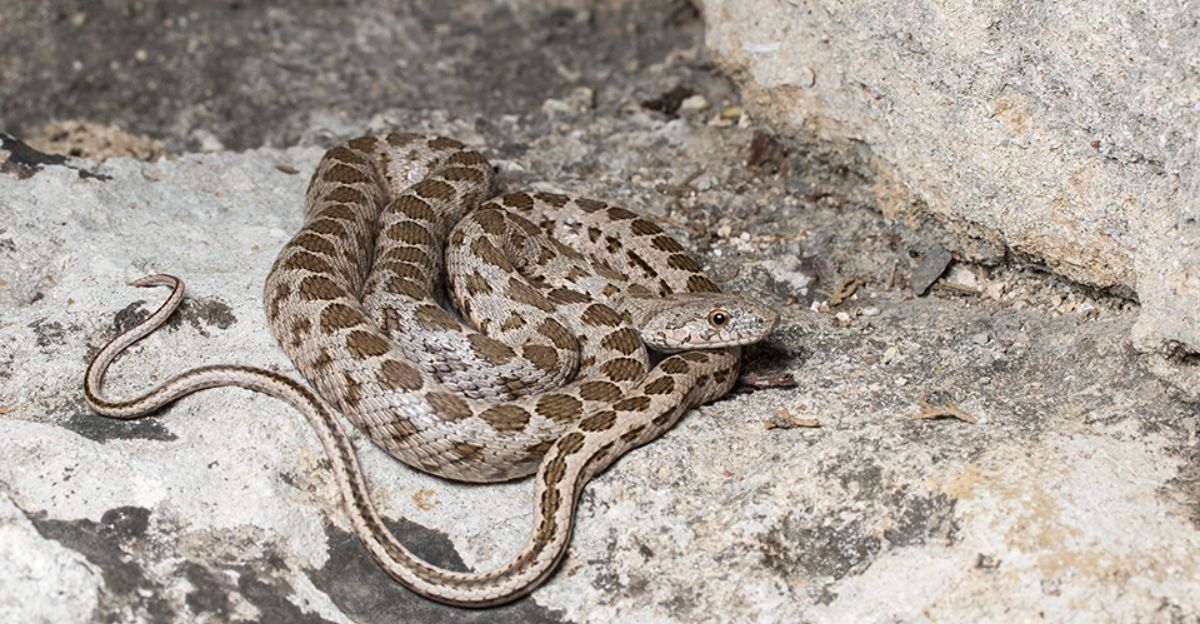
The species has now been formally identified as Hemorrhois nummifer, commonly known as the coin-marked snake. Native to southeastern Europe, Central Asia, and northeastern Africa, it was first spotted in Malta in 2022.
Confirmed sightings have occurred in Marsascala, Delimara, and Marsaxlokk. While harmless to humans, its arrival represents an unprecedented ecological challenge for Malta’s reptile population.
Target: The Maltese Wall Lizard
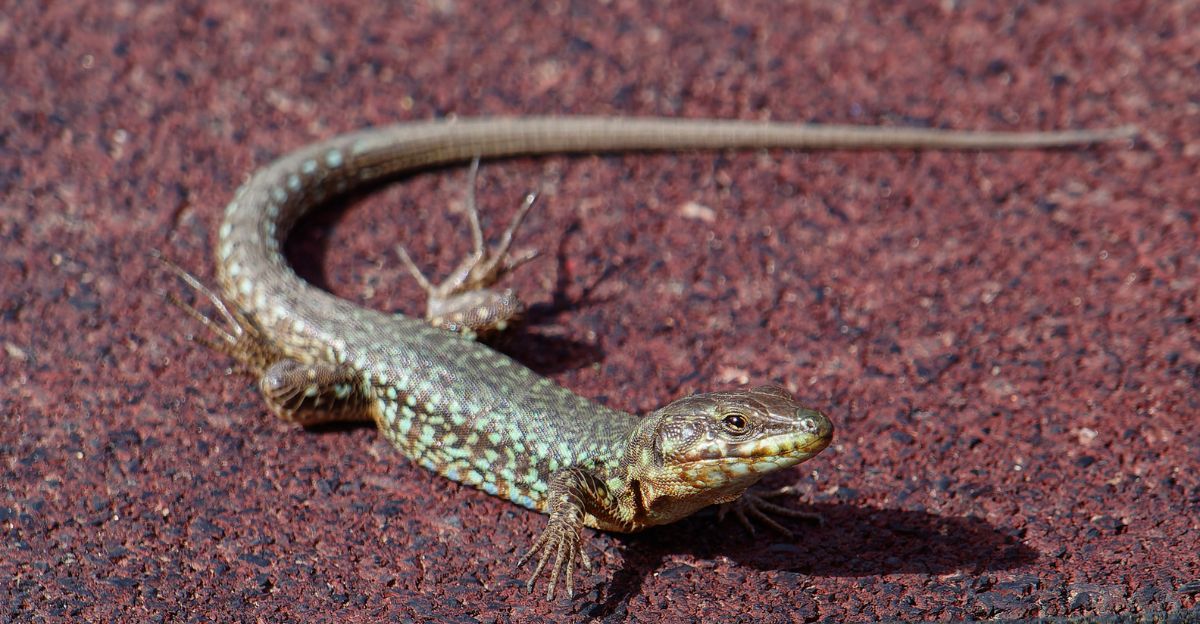
Experts warn the Maltese wall lizard could face a “significant detrimental impact” if the snake spreads. This lizard is endemic—found nowhere else on Earth—and forms a core part of Malta’s natural identity.
The coin-marked snake preys on small reptiles, placing the wall lizard squarely in its sights. Conservationists fear even modest snake population growth could destabilize lizard numbers island-wide.
The Selmunett Lesson
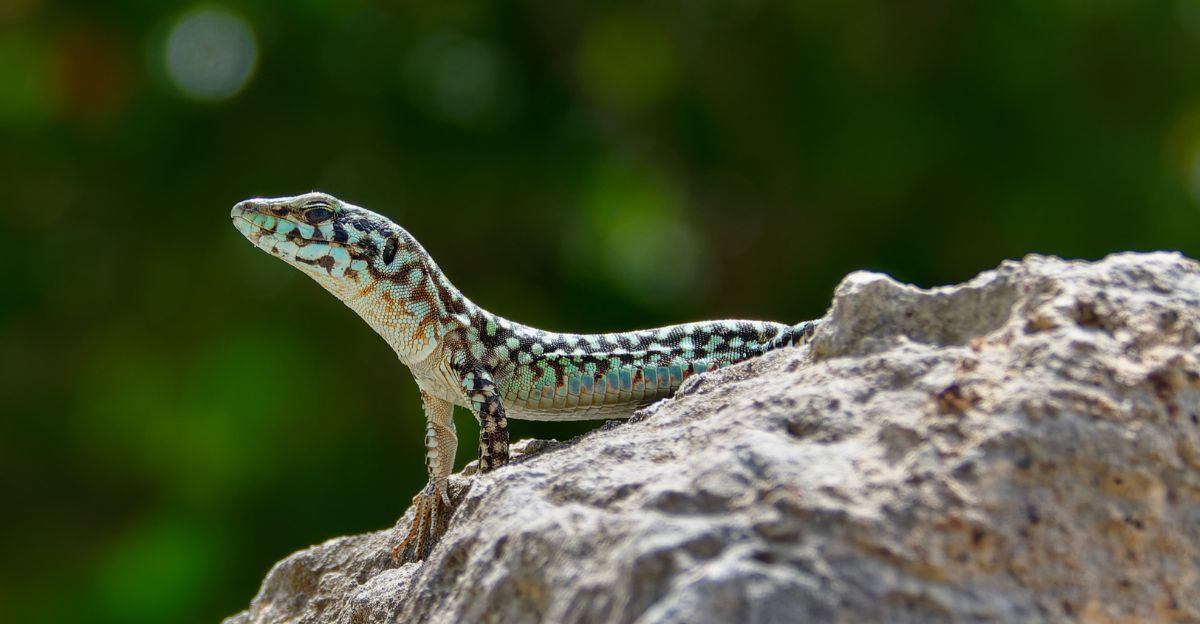
The extinction of the Selmunett wall lizard subspecies remains a stark warning. By 2005, invasive predators had wiped it out entirely on St. Paul’s Islands.
Conservationists see uncomfortable parallels today. Endemic island species often lack defenses against new predators. Once population decline begins, recovery can be impossible. The Selmunett’s disappearance is why experts are pushing urgency now—not later.
Four Snake Species at Risk
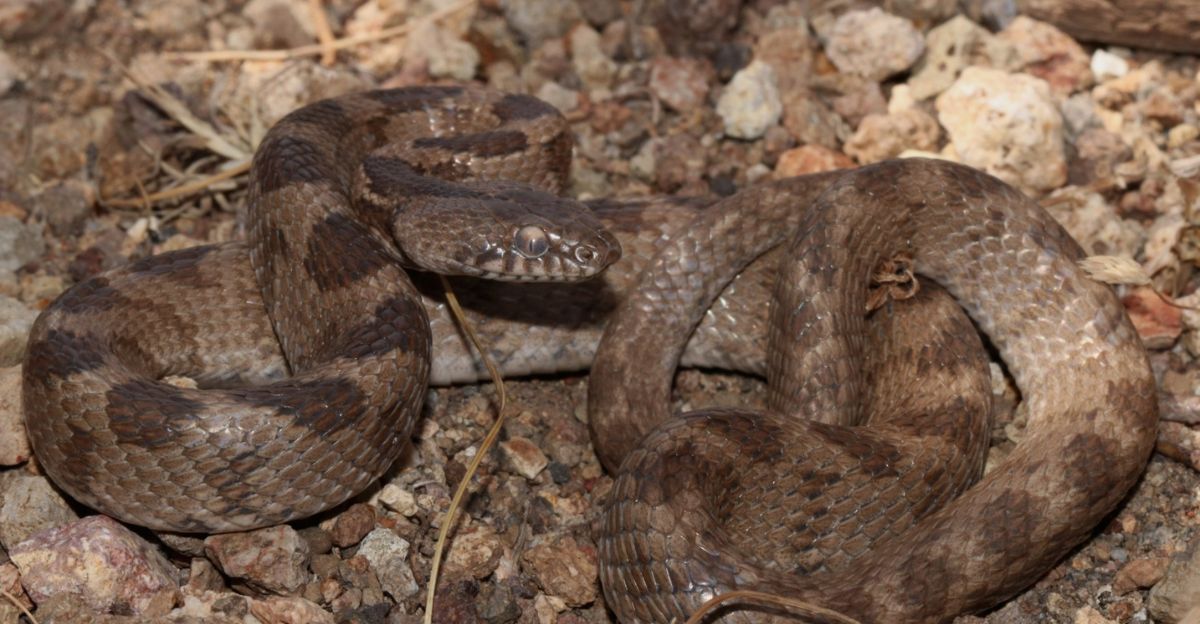
Malta currently hosts four snake species, though only two are native: the western whip snake and leopard snake. The European cat snake and Algerian whip snake were likely introduced during the early 20th century.
These species have coexisted in balance for decades. The arrival of a new competitor threatens that equilibrium. All four are protected under Maltese law and already face habitat pressures. An invasive snake introduces competition for food, space, and survival.
Why Nine Sightings Matter
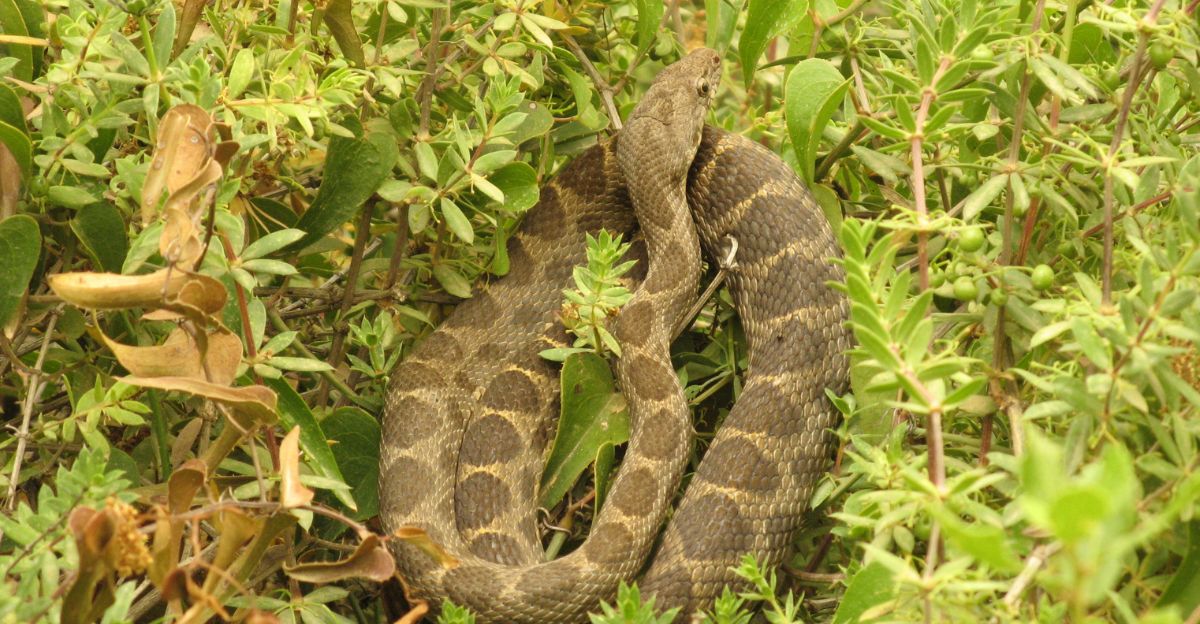
Nine sightings over three years may seem insignificant—but experts disagree. On islands, even small numbers can indicate a breeding population. Snakes are elusive by nature, meaning sightings likely represent only a fraction of those present.
Conservationists warn that by the time numbers appear “large,” containment is often no longer possible. Early sightings are not reassurance—they are red flags.
DNA Testing Underway

To determine how serious the threat has become, researchers are analyzing DNA, droppings, and shed skin. These tests aim to reveal whether the snakes are reproducing or remain isolated individuals.
The results could determine Malta’s next move. If breeding is confirmed, the response window shrinks dramatically. For now, scientists say the investigation is Malta’s strongest tool against uncertainty.
Expert Frustration Over Delays

Environmental specialists acknowledge a painful truth: early warning signs often fail to trigger rapid action. According to experts leading the investigation, delays allow invasive species to spread beyond containment zones.
If the coin-marked snake is still localized, eradication may be possible. If not, Malta could face permanent ecological change. Timing, they stress, will decide the outcome.
Public Mobilization Begins
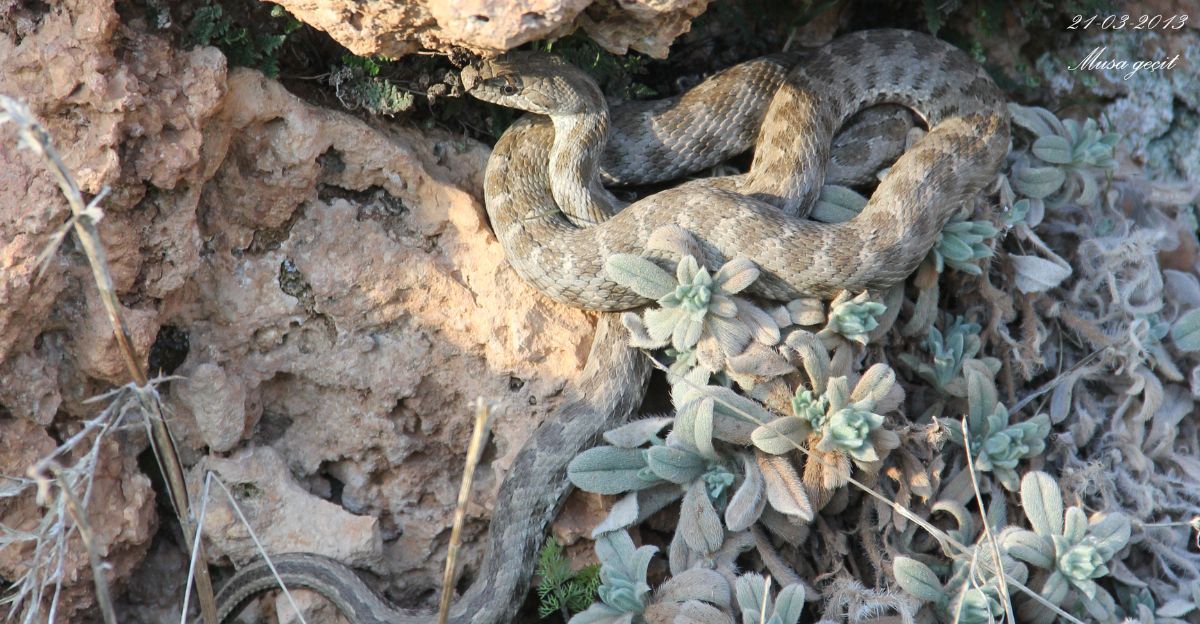
The Malta Herpetological Society has urged the public to report sightings immediately. Citizen involvement has become essential, turning everyday observers into the island’s first line of defense. Each report helps map the snake’s range and movement patterns.
Authorities are coordinating with experts to assess risks, but officials emphasize that public vigilance could determine whether containment succeeds or fails.
Capture, Never Release

Experts are clear: if a coin-marked snake is captured, it must never be released. Releasing even a single specimen increases the chance of breeding. Each release effectively resets containment efforts.
Specialists warn that well-intentioned actions can unintentionally accelerate the invasion. Proper reporting and handling are critical, especially while scientists still believe the population may be manageable.
Snakes Aren’t the Villains
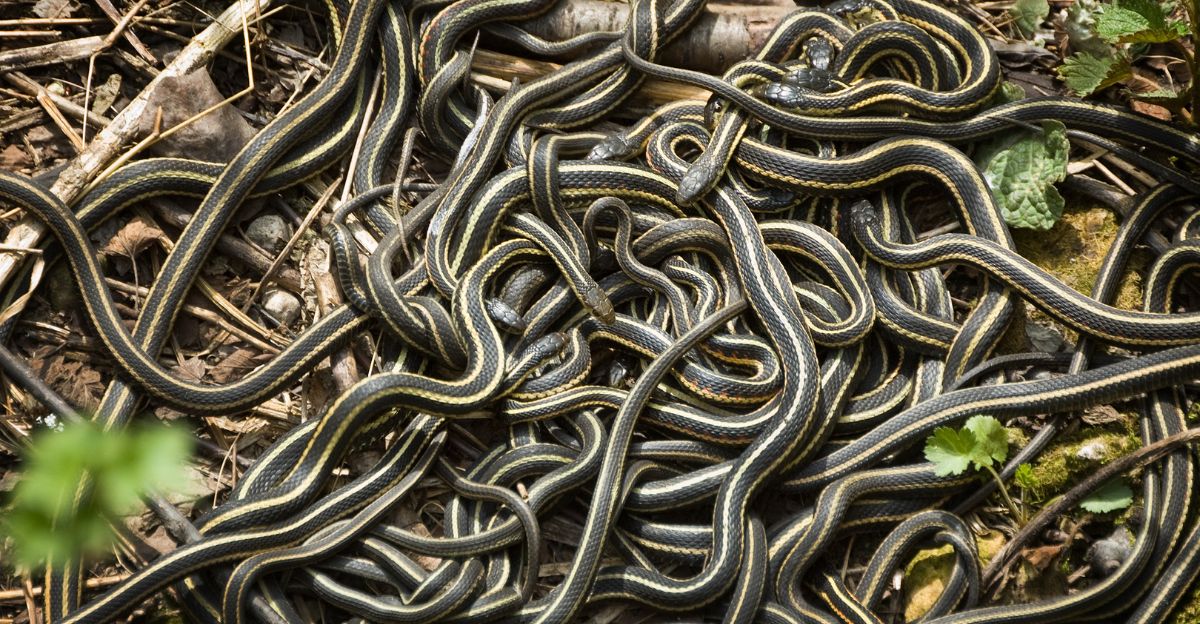
Globally, many snake species are endangered or rarely seen. Recent rediscoveries in Florida and China highlight how fragile reptile populations can be.
Experts stress that this isn’t about demonizing snakes—it’s about protecting ecosystems from imbalance. Invasive species disrupt environments not because they’re dangerous, but because they don’t belong. Conservation requires nuance, not fear.
The Unanswered Question
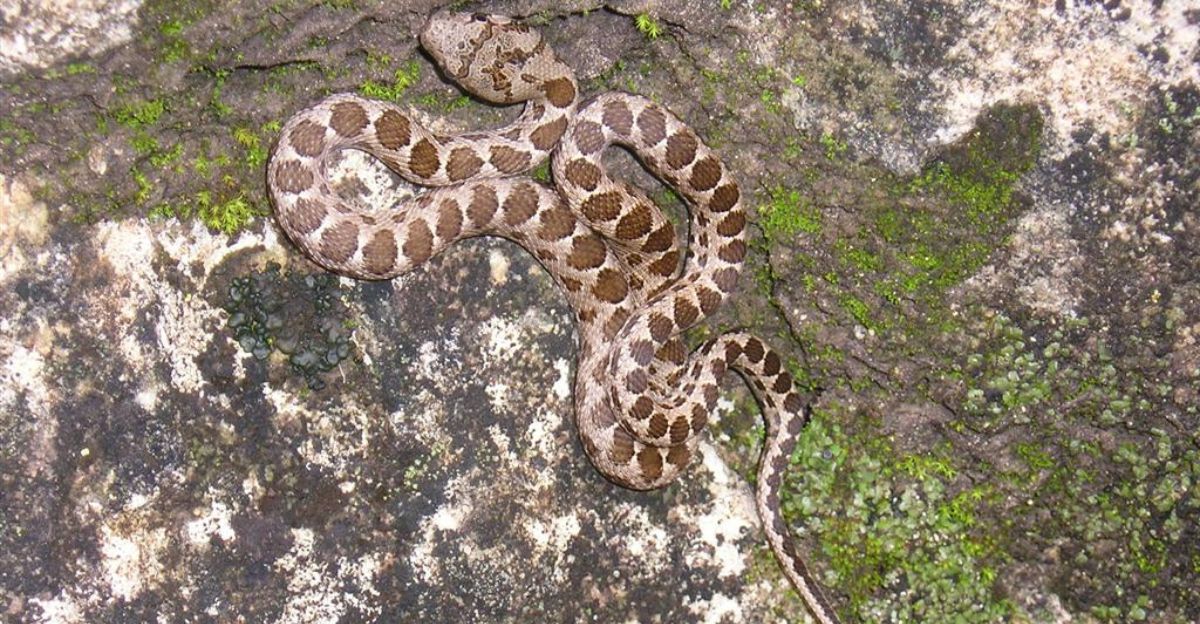
How many coin-marked snakes are already in Malta? Experts don’t know—and that uncertainty fuels concern. Nine sightings may represent dozens more unseen.
The longer the population remains unquantified, the greater the risk. Conservationists warn that once an invasive species crosses a tipping point, eradication becomes unrealistic. Malta may be closer to that threshold than anyone realizes.
Legal and Policy Pressure

As an EU member, Malta is bound by strict biodiversity protection commitments. Yet invasive species enforcement remains uneven across ports and shipping networks. The snake’s arrival exposes weaknesses in biosecurity oversight.
Experts argue that stronger, coordinated port inspections are needed—not just locally, but across the Mediterranean. Without systemic fixes, Malta may not be the last island facing this crisis.
A Mediterranean-Wide Warning

The issue extends beyond Malta. Invasive species are appearing with increasing frequency across Mediterranean islands and coastlines. Shipping routes connect ecosystems that evolved separately for millennia.
Conservationists warn that what happens in Malta could preview future crises in Sicily, southern Italy, and Spain. The coin-marked snake may be a regional warning—not an isolated anomaly.
New Tools, Limited Time

Environmental DNA monitoring offers hope. By sampling soil and water, scientists can detect invasive species before sightings occur. This technology could give Malta a crucial advantage—if deployed quickly and consistently.
Experts argue that early detection tools must become standard at ports and harbors. Without them, invasive species will continue arriving faster than responses can adapt.
Rethinking “Island Safety”
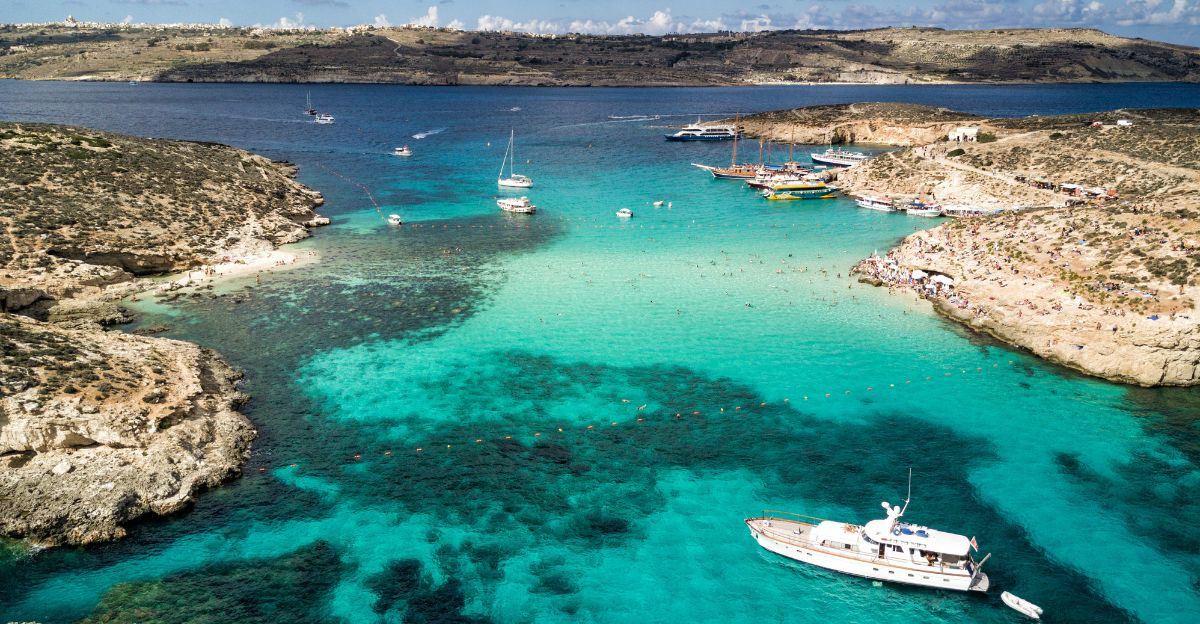
For many, island safety once meant isolation. Experts now say that idea is outdated. True safety lies in protecting fragile ecosystems, not assuming geography will do the work.
Public education is shifting from fear of snakes to understanding ecological responsibility. The goal is not panic—but precision, awareness, and rapid response before irreversible damage occurs.
The Bigger Signal

Malta’s coin-marked snake is more than a local concern. It reflects a global reality: invasive species are spreading faster than conservation systems can respond.
Shipping has erased natural barriers, leaving islands exposed. The question now isn’t whether new species will arrive—but whether action will come in time. Malta stands at a crossroads, and the outcome may echo far beyond its shores.
Sources:
“A new snake has been spotted in Malta.” Times of Malta, 18 Nov 2025.
“Conservation status of the St Paul’s Island wall lizard (Podarcis filfolensis kieselbachi).” Arnold Sciberras and Patrick J. Schembri, Herpetological Bulletin, Issue 105, 2008.
“Invasion by non-indigenous freshwater decapods of Malta and south Sicily, central Mediterranean Sea.” Alan Deidun et al., Journal of Crustacean Biology, Vol. 38, Issue 6, Nov 2018.
“Three new alien fish species spotted in Maltese waters over past year.” Times of Malta, 7 Sep 2025.