An ecological crisis is unfolding across the United States as invasive species inflict catastrophic damage on native ecosystems and agricultural lands. The financial toll has reached $120 billion annually, according to federal estimates, with taxpayers and industries bearing mounting costs from creatures that reproduce faster than traditional control methods can manage. From coral reefs in Florida to wetlands in Louisiana, these non-native organisms are fundamentally altering landscapes while experts scramble for solutions beyond conventional eradication efforts.
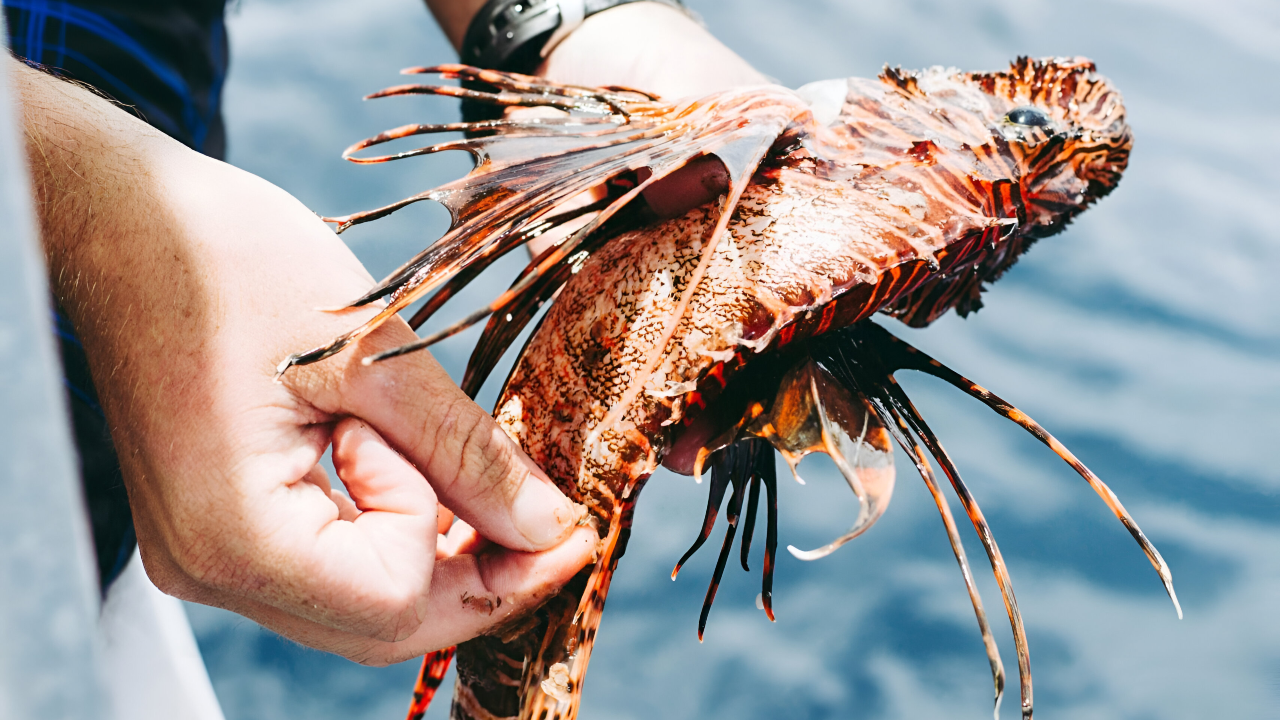
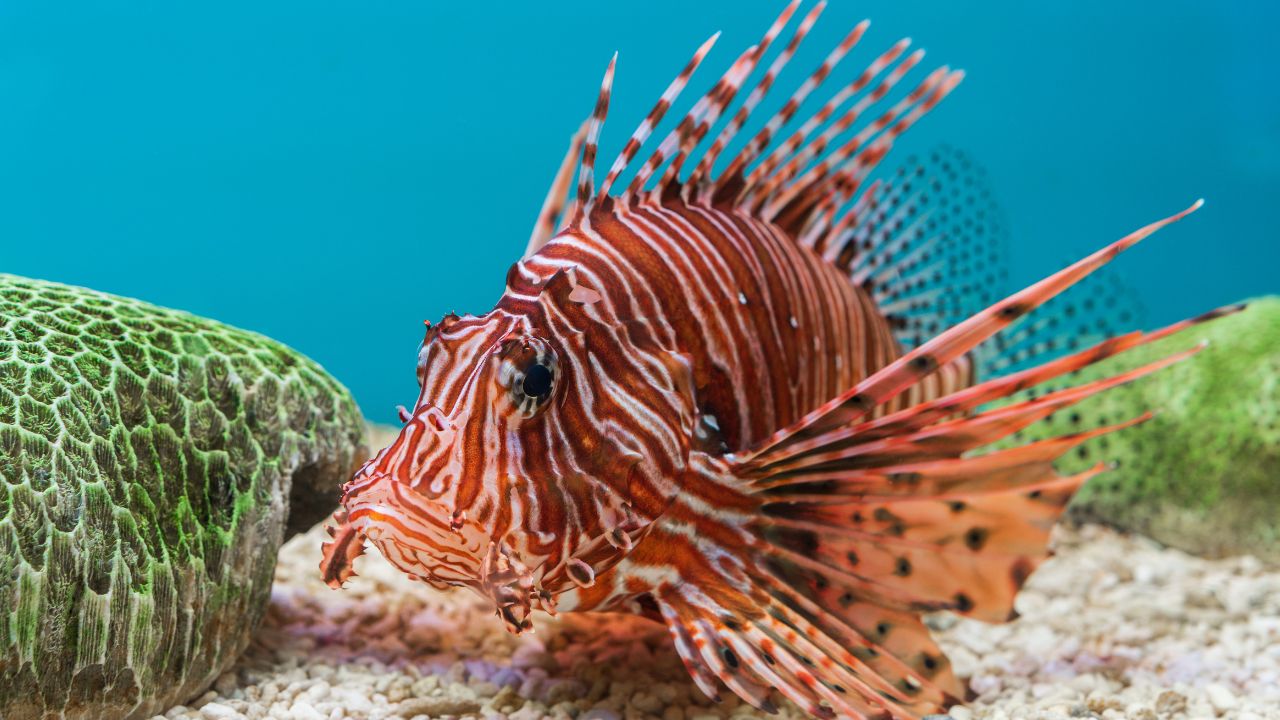
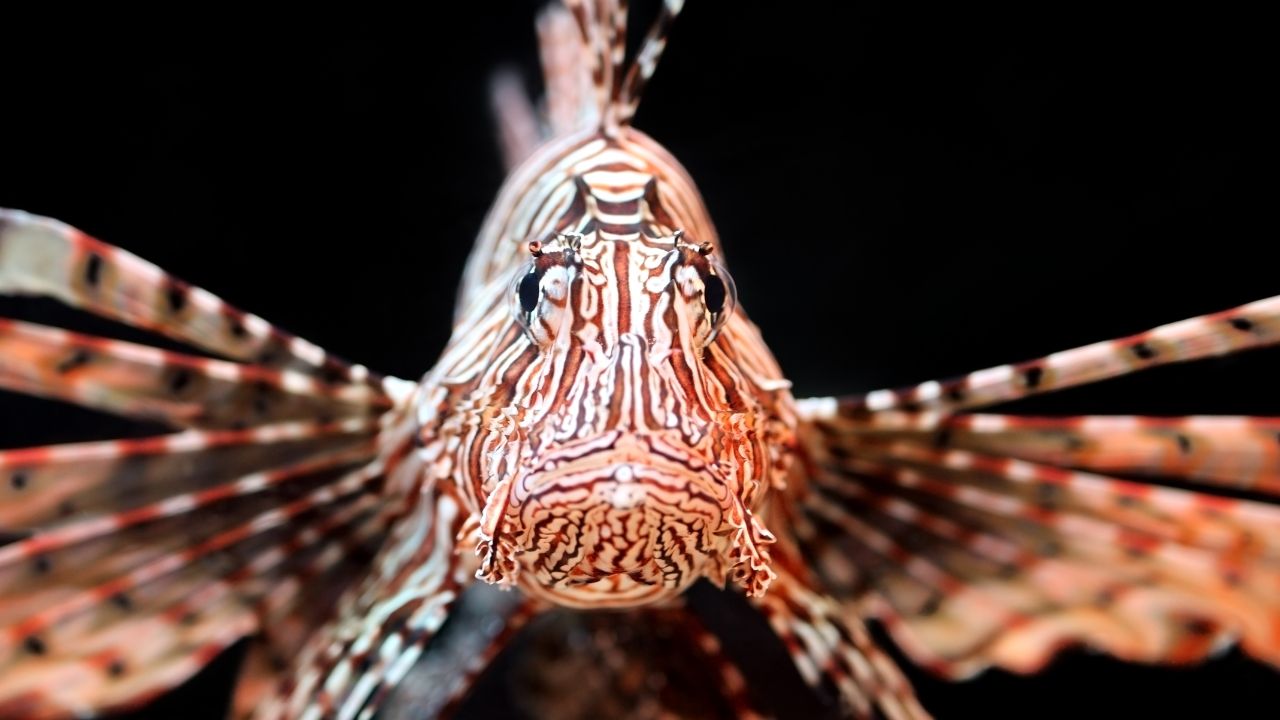
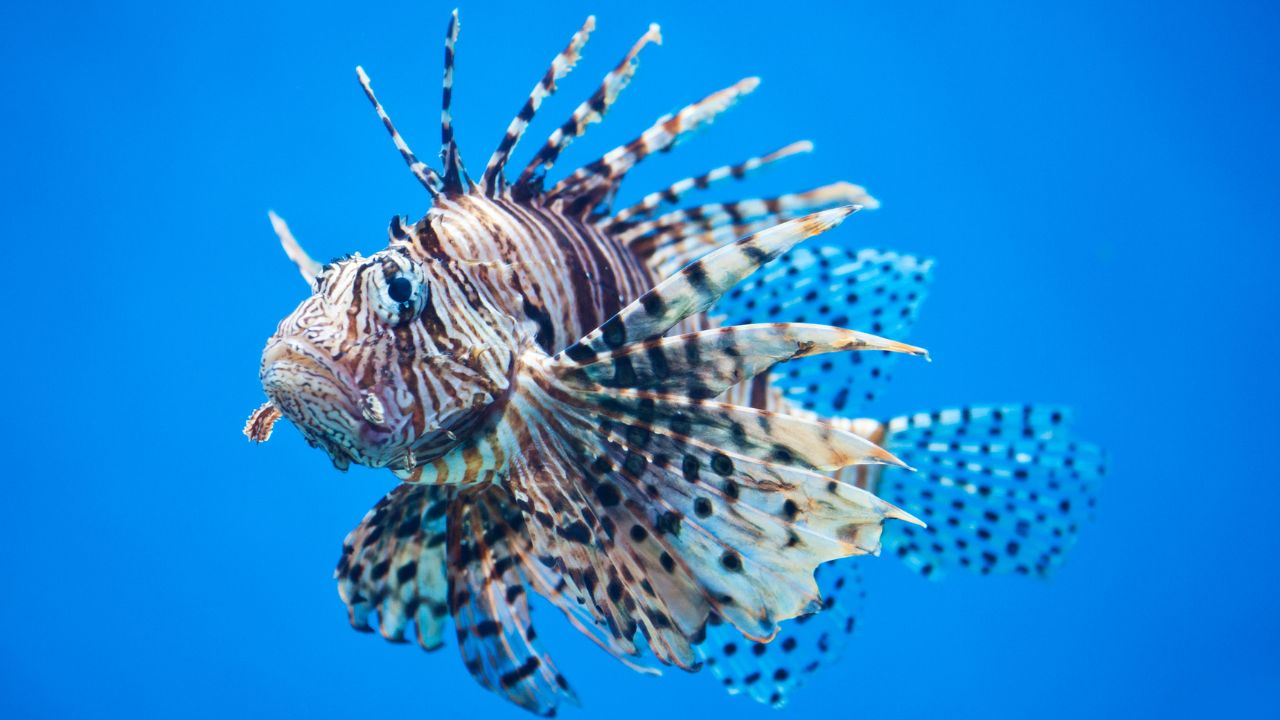
The scale of destruction varies by species but follows a consistent pattern: rapid population growth, absence of natural predators, and cascading ecological consequences. Lionfish, first detected off Florida’s coast in the mid-1980s, have reduced native reef fish populations by up to 79 percent in affected areas. Female lionfish release approximately 50,000 eggs every three to four days, producing up to two million eggs annually. This reproductive advantage has rendered manual removal methods insufficient despite sustained efforts by divers and conservation organizations.
Meanwhile, feral pigs cause approximately $3.4 billion in agricultural damage each year, destroying crops, degrading pastureland, and damaging infrastructure across at least 38 states. Texas accounts for a substantial portion of these losses, with producers reporting 73 percent of farms affected by wild pig activity. The animals consume and uproot crops, compromise fencing systems, and require millions of labor hours annually for repairs and control measures.
Consumption as Conservation
A grassroots movement promoting invasivorism has emerged as an unconventional response to the invasion crisis. Conservation biologist Joe Roman launched the Eat the Invaders initiative, encouraging consumption of species like lionfish and nutria as a population control strategy. The approach reframes destructive pests as culinary resources, creating economic incentives for removal while reducing ecological pressure on native species.
Florida chefs have embraced lionfish, featuring the white-fleshed fish in tacos and specialty dishes during promotional events. The lionfish meat sells for approximately eight to ten dollars per pound, though supply remains limited due to harvesting constraints. Unlike commercial fisheries that employ nets or longlines, lionfish must be individually speared by divers, restricting catch volumes despite growing restaurant demand.
State Intervention and Market Development

Louisiana and Florida have implemented regulatory frameworks to support invasive species consumption. Louisiana’s Coastwide Nutria Control Program, established in 2002, pays a $6 bounty per nutria tail to licensed trappers during the November through March season. The program aims to remove up to 400,000 nutria annually from coastal marshes, where the semi-aquatic rodents erode wetlands through destructive feeding habits.
Florida promotes lionfish harvest through removal tournaments and restaurant partnerships, encouraging commercial fishers and recreational divers to target the species. These state-level initiatives attempt to scale local removal efforts into sustainable markets, though infrastructure challenges persist in connecting suppliers with consumers nationwide.
Culinary Innovation Meets Ecological Reality
Chefs across multiple regions have incorporated invasive species into menus, from Asian carp in the Great Lakes (rebranded as copi in 2022) to green crabs in New England. These culinary experiments demonstrate consumer acceptance when invasive species are prepared skillfully and marketed effectively. Restaurant participation has increased awareness about ecological impacts while introducing sustainable protein sources.
However, supply chain limitations constrain expansion. Harvesting invasive species requires specialized knowledge, equipment, and labor that conventional fisheries infrastructure cannot easily accommodate. The scattered distribution of many invasive populations further complicates commercial-scale collection efforts.
Limitations of the Fork-and-Knife Approach
Evidence from experimental trials offers cautious optimism about sustained removal efforts. Studies found that reducing lionfish populations by 75 to 95 percent at specific reef sites led to 50 to 70 percent increases in native fish biomass within 18 months. The recovery included commercially valuable species like Nassau grouper and yellowtail snapper, demonstrating measurable ecological benefits from targeted intervention.
Yet experts acknowledge that invasivorism cannot eliminate established populations. Species like nutria struggle to gain culinary traction despite causing extensive damage, largely due to cultural perceptions and unappealing imagery. Lionfish populations rebound quickly when removal efforts decrease, requiring continuous pressure to maintain suppressed numbers.
The rapid reproduction rates that make these species invasive also undermine consumption-based control. Divers express frustration that even intensive spearing efforts provide only temporary relief, with lionfish colonies recovering within months. Federal agencies including NOAA and USGS coordinate monitoring and control across jurisdictions, but the invasive species footprint continues expanding.
The Path Forward
The invasive species crisis demands sustained commitment and diversified strategies. While eating invasives offers localized benefits and raises public awareness, it functions as one component within broader management frameworks. The most effective approach combines consumption incentives, targeted removal, early detection systems, and prevention of new introductions. As populations continue growing and economic damages mount, the question remains whether current interventions can match the scale of biological invasion reshaping American ecosystems. Success will require coordination across federal, state, and local levels, along with continued innovation in both control methods and market development for harvested species.
Sources:
“Invasive lionfish reduce native fish abundance on a regional scale.” Nature Scientific Reports, 30 Aug 2016.
“Eating Invasive Species.” National Wildlife Federation, Winter 2026.
“Nutria | Louisiana Department of Wildlife and Fisheries.” Louisiana Department of Wildlife and Fisheries, 19 Nov 2025.
“Feral Hogs vs. Farmers: The Damage Price Tag.” American Farm Bureau Federation Market Intel, 26 May 2025.