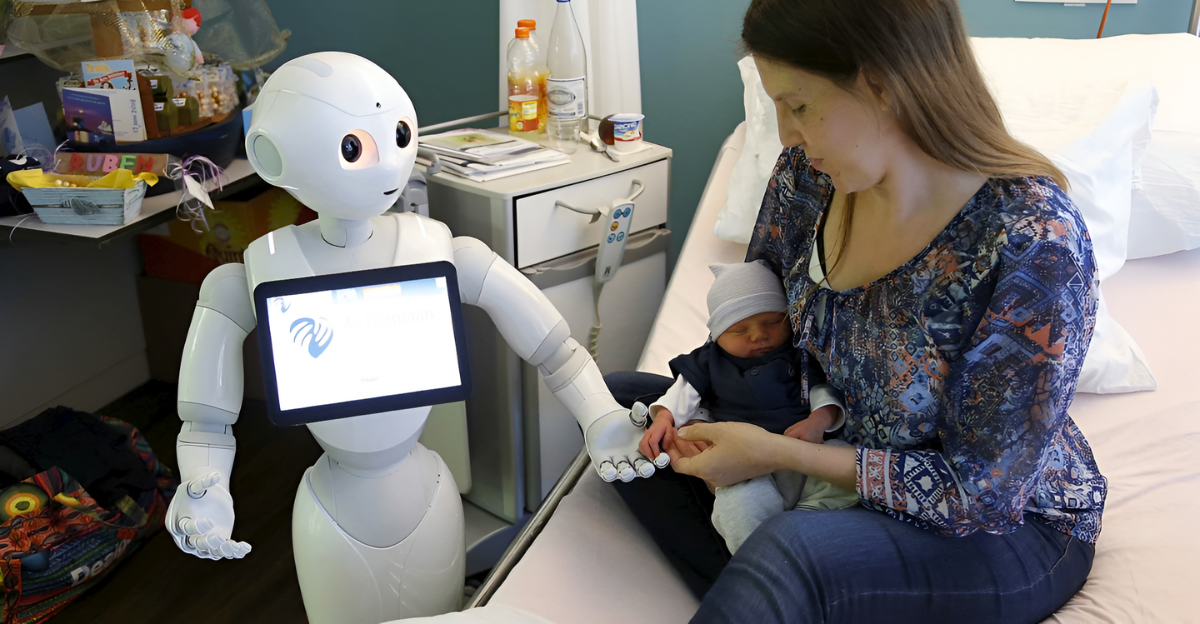
A former Google AI leader just shook up the conversation about higher education. Jad Tarifi, who founded Google’s first generative AI team, argues that spending years on law, medicine, or PhDs is a waste of time. According to Fortune, he believes students are “throwing away years of their life” while AI evolves faster than any academic program can keep up.
Yet the paradox remains: while tech leaders dismiss traditional credentials, companies continue luring PhD talent with lucrative offers, fueling debate over higher education’s future.
His words raise an uncomfortable question for ambitious students: are these expensive, time-intensive degrees already becoming obsolete? Let’s take a closer look.
Who Exactly Is Jad Tarifi?

Tarifi’s background makes his warning difficult to dismiss. He earned his PhD in AI from the University of Florida in 2012, then joined Google Research. There, he spent nearly a decade leading AI teams, according to Business Insider.
Today, he runs Integral AI, the company he co-founded in 2021. Having lived in both worlds, academia and industry, Tarifi has a front-row seat to how fast the gap between traditional education and real-world AI innovation is widening.
Why He Thinks Degrees Waste Valuable Time

Tarifi points out a blunt reality: medical school often takes eight years, law school seven, and PhDs between four and six. According to Business Insider, he warns that AI is advancing so quickly that much of what students learn during those long stretches becomes outdated.
In his own words, “AI itself is going to be gone by the time you finish a PhD.” It’s a sobering thought that challenges long-held beliefs about higher education.
The Harsh Truth About PhDs

When it comes to doctoral programs, Tarifi is even more critical. He describes them as “five years of your life and a lot of pain,” suitable only for “weird people” who are truly obsessed with research. That quote was reported by Africa Business Insider.
The Economic Times also quoted him saying students would “move much faster outside school,” where adaptability and hands-on learning matter more than credentials. For many young people, this turns into a tough decision about their future.
Medical Degrees Under Pressure

Tarifi argues that medical education is too focused on memorization, making much of its content outdated for the AI age. He believes today’s training does not fully prepare doctors for a future where AI plays a bigger role in healthcare.
Still, AI in medicine has real limits. A Nature study found AI diagnostic accuracy averages only 52.1%—15.8% lower than expert physicians but similar to non-experts. Even so, tools like ChatGPT already score near the 60% passing mark on medical licensing exams.
Can AI Replace Law School?

Law schools aren’t immune either. Tarifi says legal education may lose value as AI systems increasingly handle contracts, legal research, and routine filings.
Researchers in legal education note that traditional law training often revolves around case memorization and precedent. But if AI tools can process thousands of cases instantly, the bigger question becomes whether lawyers will need to master principles themselves, or simply learn how to direct AI systems effectively.
Higher Education Faces the Heat

Tarifi’s words hit a larger nerve: universities everywhere are struggling to stay relevant. Students take on huge debt while schools fail to adapt quickly enough to AI-driven changes.
A 2024 survey from Inside Higher Education found that only 9% of chief technology officers believe universities are ready for the rise of AI. This mismatch between academic timelines and industry innovation cycles has sparked growing doubts about the long-term value of traditional degrees.
Zuckerberg Adds His Voice

Tarifi isn’t the only big name questioning college. Mark Zuckerberg recently echoed similar concerns on Theo Von’s “This Past Weekend” podcast.
As reported by multiple outlets, Zuckerberg said he isn’t sure college is preparing people for today’s jobs. He called out outdated courses, rising costs, and crushing student debt as major problems. With tech leaders like him weighing in, doubts about higher education are moving quickly into mainstream conversations.
Sam Altman Pushes the Argument Further
OpenAI CEO Sam Altman recently gave even more weight to Tarifi’s argument. According to OpenAI’s August announcement, Altman claimed GPT-5 is already performing at “PhD-level” expertise across many subjects.
Tech Central noted how remarkable this leap is, pointing out it would have been “pretty much unimaginable in any other time in history.” If AI can already match, or surpass, PhD-level work, the future of traditional research programs looks even more uncertain.
What Skills Still Matter Most

So, what should students focus on instead? Tarifi believes emotional intelligence, empathy, and human connection are more important than technical credentials.
Speaking to Africa Business Insider, he advised young people to “meditate, socialize with friends, get to know yourself emotionally.” These so-called soft skills may end up being the rare human qualities that stand out in a world where AI takes over routine technical work.
The Alternative Path for Young People

Tarifi also encourages students to explore areas where human expertise and AI intersect, such as “AI for biology.” According to Fortune and Harvard Business Review, these cross-disciplinary skills can open new opportunities.
He stresses that building unique perspectives, emotional awareness, and self-agency matters more than collecting diplomas. This reflects a broader Silicon Valley trend where companies hire based on proven skills and creativity rather than just formal academic backgrounds.
The Industry’s Mixed Signals

Here’s the paradox: while tech leaders question degrees, their companies still chase people who have them. Fortune reported in 2024 that Meta and others offer high six to eight-figure packages for experienced AI researchers.
The New York Times also confirmed that ByteDance has been making “high six-figure” offers to new PhD graduates. The contrast between public statements and actual hiring practices shows that advanced degrees remain valuable, at least for now.
A Growing Brain Drain From Academia

Data backs this up. According to the National Science Foundation and MIT’s AI Index, about 70% of U.S. AI PhD graduates entered private-sector jobs in 2024. Two decades ago, that number was only 20%.
Industry’s hunger for AI talent has outpaced academia’s ability to keep researchers. As faculty hiring slows and industry salaries rise, universities are struggling to hold onto their brightest students. This trend is reshaping the academic pipeline.
One Student’s Story Says It All
Fortune reported in May 2024 about a University of Chicago PhD student who left academia for ByteDance. Despite having no prior work experience, the student accepted a “high six-figure” offer.
Henry Hoffmann, chair of the school’s computer science department, explained, “When students can get the kind of job they want as students, there’s no reason to force them to keep going.” His words highlight how difficult it is for universities to compete with industry incentives.
Why Universities Struggle to Catch Up
Universities face serious hurdles trying to match industry’s pace. As Georgetown’s Center for Security and Emerging Technology points out, academic curricula often take years to revise, while AI capabilities change monthly.
On top of that, schools lack the datasets, computing power, and industry partnerships needed for cutting-edge AI work. With top professors leaving for the private sector, many programs are left understaffed, making it even harder to keep content fresh and relevant.
Why Some Still Defend Degrees

Not everyone agrees with Tarifi’s harsh view. Supporters of higher education argue that degrees provide a level of rigor, ethical grounding, and reasoning that AI simply cannot replace.
Medical educators highlight the value of clinical judgment and patient care. Legal scholars point to justice, advocacy, and ethics as essential human responsibilities. Research on professional education continues to emphasize that while AI is powerful, it cannot replace the human values taught in traditional programs.
Where AI Still Comes Up Short

AI also has very real limits. In healthcare, studies in JAMA and The Lancet show AI struggles with rare conditions, patient communication, and ethically complex cases. These are areas where doctors’ judgment is irreplaceable.
In law, AI cannot argue in court or make nuanced interpretations of justice. While it can speed up routine work, deep advocacy and reasoning remain human tasks. Legal journals confirm that education still plays a vital role in preparing professionals for these challenges.
A Different Future for Credentials

New learning models are already emerging. EdSurge and the World Economic Forum report rising interest in micro-credentials, online certificates, and coding bootcamps. These programs offer quicker, more adaptive ways to build skills.
Employers increasingly value what you can do over what diploma you hold. That shift validates predictions that alternative learning paths will grow. For many, these approaches could strike the balance between staying relevant and avoiding the time costs of traditional degrees.
The Dilemma for Today’s Students

So where does that leave students? According to The Chronicle of Higher Education, many experts suggest a hybrid path. Combining traditional foundations in areas like law or medicine with adaptive skills and continuous learning may be the safest option.
This way, students build both immediate employability and long-term resilience. It’s not an easy choice, but it reflects the reality of a world where both AI and traditional expertise matter.
The Debate That Isn’t Going Away
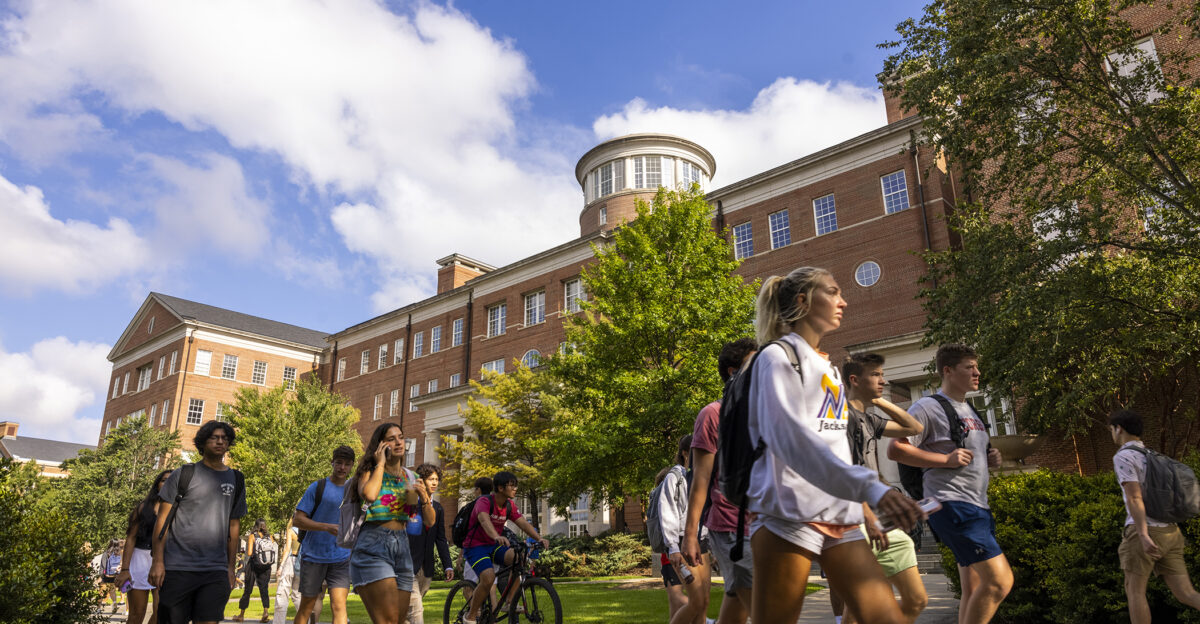
In the end, Tarifi’s words shine a spotlight on a hard truth. Higher education is under pressure to adapt quickly, but advanced degrees still hold significant value for top tech firms.
The most likely future may not be an either-or choice, but a blend of established education and new skill-based models. For students, that means navigating these choices carefully. The debate over whether degrees are still worth it in the AI era is far from settled.