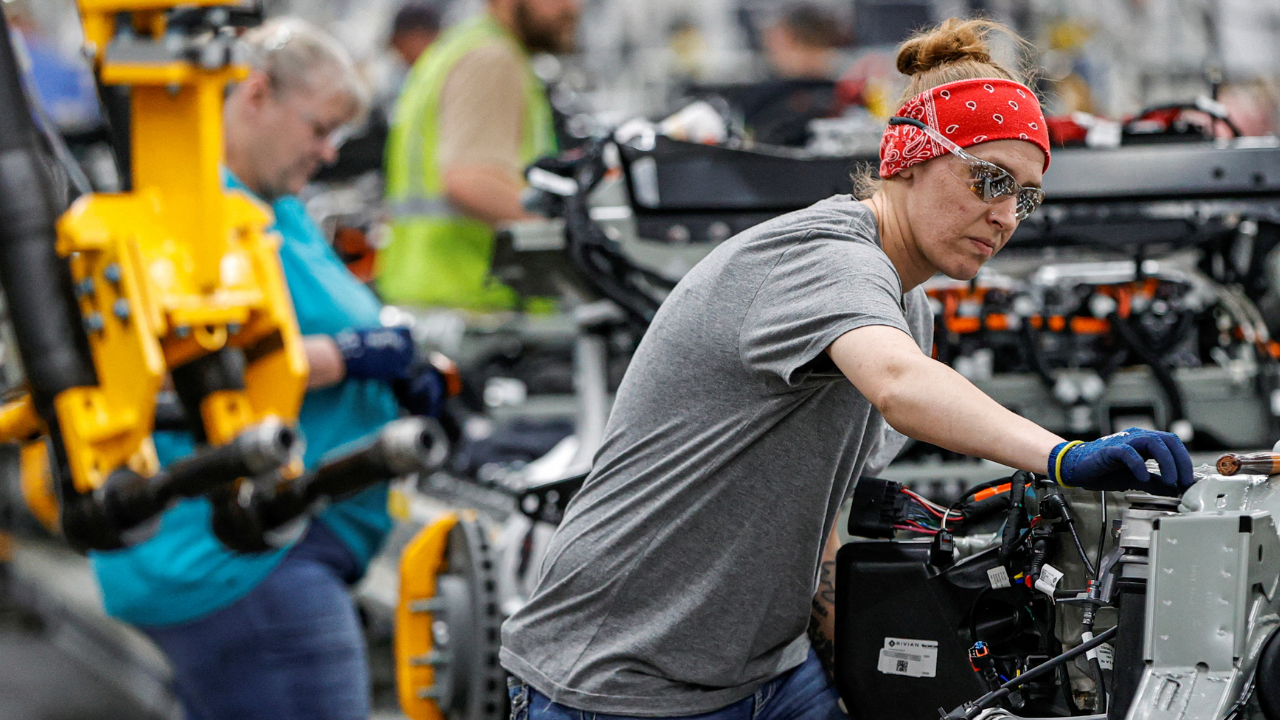
A sweeping round of layoffs at General Motors is reshaping the landscape of American electric vehicle (EV) manufacturing. In late October 2025, GM announced it would cut 1,700 permanent and 1,600 temporary jobs across its U.S. operations, a move that reverberates from Detroit’s Factory Zero to battery plants in Ohio and Tennessee. The decision, driven by shifting market realities and regulatory changes, signals a pivotal moment for the automaker and the broader EV sector.
Who Is Affected and Where
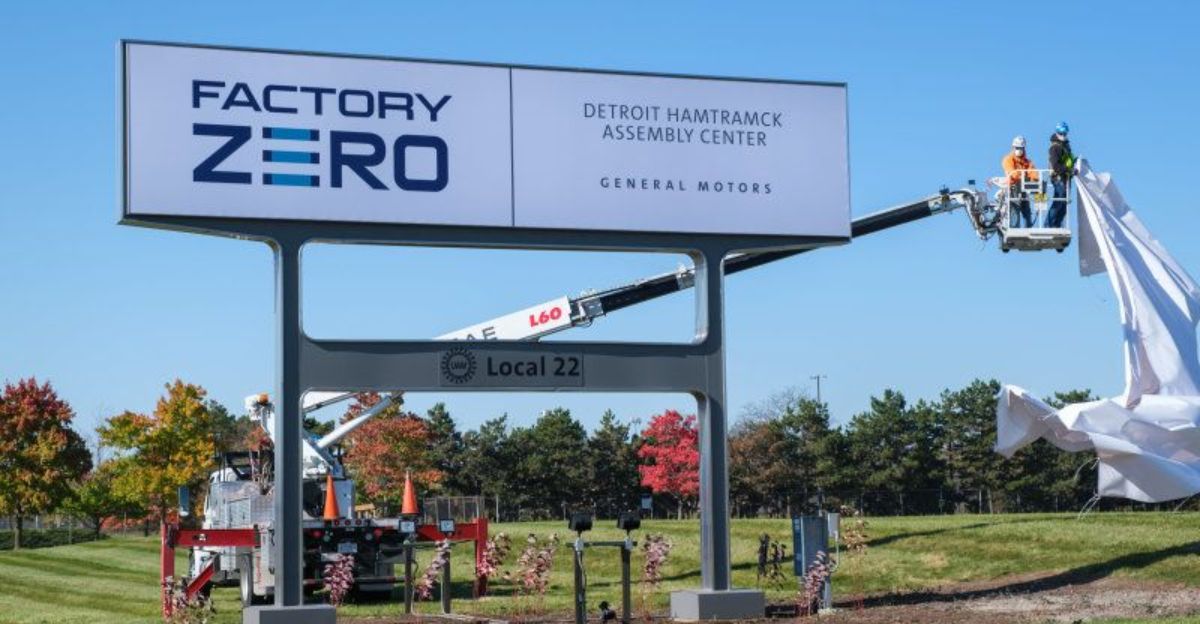
The layoffs directly impact between 3,300 and 3,400 workers, with the largest concentration at Detroit’s Factory Zero. Here, 1,200 indefinite layoffs halt production of flagship models including the Chevrolet Silverado EV, GMC Sierra EV, GMC Hummer EV, and Cadillac Escalade IQ. Ultium Cells battery plants in Warren, Ohio, and Spring Hill, Tennessee, also face hundreds of job losses, both permanent and temporary.
The effects ripple far beyond GM’s own workforce. With over 6,800 family members affected, the elimination of $85–102 million in annual payroll is expected to reduce regional consumer spending by an estimated $127.5 million. Local economies in Michigan and Ohio, already closely tied to the auto industry, brace for the fallout as household incomes drop and uncertainty grows for thousands of workers left in limbo.
Supplier Strain and Industry Fallout
The retrenchment is not limited to GM’s direct employees. Suppliers, especially those specializing in EV components, are feeling the strain. Dana Thermal Products in Auburn Hills, Michigan, permanently closed after demand for battery cooling plates evaporated, resulting in 200 lost jobs. The closure underscores the fragility of the EV supply chain, where sudden shifts in production plans can leave specialized facilities idle or shuttered.
Industry analysts warn that hundreds of suppliers could face similar challenges as GM and other automakers recalibrate their EV strategies. The cascading effects threaten to disrupt the broader manufacturing ecosystem, with local businesses and service providers already reporting declines in spending and demand.
Union Pushback and Corporate Rationale
The United Auto Workers (UAW) has sharply criticized GM’s decision to cut jobs amid strong profits. UAW President Shawn Fain highlighted the company’s projected $13 billion in operating profit, arguing that the layoffs were a choice rather than a necessity. The union and its members question how such deep cuts align with corporate responsibility, especially during a period of financial strength.
GM, for its part, cites slower-than-expected EV adoption and a rapidly changing regulatory environment as key factors. The company points to overcapacity and a mismatch between production and market demand. CFO Paul Jacobson acknowledged that “profitability for EVs will take longer than previously expected,” as the company grapples with the realities of scaling up electric vehicle production in a volatile market.
Production Pauses and Market Realities
Detroit’s Factory Zero, once a symbol of GM’s EV ambitions, has reduced operations from two shifts to one, cutting capacity by half starting January 2026. The plant remained closed through late November, with 1,200 non-senior employees indefinitely laid off. Meanwhile, Ultium Cells battery plants in Ohio and Tennessee will pause production for six months to upgrade equipment and adapt to new battery chemistries, delaying any resumption until mid-2026.
These moves come on the heels of a paradoxical third quarter: GM delivered 66,501 EVs, more than doubling year-over-year sales, only to announce mass layoffs days later. The surge was fueled by the final days of a $7,500 federal tax credit, which expired at the end of September. Once the incentive ended, October EV sales dropped 24% month-over-month, confirming fears of a boom-bust cycle and raising questions about the sustainability of current EV demand.
Policy Shifts and the Road Ahead
The regulatory environment has shifted dramatically. The expiration of federal tax credits and the rollback of emissions mandates under the Trump administration have altered the business case for EVs. GM’s projections, which assumed 40–50% of vehicles would be electric by 2030, now appear overly optimistic. In October 2025, EVs accounted for just 5.2% of the U.S. market, far below expectations.
The impact is concentrated in the automotive heartland. Michigan could see up to 25,000 EV-related job losses in the long term, with Ohio facing around 14,000. The effects extend to technical roles as well, with over 500 engineering and IT positions eliminated in recent months.
As GM pauses production, writes down $1.6 billion in EV-related assets, and cancels commercial EV projects like the BrightDrop delivery van, the industry faces a reckoning. Consumers are shifting toward hybrids, and suppliers are bracing for further disruption. The first major EV manufacturing retreat by a U.S. automaker since the end of federal incentives marks a turning point, raising fundamental questions about the pace and viability of the electric transition.
Looking forward, the stakes are high for workers, communities, and the future of American manufacturing. As other automakers reconsider their own EV plans, the sector’s next moves will be closely watched by policymakers, industry leaders, and consumers alike.