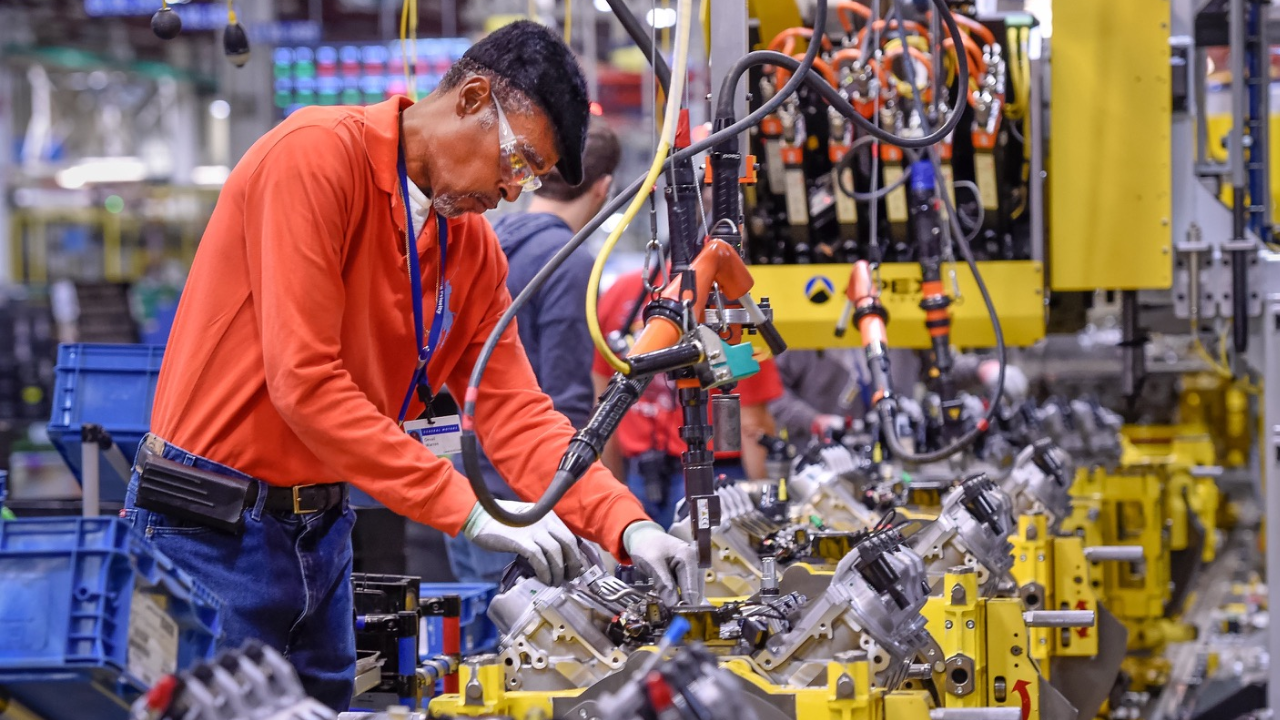
General Motors (GM) has decided to temporarily stop production at its Ultium Cells battery plant in Spring Hill, Tennessee, starting in January 2026. Around 700 workers will be affected by the halt, which reflects a slowdown in electric vehicle (EV) demand across the United States. This move has raised concerns about the future of EV production, local jobs, and the broader U.S. auto industry.
In recent years, GM has been one of the major players pushing toward an all-electric future. But the company’s decision shows that the transition is proving more difficult than expected. EV sales are still growing, but not as quickly as predicted, causing automakers to reconsider their investments and timelines.
Layoffs and Challenges Across the Industry
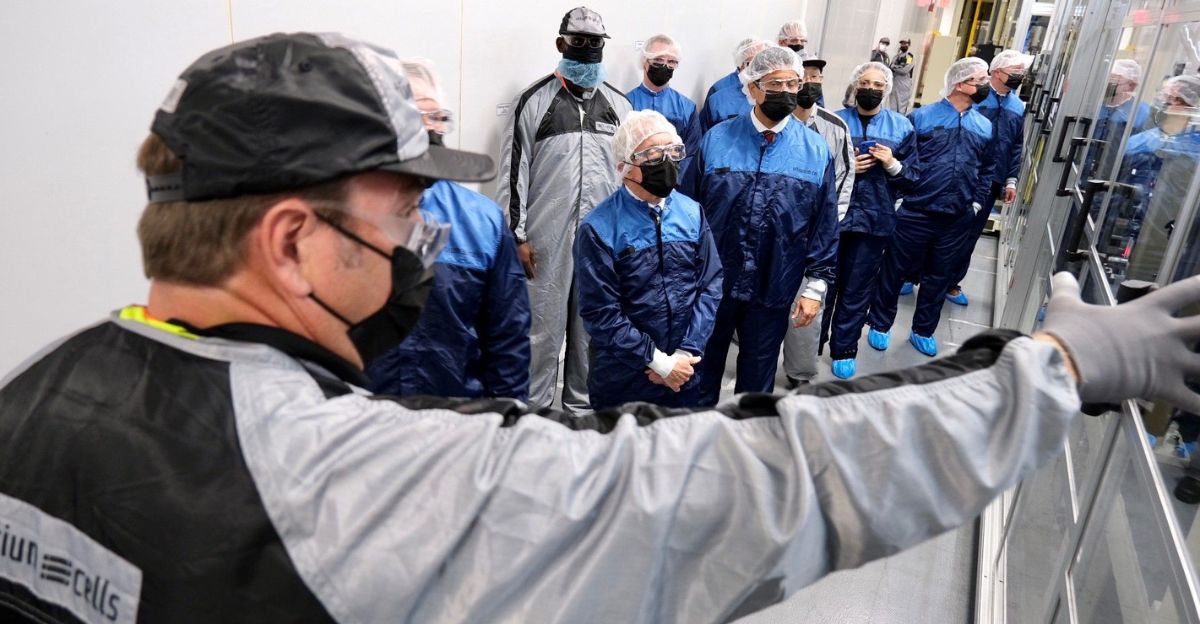
GM’s production pause comes at a time when the company is already reducing its workforce. It recently announced about 3,300 layoffs in Tennessee, Michigan, and Ohio, as part of broader cost-cutting measures. While GM says these job cuts are temporary and necessary for financial stability, they reveal deeper problems facing the EV market. Many automakers, including GM, had expected faster growth in sales, but rising prices, supply chain issues, and shifting government policies have slowed progress.
The Spring Hill Ultium Cells plant is a $2.3 billion joint venture between GM and South Korea’s LG Energy Solution. The facility opened in 2023 with the goal of producing next-generation lithium iron phosphate (LFP) batteries, seen as cheaper and more durable than current lithium-ion ones. GM built the factory to compete with industry leader Tesla by offering more affordable, longer-lasting EV batteries. However, with EV sales tapering off, both GM and LG are reviewing their production schedules and financial plans for future expansions.
At the same time, GM’s Ultium Cells facility in Warren, Ohio, will also see temporary layoffs beginning in January 2026, affecting around 850 employees. Another 550 positions might be cut permanently, signaling that the company’s challenges are not limited to one location.
Impact on Workers and Local Communities
The production pause in Spring Hill is expected to ripple throughout the local economy. Many small businesses like restaurants, supply companies, and repair services, depend on the factory’s operations. With hundreds of workers facing reduced income, local spending is likely to drop, putting pressure on the community as a whole.
For the 700 workers directly impacted, the announcement has caused considerable uncertainty. Many had moved to the area for what they believed would be stable jobs in a fast-growing industry. GM has promised partial pay and benefits during the downtime, but employees and union representatives are asking for clearer information on when operations will resume and how workers will be supported if the pause extends. Union leaders stress that the company must be transparent about its long-term plans to prevent more job insecurity.
Community leaders in Spring Hill worry that the pause could undo several years of economic growth. The plant had attracted other businesses and investments to the region, which now face slower growth or potential cutbacks if the shutdown lasts too long.
Broader Market and Future Outlook

GM’s decision fits into a larger trend affecting the entire auto industry. Other automakers, including Ford and Stellantis, have made similar moves in response to slower-than-expected EV sales. Ford, for example, postponed plans for its battery plant in Kentucky, while Stellantis scaled back shifts at several of its factories. The common reasons include higher raw material costs, fewer government incentives, and consumer hesitation due to high vehicle prices and limited charging availability.
Globally, the slowdown has also made GM’s partner LG Energy Solution reexamine its production plans. Battery makers in Europe and Asia are watching closely, concerned that factories built for high EV demand might soon face overcapacity. Some countries, especially in Asia, may take advantage of this slowdown by encouraging companies to relocate and invest in their EV sectors instead of the U.S.
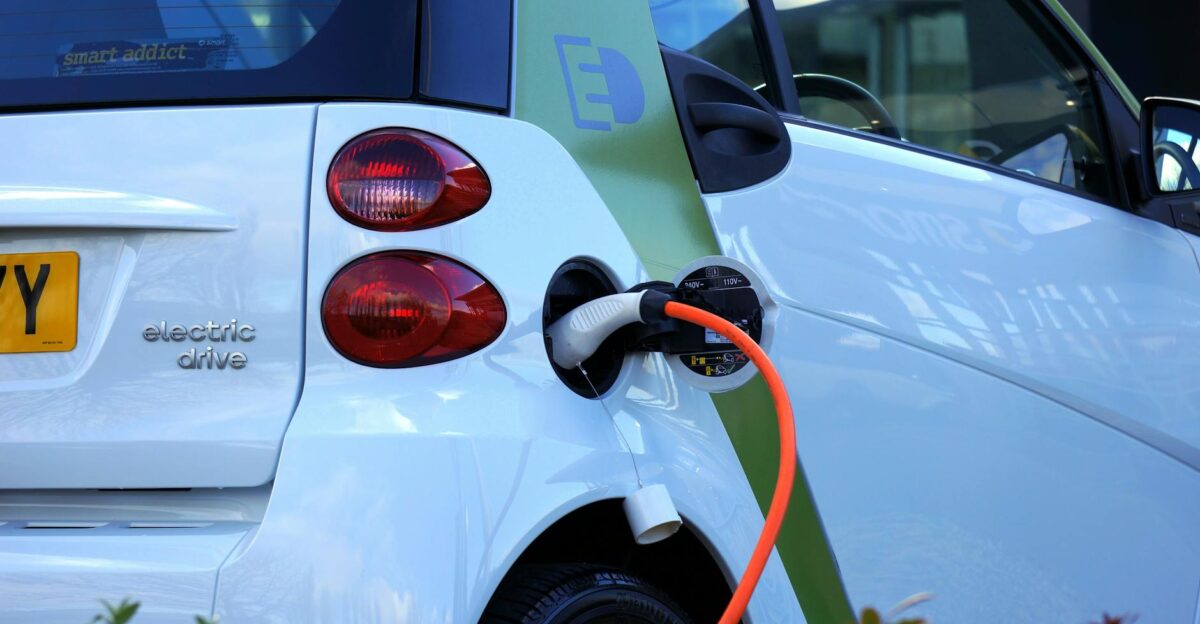
Although electric vehicle sales in the U.S. continue to rise, the growth rate has slowed sharply. Inflation has pushed up prices, and the loss of the federal $7,500 tax credit has made EVs less affordable for many buyers. Uncertainties about battery performance, especially in cold weather, and the slow rollout of charging stations have also reduced enthusiasm. Automakers are responding by delaying new EV models and concentrating on improving efficiency in existing plants rather than expanding rapidly.
GM’s Leadership and the Path Forward
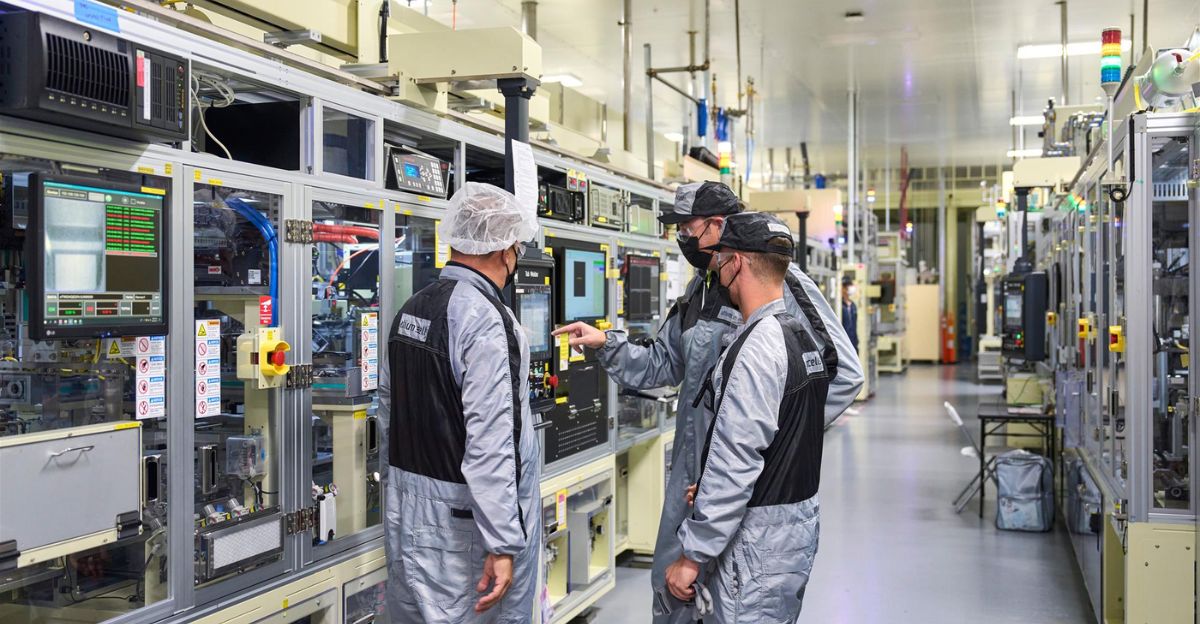
GM’s CEO, Mary Barra, and the company’s leadership team are under pressure to prove that their long-term EV strategy is still viable. They have described the factory pause as a strategic move rather than a retreat. The company says it will use the downtime to upgrade equipment, expand automation, and prepare the plant for future increases in demand. GM argues that improving efficiency now will help it rebound faster when EV sales eventually strengthen.
Still, experts warn that GM’s road ahead remains uncertain. Battery prices remain high, government policies continue to shift, and there is a risk of losing skilled workers during production pauses. If demand for EVs does not recover by late 2026, analysts predict GM could face further layoffs and delays in launching new models.
As Spring Hill’s 700 workers wait for clarity, the outcome of GM’s next steps will shape not only their livelihoods but also the broader direction of the U.S. auto industry. The decision will influence how quickly America moves toward its clean energy goals and how competitive U.S. automakers remain on the global stage.