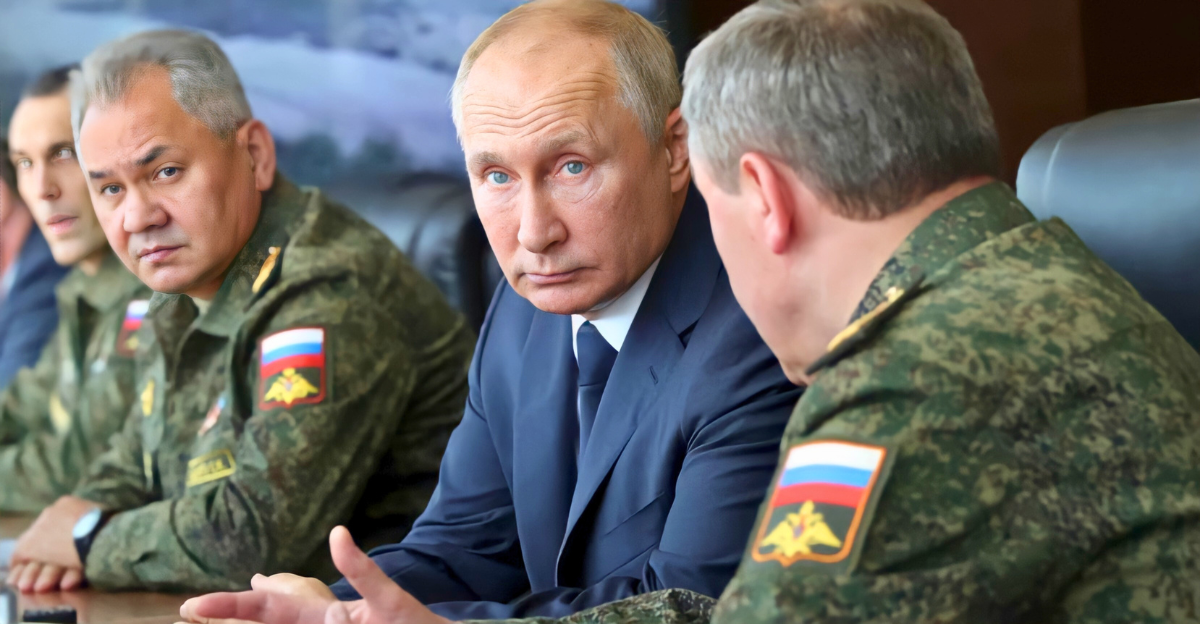
NATO Secretary General Mark Rutte and others are sounding the alarm: Russia’s military resurgence could threaten NATO’s eastern flank within five years.
Moscow’s defense-industrial output has surged to historic levels. Rutte notes that “Russia produces in three months what the whole of NATO produces in a year” in ammunition, underscoring the vast stockpiles now pouring from Russian factories.
European security agencies have flagged intelligence of rapid arms buildups and new Russian bases. Taken together, these indicators suggest Europe’s long peace may be ending far sooner than expected.
Production Surge
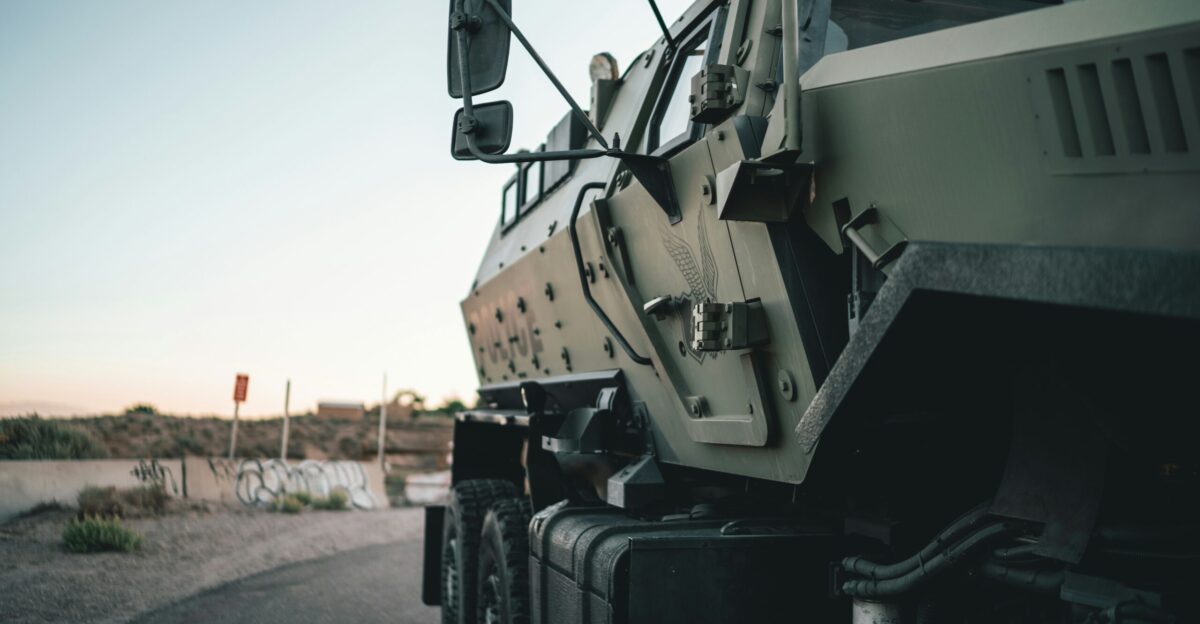
In a June 2025 address, Rutte detailed Russia’s projected arsenal: roughly 1,500 new tanks, 3,000 armored vehicles, and 200 Iskander missiles by year-end. This far outpaces current NATO production.
As Rutte warned, Moscow is “reconstituting its forces with Chinese technology”, blending imported equipment and domestic factories.
it means thousands more shells, rockets, and tanks rolling off Russian assembly lines. European commanders privately admit they have no matching surge capacity yet. Without a corresponding industrial ramp-up in Europe, Russia’s sheer volume advantage looms ominously over NATO’s strategy.
Historical Context
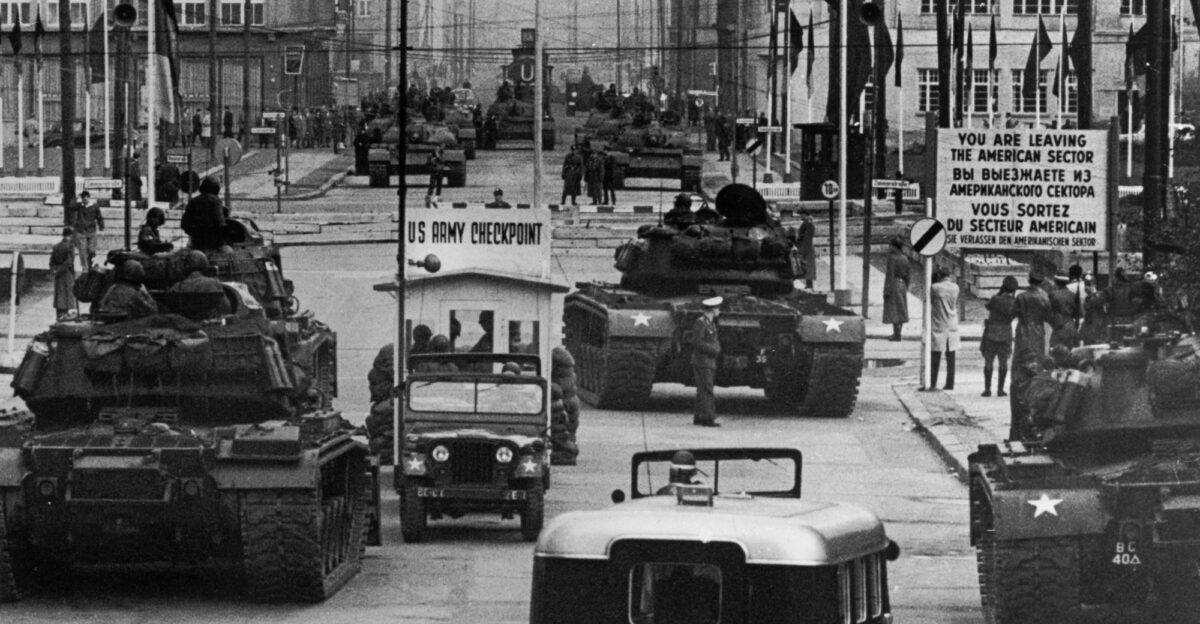
Europe’s present vulnerability is rooted in the post-Cold War era. In the 1990s and 2000s, EU governments cut defense budgets to record lows, betting on American security guarantees. Now, many admit that it was a miscalculation.
Danish Prime Minister Mette Frederiksen lamented that “cutting our defense spending in the past 30 years was a huge mistake”. Even meeting NATO’s 2% of GDP target (set in 2014) proved insufficient for today’s risks.
A generation grew up knowing only aid from beyond the Atlantic and “peace dividends” at home, leaving Europe’s military industry thinned and its arsenals lean when Moscow began rear-arming.
Mounting Pressures
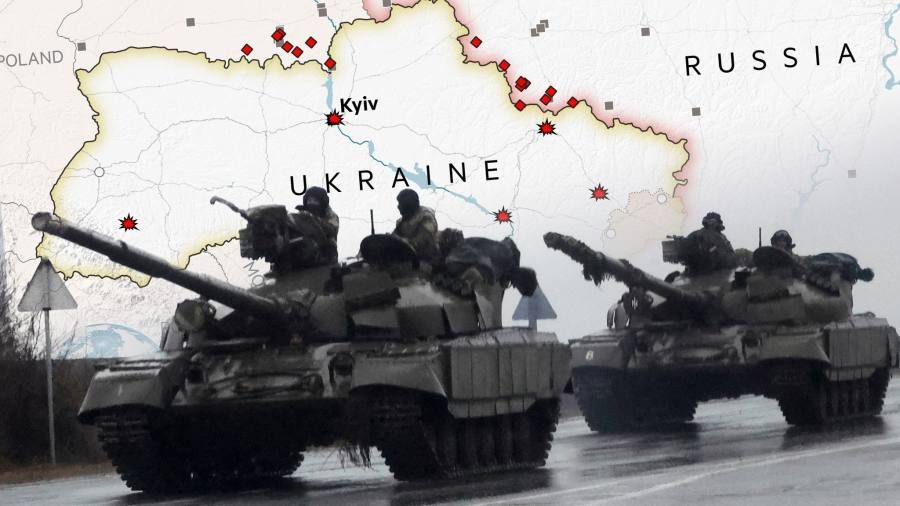
Russia’s 2022 invasion shattered Europe’s post-Cold War assumptions. Overnight, neutral Finland abandoned 75 years of non-alignment to join NATO (formally in 2023), and Germany scrapped key fiscal limits to pour money into its Bundeswehr.
Border tensions have spiked: Poland and Lithuania report frequent Russian drone incursions and cyberattacks near their frontiers. In September 2025, Warsaw said it would close crossings with Belarus entirely as Russia-Belarus “Zapad” war games approached.
While the Ukraine war still rages, officials say Europe is no longer comfortably out of the line of fire — and must reverse decades of complacency.
The €800 Billion Plan
Faced with these threats, Brussels has unveiled a massive rearmament scheme. In March 2025, Commission President Ursula von der Leyen rolled out the “ReArm Europe” (now “Readiness 2030”) plan to mobilize up to €800 billion for defense by 2030.
The package uses emergency fiscal rules to free spending power and creates a new €150 billion SAFE loan fund for joint arms procurement.
Von der Leyen warned of a “clear and present danger” to the continent, saying “we are ready to massively boost defence spending”. Her goal is ambitious: many capitals aim to push core defense budgets to roughly 3–5% of GDP within five years, reversing the long peace dividend.
Border Fortifications
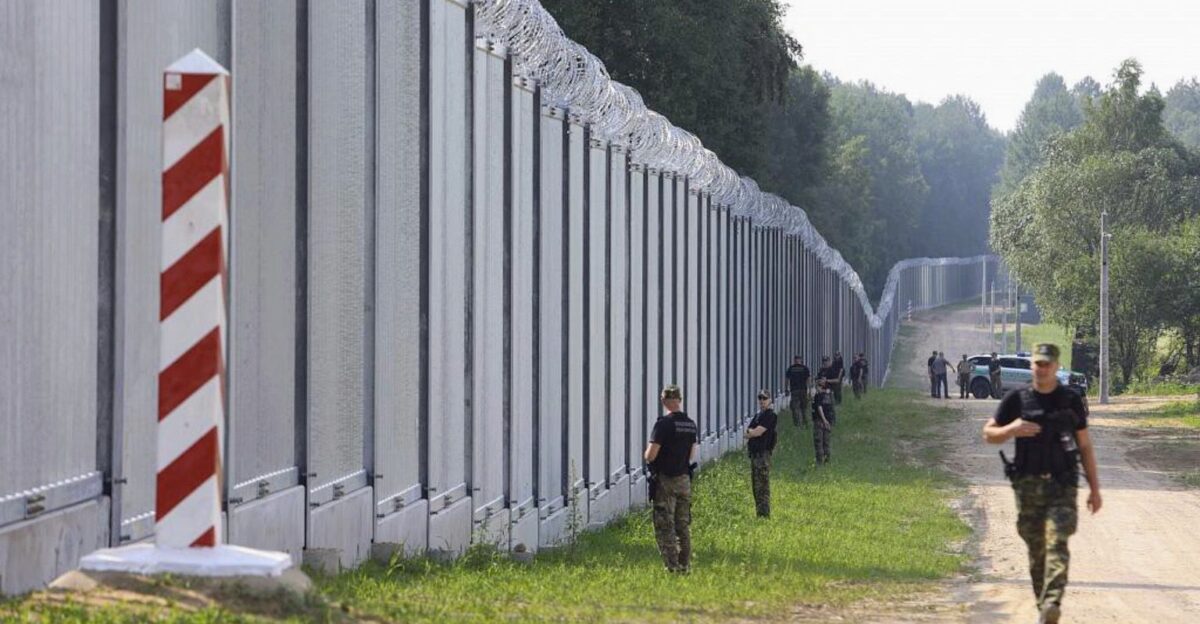
Even as capitals plan budgets, frontline states are hardening their borders. Poland has deployed roughly 5,000 troops to its Belarus frontier and is fully closing crossings during Russian-Belarusian “Zapad-2025” exercises.
To the north, Finland has finished 35 km of a planned 200 km fence along its eastern border to control migration, at a cost of several hundred million dollars.
Lithuania, facing Russia’s Kaliningrad and Belarus, is digging anti-tank ditches and installing concrete “dragon’s teeth” blocks to block any armor thrust. These fortifications — from fences to minefields — signal a collective sense that new walls are needed for new threats.
Leadership Voices
Europe’s leaders are increasingly candid. NATO’s Rutte bluntly told audiences Russia could strike a NATO ally within “five years”. Danish PM Frederiksen echoed the urgency: “Strengthening Europe’s defense industry is an absolute top priority…we have to be able to defend ourselves by 2030 at the latest,” she told the European Parliament.
Even Germany’s Defense Minister Boris Pistorius has warned of preparing for wider conflict if the Ukraine war drags on. In effect, top officials now publicly acknowledge what was once unspeakable: Europe may need to regain warfighting capabilities during this decade, or risk strategic surprise.
Industrial Response
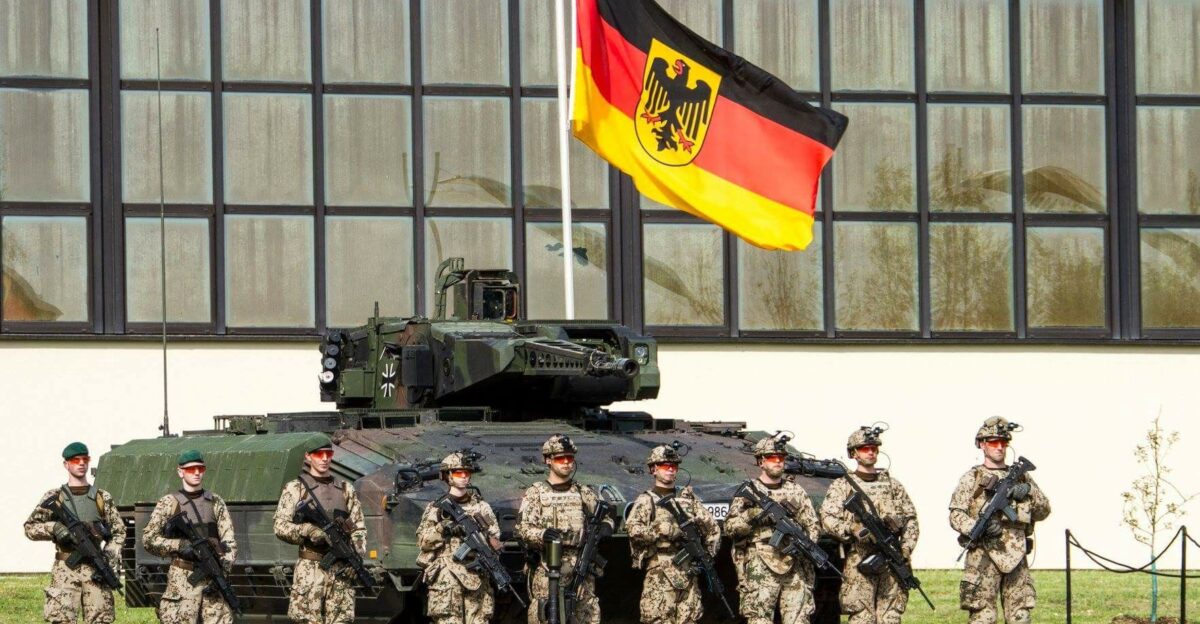
Europe’s defense sector is racing to catch up. Germany’s newly approved budgets envisaged roughly €95 billion in defense spending in 2025, rising to around €162 billion by 2029, bolstered by the debt-brake reform passed in early 2025.
Poland now allocates about 4.12% of GDP to its army (≈€34 billion), making it NATO’s top spender by share, and plans to reach ~4.7% by 2025. France has raised its 2024 defense budget to €59.6 billion (2.06% of GDP) with aims for further growth.
Factories are hiring fast: Europe’s munitions-makers report labor shortages. “If they were available, we would hire most of them immediately,” said Pavel Cechal of Czech arms firm PBS, reflecting a continent-wide scramble for technicians, engineers, and drill-press operators.
Geopolitical Alignment
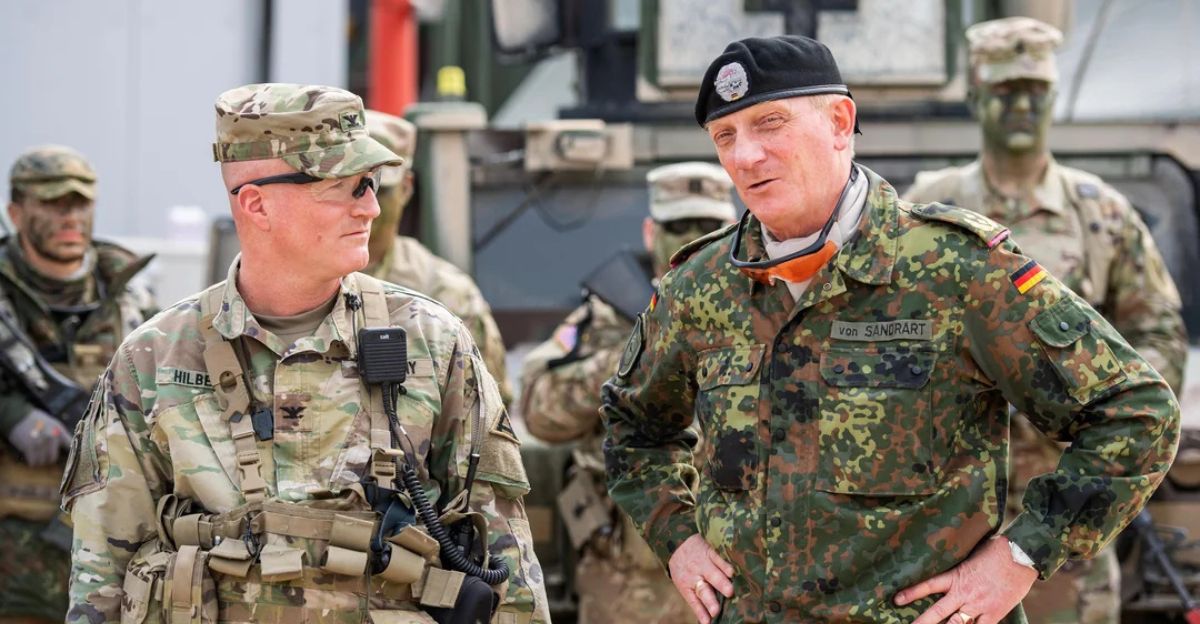
Moscow’s defense buildup is being underwritten by new friends. NATO intelligence notes that Russia’s industry now heavily relies on Chinese technology transfers, and that Tehran and Pyongyang supply critical materiel.
Chinese firms contribute electronics and drones, North Korea sends artillery shells, and Iran provides kamikaze drones and advisers for Russia’s forces.
Indeed, Rutte warned that Russia now gets support “from allies including China, Iran, and North Korea”. This de facto anti-Western alliance means Europe is not just facing Russia alone: Western planners now view the confrontation as Moscow’s concerted push, with global ramifications for supply chains and security.
Strategic Vulnerability
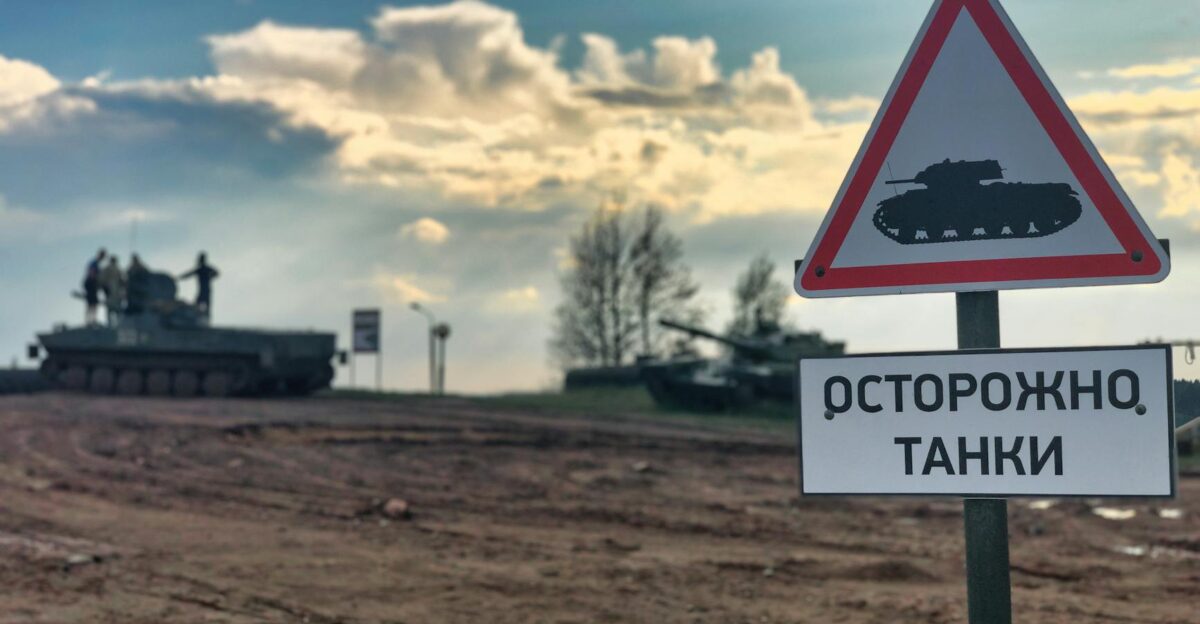
Europe’s geography poses stark risks. The Suwałki Gap — a 60-mile corridor between Poland and Lithuania — is often called NATO’s “Achilles’ heel”. If Russian forces from Kaliningrad or Belarus seized that corridor, they could sever the Baltic states from the rest of the Alliance.
Lithuania is preparing for this scenario with layers of defenses: one official told BI that the first miles of the border will include anti-tank ditches, concrete dragon’s teeth, and blocked roads.
Lithuania’s deputy defense minister Karolis Aleksa warns, “We must be blind if we can’t see what is coming our way… Russia is making preparations and expanding its military capabilities”.
Internal Tensions
Even within Europe’s own institutions, divisions are apparent. Ursula von der Leyen’s initial “ReArm Europe” label drew sharp pushback from Italy’s Giorgia Meloni and Spain’s Pedro Sánchez, who complained of nationalist overtones.
Brussels quietly rebranded the package “Readiness 2030” to mollify them. Beyond branding, lawmakers fret over process: the plan largely invokes emergency powers to bypass normal budget debates, sidelining many national parliaments and the European Parliament.
Financial watchdogs warn that the huge loans and guarantees will add to member states’ debts, leaving Southern economies especially wary.
Leadership Shift
Denmark’s turn at the EU presidency in mid-2025 underscored this new reality. Under Prime Minister Frederiksen, Copenhagen has put defense at the top of its agenda. During her July 2025 visit to the Commission, she challenged her peers: “If we are not prepared to defend our continent, who are we as Europeans?” she asked.
Frederiksen pledged to drive joint capability projects, arguing that Ukraine’s defense is part of Europe’s own rearmament.
This marks a sharp change for traditionally “frugal” Denmark: on climate and migration as well, Frederiksen has urged linking policies to security. Her message is clear – meet this moment, or risk the continent’s safety.
Recovery Strategy
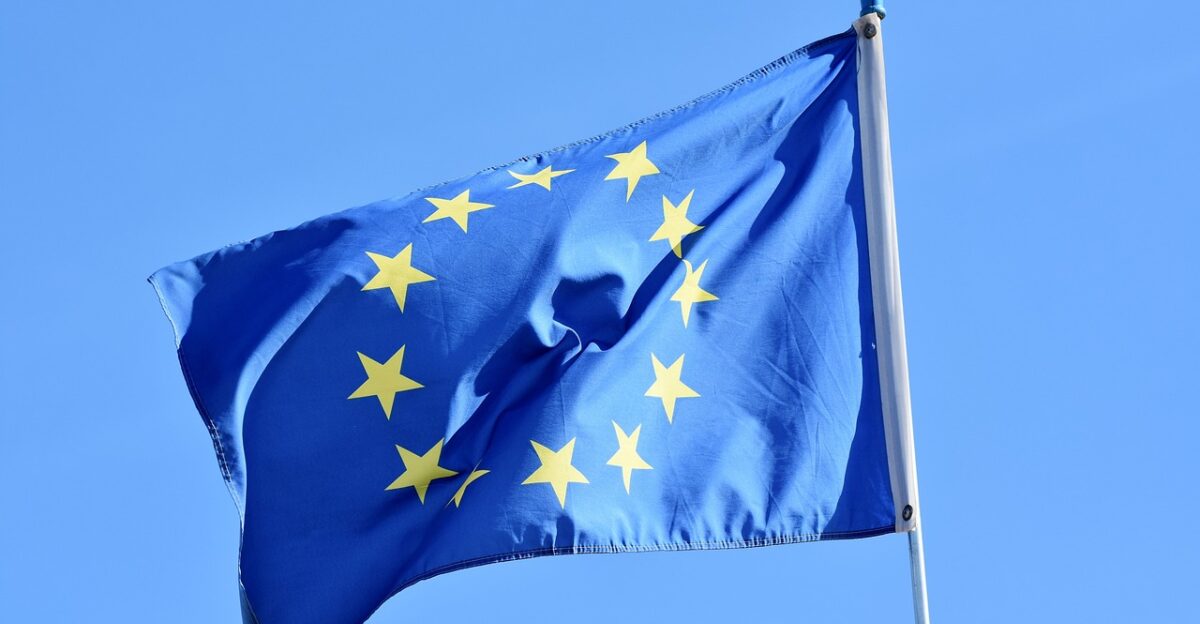
The EU is building a financing toolkit to back its rhetoric. The centerpiece is the SAFE (Security Action for Europe) loan instrument, which raises up to €150 billion for cooperative arms purchases.
Countries can tap SAFE for fighter jets, missiles, cyber-weapons, and more. Brussels has also relaxed budget rules: according to EP analysts, allowing a 1.5% of GDP flexibility could unlock roughly €650 billion in extra spending.
Even the European Investment Bank – long barred from military lending – is now expected to finance defense plants and research. Plans are afoot to lure private investors as well, potentially expanding pension-fund and insurance flows into industries producing drones or satellites.
Expert Skepticism

Some economists warn that these scale-ups won’t be easy. Germany’s DIW economist Marcel Fratzscher has called Europe’s spending pledge “unprecedented during peacetime,” cautioning that factories and workforce cannot be spun up overnight.
Inflation and supply-chain bottlenecks could worsen as prices for steel, chips, and energy climb. Even NATO chief Rutte has admitted Europe will need “a lot more than 2%” of GDP.
Most analysts note that billions of euros spent now will take years to yield new tanks and planes – suggesting any rapid spending spree may fall short of actual capacity.
Timeline Question
Ultimately, Europe faces a stark dilemma: can it truly remobilize its once-battered arms industries in time? The new NATO pledge is to hit 5% of GDP on defense by 2035 (3.5% for core forces), far above historic norms.
But by 2030 – the target year being discussed by EU leaders – many defense programs will barely be off the drawing board. If Europe fails to meet these goals soon, Putin may decide whether to test NATO’s Article 5 now or hold back.
As one defence analyst observes, current NATO production simply “lags far behind” these ambitious plans. The coming years will tell if Europe’s factories and budgets can actually meet the timetable.
Political Implications
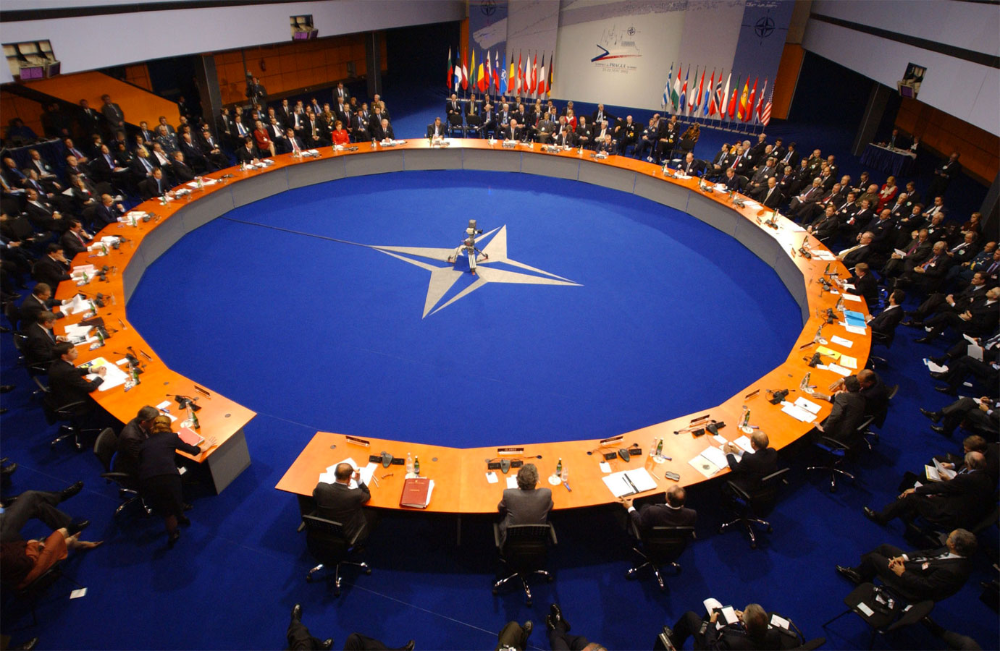
Hard choices await Europe’s democracies. To raise defense shares to 3–5% of GDP, governments will have to shave other programs. S&P Global warns this could mean trillions more debt in the next decade, intensifying pressure on already-strained public finances.
Welfare states with ageing populations – expecting costly pensions and healthcare – will suddenly need to redirect funds.
Political parties may find voters balking if hospitals or schools lose out. In some countries, leaders could be punished at the polls for cutting benefits. In this sense, building armies may prove as politically risky as building missiles.
International Ripples
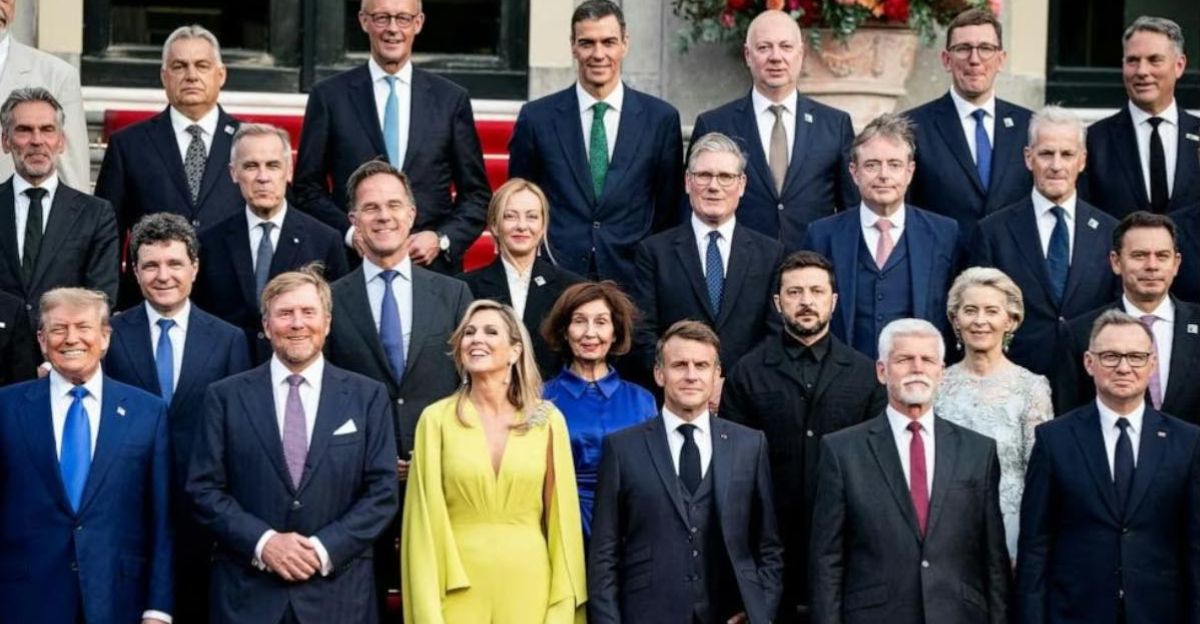
Europe’s spree will echo beyond NATO’s borders. Allies outside Europe may feel pressure to match commitments. Canada, long criticized for lower spending, is already re-examining its fighter procurement (moving away from the US F-35) to develop domestic capability.
In fact, higher European budgets might lead NATO members to source weapons from each other instead of the U.S. – as one analyst notes, increased European purchases will likely be “kept within Europe” or from “more reliable suppliers” than America.
The U.S., observing Europe’s self-reliance drive, may feel emboldened to shift focus to Asia-Pacific.
Legal Framework

Most EU defense spending relies on emergency legal powers. The ReArm plan is enacted under Article 122 TFEU – a treaty clause for crises – which lets the Council act swiftly on financing. However, Article 122 circumvents the normal co-legislative process and sidelines Parliament: only the EU Council (member state governments) can approve it.
Brussels’ own analysts warn this has alarmed MEPs, who argue such sweeping measures should face democratic debate.
Some legal experts say the unusual use of Article 122 (last seen in COVID recovery) could face court challenges. On the national level, parliaments in several EU states are also grumbling that they are ceding budget control to Brussels under the guise of war powers.
Cultural Shift
Perhaps the hardest task will be psychological. Many Europeans grew up expecting peace and American protection; now they must embrace a war footing. Schools, media, and public discourse will have to adjust.
Education may place more emphasis on military history and civic duty. Governments are already framing arms aid to Ukraine as part of Europe’s own rearmament. Yet public opinion is mixed: surveys suggest Western Europeans largely support Ukraine, but are split on boosting their own armies.
As Mark Rutte put it bluntly, politicians will have to “prioritise defence over other stuff” – a message that runs counter to decades of welfare-state values. Until now, the so-called “peace dividend” (estimated at roughly €1.8 trillion since 1990) was untouchable. Converting that mindset will take time and political courage.
Historical Parallel
Europe’s heavy defense budgets would actually recreate a historical norm rather than an anomaly. During the Cold War and colonial era, countries routinely spent 4–5% (or more) of GDP on arms. For example, West Germany in 1963 spent nearly 5% of its GDP on defense, amid existential East-West tensions.
Even today, countries like Greece and Turkey recently spent 5% during regional crises (Cyprus, etc.). The key question is not the spending level itself but its sustainability in democracies.
Analysts note that reaching 5% now would force painful cuts elsewhere – as Germany’s case illustrates: its pensioner population grew 50% since 1991, making any benefit cuts “not easy”.