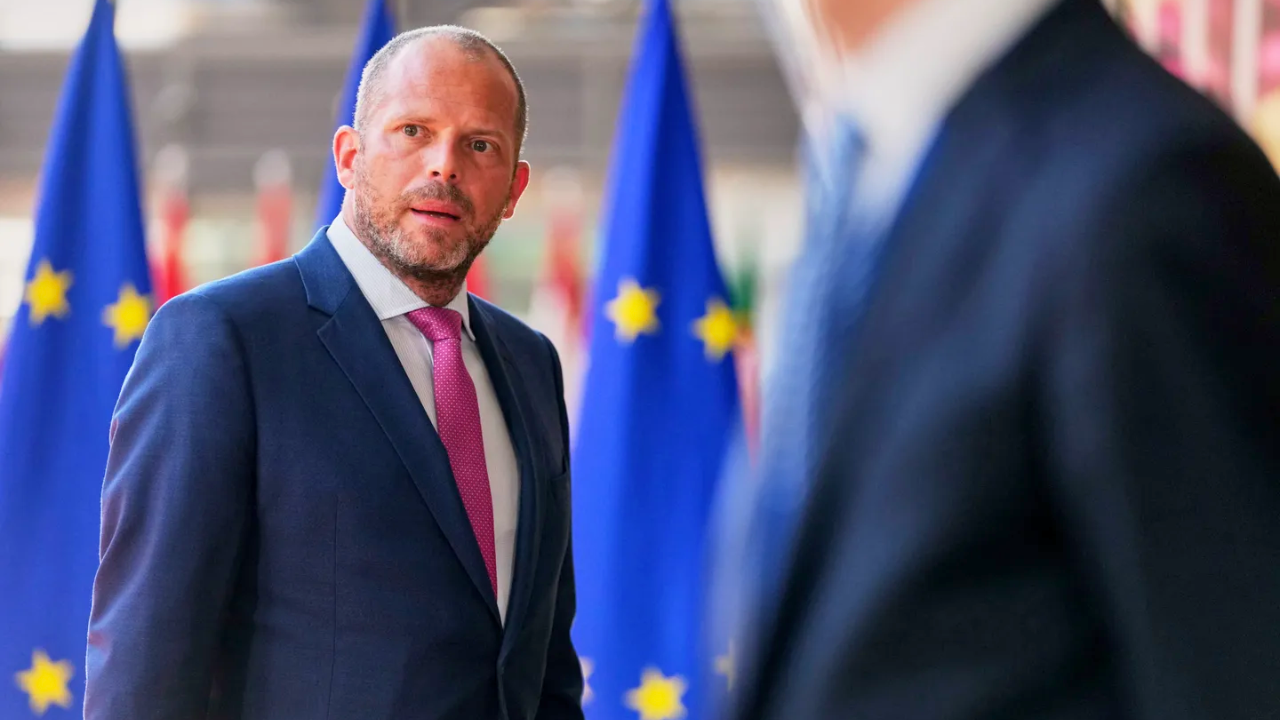
On October 27, 2025, Belgian Defence Minister Theo Francken, speaking from the EU’s institutional capital, delivered a statement that immediately electrified international headlines: “If Putin launches a missile at Brussels, we will flatten Moscow.” The words hit like a shockwave, thrusting the quiet corridors of NATO headquarters into the center of a potential global crisis.
Francken’s comments weren’t idle rhetoric. By naming Brussels—home to both EU and NATO headquarters—he framed the stakes in a stark, human way, forcing Europe and the world to consider the catastrophic consequences of a strike on the EU’s political heart and a NATO capital.
A Capital-for-Capital Warning
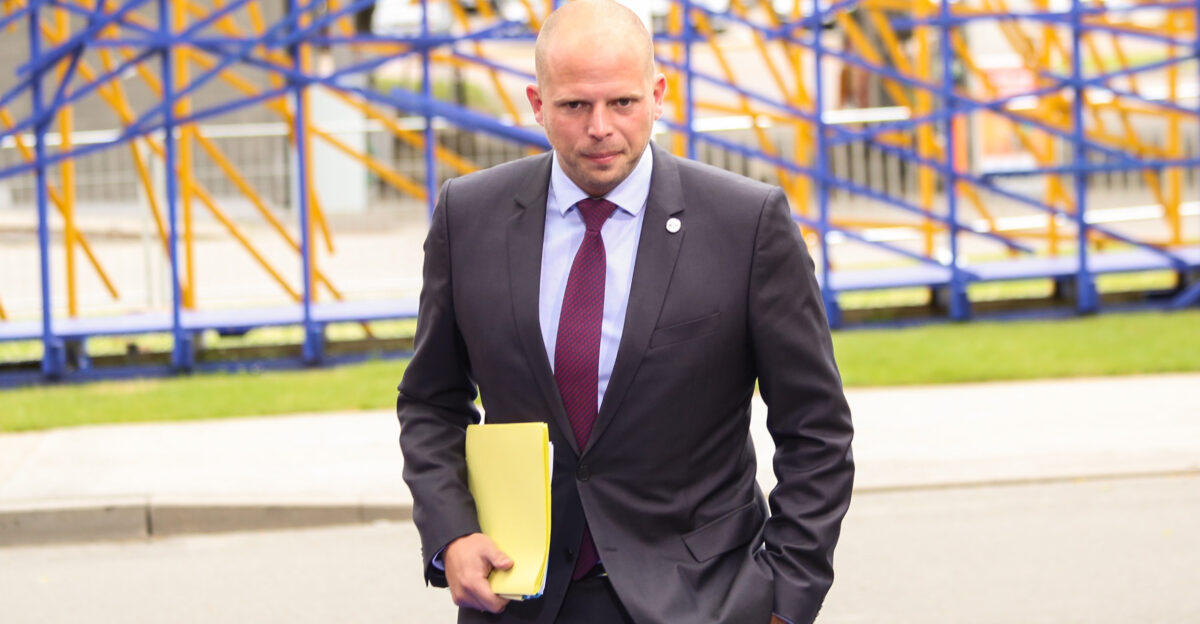
Francken said he did not fear a Russian missile strike on Brussels because it would mean an attack “at the heart of NATO.” In that case, he warned, Moscow would be “wiped off the map.”
It was an unmistakable message: any strike on Brussels, home to NATO headquarters, would trigger a full alliance response under Article 5. The clarity was deliberate—meant to leave no room for miscalculation.
Immediate Russian Backlash
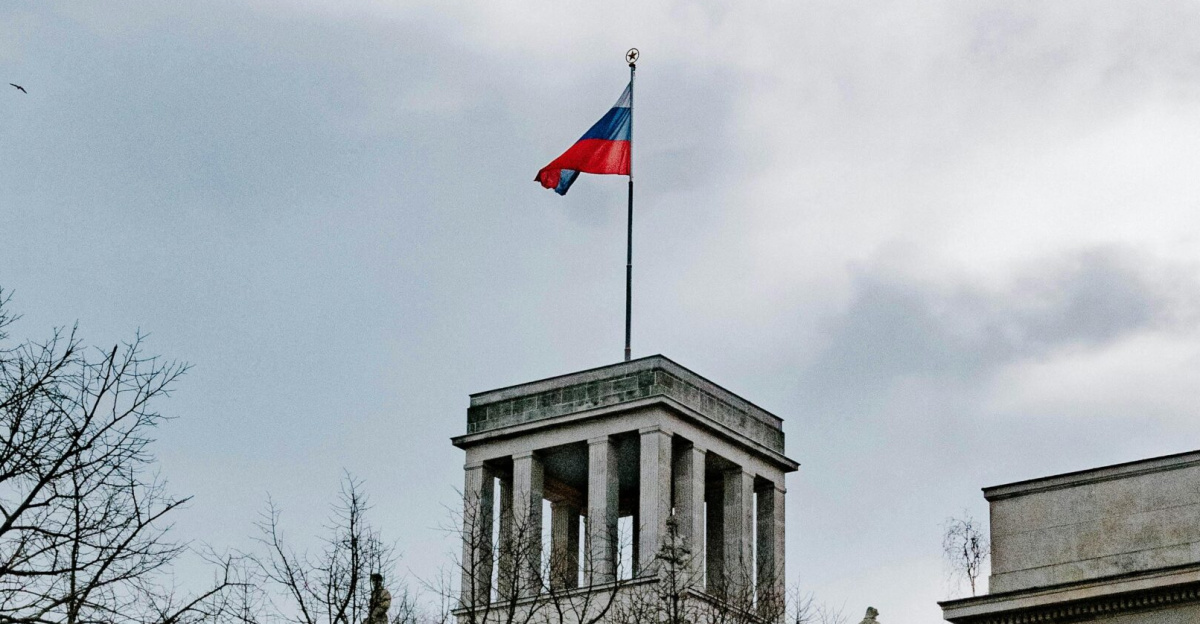
Within days, the Russian Embassy in Belgium denounced the remarks as “provocative” and “irresponsible.” Moscow framed Francken’s statement as proof of Western “militarist deviation.”
Former President Dmitry Medvedev called Francken an “imbecile,” accusing European officials of fueling escalation. The war of words reignited Cold War-style rhetoric, underscoring how easily deterrence messaging can inflame tensions.
The Power of Article 5
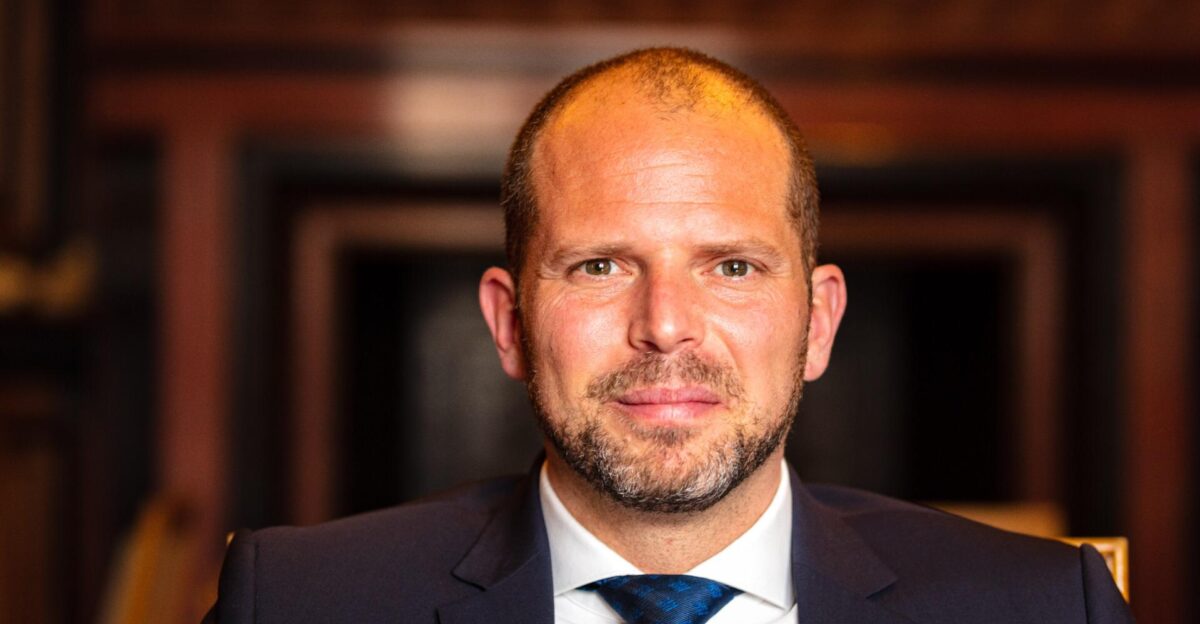
At the core of Francken’s argument lies NATO’s collective defence clause—Article 5—stating that an attack on one member is an attack on all. As host of NATO headquarters, Belgium stands literally and symbolically at the alliance’s centre.
Francken rejected claims that Washington might waver under President Trump, insisting, “Why wouldn’t he respect Article 5?” His confidence underscored Belgium’s faith in NATO’s most sacred commitment.
Hybrid Threats Over Missiles
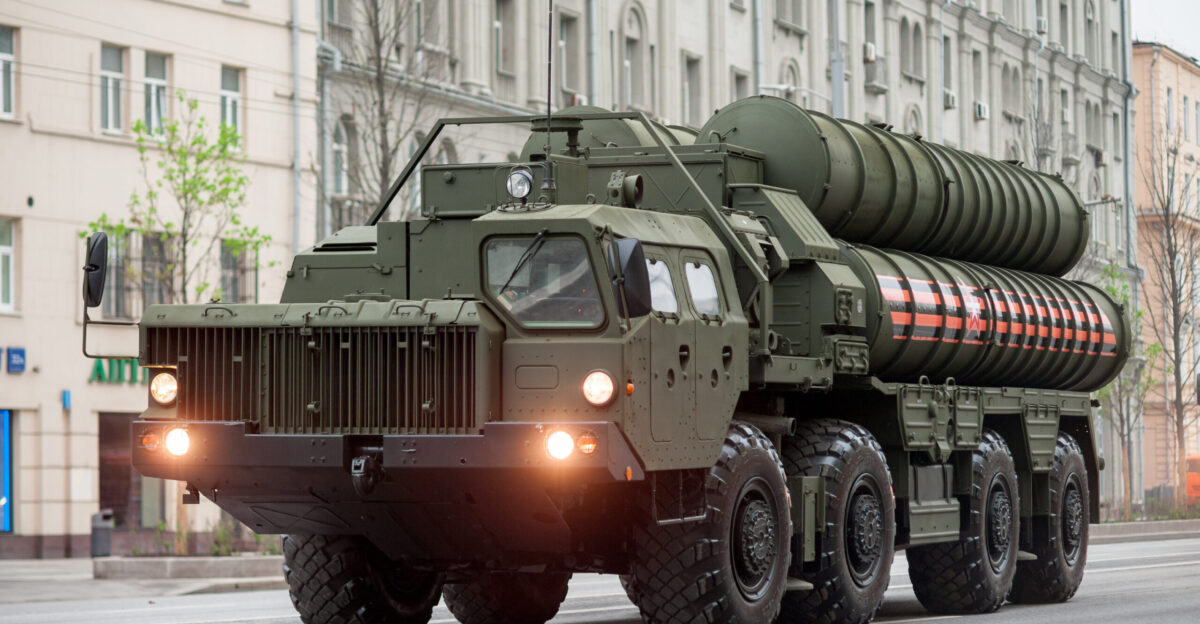
Despite his bold language, Francken said he viewed a direct Russian missile strike as unlikely. The greater danger, he argued, came from “grey-zone” tactics—covert operations, cyberattacks, and unmarked troops inciting unrest.
He warned of “little green men” destabilizing Estonia’s Russian-speaking minority, mirroring Crimea’s 2014 annexation. In such scenarios, the challenge for NATO would be deciding when hybrid aggression crosses the Article 5 line.
Clarifications Amid Uproar

As headlines multiplied, Francken told Belgium’s RTBF that De Morgen had distorted his remarks. “I didn’t say that,” he protested, claiming he merely restated NATO’s 76-year deterrence principle: an attack on Brussels would trigger a strike on Moscow.
He stressed that NATO “is a defensive alliance” and “not at war with Russia.” Yet outlets from Pravda to Brussels Times confirmed the direct quotes, making retraction impossible and fuelling global debate about Europe’s tone.
A Europe Re-Arming
The controversy unfolded as Europe was already in the midst of its largest rearmament surge in decades. SIPRI data shows a 17% rise in defence spending in 2024—the fastest global increase.
Germany’s spending jumped 28%, and 23 of NATO’s 32 members met the 2% GDP target. Belgium, long lagging behind, committed to hitting 2% in 2025—a milestone for a country once known for military minimalism.
Industry and Modernization Drive
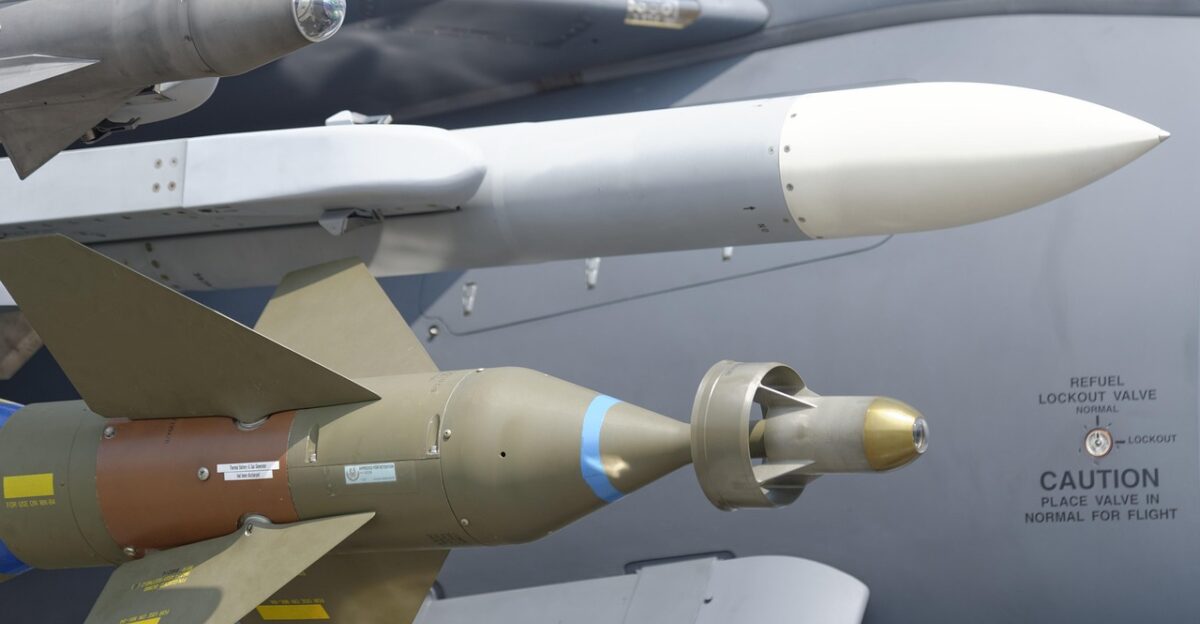
European defence industries are booming. NATO has called for a 400% expansion in missile-defence capability, while nations race to acquire F-35 fighters, advanced radar, and cyber systems.
Belgium’s F-35 programme exemplifies this shift from symbolic membership to tangible capability. The continent is no longer only debating deterrence—it is manufacturing it.
Rising Incidents, Shrinking Margins
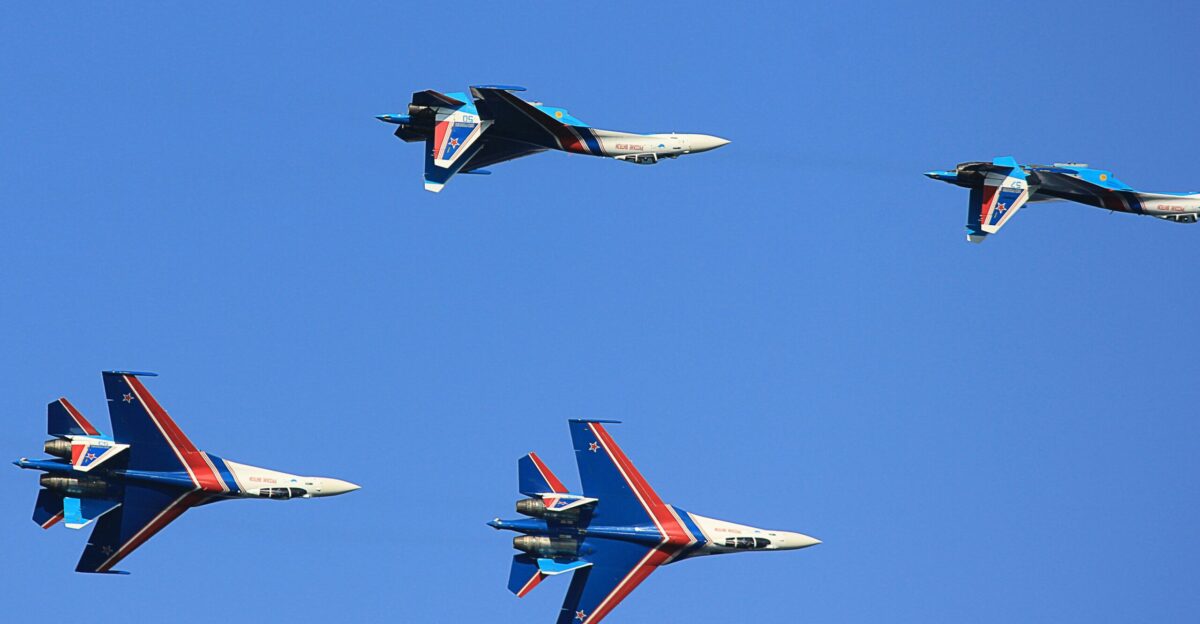
Russia’s behaviour in 2025 reinforced Francken’s warnings. The Kremlin violated Estonian and Polish airspace multiple times, prompting NATO patrols to respond. In November, sophisticated drones probed Belgium’s Kleine Brogel base, home to U.S. nuclear weapons.
Francken confirmed the drones used frequency-hopping tech to evade jamming—evidence, he said, of “a state-level operation.” For Brussels, the hybrid threat was no longer hypothetical.
Brussels at the Crosshairs
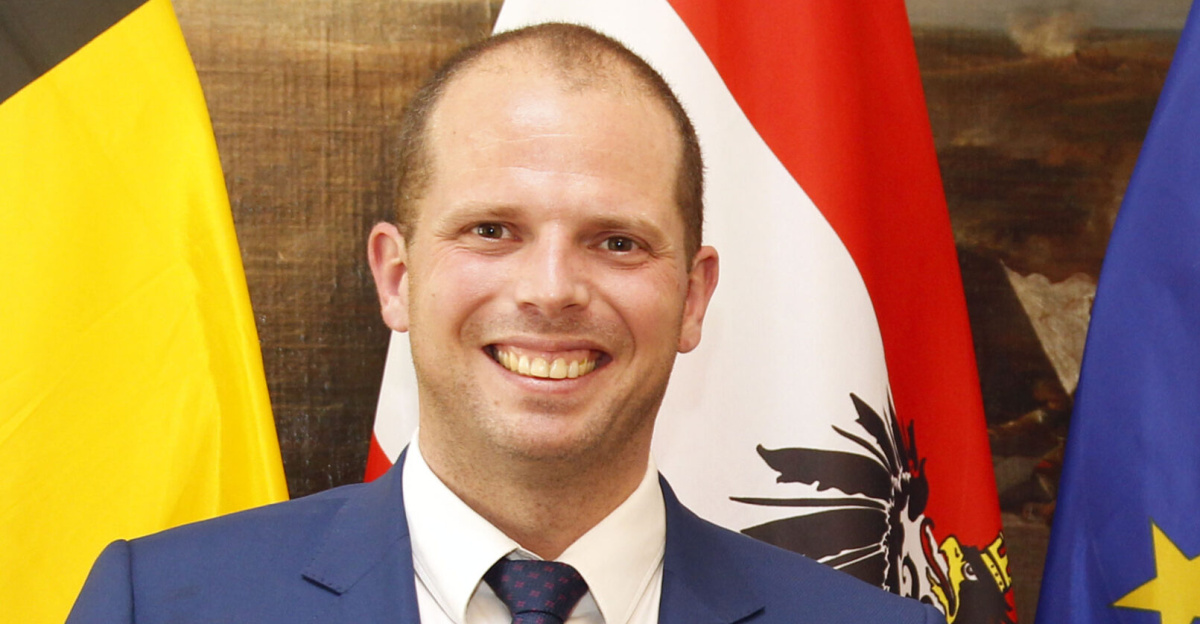
By naming his own capital, Francken tied NATO’s fate to a single, symbolic target. An attack on Brussels would not just wound Belgium—it would decapitate the alliance’s command and destroy the EU’s institutional core. Under both NATO’s Article 5 and the EU’s mutual defense clause (Article 42.7 TEU), such a strike would trigger coordinated European and Atlantic responses.
That choice of words—linking NATO’s brain to Russia’s heart—gave the statement its extraordinary resonance. It made deterrence immediate, vivid, and unmistakably human.
Clarity Versus Escalation
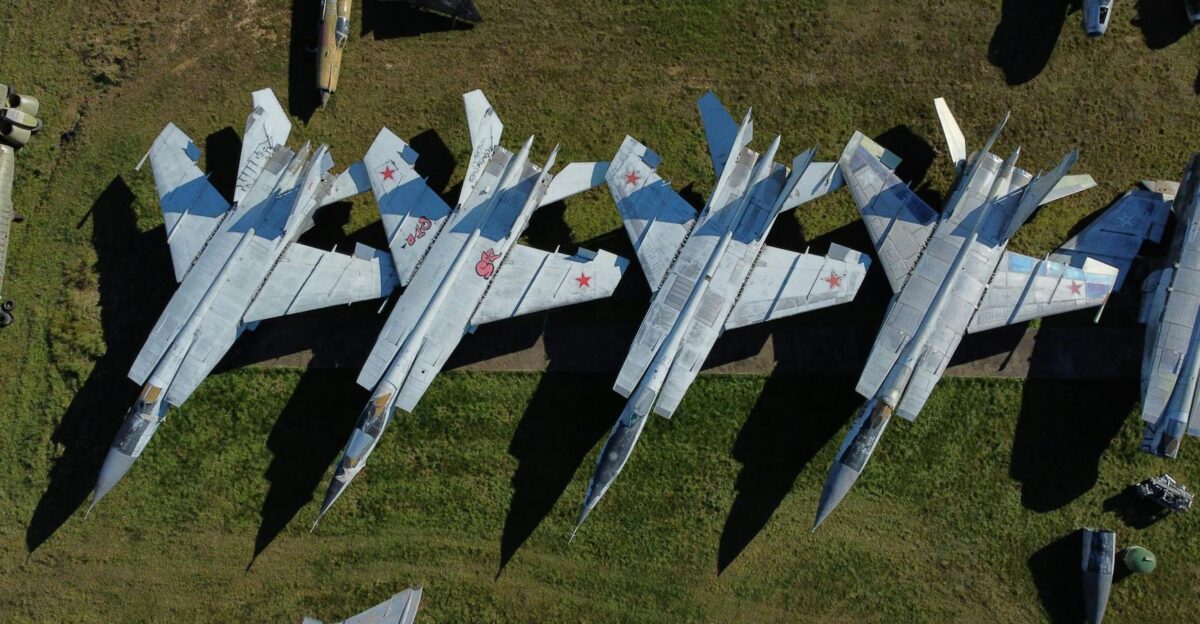
Francken’s bluntness shattered decades of Western strategic ambiguity. Some analysts hailed the candour as overdue; others warned it risked cornering both sides into confrontation.
This tension—between credibility and escalation—lies at the heart of modern deterrence. Words meant to prevent war can also make it more likely if misread or echoed too loudly.
Belgium’s New Security Identity
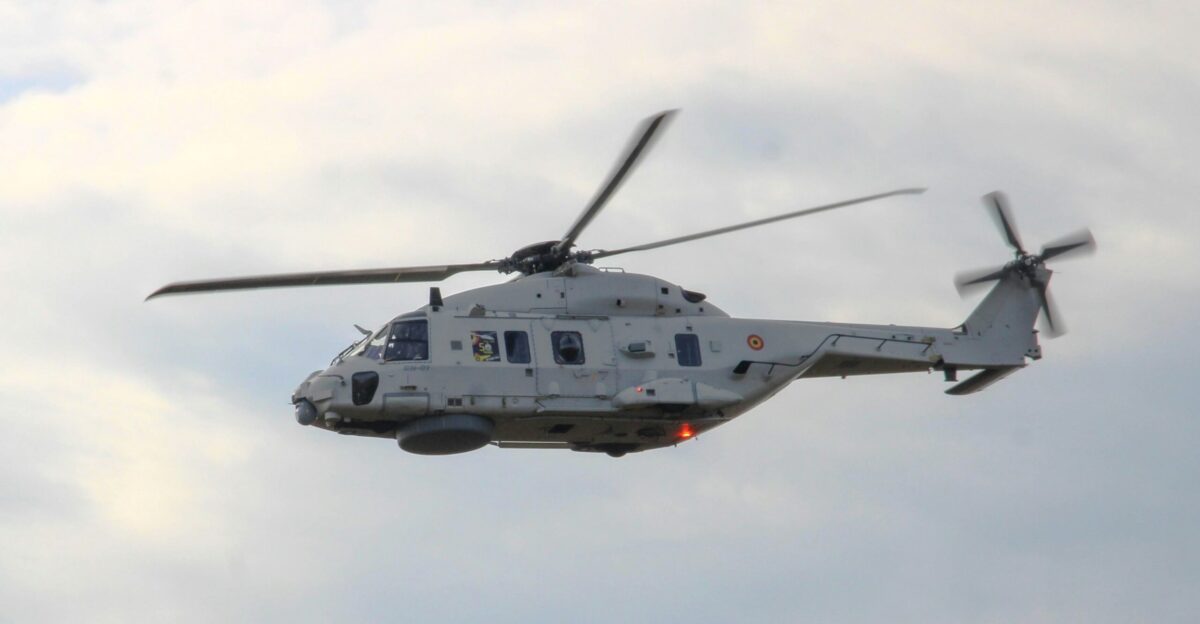
For Belgium, Francken’s statement symbolised a national turning point. Once content to rely on allies, Brussels now casts itself as a fully engaged security actor. The defence minister often argues that Europe must “wake up” and rebuild strength after decades of complacency.
Belgium’s reorientation mirrors a wider continental awakening: deterrence now spans not just troops and tanks, but energy, infrastructure, and digital resilience.
Energy, Economy, and Civil Defense
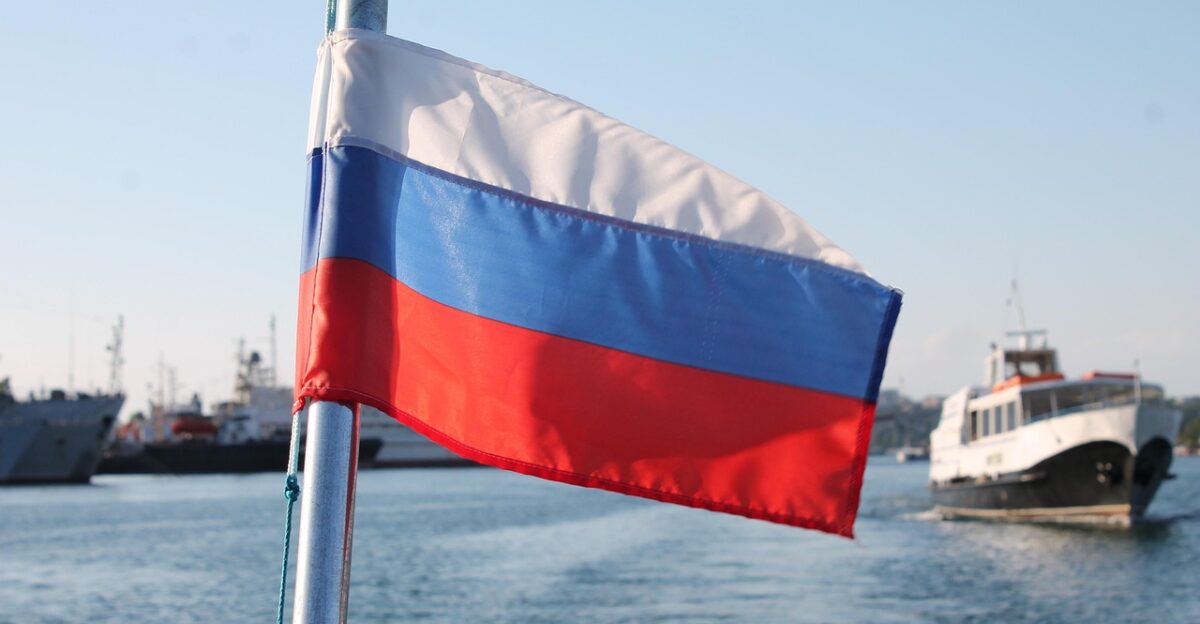
Europe’s shift away from Russian energy since 2022 remains central to its strategy. Diversified supply chains—from Norway, the U.S., and North Africa—reduce vulnerability to coercion.
At home, governments have invested heavily in civil preparedness: CBRN defence, cyber-resilience, and emergency response. Francken calls it “defence in depth”—protecting societies, not just soldiers.
Deterrence in the Grey Zone
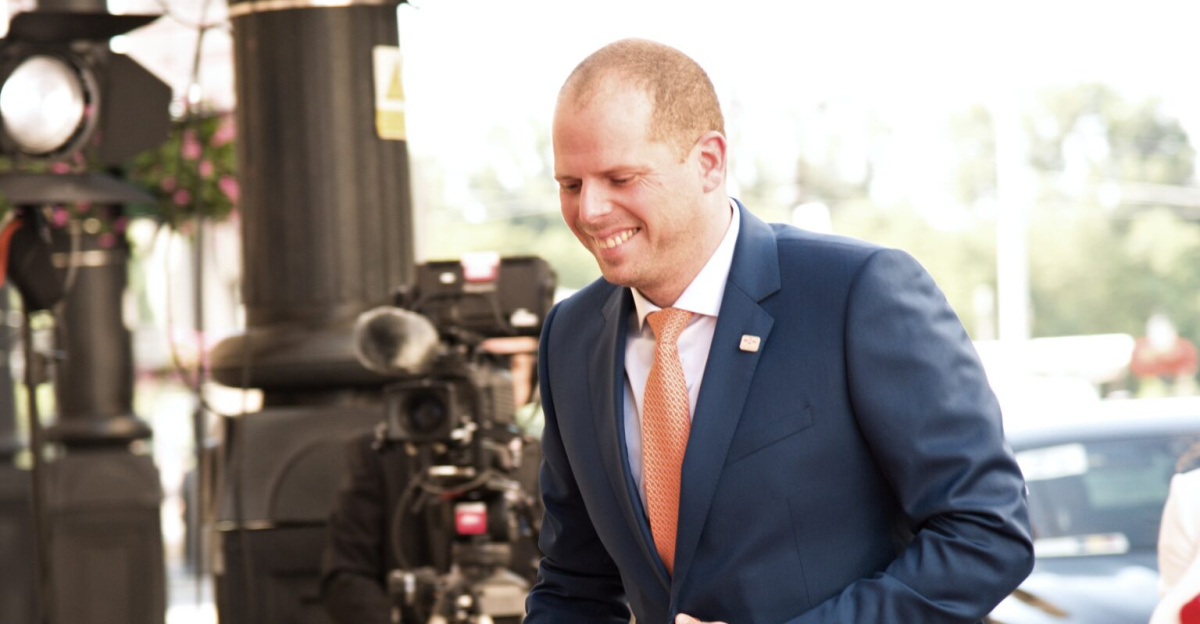
Even amid nuclear rhetoric, Francken’s deeper concern remains the ambiguous battlefield—cyberwar, sabotage, disinformation. These tactics rarely trigger Article 5 yet can paralyze nations from within.
NATO’s challenge is defining the threshold: how far can adversaries push before the alliance must respond collectively? Francken’s warning may have been loud, but its true target was the subtle art of modern hybrid war.
The New Tone of European Security
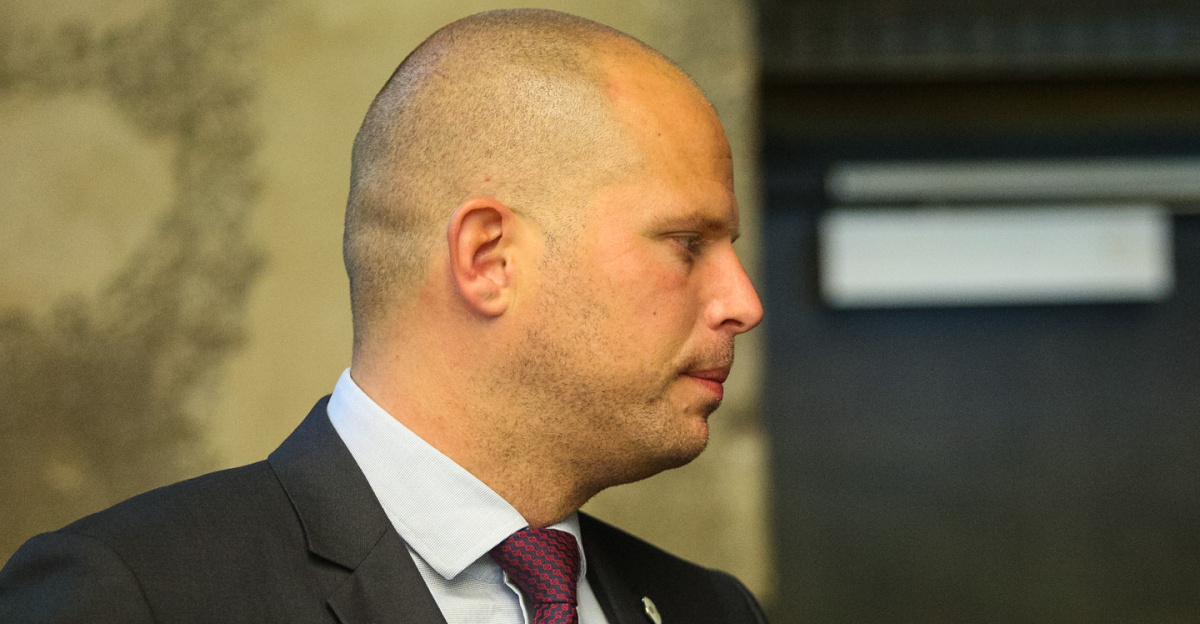
Theo Francken’s late-October outburst wasn’t an accident—it was a signal. Europe’s security language is hardening, its military budgets rising, and its patience thinning.
By vowing to “flatten Moscow” if Brussels is struck, Belgium’s defense minister reignited Cold War echoes—but also revealed a continent shedding its hesitation. Deterrence, once whispered, is now spoken out loud.