On a Friday in December, Europe’s top tech regulator declared the blue badge a lie. The European Commission fined Elon Musk’s X €120 million ($140 million) for turning verification into a form of fraud, marking the first non-compliance decision under the Digital Services Act.
For hundreds of millions of European users, the most recognizable symbol on social media had become a shield for scams, disguising impersonators as authentic accounts.
The Verified Past
Twitter’s blue checkmark meant one sacred thing: you were real. Beyoncé had one. Pope Francis had one. Neil Gaiman had one. The vetting was rigorous and manual. According to the European Commission’s investigation, the system helped users “distinguish genuine notable account holders from impostors and parodies.”
The checkmark was earned trust, not purchased anonymity, and it anchored how journalists, officials, and ordinary users assessed credibility.
The Moment Everything Inverted
November 2022. Musk acquired Twitter and instantly flipped the script, rebranding it as X months later. According to the Commission, “X’s use of the ‘blue checkmark’ deceives users because anyone can pay to obtain ‘verified’ status without meaningful verification of who is behind the account.”
The roughly $8-per-month subscription turned authenticity into a commodity. A scammer could buy verification faster than a verified account could report them.
The Three Violations
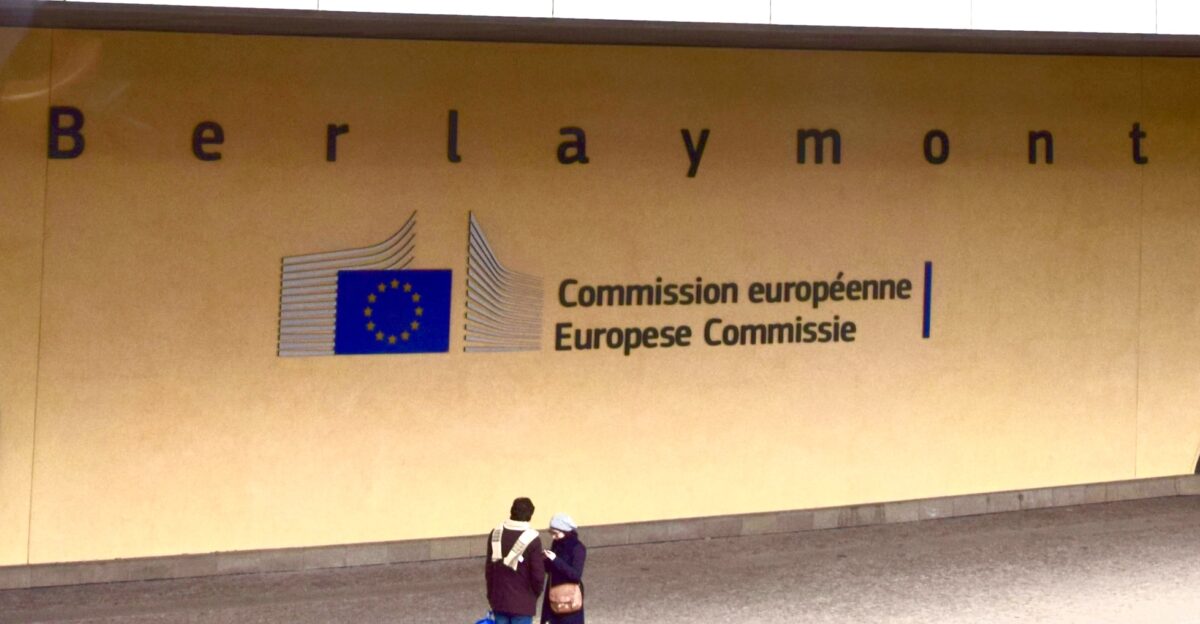
The European Commission identified three distinct breaches in its ruling of December 6. According to regulators, €45 million targeted the deceptive verification system, €35 million addressed advertising transparency failures, and €40 million penalized blocking researchers from accessing public data.
Each violation represented a different way X had shut out the people trying to protect users, including regulators, researchers, and civil society groups that track disinformation and scams. Together, they formed a pattern that the Commission said “cannot be dismissed as isolated errors,” but showed a systemic refusal to comply with EU law.
The Ad Database

Behind X’s interface lies an advertising database designed to allow outsiders to view which users are being targeted and why. Researchers need access to track scams, detect fake ads, and expose misinformation and influence campaigns. The Commission found X had built walls.
According to regulators, “X imposes design features and access barriers,” including “excessive delays in processing” researcher requests. More critically, “X’s ads repository lacks critical information, such as content and the legal entity paying for advertisements.”
The Researchers’ Blocked Access

The third violation cut deepest: X prevented independent researchers from studying how the platform affected 450 million Europeans. According to the European Commission, “X does not allow researchers to access its public data independently” and “X’s processes impose unnecessary barriers, effectively undermining research into several systemic risks.”
Academics, nonprofits, and civil society organizations sought to understand how algorithms amplified misinformation, exploited young people, and manipulated elections across the EU.
TikTok Versus X
On December 6, the Commission faced a revealing moment. TikTok, the Chinese-owned platform the U.S. once threatened to ban, settled immediately. According to reports, TikTok committed to providing “advertising repositories, update them within 24 hours, and disclose targeting criteria” in line with DSA transparency rules.
The contrast was stark: TikTok cooperated; X resisted. The Commission “secured TikTok’s commitment to enhance ad transparency,” while it formally penalized X.
Washington Erupts: Politics Becomes Warfare
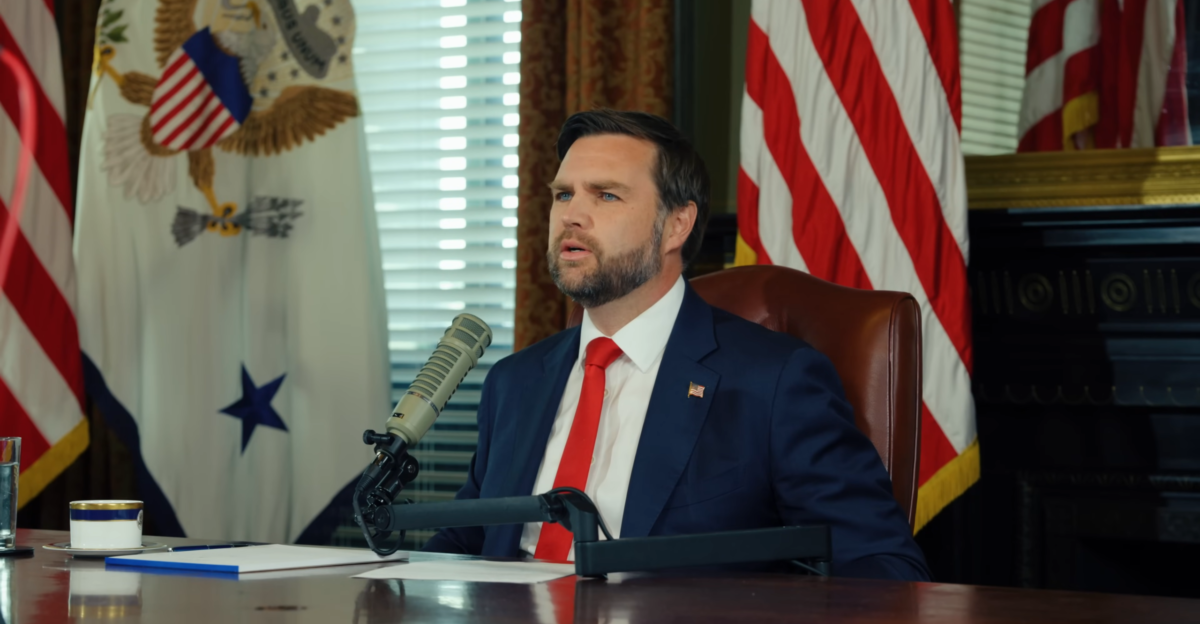
The fine detonated instantly in American politics. Vice President JD Vance attacked: “The EU should be supporting free speech, not attacking American companies over garbage.” Secretary of State Marco Rubio escalated further: “The European Commission’s $140 million fine isn’t just an attack on X, it’s an attack on all American tech platforms and the American people.
The days of censoring Americans online are over.” Musk responded: “Absolutely.” Framing the fine as censorship, the Trump administration cast Brussels as a foreign threat to American speech, deepening a long-running transatlantic rift over tech regulation.
Musk’s Nuclear Option
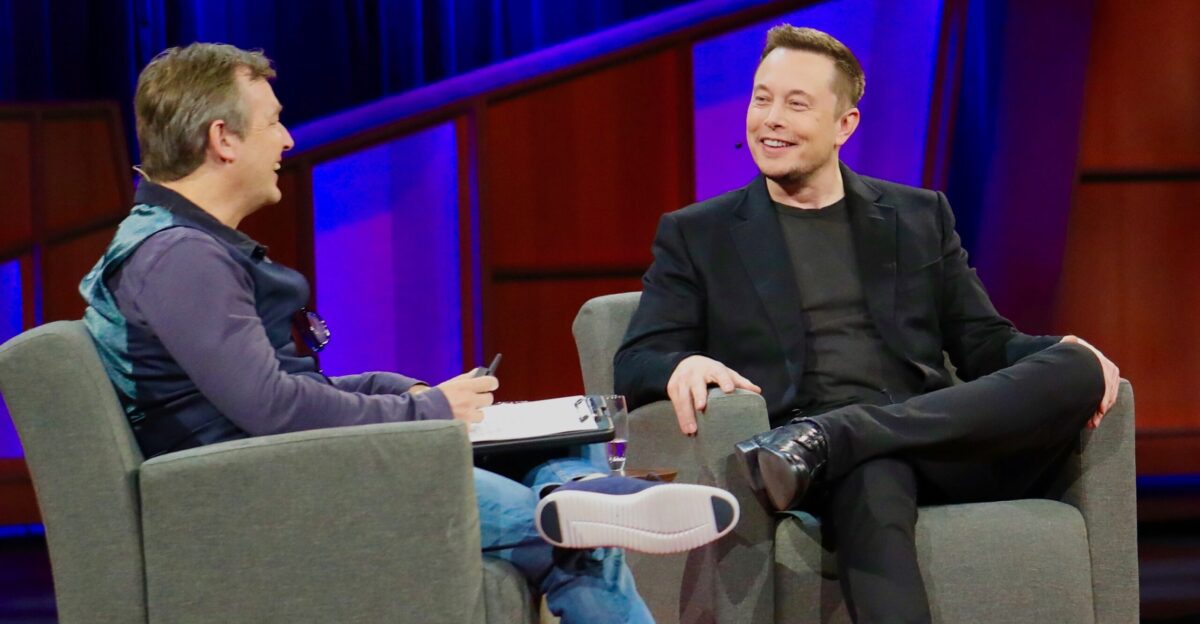
EU executive vice-president Henna Virkkunen had stated: “Deceiving users with blue checkmarks, obscuring information on ads, and shutting out researchers have no place online in the EU.” Musk responded by barring the European Commission from advertising on X—blocking the regulator that fined him from spending a single euro on the platform.
It was defiant political theatre. It signaled X would not bend to foreign rule, no matter the cost. Commentators noted that while the EU reached compromises with other firms, Musk appeared to choose confrontation, turning an enforcement case into a geopolitical battle over who governs digital spaces.
60 Days to Comply

According to the Commission’s ruling, X now has 60 working days to prove it will fix the blue-checkmark fraud or face “periodic penalty payments.” For advertising and researcher access, Musk has 90 days for an “action plan.”
The real threat lies in the DSA’s upper ceiling: under the law, penalties can reach 6 percent of a company’s global annual revenue for repeat or serious breaches. For X, that could exceed $500 million depending on how regulators calculate turnover.
The Global Reckoning
This wasn’t just about X. This was the first-ever enforcement action under the EU’s Digital Services Act, the bloc’s flagship online-regulation rulebook. By fining Musk, regulators sent a signal: size, founder reputation, and U.S. political connections no longer protect platforms from foreign accountability.
According to Commission officials, future enforcement decisions will be made more quickly than the two years this investigation took, as procedures and teams are now in place.
The Sovereignty War
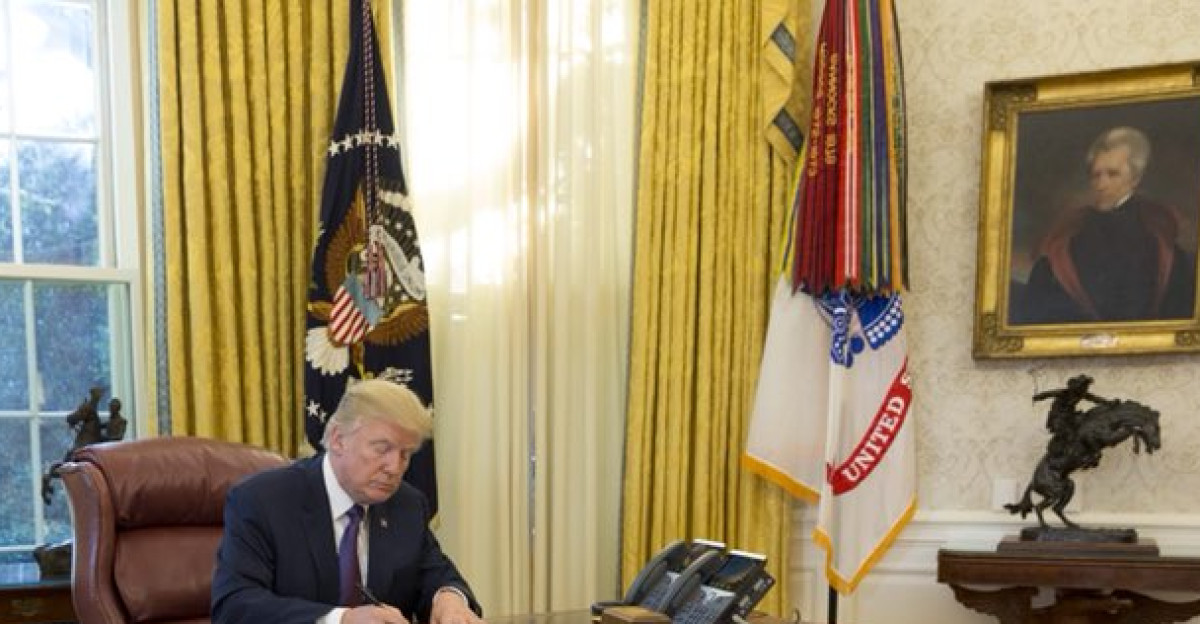
The Trump administration demanded Europe “abandon its failed focus on regulatory suffocation.” Brussels held firm. According to European officials, the bloc maintained its “sovereign right” to regulate American tech firms on behalf of its citizens, just as Washington regulates foreign banks and carmakers.
The 27-nation EU, representing 450 million people, asserted that EU law applied equally to every platform—American, Chinese, or otherwise. The principle was now backed by enforcement power and potentially billions in fines.
What Will Musk Do?
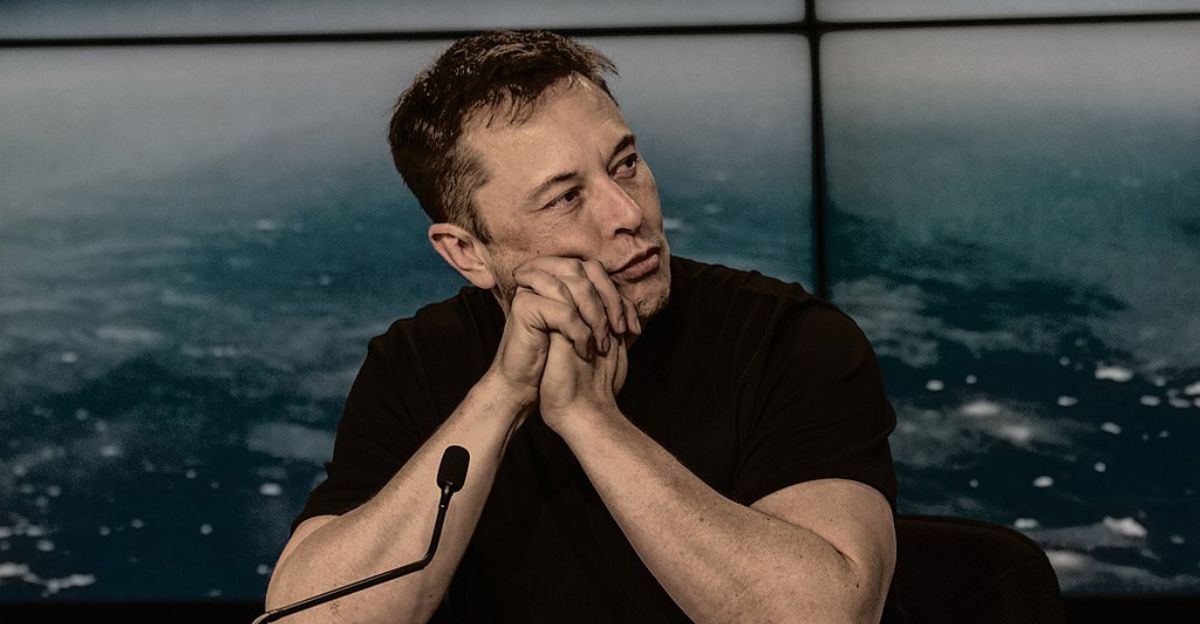
X has not announced a single detailed compliance plan. Musk can appeal to EU courts or submit remedial action plans; both options are available under the DSA. He called the decision “Bullshit” on his platform, dismissing the fine as politically motivated.
The question haunting regulators: Will X genuinely overhaul systems—reverting blue checks to verification-only status, opening ad repositories, and granting researcher access—or will Musk play legal chess for years, hoping regulators back down or the political winds shift in his favor?
What Checkmarks Mean Now

The blue checkmark tells a story about who we are now. Before Musk, it meant you were vetted, authentic, and real. After Musk, it meant you had paid $8, regardless of identity. The EU’s $140 million decision affirmed something profound: in Europe, users had a right to know the difference between verified and merely paying accounts.
The checkmark became a warning label for deception. Whether that principle survives—whether anyone can trust verification again, whether researchers can study algorithmic harms, whether regulators can enforce rules against billionaires—remains the question hanging over every platform.
The Final Test: Can Rules Actually Work?
The ruling’s significance wasn’t just the fine. It was the precedent. For the first time in digital history, a major American platform faced real consequences under democratic regulation rather than voluntary pledges. According to the Commission, this was about ensuring “transparency” and protecting “users’ rights.”
As Henna Virkkunen told reporters, “We are not here to impose the highest fines. We are here to make sure that our digital legislation is enforced.” That commitment will determine whether the Digital Services Act becomes the global gold standard for governing online platforms—or another ambitious law that powerful companies learn to outlast.