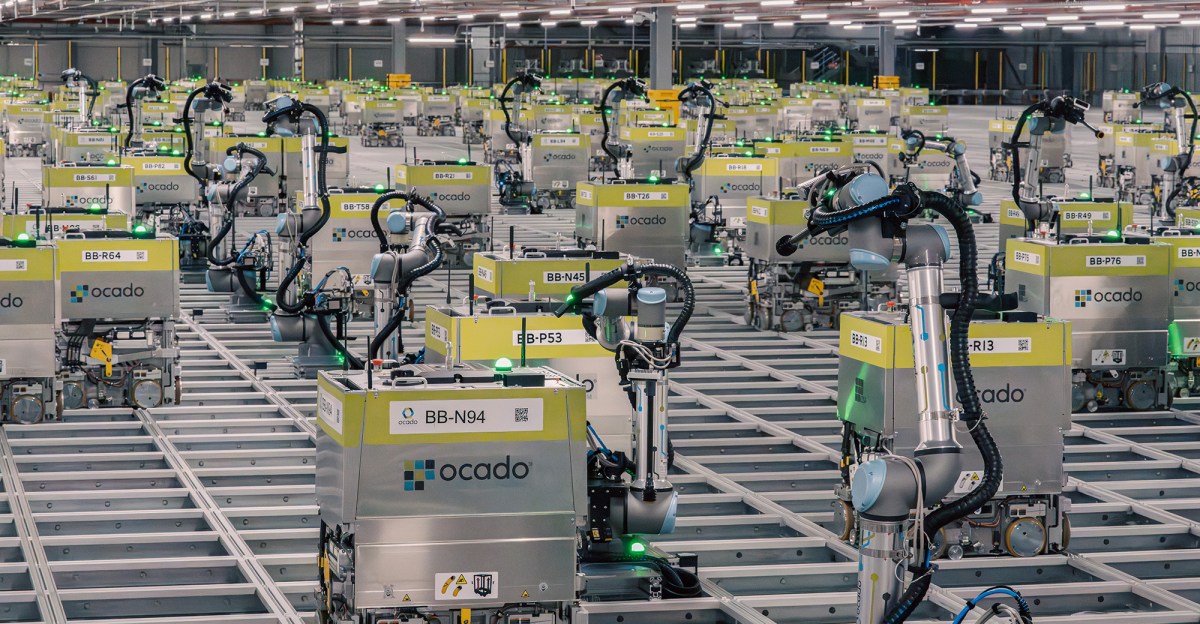
A massive automated warehouse stands silent in the early morning light, its rows of 1,000+ retrieval robots frozen in place as employees stream out with cardboard boxes in their arms. Forklifts sit idle beside towering racks, and the bright blue Ocado insignia glints faintly above an otherwise motionless floor.
Outside, workers cluster near the loading bays—still in safety vests—scrolling through the closure notice delivered just minutes earlier. But the announcement was only the beginning of what would unravel next.
Why Kroger Is Pulling the Plug
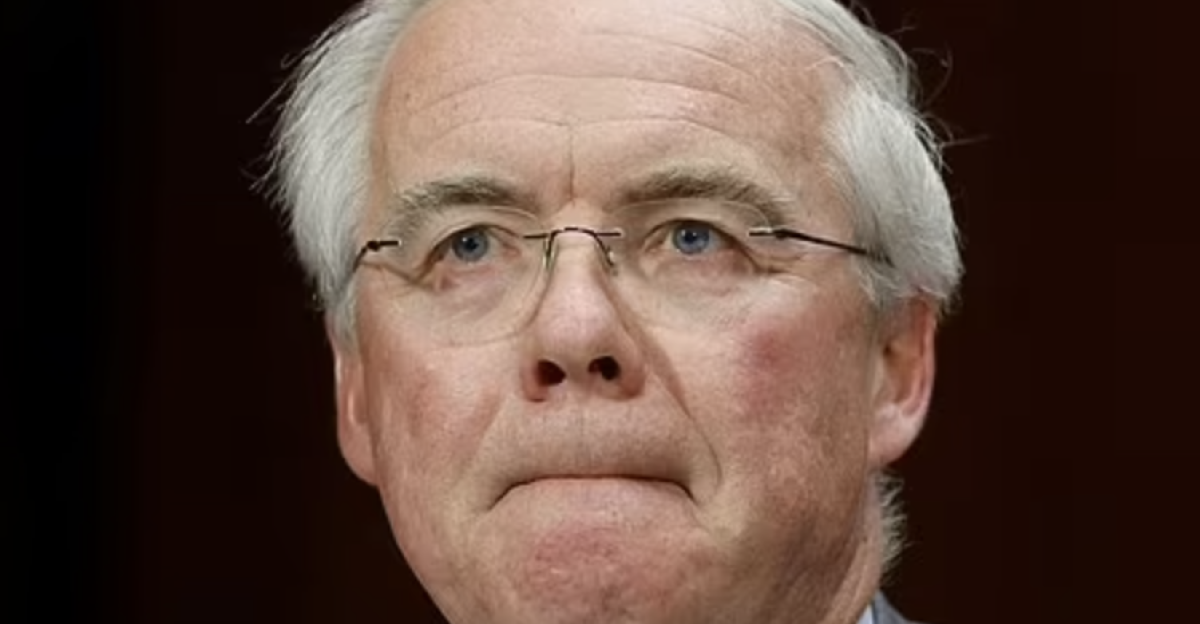
Interim CEO Ron Sargent said the company’s review found store-based fulfillment outperforms centralized robotics, especially in areas with low population density. Groveland’s order volume never reached the levels needed to support its high-cost automation model, and staffing ballooned from a projected 400 employees to more than 1,400.
Kroger now expects to improve its eCommerce operating profit by $400 million in 2026, even after booking a $2.6 billion impairment charge tied directly to the robot-center closures.
Job Losses Hit Groveland Hard

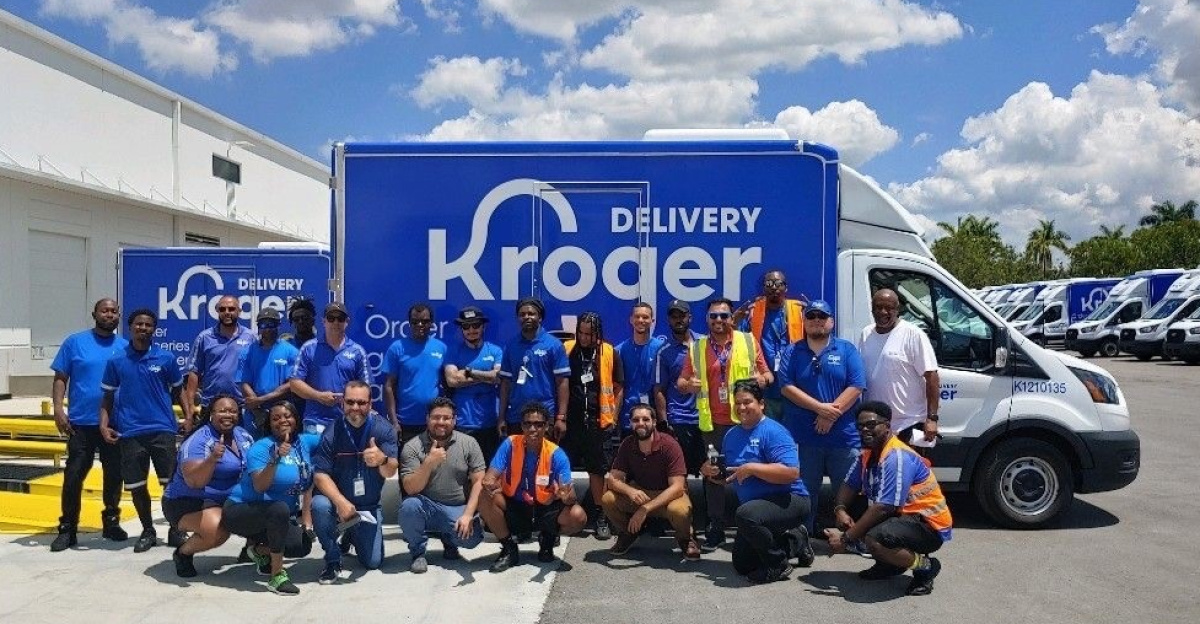
The shutdown wipes out 1,400 local jobs, making the Groveland closure one of the most significant workforce shocks in Lake County history. The main facility employed 935 people, including 452 delivery drivers.
With Groveland’s population around 24,600, the closure represents a substantial economic blow to the city. Officials called the timing “especially difficult,” as hundreds of families learned the news just weeks before major holiday expenses and year-end financial commitments.
National Workforce Shockwave
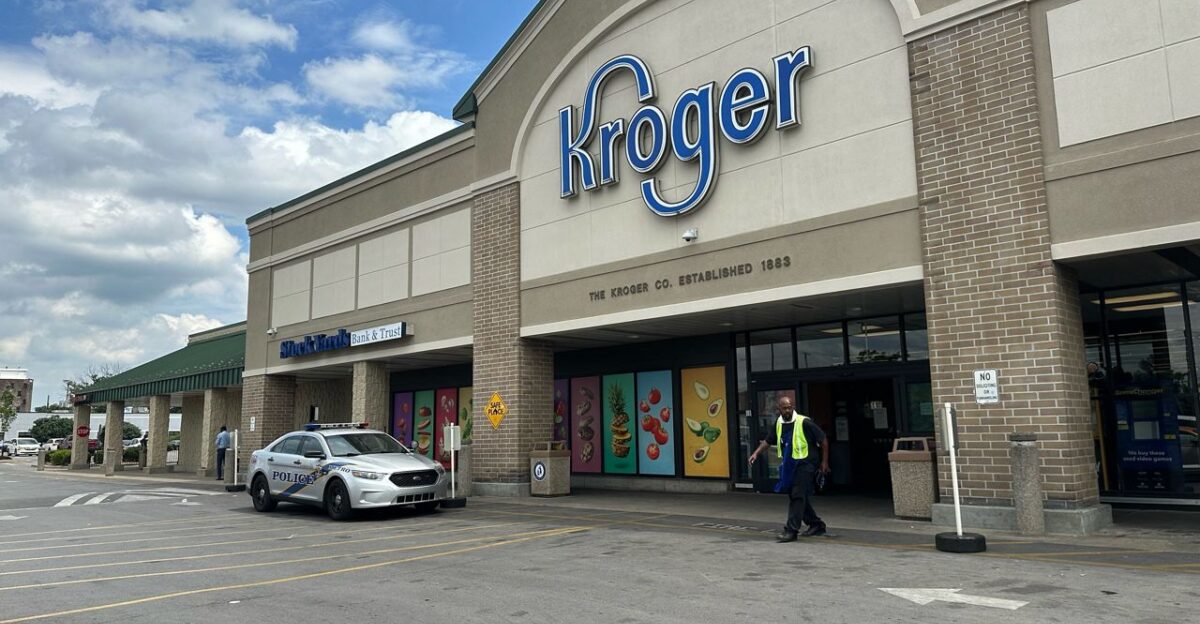
Groveland isn’t alone. Kroger is closing three automated centers nationwide, including Pleasant Prairie, Wisconsin and Frederick, Maryland—impacting an estimated 1,600+ workers across all three locations.
These aren’t union positions, meaning employees have no transfer or bumping rights, and with Kroger operating zero traditional stores in Florida, local workers have no internal placement options. All three locations begin winding down in January 2026, with final terminations effective February 1.
Florida Delivery Market Collapses
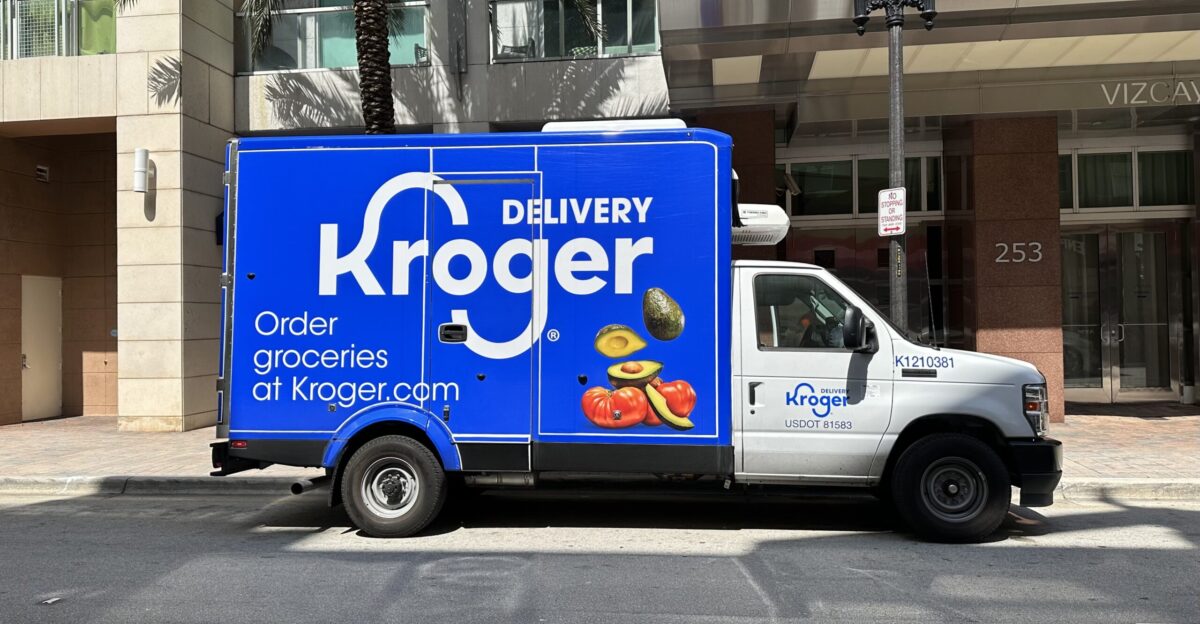
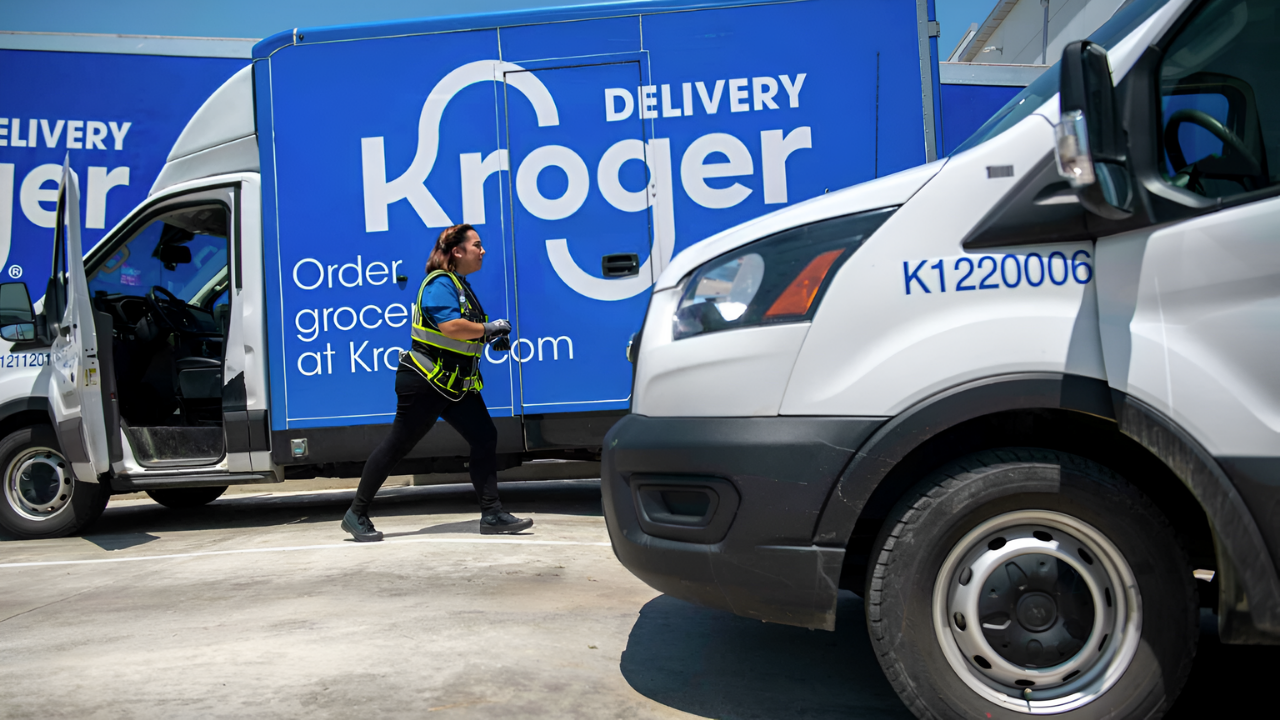
The closure ends Kroger’s entire Florida eCommerce footprint, erasing 90-minute grocery delivery across Orlando, Tampa, Jacksonville, and the Space Coast. It marks the company’s third Florida retreat—after the 1980s Florida Choice stores and Kroger’s investment in Lucky’s Market, which collapsed in 2020.
The Groveland center was meant to be Kroger’s comeback. Instead, it operated for approximately 4.5 years, while Publix—Florida’s dominant grocer—continues expanding, proving that proximity often beats automation in the state’s grocery market.
Ocado Takes a Major Hit
Kroger’s partner, Ocado Group, suffered a 17% stock collapse immediately after the announcement, plunging to its lowest price in 12 years. The company expected a network of 20 U.S. robotic centers but built only eight—three of which are now shutting down.
Ocado will lose an estimated $50 million in fees in fiscal year 2026 while receiving over $250 million in early-termination compensation, far below the long-term revenue the facilities were meant to generate.
Automation’s Credibility Crisis
Kroger’s move adds fuel to a broader industry trend: large-scale automated grocery fulfillment has struggled to produce sustainable returns. Takeoff Technologies—the pioneer of micro-fulfillment robotics—filed Chapter 11 in 2024. Amazon Fresh removed its “Just Walk Out” checkout system in 2024.
Former Kroger executive Ken Fenyo summarized the problem: the centers simply didn’t process enough orders to justify multi-million-dollar robotics systems, proving that automation alone can’t overcome thin grocery margins.
Incentives Turn Into Losses
Groveland and Lake County offered incentives to attract the fulfillment center in 2019, including waived impact fees, permit reductions, and tax benefits.
With the site closing years early, both governments are preparing to pursue clawbacks. The center broke ground in 2019, shipped its first orders in June 2021, and will now shut down after approximately 4.5 years—leaving taxpayers effectively subsidizing a facility that will no longer exist.
Delivery Market Power Shifts
As Kroger steps back, Instacart, DoorDash, and Uber Eats tighten their grip on grocery delivery. Instacart is now Kroger’s primary delivery partner and is rapidly scaling its AI-powered Caper Cart technology. DoorDash has expanded to full grocery assortment delivery and reports soaring growth in non-restaurant orders.
The shift underscores an industry reality: building dense store networks and relying on third-party platforms is often cheaper and more flexible than investing in massive robotic hubs.
Small-Town Economic Fallout

Groveland—one of Florida’s fastest-growing cities—now faces a sudden economic blow. The area ballooned from 2,978 residents in 2000 to over 24,600 by 2024, drawing young families and new businesses.
Losing 900+ jobs at the main site will ripple through restaurants, childcare centers, repair shops, and new retail developments. One local business owner called it devastating, noting that many employees spent lunches and paychecks in the immediate neighborhood, fueling the town’s recent boom.
Weak Safety Net for Workers
Florida’s unemployment benefits are among America’s lowest, capped at $275 per week for only 12 weeks. A typical Kroger delivery driver earning around $40,000 annually will receive roughly 36% income replacement for just three months.
Many dual-income families in Groveland—where median household income exceeds $92,000—will face financial strain. CareerSource Central Florida is mobilizing job fairs, resume clinics, and retraining programs, but the sudden scale of need presents challenges.
Winners in the Power Vacuum
Instacart, DoorDash, and Publix stand to gain the most. Publix, with approximately 900 Florida stores, solidifies its dominance as the state’s premier grocer. Instacart expands deeper into high-margin AI-driven advertising while becoming Kroger’s preferred delivery pipeline.
DoorDash’s DoubleDash feature strengthens its role linking consumers to multiple stores in one order. Kroger’s retreat reinforces what Florida’s market has repeatedly shown: traditional store networks outperform high-tech fulfillment experiments.
Financial Shockwaves
Kroger recorded a $2.6 billion impairment charge, one of the largest write-downs in its history, tied directly to failed robotics investments. Investors appear supportive of the move as a strategic correction toward profitability.
Meanwhile, Ocado faces an existential reckoning, with analysts warning its U.S. expansion dreams may be irreparably damaged. The writing is clear: investors see Kroger’s shift as strategic correction, but Ocado’s long-term viability is now in question.
What Consumers Should Do Next
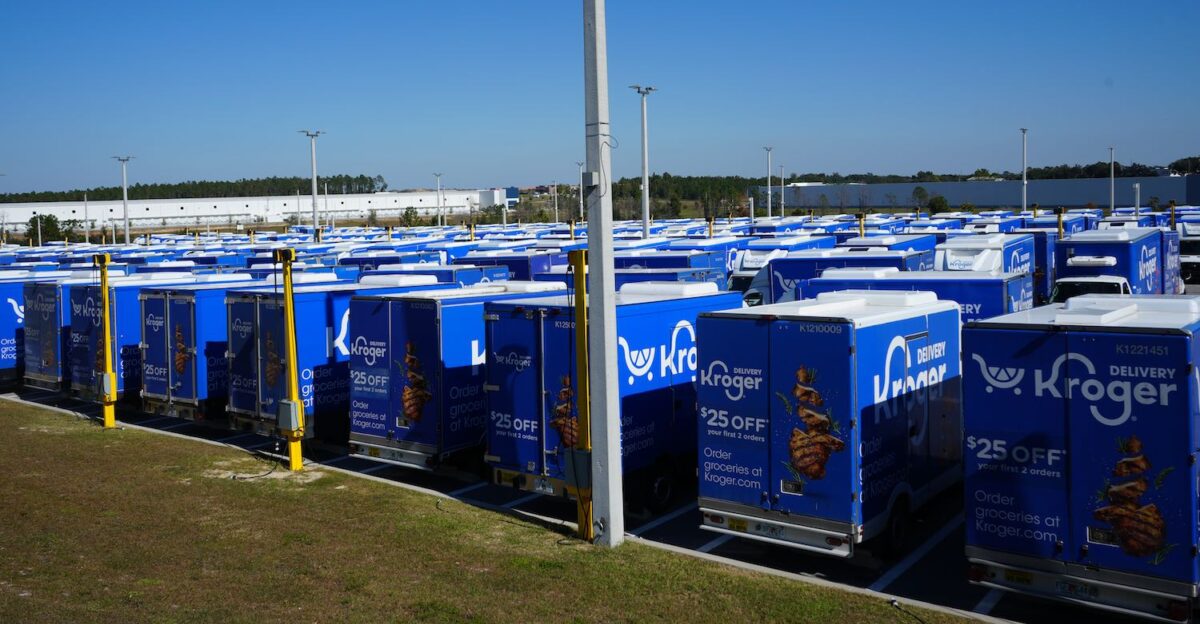
Florida customers using Kroger Delivery must switch providers by January 31, when final orders are accepted. Alternatives include Publix through Instacart, Walmart+ delivery, Shipt via Target, and limited Amazon Fresh coverage.
Displaced workers should immediately contact CareerSource Central Florida (800-757-4598) and apply for Florida Reemployment Assistance within the first week of job loss. Early filing ensures access to the state’s short, limited benefits window and speeds up eligibility for training grants.
The Bigger Picture
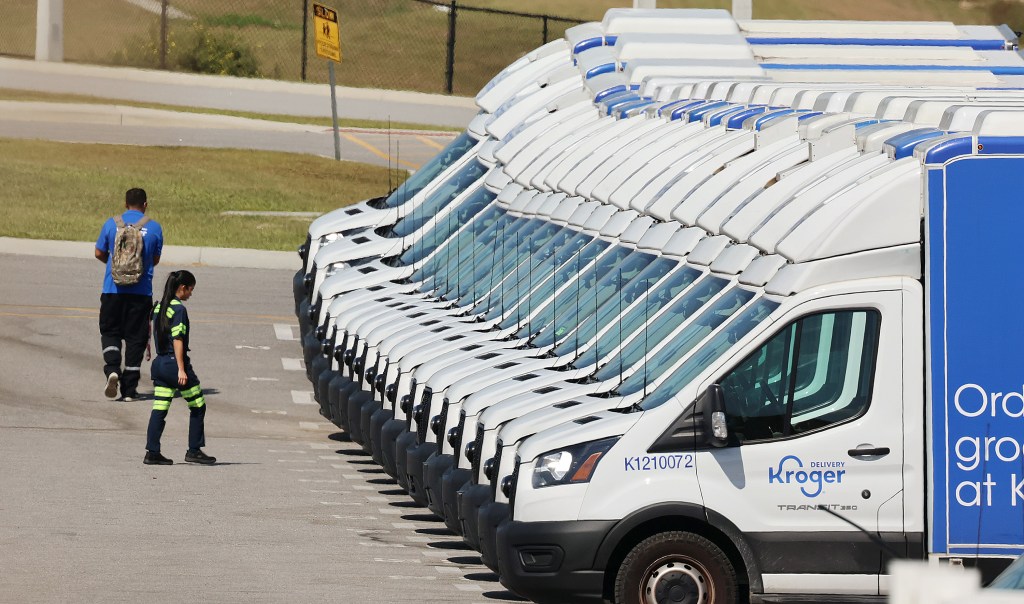
Kroger’s retreat is more than a business adjustment—it’s a referendum on automation’s limits, taxpayer incentive risks, and the human cost of corporate pivots. The company expects a $400 million profit boost from closing the three centers, redirecting savings into its 2,700 traditional stores.
But for 1,400 Florida workers, the next chapter begins with job loss during the holidays and a safety net offering just $275 a week. Meanwhile, Ocado’s 12-year stock low signals a broken promise: robotics alone couldn’t reinvent grocery delivery.