The arrest of a Fort Bliss soldier on spy charges has shaken national security experts and raised serious concerns about threats from inside the U.S. military.
Officials say the case involves trying to sell secret American tank information to Russia. The size and boldness of the plan have shocked government leaders, who warn that this security breach could hurt America’s defense readiness.
Questions about the safety measures to protect critical military technology and America’s defense strength now arise.
Spy Plot Discovered
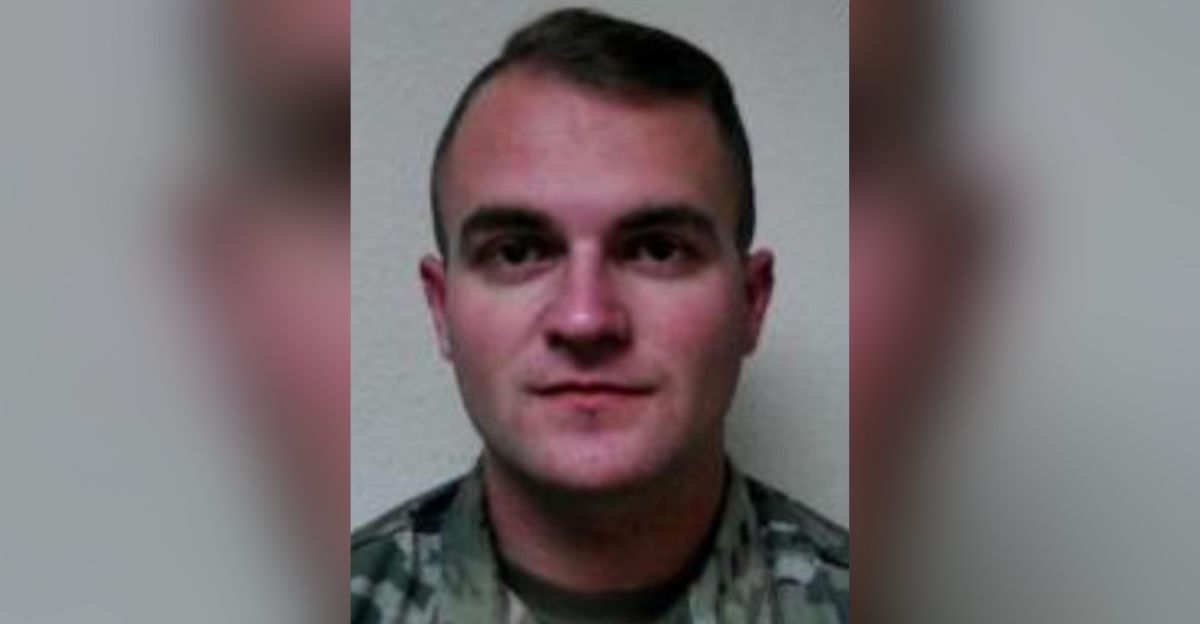
Federal investigators found that the suspect, Specialist Taylor Adam Lee, wanted to trade secret information about Abrams tanks in exchange for Russian citizenship.
Agents say Lee had conversations that laid out his plan to betray U.S. secrets, thinking he was talking to Russian spies. These attempts were caught by federal counter-spy agents, stopping major leaks.
This incident shows why insider threats remain one of the Pentagon’s most significant worries, especially as tensions with Russia grow stronger on many fronts.
Security Problems

These discoveries raise serious questions about American military background check systems and how they watch for insider threats.
Fort Bliss, home to thousands of military personnel, now faces tough questions about how an active-duty soldier got to the point of trying to commit treason without being detected. Experts point out that enemies exploit weaknesses in computer networks and people under stress.
Defense agencies admit they urgently need better awareness training and stricter rules, warning that internal failures could hurt confidence in vital national security institutions.
Tank Secrets at Risk

Court records show that Lee focused on detailed information about the M1A2 Abrams battle tank, a key weapon system currently used in Ukraine’s conflict.
Reports suggest Russia is intensely interested in this data to develop better ways to fight against these tanks and change how battles are fought. Military experts warn that access to details about armor strength, targeting systems, or electronic defenses could seriously hurt America’s military advantages.
Even the possibility of leaks makes it harder for allies to trust the U.S. and shows how closely enemies watch advanced American defense equipment.
Key Event Revealed

On August 6th, authorities acted quickly when Lee reportedly tried to meet with someone he thought was connected to Russian intelligence.
Prosecutors say he gave computer files and paper documents showing Abrams’ weaknesses and stolen armored equipment parts. Investigators stress that Lee was motivated by the promise of being relocated and protected as a Russian citizen.
If proven true, his actions would represent one of the most daring insider betrayals involving front-line American military secrets in years.
Local Community Shocked
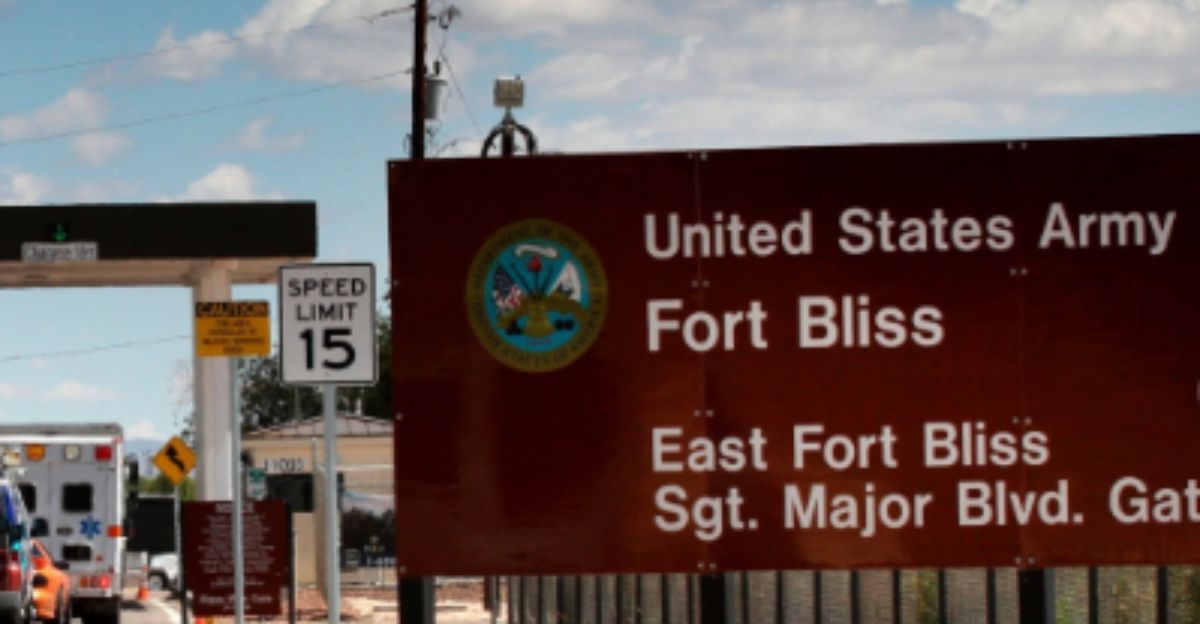
In El Paso, the community around Fort Bliss reacted with shock and worry. Many residents said the case felt like a betrayal of the Army and local trust in the military base that serves as the city’s economic backbone.
Families with soldiers on active duty expressed fear that breaks in loyalty might hurt unit teamwork.
Local leaders tried to calm tensions, highlighting the community’s strength while asking for clear reassurance that such dangerous failures remain rare, one-time events.
Soldier’s Troubled Past

Investigators pointed to Lee’s troubled personal history as a reason foreign enemies might recruit him. Reports show past criminal problems, ongoing debt, and struggles with family and social stability may have led to his desperation.
The Army now faces tough questions about whether better screening and continued monitoring could have spotted warning signs earlier.
Leaders stress that ongoing mental health care and financial support programs are essential to make sure people don’t become targets for foreign recruiters who exploit personal problems as tools for manipulation.
Wider Impact
Defense experts say the case goes beyond Fort Bliss, raising system-wide concerns about how the U.S. protects classified information.
The security breach shows weaknesses in access control systems as increasingly digital work environments complicate oversight. Congressional staff are now calling for stricter audits across the Department of Defense’s sensitive databases and broader updates to compliance systems.
Experts warn that insider breaches may increase in mixed digital and cyber environments, where expanding networks blur the lines between secure information systems and enemies’ ongoing intelligence efforts.
Expert Opinions
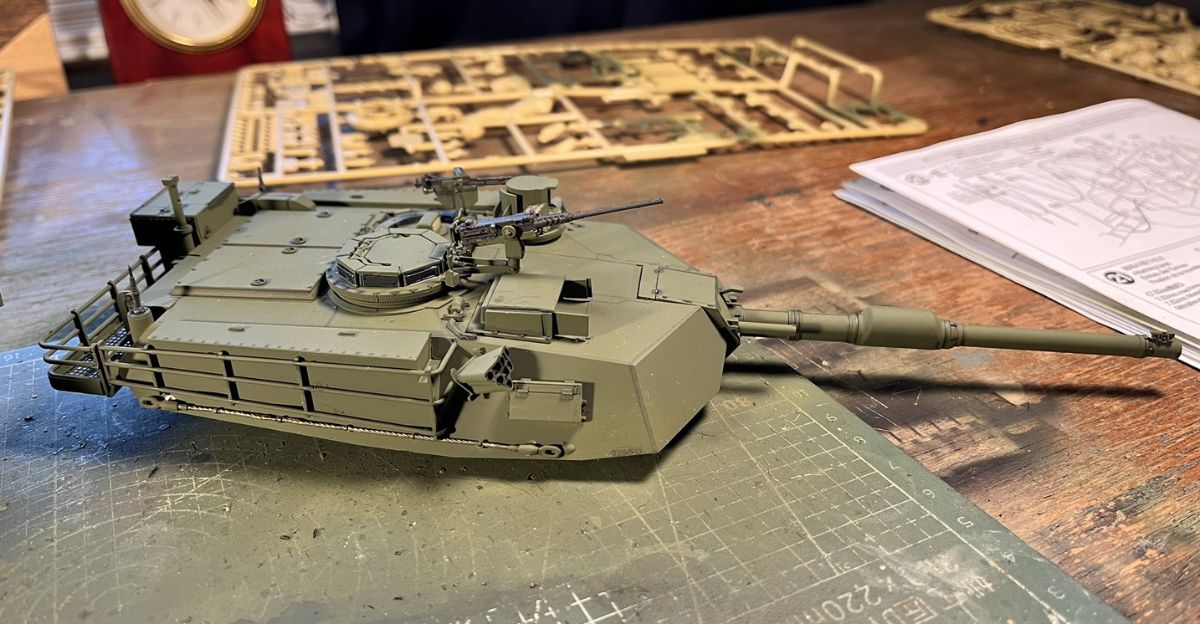
National security specialists have stressed that the attempted spying reflects a long-standing and planned Russian strategy. Military analysts argue that tank specifications, weapon weaknesses, and system designs are among Moscow’s most valuable intelligence targets.
Officials also warn that this fits larger global trends in spy efforts, where indirect methods become more common. This case is, therefore, not unusual but part of a large, sophisticated game in which enemies test U.S. strength against insider attacks.
FBI Trap
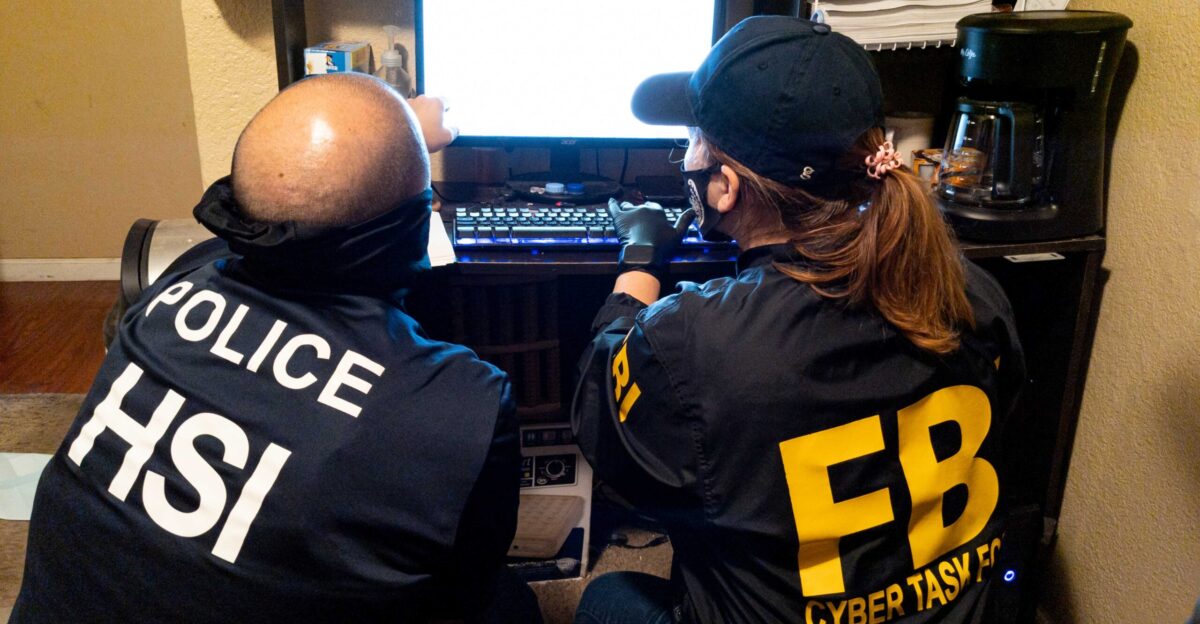
The breakthrough came when the supposed Russian intelligence contact turned out to be an undercover FBI agent. Using fake communications, false meeting points, and controlled exchanges, federal agents carefully tracked Lee’s actions.
Investigators documented his delivery of an SD card, physical transfer of equipment, and damaging online messages. One key breakthrough included Lee’s now-famous “Mission accomplished” text, caught and kept as evidence.
The trap operation showed the government’s ability to trick suspects into revealing themselves too early, before terrible leaks could happen.
Army’s Response
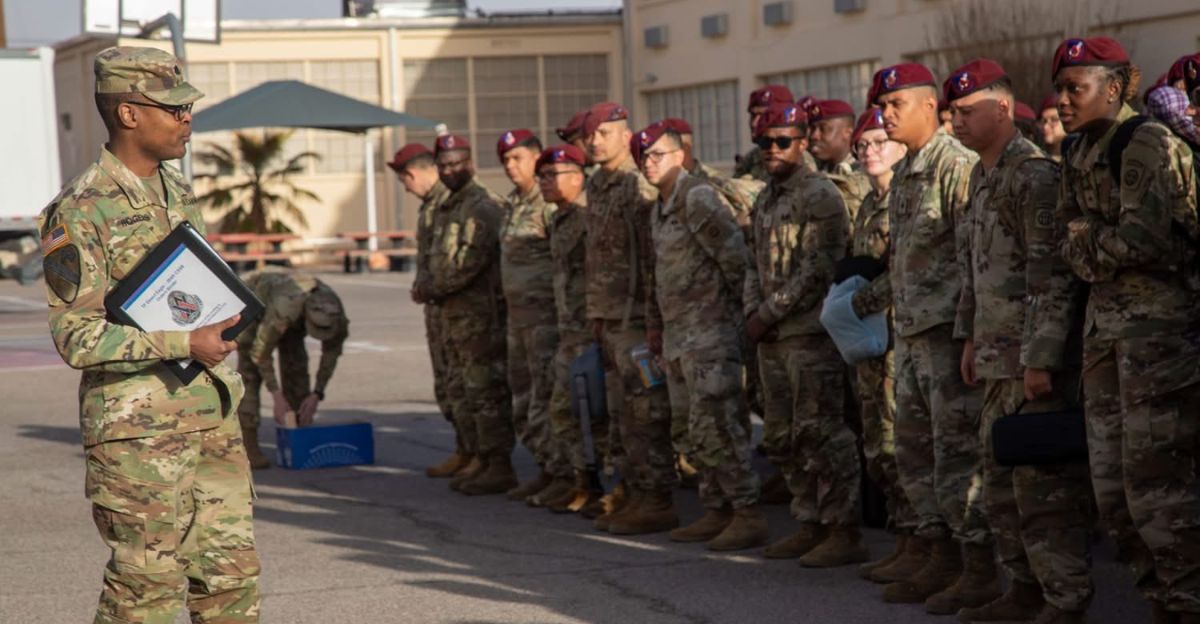
Fort Bliss officials responded quickly to reassure the military community of their watchfulness. The Army’s Counter-Intelligence Command issued a strong statement stressing that any soldier who betrays their oath will face swift justice. Brig. Gen. Sean F. Stinchon emphasized progress in detection and promised thorough investigations of current safety measures.
Leaders are also committed to lessons-learned reviews, seeking to strengthen internal monitoring systems. Commanders hope to rebuild trust throughout the force and broader society by reinforcing prevention through accountability.
Legal Action
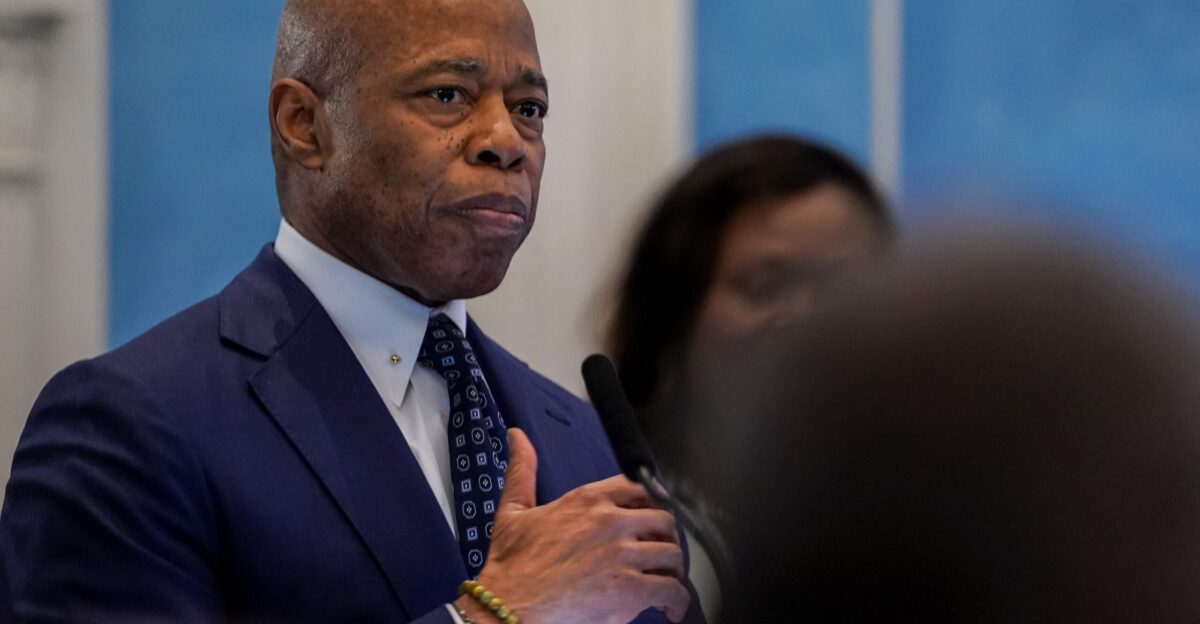
Federal prosecutors acted quickly, charging Lee under the Espionage Act and the Arms Export Control Act. Court papers describe multiple attempts to access, copy, and deliver restricted Abrams-related materials.
Each action, from digital transfers to physical theft, was treated as a separate charge to show how serious this was. Legal experts say the Justice Department’s quick charges signal a zero-tolerance policy for security breaches.
By using the full power of federal law, officials want to set a strong example to prevent future insider schemes.
Army Unit Problems
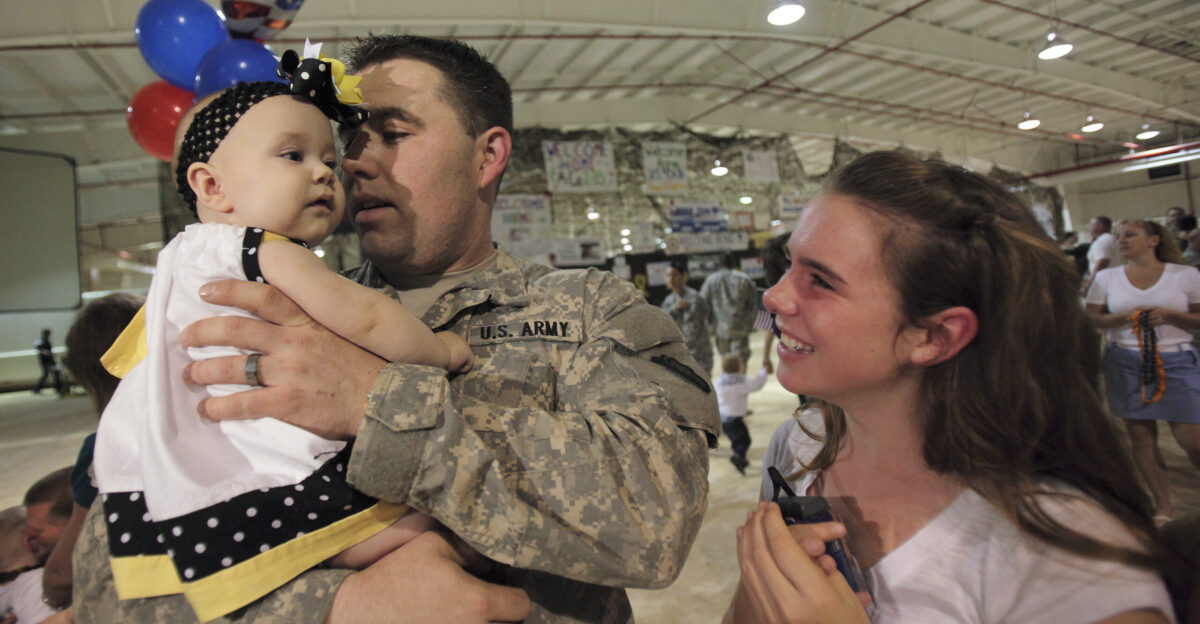
Even as accountability moves forward, Army units face new strains in morale. Soldiers at Fort Bliss reported difficult conversations about loyalty standards and how colleagues might secretly have divided loyalties.
Military families worry whether training alone can reduce betrayal risks. Commanders have started town halls to address questions directly and reconnect units through discussion.
Beyond punishment, the challenge lies in maintaining culture, trust, and purpose when insider threats cast a dark shadow over daily military life.
Recovery Plans

Defense and law enforcement agencies are already changing to better prevent insider threats. Plans being considered include limiting who has access to sensitive information, improving digital monitoring, and looking for warning signs like money problems.
Congress, after learning how serious the breach was, has agreed to support funding for stronger counter-intelligence tools.
The Department of Defense also ordered a review of current personnel security checks, saying they are essential to protect against betrayal while allowing the military to work effectively.
Future Concerns
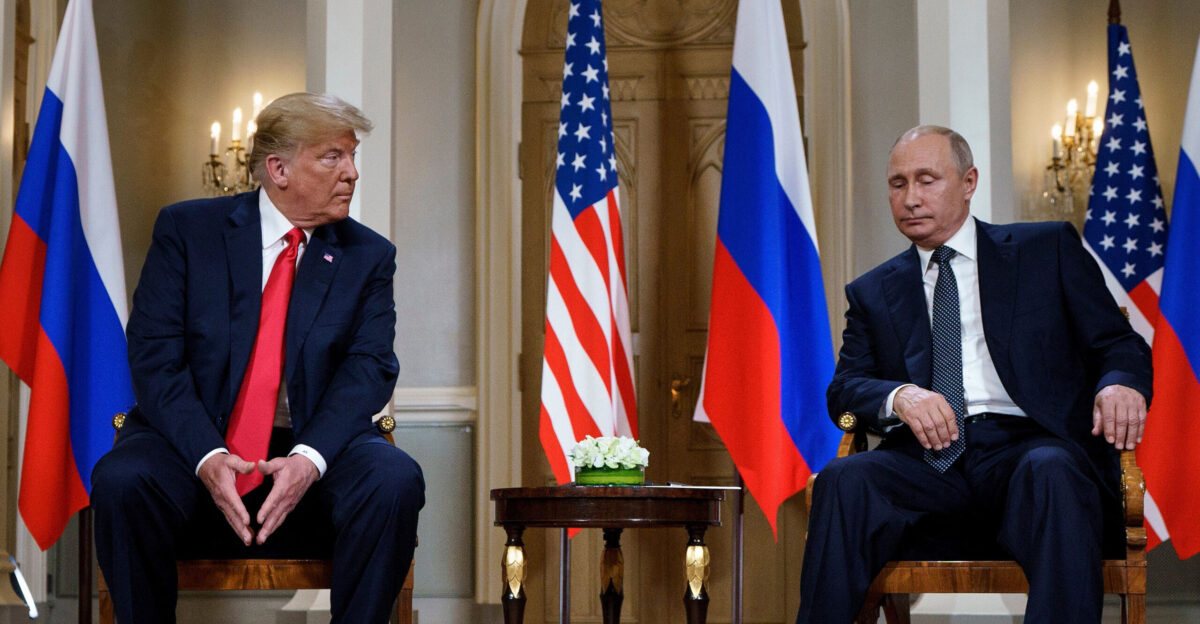
The tense political climate surrounding U.S.-Russia relations makes this episode even more serious. Security advisors warn that Moscow will continue infiltration operations to undermine U.S. defense technologies.
In Washington, lawmakers debate stricter control methods for sensitive projects, arguing that trust alone is no longer enough. Flag officers now support better loyalty education and ethics reinforcement within training programs.
Therefore, the Fort Bliss case is seen as both a foreign policy crisis point and a domestic call to strengthen protective barriers.
Congressional Hearings
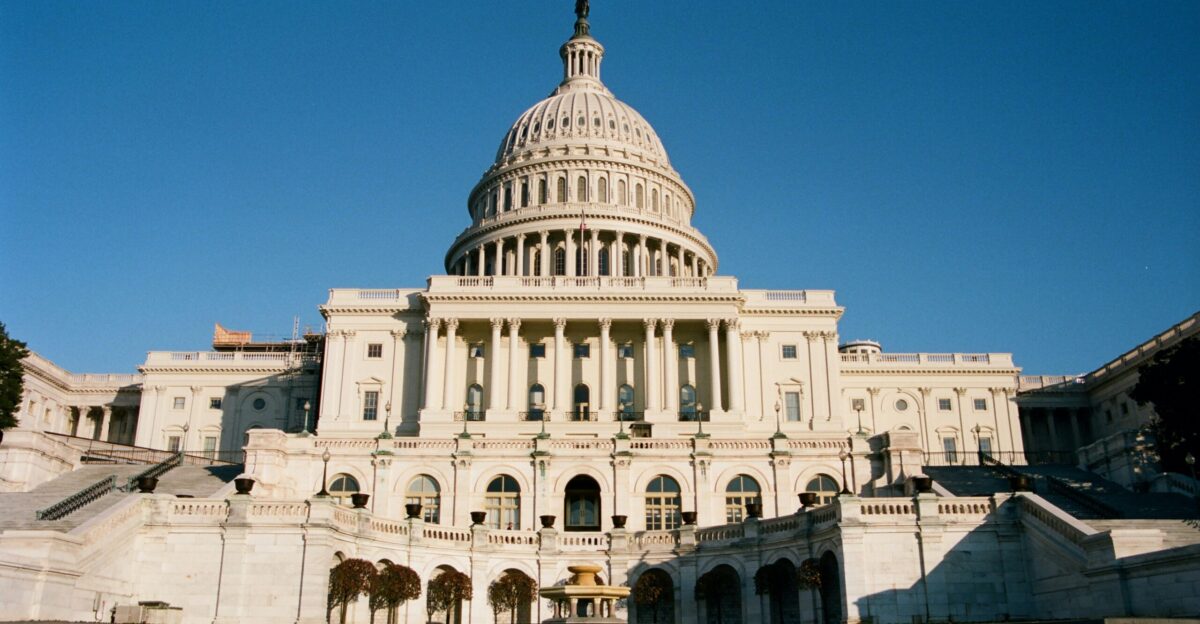
Within days of the arrest, members of Congress began scheduling hearings to examine system-wide weaknesses. Pentagon leaders, intelligence chiefs, and Army security officials will all face questions about oversight failures.
At the same time, the Justice Department announced internal reviews of gaps related to espionage and defense export laws.
Some legislators even consider lawsuits or penalties for defense contractors whose systems lacked break-in controls. These measures aim to reassure stakeholders that structural reform is actively happening.
Industry Impact
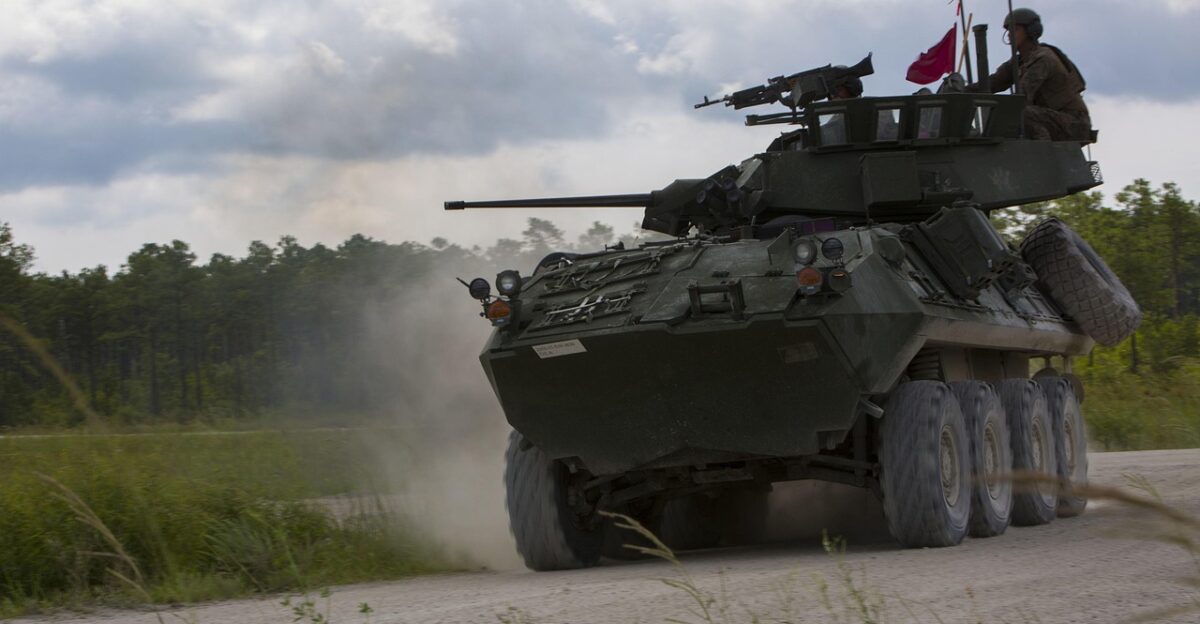
The arrest sent shockwaves across industry sectors tied to national defense. Contractors involved in armored vehicle production, software integration, and secure communications started urgent checks of their insider safeguards.
Cybersecurity companies highlighted renewed demand for advanced behavioral analysis to flag risks earlier. International defense partners also sought new supply-chain rules, confirming the global effects of a single attempted breach.
The lessons learned from Fort Bliss may reshape corporate security practices as much as they change military counter-intelligence operations worldwide.
Public Reaction

The case spread quickly on social media, with millions talking about betrayal, stress among soldiers, and fears about national weakness. Some people shared conspiracy theories about bigger spy networks, but experts told the public to stay cautious.
Specialists also reassured citizens that insider leaks are rare compared to the many U.S. personnel. Federal agencies began sharing information to remind people that security systems are still strong.
Even so, many in the public want more openness because they feel unsure about national security.
Historical Comparisons

Observers compare the Fort Bliss breach to earlier high-profile spy incidents. The cases of Ana Montes, a Defense Intelligence Agency analyst who spied for Cuba, and Chelsea Manning, who leaked military documents, offer clear historical comparisons.
Each changed security procedures dramatically, just as Lee’s arrest appears ready to do within today’s defense establishment.
Analysts track patterns where insider leaks increase during tense political phases, highlighting the repeated risks of conflict-driven espionage. Fort Bliss is now part of that profound legacy.
Final Thoughts

The case of Specialist Taylor Adam Lee is more than an attempted betrayal; it shows weaknesses across national defense systems.
While federal agents prevented terrible leaks, the incident highlights ongoing risks. Insider threats, recruitment tactics, and system weaknesses come together in ways demanding urgent response.
For the Army, upcoming reforms could determine institutional strength and international confidence in U.S. military protection. Ultimately, the breach is a historic warning to guard vital assets carefully.