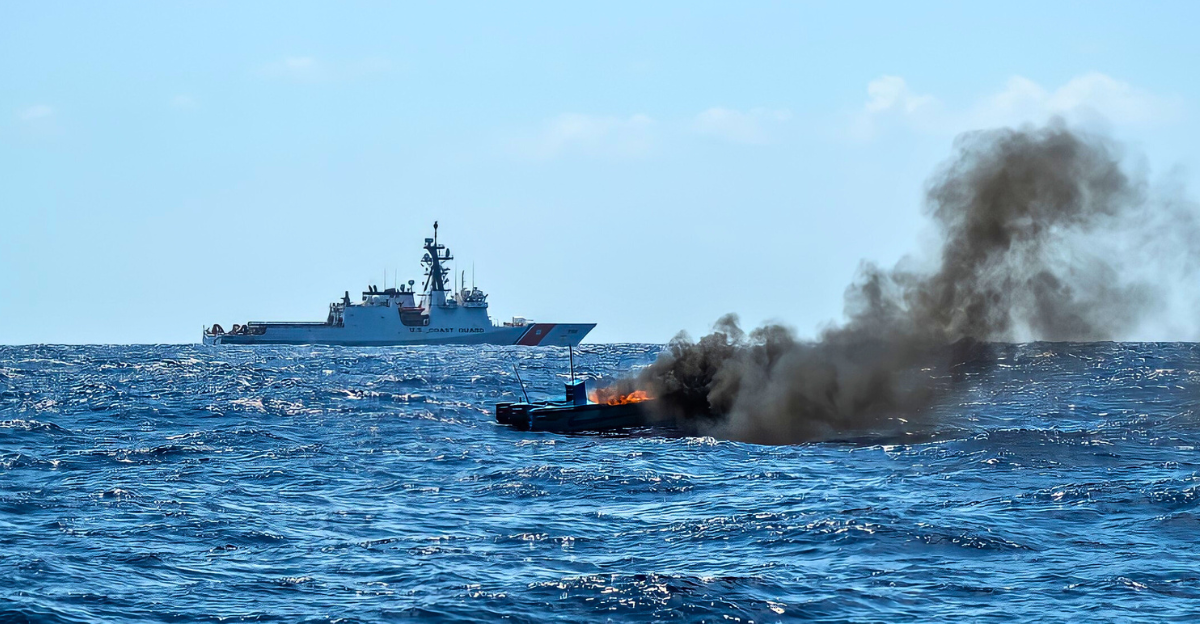
U.S. officials announced an unprecedented Caribbean deployment in August 2025: seven warships and roughly 4,500 sailors and marines sent to waters off Venezuela. President Trump framed it as a drug-fighting mission, but analysts note the scale rivals Cold War shows of force.
Defense Secretary Pete Hegseth emphasized the heft: “assets in the air, assets in the water… because this is a deadly serious mission for us,” he said.
Venezuelan leaders immediately protested. Defense Minister Vladimir Padrino countered, “We are not drug traffickers… we are noble and hard-working people,” reflecting domestic outrage at the U.S. buildup. The deployment put new assets – including a nuclear submarine – into position, signaling U.S. readiness for aggressive action.
Escalation Warning
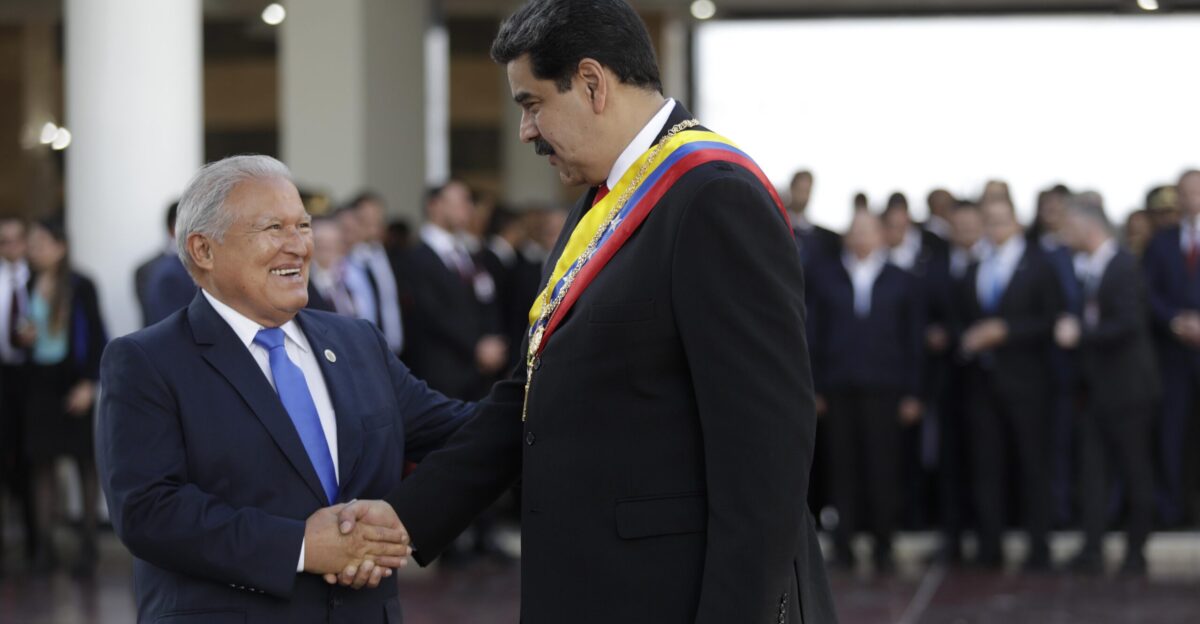
Meanwhile, Venezuela’s President Nicolás Maduro bristled. He declared the nation in “maximum preparedness” for defense and vowed to arm millions of civilian militiamen. He also condemned the U.S. bounty on his head – now $50 million, up from $25 million last month – as “extravagant” and “criminal.”
In fiery rhetoric, Maduro warned Trump that any strike would “stain your hands with blood,” accusing the U.S. of targeting an innocent people. In fact, the $50 million figure refers to the reward for Maduro’s arrest, not any naval asset.
Tensions spiked as Caracas prepared its defenses. “We were informed… it had nothing to do with the participation of any military personnel in our territory,” Mexico’s President Claudia Sheinbaum later stressed, insisting there would be no U.S. invasion of Mexico.
Caribbean Route
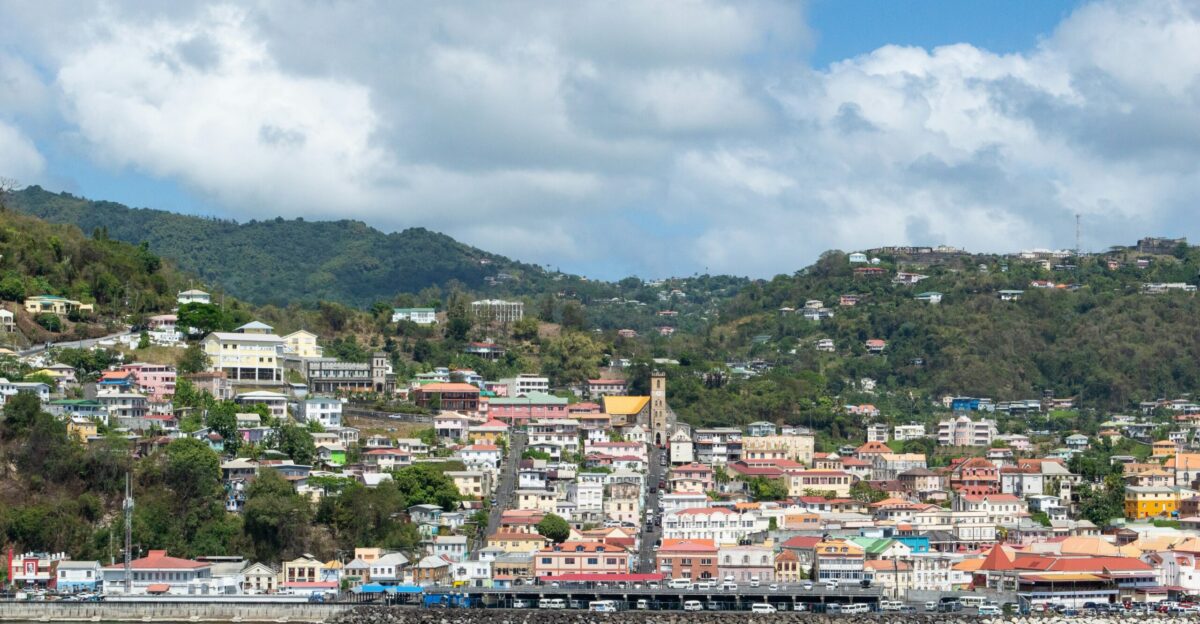
Traffickers have increasingly rerouted cocaine through the Caribbean. U.S. drug interdiction pressure in the Pacific has led Colombian cartels to send shipments through Venezuela’s border peninsulas – the Guajira and Paraguaná – into island “stepping stones” toward North America and Europe.
The region’s weak governance and porous coasts make it attractive: numerous small boats can slip past lax patrols. According to the UN Office on Drugs and Crime, most cocaine usually sails up the Pacific route, not the Atlantic, but what does come northward through the Caribbean often travels on clandestine air and sea corridors.
Analysts note that far-flung trafficking paths – “island hopping,” small submersibles, and remote airstrips – allow cartels to move product without direct confrontation. “The Caribbean has low interdiction capacity and proximity to many markets,” a security expert at CSIS notes, making it an ideal narco-highway.
Terror Designation
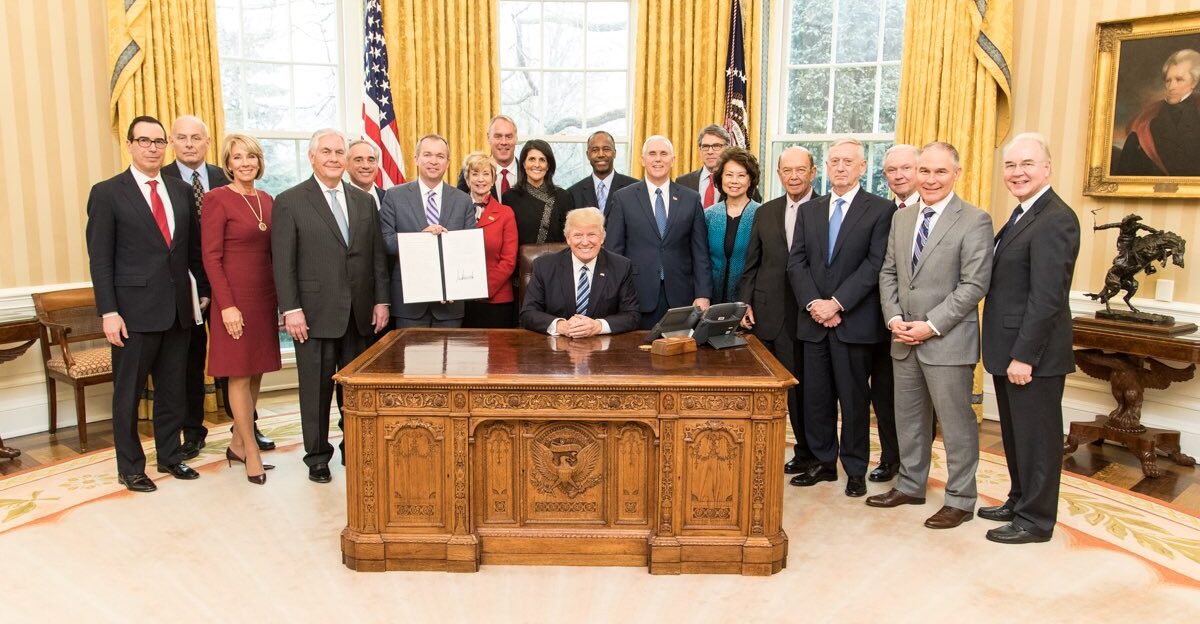
In early 2025, the Trump administration took the extraordinary step of labeling several drug gangs as Foreign Terrorist Organizations. On Feb. 20 it declared Venezuela’s Tren de Aragua plus six Mexican cartels (among others) as FTOs. This unprecedented move theoretically allows the U.S. to use military force against them. But experts quickly questioned the logic.
Terrorist designations traditionally require political or religious motives, whereas drug gangs are profit-driven. As a former U.S. ambassador explained, “Terrorist groups are generally defined as being politically motivated. Cartels, on the other hand, are profit-driven criminal organizations”.
Drug money scandals do not automatically turn smugglers into insurgents. Still, administration officials argued the designations expanded legal options. But legal authorities point out that FTO status alone does not by itself provide authority for the use of force.
First Strike
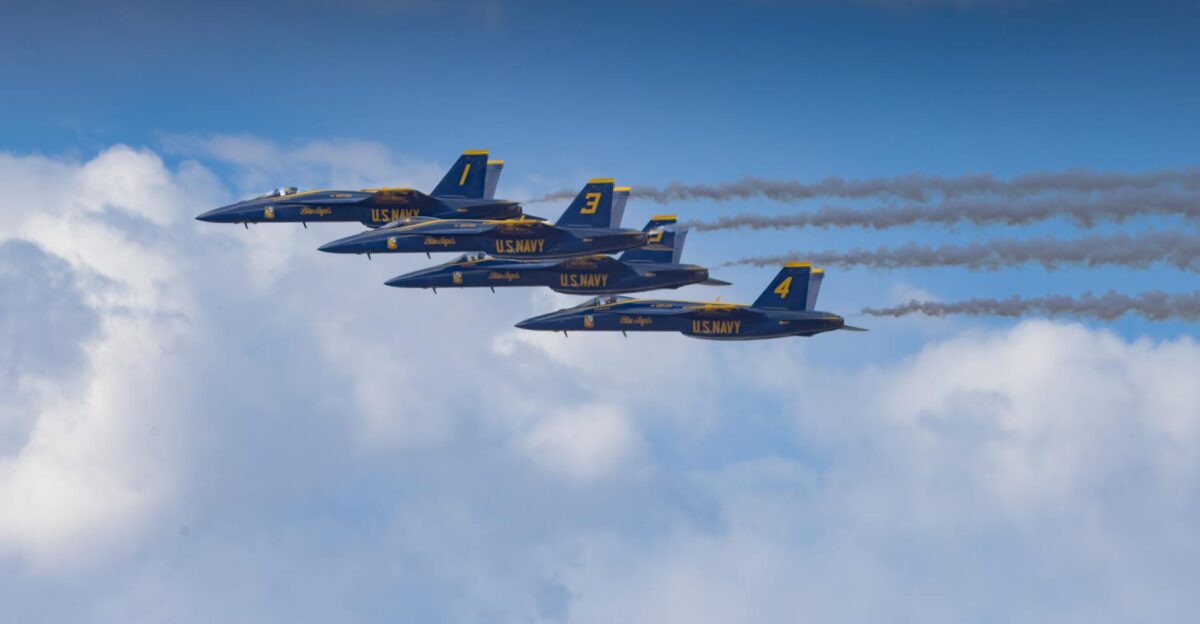
On September 2, U.S. forces carried out their first fatal attack of the deployment. A missile-armed drone “literally shot out a boat” in international waters off Venezuela, destroying a speedboat and killing all 11 aboard.
The Pentagon identified the victims as members of Tren de Aragua, while President Trump’s social media post proclaimed it a precision strike on “narcoterrorists.” He even posted a night-vision video of the blast, warning, “Please let this serve as notice to anybody even thinking about bringing drugs into the United States…BEWARE!”.
Witnesses in nearby waters reported hearing the blast. Some officials privately called it “Noriega part 2” – a reference to the 1989 Panama operation against Manuel Noriega. But human rights advocates were stunned. “Being suspected of carrying drugs doesn’t carry a death sentence,” Adam Isacson of WOLA noted, condemning the killing of suspects.
Regional Impact
The naval strike triggered an immediate diplomatic furor across Latin America. Reactions were deeply split. In Trinidad and Tobago, Prime Minister Kamla Persad-Bissessar (herself a U.S. citizen) publicly praised the U.S. action, declaring she had “no sympathy for traffickers” and urging authorities to “kill them all violently” if necessary.
In Colombia, President Gustavo Petro reacted with horror: bombarding a boat full of young Venezuelans was “murder” and a violation of sovereignty. Petro told reporters that it is “possible to conduct interdiction” without killing suspects – and he warned that disproportionate force could violate international law.
Other Caribbean nations remained circumspect. The Dominican Republic offered no public comment. But regional blocs called for deliberation: an emergency meeting of the Organization of American States was proposed to address maritime security and sovereignty.
Human Cost
Back in the U.S., some feared the strike would have humanitarian blowback. Venezuelan migrants in America already faced mounting pressure from deportation campaigns. Lawyers reported clients going underground after the administration revived the 1798 Alien Enemies Act to justify sweeping removals of alleged gang members.
Families worried that an anti-cartel war would also stoke anti-immigrant sentiment. “This violence just makes it harder for our community,” said a Miami asylum seeker. Her words resonated with many: Venezuelan families watching U.S. TV wondered if any boat could be a target. In Congress, critics pointed out that the Alien Enemies Act was far older than any anti-drug law and was never intended for lumping migrants into a narco-war.
On the U.S. southern border, some humanitarian groups warned that refugees should not be caught in a blood feud.
Legal Questions

Law and human rights experts immediately questioned the strike’s legality. International maritime conventions require graduated response to civilian vessels, not immediate lethal force. Professor Luke Moffett of Queens University Belfast explained that lethal strikes at sea are allowed only if boarding personnel face “immediate risk of serious harm.”
In his view, Tuesday’s operation lacked any clear threat to U.S. forces and was therefore “likely unlawful under the law of the sea”.
Others noted that drug trafficking, unlike armed insurgency, is treated under law enforcement rules – an ocean chase normally ends with arrests, not missiles. Mary Ellen O’Connell of Notre Dame University similarly warned that using force to seize cocaine vessels stretches international law. Pressed on these criticisms, Pentagon spokespeople declined to explain what legal advice was followed.
Historical Context
The Caribbean strike instantly echoed uneasy memories of past U.S. interventions in Latin America. Officials compared it to the 1989 invasion of Panama, when 28,000 U.S. troops captured dictator Manuel Noriega on drug-trafficking charges. As one senior official quipped in the background, “This could be Noriega part 2… the president has asked for a menu of options”.
Cold War-era doctrine once allowed such unilateral action in the hemisphere. But today’s international norms are tighter: expert analysis stressed that the UN Charter and modern treaties sharply constrain attacks on foreign territory or vessels.
Critics also noted domestic history: even Nixon-era drug wars never envisaged militarily sinking ships of suspected smugglers. In sum, the strike looked unprecedented.
Value Error
Not all of the White House’s claims have held up under scrutiny. U.S. officials never provided evidence that the destroyed vessel was worth $50 million – a number spread online and in some media reports. In fact, sources say the speedboat was a standard smuggler’s craft, likely built for only a few million dollars, not tens of millions. The $50 million figure was the bounty on Maduro, unrelated to the boat’s value.)
Analysts point out that go-fast drug boats typically cost on the order of $1–3 million to construct. Likewise, news reports that the crew was found “with sacks of cocaine” remain unverified; no independent agency has confirmed the cargo contents.
These discrepancies suggest a significant factual mix-up in the administration’s rhetoric. By conflating the bounty and the boat, the narrative inflated the strike’s narrative impact.
Military Frustration
U.S. leaders have grown frustrated with the limits of traditional drug law enforcement. On a Mexico trip just before the strike, Secretary of State Marco Rubio bluntly said: “Interdiction doesn’t work. What will stop them is when you blow them up, when you get rid of them”.
That comment – echoed by others in the administration – captures a shift in mindset. Rather than arresting traffickers, the new policy openly embraces destroying their assets.
Some defense officials privately argue that previously cartels simply replaced each arrested “capo” within hours. This logic underpinned the administration’s logic: only military-level force, they say, can tip the balance. Skeptics fear this abandons decades of evidence-based drug strategy. But for Trump’s team, the brutal strike was proof of concept that the cartel “war” is now a battlefield mission.
Command Structure
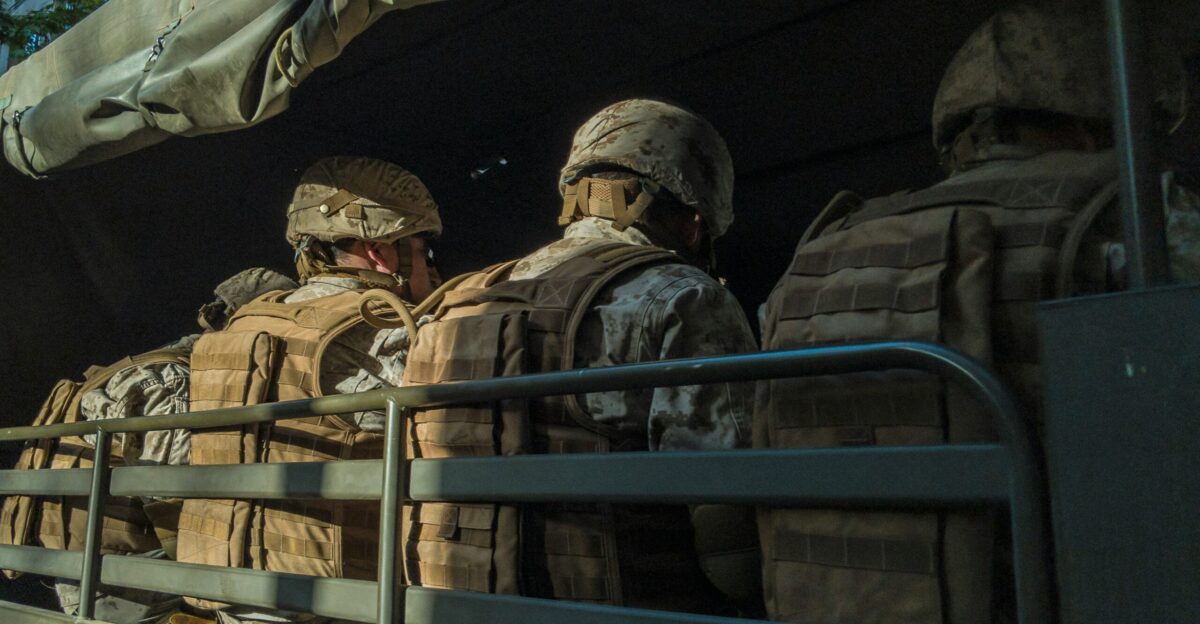
The new Caribbean task force has a complex command structure. It falls under U.S. Southern Command, with coordination among the Navy, Coast Guard, DEA and other agencies. Major surface units include the destroyers USS Gravely and USS Jason Dunham, while a guided-missile submarine (USS Newport News) prowls unseen nearby.
An Amphibious Ready Group centered on the USS Iwo Jima stands off Puerto Rico – carrying 2,200 Marines at high readiness. In total, the force tops 4,500 personnel.
These Marines and sailors are on call for rapid raids or interdiction operations. Navy patrol aircraft gather intelligence, while special operators on ships stand ready to board or destroy suspicious vessels. Tasked for anti-drug missions, the force’s capabilities far exceed anything previously seen in routine Caribbean deployments, marking a fusion of Pentagon power with law-enforcement objectives.
Deterrent Strategy
Administration officials insist the strike will deter others. Defense Secretary Hegseth warned that any future traffickers “who we know is a designated narco-terrorist will face the same fate”. The idea is to send a clear message that U.S. forces will shoot first, ask questions later. But analysts caution this logic is far from certain.
As criminologists note, cartels are agile: losing a boat is a calculated cost of doing business. They routinely factor a percentage of annual shipments gone down in flames.
Even at scale, these losses often just raise operating costs without stopping flows. So far, neither academics nor field reports show any sustained dip in cocaine supply from using airstrikes.
Expert Skepticism
Counter-narcotics specialists quickly voiced skepticism. Jeremy McDermott of InSight Crime notes that hitting boats simply displaces routes: “For every boat you destroy, ten others will take its place” in the smugglers’ calculus. Academic studies back that up – even U.S. debordur strike campaigns against cartels in Mexico and Colombia have shown fleeting effects.
Meanwhile, non-governmental analysts emphasize that the real masterminds often aren’t on those boats at all.
As former Human Rights Watch head Kenneth Roth put it, the victims here were “criminal suspects who must be arrested and prosecuted” – not enemies to be “shot on sight”. Human rights experts warn that viewing drug dealers as legitimate targets risks a slide to more violence. Without careful benchmarks, there is little evidence this strategy will yield anything but more chaos.
Future Operations
Pentagon leaders say this strike is just the beginning. U.S. military commanders confirmed that additional operations against designated “narco-terrorists” are planned. Trump officials privately discussed broadening the campaign: intelligence briefings have mentioned possible strikes on jungle cocaine labs or even a recently built Russian-made ammunition plant in Venezuela.
Some hardliners even talk about seizing or overthrowing pro-cartel elements of the Maduro regime. (One U.S. adviser quipped that killing Maduro might not be off the table, though such a move would be hugely controversial.)
For now, the military remains cagey. But the new order is clear: any time an identified trafficker is located by satellite or patrol, U.S. forces are authorized to strike.
Constitutional Authority

Constitutional scholars immediately debated the president’s power for such strikes. No law specifically authorizes blowing up foreign drug traffickers. The administration has cited only the FTO designations and longstanding wartime powers. But those designations “do not by themselves provide authority for the use of force,” notes legal adviser Brian Finucane.
Normally, Congress must sanction military action against non-state actors far from U.S. borders. In fact, critics point out that any use of force against foreign persons on U.S. soil would likely violate the UN Charter unless Congress approved it.
Neither Defense Secretary Hegseth nor Trump has cited a specific statute or authorization for this strike. Congress itself is demanding answers: bipartisan leaders say they were not properly briefed and have summoned administration officials for closed-door hearings.
International Fallout
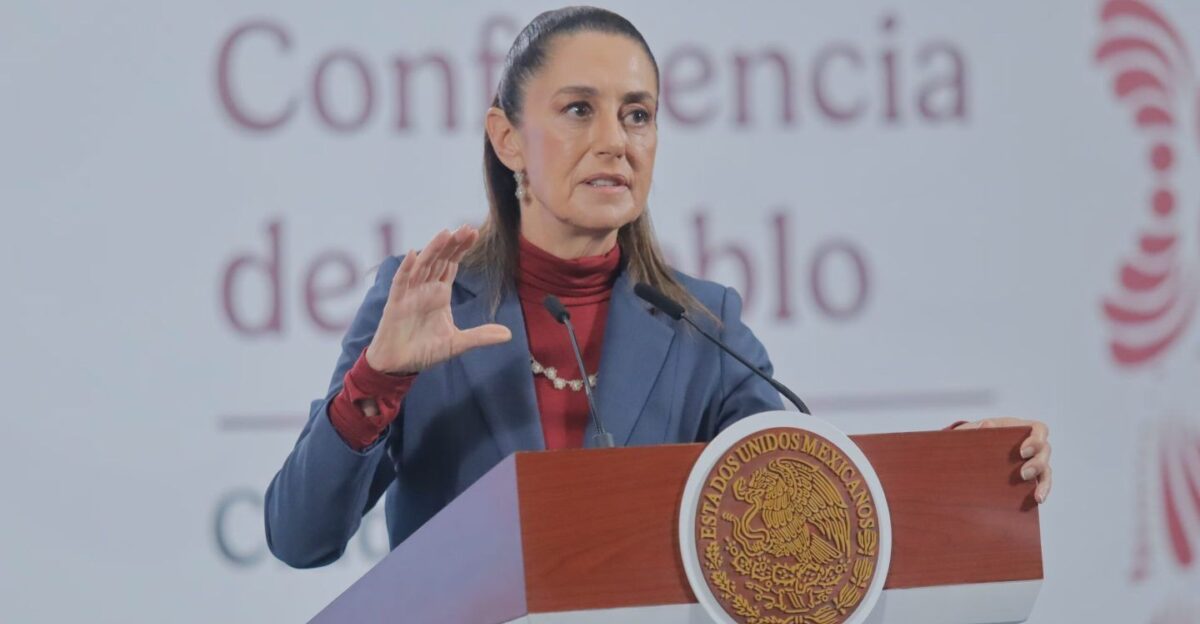
Beyond Latin America, U.S. allies and neighbors are uneasy. In Mexico City, President Sheinbaum emphasized that there will be “no invasion” of Mexico — a not-so-subtle warning against any cross-border intervention. Leaders in Brazil and other regional governments expressed concern over the destabilizing tone.
In Europe, diplomats privately questioned the legal precedent: firing missiles across international waters to kill civilians was seen as “disturbing,” according to insiders.
The crisis even reached the OAS: as Mexico sought a meeting, several Latin American governments requested an emergency session to discuss maritime sovereignty and the drift toward warlike tactics. International lawyers lament that no one has been killed on a U.S.-bound jetliner or blown up its runway, but sending drones for drugs risks making the hemisphere a battleground.
Maritime Law
International maritime law imposes strict rules that the strike may have flouted. Under the UN Convention on the Law of the Sea, a warship encountering a suspect vessel must usually hail, board, and only use force if absolutely necessary. Professor Michael Becker (Ireland) notes sharply: even if traffickers are dubbed “narcoterrorists,” that alone “does not transform them into lawful military targets”.
Nations not party to UNCLOS (like the U.S.) still pledge to act in good faith. Here, experts say lethal force should have been a last resort. Queen’s University’s Luke Moffett told the BBC that any force “must be reasonable and necessary” – for example, to avoid imminent harm to law enforcement – otherwise it breaches human rights protections.
The U.S. Navy reportedly followed its own domestic rules, but outside observers say firing a missile at a passenger craft likely exceeded the self-defense exception.
Precedent Concerns
Human rights and civil society groups condemned the strike as setting a dangerous precedent. In Washington, Latin America specialists warned that deadly force against mere crime suspects invites copycat tactics worldwide. “Traffickers must be arrested, not summarily executed,” emphasized Kenneth Roth.
The Washington Office on Latin America echoed this, stating that the operation “sets a dangerous precedent” that could normalize extrajudicial killings of suspected criminals. Indeed, U.S. agencies spent decades developing anti-drug systems of intelligence, arrest, and prosecution – a military attack undermines all that.
Observers also fear blowback: surviving cartel members or allied militias may retaliate violently.
New Doctrine
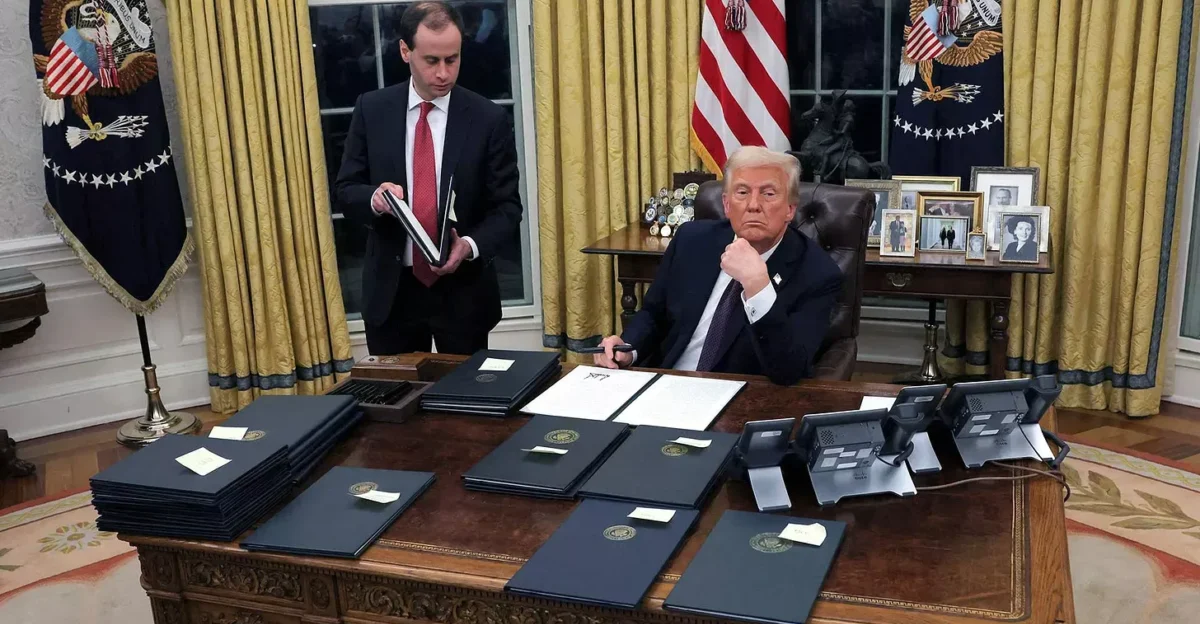
The Caribbean strike has launched a new paradigm in U.S. drug policy – one promised by President Trump on the campaign trail. “We will take down the cartels just as we took down ISIS… We will show NO MERCY to the cartels,” Trump declared in 2016.
That pledge is now operational policy. In effect, Washington has reclassified the war on drugs as a theater of war. Customs agents are being supplemented by missile-armed drones; DEA informants by special-ops targeting planners.
This contrarian approach abandons decades of incremental interdiction. Supporters argue it finally uses force the way cartels understand; critics warn it may unleash a new cycle of violence.