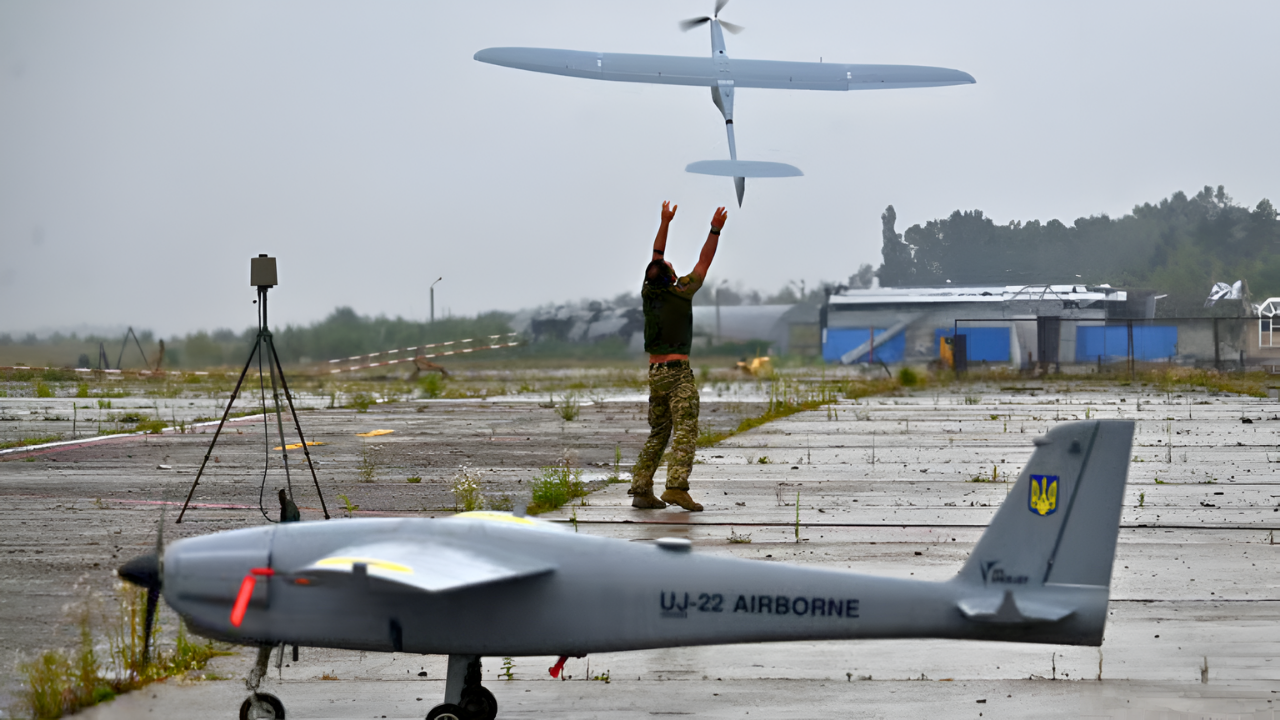
Ukraine has created a major new defense system called the“drone wall. This technology is designed to spot and stop around 700 Russian drone attacks every week. It links radar units, smart software, and interception tools to quickly detect enemy drones and alert defenders. The goal is to keep cities and military bases safe in a war that now increasingly depends on unmanned aircraft.
This system marks a big change in how wars are fought. Modern battles are no longer only about tanks or missiles, they are also fought by computers, radar signals, and remote-controlled aircraft. Ukraine’s innovation shows how countries may defend themselves in the future, combining human decision-making with machines that react faster than ever before.
The Growing Threat and Rapid Response
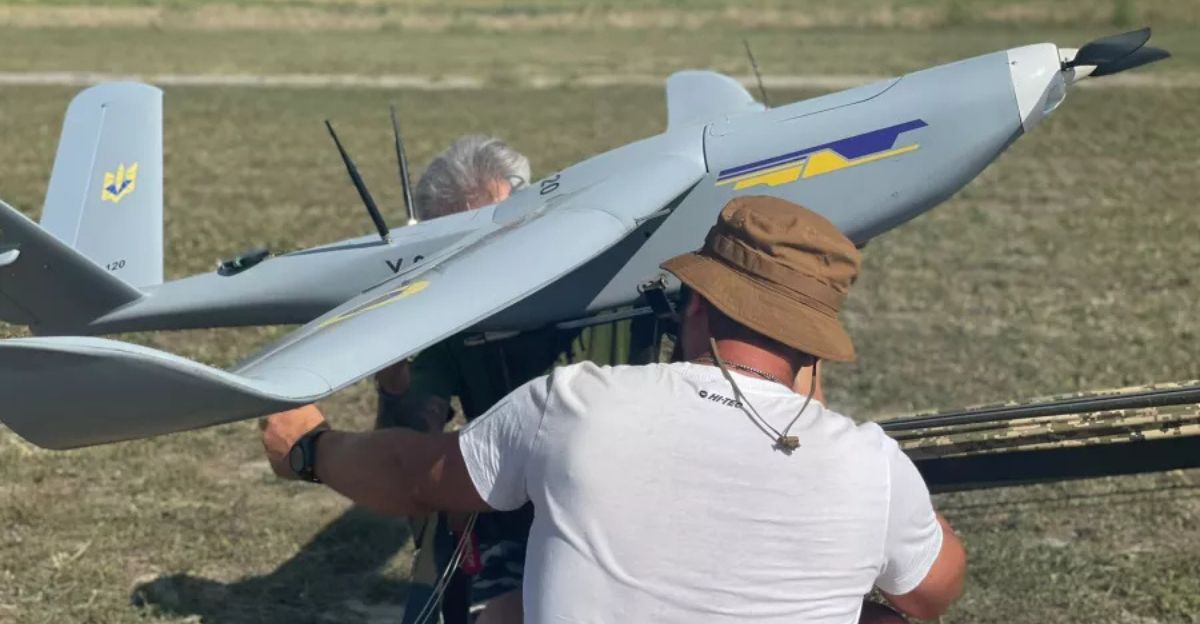
Russia’s drone strikes on Ukraine have reached intense levels, hitting power stations, water supplies, command centers, and residential areas. These attacks often come in large waves to overwhelm Ukraine’s defenses. As a result, many cities have air raid alarms almost every night, and the military must respond instantly to protect civilians.
To survive these constant assaults, Ukrainian engineers and soldiers work nonstop to invent new defenses. They develop radar systems, jamming devices, and detection software that can identify drones before they strike. Working under limited resources and continuous danger, they have turned innovation into a necessity. Every new invention could save lives, making technology as important as weaponry on the front line.
The shift from traditional warfare to unmanned warfare is now complete. Drones handle surveillance, deliver precision strikes, and sometimes even fight in swarms. Instead of soldiers facing each other on the battlefield, many now engage the enemy from computers miles away. Ukraine’s ability to adjust so quickly has gained international admiration, showing that agility and creativity can compete with brute force.
Building the Drone Wall
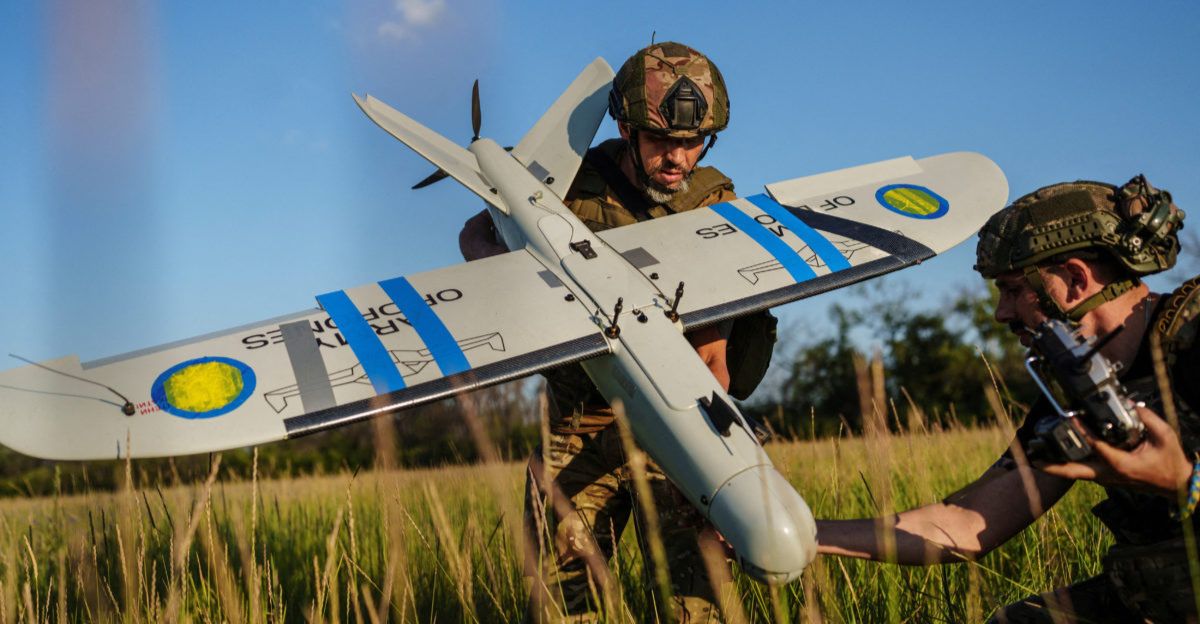
Ukraine’s first operational drone wall went live in October 2025, using a system called Robin Radar IRIS. This Dutch-designed technology was heavily customized by Ukrainian experts to meet real battlefield needs. The system provides full 360-degree coverage, tracking incoming drones in real time and updating software instantly to counter new Russian attack methods.
Unlike older, fixed defense systems, the drone wall constantly adapts to changing conditions. Military commanders at the front can shift detection resources and targeting priorities in minutes. This flexibility allows Ukraine to handle new threats almost as soon as they appear.
The success of the IRIS system shows how soldiers and engineers now work as one team. Commanders give on-the-ground feedback, and tech developers use it to refine the system. This cooperation blends human judgment with artificial intelligence, making defense faster and smarter. The drone wall is also part of a larger network of Ukrainian defenses that link radar, machine learning, and anti-drone weapons into a coordinated shield over the country.
Behind this progress is an expanding domestic industry. Since 2022, hundreds of Ukrainian tech companies have joined the military effort, producing millions of drones each year. President Volodymyr Zelenskyy aims to double this output, but power shortages and lack of materials make production difficult. Still, the growth of Ukraine’s drone industry proves that even a smaller nation can compete technologically when survival is at stake.
Challenges, Allies, and the Road Ahead
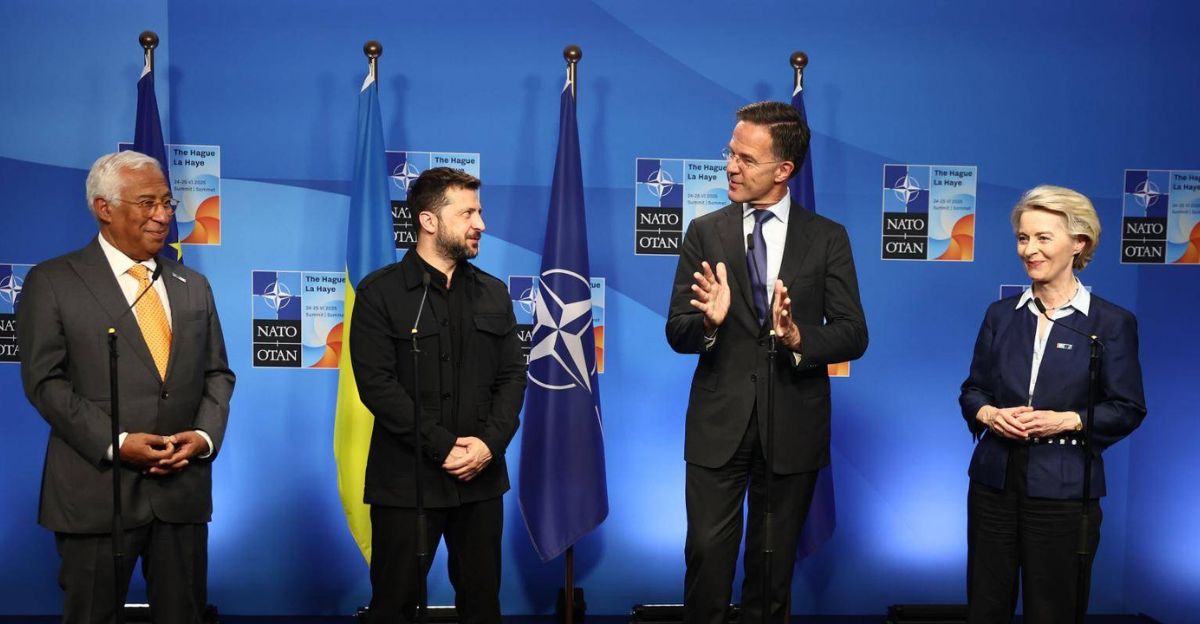
Ukraine’s drone defense effort has caught the attention of NATO and the European Union. Countries like Germany, Poland, and Romania are studying the drone wall model to build similar systems along their borders. Together, these connected defenses could one day form a shared radar network across Europe, exchanging real-time data to protect against drone threats. NATO officials already see Ukraine’s technology as a model for Europe’s next generation of defense systems.
But this innovation race never stops. As Ukraine strengthens its defenses, Russia changes its tactics, targeting radar stations or drone operators to create weak spots in Ukraine’s coverage. This leads to a continuous loop of adaptation and counterattack. No system, no matter how advanced, can guarantee full protection against an enemy determined to find new weaknesses.
Ukraine also faces challenges in keeping up with spare parts, funding, and international support. Experts caution that without constant upgrades and financial aid, the drone wall could become outdated as technology evolves. Meanwhile, Russia is building new drones designed to resist jamming and electronic interference.
To better organize its unmanned operations, Ukraine created a new military branch in 2025: the Unmanned Systems Forces. This group coordinates all drone activities and works on future plans, including AI-controlled drone swarms. The move shows how Ukraine is turning wartime lessons into long-term strength.