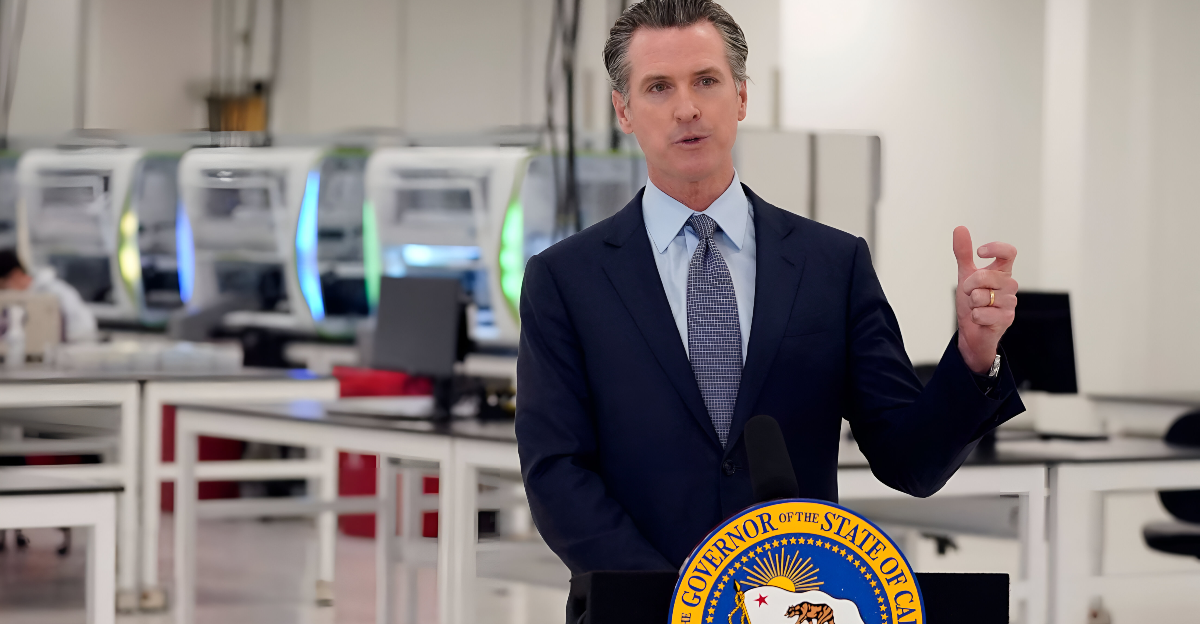
By September 2025, the turmoil at CDC had reached a breaking point. The governors of California, Oregon, and Washington announced a West Coast alliance to write their own vaccine rules, accusing federal health officials of politicizing science. In interviews and press statements, they vowed to base guidance on data, not ideology.
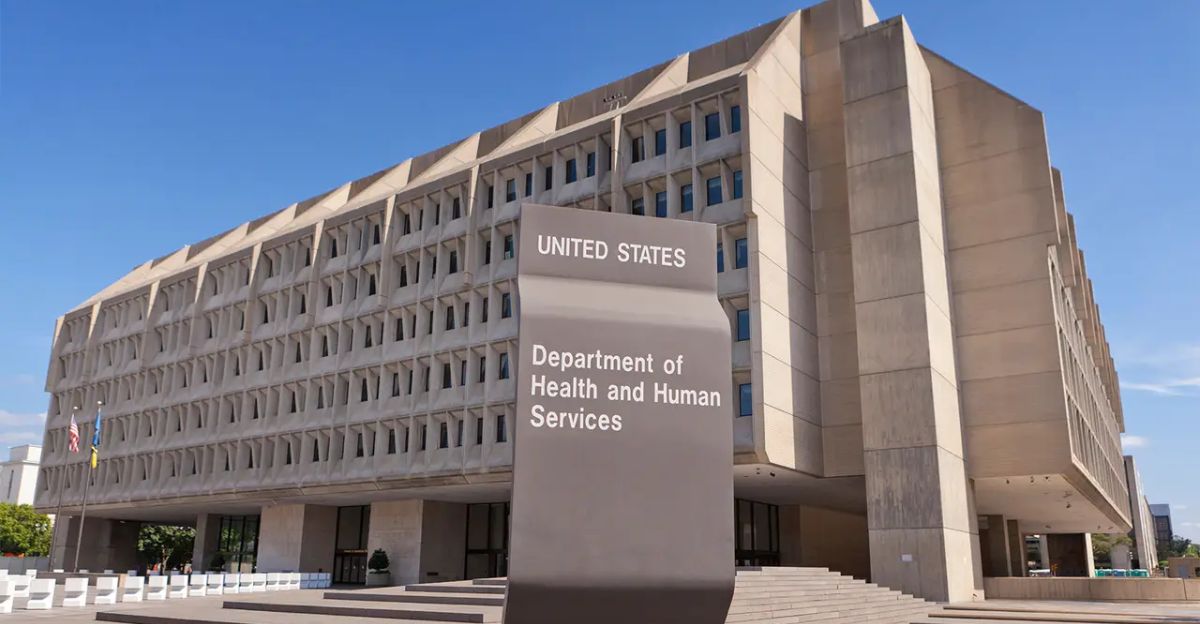
This came on the heels of HHS Secretary RFK Jr. (the former antivaccine activist) firing all 17 members of the CDC’s advisory committee in June and abruptly dismissing the newly confirmed CDC director by August.
Four senior CDC scientists resigned in protest, the agency suffered a violent gun attack on its Atlanta campus, and thousands of staff were laid off – signaling a full-blown public health crisis.
Mounting Tensions

The backlash grew as federal moves alienated career officials. In early September, over 1,000 current and former HHS employees signed a letter demanding Kennedy’s resignation, warning that his actions were endangering the nation’s health.
Leading medical groups sued the administration, charging that it had changed vaccine rules “arbitrarily and capriciously” without proper review.
Investors noticed too: the S&P 500 Health Care index slipped about 5% below the broader market this year, as analysts cited regulatory uncertainty stemming from the policy upheaval. Together, these developments painted a picture of a department in disarray.
Historical Context

Kennedy’s purge was unprecedented. No U.S. health secretary had ever dismissed an entire vaccine advisory panel at once, let alone one long-established as the 17-member ACIP.
Normally, committee members serve staggered four-year terms, and any recommendation changes follow months of public scientific review and expert input. By contrast, Kennedy’s White House suddenly tore up decades of process: he ousted all ACIP members in June (replacing them later with handpicked loyalists) and issued new vaccine guidelines without consulting independent experts.
Public health veterans noted that such sweeping unilateral actions had never occurred in the advisory panel’s roughly 60-year history.
Escalating Disruption

The agency’s chaos only deepened. In June Kennedy removed ACIP’s entire membership; by late August he had fired CDC Director Susan Monarez after barely a month on the job. Her ouster triggered an exodus: within 48 hours four top CDC leaders — including the heads of key immunization and respiratory disease centers — resigned in protest.
Meanwhile a lone gunman stormed the Atlanta headquarters in early August, killing an officer and raking multiple buildings with over 180 rounds of fire.
Windows were shattered and offices shuttered as investigators probed the motive. Taken together, these events — mass firings, resignations, a shooting and waves of layoffs — paralyzed CDC’s mission, leaving many staff demoralized and warning that the agency could not prepare for outbreaks under such turmoil.
Alliance Launched

On September 3, California, Oregon and Washington announced the “West Coast Health Alliance” to develop their own COVID-19 vaccine guidance. In a joint statement the governors said the move was needed to “ensure the safety of our residents is protected and guided by evidence-based findings and not political whims”.
Hawaii’s Governor Josh Green, an emergency physician, joined the next day, declaring “public health decisions are grounded in science, not politics” and noting his state’s record vaccination success.
Alliance officials said they would rely on established medical organizations for expertise, promising to coordinate health guidelines so that residents get consistent, science-based recommendations – no matter what Washington D.C. decided.
Regional Impact

The four states represent a vast bloc: roughly 50–55 million people and an economy approaching $4 trillion. By pooling their resources, the West Coast allies aim to speak with one voice on vaccinations. They say each state will still set its own policies — reflecting local laws, demographics and tribal sovereignty — but will harmonize core guidance. For example, they will align their immunization schedules based on the latest science and respected expert groups.
“We are proud…to uphold the scientific integrity of public health recommendations,” the governors declared in announcing Hawaii’s entry, “so that all residents receive credible information free from political interference”.
The alliance plans to finalize shared principles in the coming weeks (with input from pediatricians, ob/gyns, and other clinicians) so that a doctor in Seattle or Honolulu is effectively following the same vaccine playbook.
Professional Response

Major medical societies immediately joined the fray. The American Academy of Pediatrics (AAP), representing 65,000 pediatricians, issued its own guidance. AAP President Susan Kressly emphasized that “our recommendations will continue to be rooted in science and in the best interest of the health of infants, children, and adolescents”, signaling a direct challenge to the CDC.
She warned that ditching a unified, vetted immunization schedule would have dire consequences.
In litigation and public remarks, Kressly and other experts said the federal turmoil is “founded in fear and not evidence” and will leave “our children and communities more vulnerable” to vaccine-preventable diseases like measles, whooping cough, and flu.
Industry Uncertainty

Vaccine manufacturers and drugmakers are struggling with the policy whiplash. Experts warn that “regulatory uncertainty” has muddied the usual path for development: companies do not know what products to advance or how much to produce when guidance keeps shifting.
For example, insurance rules complicate matters — by law, insurers must fully cover any vaccines officially recommended by the federal committee, but may balk if states list a vaccine as optional.
Pharmacies and pediatricians now face a confusing patchwork: some vaccines (for example, certain COVID boosters) are no longer on the federal schedule, so insurers could deny claims. Industry analysts caution this could create coverage gaps, deter investment, and ultimately hinder pandemic preparedness.
Broader Context

The fallout extends into markets and policy. Healthcare stocks have slid to historically low valuations relative to the overall market, reflecting investor jitters. Part of that is due to unrelated trade policy — the current administration has imposed tariffs on imported drugs and is encouraging domestic production to avoid foreign dependency.
Those moves, combined with the vaccine policy chaos, have crimped supply chains and raised costs. At the same time, federal R&D priorities have shifted: under Kennedy, funding for mRNA vaccine platforms has been dramatically cut, with about $500 million reallocated toward older vaccine technologies.
Belt-tightening and upheaval in Washington have led many global public health planners to question whether the U.S. remains a reliable innovator in vaccine development.
Policy Reversal

The pace and style of change stunned many observers. Secretary Kennedy began announcing new vaccine rules directly via public statements and social media rather than through the traditional scientific review process. In May 2025, he declared that healthy children and pregnant women would no longer receive routine COVID-19 vaccinations, overturning decades of pediatric guidance.
The CDC quietly updated its childhood immunization schedule to say that COVID-19 shots “may” be given to those groups only under “shared clinical decision-making” with a doctor.
These abrupt shifts prompted sharp rebuttals from the medical community. As Dr. Céline Gounder of KFF News urged on national TV, “Parents should really stick to the course and make sure that their children get all of the routine childhood vaccinations”, underscoring that the standard infant and child vaccines (measles, polio, etc.) remain critical despite the confusion.
Internal Conflict

Within CDC, the changes sparked fierce infighting. Director Susan Monarez resisted efforts by Kennedy’s team to pre-approve new recommendations from the reconstituted advisory panel. In an official statement, Monarez’s attorneys said she had chosen “protecting the public over serving a political agenda” when she balked at rubber-stamping unvetted directives.
HHS, by contrast, portrayed her as out of step with leadership. Kennedy’s camp claimed he fired Monarez for admitting she was “untrustworthy,” a charge her lawyers denounced as “patently ridiculous” and baseless.
The breakdown in trust led to unprecedented turnover: many former career scientists said they could not work under the new regime, a rare mass defection in CDC’s history.
Leadership Change

As Monarez exited, Kennedy named political ally Jim O’Neill as acting CDC director. O’Neill is a Harvard-educated former tech investor and longtime RFK Jr. advisor with no formal public health or medical credentials. (By contrast, Monarez held a Ph.D. in microbiology.) O’Neill had been serving as the HHS Deputy Secretary after a Senate-confirmed hearing.
His appointment has raised legal questions: CDC’s top post is Senate-confirmed, so Monarez’s lawyers argue that only the President can remove her.
O’Neill’s résumé is largely political and entrepreneurial — he was an early supporter of Kennedy’s health agenda and even tweeted criticism of CDC’s pandemic response — so many public health veterans worry that he lacks the training to manage outbreaks.
Recovery Efforts
In response to the crisis, the alliance states have begun work on restoring coherent guidance. They said they will finalize a shared set of principles within weeks, then coordinate with national medical societies on vaccine science.
The governors’ communiqué specifically mentions partnering with groups like pediatricians and obstetricians to craft unified recommendations. At the same time, each state pledged to respect its own laws and communities (including Tribal nations) while collaborating regionally.
For example, Washington’s health department said it will work with Oregon and California to ensure children and adults “receive consistent, science-based recommendations” regardless of federal policy.
Expert Skepticism

Nationally, leading experts are sounding the alarm. Former CDC head Dr. Tom Frieden called the mass firing of vaccine advisers “dangerous and unprecedented,” saying it “makes our families less safe” (he was cited by Resolve to Save Lives).
Dr. Michael Osterholm, a noted disease specialist, warned that this “is one of the darkest days in modern public health history”. Reflecting those fears, the University of Minnesota’s CIDRAP announced a “Vaccine Integrity Project” to safeguard vaccine science from political interference.
Pediatricians point out that childhood immunization rates have already been slipping; as one epidemiologist noted, “over time, as vaccination coverage continues to drop, we can expect to see more outbreaks of diseases that are preventable”.
Future Implications

Analysts say the West Coast alliance could mark a lasting fracture in the American public health system. It is arguably the largest formal break from federal vaccine policy in decades. If Washington continues to diverge from mainstream science, other coalitions may follow.
Already, states like Massachusetts and Colorado are exploring legislation to let them base school immunization requirements on professional society advice instead of CDC schedules. Some observers even wonder if global vaccine partnerships will adjust: manufacturers might favor countries with stable, science-driven regulators.
In any case, this episode is being watched as a bellwether for how resilient evidence-based medicine remains amid rising political polarization.
Political Ramifications
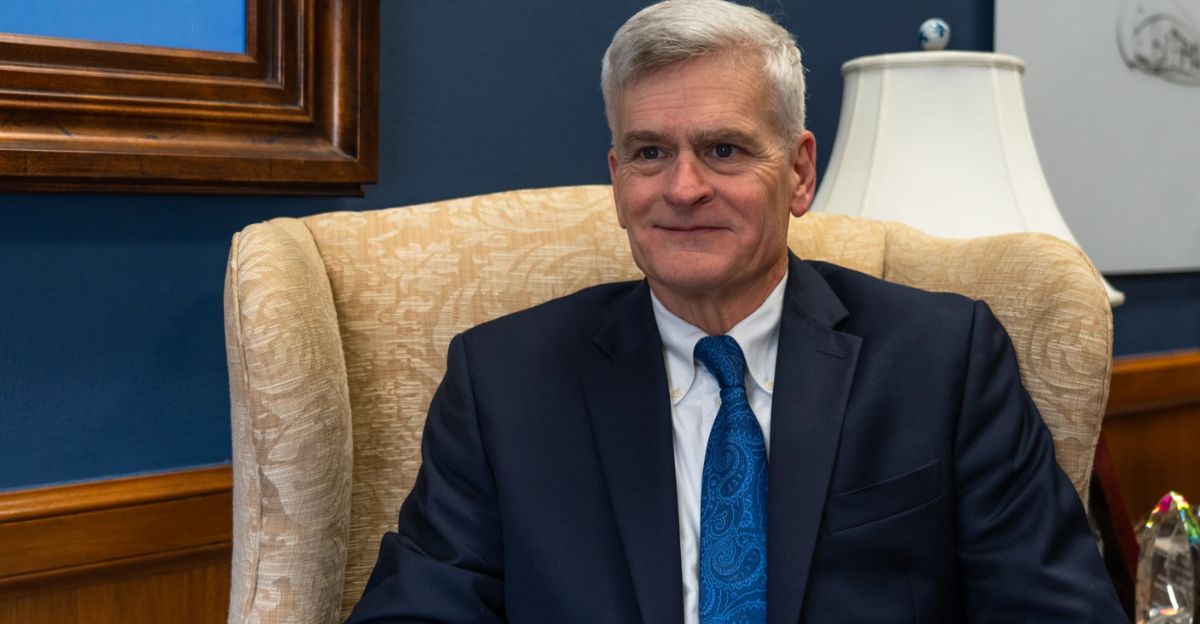
The upheaval has become a partisan flashpoint. At Senate hearings, both Republicans and Democrats blasted the administration’s performance. GOP Sen. Bill Cassidy accused Kennedy of “breaking promises” on vaccines, while others questioned whether the White House was effectively limiting access to lifesaving shots.
In response, HHS officials insisted that the new policies are about restoring public trust. Spokesman Andrew Nixon told reporters the changes would be grounded in “rigorous evidence and Gold Standard Science,” not the “failed politics of the pandemic”.
But many legislators remain skeptical, warning that diverging from CDC norms could politicize health care even more.
Global Ripples

Abroad, health officials are bracing for uncertainty. The U.S. has long been a linchpin of global vaccine supply and guidance, so American policy swings can have a worldwide impact. African vaccine initiatives, for example, depend partly on U.S. tech and investments; leaders there worry about forming reliable partnerships if American rules keep changing.
At the same time, the African Union is doubling down on its goal to build local vaccine production capacity, precisely to avoid past reliance on external sources.
International agencies like the WHO are watching the U.S. situation closely, since American regulatory stability has been a cornerstone of pandemic preparedness and disease prevention.
Legal Challenges

Legal battles are underway. Last summer, leading medical societies – including the AAP and Infectious Diseases Society – sued the administration, arguing that federal law requires proper scientific review before altering vaccine guidance.
The complaint alleges that Kennedy’s office violated the Administrative Procedure Act by skipping public comment and peer review, effectively acting “arbitrarily and capriciously”.
Courts will have to decide if the abrupt policy shifts followed the required procedures. The outcome could set an important precedent for how much freedom any future HHS secretary has to remake health policy without Congress or the courts stepping in.
Generational Impact

For parents and families, the changes have been jarring. Many parents say they’re confused about what shots are recommended for their kids. Pediatric clinics report a rise in vaccine hesitancy as trust in institutions falters.
Young families who remember getting routine childhood vaccines without question now face mixed messages. One vaccine expert warned that if coverage continues to drop due to this uncertainty, “we can expect to see more outbreaks of diseases that are preventable”.
The uncertainty is not just bureaucratic – it directly affects whether children and communities stay protected.
Systemic Transformation

The West Coast Health Alliance may herald a permanent shift toward decentralized public health. By asserting state-level authority over vaccines, these governors are testing whether national coordination can survive sustained political conflict.
If trust in federal agencies doesn’t rebound, the United States could see a patchwork of scientific policies tailored by region rather than by a single national agency.
This unprecedented moment raises a fundamental question: Can evidence-based medicine endure when politics pulls health policy in a thousand directions?