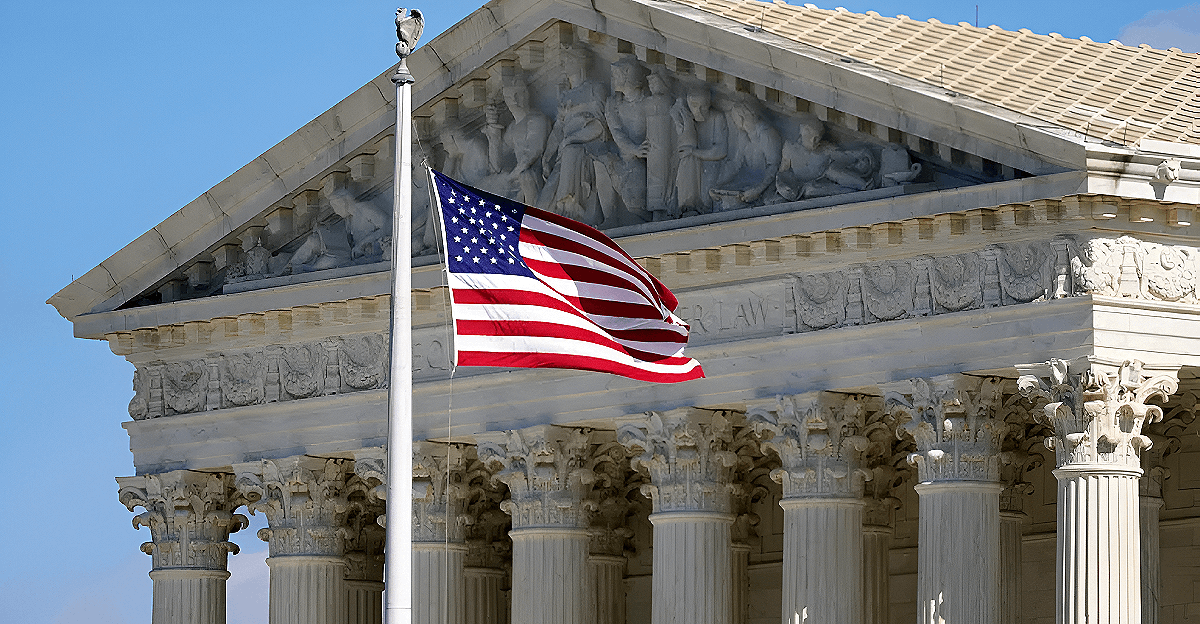
In a major June decision, the U.S. Supreme Court upheld the Affordable Care Act’s (ACA) requirement that private insurers cover preventive care without charging patients. The ruling came in the closely watched case Kennedy v. Braidwood Management, Inc.
The Court ruled 6-3 in favor of the ACA, with Justice Brett Kavanaugh authoring the majority opinion. He was joined by Chief Justice John Roberts and Justices Sotomayor, Kagan, Barrett, and Jackson. Justice Clarence Thomas wrote the dissent, backed by Justices Alito and Gorsuch.
This decision secures access to a wide array of no-cost screenings, vaccines, and health services for millions of Americans. But it also leaves some legal disputes unsettled—especially those involving vaccination guidance and religious objections to HIV prevention coverage. Let’s break down what this ruling means, what’s still in play, and who’s affected.
The Legal Fight Over Preventive Health Coverage
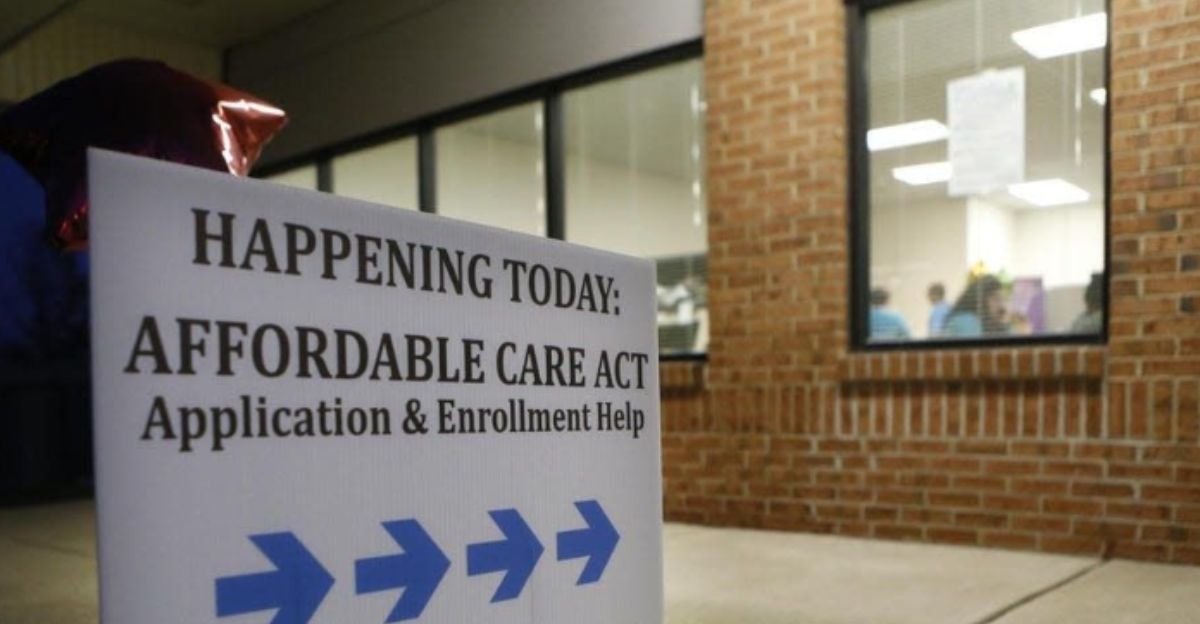
This case began as a challenge to one of the ACA’s core features: the requirement that private insurance plans cover preventive services without copays or deductibles.
The plaintiffs included six individuals and two Texas-based Christian-owned businesses—Braidwood Management and Kelley Orthodontics. They argued that the government overstepped its authority by enforcing coverage for services recommended by expert groups.
The USPSTF and the Appointments Clause

At the core of their challenge was how members of the U.S. Preventive Services Task Force (USPSTF) are appointed—and whether that process is constitutional.
The plaintiffs claimed that USPSTF members are “principal officers” who require Senate confirmation. The Court disagreed, ruling that they are “inferior officers” who can be legally appointed by the Secretary of Health and Human Services.
6-3 Decision: Task Force Appointment Structure Upheld
In a 6-3 ruling, the Supreme Court upheld the USPSTF’s appointment process. The majority found that the Secretary of Health and Human Services wields enough authority over members to satisfy constitutional requirements.
That means the federal government retains its ability to decide, based on expert advice, which preventive services private insurers are required to cover.
Unresolved: ACIP and HRSA
Importantly, the ruling only covered the USPSTF. It didn’t address ongoing legal challenges involving two other key agencies: the Advisory Committee on Immunization Practices (ACIP) and the Health Resources and Services Administration (HRSA).
Lower courts are still weighing whether the Secretary’s endorsement of recommendations from ACIP and HRSA aligns with administrative law. So while USPSTF survived scrutiny, the broader framework remains vulnerable.
Preventive Services Framework Under the ACA
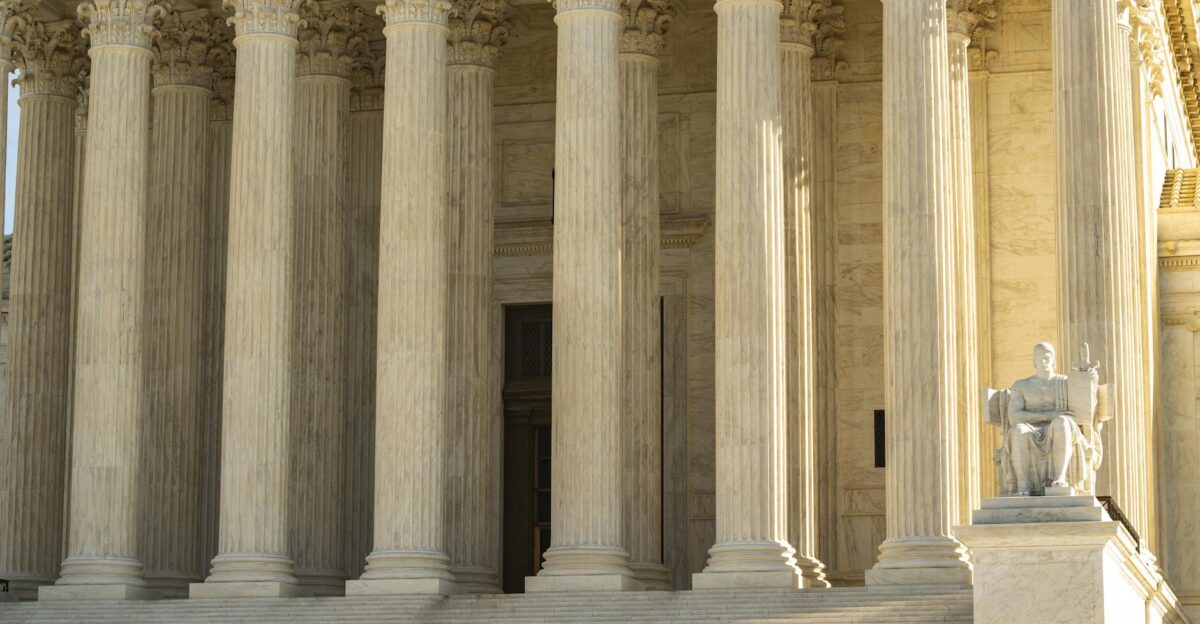
The ACA requires most private health plans—as well as Medicaid expansion programs—to include a wide range of preventive services with no out-of-pocket costs.
Covered services include those that the USPSTF rates “A” or “B,” all vaccines recommended by ACIP, and targeted care for women and children identified by HRSA. Together, these guidelines form the bedrock of preventive coverage in the U.S.
Covered Services: Screenings and Immunizations

The list of required preventive services is extensive—and crucial. It includes cancer screenings like mammograms and colonoscopies, heart risk assessments, blood pressure and cholesterol checks, diabetes testing, vaccines, and behavioral counseling.
These services help catch health conditions early, when they’re cheapest and easiest to treat, benefiting millions who rely on private insurance.
PrEP Coverage and Religious Objections

A key flashpoint in the case centered on HIV prevention. The plaintiffs objected to required coverage of PrEP, a daily medication that reduces HIV risk, arguing it violated their religious beliefs.
Although the Supreme Court didn’t weigh in on the religious liberty issues, the USPSTF’s “A” rating for PrEP still stands, so for now, no-cost coverage remains intact.
PrEP’s Public Health Impact

Scientific studies, including from the CDC, show PrEP is highly effective, cutting HIV risk by up to 99% through sexual contact and 74% for those injecting drugs.
Still, only 23% of people who could benefit from it were prescribed PrEP in 2019. Uptake remains disproportionately low in Black and Latino communities, underlining serious health equity concerns.
Reaching Millions: People Covered
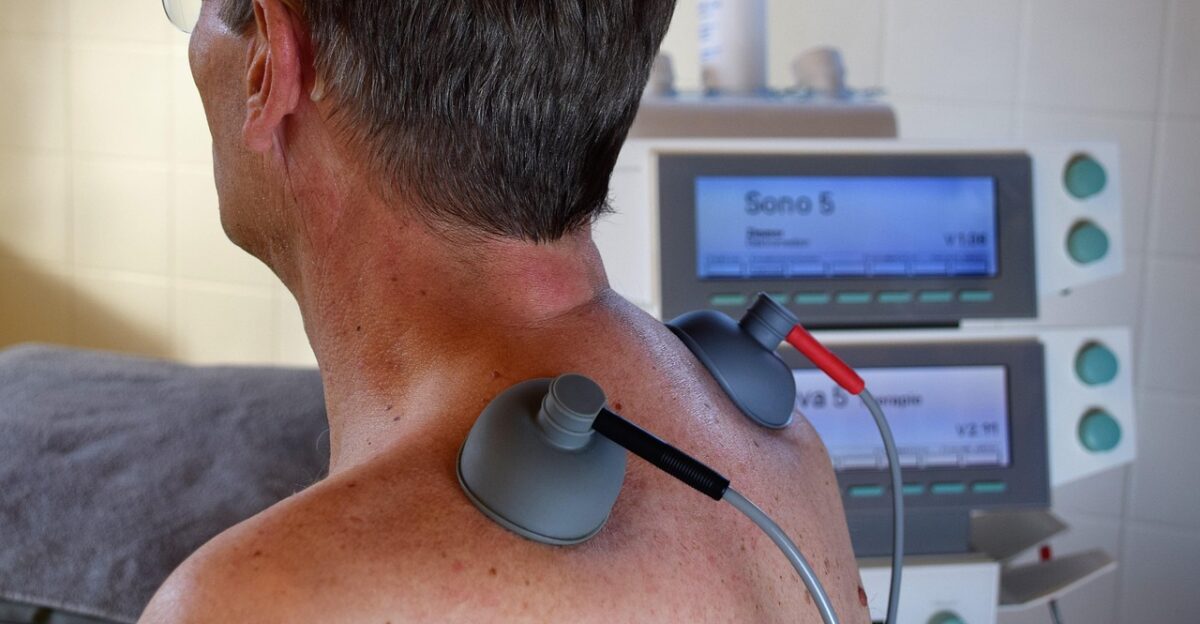
Nearly 100 million Americans with private insurance gain access to free preventive care because of the ACA’s rules.
On top of that, close to 20 million people enrolled through Medicaid expansion also receive these essential services at no cost, making this mandate one of the most far-reaching in modern healthcare.
Impact on Health Outcomes

When individuals access screening early, chronic illnesses like cancer and cardiovascular disease, the leading causes of death, are detected sooner and treated more effectively.
Likewise, vaccines recommended through ACIP play a pivotal role in avoiding widespread outbreaks and boosting community health overall.
Cost Barriers and Economic Impact

Research shows that even small costs can stop people from using preventive services. Removing those barriers dramatically increases participation.
That, in turn, saves money long-term by preventing avoidable health crises, emergency visits, hospitalizations, and advanced-stage diseases that are much more costly to treat.
Promoting Health Equity

One of the ACA’s biggest wins? Leveling the playing field. Preventive care without cost-sharing helps close racial and income-based health gaps.
Women, children, lower-income families, rural communities, and people of color all benefit from easier access to the services they need to stay healthy.

Even with the Supreme Court’s ruling, questions remain. The case didn’t resolve legal concerns about whether ACIP and HRSA have the proper authority over vaccine and women’s health recommendations.
As lower courts continue to review those issues, the scope of what insurers must cover could still change in the future.
Religious Freedom Litigation Still Pending

There’s more courtroom drama ahead. While the Supreme Court sidestepped the religious objections to PrEP coverage, a lower court had previously sided with the plaintiffs.
That piece of the case is still alive. Future rulings could risk scaling back certain services based on religious exemptions.
Administration and Oversight
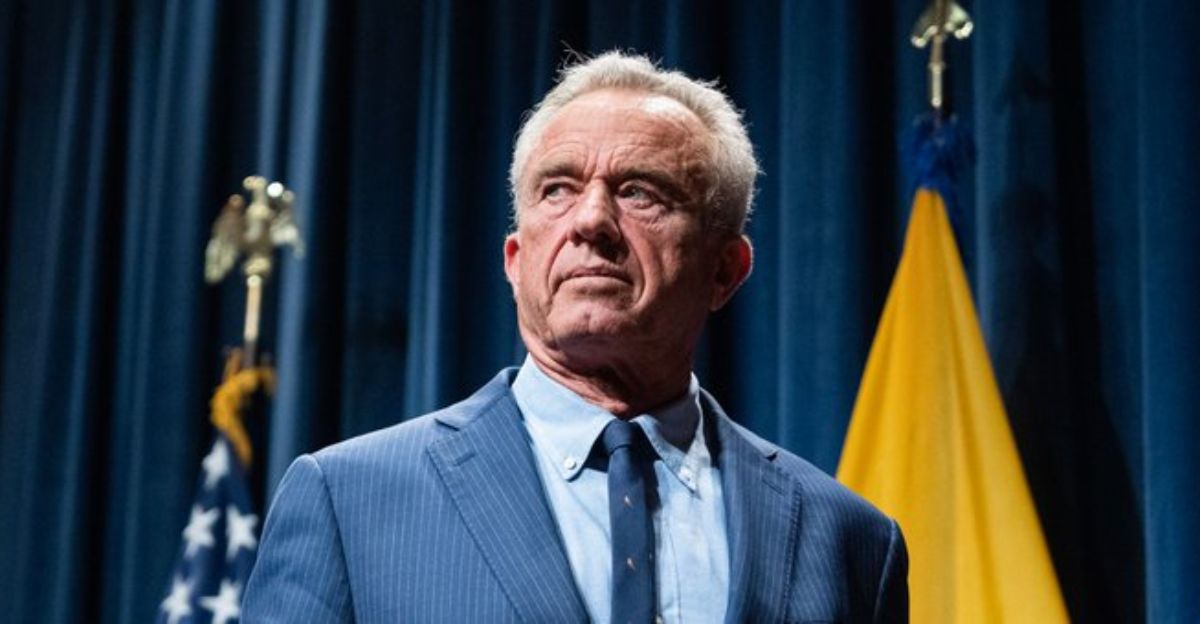
The Court also clarified that the Secretary of Health and Human Services has full authority to oversee, approve, and, if necessary, remove USPSTF members.
While some see this as boosting accountability, others warn it opens the door for politics to creep into what should be scientific, evidence-based medical decisions.
Administrative Law and Accountability

By declaring USPSTF members “inferior officers,” the ruling offers a legal template for how expert panels can operate within constitutional bounds.
It confirms that Congress can rely on expert groups to tackle complex health decisions, so long as a Senate-confirmed official remains in charge.
Continued Vigilance and Advocacy

Though preventive care remains protected, for now, that could change. Legal battles continue, and authority over expert panels may shift depending on who controls the executive branch.
Healthcare advocates say now is the time to stay alert, organize, and keep pressure on policymakers to defend access to trustworthy, science-backed care.
What This Ruling Means Going Forward
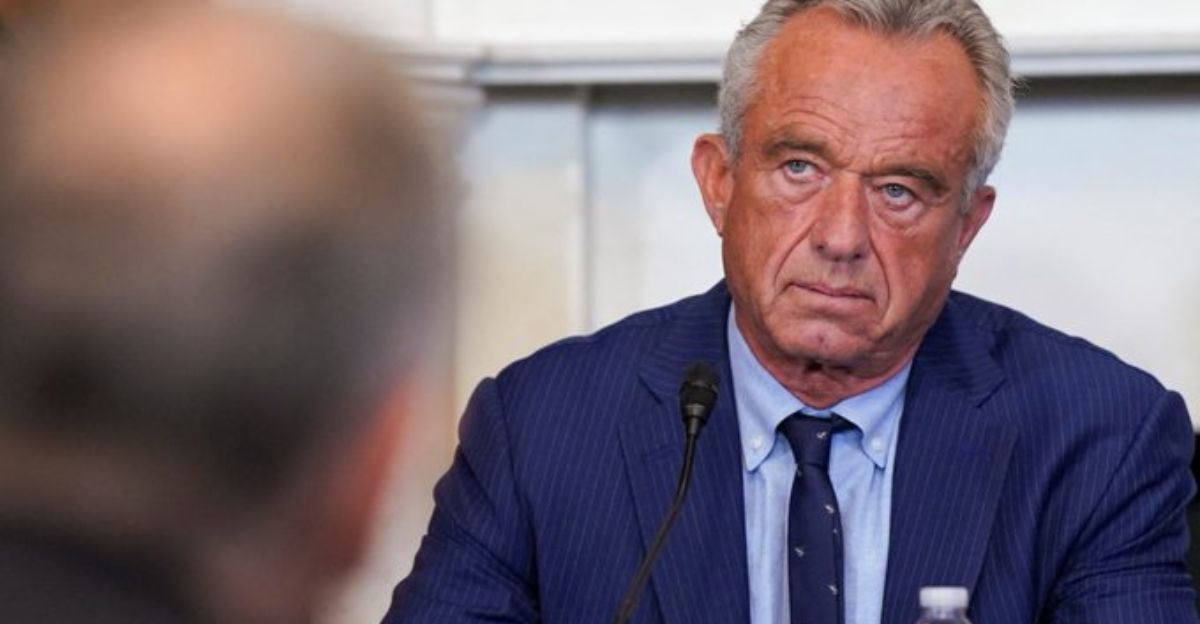
The Supreme Court’s 2025 Kennedy v. Braidwood ruling upheld critical protections for preventive care under the ACA. In doing so, it ensured that millions of Americans can continue accessing screenings, vaccines, and other essential health services at no cost.
It also affirmed the government’s authority to appoint expert panels like USPSTF within constitutional guidelines, reinforcing administrative oversight while preserving evidence-based medical recommendations.
Still, the fight isn’t over. Pending lawsuits over vaccine mandates, women’s health services, and religious exemptions could reshape the legal landscape once again. For now, preventive care stands strong—but all eyes remain on what happens next.