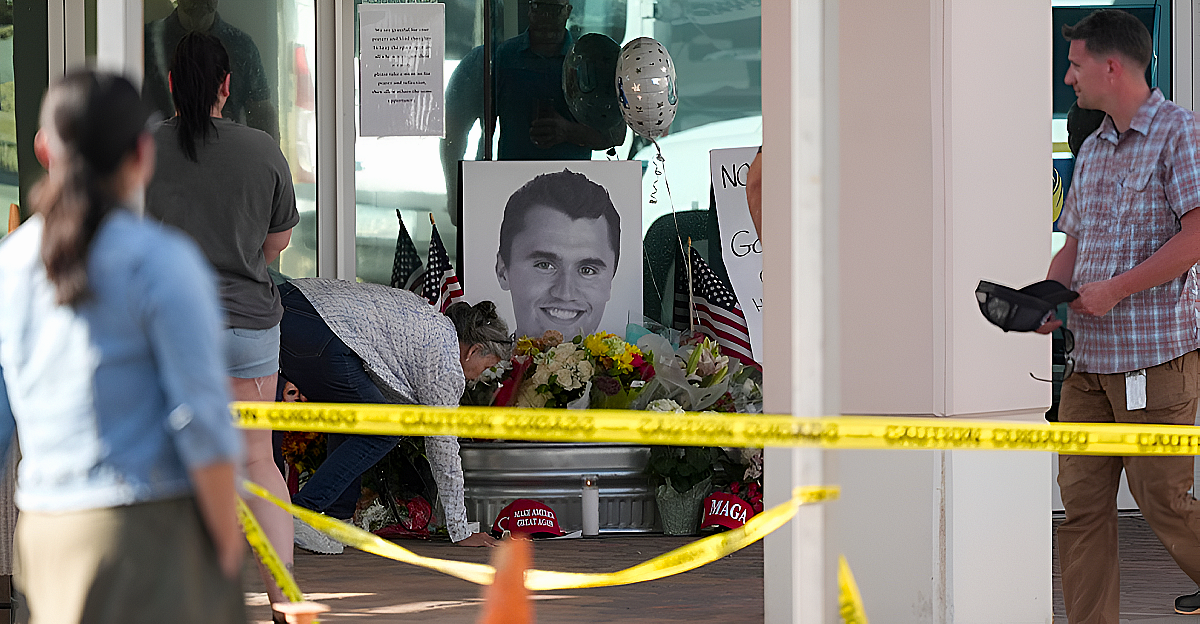
Texas draws widespread attention as officials ramp up disciplinary action against public school teachers over controversial social media posts about the assassination of conservative activist Charlie Kirk. Kirk, who founded Turning Point USA, died after a shooting at Utah Valley University on September 10.
The Texas Education Agency (TEA) quickly began reviewing nearly 180 complaints from parents, community members, and officials who called out posts deemed disrespectful or inflammatory.
Six Texas school districts acted before TEA issued penalties. Klein ISD, Midland ISD, Goose Creek ISD, and Wylie ISD either fired, suspended, or placed teachers on leave based on their online comments. In the Houston area, Klein ISD dismissed a social studies teacher after he called Kirk “racist, homophobic, a misogynist, transphobic, nasty person.”
Goose Creek ISD started termination proceedings for a teacher who wrote Kirk’s death was “the consequence of his actions.” Midland ISD moved an employee to administrative leave. Wylie ISD confirmed that both an elementary teacher and a band director resigned after making remarks about Kirk.
Governor Greg Abbott warned that over 100 educators could lose their teaching licenses for posts that Texas officials interpret as inciting violence, showing the state’s aggressive stance. Education Commissioner Mike Morath told superintendents that comments “calling for and inciting further violence” would trigger suspension or revocation of certification.
Educators and Unions Challenge the Crackdown
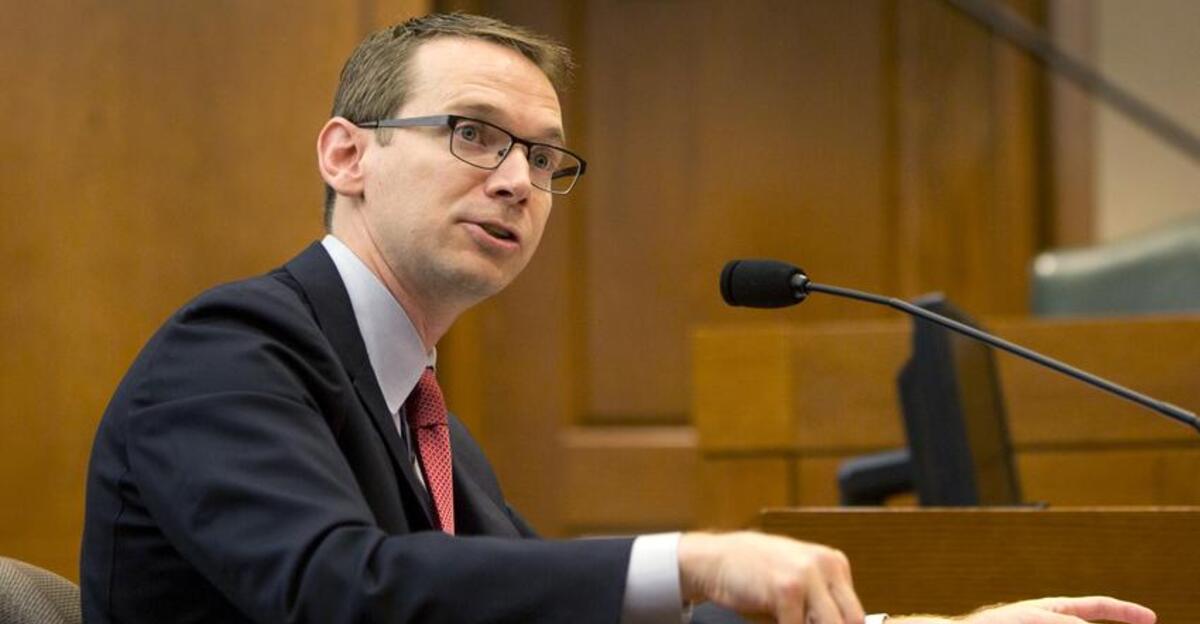
Morath wrote, “While all educators are held to a high standard of professionalism, there is a difference between comments made in poor taste and those that call for and incite further violence—the latter is clearly unacceptable”. Critics call the response a weaponization of official power against teachers expressing personal opinions on their private social media accounts.
Leading educators and union officials push back. Zeph Capo, Texas AFT president, called the review “unprecedented” and said it “silences dissent among school teachers.” Capo stated, “What started with lawmakers weaponizing their platforms against civil servants has morphed into a statewide directive to hunt down and fire educators for opinions shared on their personal social media accounts.”
He and other union leaders warn that vague guidelines leave teachers at risk. Some argue these investigations threaten First Amendment rights as the state struggles to separate professional conduct from private opinions.
Several dismissed teachers spoke out. Sarah Rollwitz, fired by Bilingual Education Institute, says her Instagram posts criticizing reactions to Kirk’s death led to her dismissal; she now seeks legal advice. Multiple teachers and staff in Texas say disciplinary measures have upended their livelihoods.
Intense Debate Over Teachers’ Rights

The discipline has sparked fierce debate about free speech. Some teachers argue that posts, even if in poor taste, should be protected. Critics say the TEA’s approach discourages open discussion and undermines educators’ rights to speak outside the classroom. Conservative groups, meanwhile, demand swift and harsh punishment for any educator who appears to glorify violence.
Morath claims only posts “calling for or inciting further violence” bring penalties. Union leaders disagree. They say vague policies risk punishing unpopular but lawful opinions.
As reviews continue and more names emerge, Texas stands at the center of a new battle over educators’ speech. The next several weeks may reshape the balance between teachers’ professional roles and personal freedoms—not just in Texas, but nationwide.