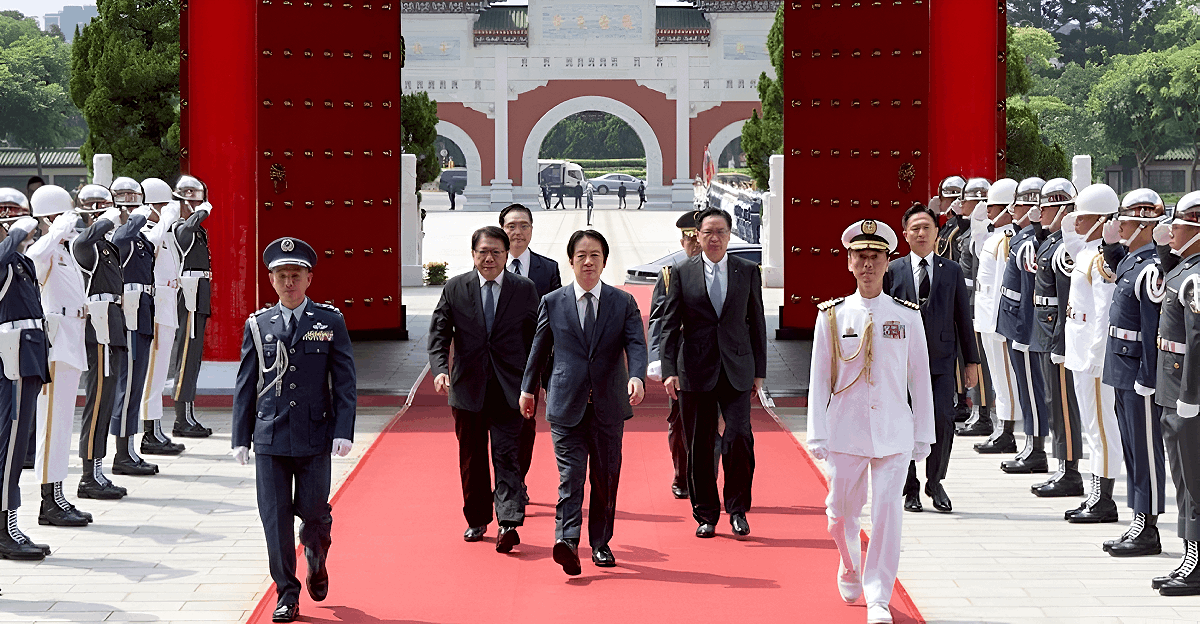
Taiwan is facing increasing pressure from intensified Chinese military activities near its borders. In 2024, Chinese aircraft made over 3,000 incursions into Taiwan’s air defense identification zone, the highest on record.
In response, the Taiwanese government is taking decisive action, signaling a shift in regional security dynamics.
Escalating Stakes
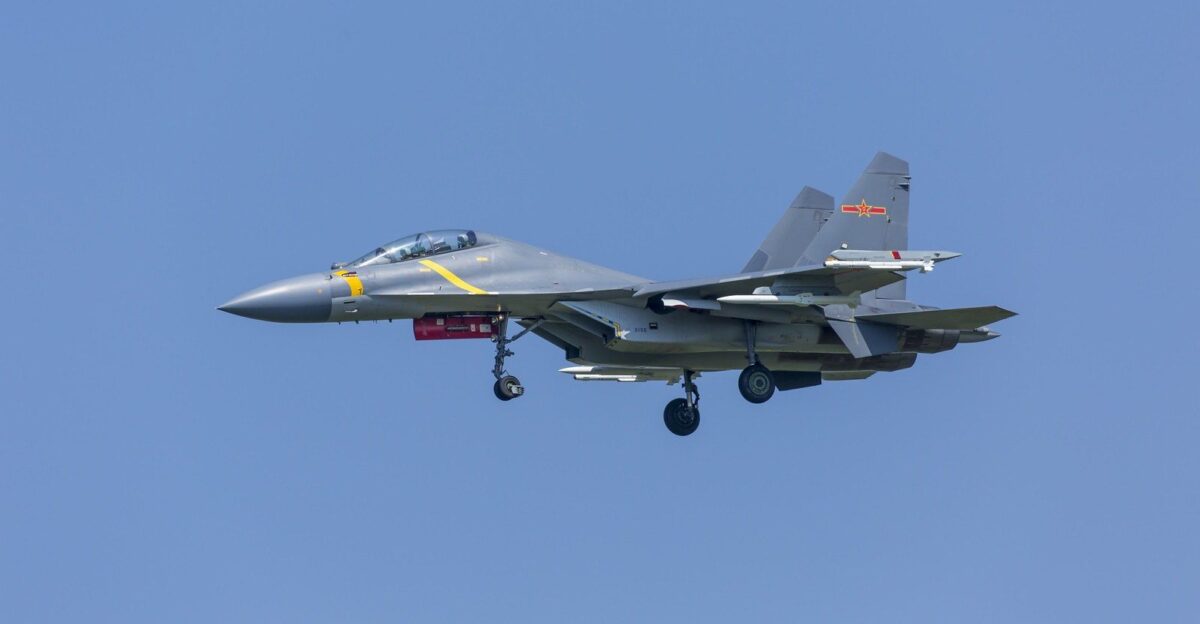
Recent data reveals that Chinese gray-zone operations near Taiwan have surged, with PLA aircraft crossing the median line 313 times in 2024, up from 271 in 2023.
These actions challenge Taiwan’s response capabilities and strain its resources, raising calls for a stronger counterstrategy.
Historical Context
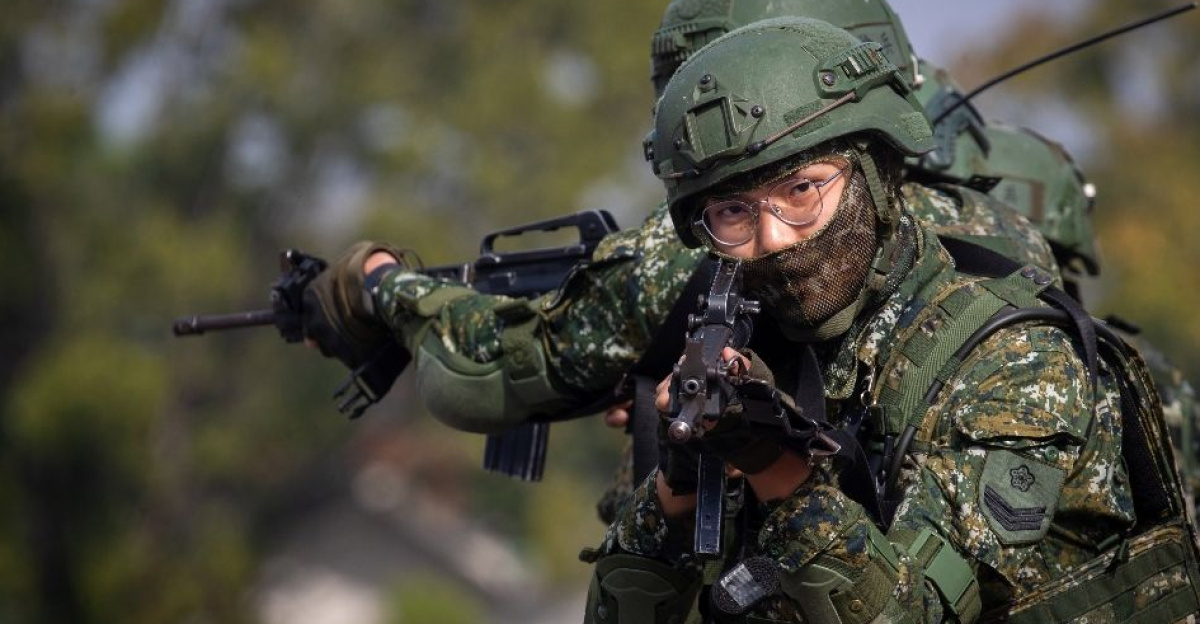
Taiwan’s defense strategy has evolved over the years due to ongoing threats from the People’s Republic of China.
Since the 1990s, the island has increased its military spending, focusing on asymmetric capabilities to counterbalance China’s numerical superiority.
Mounting Pressures

From 2024 to 2025, China’s gray-zone tactics have become more advanced, involving frequent incursions and cyber operations.
In 2024, Taiwan’s government faced cyber attacks reaching 2.4 million attempts per day. These actions blur the lines between peace and conflict, prompting Taiwan to adapt its defense strategies.
Major Funding Approved
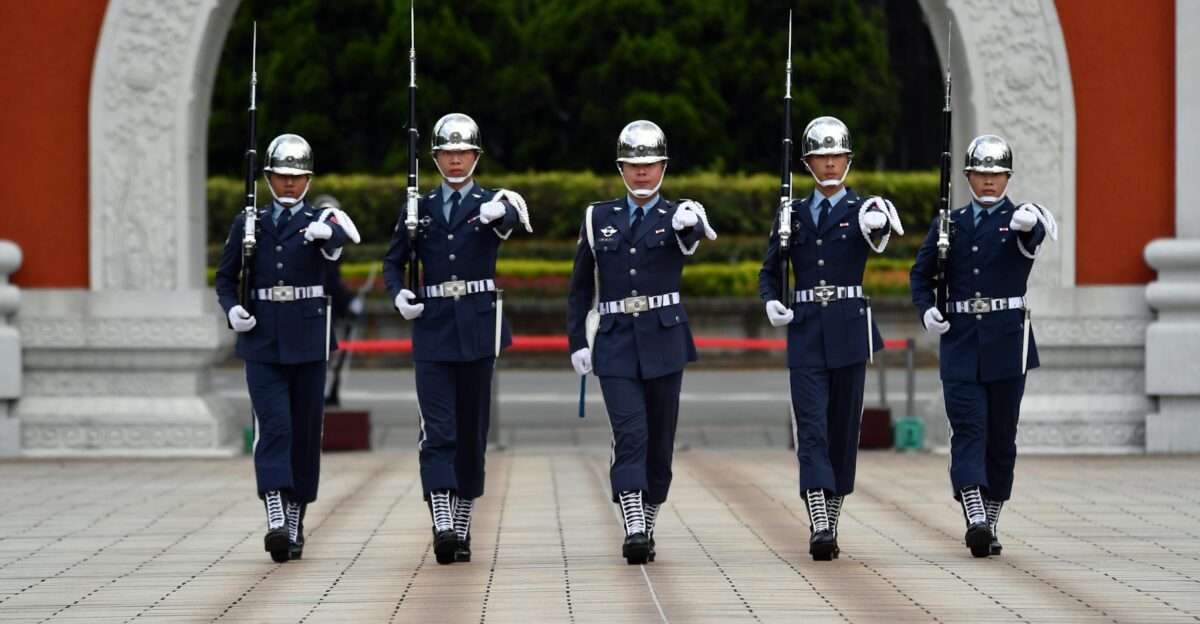
On September 11, 2025, Taiwan’s cabinet approved NT$550 billion (about US$18.1 billion) in special funds, including NT$150 billion for defense.
This decision aims to counter China’s gray-zone pressure and is among the largest defense budget allocations in recent years.
Regional Impact
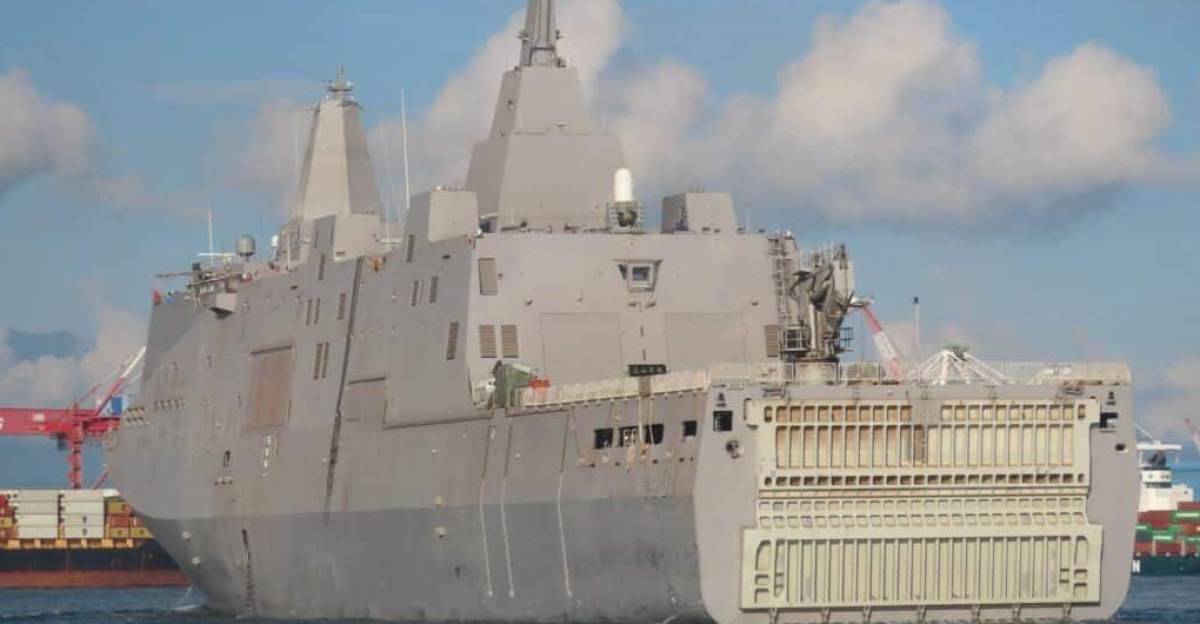
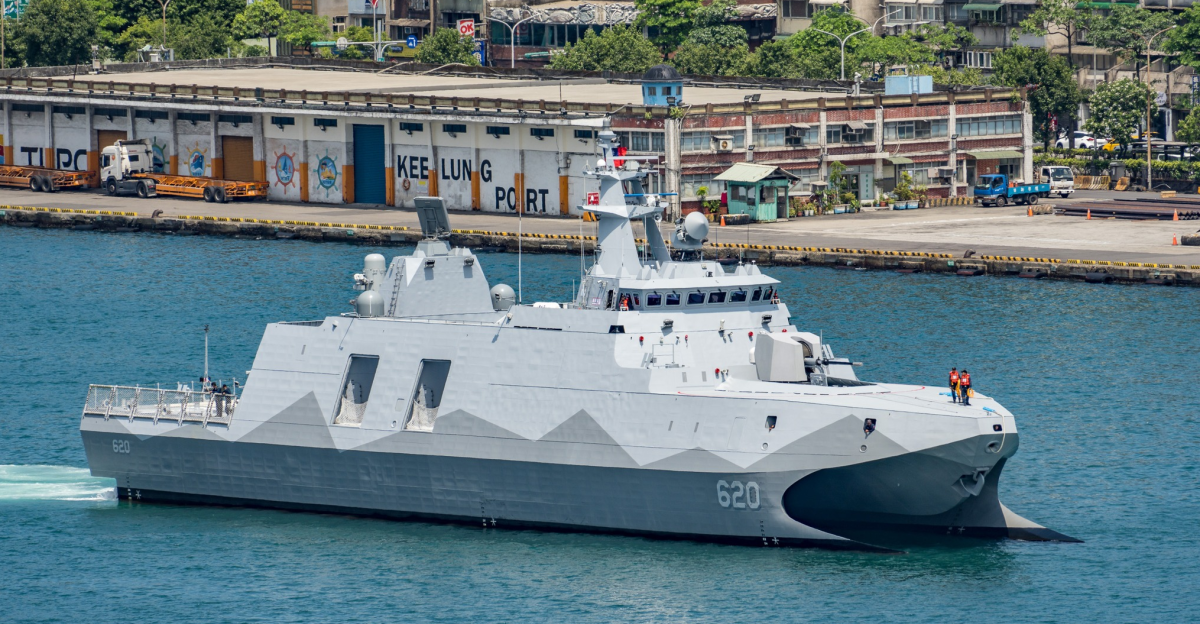
The recently approved budget allocates NT$29.56 billion for 40 new patrol vessels to enhance Taiwan’s maritime surveillance and rapid response capabilities.
This includes 12 vessels in the 2,000-ton class, 14 in the 300-ton class, and 14 in the 100-ton class, all managed by the Ocean Affairs Council.
Greater Safety
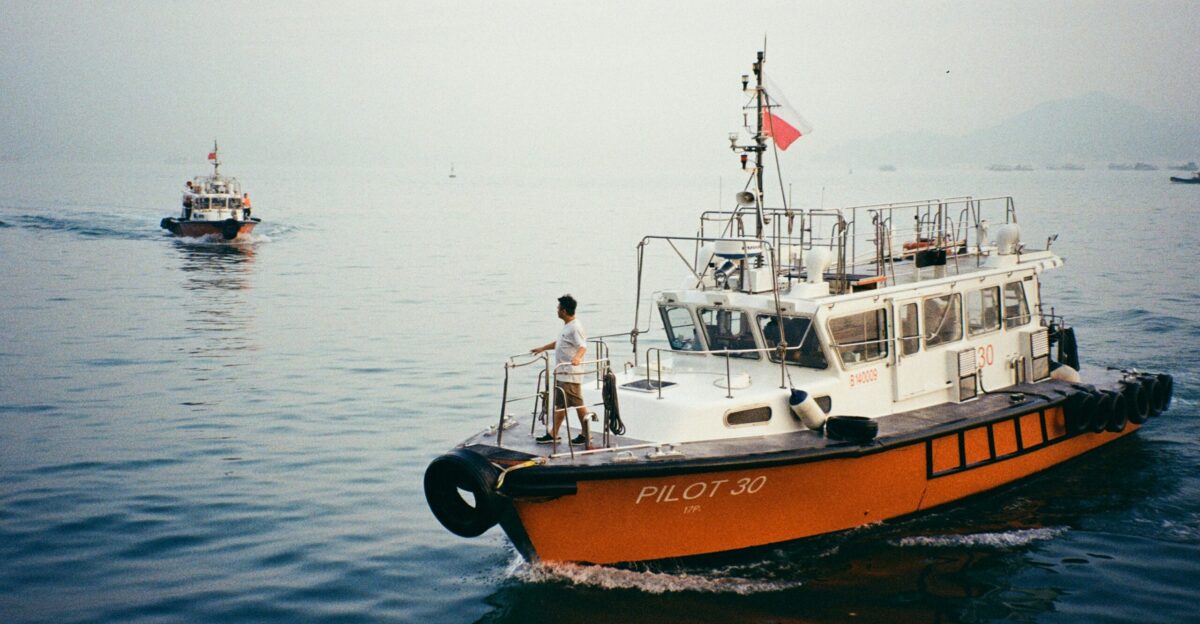
For Taiwanese coast guard crews, the new ships and drones promise greater safety and operational effectiveness.
“We cannot ignore the existence of such threats. We must face them and remain vigilant,” Defense Minister Wellington Koo said.
Competitor Moves
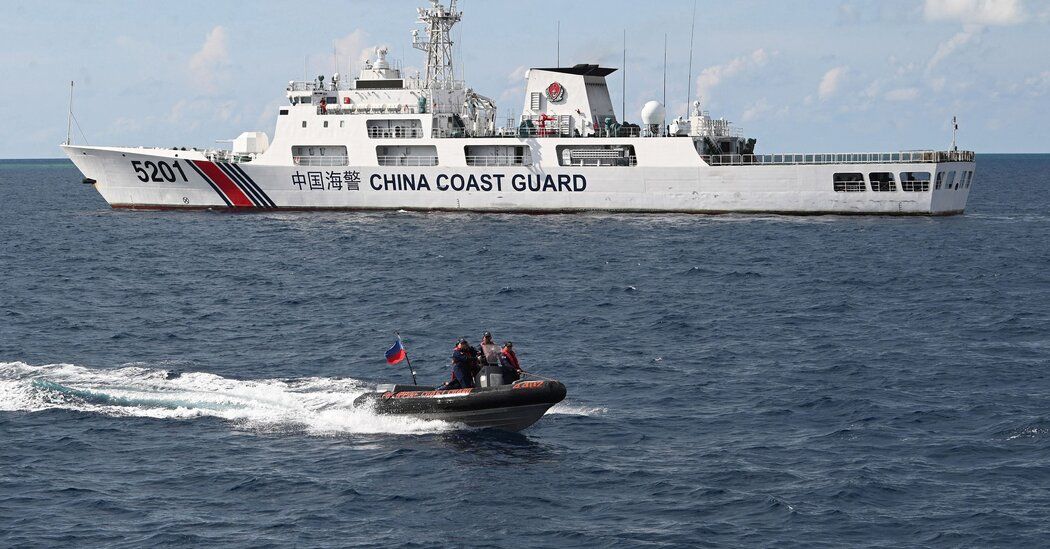
Countries in the region are paying close attention to the advancements in Taiwan’s defense capabilities. Both Japan and the Philippines have responded by enhancing their maritime patrols and investing in drone technology.
This trend reflects a growing regional commitment to addressing gray-zone threats and improving security measures.
Macro Trends

In the proposed budget 2026, Taiwan plans to allocate 3.32% of its GDP to defense spending, an increase compared to previous years.
President Lai Ching-te aims to elevate this figure to 5% of GDP by 2030, which aligns with NATO standards.
Domestic Production
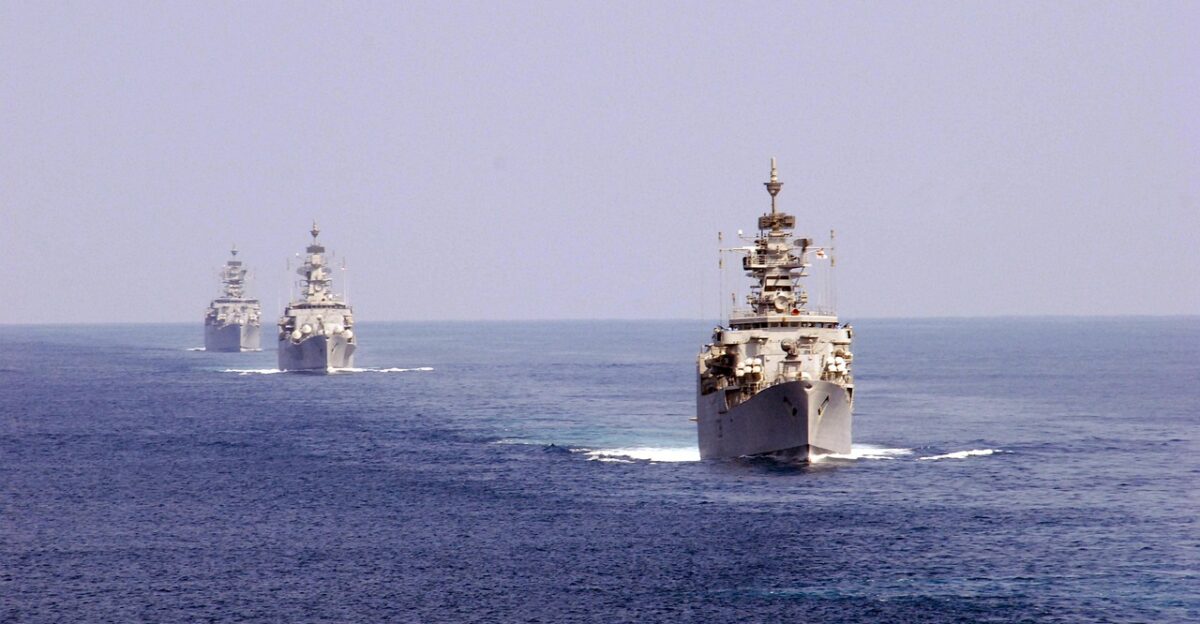
A large part of the special budget is designated for domestic spending, focusing on supporting Taiwanese ship and drone manufacturers.
According to Defense Minister Koo, “all procurement funded by the special budget will be conducted domestically to bolster Taiwan’s economy.”
Internal Debate
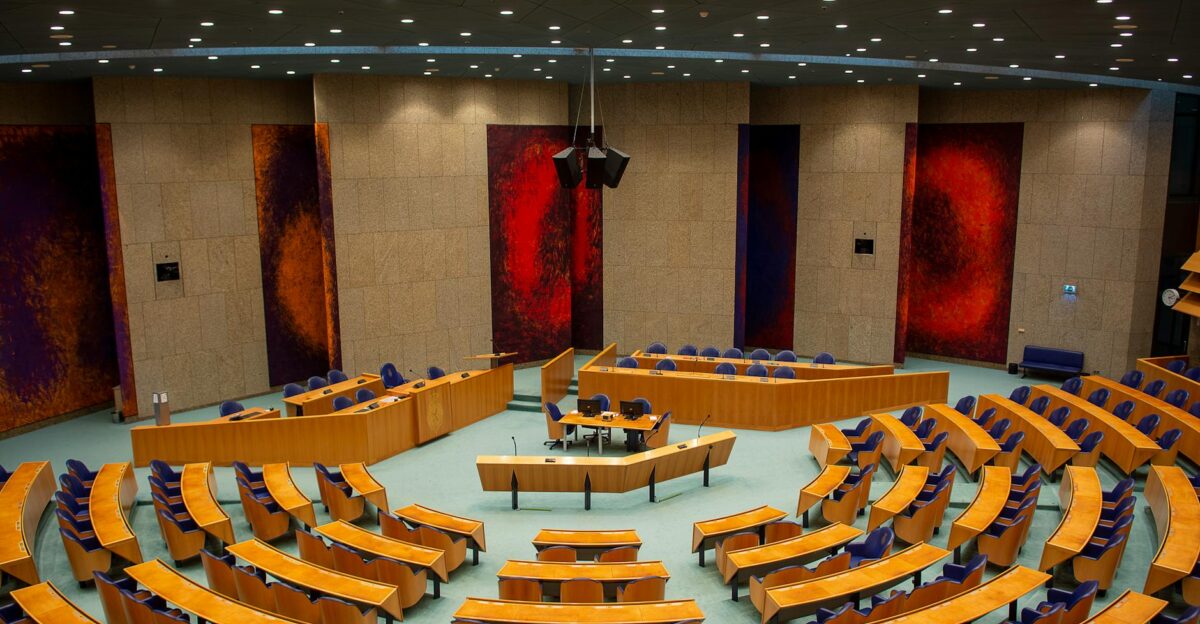
Some lawmakers have expressed concern over the rapid increase in defense spending, questioning resource allocation.
However, the government maintains that national security must take precedence given the current threat landscape.
Leadership Response

President Lai Ching-te has publicly endorsed the expanded defense budget, emphasizing the need for resilience and self-reliance.
His administration has prioritized indigenous defense production and technological innovation.
Strategic Plan
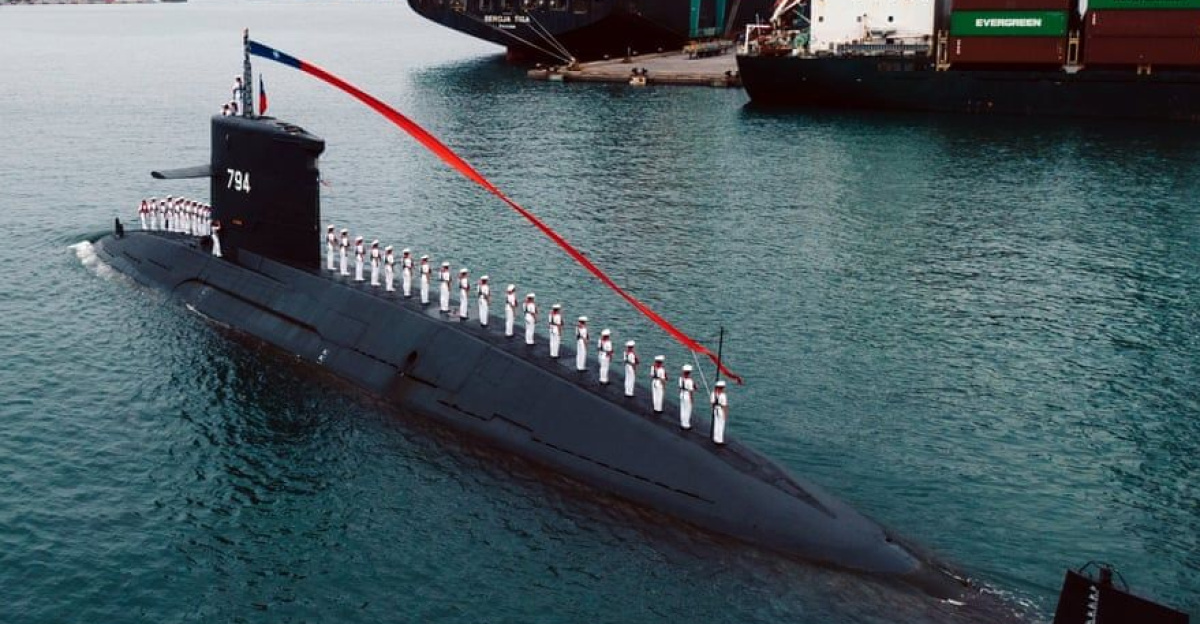
Taiwan’s Ministry of National Defense is implementing a plan to extend wartime reserves from 30 to 120 days using NT$113.2 billion from the special budget.
This includes stockpiling ammunition, upgrading communications, and integrating surveillance systems across military branches.
Expert Outlook
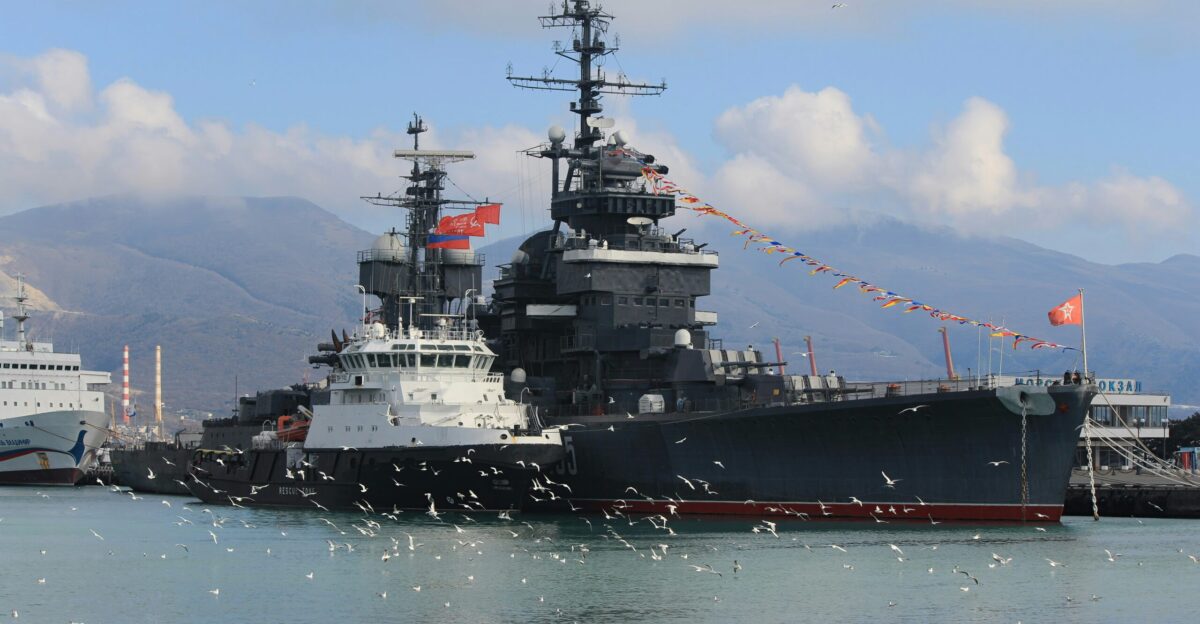
Defense analysts caution that while new ships and drones will improve Taiwan’s capabilities, they are not a panacea.
Sustained investment and international partnerships remain critical to deterring aggression and maintaining stability.
Looking Ahead
Will Taiwan’s latest investments be enough to deter further gray-zone pressure from China?
The coming months will test the effectiveness of these measures as regional tensions continue to simmer.
Political Implications
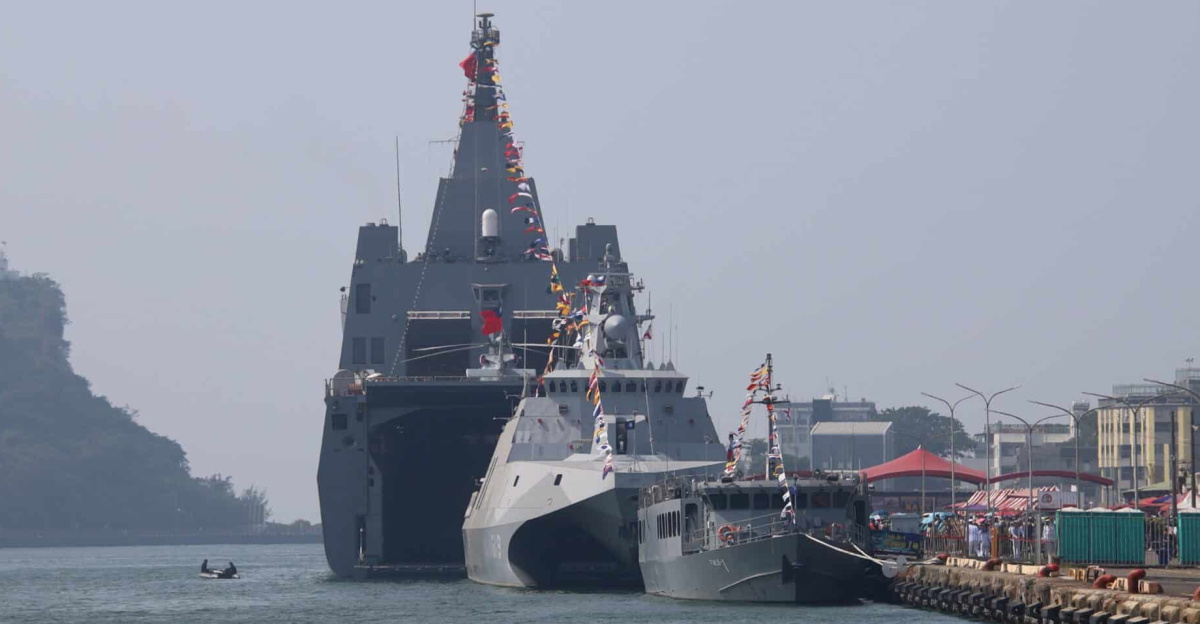
The special budget reflects a broad consensus on the need for stronger defense, demonstrating Taiwan’s commitment to self-defense.
The legislature will now review the proposal for final approval.
International Ripple
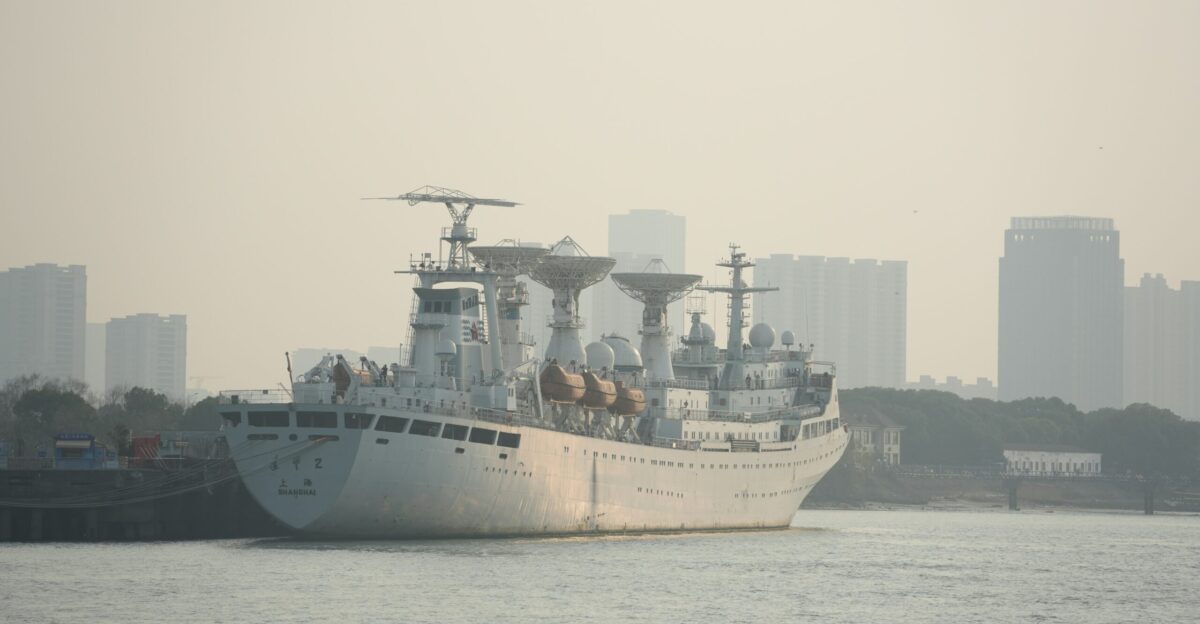
U.S. officials have voiced support for Taiwan’s efforts to strengthen its defenses, while maintaining their commitment to the island’s security.
China has condemned similar defense measures as “provocative” in the past.
Legal and Environmental Angle
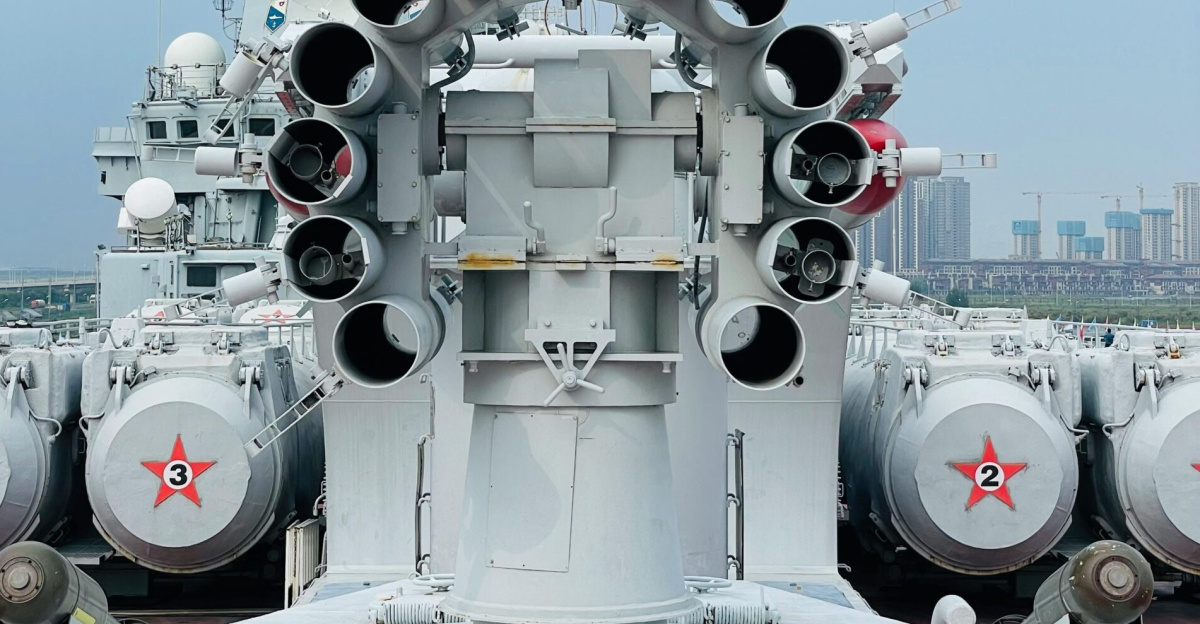
The rapid expansion of Taiwan’s naval fleet raises questions about environmental impact and regulatory oversight.
Authorities have pledged to ensure that new shipbuilding projects comply with maritime and ecological standards.
Cultural Shifts
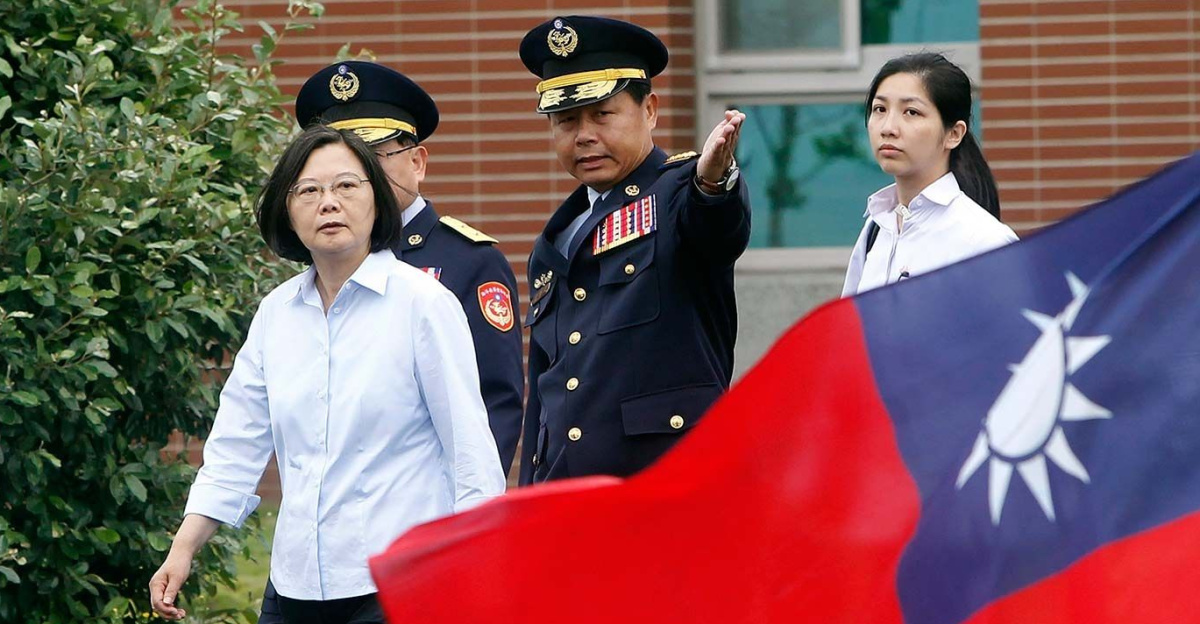
Public opinion in Taiwan has shifted toward greater support for defense spending, especially amid rising Chinese pressure.
This reflects a growing national identity and determination to resist external coercion.
Broader Reflection
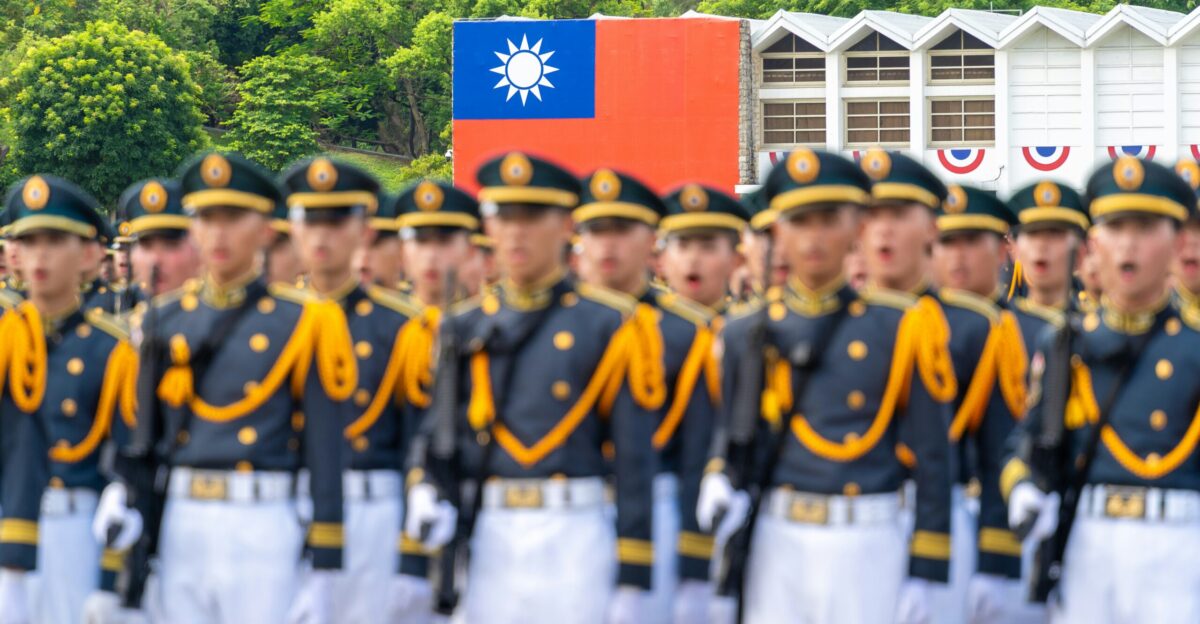
Taiwan’s approval of billions for ships and drones signals a new era in cross-strait relations.
As gray-zone tactics evolve, so too must the island’s approach to security—underscoring the enduring importance of vigilance and adaptability.