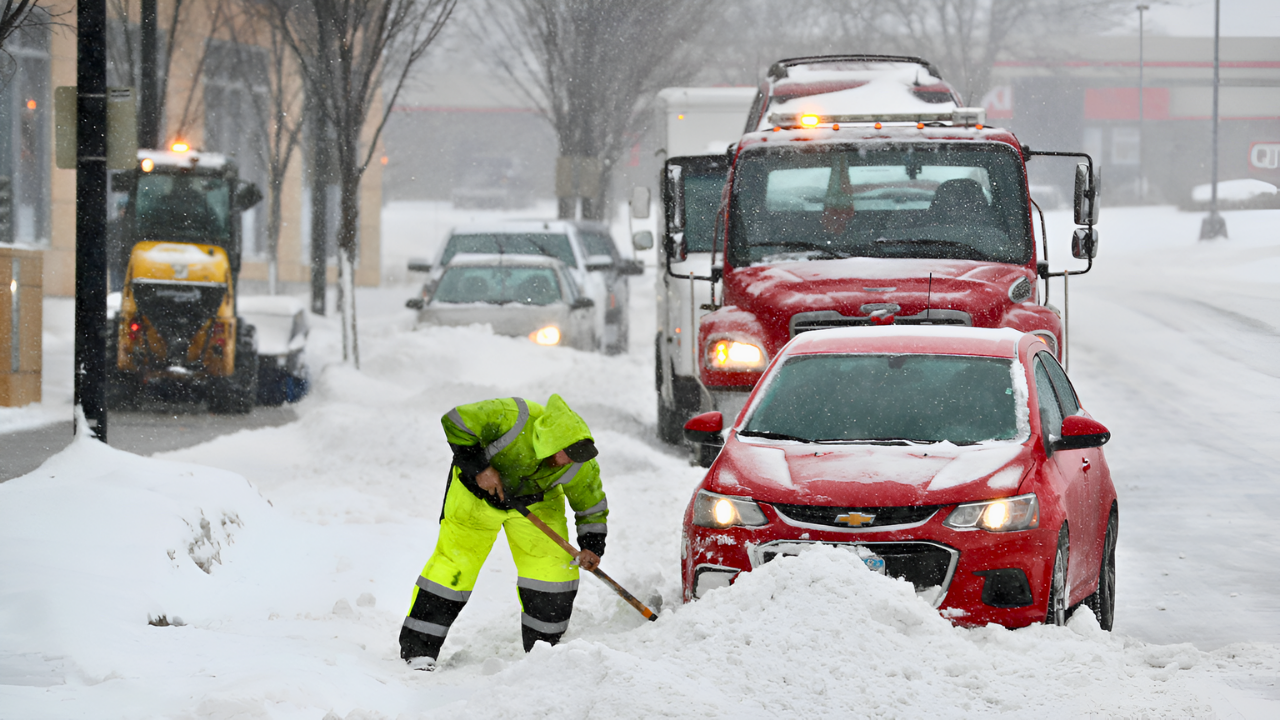
A powerful winter storm has turned roads into sheets of ice across the Tri-State area, making travel dangerous and causing major problems for people trying to fly. Airports are warning that around 1,800 flights could be delayed or canceled as the bad weather continues to move through the region.
Roads Turn Into Ice
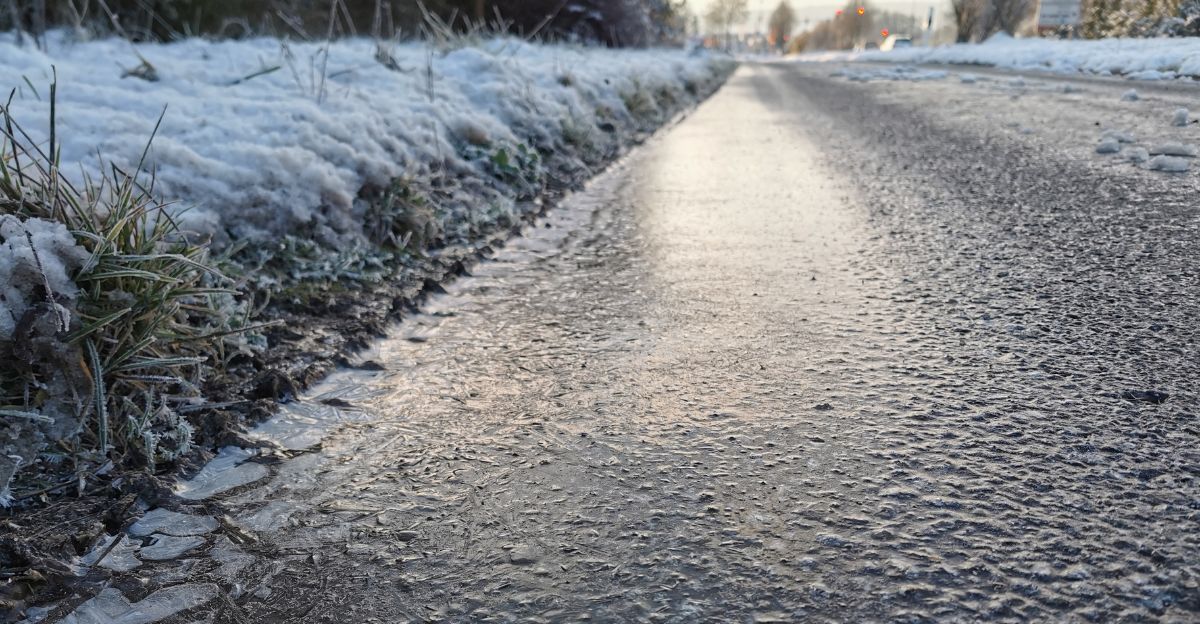
Freezing rain overnight has covered highways, local streets, and bridges with a thin, hard layer of ice that is very difficult to see. This type of ice, often called black ice, makes it easy for cars to slide, even when drivers think they are going slowly and carefully. Police and highway departments are asking people to stay off the roads if they can, because even experienced drivers are having trouble controlling their vehicles.
Crews are spreading salt and sand, but cold temperatures mean it takes longer for the ice to melt and the roads to become safer. Tow trucks and emergency vehicles have been working nonstop to respond to spinouts, fender-benders, and larger crashes on major routes and side streets. In some spots, traffic has slowed to a crawl, and in others, authorities have temporarily closed ramps or lanes to clear wrecks and reduce the risk of pileups.
Flights At Risk And Travel Delays
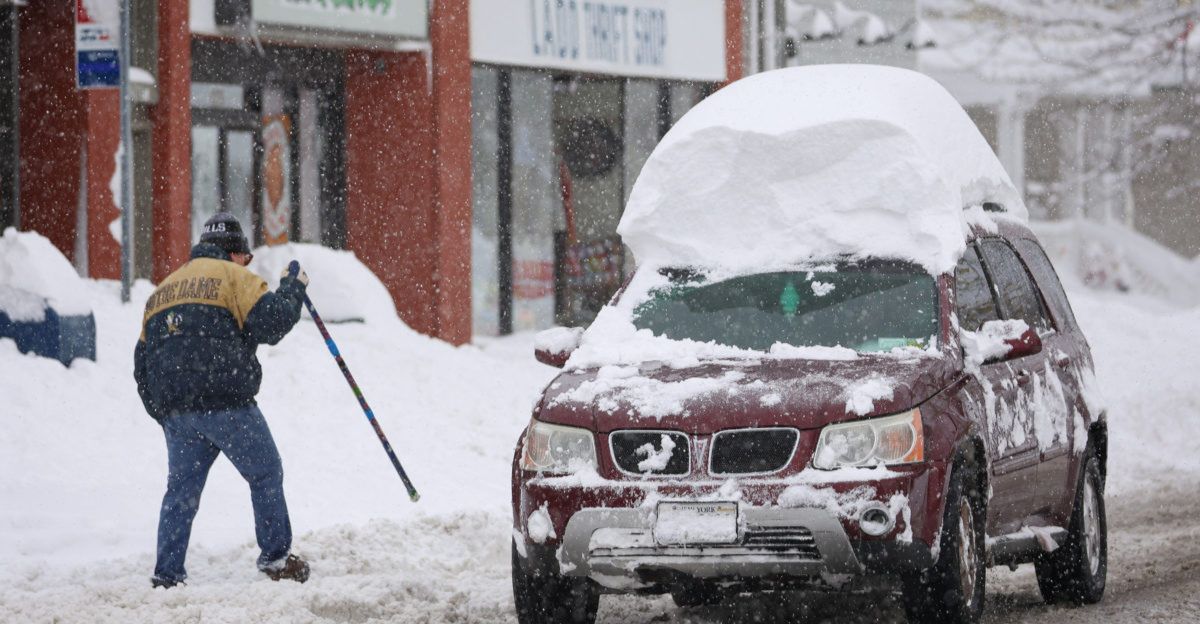
The storm is also creating chaos at airports, with icy runways and low visibility forcing airlines to delay or cancel many flights. Airlines have warned that around 1,800 flights in and out of the Tri-State area could be affected as they try to keep passengers and crews safe. Planes must be de-iced before takeoff, which takes extra time and slows down the whole schedule, leading to longer lines and waiting times at the gates.
Travelers are being urged to check their flight status often, use airline apps, and consider rebooking if possible to avoid getting stranded. People already at the airport are facing crowded terminals, long customer service lines, and difficulty finding new flights because so many seats are already taken. Some passengers may have to stay overnight in hotels or sleep in the airport until the weather improves and more planes can safely take off and land.
Dangers For Drivers And First Responders
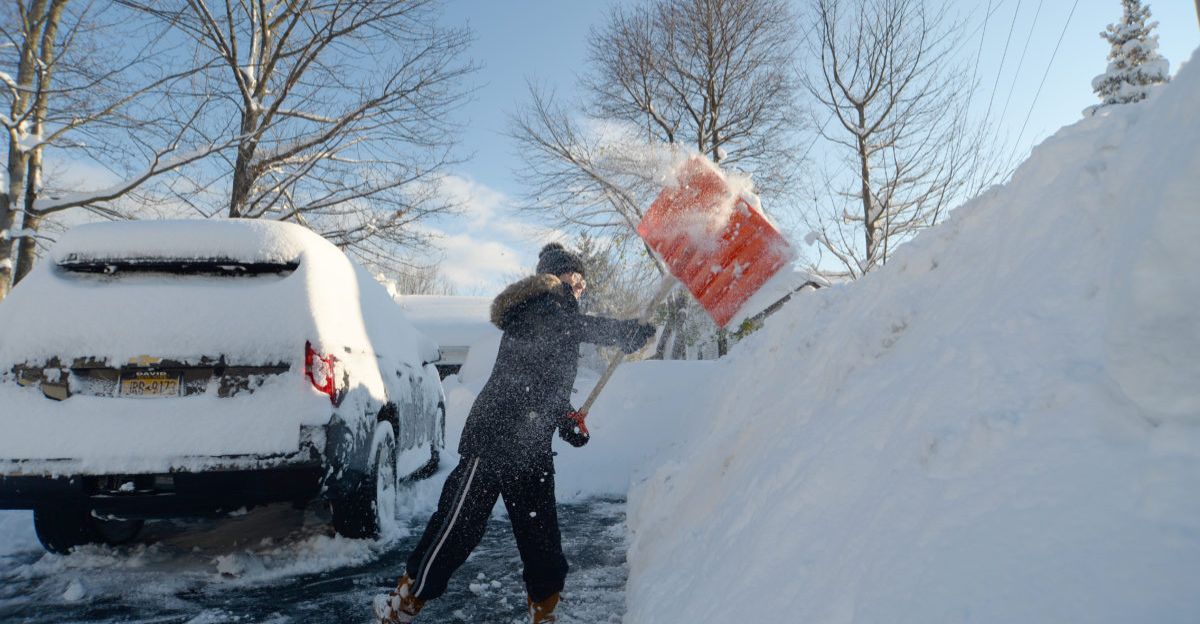
On the roads, the ice is not only dangerous for regular drivers but also for first responders who must reach crash scenes in these same conditions. Firefighters, police officers, and paramedics are responding to multiple accidents at once, which stretches their resources and slows response times. Every new crash puts them at risk of being hit by sliding vehicles as they work along busy highways and icy shoulders.
Officials are reminding people to move over and slow down when they see flashing lights, giving emergency crews more space to work. Even minor hills, curves, and bridges can become problem spots where cars lose traction without warning. In some areas, authorities have advised drivers to carry extra blankets, phone chargers, and a small emergency kit in case they get stuck for a long period in traffic or in a ditch while waiting for help.
How Residents Can Stay Safe
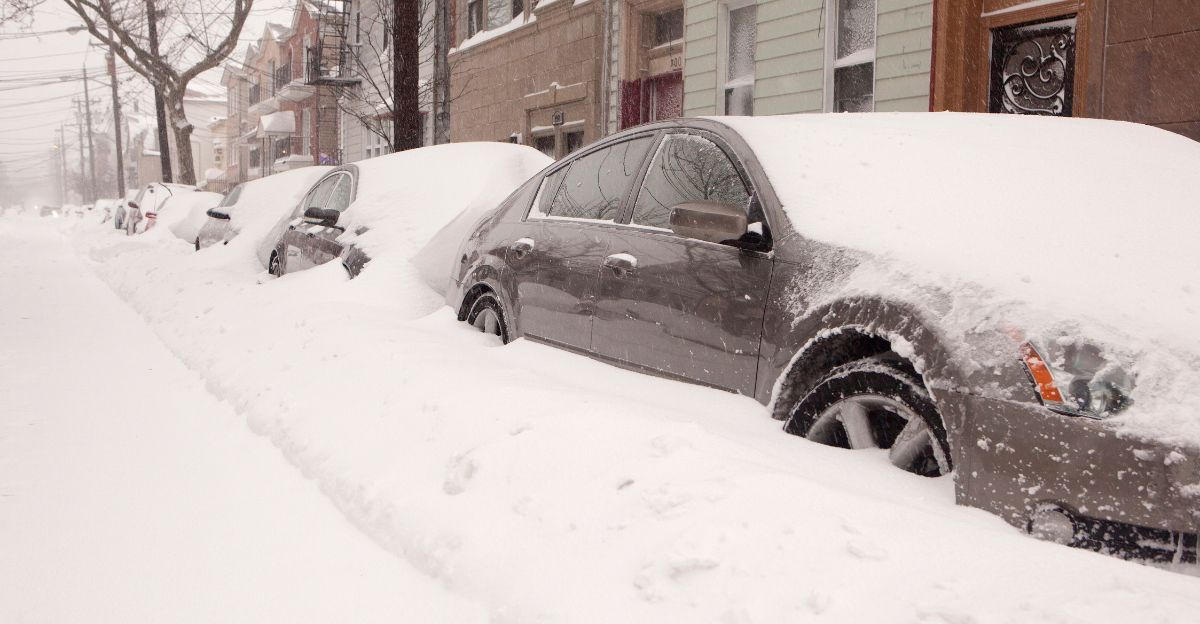
Local officials and weather experts are urging residents to avoid non-essential travel until temperatures rise and crews can better treat the roads. If people must drive, they are being told to go slowly, leave extra space between cars, and avoid sudden braking or sharp turns that can cause skidding on ice. It is also important to clear all windows, mirrors, and lights of ice and snow before starting any trip so drivers can see clearly.
Those with travel plans by air are encouraged to keep flexible schedules, sign up for airline alerts, and consider changing flights to a different day if conditions remain severe. Staying informed through local news, weather apps, and transportation updates can help families make safer choices about when to leave home and how to get where they need to go. By slowing down, planning ahead, and respecting the power of ice and winter storms, residents can reduce their risk and help keep roads and airports safer for everyone.
Sources:
National Weather Service New York office (for Tri-State storm alerts, black ice/icy road wording, and advisories)
New York State winter safety tips, including black ice and safe driving guidance
New Jersey Office of Emergency Management winter weather hazards and driving safety
CBS New York coverage of snow/icy mix and hazardous travel in NY–NJ–CT
ABC7NY coverage of Tri-State winter storms, slick roads, and lingering black ice