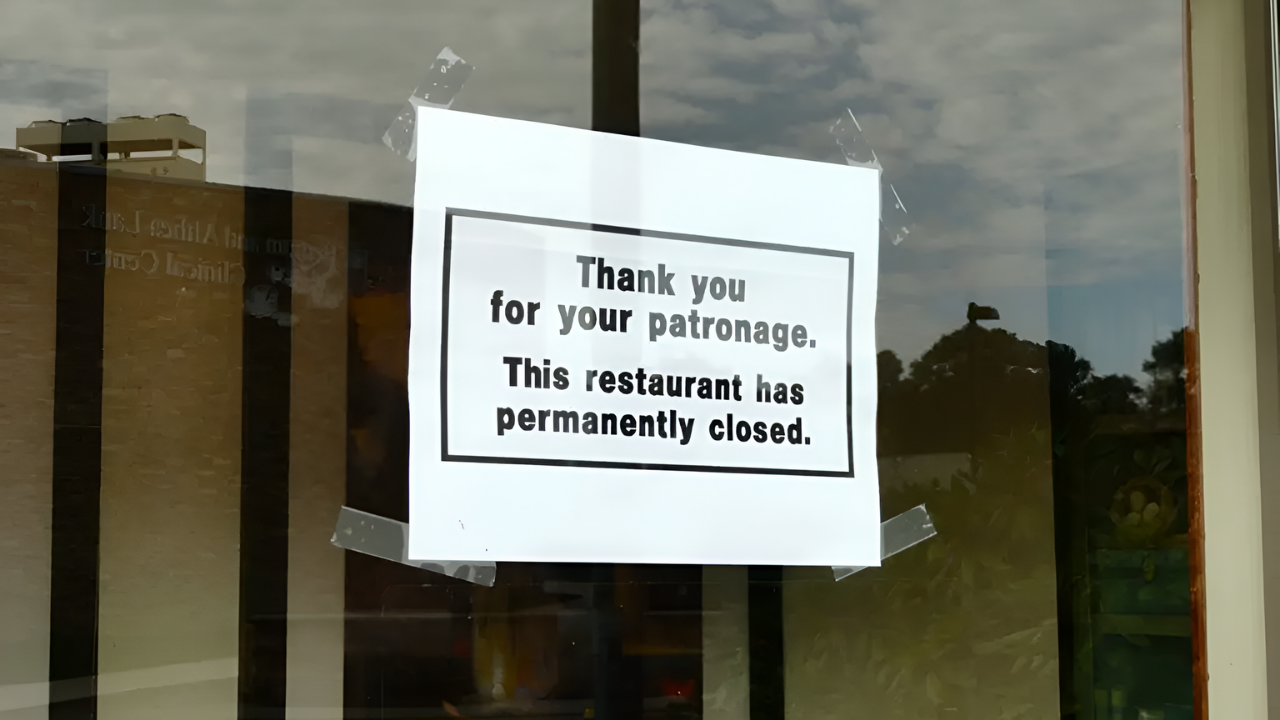
Major burger chains across the U.S. are closing hundreds of locations as the fast-food industry contracts. Wendy’s, Carl’s Jr., Hardee’s, and Five Guys are leading the retrenchment, citing rising costs, labor challenges, and declining traffic.
This six-month contraction wave marks a historic shift for a previously stable sector. Let’s look into the factors driving these closures.
What’s Driving Wendy’s Project Fresh Closures?
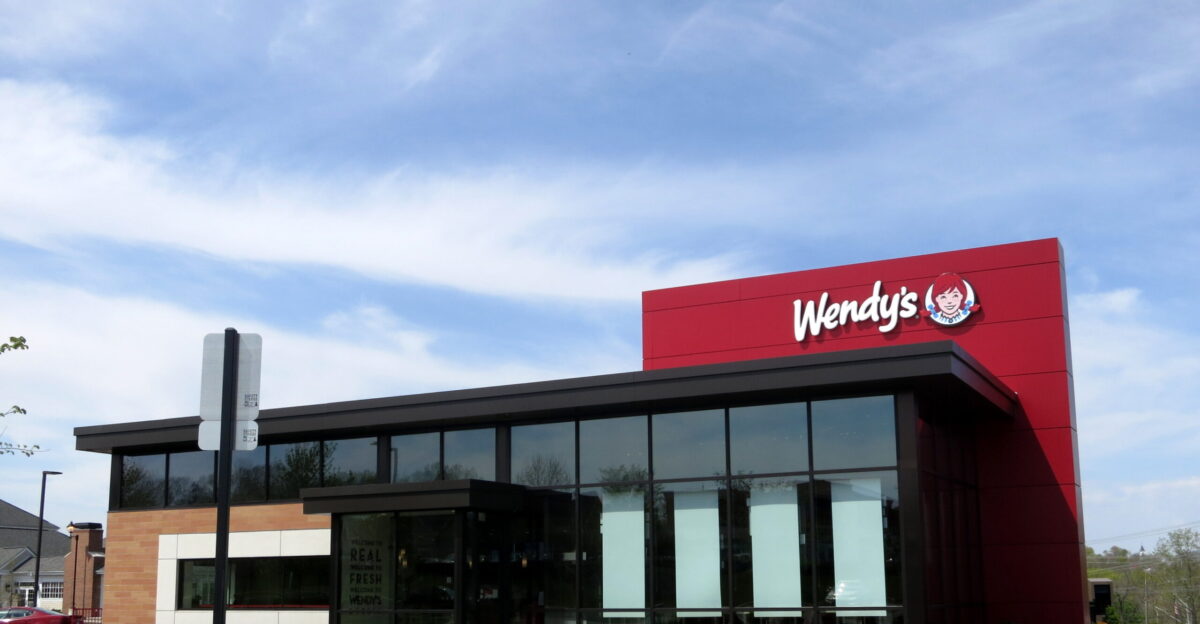
Wendy’s announced Project Fresh on 7 November 2025, planning 200-300 U.S. location closures through 2026. Interim CEO Ken Cook explained: “These actions will fortify the system and allow franchisees to allocate more funds and resources to their remaining restaurants.”
The closures follow 140 locations shuttered in 2024. However, selective global openings suggest a targeted growth strategy rather than full retreat.
Carl’s Jr. and Hardee’s Footprint Shrinks
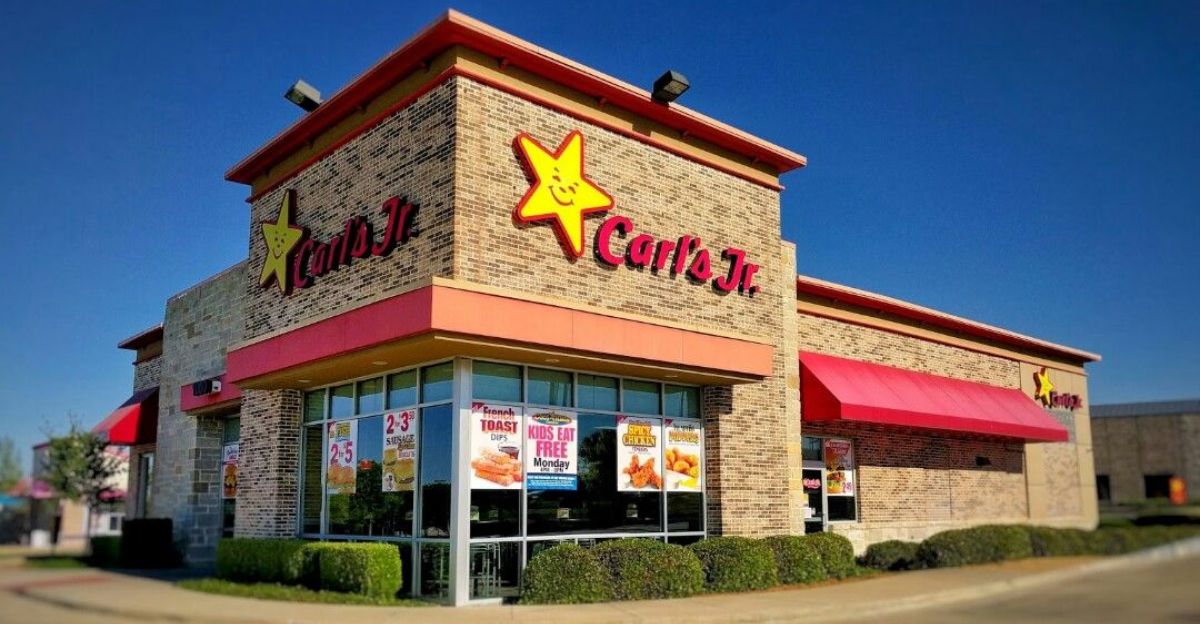
CKE Restaurants Holdings is facing franchise challenges. A major franchisee, Summit Restaurant Holdings, filed Chapter 11 in May 2023, citing “loss of foot traffic, high shipping, food and labor costs, and decreased labor supply.”
Locations like Carl’s Jr. in Redding, California, and Loveland, Colorado, closed in 2025. But are these closures the start of wider CKE consolidation?
Five Guys Sees Unusual Contractions
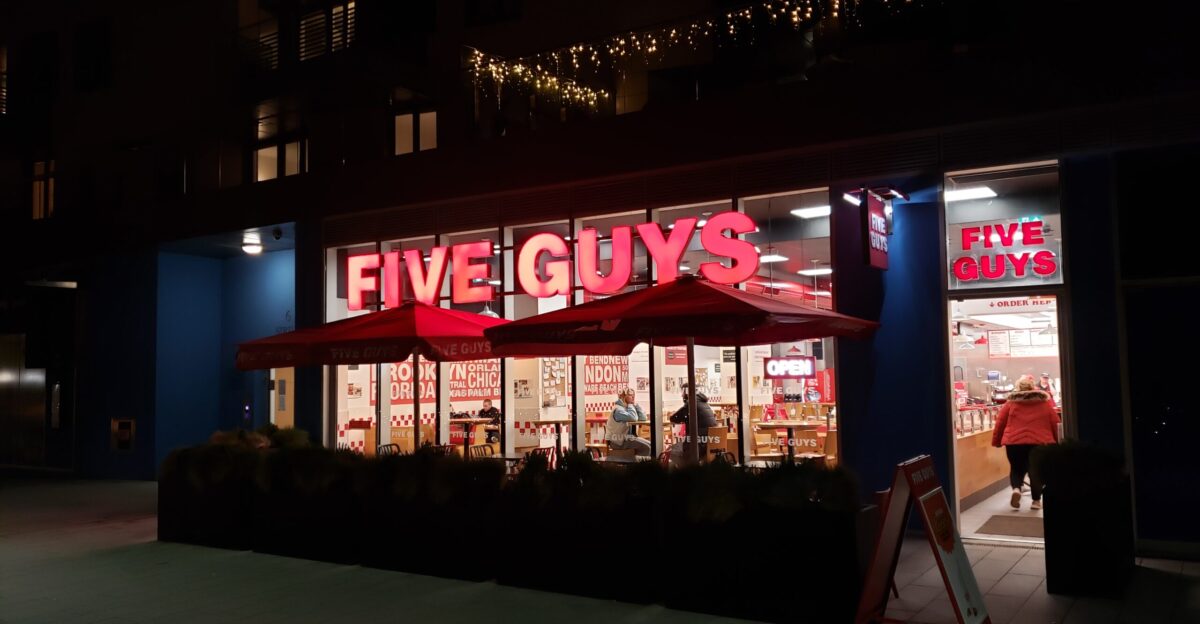
Five Guys, valued at $2 billion, historically closed few locations. Between May and November 2025, at least five franchises permanently shut down, including Folsom, California.
This shift is unprecedented for the brand. What does this signal about franchise health across previously stable operators?
Jobs at Risk Across Chains
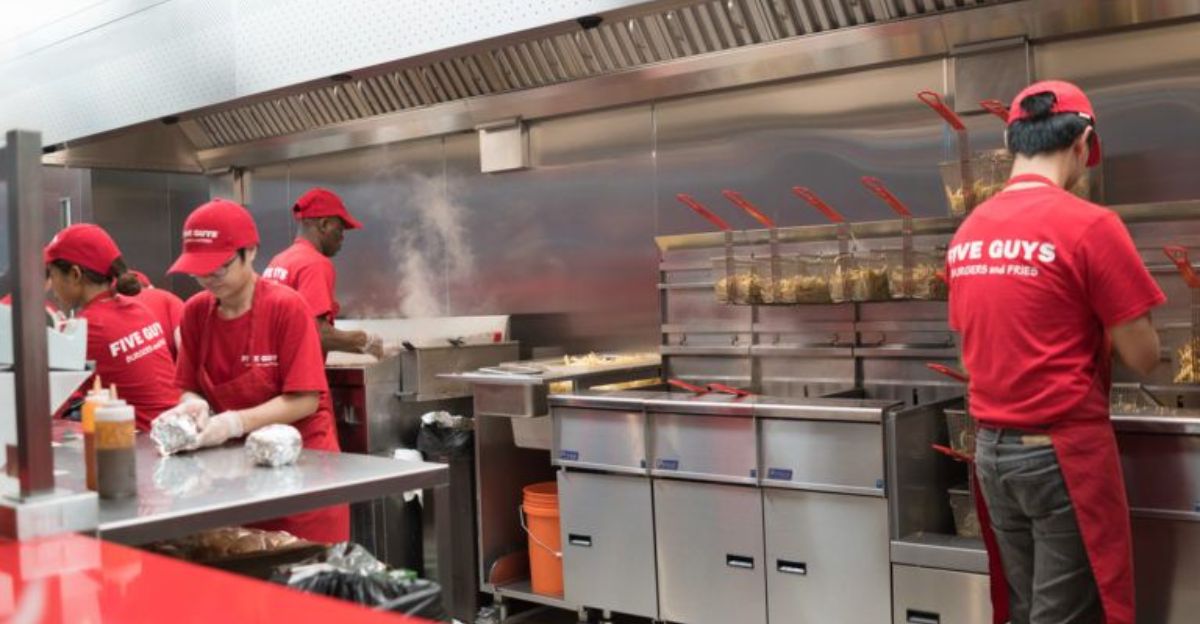
Wendy’s closures alone endanger approximately 7,500 jobs. At Five Guys Folsom, 16 employees received WARN notices on 7 November for a 25 November closure.
California fast-food employment fell 22,600 positions by March 2025. Could these layoffs accelerate industry-wide workforce instability?
Franchisees Under Pressure
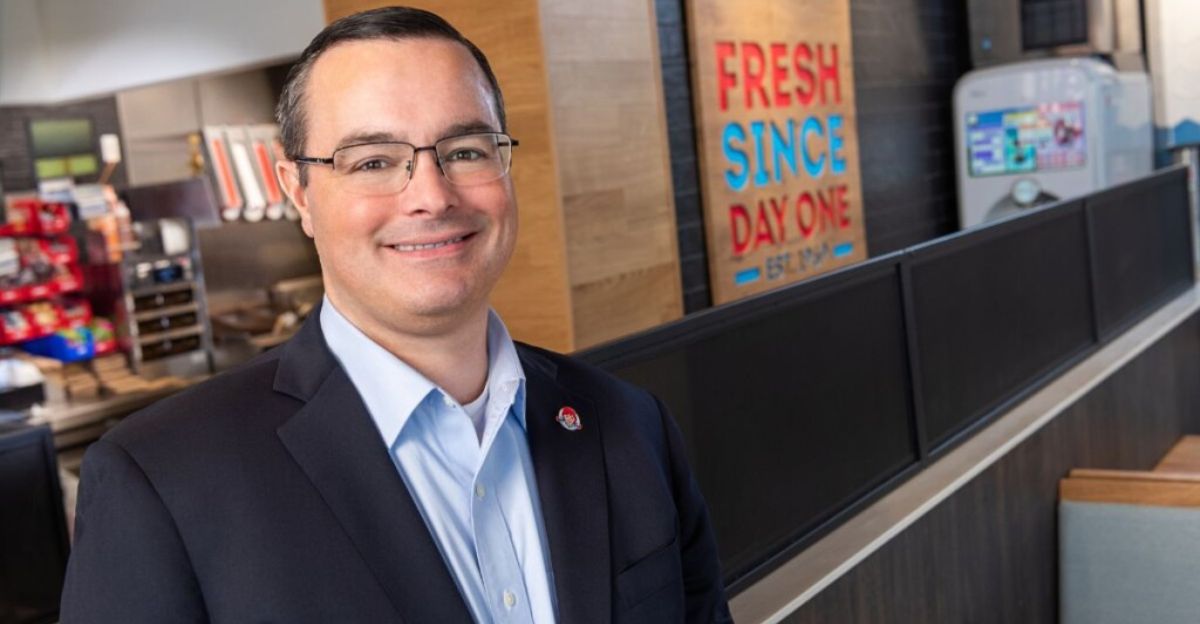
Wendy’s Interim CEO Cook stated: “Overall, the U.S. franchisee system remains healthy, although there are pockets of more acute financial pressure.”
Carl’s Jr. operators cite rent hikes and rising labor costs. Many cannot absorb simultaneous increases in food, labor, and declining customer traffic. What financial strategies remain viable for struggling operators?
Consumers Face Reduced Options
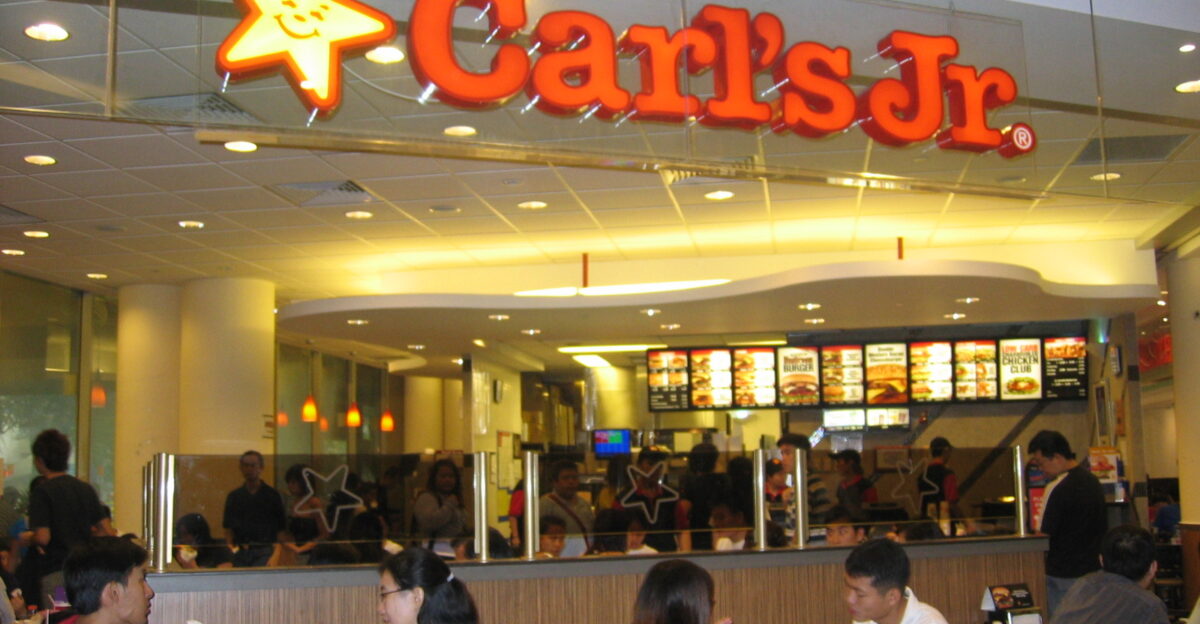
With over 300 closures, communities serving 1.5–2 million residents lose convenient dining access. Customer traffic to limited-service restaurants declined 1.6% in Q1 2025.
Menu prices are increasingly unaffordable. Will rising costs further erode consumer demand for traditional fast-food options?
Supply Chain Disruptions Amplify Pressure

Since January 2024, cocoa prices surged 163%, coffee 103%, sunflower oil 56%, and orange juice 36%. Beef prices remain volatile due to global supply constraints.
Food inflation now overshadows labor issues. How will commodity volatility continue shaping operational decisions across chains?
Industry Contraction, Not Collapse
Closures are strategic, not sudden failures. Wendy’s set a mid-single-digit percentage target in its Q3 2025 earnings call, closing underperforming units with 60-day WARN notifications.
This controlled retrenchment may stabilize remaining operations. But will smaller chains follow the same cautious approach?
Revenue Impacts Are Significant
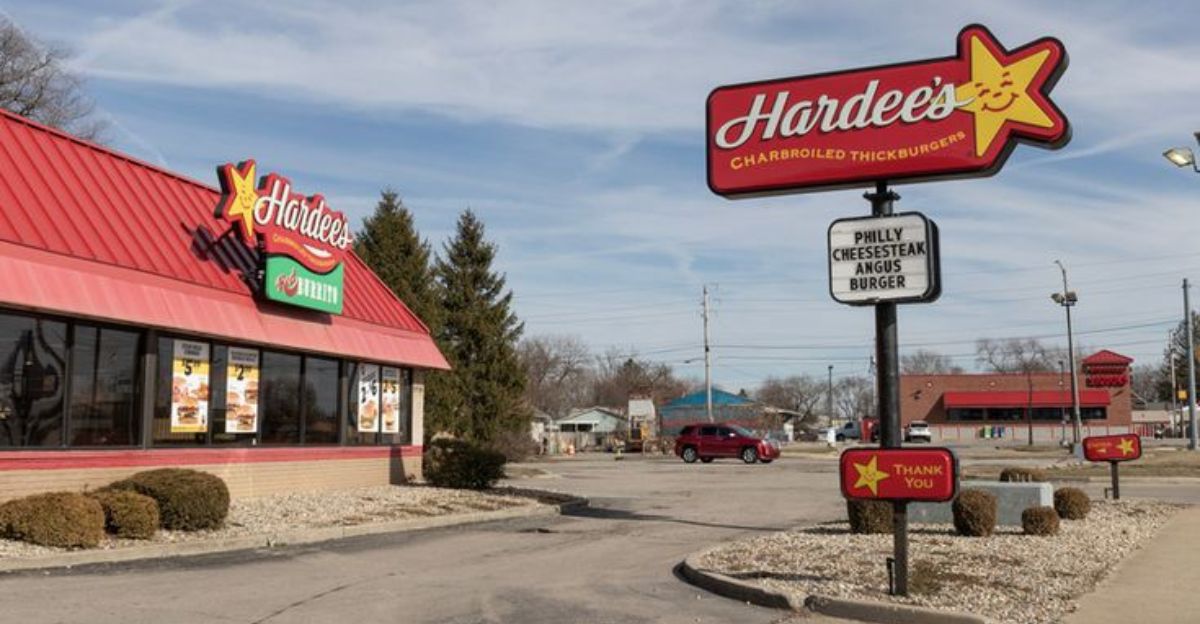
Wendy’s closures could cost $150–300 million annually, Carl’s Jr./Hardee’s $50–75 million, and Five Guys $25–40 million.
Combined, closures risk $225–415 million in system revenue each year. How will these numbers influence corporate strategy and investor confidence?
Employment Losses Across Chains
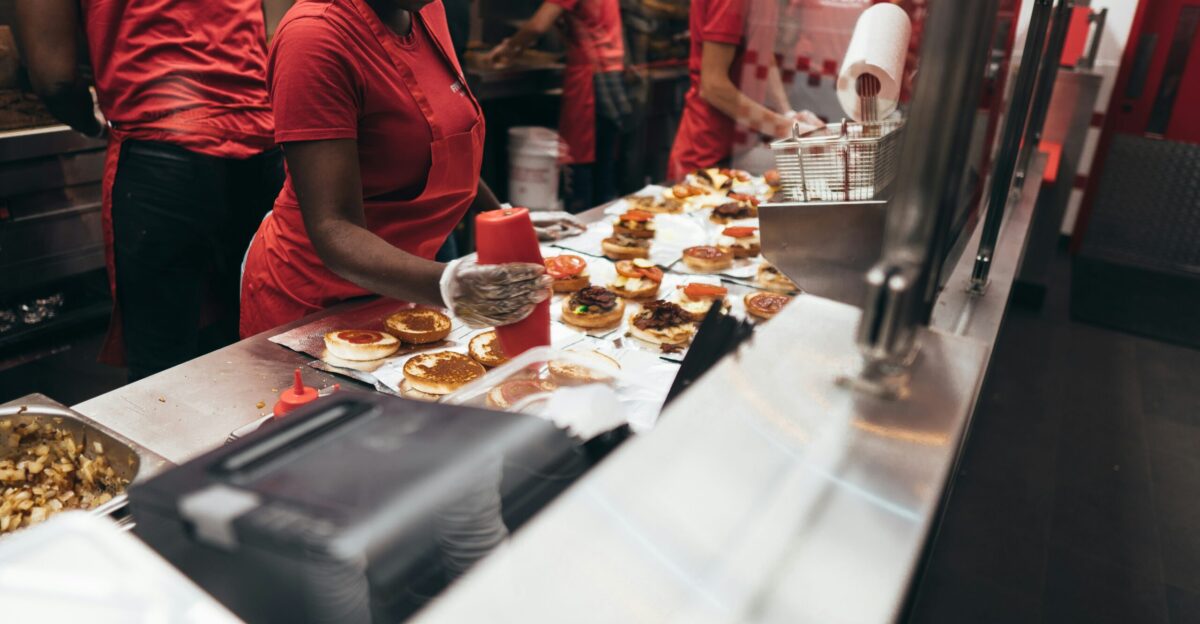
Documented closures threaten roughly 4,780–8,025 jobs. Wendy’s closures account for 4,500–7,500 positions, Carl’s Jr./Hardee’s 200–400, and Five Guys 80–125 employees.
The cumulative effect underscores the human cost behind corporate optimization strategies. Could this reshape employment norms in the fast-food sector?
Nationwide Geographic Impact
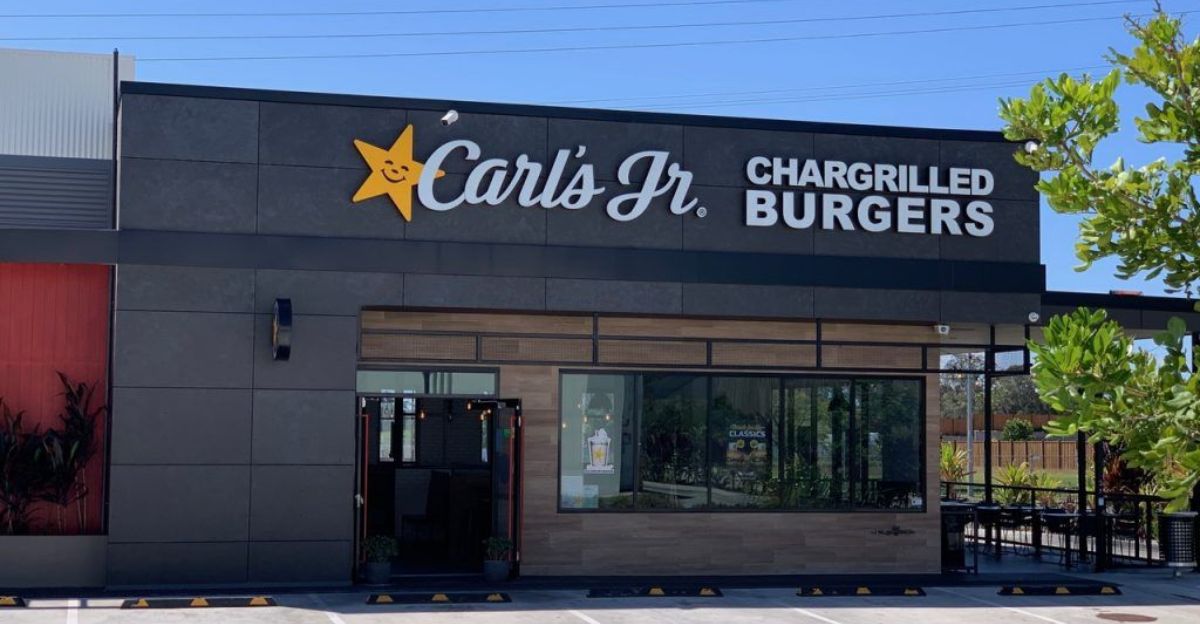
Closures span California, Oregon, Washington, Colorado, North Dakota, Minnesota, Iowa, and Connecticut. Wendy’s closures are not region-specific but target underperforming stores.
System-wide, the contraction affects all major U.S. markets. Are geographic trends in closures signaling new regional weak spots?
Labor Cost Inflation Hits Hard
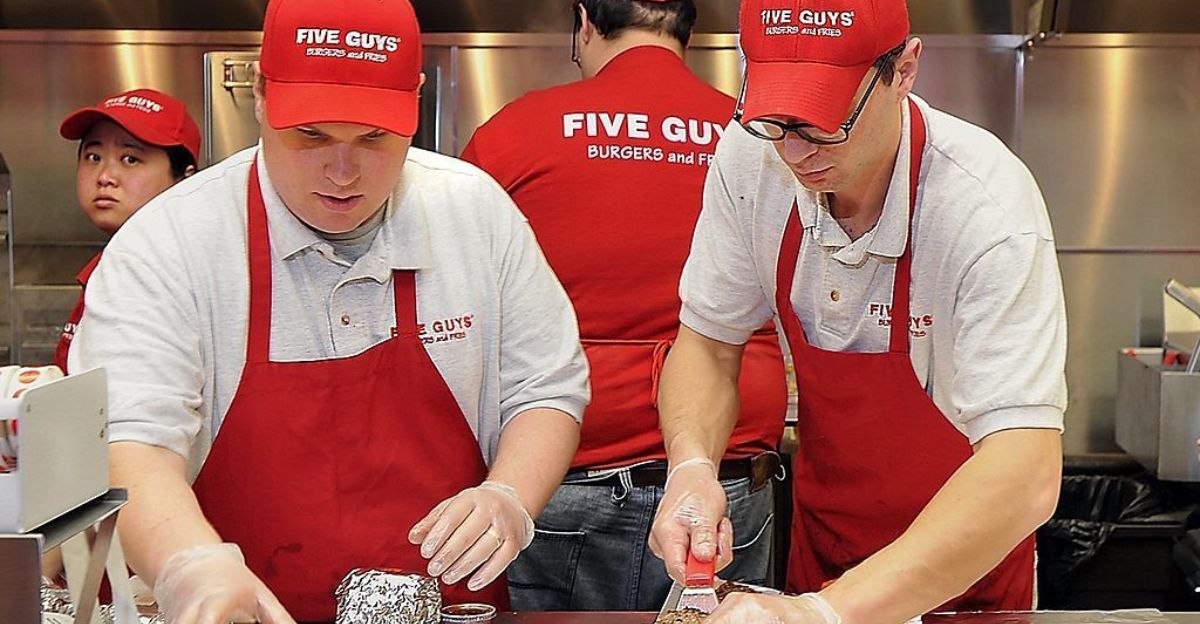
Since 2019, fast-food labor costs rose 35%, outpacing thin 3–5% pre-tax margins. California’s $20/hour FAST Act accelerated reductions in employee hours and staff consolidation.
Restaurants face $100,000+ annual labor cost increases per location. How are chains adapting to these long-term structural pressures?
Food Costs and Commodity Volatility

Food costs increased 35% since 2019. Cocoa, coffee, sunflower oil, and beef surges strain margins, and 52% of operators now rank food inflation as their top challenge.
Price increases risk alienating customers, making strategic closures almost inevitable. Could menu innovation offset these rising input costs?
Declining Customer Traffic

Despite a 4.3% growth in Q1 2025 sales to $532 billion, traffic fell 1.6% across limited-service restaurants. Wendy’s same-store sales declined 4.7%.
Aggressive price hikes fail to sustain long-term traffic. What does this reveal about the limits of value-based marketing?
Franchisee Financial Strain
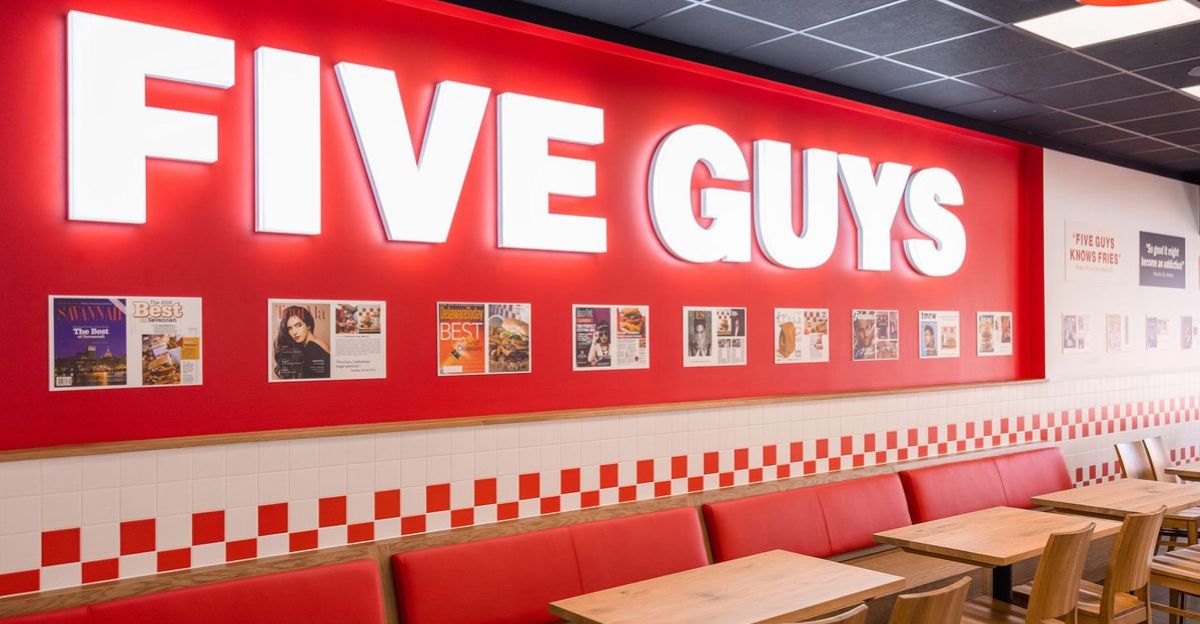
Franchisees operate on razor-thin margins. Labor, food, utility, and occupancy cost spikes have created insolvency risk. Summit Restaurant Holdings’ 2023 bankruptcy illustrates these pressures.
Cook acknowledged, “there are pockets of more acute financial pressure.” Will systemic financial stress prompt further closures industry-wide?
Consumer Affordability Crisis

Benchmark meals: Burger King ~$11, Five Guys $15+, McDonald’s $8. Consumer sentiment indicates value perception is eroding, driving traffic declines despite price hikes.
With core demographics priced out, fast-food chains must rethink their value propositions. How sustainable is current pricing strategy?
Competitive Oversaturation Issues
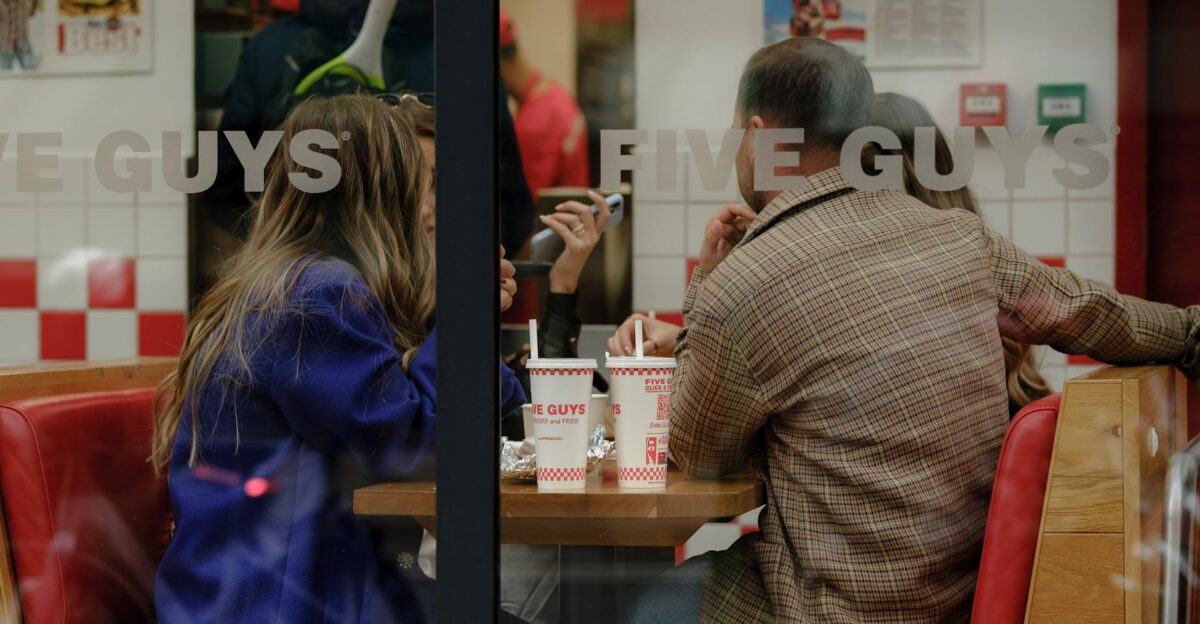
Chains expand simultaneously, fragmenting customer visits. Five Guys historically avoided closures, but five closures in six months suggest operators reassessing viability.
Competition and oversaturation are undermining per-unit profitability. Will chains adopt stricter location criteria moving forward?
Wendy’s Project Fresh Four Pillars
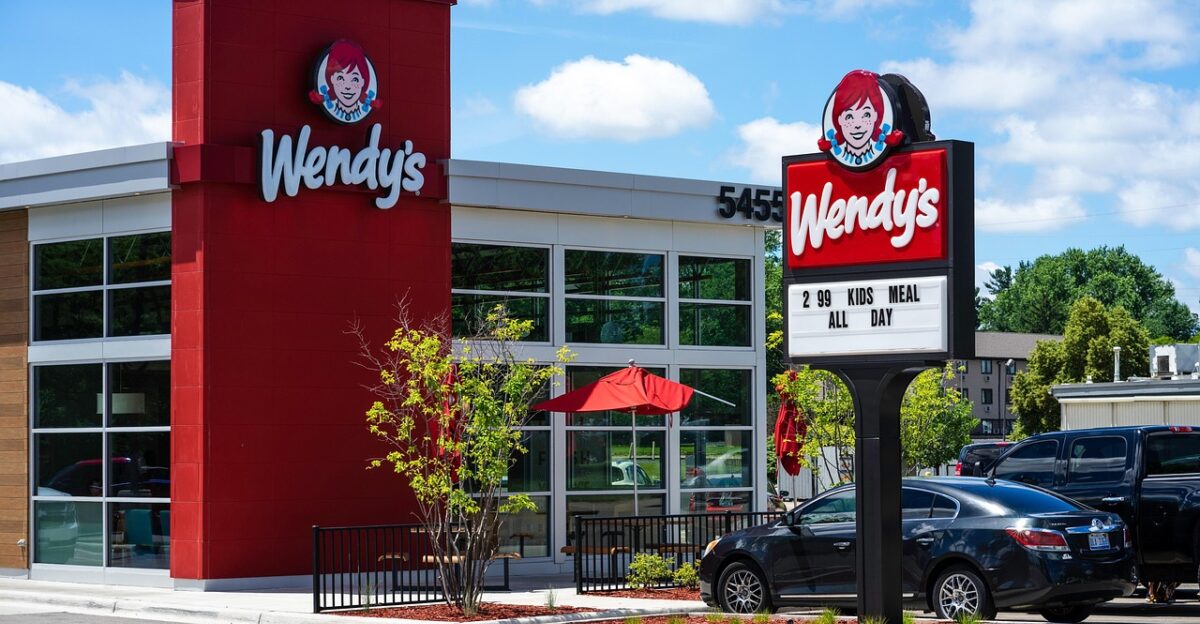
Project Fresh focuses on brand revitalization, operational excellence, system optimization, and capital redeployment. CEO Cook explained, “Removing restaurants that aren’t beneficial to the system gives franchisees more opportunity to invest in the rest of their portfolio.”
Closures complement targeted investments. Can this approach achieve long-term stability?
Strategic Execution and Labor Adjustments

Closures follow WARN Act notifications. Staff reductions, cross-training, and schedule optimization aim to maintain efficiency amid labor pressures. Wendy’s company-operated restaurants outperformed franchises by 4% in Q3 2025.
Operational excellence may partially offset costs, but long-term sustainability remains uncertain. How will other chains mirror these strategies?
Supply Chain Adaptations and Technology
Restaurants diversify suppliers, simplify menus, renegotiate contracts, and deploy AI for inventory management. Commodity volatility continues to limit full operational relief.
Technology and procurement strategies help but cannot fully mitigate global supply shocks. What further innovations might chains pursue to maintain profitability?
Shifting Focus: Quality Over Quantity
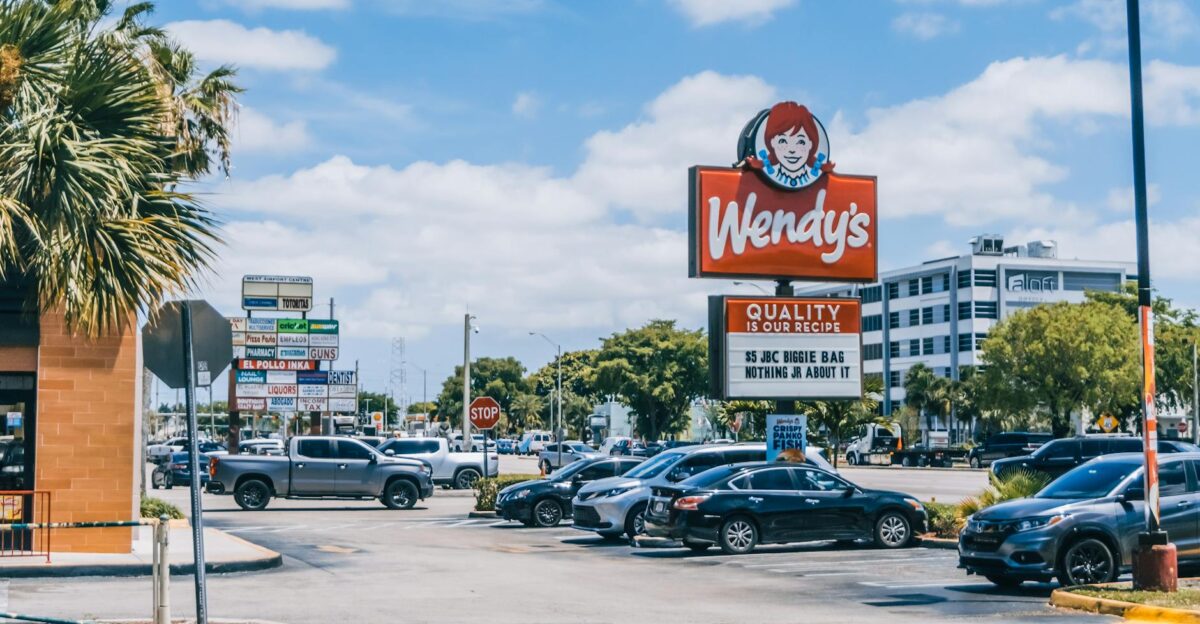
Wendy’s, CKE, and Five Guys shift from growth-at-all-costs to profitability-first strategies. Build-to-suit programs are curtailed, and underperforming units selectively close.
This recalibration reflects a fundamental business model change, focusing on operational health rather than expansion. Will this mark a new era in the U.S. burger industry?
Sources
The Wendy’s Company, Q3 2025 Earnings Report & Conference Call Transcript, 7 November 2025
California Employment Development Department, WARN Notice Database, November 2025
QSR Magazine, “Wendy’s to Close Hundreds of Restaurants as Part of Greater Turnaround Strategy,” 8 November 2025
CNN Business, “Wendy’s is closing hundreds of restaurants,” 7 November 2025
Restaurant Business Online, “Major CKE Restaurants Franchisee Bankruptcy and Closures,” 4 May 2023
National Restaurant Association, Food Inflation and Labor Cost Report, 2025