In mid-September 2025, the United States awoke to a diplomatic shake-up: several longtime allies unexpectedly recognized a Palestinian state. Britain, Canada, Australia, and Portugal announced statehood recognition, a move born of frustration with the Gaza war.
News reports say this coordinated action “prompted a furious response from Israel” and rattled Washington’s policy establishment.
U.S. officials scrambled to gauge the implications: Which capitals had broken with long-standing consensus, and how would this recognition cascade alter NATO and other alliances?
Alliance Under Pressure

Almost immediately, the recognition wave sent shockwaves through Western capitals. In Washington, officials began questioning whether solidarity over shared security might fracture. Publicly, Europe’s statements hinted at unity (“we must do everything within our power to preserve a two-state solution”), but privately, diplomats in Brussels and Berlin warned of new strains.
Analysts note this rupture “reflects frustration with the war in Gaza” and “will only reinforce the negative drift of European public attitudes toward the United States”.
The balance of power within NATO suddenly looks less certain, and alliance unity is feeling unusual pressure.
Turbulent Backdrop

To understand the uproar, it helps to recall the context. Palestinians have sought statehood for generations amid repeated conflict and failed peace talks. For decades, most European governments had largely followed the U.S.’s cautious lead on recognition.
Now that the consensus has broken. As one analysis notes, Western countries historically aligned with Israel have abruptly shifted policy.
Nations that once held back now loudly assert a two-state vision – an about-face that had been almost unthinkable before the current crisis.
Recent Gaza War Fallout
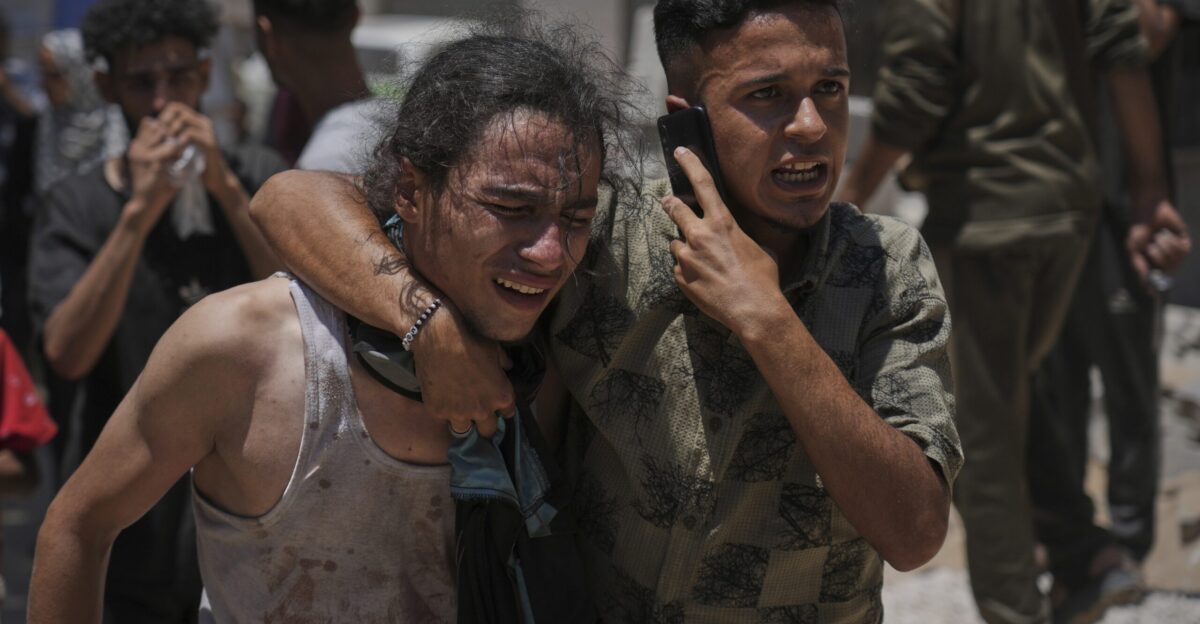
The timing of Europe’s move was no accident. The Gaza war’s toll — recently reported as over 65,000 Palestinians killed and much of Gaza devastated — had intensified global outcry.
Images of starving children and civilian casualties forced governments to react. Amid growing international pressure, leaders in London, Ottawa, Canberra, and Paris saw recognition as a way to demand change.
After weeks of escalation and humanitarian outcry, Western capitals evidently felt the situation had reached a “human-made humanitarian crisis” that required a bold response.
The Recognition Wave

On Sept. 21–22, the floodgates opened. Britain, Canada, Australia, and Portugal formally recognized a Palestinian state, a decision characterized as a historic split from long-standing U.S. policy. (France announced it would follow at a UN summit the next daycfr.org.)
The coordinated action drew immediate headlines: Israel denounced it while Palestinians cheered. Even ordinary West Bank Palestinians voiced approval. “It is time for these countries to stop supporting the occupation… We as Palestinians want to live like all other people in the world,” said Fawzi Nasar, a resident of Hebron.
This groundswell of recognition is the biggest such move by U.S. allies in decades, setting the stage for a transatlantic showdown.
Immediate Euro-Mideast Reactions

The diplomatic fallout was instant. Israel’s leaders condemned the recognitions as “rewarding terrorism” and warned they were “premature and destabilizing” for peacemaking. Palestinian officials and activists, by contrast, hailed the moment.
The Palestinian Authority formally welcomed the new backingcfr.org, while Hamas urged that it be backed by concrete measures.
The geopolitical stage was set for friction: pro-Israel Western capitals were riven from pro-Palestine constituencies, and each side framed the moves as a moral imperative.
Palestinian Voices
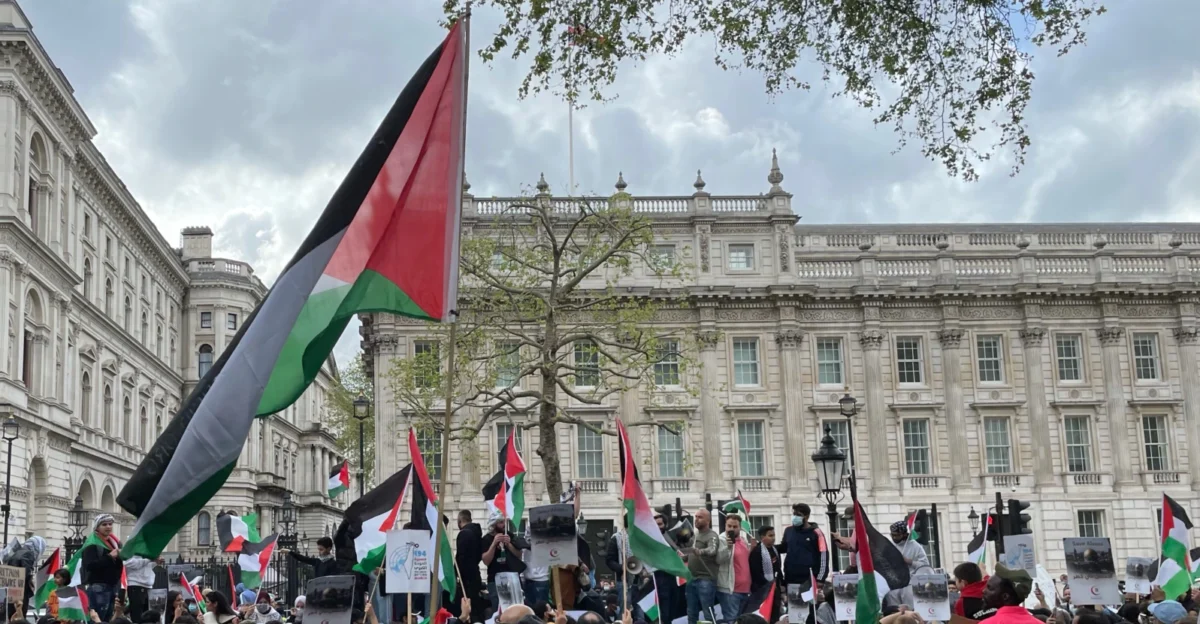
On the streets and in refugee camps, reactions have been mixed. Many Palestinians expressed cautious optimism that foreign recognition might finally translate into pressure on Israel. “All the respect to the British people… for this brave step.
Britain today is adjusting the balance of power and righting the wrongs of the past,” said Sallah Elddin, a resident of Ramallah.
Yet others note that symbolism isn’t changed on the ground. As one Gaza-area family put it, the recognition felt distant from their daily reality. Overall, Palestinians report a blend of hope and skepticism: they welcome solidarity, but stress that true impact will depend on follow-up actions.
U.S. Congress Pushback

Back in Washington, lawmakers pounced. A group of 25 Republican senators and representatives sent open letters to their counterparts in London, Paris, Ottawa, and Canberra. The messages warned that this unilateral shift “may invite punitive measures” and called the policy “irresponsible”.
These letters – and public statements by GOP leaders – signaled a fierce domestic backlash. Media headlines immediately questioned transatlantic unity, and analysts noted that even U.S. defense hawks and doves alike were debating how to respond.
The story was no longer just about Palestine, but about the coherence of Western alliance policy.
NATO’s Core Principle Tested
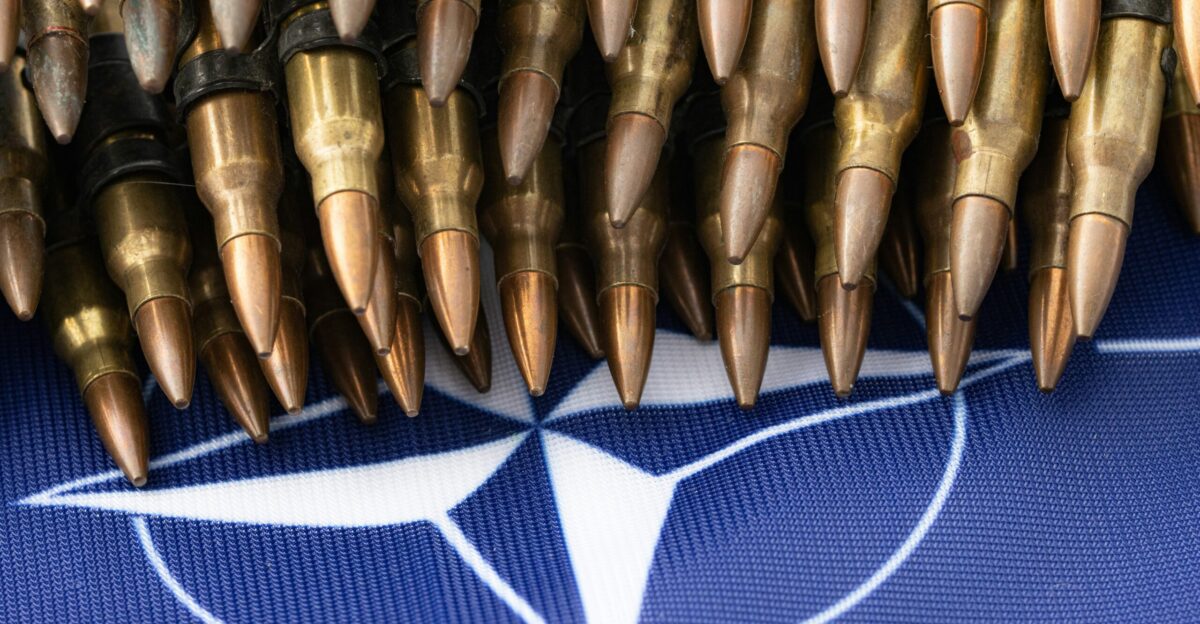
One flashpoint has been NATO’s founding promise. Article 5, the mutual defense clause, underpins the alliance’s unity. Now that some members openly defy U.S. wishes on a highly sensitive issue, officials worry about trust.
Every major NATO operation relies on confidential planning; some experts ask whether allies are still fully aligned on that. Surveys suggest growing ambivalence: for example, only 28% of Western Europeans now see the U.S. as a “somewhat reliable” security guarantor, whereas most Americans still say they would defend an ally.
Public confidence in the Atlantic alliance is under strain, even as its formal structures remain intact.
No U.S. Exit Threat
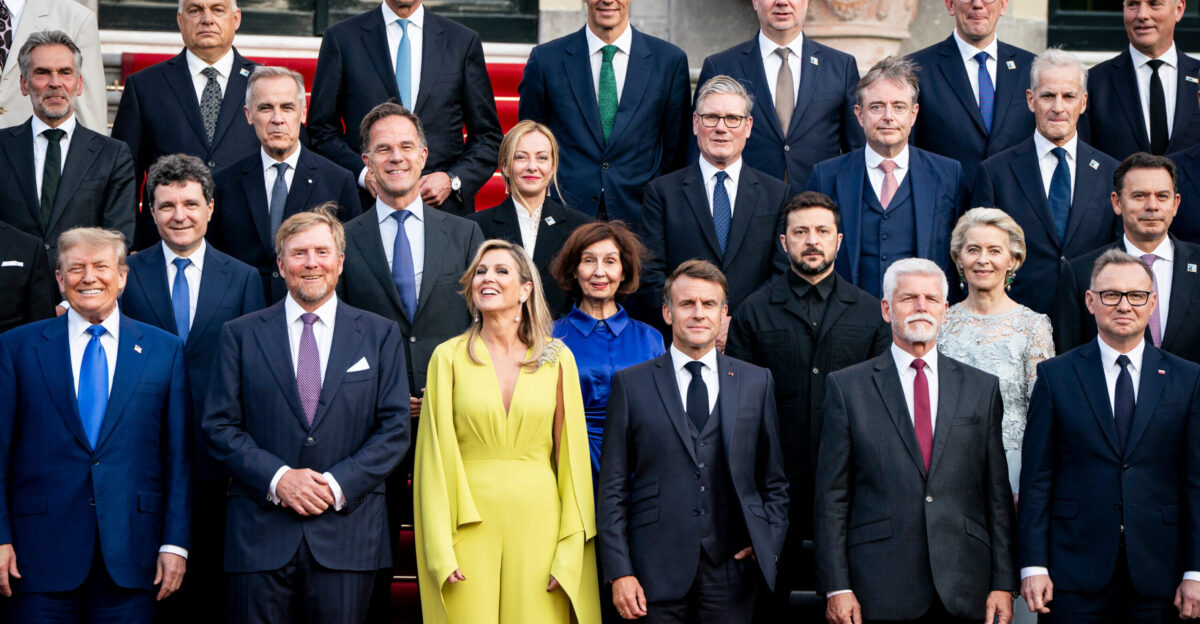
Amid all the alarm, one narrative quickly proved false: the White House has not threatened to leave NATO. On the contrary, U.S. officials have publicly reassured partners. At the UN Security Council on Sept. 12, Acting U.S. Ambassador Dorothy Shea declared that “the United States stands by our NATO allies… we will defend every inch of NATO territory”.
Inside the administration, senior Pentagon and State Department figures emphasized that America remains fully committed to the alliance.
So while parties in Washington spar, the official message is firm: NATO is not on the chopping block, regardless of disagreements over Palestine.
NATO: Divided but Intact
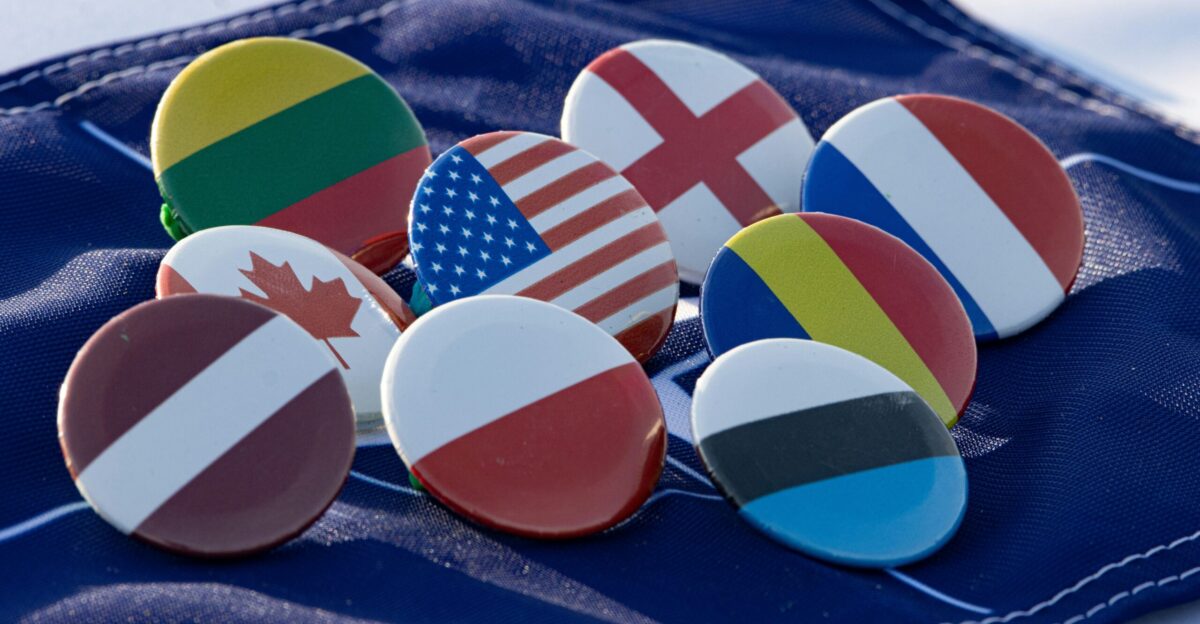
Practically speaking, military and intelligence ties are holding. U.S. generals and commanders note that NATO exercises and deployments continue as scheduled. In Washington and Europe, few policy experts expect an actual rupture this fall. But the political rift is undeniable.
Polling shows Western publics are questioning old assumptions: only about a quarter of Europeans still see the U.S. as a secure backstop, down sharply from last year.
And while most Americans still support coming to allies’ defense, a growing share of Europeans say they want to shoulder more security responsibilities themselves. The result is a NATO that is unsettled politically, even if not yet broken.
Political Risks at Home
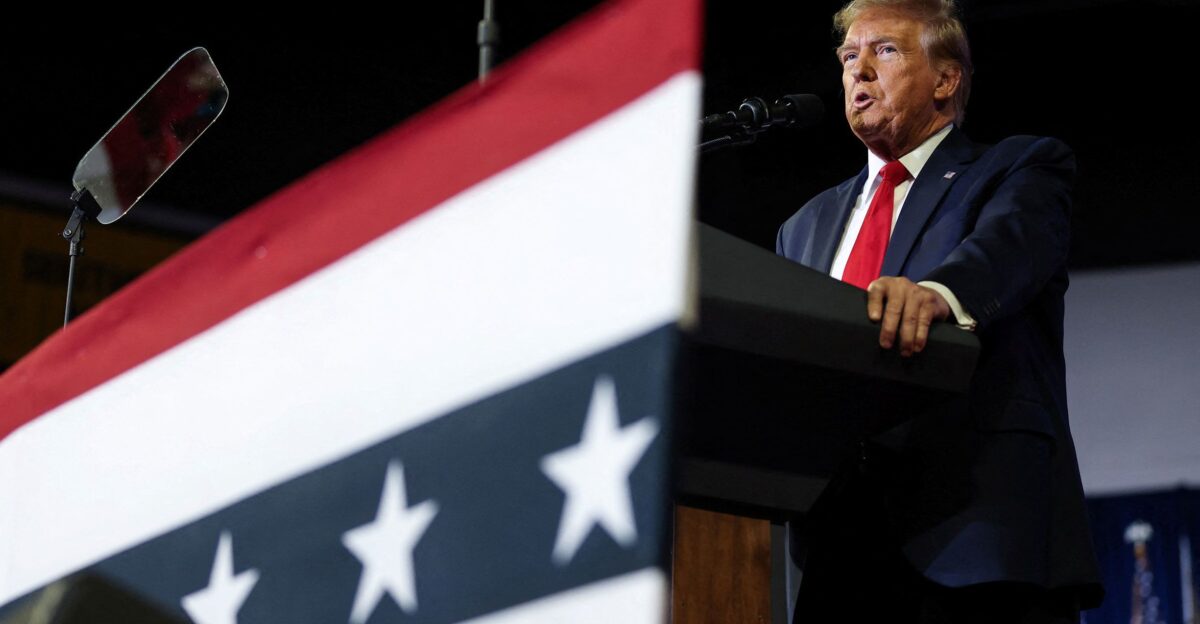
In Washington, the controversy is deepening presidential election divides. Hardliners in President Trump’s coalition applaud the pushback, while centrist Republicans and Democrats urge caution to avoid alienating Europe.
Former national security adviser John Bolton bluntly warned that Trump “would seek to find a way to kill” NATO if re-elected. Others cite recent bipartisan legislation: Congress this year passed a law requiring a two-thirds Senate vote to pull out of NATO, underscoring broad support for the alliance.
As the campaign heats up, candidates now publicly weigh the costs of solid NATO support against “America First” critics – illustrating how foreign policy has become a domestic fault line.
European Unease
Across the Atlantic, even typically U.S.-friendly governments tread carefully. Berlin and Brussels publicly noted their understanding of U.S. concerns, while privately urging Washington not to overreact.
European diplomats acknowledge realpolitik headaches: could recognition trigger sanctions or threaten joint intelligence projects? At the same time, officials in Paris and Rome downplayed the split.
The overall mood is one of “wary pragmatism” – European leaders have shown solidarity on Palestine, but they also quickly signaled a desire to manage fallout, hoping not to wreck wider cooperation on security or trade.
Strategic Recalibration
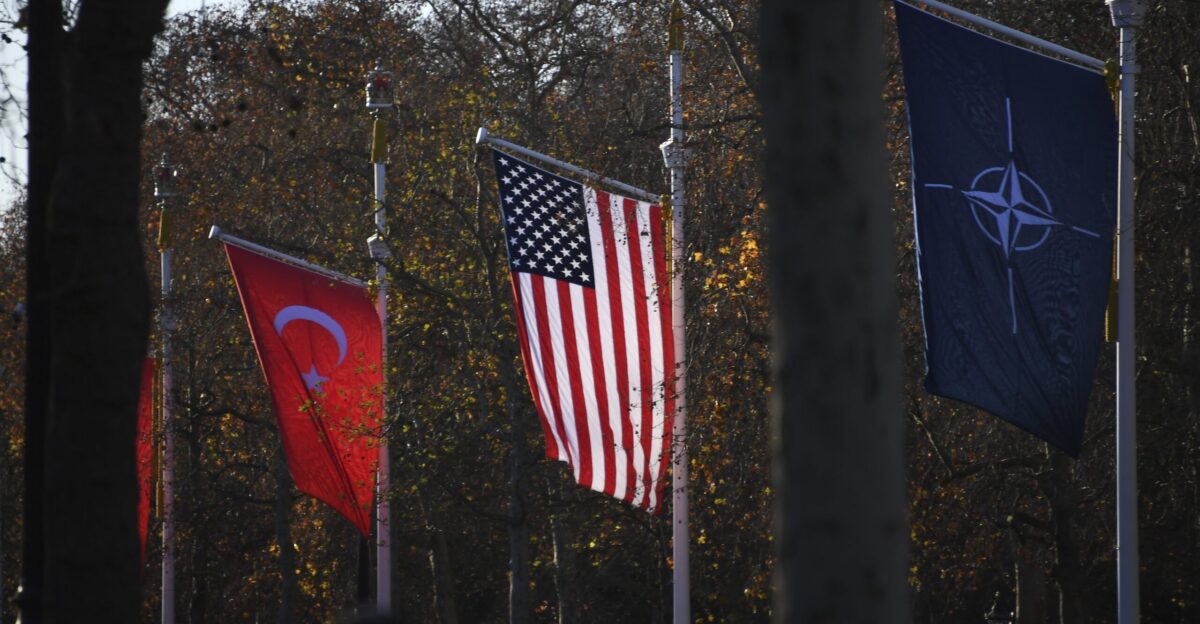
Behind the scenes, NATO planners are quietly adjusting. Defense experts say the alliance is exploring contingency plans and reinforcing bilateral ties. One scenario under review: if even one member were to scale back participation, others might form “mini-lateral” frameworks for specific missions.
For example, France and Germany could deepen their defense cooperation in Europe independently of NATO.
Though none of this is public, analysts note a subtle rebalancing of priorities – a hedging strategy in case the transatlantic bond proves less reliable. For now, NATO endures, but its future shape is being rethought.
Eyes on the Next Summit
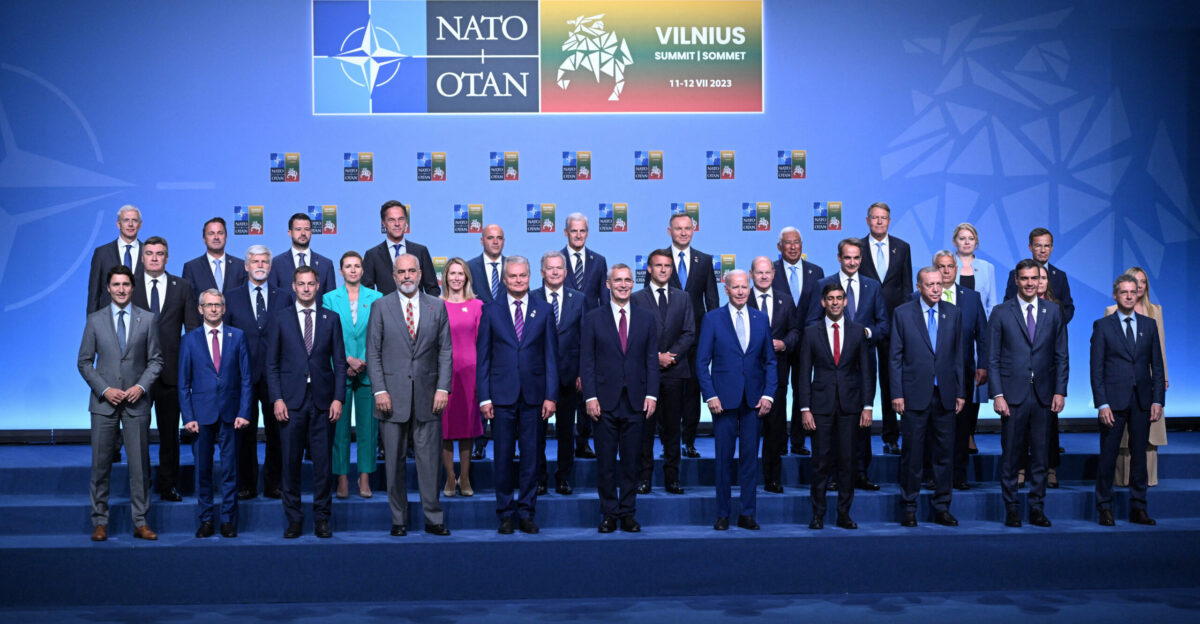
All eyes now turn to the NATO summit scheduled for December. Will the Palestine issue dominate the agenda, or will common concerns like the Ukraine war take precedence? Diplomats say both will surface.
U.S. officials will likely seek reaffirmations of alliance commitments, while some Europeans will want to frame recognition as compatible with NATO unity.
The coming summit will be a test: it could be a venue for healing rifts or could expose them further. In any case, observers agree it will be closely watched as a bellwether for how this crisis affects alliance cohesion.
U.S. Policy Fault Lines
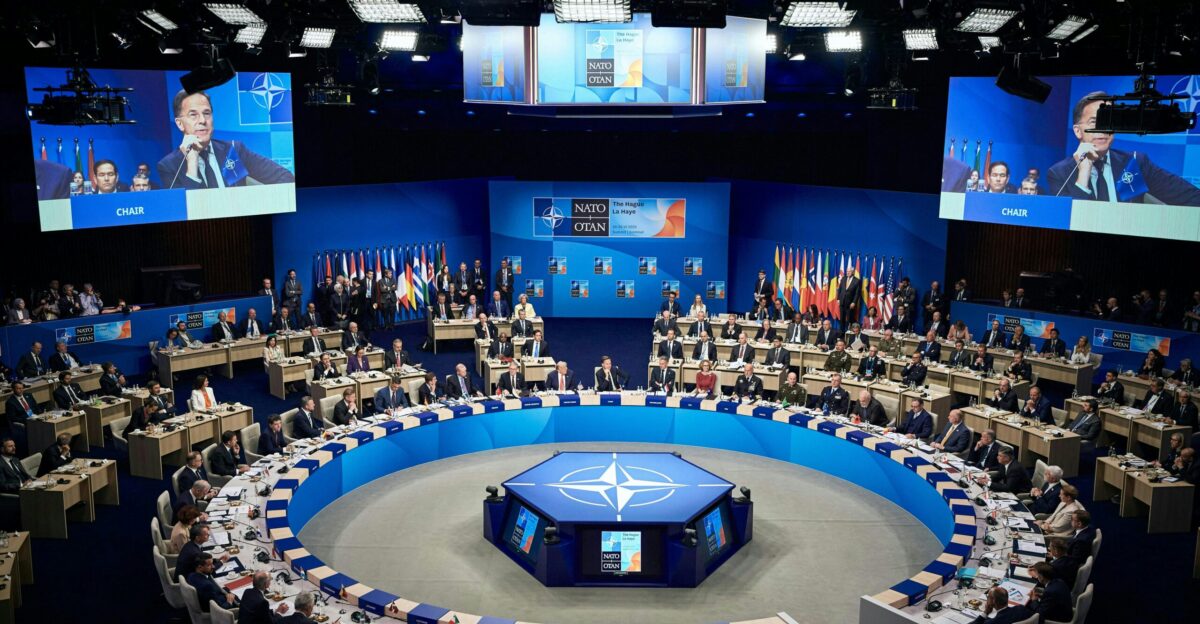
This episode spotlights long-running debates in Washington. Historically, U.S. strategy on allies’ unilateral moves has leaned on quiet diplomacy, not public spat.
Now, critics say the Biden administration (and its Congress) is publicly castigating friends, a shift that some dub the emerging “Trump Doctrine” in European policy. The split reveals a fundamental question: when is it better to pressure partners privately, or to make a spectacle?
As one analyst put it, Washington’s approach of airing disagreements may itself become a defining feature of U.S. foreign policy going forward.
Global Repercussions
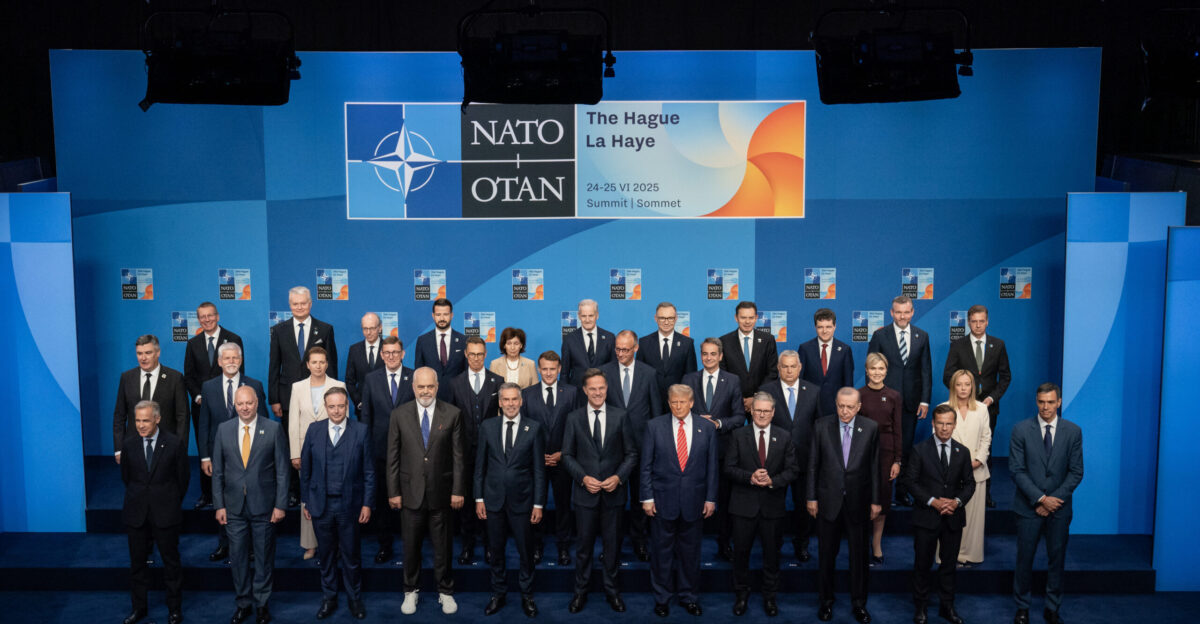
The recognition cascade is resonating far beyond NATO. Russia and China have seized on the Western divide. Moscow’s spokesman stated that Russia still backs a two-state solution and welcomed any steps towards peace.
Beijing, which has long championed Palestinian self-determination, reiterated that “the fundamental solution to the Palestinian issue” lies in establishing an independent state on pre-1967 lines.
Some foreign policy experts warn that a visible rift among U.S. allies could embolden rivals: if Western cohesion weakens, adversaries may feel freer to challenge the U.S.-led order in other regions.
Legal Questions Loom
Amid talk of exits, legal experts note there is no quick path for any country to quit NATO. Technically, the North Atlantic Treaty can be denounced like any other treaty: a president could notify the Senate, and the pact would terminate after a period (often cited as six months).
But some scholars point out that because NATO commitments involve both treaty and congressional-executive agreements, unilateral withdrawal is legally murky.
Any country seriously attempting to leave would likely face complex constitutional hurdles. So far, no official has even proposed taking those steps – but the question has moved from abstract debate to a real possibility that observers are analyzing closely.
Shifting Public Sentiment

Public opinion on NATO appears to be shifting on both sides of the Atlantic. In the U.S. and Europe, surveys show a growing gap: Americans by and large still support the alliance, but younger voters and those on the ideological left are more skeptical.
For example, a recent poll found 80% of liberal Americans view NATO favorably, versus only 40% of conservatives.
Likewise, fewer than half of Millennials and Gen Z Americans now say NATO cooperation makes the U.S. safer (compared to a slim majority of older Americans). In Europe, populist movements have also fueled doubts about foreign military commitments.
What This Reveals

The uproar over Palestine recognition underscores how quickly global norms and alliances can be rewoven. In just a few days, longtime partners broke decades of convention, forcing a recalibration on all sides.
As one analysis observed, these announcements “mark a diplomatic shift” for Western countries that had been aligned with Israelcfr.org. Whether this moment leads to lasting realignment or is seen as an exceptional episode remains uncertain.
But the debates it has ignited – about NATO’s future, U.S. credibility, and the very meaning of international solidarity – will echo through transatlantic dialogue for years to come.