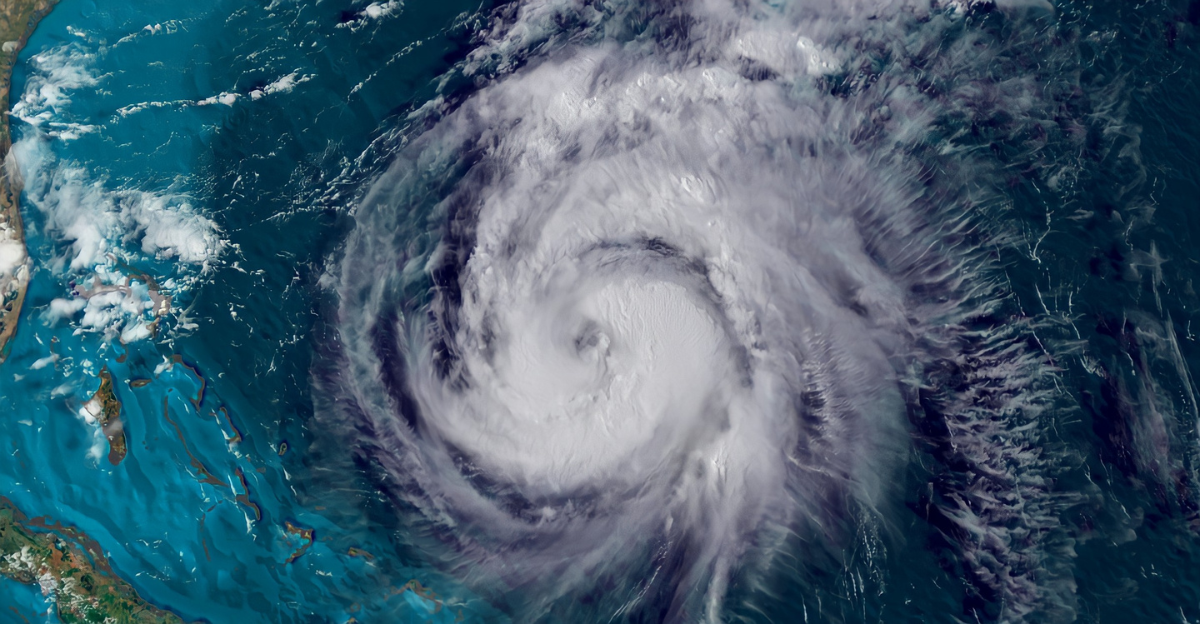
After weeks of peace, things are changing fast in the Atlantic hurricane season. Experts now say there’s an 80% chance that a tropical storm will pop up soon, which is a big shift from the calm we saw earlier this month. Ocean waters are hotter than usual, and the winds that normally slow down storms, called wind shear, are weakening. That means storms could get strong quickly.
September is famous for hurricanes forming, so this increase in risk matters to anyone living near the coast. People in risky areas and those managing emergencies are being told to keep a close watch for updates, as things can change fast.
Hurricane Hotspot
September isn’t just another month, it’s usually when the Atlantic hurricane season heats up. Scientists say the biggest storm action happens from August to October, with two-thirds of hurricanes forming during these weeks. Even though it’s been quiet, new forecasts say the atmosphere and ocean are lining up just right, so more hurricanes may appear soon.
Florida’s head climatologist, David Zierden warns, “The remainder of September and October will likely be active.” Past years show that storms love to strike hardest after this date.
Warm Waters Fuel Storms

Meteorologists are watching the Atlantic closely because the water temperature is above 80°F, hot enough to help storms grow. The winds that usually keep storms away are getting weaker, and the air is unstable, making it easier for storms to form. The National Hurricane Center says large parts of the tropical Atlantic are “very warm,” which can give storms extra energy in just days.
As climate scientist Jennifer Francis explains, “Higher temperatures provide ample fuel for the formation and intensification of tropical cyclones.” So, if a storm starts, it could get big fast, making this time especially risky for coastal communities.
Heat and Wind = Recipe for Disaster
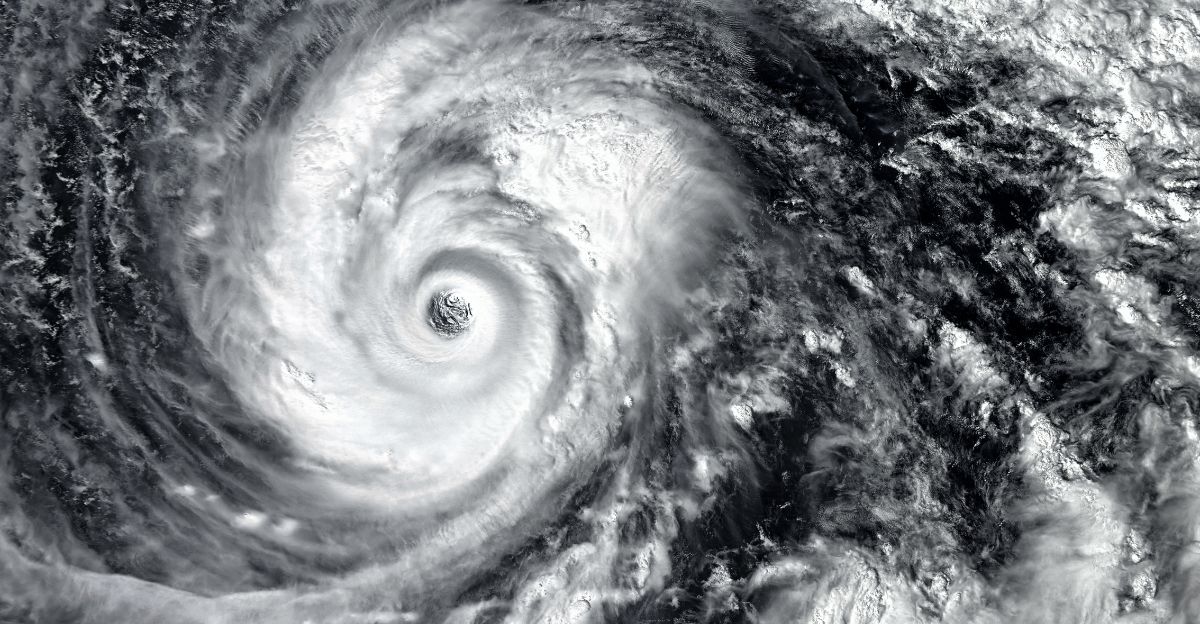
Warm ocean temperatures and changing wind patterns are setting up a risky storm season. Even if things seem calm at the start of September, the chances of sudden and powerful storms remain high. Florida’s state climatologist David Zierden warns, “Activity could ramp up soon.”
Emergency teams are keeping a close eye as late-season hurricanes often bring big floods and dangerous winds. Coastal homeowners and city leaders are reminded that storms can arrive quickly and pack a punch, so everyone must stay alert and prepared.
Big Storm Chances This Week
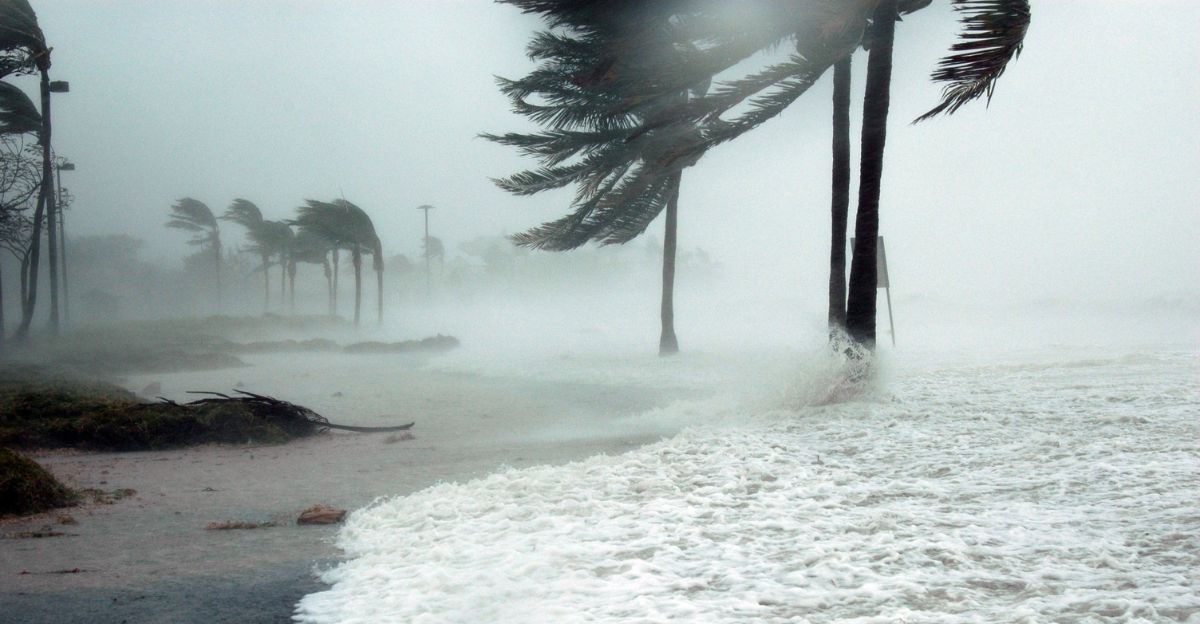
The National Hurricane Center now gives an 80% chance for a tropical storm to develop in the Atlantic over the next week. This sudden jump follows a quiet stretch due to warmer water and less wind blocking storms. Experts expect more storm activity before this month ends and warn all coastal communities to treat this as a big risk.
Weather experts say, “Environmental conditions are becoming more favorable that some development could occur next week.” It’s a clear sign that it’s time to take storm threats seriously, and to get ready for possible rough weather.
Watch Those Coasts
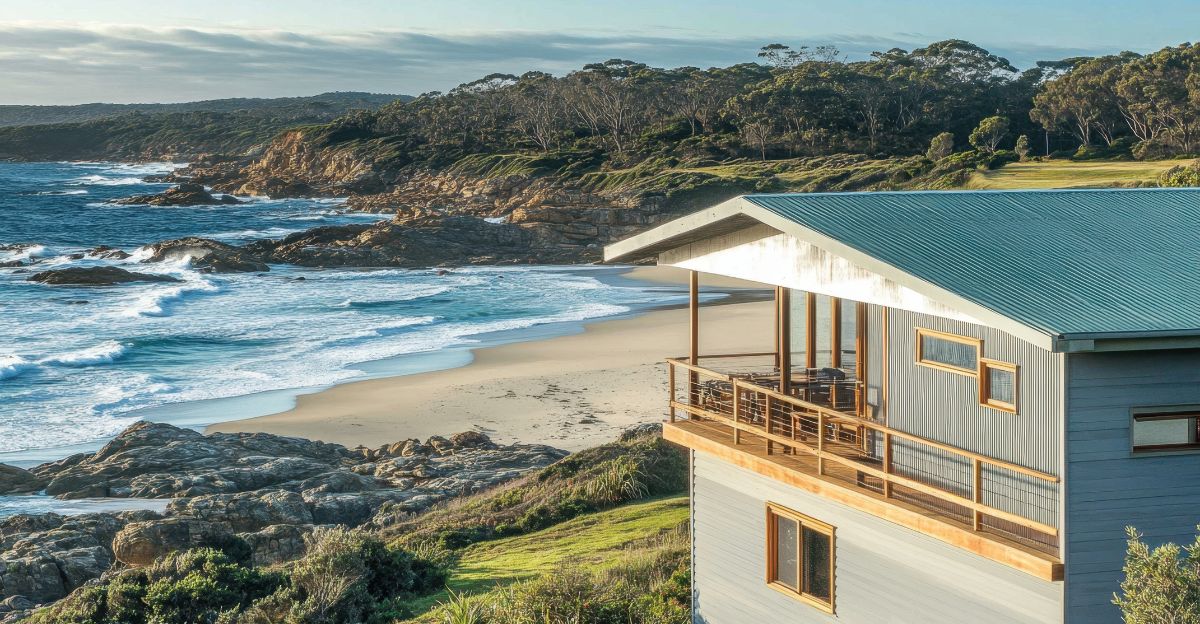
Homes and businesses along the Gulf Coast and Eastern Seaboard are in the highest-risk areas for storms late in hurricane season. More than half of Atlantic storm activity happens after September 10, say long-time records from NOAA. Just last year, Hurricane Helene flooded North Carolina in late September, and Hurricane Milton hit Florida with big losses in October.
This pattern shows the danger doesn’t stop after summer ends. Staying ready through October is a must for anyone near the shore, because history tells us threats stick around and losses can be huge.
Getting Ready Together
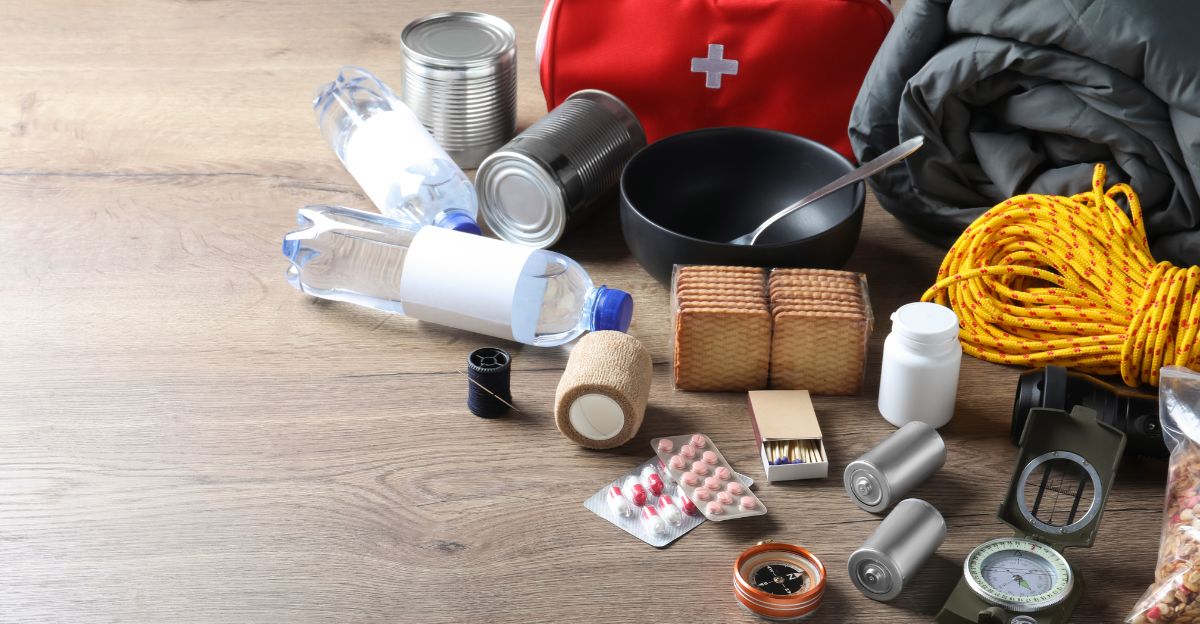
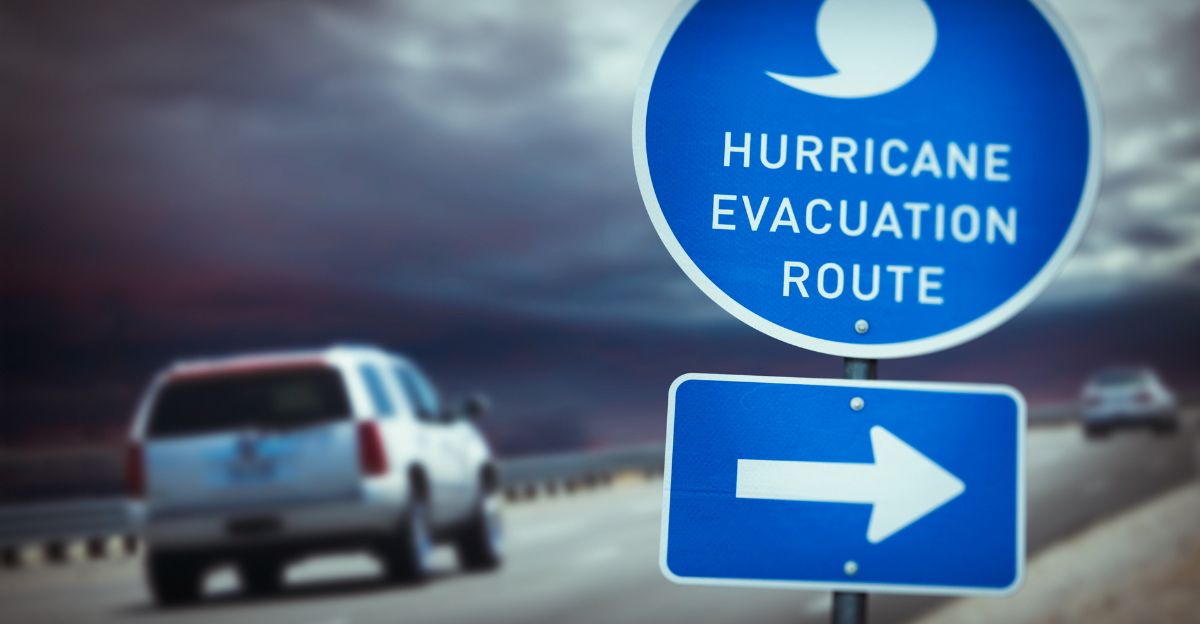
Local governments are gearing up for hurricane threats by prepping emergency response teams and reminding everyone about evacuation routes and flood plans. Florida’s emergency managers say it’s a good time to check emergency kits and practice family safety plans. Back-up power and communication are critical, as past hurricanes have shown.
Families and local leaders need to stay connected and ready to act quickly, especially during the hurricane season’s busiest weeks. Meteorologist Dr. Phil Klotzbach says, “We still expect the season to intensify, as conditions are projected to become more favorable later in September.”
Hurricanes Hurt Lives
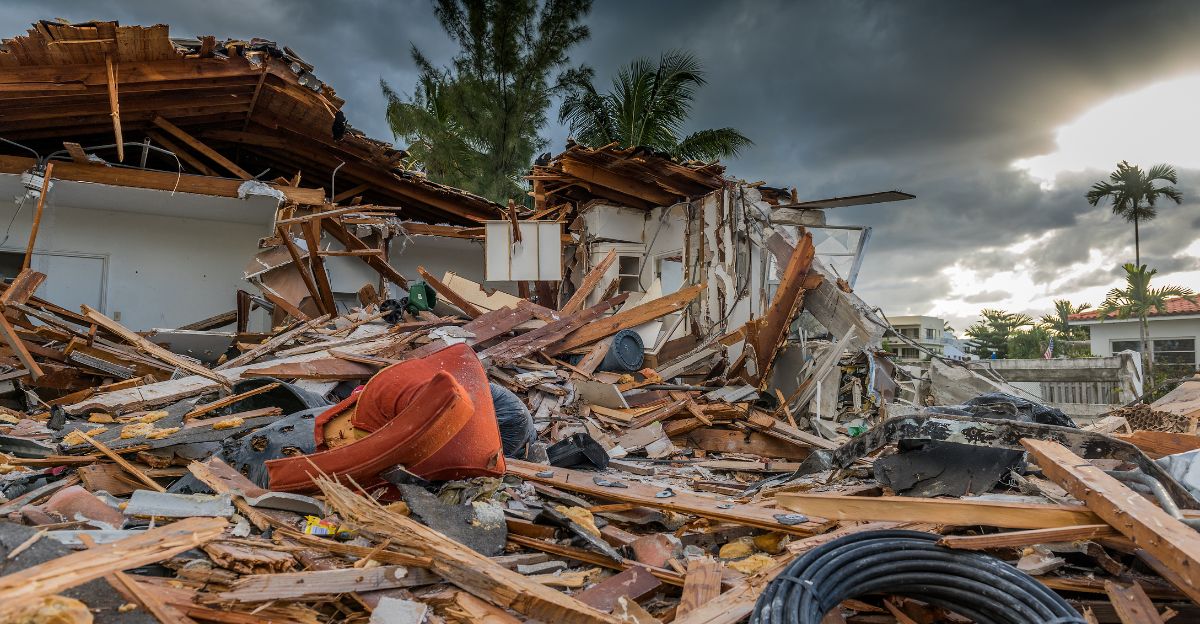
Hurricanes can leave lasting pain for people and communities. In August, Hurricane Erin picked up speed and caused floods and wind damage in the Caribbean and along the U.S. East Coast. Last year, Hurricanes Helene and Milton cost billions and even took lives in Florida and nearby states.
Experts note that hurricane impacts stretch beyond lost homes, they can break up families, close businesses, and hurt local economies for months.
Why Are Storms Getting Worse?
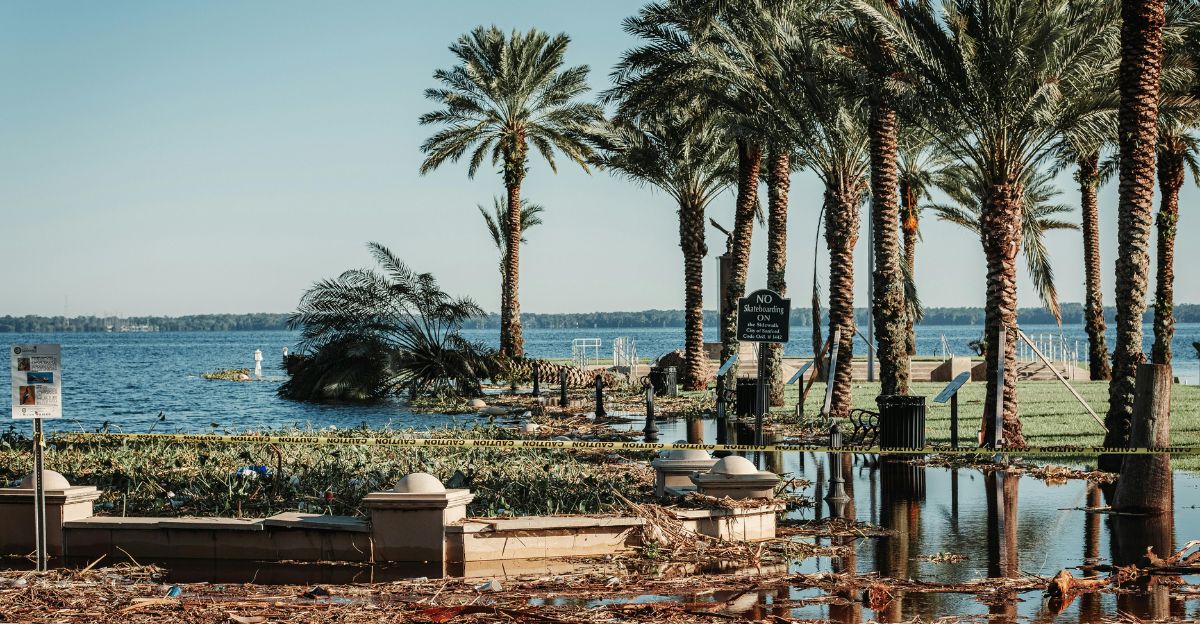
Science shows that warmer ocean water is making hurricanes stronger and more common. Meteorologist Stephanie Zick says, “As sea surface temperatures increase, hurricanes have more energy to support higher intensification rates.” Recent research reports that Atlantic cyclones are now 29% more likely to get much stronger and faster than decades before.
As the climate changes, experts warn that dangerous storms may become even more frequent unless action is taken to slow down global warming.
Hurricanes Speed Up Fast
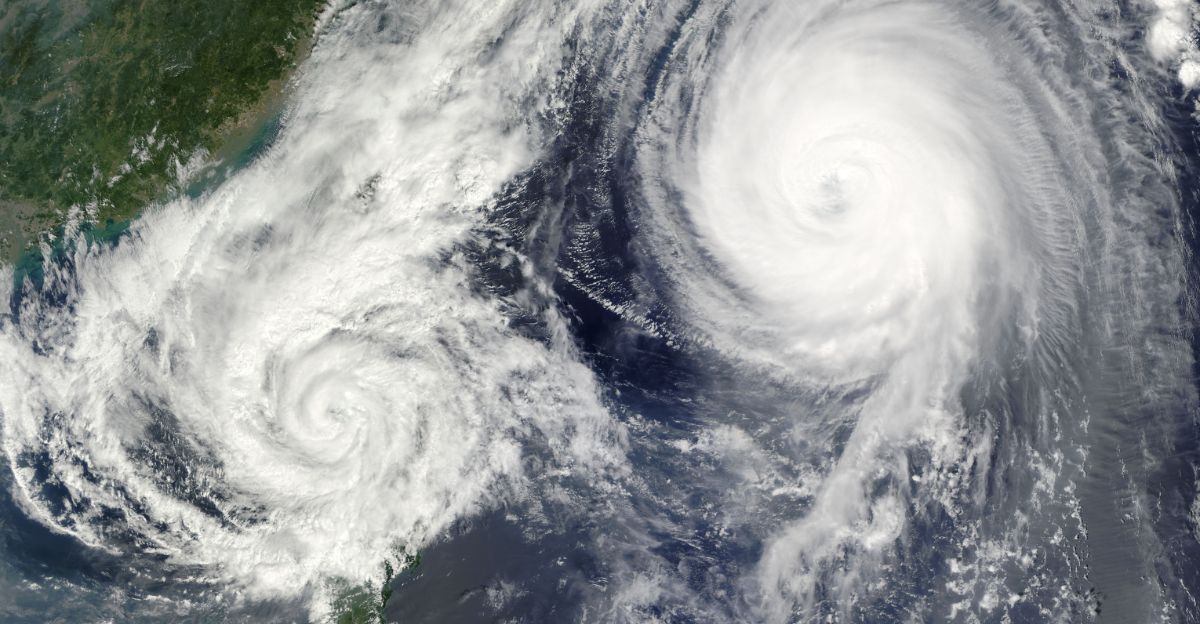
What’s new and worrying is that storms are picking up strength much quicker than before. If a hurricane’s wind jumps by more than 35 mph in just 24 hours, that’s called “rapid intensification”. Hurricane Erin skyrocketed to 85 mph in one day, making it one of the fastest-strengthening hurricanes in the Atlantic.
Warm waters and changes in the air make this possible. Scientists say, “Rapid intensification places even greater pressure on forecasting and emergency services.” This means people and rescue crews may have less warning time, making readiness more important than ever.
Agencies Take Action
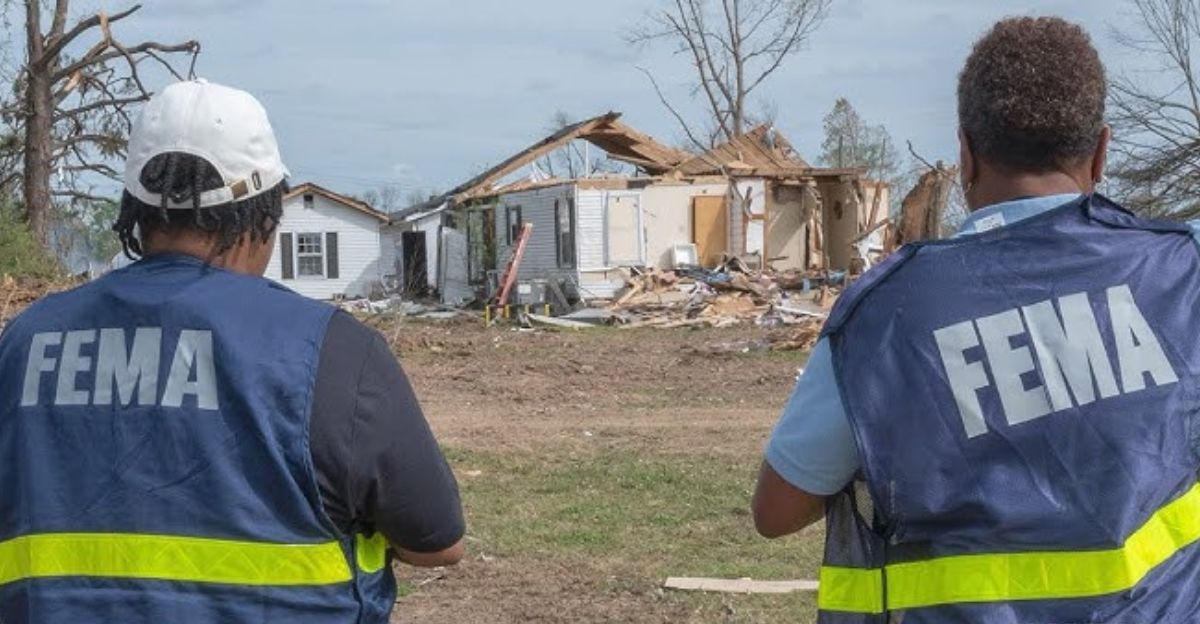
Groups like FEMA and NOAA are working together to watch storms round-the-clock and share updates with state and local governments every six hours. Cities in high-risk areas are running evacuation drills and disaster training. The idea is to cut damage and bounce back faster if storms hit.
NOAA leaders insist, “We are fully staffed at the Hurricane Center and definitely ready to go.” Close teamwork is vital to keeping people safe and making recovery smoother when big storms strike.
Businesses Prepare, Too
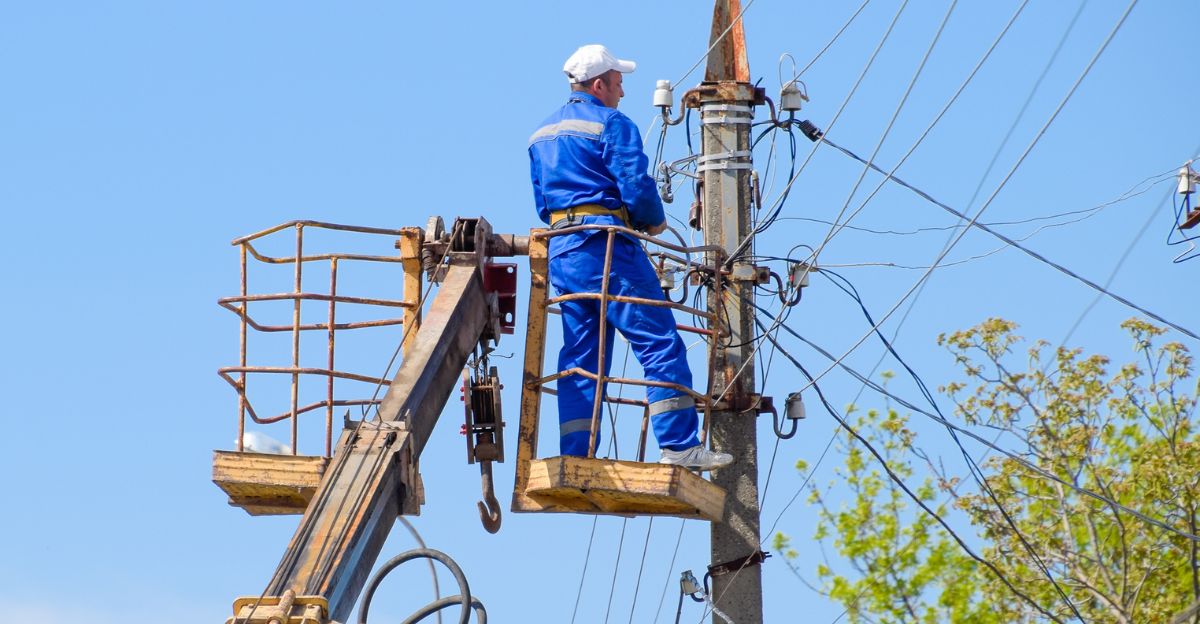
Big companies like insurance firms and energy providers are updating their risk plans because of the higher chance of sudden storms. AccuWeather just revised its 2025 prediction to 13–16 named storms and up to nine hurricanes. Power companies have started checking lines and supplies to limit outages.
Economic experts warn, “Hurricane impacts ripple through logistics, farming, and property markets long after the wind stops blowing.” That’s why private businesses are joining the push for more readiness on every front.
Building for the Future
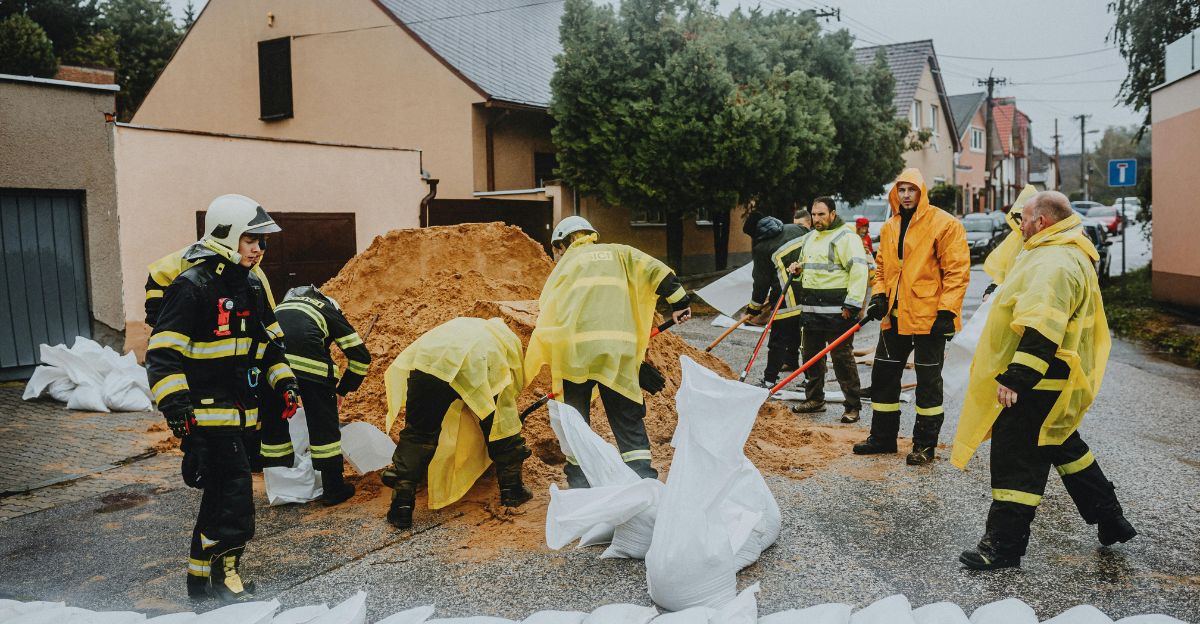
Leaders in government and industry are working to create better rules for building strong homes and protecting against floods. In several southern states, new laws are being proposed to upgrade flood defenses, requiring tougher building materials to withstand hurricanes.
Public and private groups are teaming up to put money into local safety efforts and disaster recovery programs. More hands-on help means communities will bounce back quicker from future hurricanes.
Communities Step Up
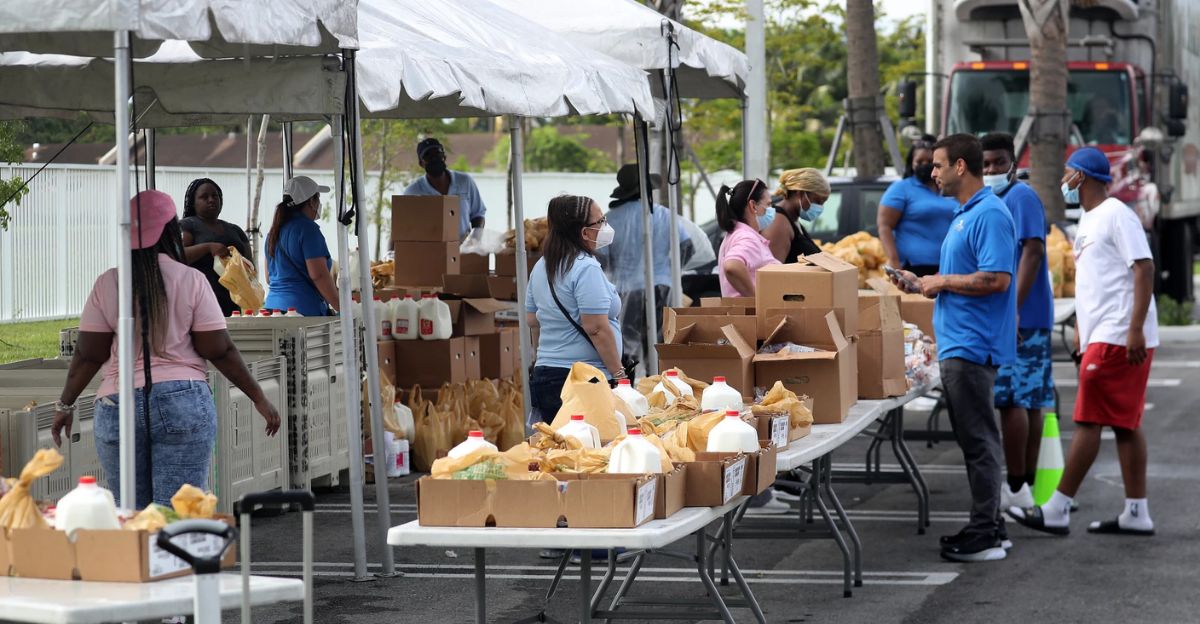
Local groups are helping vulnerable people like seniors and low-income families get ready for hurricane season. Emergency tips are being shared in many languages on social media, radio, and at local stores. Health departments and volunteers are prepping shelters and food banks for bigger crowds.
This community action is especially important during peak storm months, making sure everyone has the support they need if trouble comes.
What’s Next? More Storms Possible
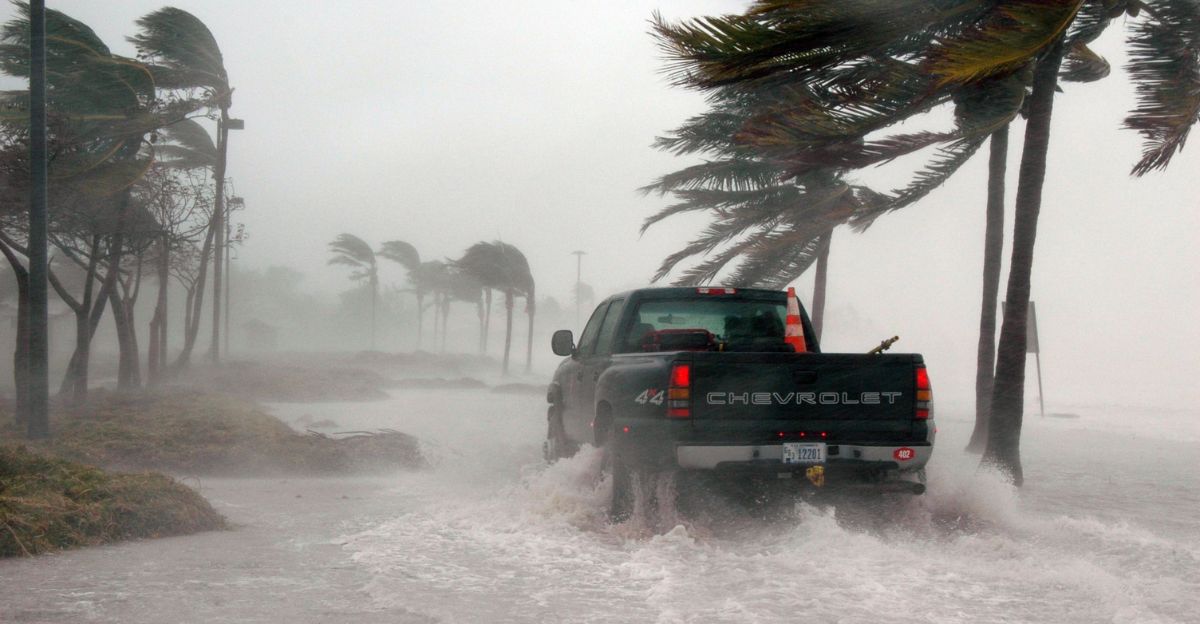
Experts warn that the storm season is far from over, more than half of hurricane activity typically happens after September 10. Meteorologists urge coastal residents to keep preparing, especially as new storm systems form off Africa and head toward the Caribbean.
Forecast models predict October could be extremely active, with warm waters and low wind shear sticking around. “Questions linger over whether rapid intensification events may challenge existing response systems,” reports Scientific American. Staying prepared is the safest bet.
Government Acts on Research

Congress is now holding hearings to make sure hurricane research has enough funding. Some recent budget cuts put important programs at risk, like the Defense Meteorological Satellite Program. Lawmakers have pushed back, restoring more money for storm forecasting because it’s a matter of public safety.
New reviews may shape how effective future disaster warning systems are as hurricane risks grow. Being prepared isn’t just about sandbags, it’s about good science and strong systems.
Hurricane Risks Go Global
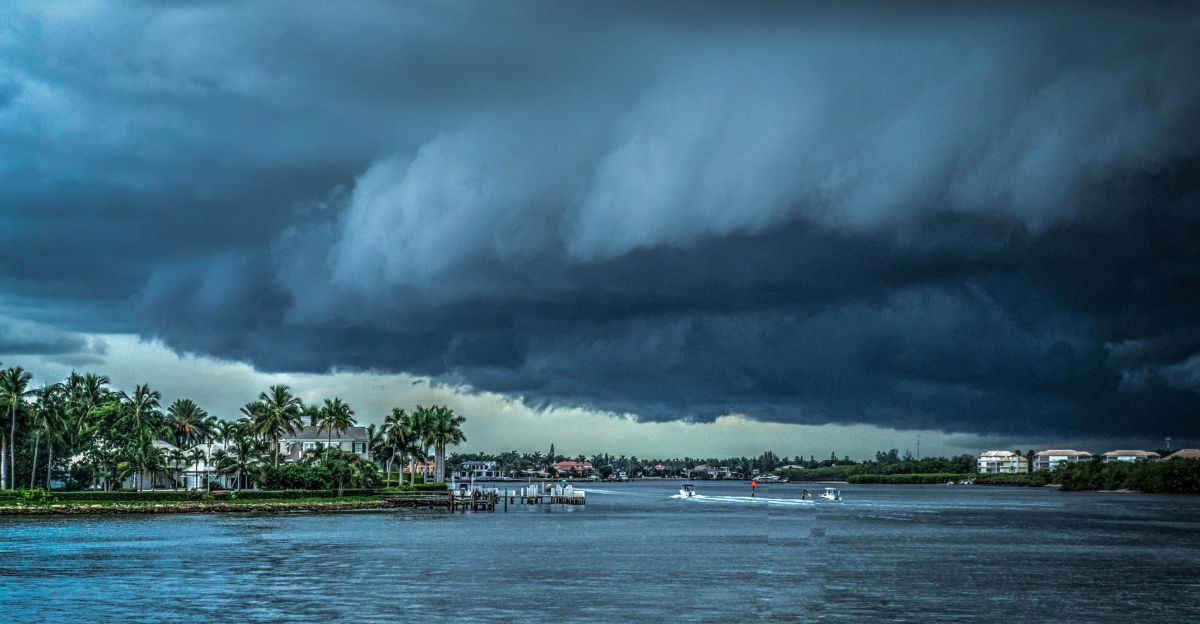
The risk of hurricanes is shaking up many industries, not just those on the coast. Ports, oil refineries, and food suppliers along the Gulf Coast are making new plans for possible disruptions. Already stressed from earlier weather disasters, food supply chains are getting ready for more problems if flooding hits big shipping hubs.
This impact stretches overseas, as insurance companies and crop traders plan for higher losses. “The ripple effects extend internationally,” say Bloomberg analysts, showing hurricanes are everyone’s business.
Hurricanes Trending Online
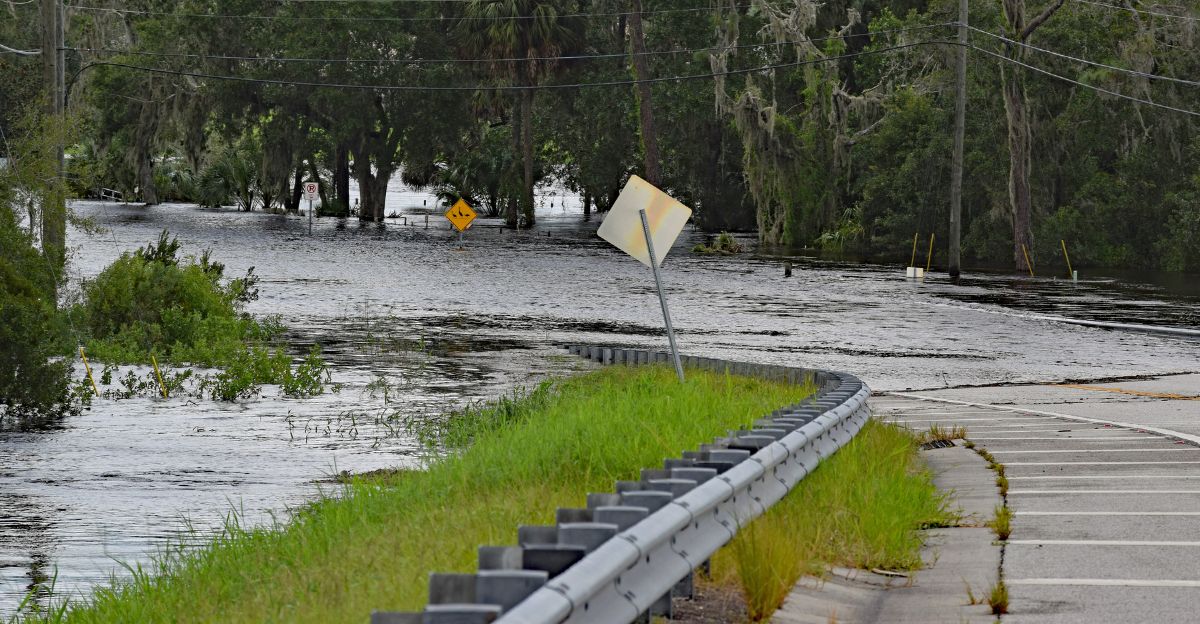
Hurricane season is a top topic on social media, as people react to the sudden uptick in storm activity. Many posts predict storm tracks and impacts, but not all information online is true. Meteorologists and emergency agencies use social media to bust rumors and share real-time updates. NOAA and Weather.com stress, “The need for expert clarity grows as public anxiety spreads online.” Always double-check hurricane info before sharing.
When History Repeats
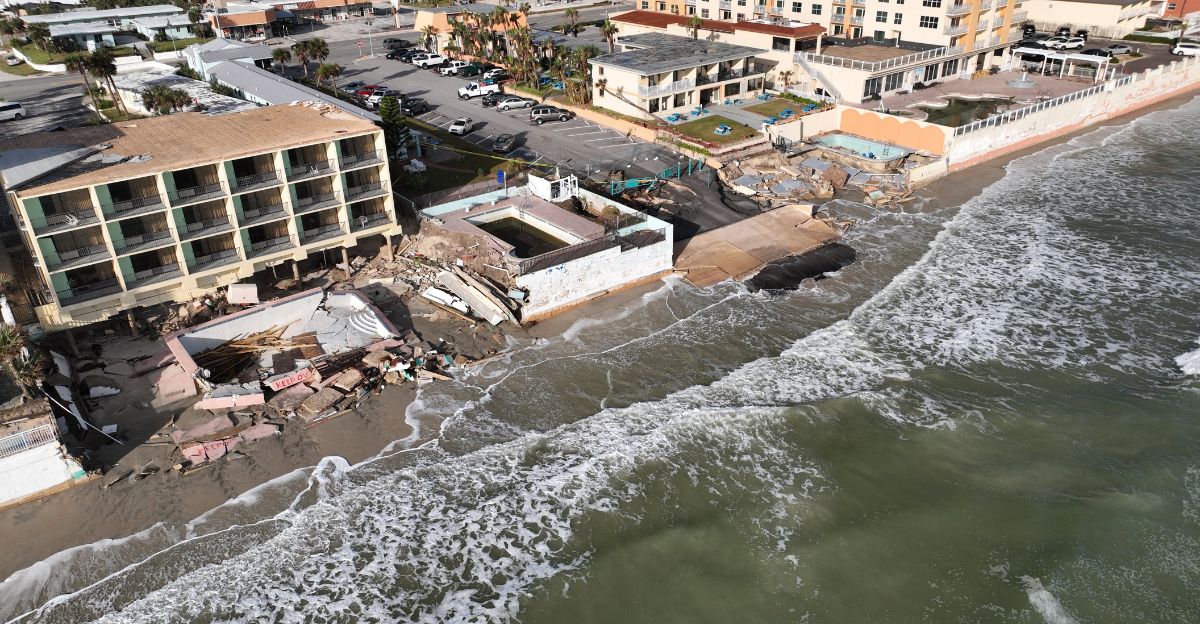
Late-season storms often show up after weeks of calm, just as Hurricane Ian in 2024 caused major flooding in Florida. Historical records prove that September and October are when most hurricane damage happens. These “quiet-to-chaos” years remind us that the biggest risks may come just when people let their guard down. Experts encourage everyone to learn from the past and stay alert until hurricane season wraps up for good.
Stay Sharp
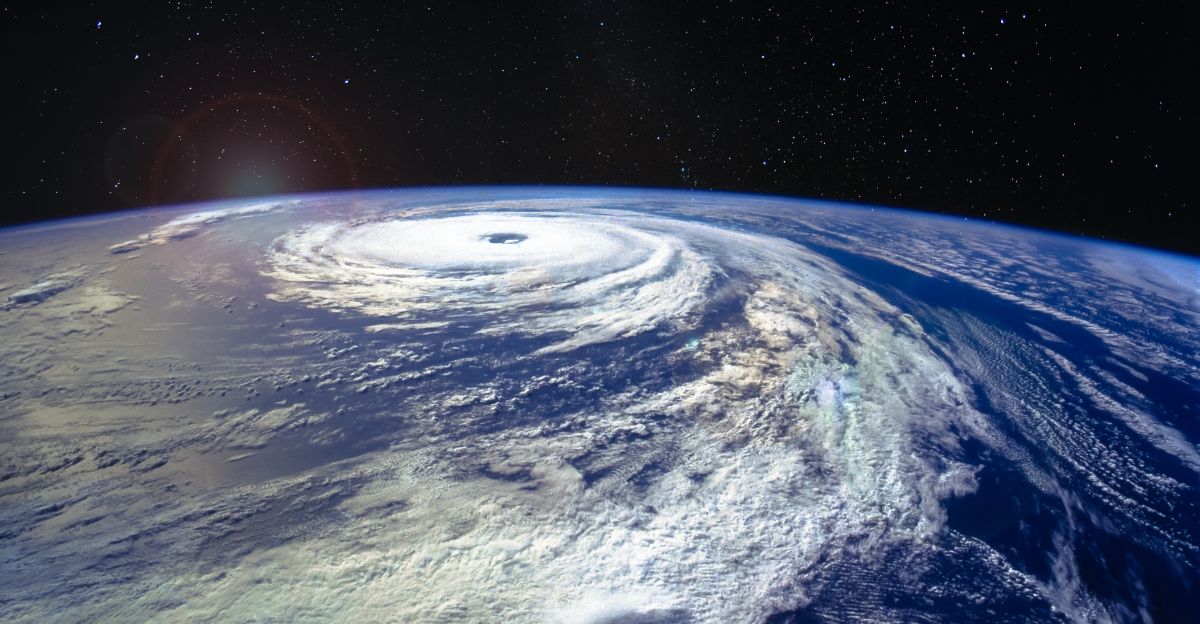
The most important thing to remember? Hurricane season in the Atlantic is entering its riskiest period, powered by hotter ocean water and changing weather patterns. Experts expect storms to form, and get stronger, faster than in past years. Now more than ever, people should keep up with official updates, strengthen their emergency supplies, and plan to respond if a storm comes.